Best Restoration Companies in Aurora, CO: What Homeowners Should Look For
When your basement smells musty after a summer storm, or a pipe bursts right before you leave for the weekend, “restoration services near me” suddenly becomes the most urgent search you’ll make. But the best restoration companies aren’t just the ones that answer the phone—they’re the ones that show up fast, explain what’s happening, document everything for insurance, and actually get your home back to normal.
If you’re looking for the best restoration companies Aurora CO homeowners rely on, here’s what to look for—without getting buried in jargon.
Why Aurora homeowners need restoration companies (not just “a handyman”)
Aurora gets a little of everything: snowmelt, hail, sudden downpours, wind, and the occasional deep-freeze that turns small plumbing problems into big ones. That’s where a dedicated restoration company Aurora CO stands out.
A true restoration team is built for emergencies like:
- Water damage restoration Aurora calls from burst pipes, appliance leaks, roof leaks, or flooded basements
- Storm damage restoration Aurora repairs after hail/wind damages siding, roofs, and windows
- Fire damage restoration Aurora jobs that involve soot, odor removal, and rebuilding
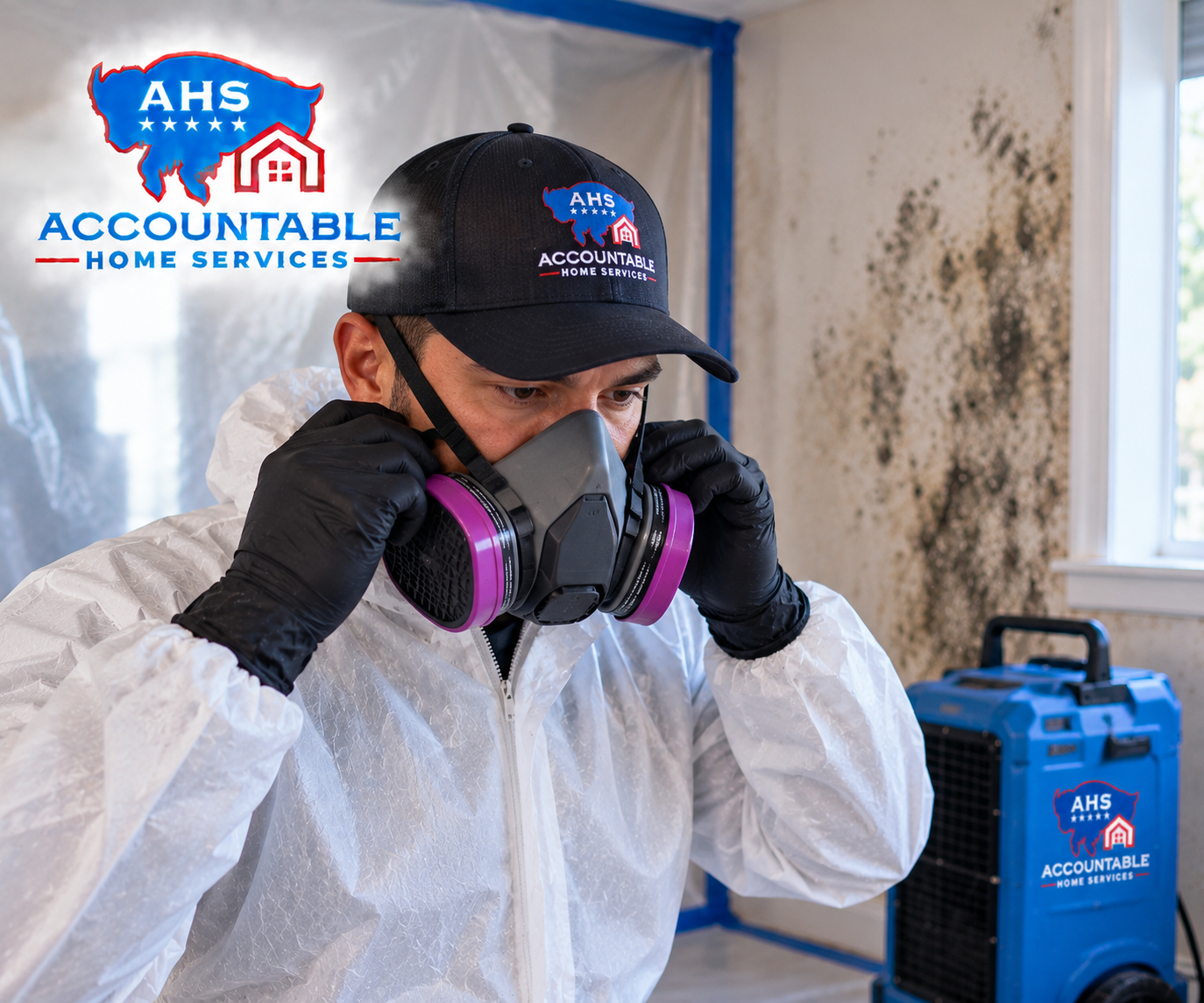
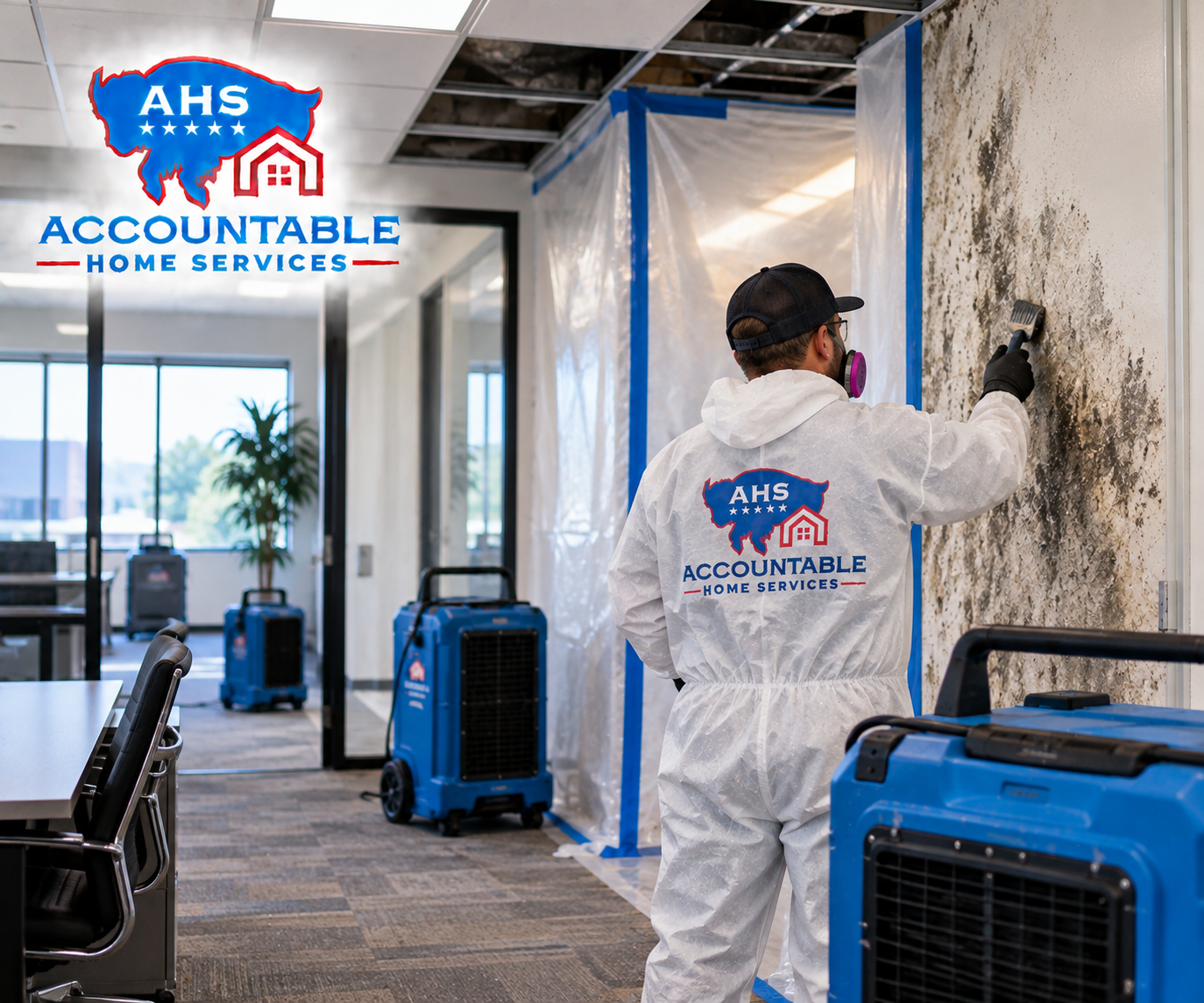
- Mold issues that need real containment and removal by mold remediation contractors (aka mold remediation Aurora specialists)
- Dangerous situations where you need to restore property after sewage backup safely
In short: home restoration Aurora isn’t one trade—it’s a coordinated process.
The “best” restoration company is the one that can prove it
There’s no single best for everyone. The best match depends on your damage, your timeline, and your insurance situation. But the best restoration companies usually share the same traits.
1) They offer true emergency response (not “tomorrow morning”)
Disaster damage spreads quickly. Water wicks into drywall. Wet carpet grows bacteria. Smoke smell gets into everything.
Look for:
- emergency restoration services 24/7
- A real dispatcher, not just a voicemail
- Clear arrival windows and updates
- Equipment on the truck (fans, dehumidifiers, moisture meters, containment materials)
This is the baseline for emergency restoration Aurora jobs.
2) They have certified technicians and explain the plan clearly
A good sign: certified IICRC restoration technicians. IICRC training is common in the industry for water, fire, and cleaning standards—and a company that invests in it usually takes process seriously.
What you should hear (in plain English):
- What’s damaged (and what might be hiding behind walls/floors)
- What must be removed vs. dried vs. cleaned
- What happens first, second, and third
- What the timeline looks like
If you feel rushed, pressured, or confused, keep calling around.
3) They document everything (especially if insurance is involved)
Even if you’re not sure you’ll file a claim, documentation helps.
Ask if they provide:
- Photos and moisture readings
- Itemized drying logs
- Notes on materials removed
- A clear scope of work you can share with your adjuster
This ties directly into what does restoration insurance cover—because insurance often depends on the cause of loss (sudden pipe break vs. long-term leak), your policy type, and how well the damage is documented.
4) They can handle both mitigation and rebuild—or coordinate it well
Some companies only do emergency mitigation (dry-out, demo, cleaning). Others also rebuild (drywall, paint, flooring, trim). Either can work—as long as it’s managed.
This is where many homeowners wonder: restoration company vs general contractor?
Here’s the simple way to think about it:
- A restoration company specializes in property restoration Aurora CO after a loss: drying, cleaning, safe removal, odor control, and often reconstruction.
- A general contractor may be great at rebuilding, but might not be equipped for emergency drying, containment, or smoke/soot cleanup.
If you hire separate teams, ask who’s responsible for scheduling, handoffs, and warranties.
What services should be included (and what to ask)
Not all restoration companies offer the same depth. When comparing options, ask specific questions by damage type.
Water damage: what “good” looks like
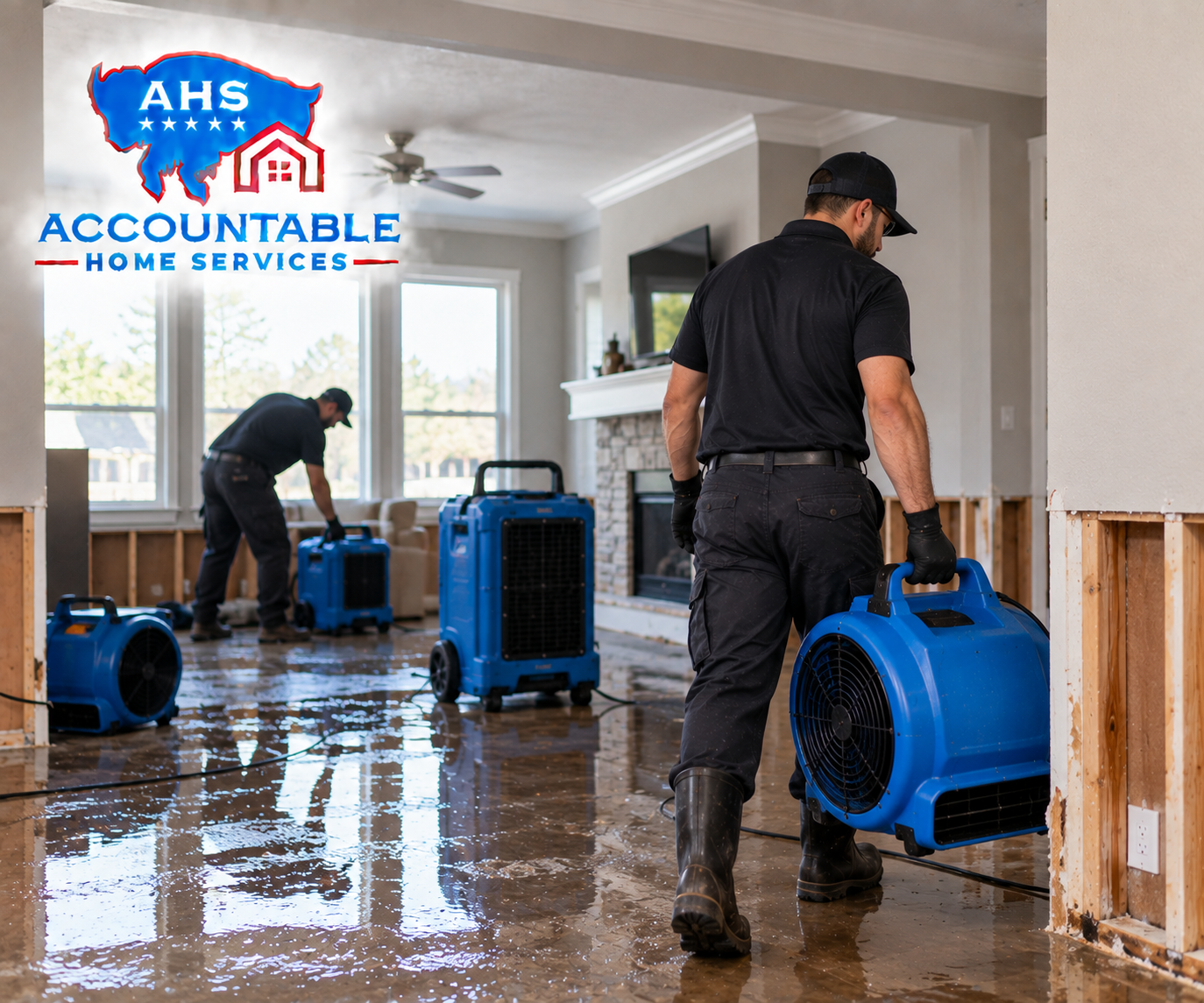
For water damage restoration near me searches, the best teams will walk you through a real drying plan—not just “we’ll put some fans in.”
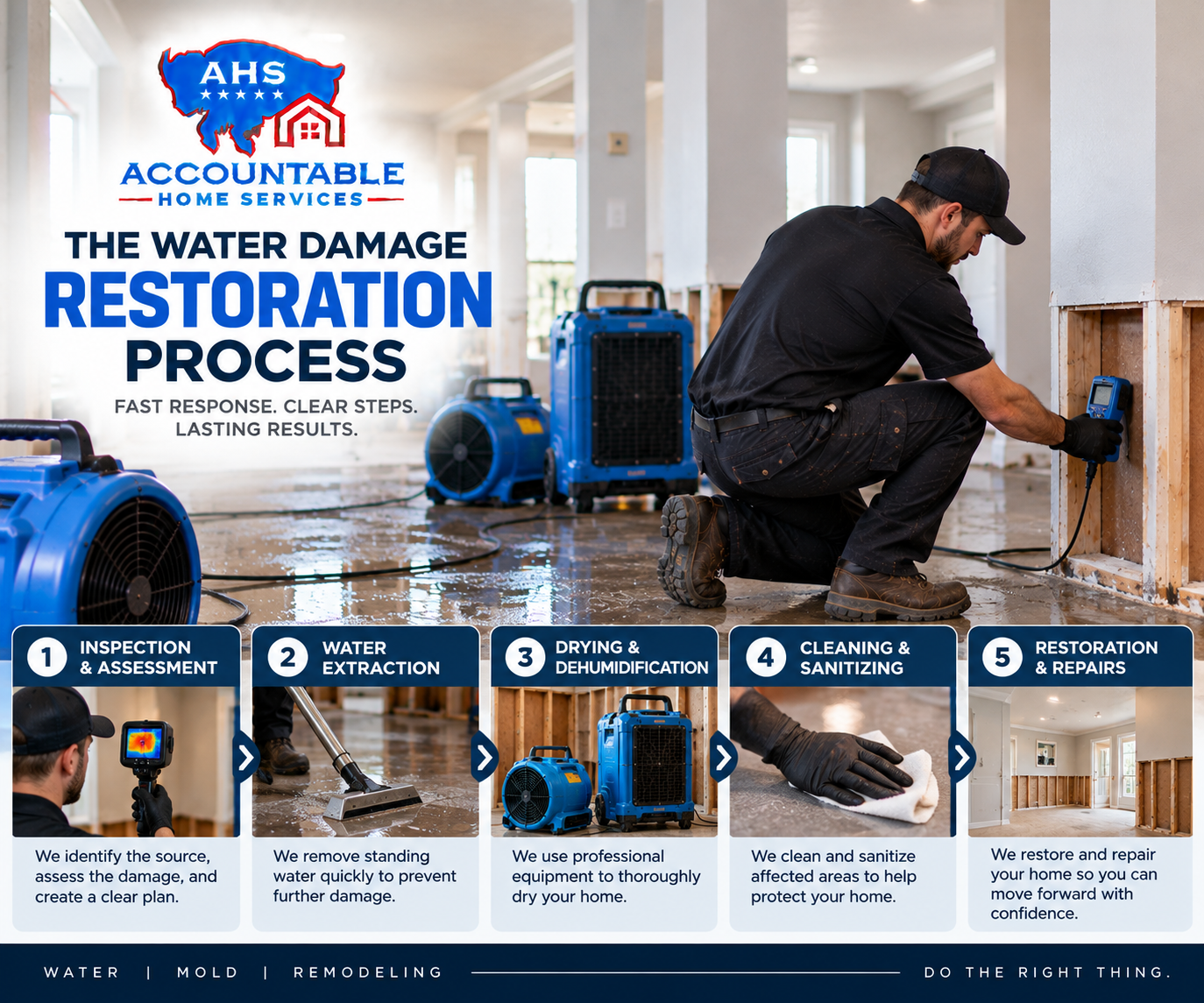
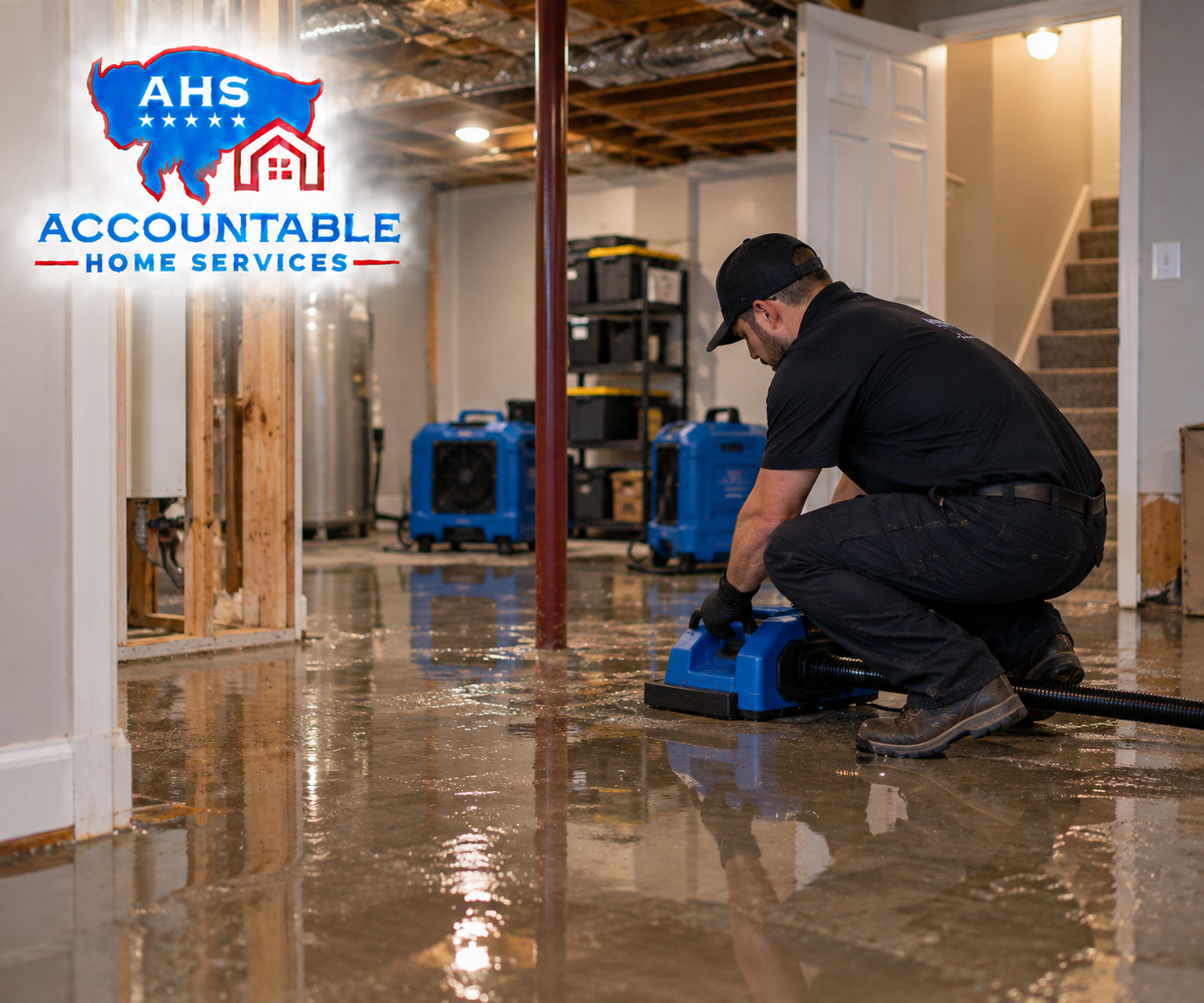
Ask if they follow a residential flood cleanup process like:
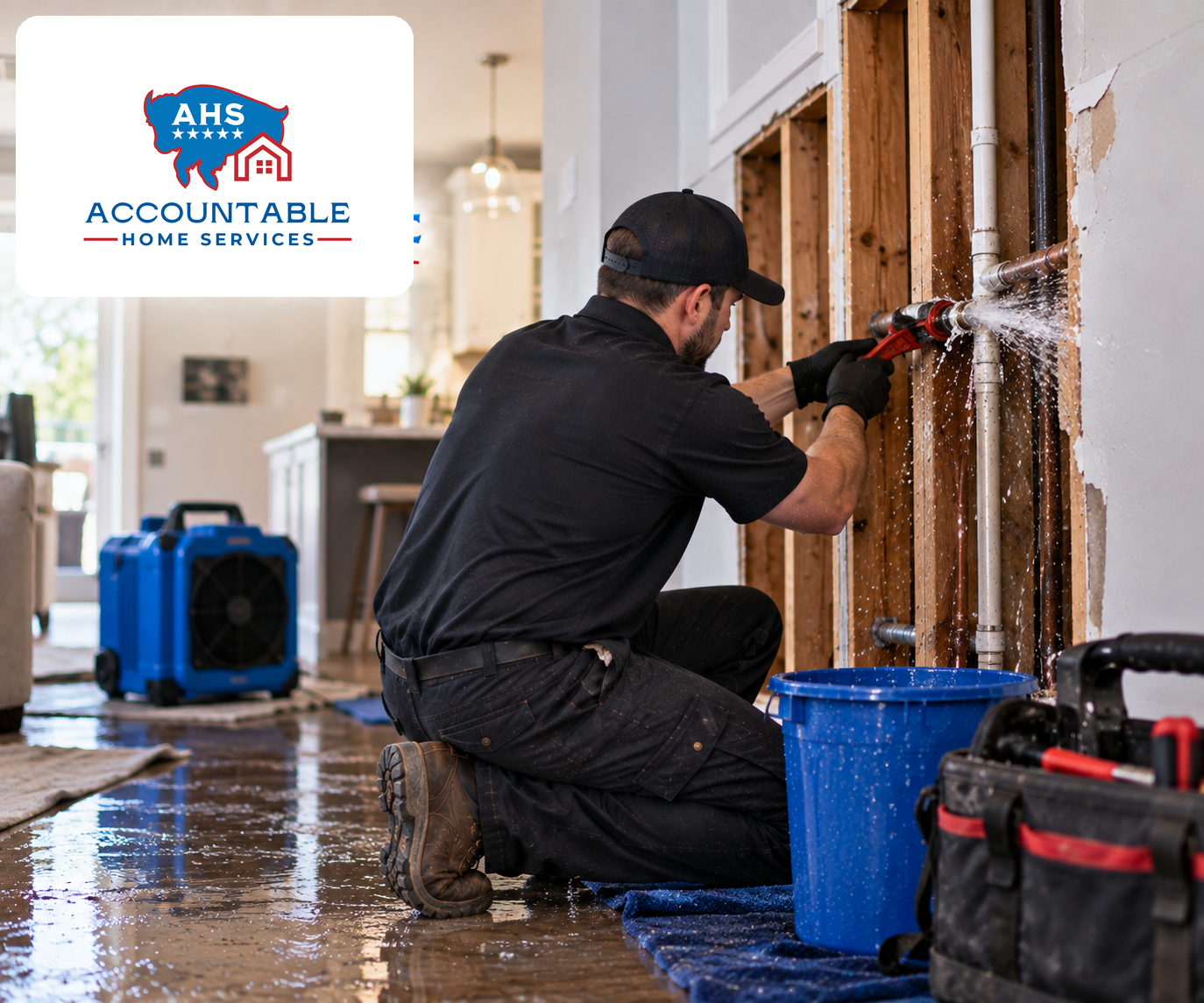
- Stop the source (or help you coordinate a plumber)
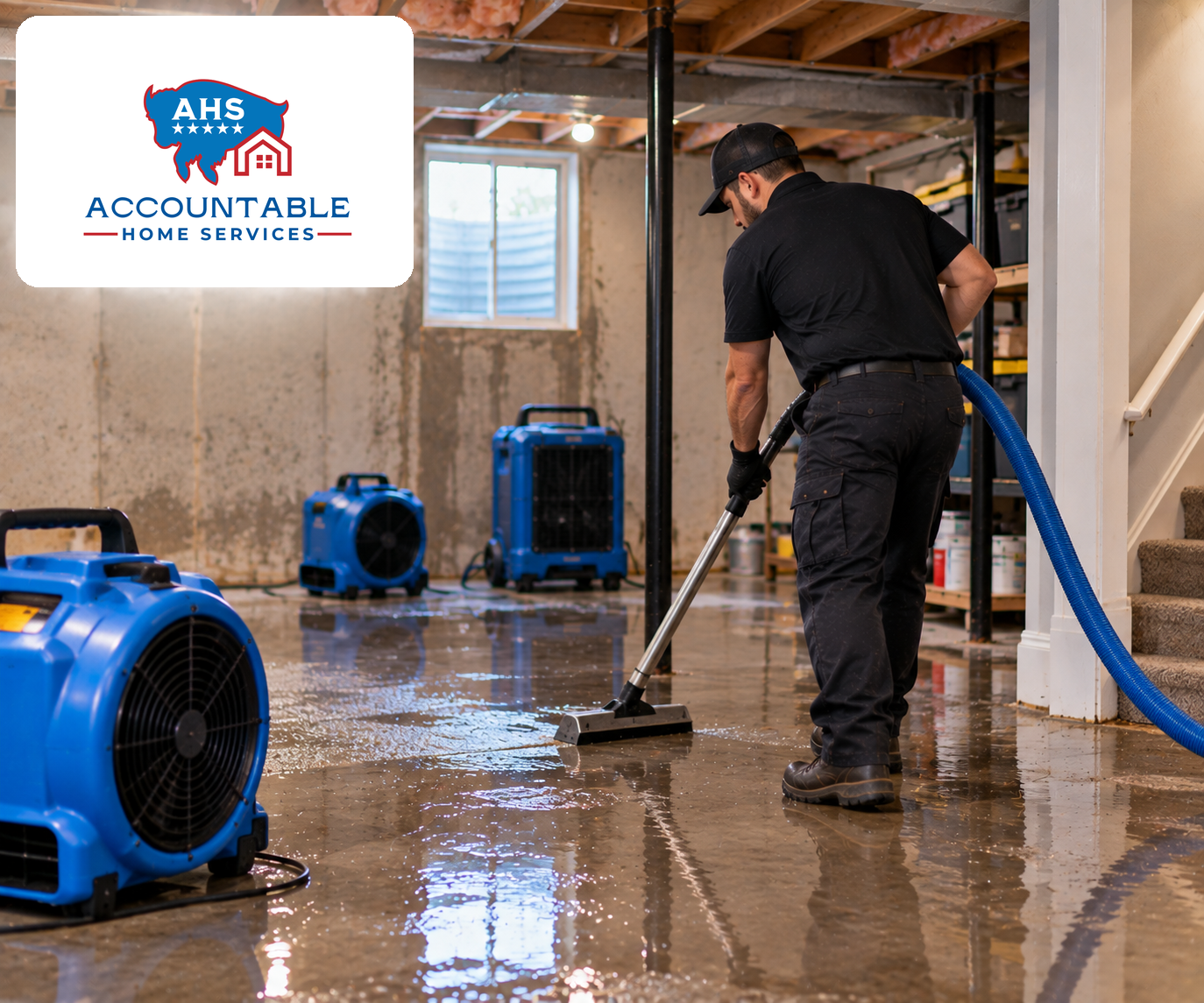
- Extract standing water
- Remove unsalvageable materials (padding, swollen baseboards, etc.)
- Set up drying equipment correctly (not randomly)
- Check moisture daily and adjust
- Treat for bacteria if needed, especially after gray/black water
If your situation involves sewage, ask how they restore property after sewage backup—that should include safety controls, disposal, and proper cleaning/disinfection steps.
Fire and smoke: beyond “wiping down walls”
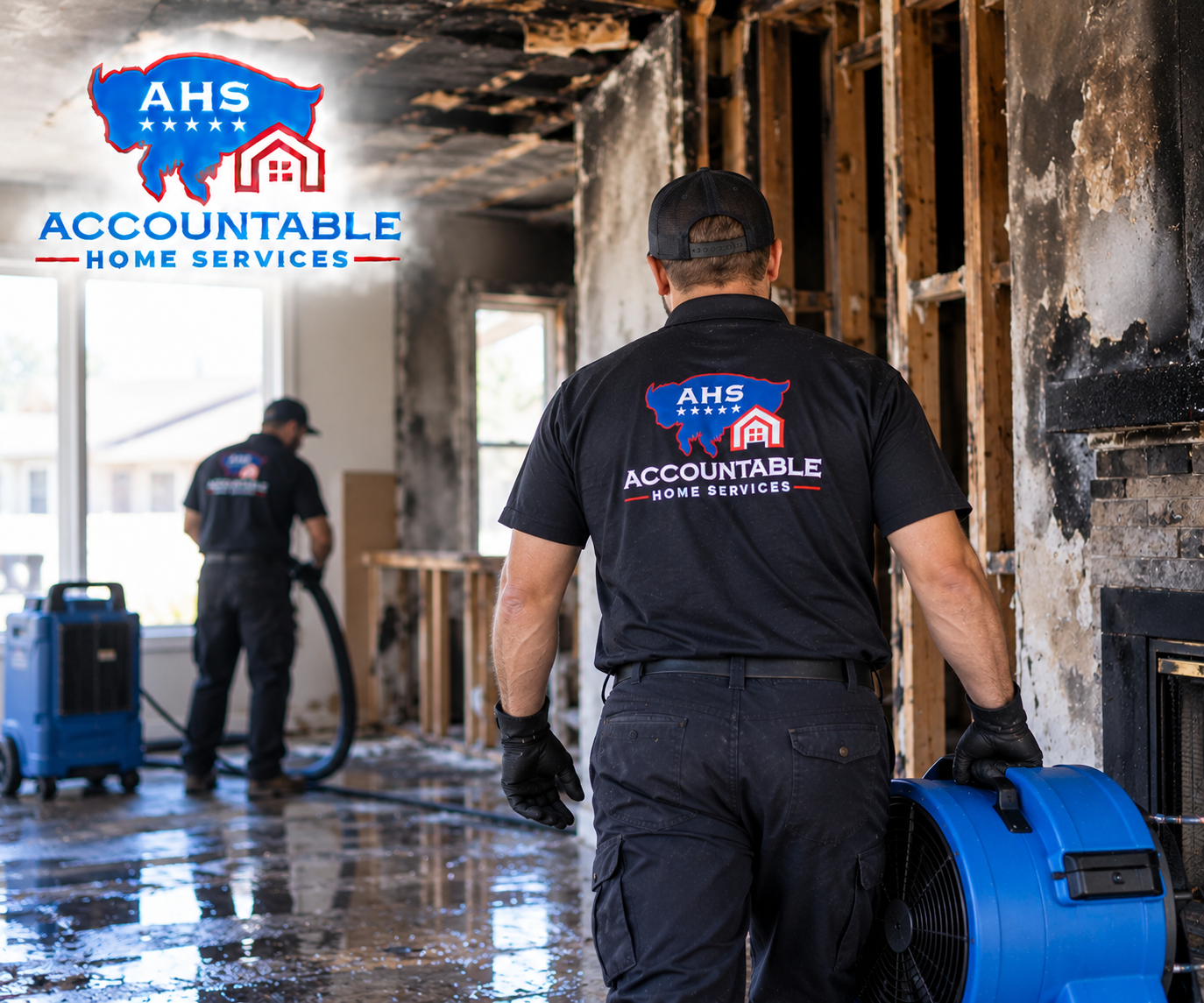
For fire and smoke cleanup services, the difference between okay and excellent is odor control and detail.
Ask whether they handle:
- Soot removal (surfaces, vents, contents)
- Odor sealing and deodorization steps
- Textile and content cleaning (when salvageable)
- Clear rebuild scope after mitigation
A strong fire damage restoration Aurora provider will also be honest if certain items can’t be restored.
Mold: containment matters
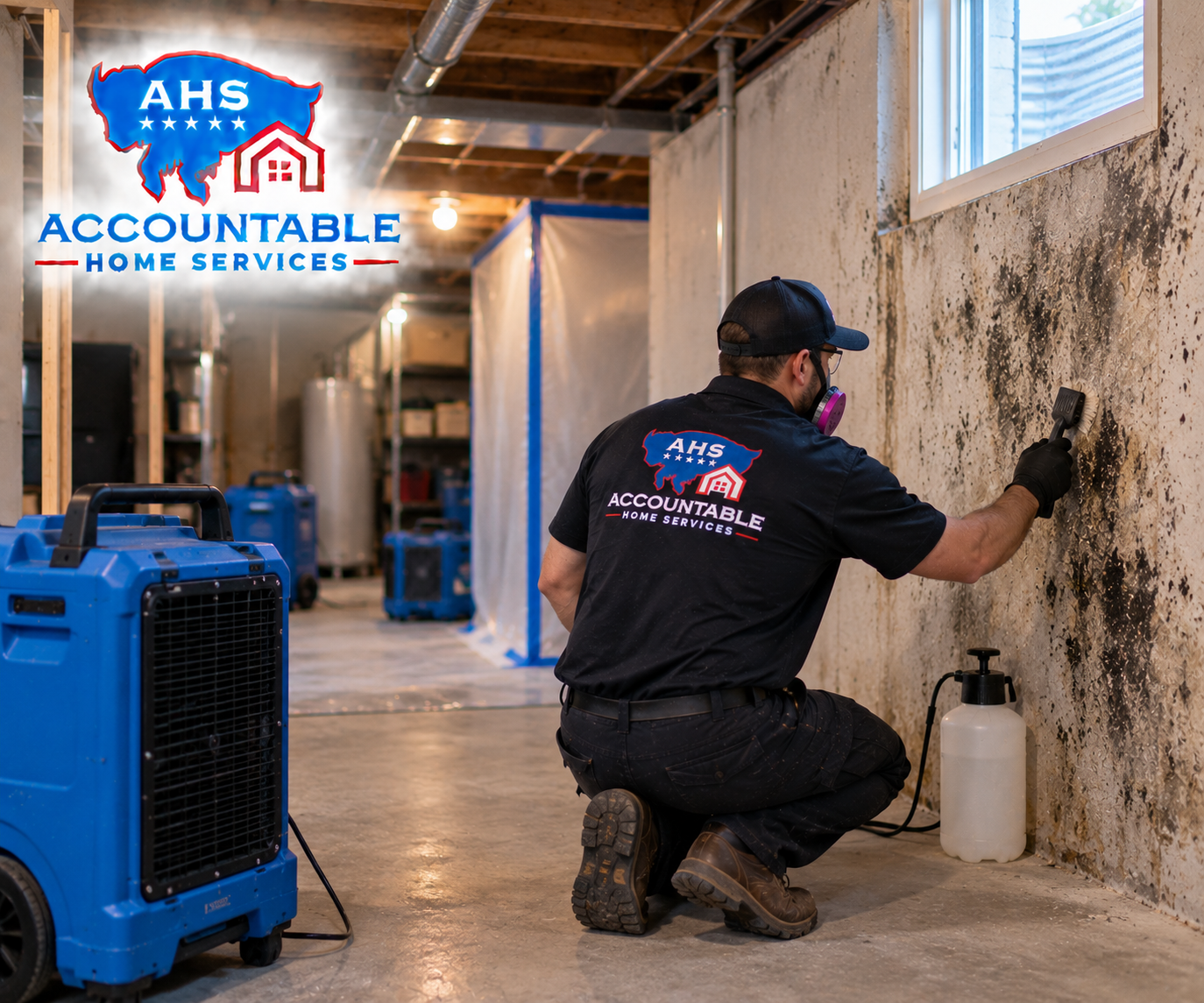
For mold remediation Aurora, don’t settle for vague promises like “we spray it.”
Ask mold remediation contractors:
- How do you contain the area (plastic barriers, negative air)?
- Do you remove affected materials when required?
- Will you address moisture source and prevention?
- Do you provide post-work guidance?
Also ask what they don’t do. For example, some teams won’t fix the leak or improve ventilation—so you’ll need a plan.
Storm damage: the faster you tarp, the smaller the claim
With storm damage restoration Aurora calls, the first priority is preventing more damage:
- Emergency roof tarp or board-up
- Water intrusion inspection
- Moisture checks in attics and walls
- Temporary stabilization before full repairs
The best restoration companies will treat storm work like a race against time, not a slow home improvement project.
Commercial support (if you own a business)
If you’re responsible for a building, ask about commercial disaster recovery services: after-hours response, drying large areas, coordinating tenant access, and documentation that supports business insurance claims. Not every residential-focused team is set up for that.
How to compare local companies without getting scammed
You don’t need to be an expert—just ask a few smart questions. Here’s a practical how to choose a restoration company checklist.
Quick screening questions (use these on the phone)
- Do you offer emergency restoration services 24/7 and what’s your ETA?
- Are your techs certified IICRC restoration technicians?
- Will you provide photos, readings, and a written scope?
- Do you do both mitigation and reconstruction? If not, how do you hand off?
- Do you offer restoration companies with free inspection, and what does that include?
- Can you explain your billing and insurance process clearly?
Check reputation the right way
Yes, reviews matter—but look deeper than star ratings. When you check local restoration reviews and ratings, scan for:
- Consistency (many recent reviews vs. a burst of old ones)
- Mentions of communication, cleanliness, punctuality
- How they handled unexpected issues
- Whether they helped with insurance documentation
Red flag: lots of complaints about surprise charges, no-shows, or pressure to sign immediately.
Understanding costs (without getting overwhelmed)
Every loss is different, but you should still ask for clarity. A good company can give a realistic range and explain what changes the price.
Use this as a simple restoration cost estimate guide:
- Water damage cost varies by category (clean water vs. contaminated), how long it sat, and how much has to be removed.
- Mold remediation depends on square footage, containment needs, and what materials are affected.
- Fire damage depends on soot type, smoke spread, odor penetration, and rebuild complexity.
- Storm damage depends on roof/exterior repairs plus any interior water intrusion.
Ask what’s included (equipment days, monitoring visits, demolition, disposal, cleaning, rebuild). If they can’t explain it plainly, move on.
Insurance basics: what to ask before you sign
Homeowners often ask: what does restoration insurance cover? The honest answer is: it depends on your policy and the cause of damage. But you can still protect yourself.
Before authorizing major work, ask:
- Is this considered mitigation/emergency work (to prevent more damage)?
- Will you help me understand what’s likely covered vs. not?
- Will you bill insurance directly, or is payment due from me first?
- What happens if insurance denies part of the scope?
Tip: Don’t let anyone pressure you into signing broad authorizations without reading them. Emergency mitigation is important—but so is understanding your responsibility.
If you can’t get a top company immediately: smart alternatives
Sometimes the best teams are booked during major storms. If you need a disaster restoration services alternative, prioritize actions that limit spread:
- Shut off water (if needed) and power in affected areas (safely)
- Photograph damage and keep receipts for any supplies
- Remove valuables from wet areas if safe
- Call multiple companies and ask for the soonest emergency response
Just avoid running fans on contaminated water (like sewage) without professional guidance.
The takeaway
The best restoration companies Aurora CO homeowners choose aren’t perfect because they’re flashy—they’re reliable because they’re organized. For any property restoration Aurora CO project, look for fast response, clear documentation, proven certifications, transparent estimating, and a team that can either rebuild or coordinate smoothly.