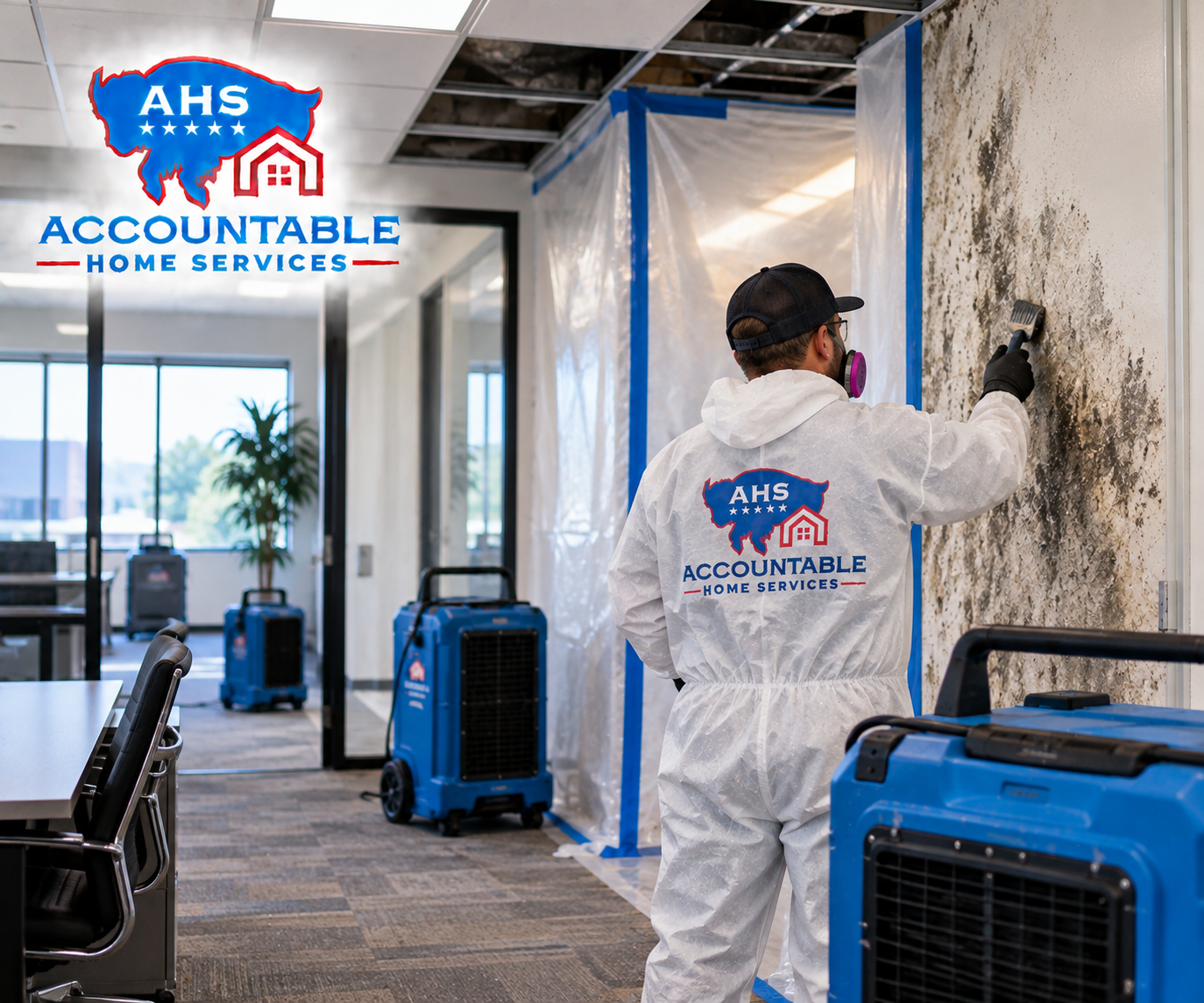
Emergency Septic Pumping in Aurora, CO: What to Do If Sewage Backs Up Into Your Home
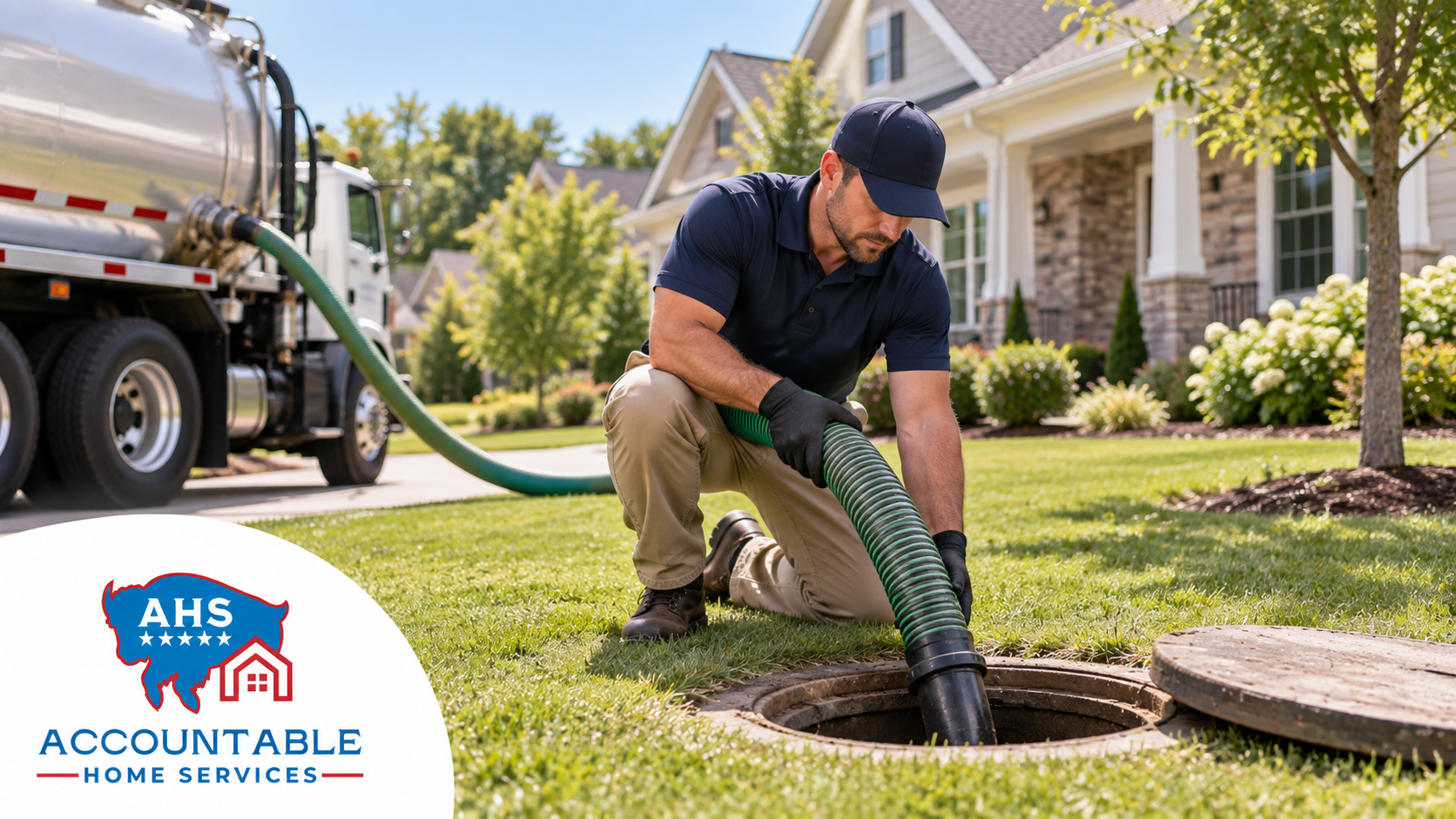
Emergency Septic Pumping in Aurora, CO: What to Do If Sewage Backs Up Into Your Home
If sewage has backed up into your Aurora home, treat it as an urgent safety and property damage problem, not just a bad smell or a plumbing inconvenience. A septic tank backup can bring contaminated water into a basement, bathroom, laundry room, or lower-level living space, and the cleanup needs to be handled carefully. The right next step is to stop using water, stay out of affected areas, call for emergency septic pumping, and arrange professional sewage backup cleanup in Aurora before damage spreads.
What should you do first if sewage backs up into your home?
If sewage is coming up through a drain, toilet, shower, floor drain, or basement utility area, stop using water in the home right away and keep people and pets away from the affected space. Do not flush toilets, run the dishwasher, start laundry, or take showers until the septic system or drain issue is checked. Then call for emergency septic pumping Aurora CO service and emergency restoration Aurora support so the source and the sewage water damage are addressed together.
Sewage is considered black water because it can contain bacteria, waste, and other contaminants. That means wiping the floor with towels or spraying cleaner is not enough. The safer plan is to limit contact, document what you can from a safe distance, and bring in trained help for septic overflow cleanup, black water cleanup, and drying.
Emergency septic and sewage cleanup in Aurora, CO
Aurora homes can have different drainage setups depending on the property, neighborhood, age of the home, and whether the property is connected to municipal sewer or a septic system. When sewage shows up inside, the homeowner usually needs two types of help: someone to correct or relieve the septic or drain problem, and someone to clean, remove, dry, and document the contaminated damage inside the structure.
That is where a coordinated response matters. A septic pumping near me search may help you find the contractor who can pump or inspect the tank, but pumping alone does not clean the flooring, drywall, trim, contents, or hidden moisture left behind. For sewage backup cleanup Aurora homeowners also need restoration support that understands contaminated water cleanup Aurora properties require.
A proper response may include:
- Emergency septic pumping to reduce pressure in the septic system when the tank is full or overflowing.
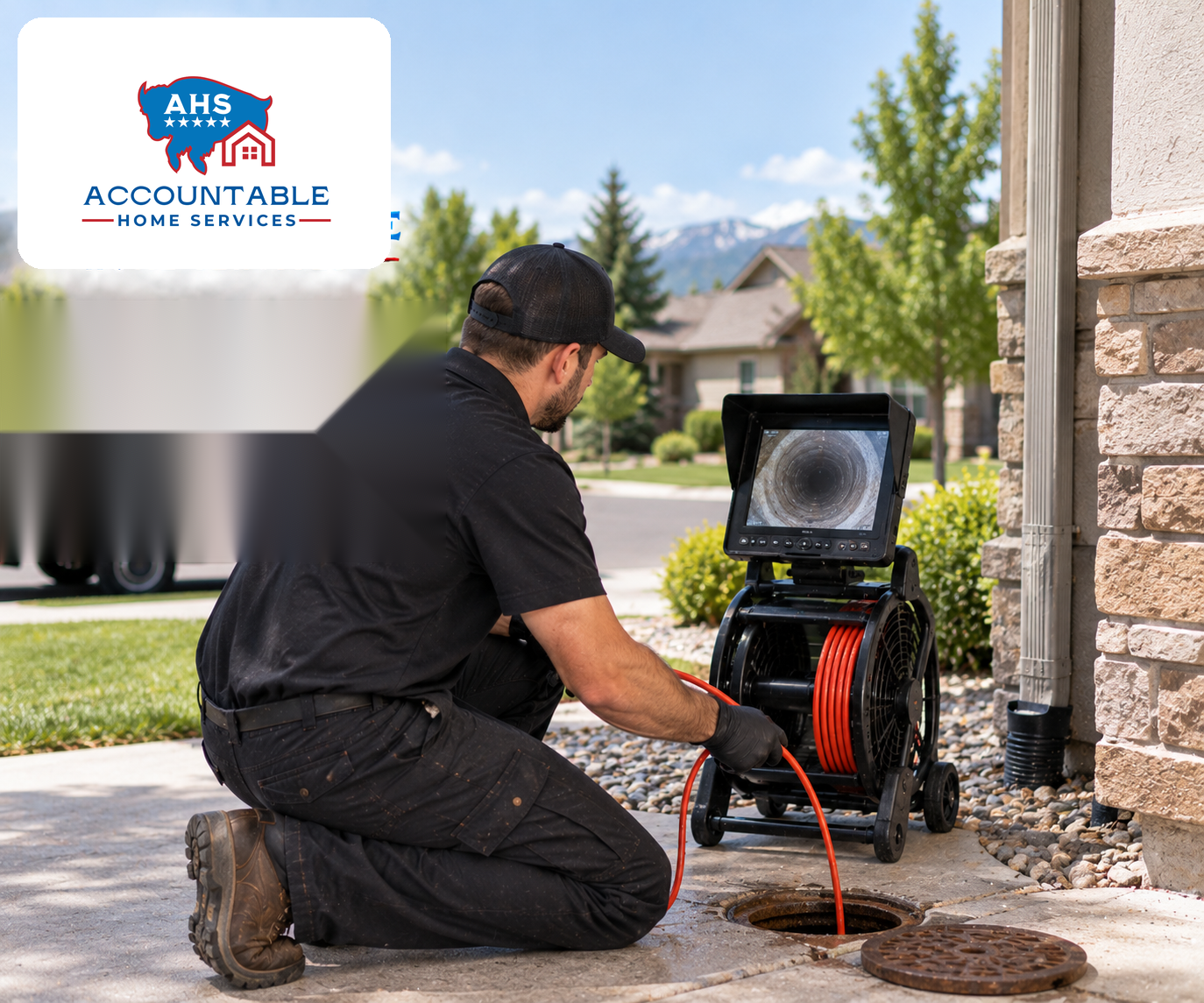
- Plumbing or septic evaluation to identify the likely cause of the septic tank backup.
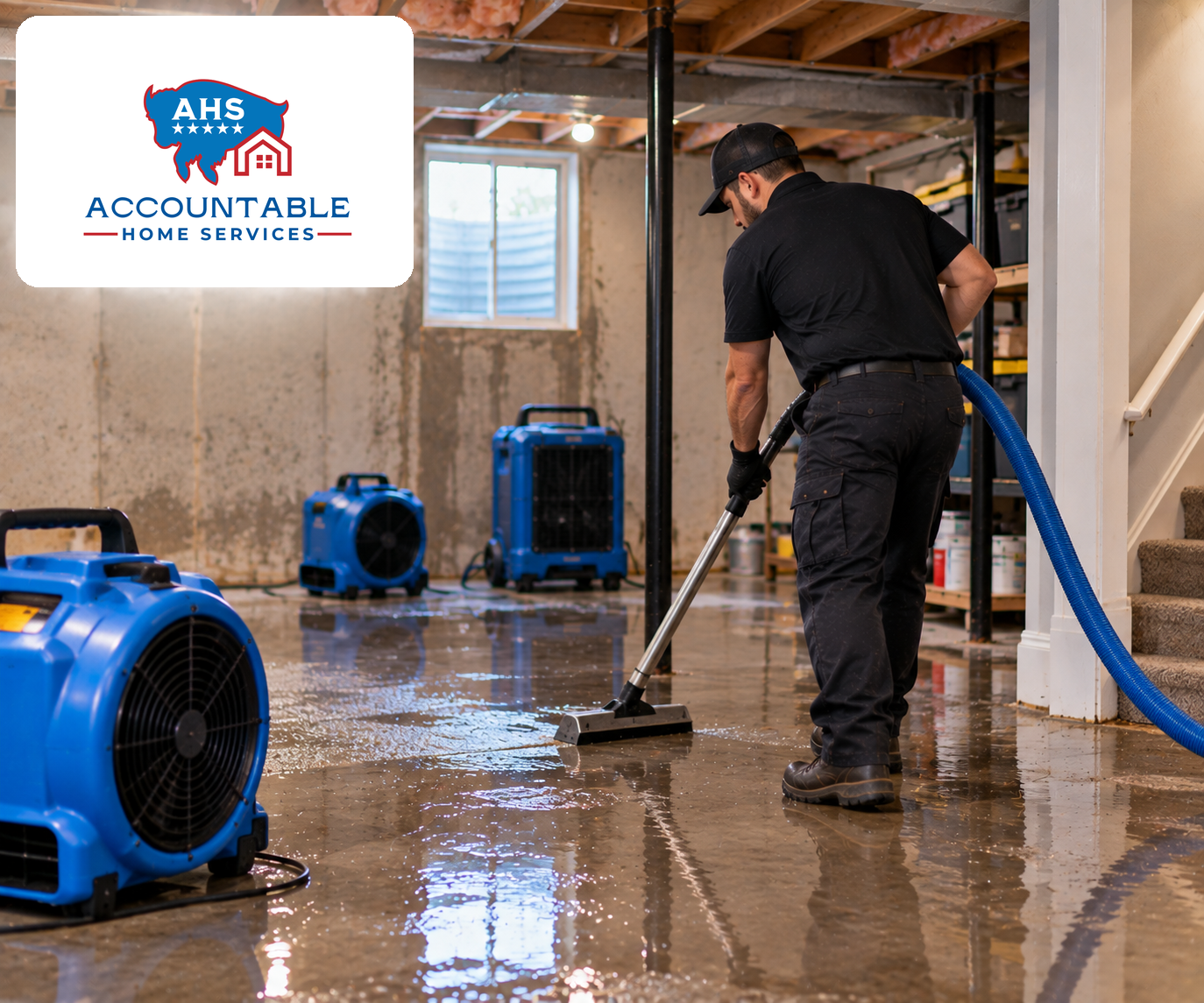
- Safe removal of sewage, standing water, and affected porous materials.
- Cleaning and disinfecting of surfaces that can be safely restored.
- Moisture testing to locate wet walls, flooring, subfloor, baseboards, and cabinets.
- Structural drying to help reduce the chance of secondary damage.
- Photos, readings, and notes that may support an insurance claim.
The goal is simple: stop the source, remove the contamination, dry the building materials, and create clear records of what happened.
Signs that a septic backup is becoming an emergency
Some drain problems start small, but a septic backup Aurora homeowners can smell or see inside the home should be treated seriously. Sewage can spread under flooring, behind baseboards, into wall cavities, and around stored items in a basement. Waiting can make cleanup harder and may increase the amount of material that must be removed.
Call for help promptly if you notice any of the following:
- Sewage coming up from a basement floor drain.
- Toilets gurgling or bubbling when other fixtures run.
- More than one drain backing up at the same time.
- Wastewater appearing in a shower, tub, or laundry drain.
- A strong sewage odor inside the home.
- Wet carpet, padding, drywall, or trim near the backup area.
- A septic tank overflow outside with wastewater moving toward the house.
- Tenants reporting sewage, odors, or standing water in a managed property.
A basement sewage backup can be especially frustrating because basements often hold mechanical systems, stored belongings, finished living areas, and laundry spaces. Even if the visible water looks limited, the contamination can move farther than it first appears.
Why sewage water damage needs professional cleanup
Sewage water damage is different from a clean water leak. With a clean supply line leak, the main concern is usually moisture and drying. With sewage, the concern includes contamination, odor, material removal, drying, and careful handling of affected contents.
Porous items are often the hardest part. Carpet pad, some types of carpet, drywall, insulation, cardboard boxes, and particleboard furniture can absorb contaminated water quickly. In many cases, these items cannot simply be dried in place because the contamination remains inside the material. A restoration professional can help identify what may be cleaned and what likely needs removal.
This matters for insurance agents, plumbers, and property managers, too. The person who gets the first call may not be the person who should handle the full loss. A plumber may fix the blocked or failed line. A septic contractor may pump the tank. But emergency sewage cleanup and water damage restoration Aurora work involves containment, extraction, cleaning, drying, and documentation for the property side of the loss.
What professional septic overflow cleanup includes
Every situation is different, but a careful septic overflow cleanup follows a practical order. The work should reduce exposure first, then protect the structure, then document the loss clearly enough that the homeowner, property manager, plumber, or insurance professional can understand what was done and why.
Typical restoration steps include:
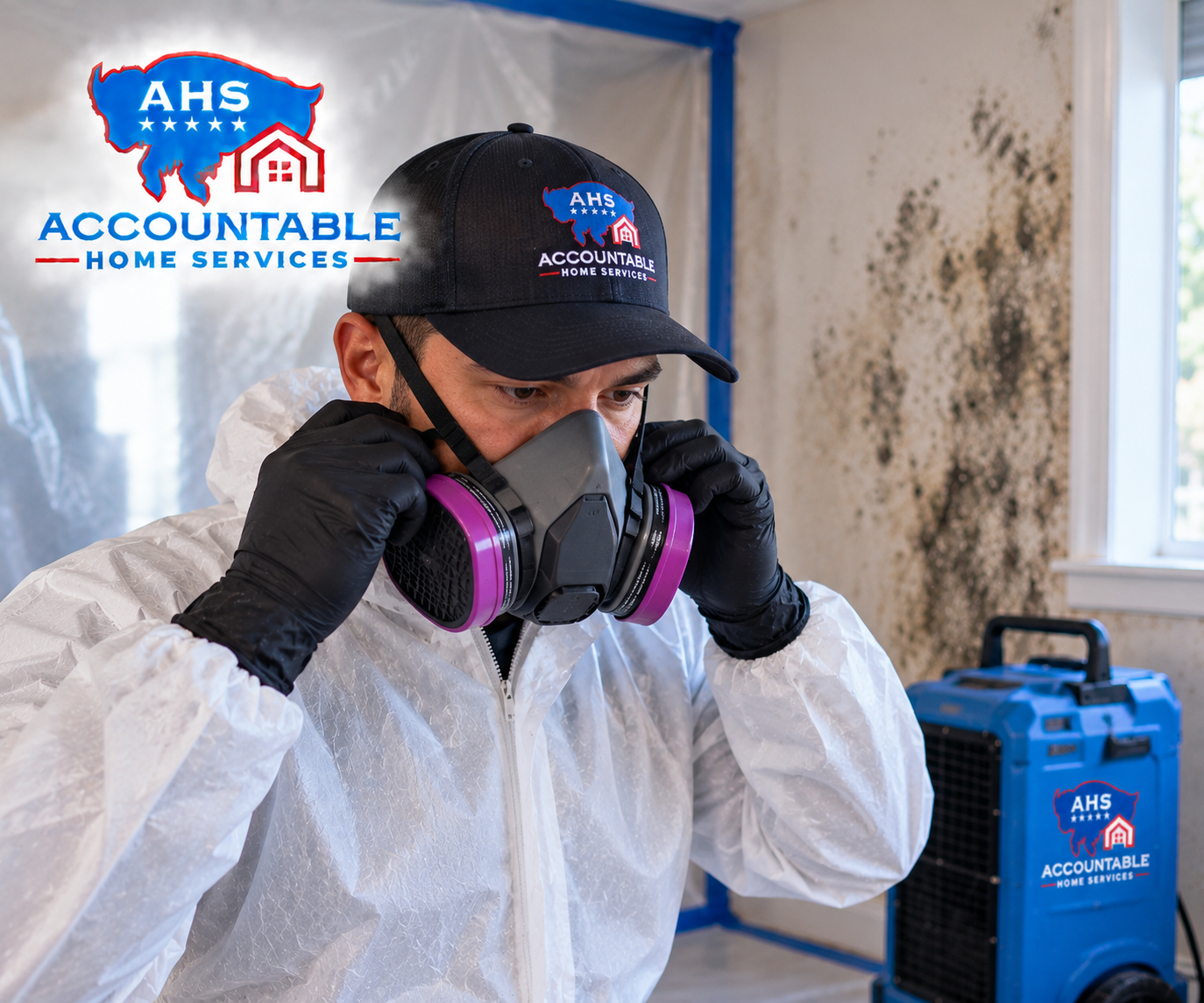
- Initial safety review The affected rooms are checked for visible sewage, electrical concerns, slippery surfaces, and areas where people should not walk.
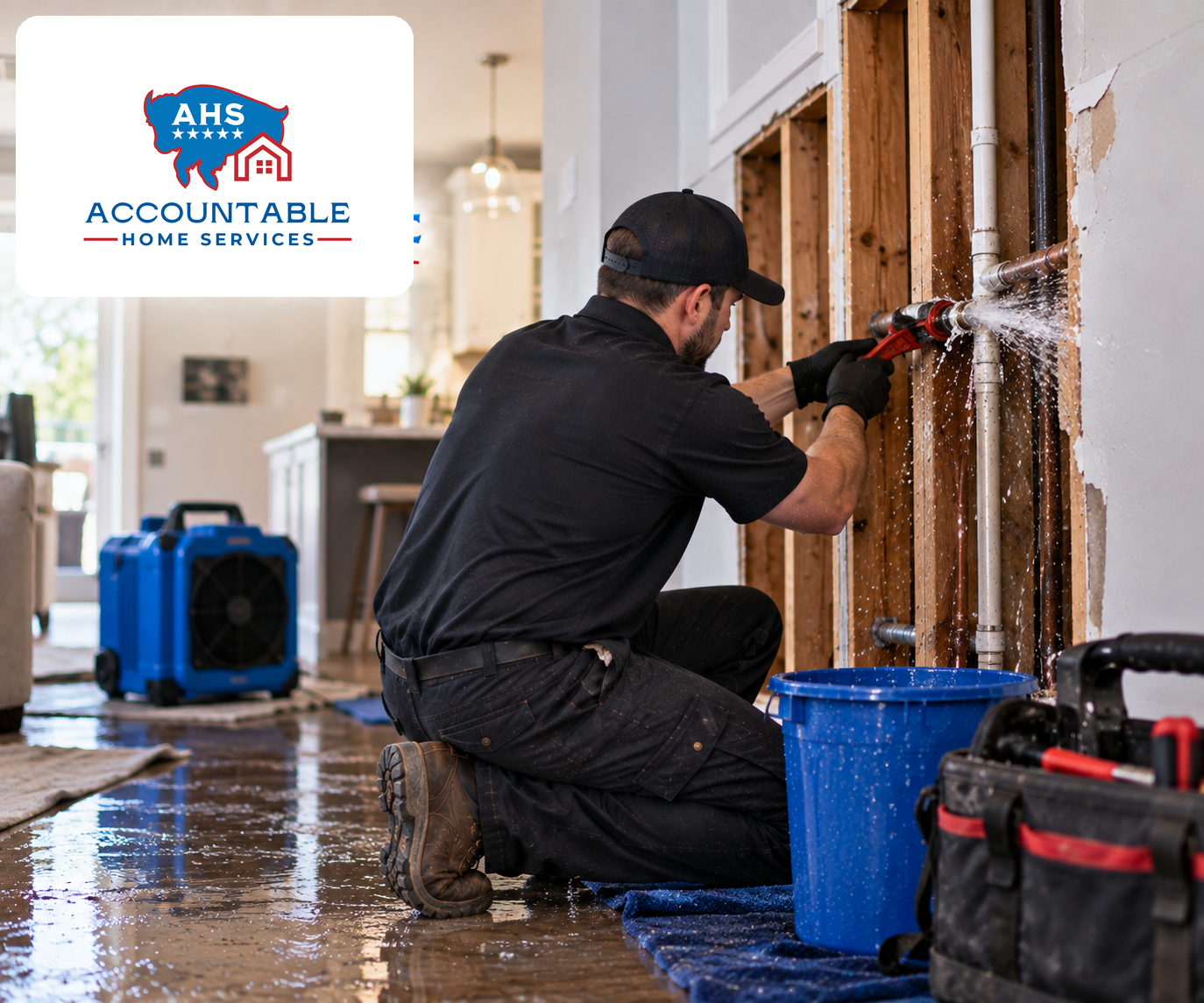
- Source coordination If the septic tank, drain line, or plumbing problem is still active, the restoration team coordinates with the septic or plumbing contractor before full cleanup begins.
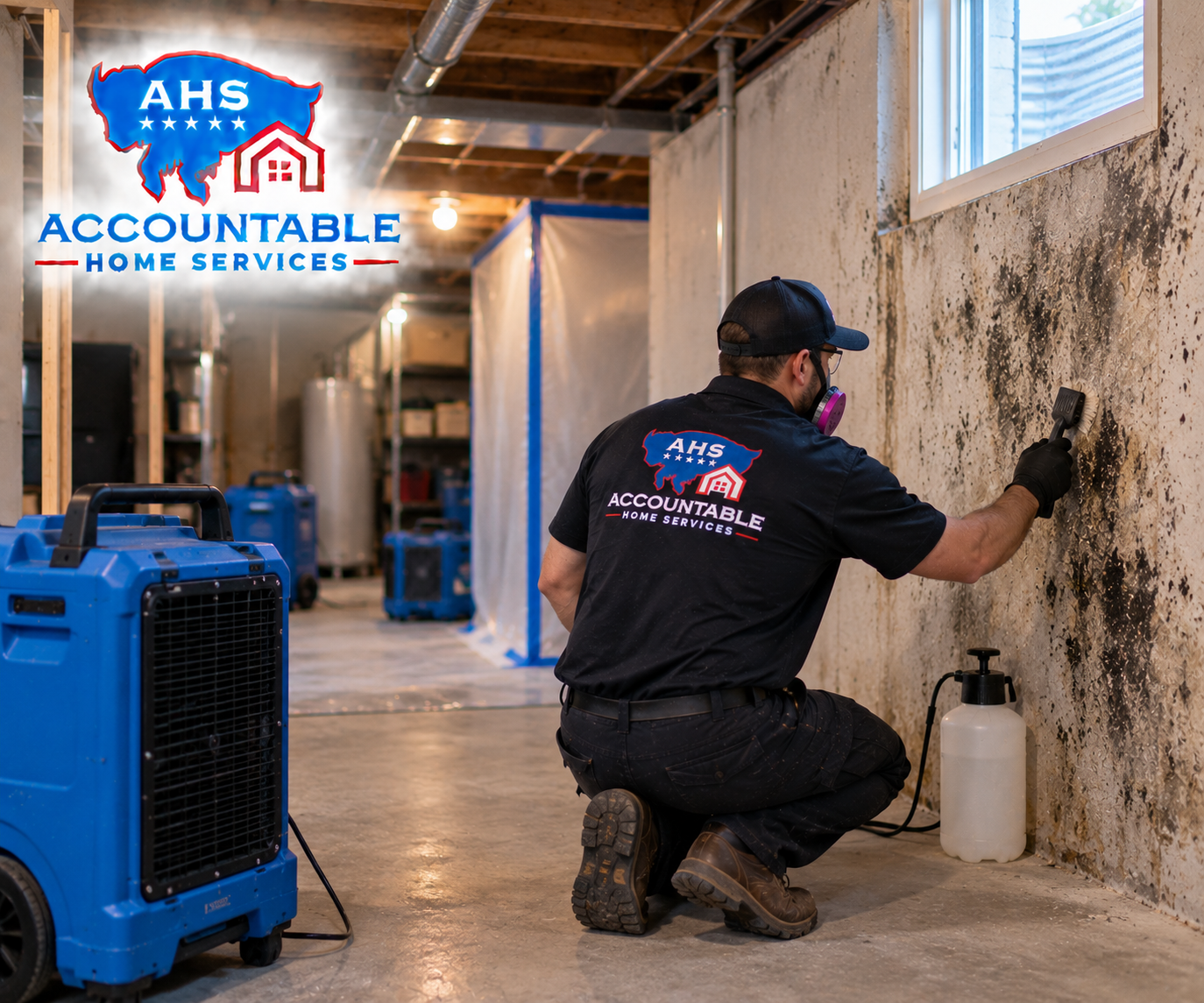
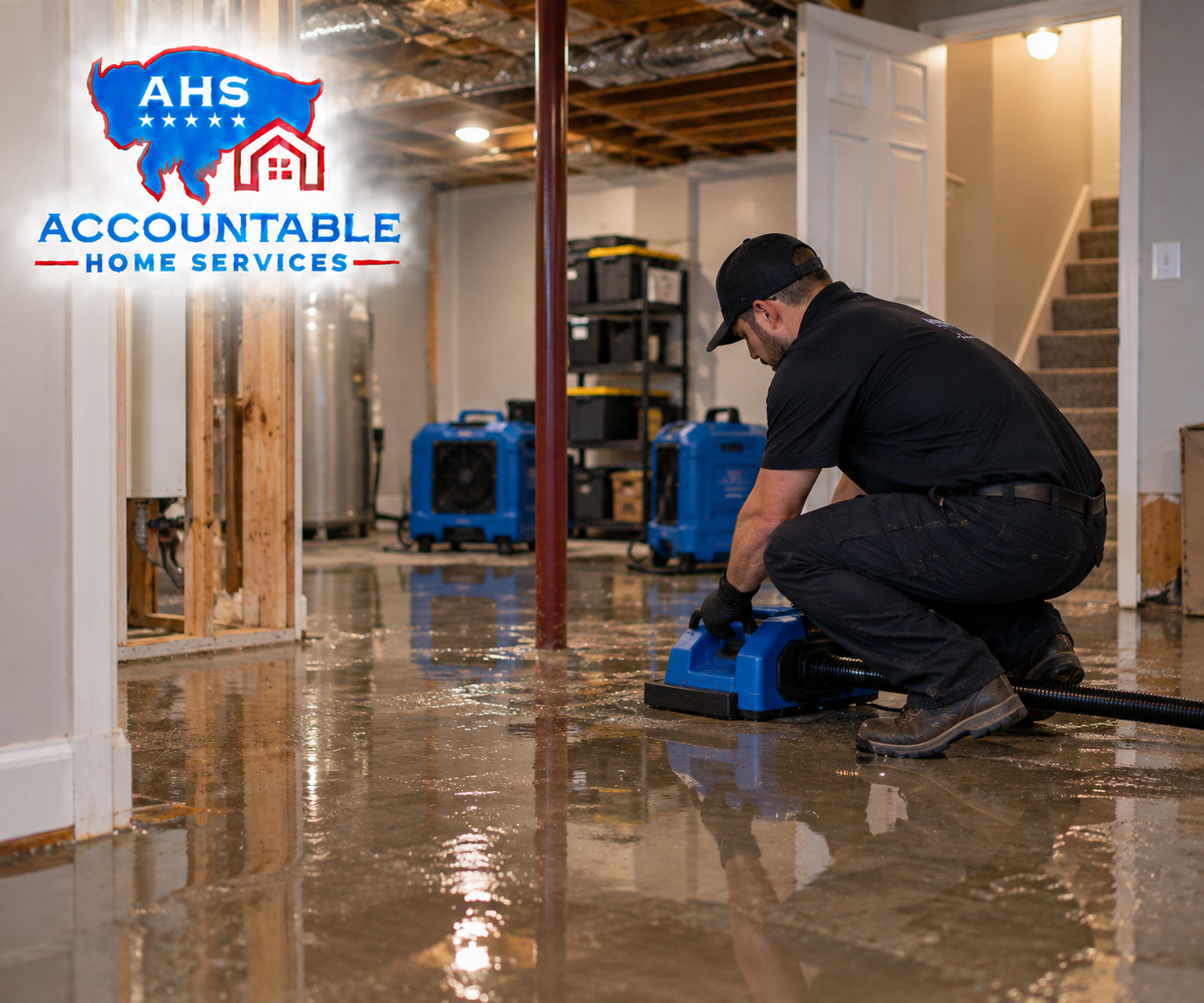
- Water and waste removal Standing sewage and contaminated water are removed using appropriate equipment and protective procedures.
- Removal of unsalvageable materials Wet porous materials may need to be cut out or removed to prevent trapped contamination and hidden moisture.
- Cleaning and disinfecting Restorable surfaces are cleaned and treated so the space is no longer carrying obvious contamination.
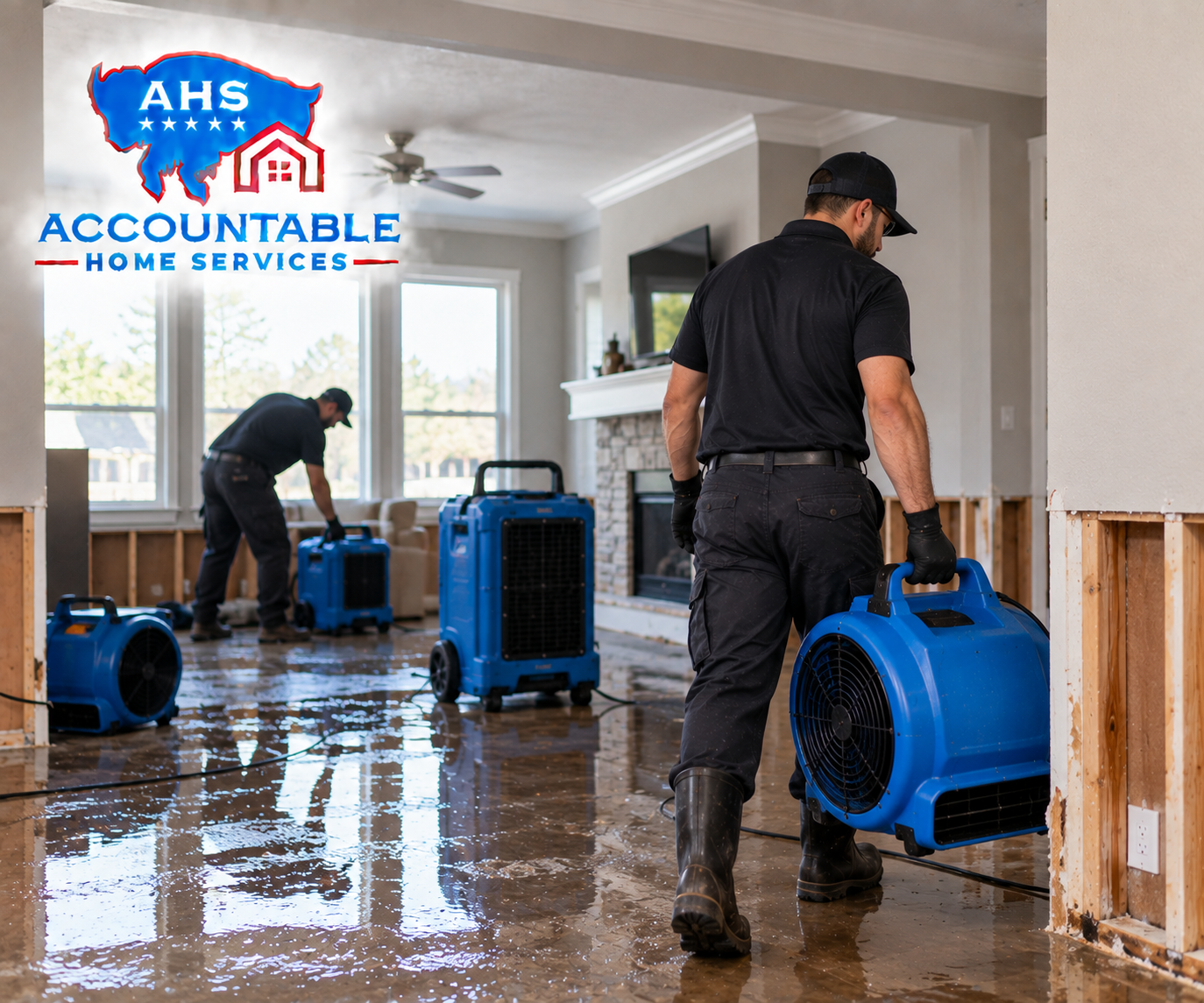
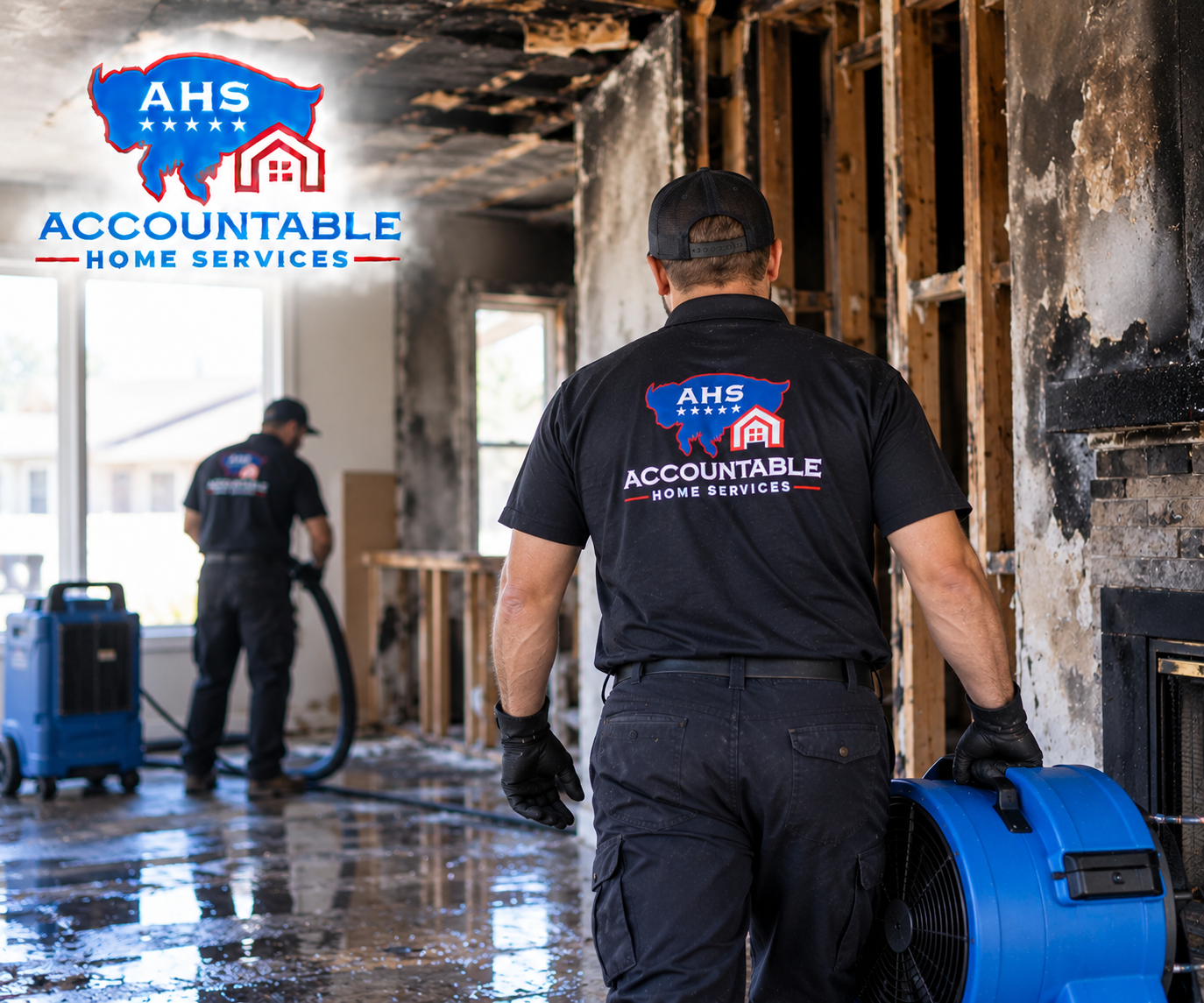
- Drying and moisture monitoring Air movers, dehumidifiers, and moisture checks may be used to dry affected building materials that can remain.
- Documentation for the file Photos, moisture readings, affected area notes, and equipment records can help explain the claim and reduce confusion.
Good documentation does not guarantee coverage, and coverage depends on the policy and cause of loss. But clear records can make the process easier for the homeowner and the insurance team reviewing the damage.
Local considerations for Aurora homes and properties
Aurora includes single-family homes, townhomes, rentals, older properties, and newer developments across the Denver metro area. A sewage backup in a finished basement near a sump area may need a different cleanup plan than a backup in a slab-on-grade bathroom or a rental unit laundry room. The common thread is that contaminated water should not be ignored, and the cleanup should match the materials affected.
For homeowners, the main concern is usually safety and preventing more damage. For property managers, the pressure is often tenant communication, owner updates, access, and fast decision-making. For plumbers and septic professionals, the concern is making sure the customer is not left with wet contaminated materials after the mechanical issue is corrected.
A clear local restoration process helps everyone stay on the same page. The homeowner knows what rooms are affected. The plumber or septic contractor knows the cleanup side is being handled. The insurance agent receives clearer information instead of scattered photos and unclear timelines.
What to avoid after a septic tank backup
It is understandable to want to clean everything immediately, especially when the smell is strong. But a few common choices can make the situation less safe or harder to document. If possible, pause and take the safer path.
Avoid these mistakes:
- Do not walk through sewage and then into clean areas of the home.
- Do not use a shop vacuum for sewage or contaminated water.
- Do not place fans on contaminated wet materials before cleanup.
- Do not pour chemical drain cleaners into multiple fixtures without guidance.
- Do not remove damaged materials before taking basic photos, if it is safe to document.
- Do not assume the area is dry because the surface looks dry.
- Do not let children or pets enter the affected room.
- Do not rely on odor alone to decide whether cleanup is complete.
These steps are not about panic. They are about controlling the spread. In black water cleanup, what you do in the first hour can affect how much of the home stays clean and how clearly the damage can be explained later.
Insurance documentation and communication support
When sewage enters a home, the insurance claim can feel confusing. Homeowners may not know what is covered, what photos matter, or whether to call the agent first, the plumber first, or the restoration company first. The best approach is to report the damage according to the policy instructions and keep a simple record of events.
Helpful documentation may include:
- The date and time the backup was discovered.
- Photos or video from a safe distance before cleanup begins.
- The rooms and materials affected.
- Any plumber or septic contractor findings.
- Receipts, invoices, and service notes.
- A list of damaged contents, especially items that contacted sewage.
- Restoration moisture readings and drying records when available.
For insurance agents, this kind of organized information can reduce back-and-forth and help the client feel less lost. For property managers, it creates a cleaner record for owners, tenants, vendors, and adjusters. For plumbers, it helps show where the plumbing repair ended and where water damage restoration Aurora work began.
Fast help for emergency sewage cleanup
A septic backup is stressful, but the next steps do not need to be complicated. Stop using water, stay out of the affected area, arrange septic tank pumping or plumbing help, and bring in a restoration team for contaminated cleanup and drying. If you are searching for emergency septic pumping, septic tank pumping, septic pumping near me, or sewage backup cleanup Aurora, make sure the property damage side is handled along with the septic issue.
The Local Restoration Guide approach is calm, practical, and focused on protecting the home. Aurora homeowners, plumbers, insurance agents, and property managers all benefit from the same thing: clear communication, safe cleanup, good documentation, and a plan that reduces further damage.
If sewage has backed up into your home or rental property in Aurora, CO, do not wait for the smell to fade or the water to disappear on its own. Call a qualified septic or plumbing professional for the source, and contact an emergency restoration Aurora team for sewage cleanup, black water cleanup, drying, and claim-ready documentation.