Mold Cleaner in Arvada, CO: What Works, What Doesn’t, and When to Call a Professional
Mold Cleaner in Arvada, CO: What Works, What Doesn’t, and When to Call a Professional
When you need a mold cleaner in Arvada, CO, the right answer depends on where the mold is, what caused it, and whether moisture is still present. Small surface spots in a bathroom may be handled with the right cleaner and ventilation, but mold after water damage, basement mold, or hidden mold in walls should be treated as a restoration issue, not just a cleaning task. The Local Restoration Guide helps Arvada homeowners, insurance agents, plumbers, and property managers understand what works, what does not, and when professional mold remediation is the safer next step.
What mold cleaner works best in an Arvada home?
The best mold cleaner is the one that matches the material, the moisture source, and the size of the affected area. A bathroom mold cleaner may help with light surface growth on tile, grout, or sealed surfaces, but it will not solve damp drywall, wet insulation, or mold caused by a leak behind a wall. If you are searching for mold cleaner Arvada CO because of a recent leak, sump issue, roof leak, or failed water heater, the cleaner is only one part of the job. Drying, containment, removal of damaged materials, and documentation may matter just as much.
In Arvada neighborhoods from Olde Town and Arvada Ridge to Candelas, Lake Arbor, and areas near Ralston Creek, homes can see mold concerns after plumbing leaks, basement seepage, appliance overflows, and slow moisture problems. The visible mold is usually the symptom. The moisture source is the real problem to fix first.
Mold cleaner options that can help
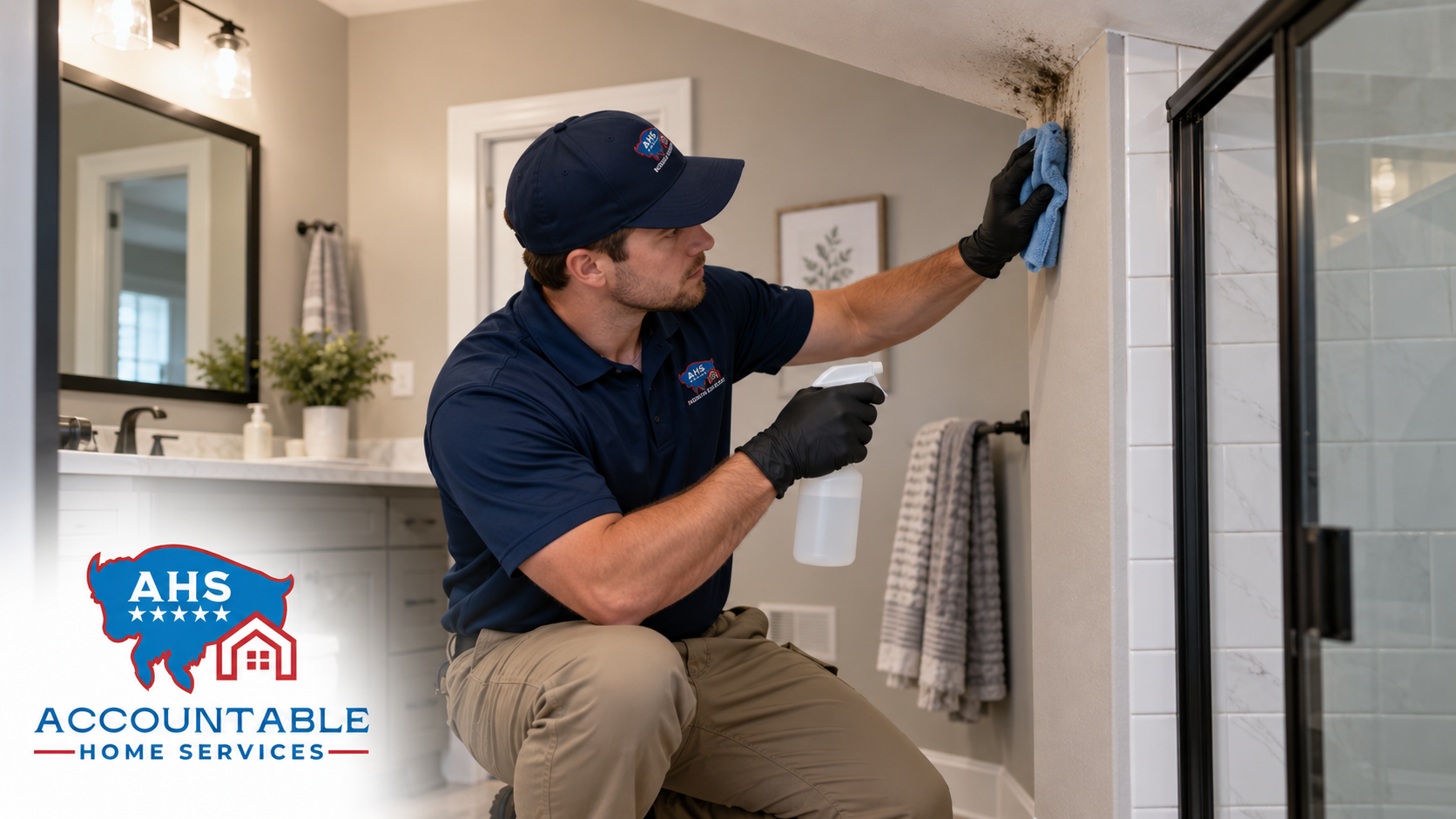
For very small, surface-level areas, a store-bought mold cleaner can be useful when used carefully and according to the product label. This is most common in bathrooms, around window frames, under sinks, and on sealed surfaces where the material is not soft, porous, or water-damaged. Good ventilation, gloves, and drying the area afterward are important because mold needs moisture to keep coming back.
Common situations where cleaning may be reasonable include:
- Light spotting on shower tile, sealed grout, or glass
- Minor surface growth around a bathroom fan or window from condensation
- Small spots on a washable, non-porous surface
- Musty areas where no leak, staining, swelling, or soft material is present
- Routine cleaning after humidity has been corrected
Even then, take it slow. Do not scrub aggressively if the surface is damaged, and do not spread debris through the room. If the area keeps returning after cleaning, that is a sign the problem is deeper than the surface.
What does not work for mold removal
The biggest mistake is treating mold like a stain instead of a moisture problem. A strong mold killer may lighten the color, but it may not remove contaminated material or fix the wet conditions that allowed growth in the first place. Painting over mold, spraying fragrance, or running a fan across a contaminated area can make things worse by hiding the issue or spreading particles.
Avoid these common shortcuts:
- Painting or caulking over visible mold without cleaning and drying first
- Using a black mold cleaner on drywall that is wet, soft, or crumbling
- Bleaching porous materials and assuming the problem is gone
- Running box fans before containment is considered
- Ignoring musty odors after water damage
- Removing moldy drywall without proper isolation of the work area
- Assuming no visible mold means there is no hidden mold in walls
This matters for homeowners, but it also matters for insurance agents, plumbers, and property managers. When the wrong first step is taken, the claim can become harder to document, tenants may lose trust, and a simple water event can turn into a larger mold removal problem.
Professional mold remediation for larger or hidden problems
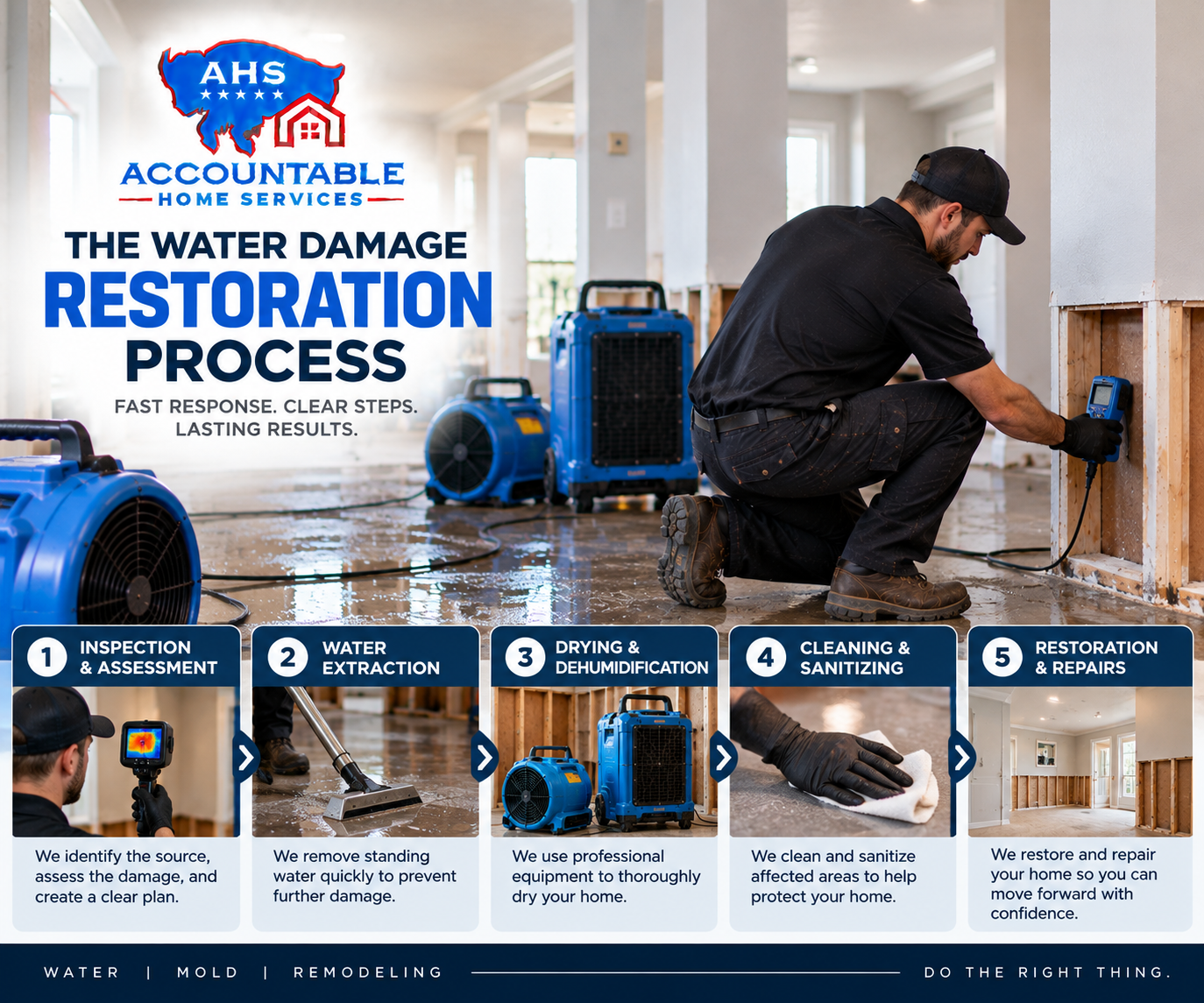
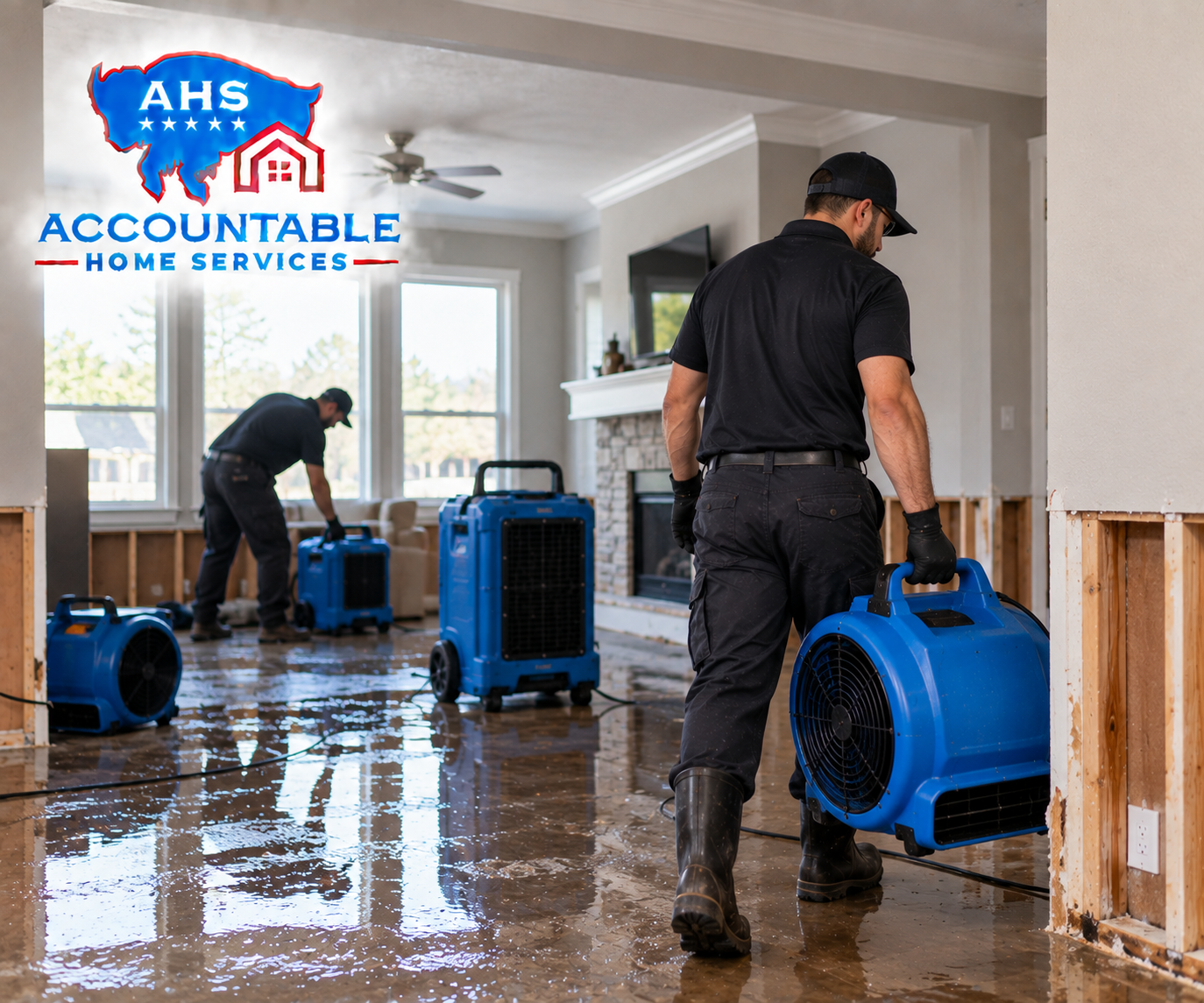
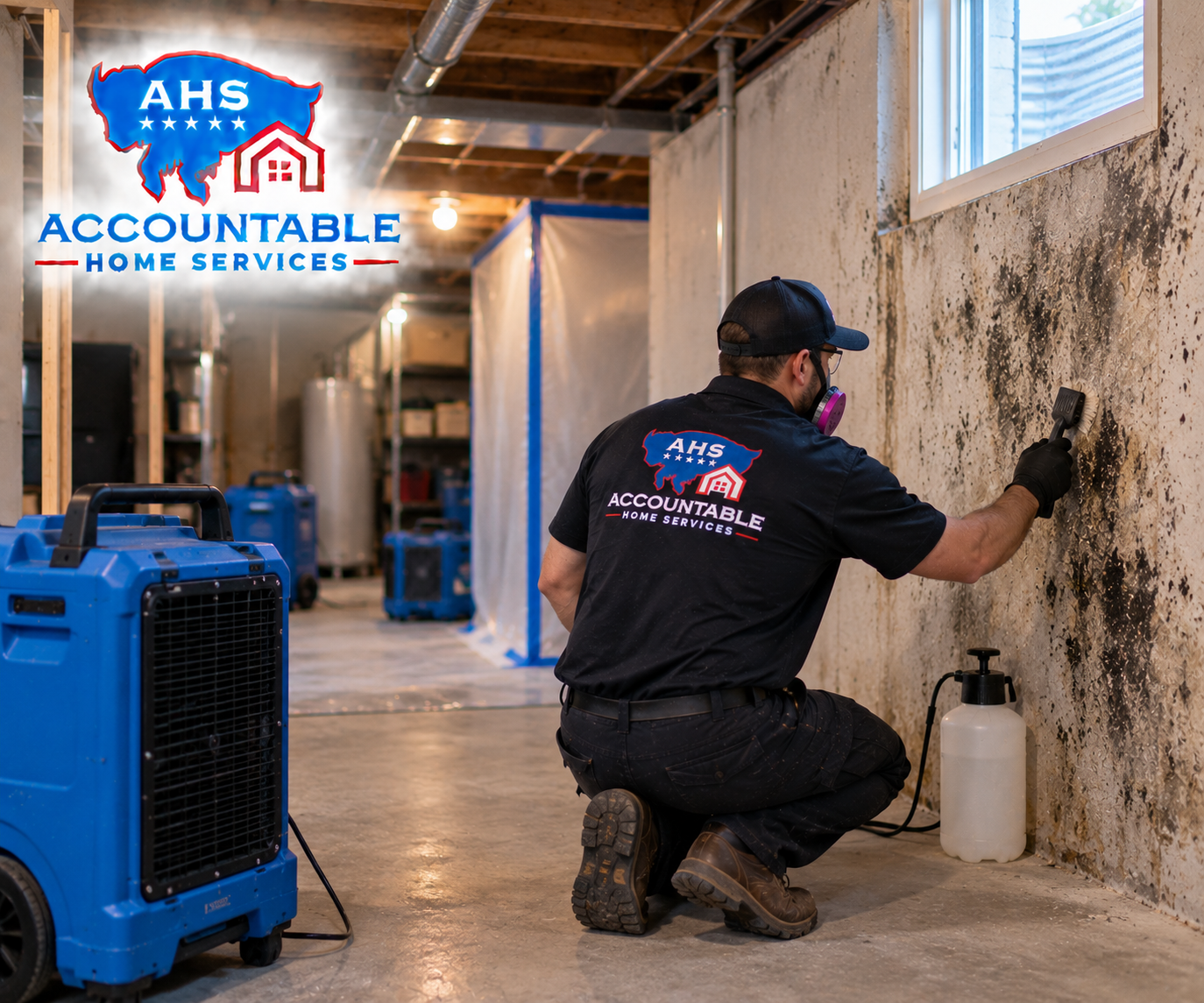
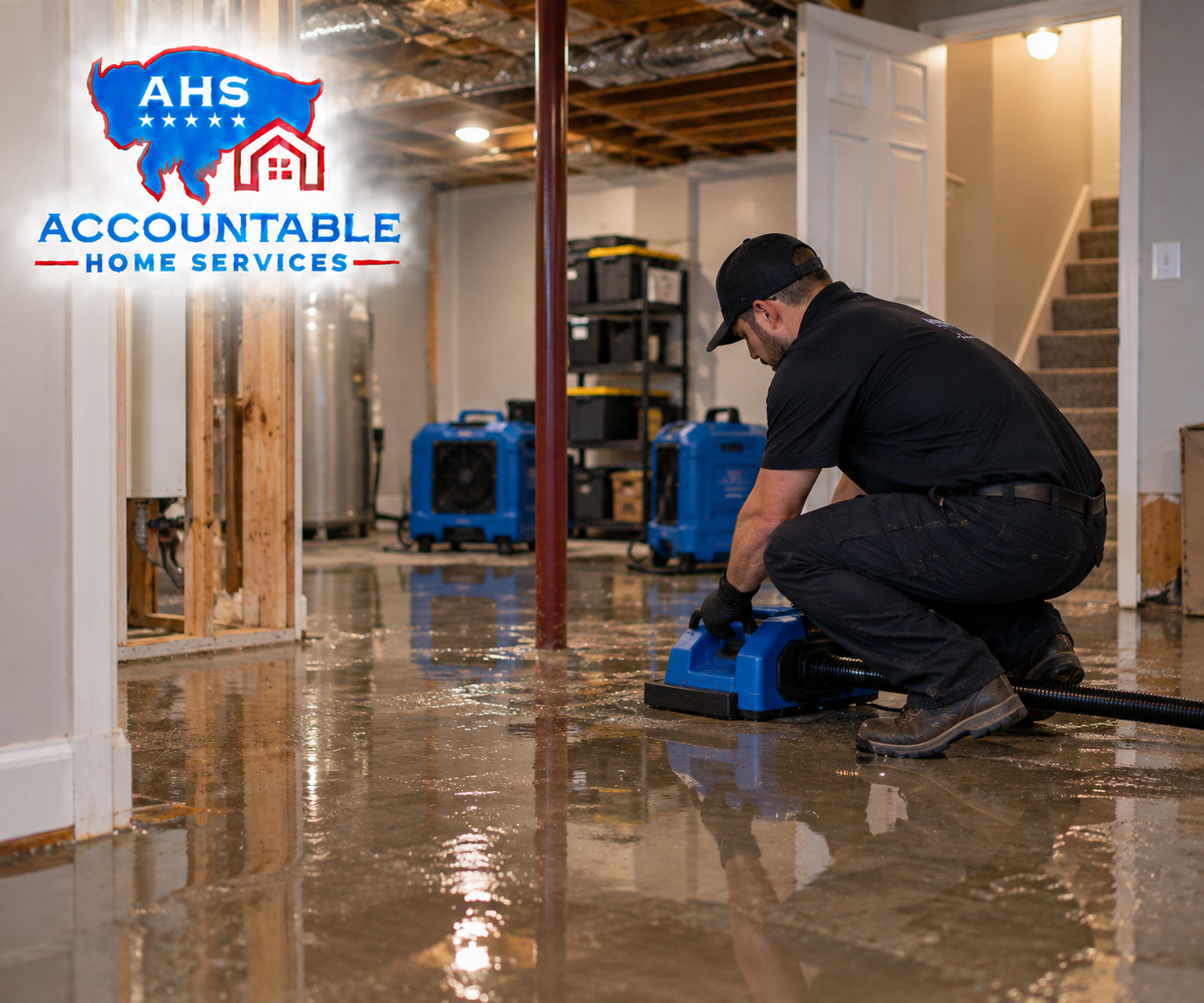
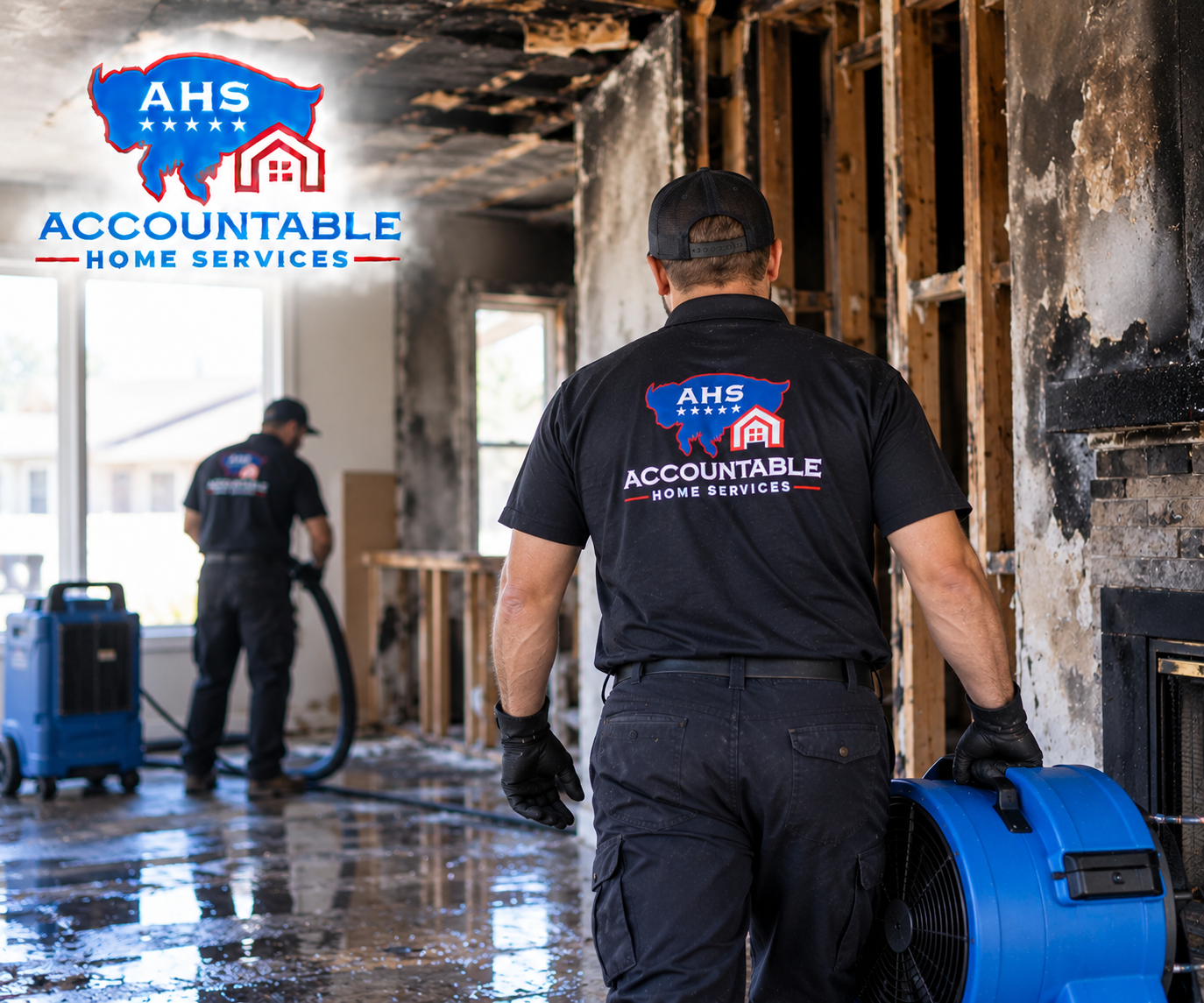
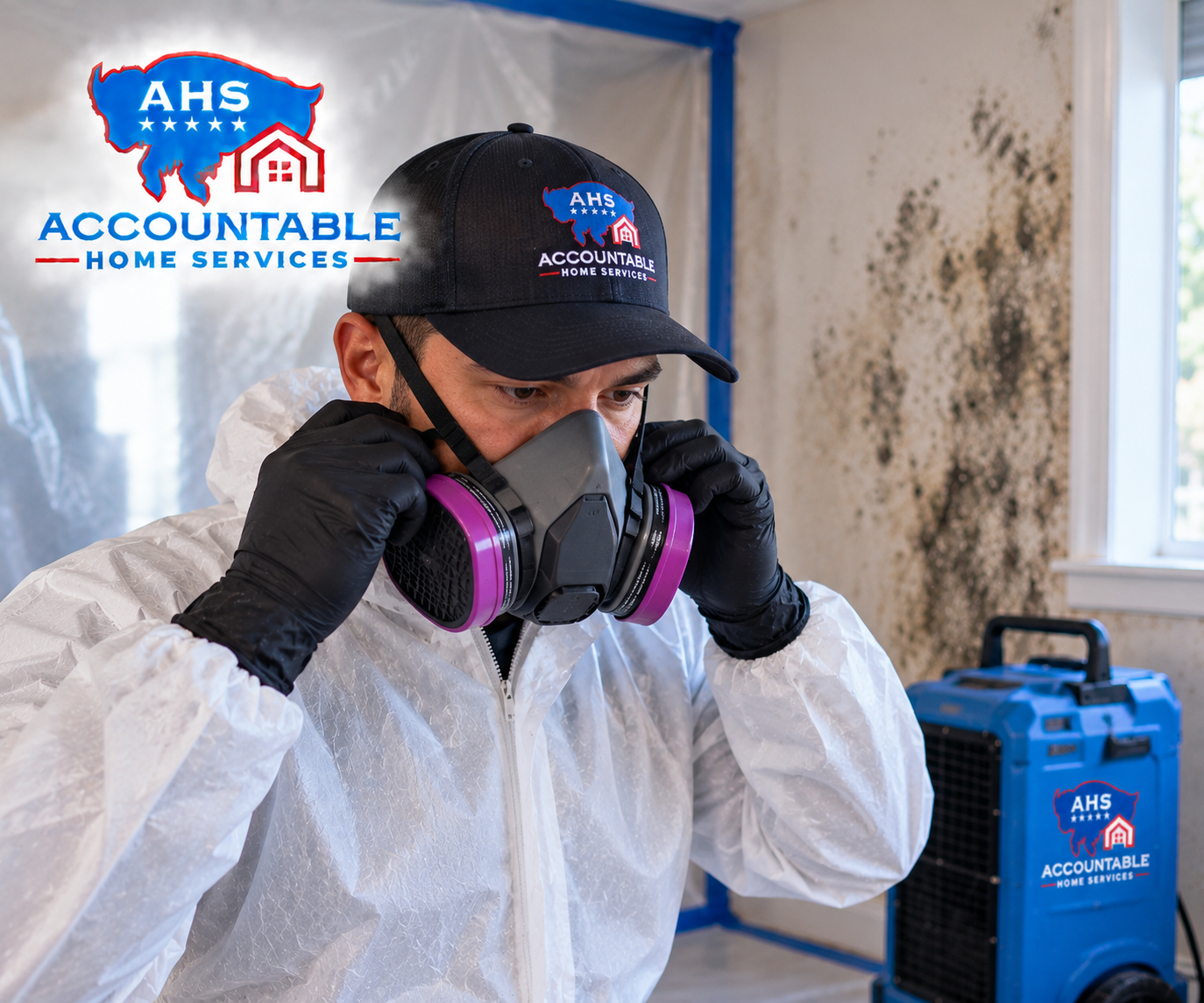
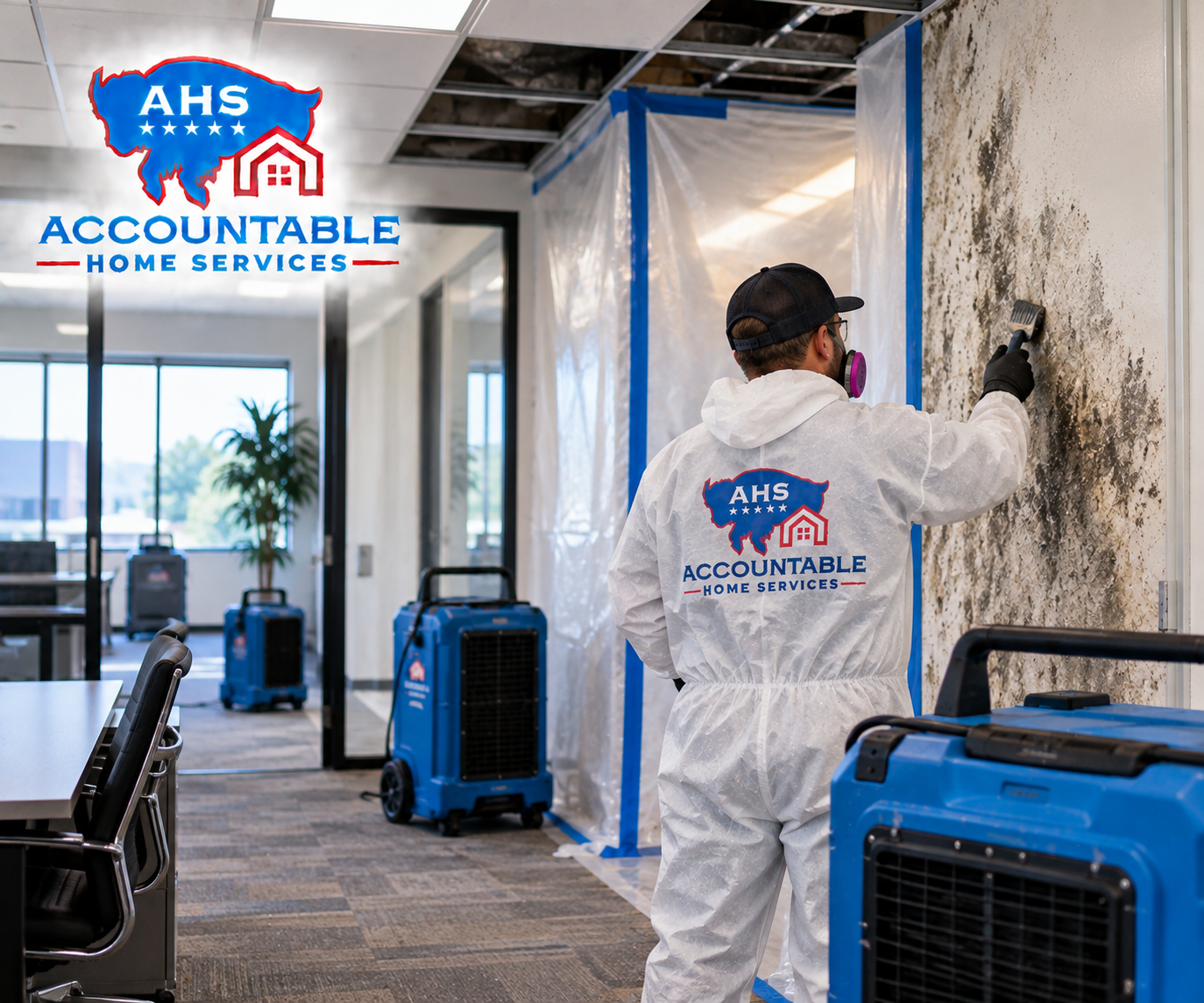
Professional mold remediation is designed for situations where cleaning alone is not enough. That may include mold after water damage, basement mold in Arvada homes, growth on porous materials, musty odors after a leak, or suspected hidden mold in walls. The goal is not to create fear. The goal is to control the work area, remove affected materials when needed, dry the structure properly, and document what happened.
A professional approach may include:
- Moisture inspection to find what is still wet
- Containment to help limit spread during work
- Air filtration when conditions call for it
- Careful removal of affected porous materials
- Cleaning of salvageable surfaces
- Drying and humidity control
- Photos, notes, and moisture readings for the file
- Clear communication with the homeowner, agent, plumber, or property manager
If you are searching for mold removal near me because a tenant reported a musty smell, a plumber found wet drywall, or a basement wall has visible growth, this is the point where a trained restoration partner can help reduce confusion.
Local Arvada situations that call for extra care
Arvada homes vary widely. Some properties near Olde Town have older plumbing and finished basements. Newer homes in west Arvada may still face appliance leaks, condensation, roof issues, or sump pump problems. Multi-unit properties and rentals add another layer because communication, access, tenant concerns, and owner expectations all need to be managed.
Call for help when you notice:
- Mold growth larger than a small surface area
- Mold on drywall, baseboards, insulation, carpet, or subfloor
- A musty smell that returns after cleaning
- Water staining, bubbling paint, or swollen trim
- Recent water damage from a pipe, drain, water heater, roof, or appliance
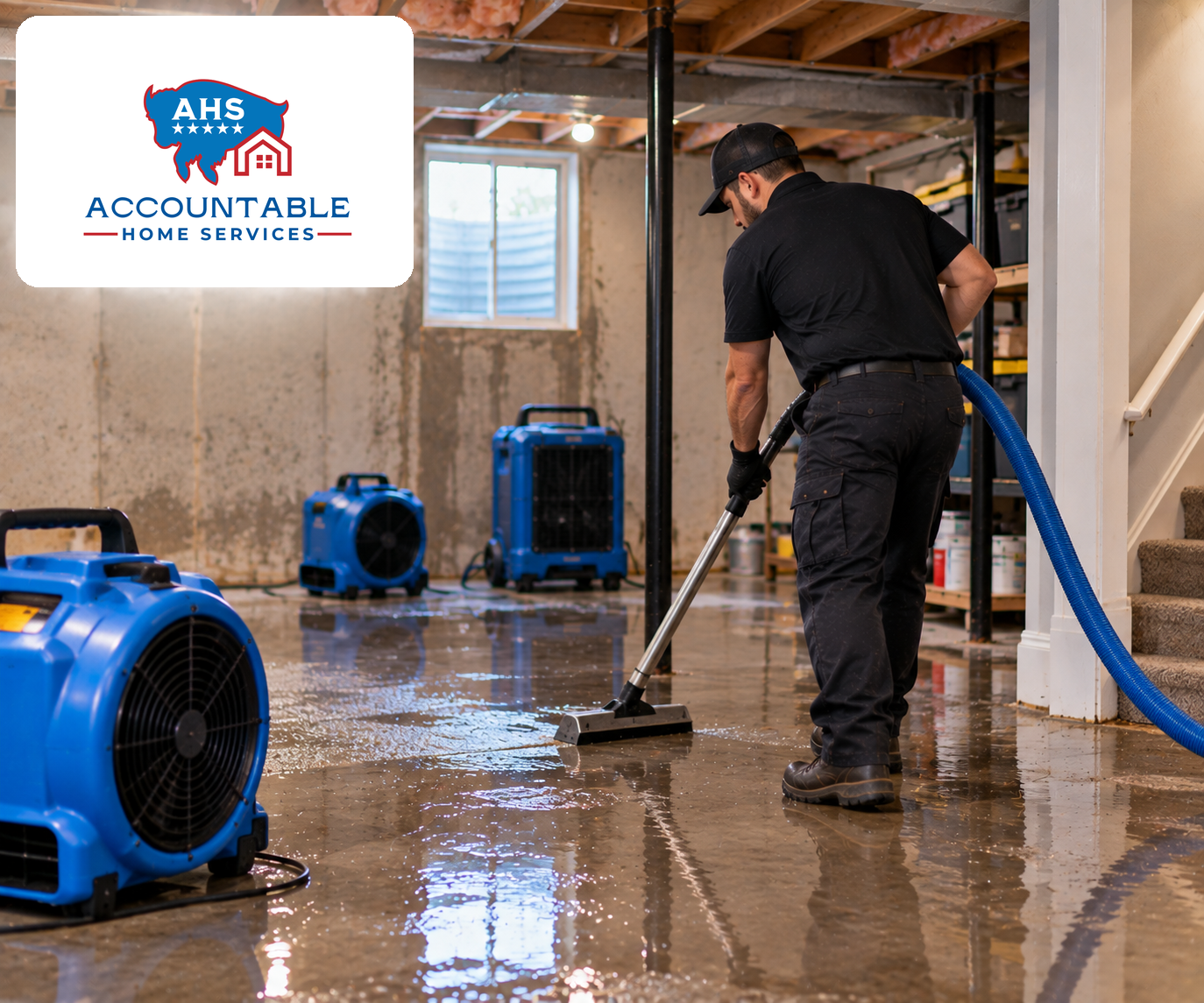
- Basement mold after seepage or high humidity
- Suspected hidden mold in walls or behind cabinets
- A tenant, buyer, owner, or insurance carrier asking for documentation
These are the situations where mold removal Arvada CO is less about buying another spray bottle and more about getting the right process started.
Clear scope, pricing, and expectations
Mold remediation pricing depends on the size of the affected area, where the mold is located, what materials are involved, how much containment is needed, and whether water damage is still active. A small bathroom cleaning concern is very different from a finished basement with wet drywall and insulation. Because of that, honest pricing starts with seeing the conditions and building a clear scope of work.
A professional mold remediation visit should help answer practical questions, including:
- What appears to be affected
- Whether the area is still wet
- What materials may be cleaned versus removed
- What access is needed
- What documentation can be provided
- What steps are needed before repairs can begin
- Whether plumbing, HVAC, roofing, or another trade should be involved
For insurance-related losses, documentation can be especially important. Photos, moisture readings, cause-of-loss notes, and a clear timeline can help the homeowner and their insurance professional understand what happened. No restoration company can promise claim approval, but organized documentation can reduce confusion and support a smoother conversation.
A practical process for homeowners and referral partners
When mold appears, the first few decisions matter. Homeowners want to know what to do right now. Insurance agents want clients to feel guided, not overwhelmed. Plumbers want a reliable handoff after the leak is repaired. Property managers need quick communication so tenants and owners are not left guessing.
A calm process usually looks like this:
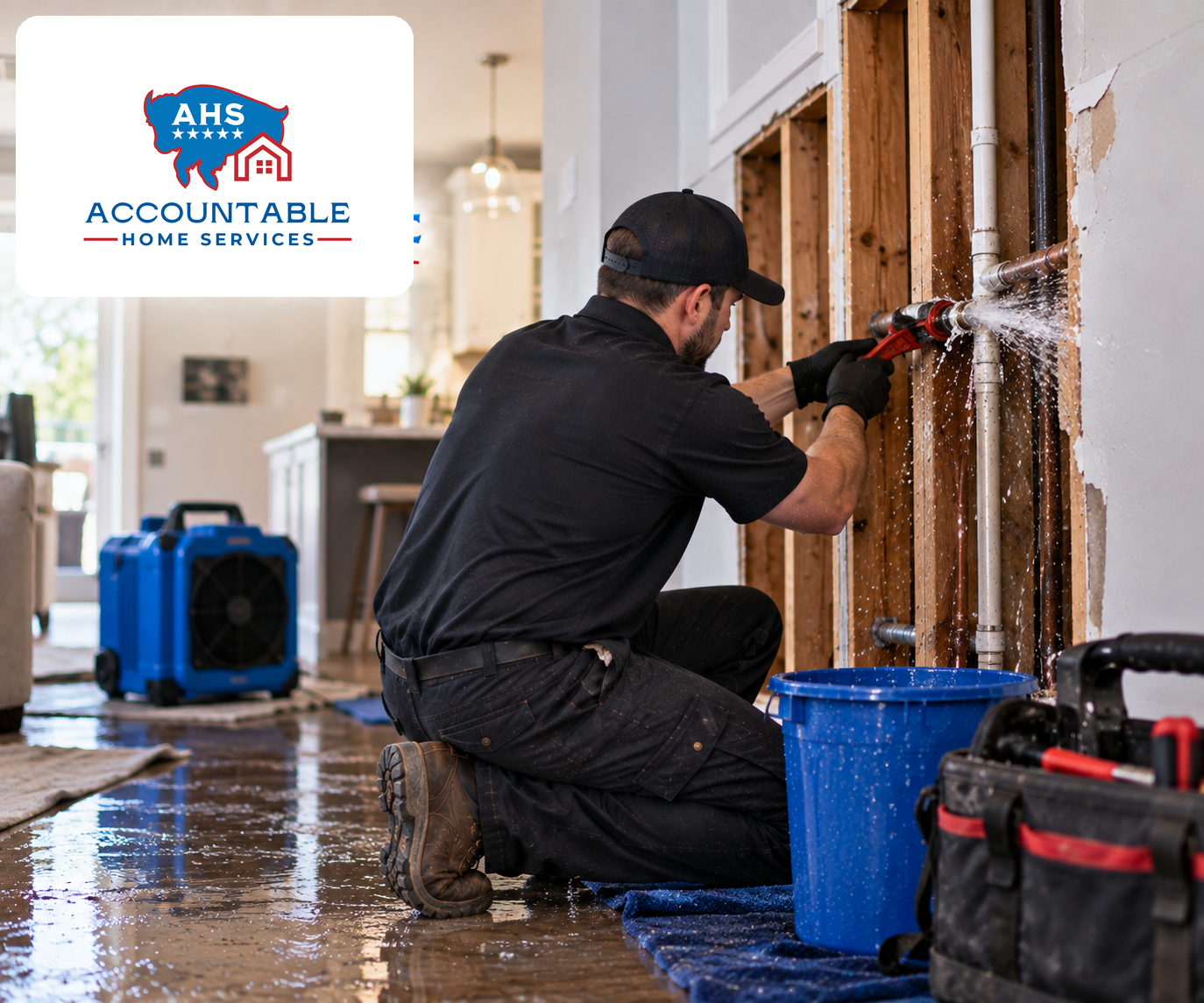
- Stop the water source if it is safe to do so.
- Avoid disturbing visible mold or wet building materials.
- Take basic photos before moving items or cleaning.
- Reduce moisture if possible without blowing air across visible mold.
- Call a qualified restoration professional when the area is beyond light surface cleaning.
- Keep records of dates, rooms affected, repair invoices, and conversations.
- Wait for a clear drying and remediation plan before rebuilding.
This approach protects the property and helps everyone stay on the same page. It also gives referral partners confidence that their customer, tenant, or policyholder is being handled professionally.
Built for Arvada homeowners and local professionals
The Local Restoration Guide is written for real situations that happen across the Denver metro area every week: a supply line fails while a family is at work, a water heater leaks into a finished basement, a tenant reports bathroom mold, or a plumber opens a cabinet and finds wet drywall. In those moments, people need plain answers and a next step they can trust.
This page is for:
- Arvada homeowners comparing mold cleaner, mold killer, and professional help
- Insurance agents who need a restoration partner that communicates clearly
- Plumbers who repair the leak but need help with drying and mold prevention
- Property managers who need fast response and clear updates
- Real estate professionals dealing with inspection-related mold concerns
- Landlords and tenants trying to understand what is cosmetic and what needs professional review
The benefit is not just cleaner materials. It is a better-controlled process, clearer expectations, and better documentation from the start.
Get help with mold cleaner and mold removal in Arvada
If the mold is small, dry, and limited to a washable surface, a labeled bathroom mold cleaner or mold cleaner for walls may be enough after the moisture source is corrected. If the mold is connected to water damage, a musty basement, wet drywall, or possible hidden growth, it is time to look beyond the bottle.
For mold remediation Arvada, basement mold Arvada, or mold removal near me searches, choose a team that explains the process clearly and documents the job carefully. Reach out to discuss what you are seeing, what caused it, and whether professional mold remediation is the right next step for the property.