Wet Basement Repair in Boulder, CO: What Homeowners Should Do First
Wet Basement Repair in Boulder, CO: What Homeowners Should Do First
A wet basement in Boulder can come from a one-time plumbing failure, heavy runoff, foundation seepage, groundwater pressure, or a sump pump problem. The right first step is not to cover the stain or start repairs right away. It is to stop active water when possible, protect the home from more damage, document what happened, and identify where the water is coming from before materials are rebuilt.
The Local Restoration Guide helps Boulder-area homeowners, insurance agents, plumbers, and property managers understand the wet basement repair process without panic or confusion. If you are dealing with a flooded basement in Boulder, basement water damage Boulder concerns, or hidden moisture basement issues, this page explains what to do first and when water damage restoration support is the safer path.
What should Boulder homeowners do first?
Start by making the area safe, stopping the source if you can, and documenting the damage before cleanup changes the scene. If water is near outlets, electrical panels, appliances, or a furnace, stay out of the area until it is safe. If the water is from a supply line, shut off the water. If it is from outside runoff, a floor drain, or rising groundwater, avoid guessing and get help before tearing into finishes.
Before any wet basement repair begins, the source matters. A basement leak Boulder CO homeowners notice after a storm may need a very different solution than a water heater failure or sump pump failure. Repairing drywall, paint, carpet, trim, or flooring before the source is understood can hide the problem for a while, but it does not solve it. Moisture can stay trapped in drywall, insulation, flooring, base plates, and framing even after visible water is gone.
Helpful first steps include:
- Take photos and video of water lines, wet flooring, stained walls, damaged contents, and the suspected source.
- Stop active water if possible by shutting off a valve, turning off a failed appliance, or redirecting obvious surface water away from the home.
- Avoid using household fans alone if materials are saturated, because air movement without moisture readings can spread humidity without fully drying the structure.
- Move dry contents away from wet areas if it is safe, but do not throw away damaged materials before they are documented.
- Call the right trade based on the source: a plumber for the plumbing repair, a restoration company for basement water extraction and drying, and a foundation specialist when structural seepage or drainage defects are suspected.
The source of basement water determines the repair
Finding the source of basement water intrusion is one of the most important parts of the job. Water takes the easiest path, so the wet spot you see may not be where the problem started. A damp carpet edge, a stained baseboard, or a puddle near a floor drain can point to several different causes.
Plumbing leaks usually come from supply lines, drain lines, water heaters, washing machine lines, utility sinks, or bathrooms above the basement. These can release clean water, gray water, or contaminated water depending on the system involved. A plumber may fix the broken pipe or appliance connection, but the building materials around it may still need water mitigation Boulder services.
Foundation seepage often shows up along basement walls, wall-floor joints, cracks, window wells, or corners. This can happen when exterior drainage, soil conditions, or hydrostatic pressure push moisture through weak points. Wet basement repair Boulder CO work may include drying and cleaning first, then evaluating whether foundation repair, drainage correction, crack repair, or waterproofing is needed.
Storm runoff tends to appear during or after heavy rain, rapid snowmelt, clogged gutters, poor grading, or downspout discharge near the foundation. This is common in many Front Range homes because weather can change quickly. The inside damage still needs drying, but the outside water path also needs attention or the same basement water intrusion may return.
Sump pump problems can cause fast flooding when the pump fails, the power goes out, the float sticks, the discharge line freezes, or the pit cannot keep up. A sump pump failure can soak carpet, pad, drywall, insulation, and stored contents in a short time. The pump issue has to be corrected, but basement drying Boulder work is still needed if moisture moved into materials.
Groundwater intrusion can happen when water rises around or below the foundation and pushes into the basement through cracks, joints, slab openings, or porous materials. This is not always tied to one obvious leak. It often needs a careful look at moisture patterns, foundation conditions, drainage, and whether the water is still active.
A practical wet basement repair process
Good restoration work follows a sequence. Skipping steps can lead to lingering odors, mold after basement flooding, damaged finishes, or an insurance claim file that is hard to understand later. The goal is to remove water, find hidden moisture, dry the structure, remove materials that cannot be saved, reduce mold risk, and then complete repairs only after the area is ready.
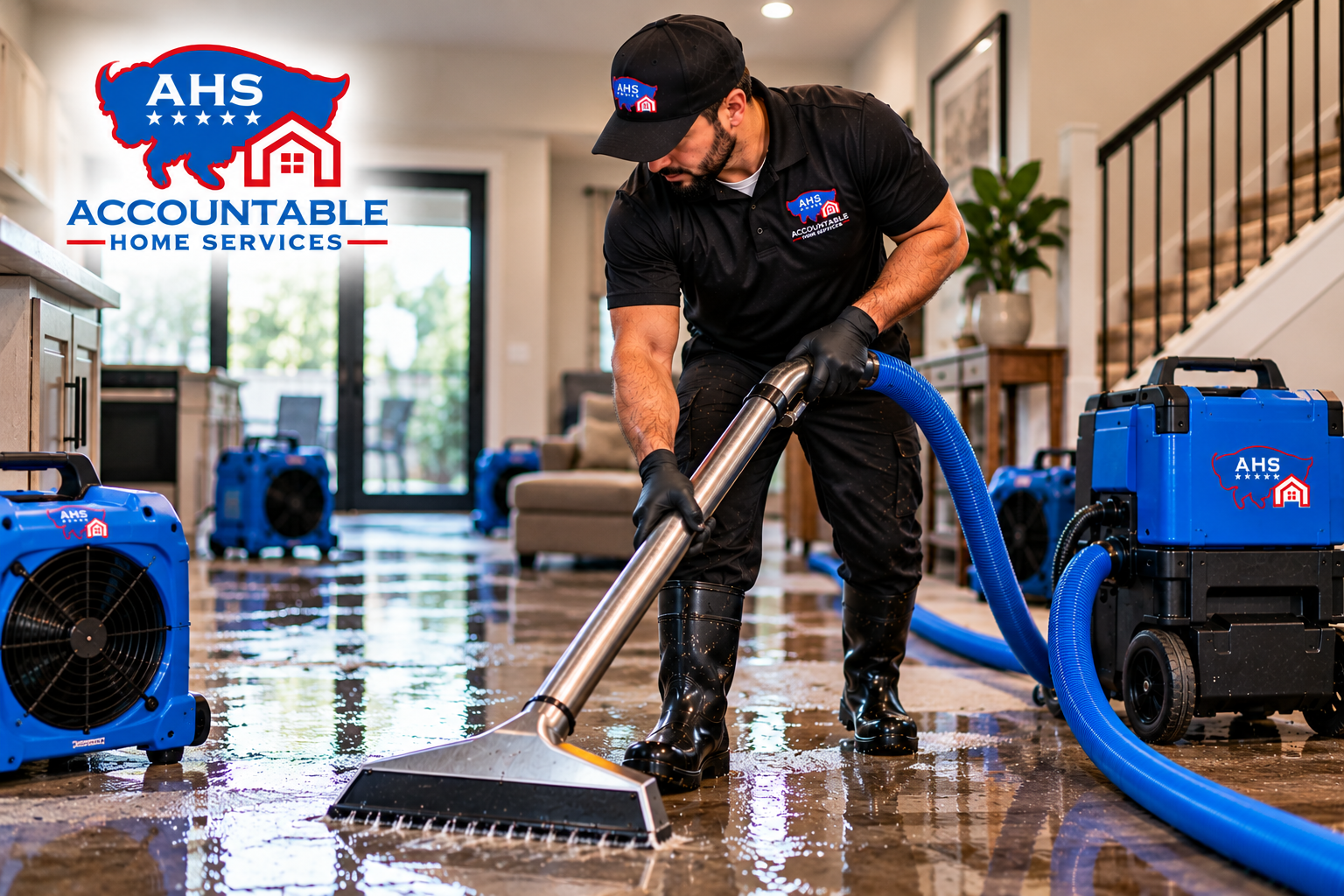
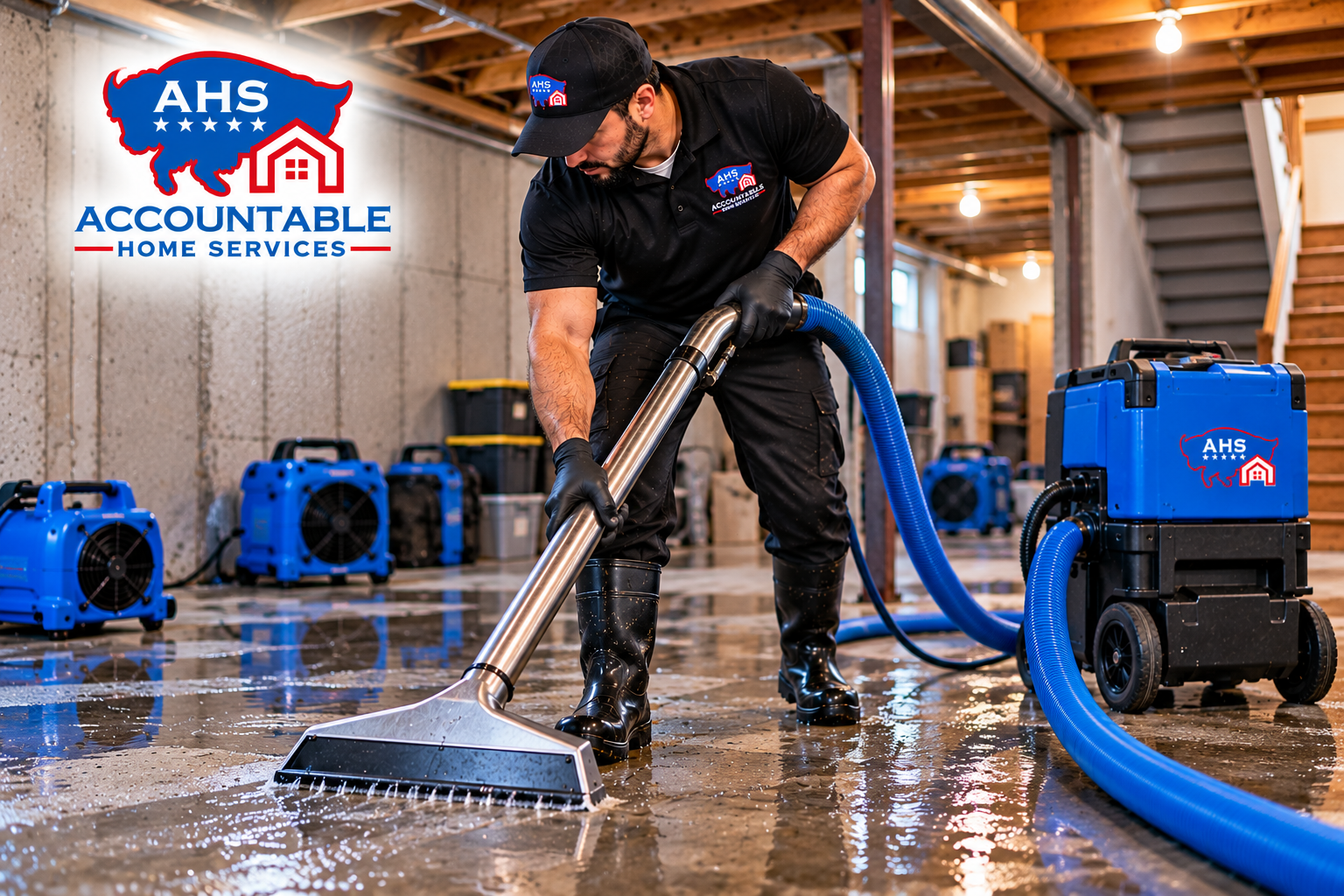
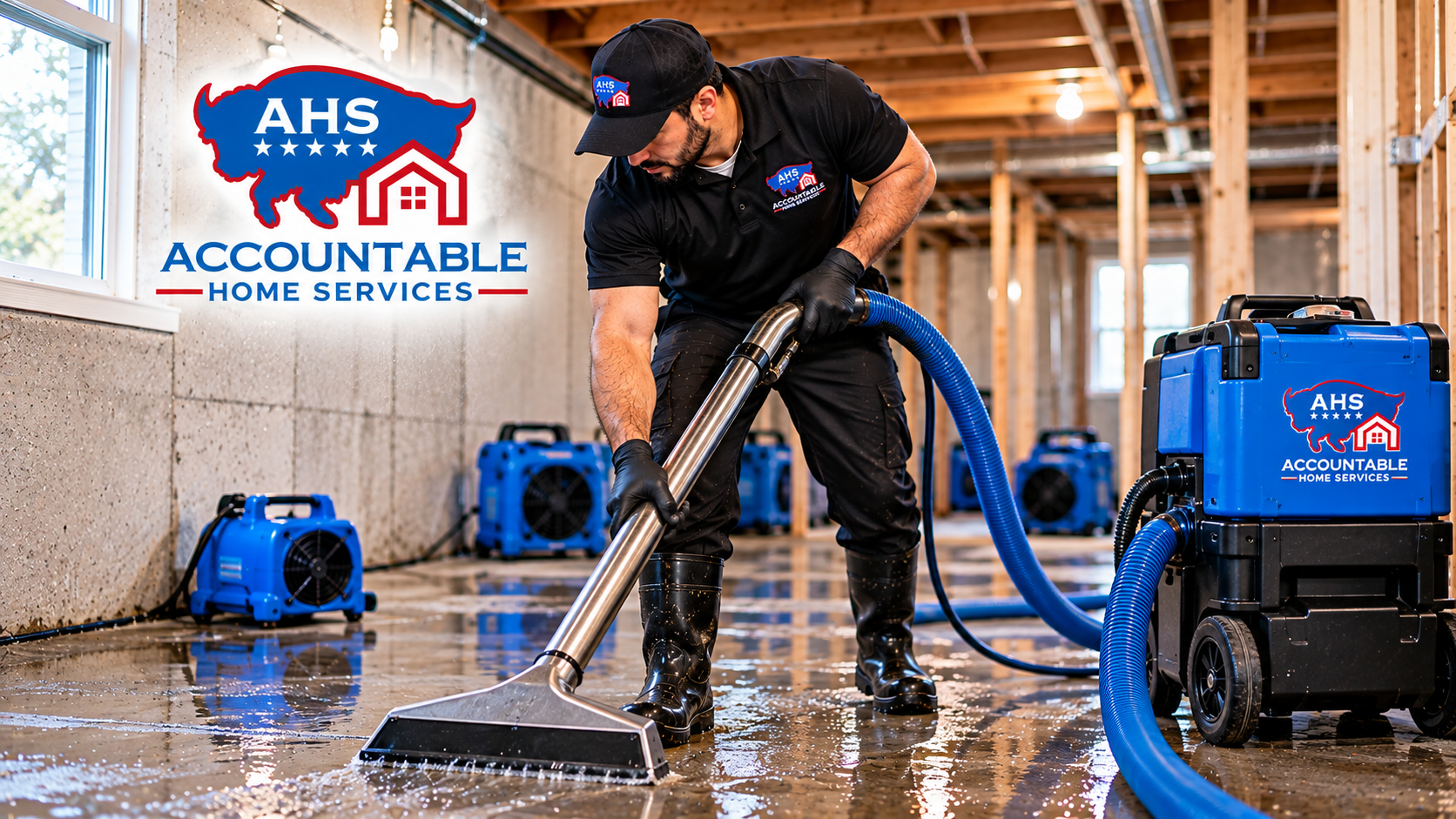
- Water removal and basement water extraction Standing water should be removed as soon as it is safe. Extraction equipment can pull water from hard surfaces, carpet, and some porous materials more effectively than towels or shop vacs. Fast removal helps reduce damage, but extraction is only the beginning. Materials can still hold moisture below the surface.
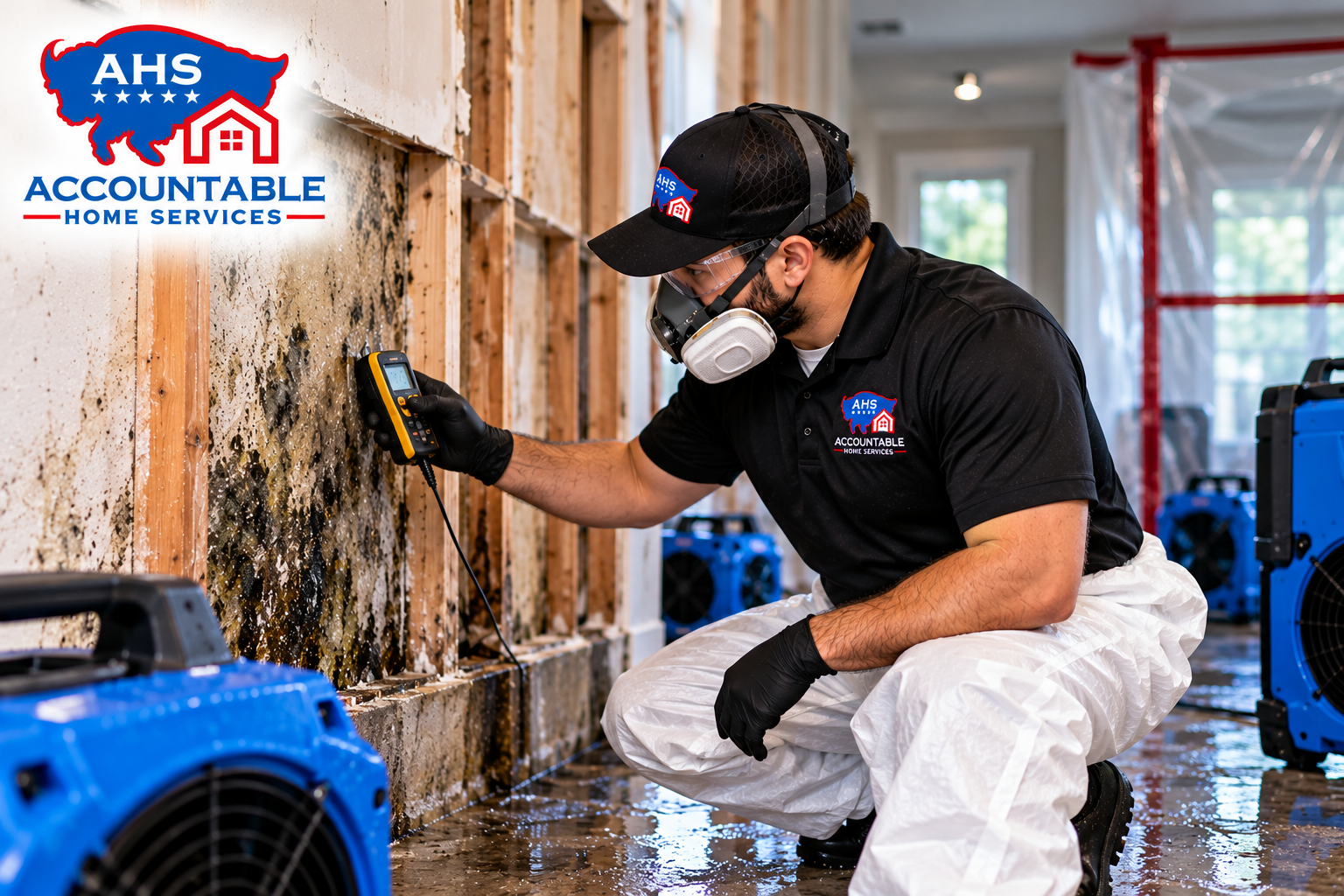
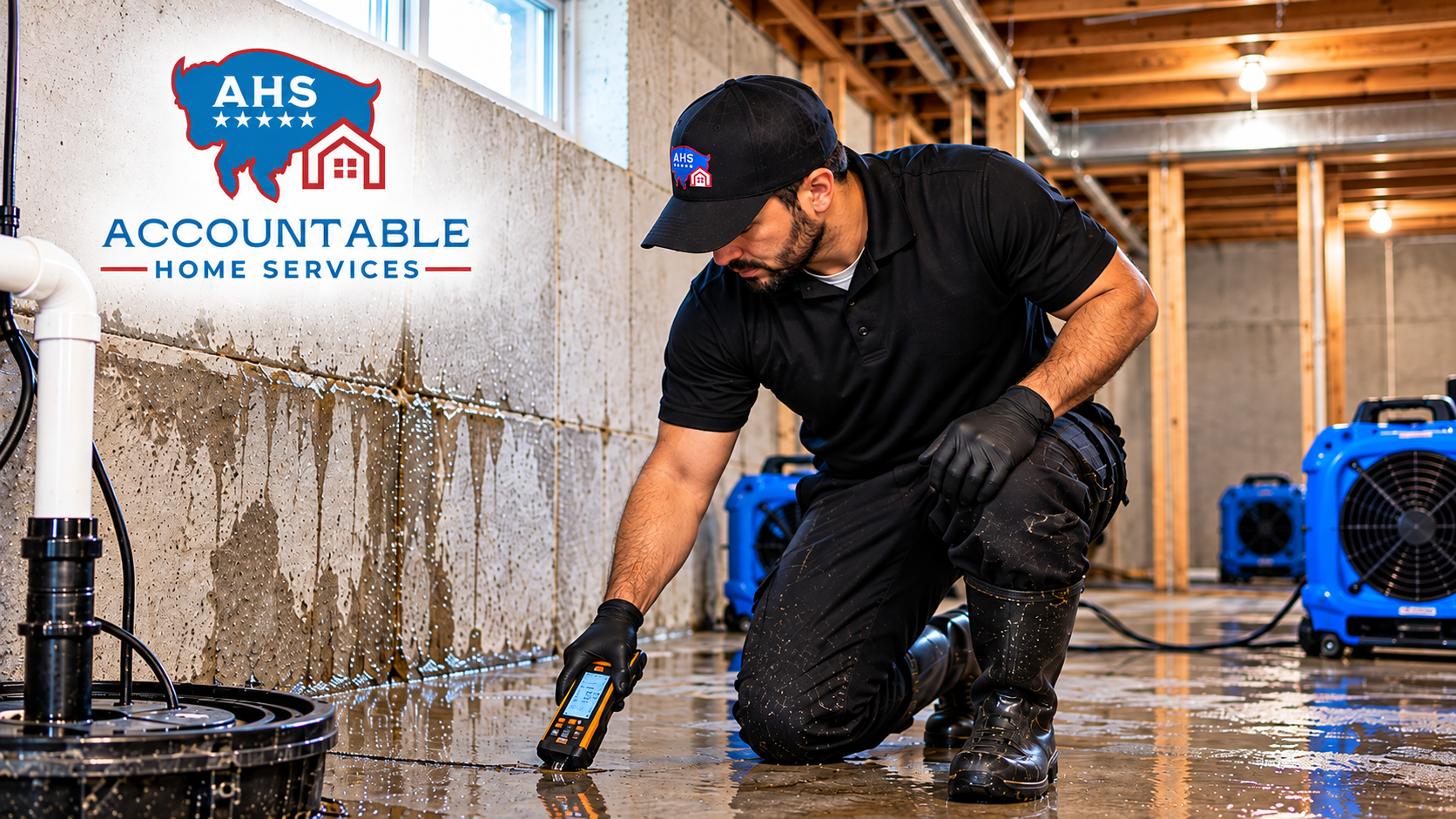
- Moisture detection and mapping Restoration pros use moisture meters, thermal imaging when appropriate, and hands-on inspection to find where water traveled. This step matters because a basement can look mostly dry while hidden moisture remains behind baseboards, under flooring, inside wall cavities, or behind finished panels. A clear moisture map also helps explain the loss to homeowners, property managers, plumbers, and insurance adjusters.
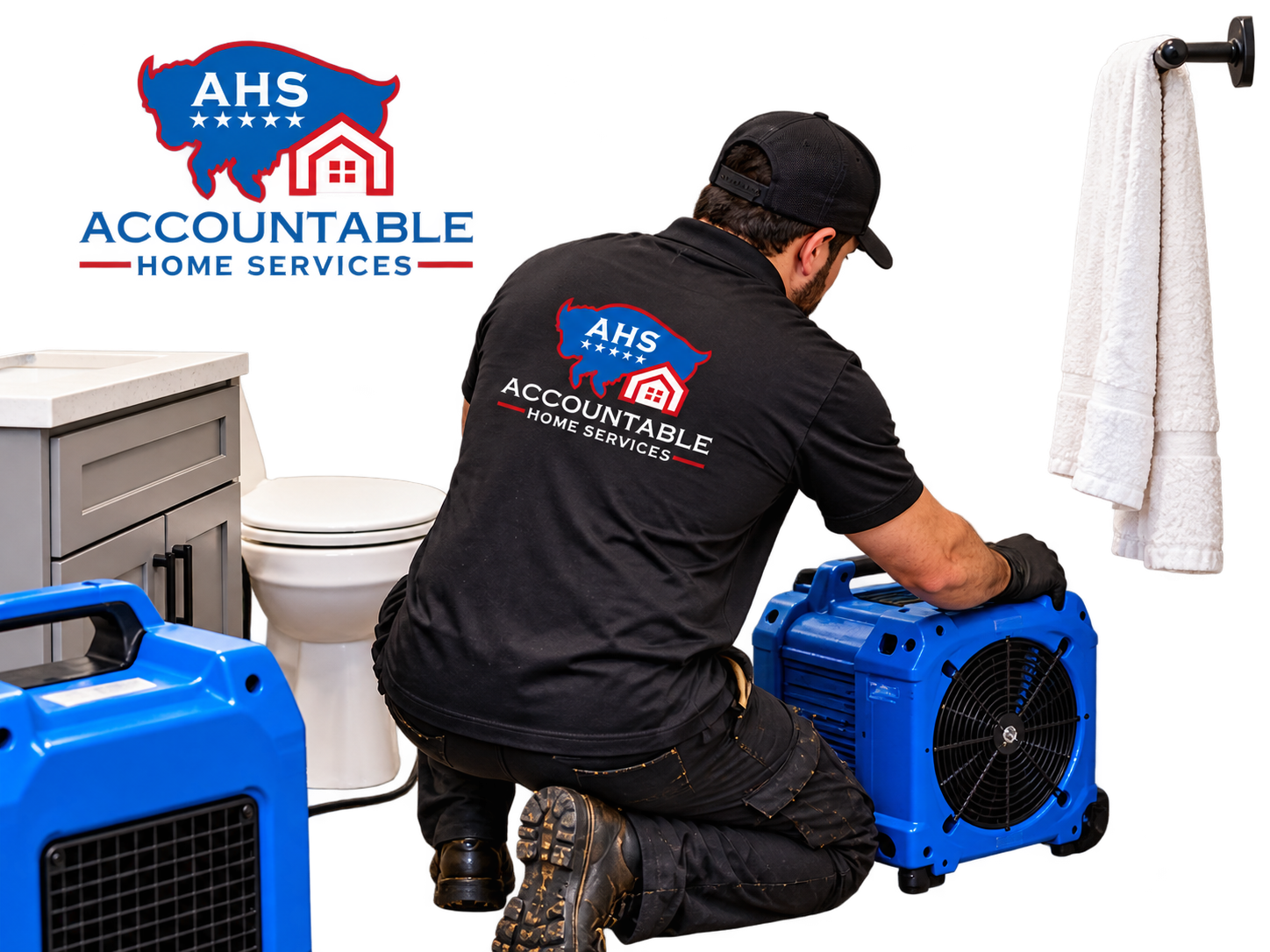
- Structural drying Drying is more than setting up fans. Air movers and dehumidifiers should be placed based on the materials affected, the amount of moisture present, and the layout of the basement. Readings are checked over time so the drying plan can be adjusted. Proper structural drying helps protect framing, subfloors, drywall, and other materials from ongoing damage.
- Damaged-material removal Some materials can dry in place, but others may need to be removed. Wet carpet pad, swollen baseboards, saturated insulation, delaminated flooring, or contaminated porous materials often cannot be cleaned and dried well enough to keep. Removing damaged materials also opens wall or floor cavities so trapped moisture can dry.
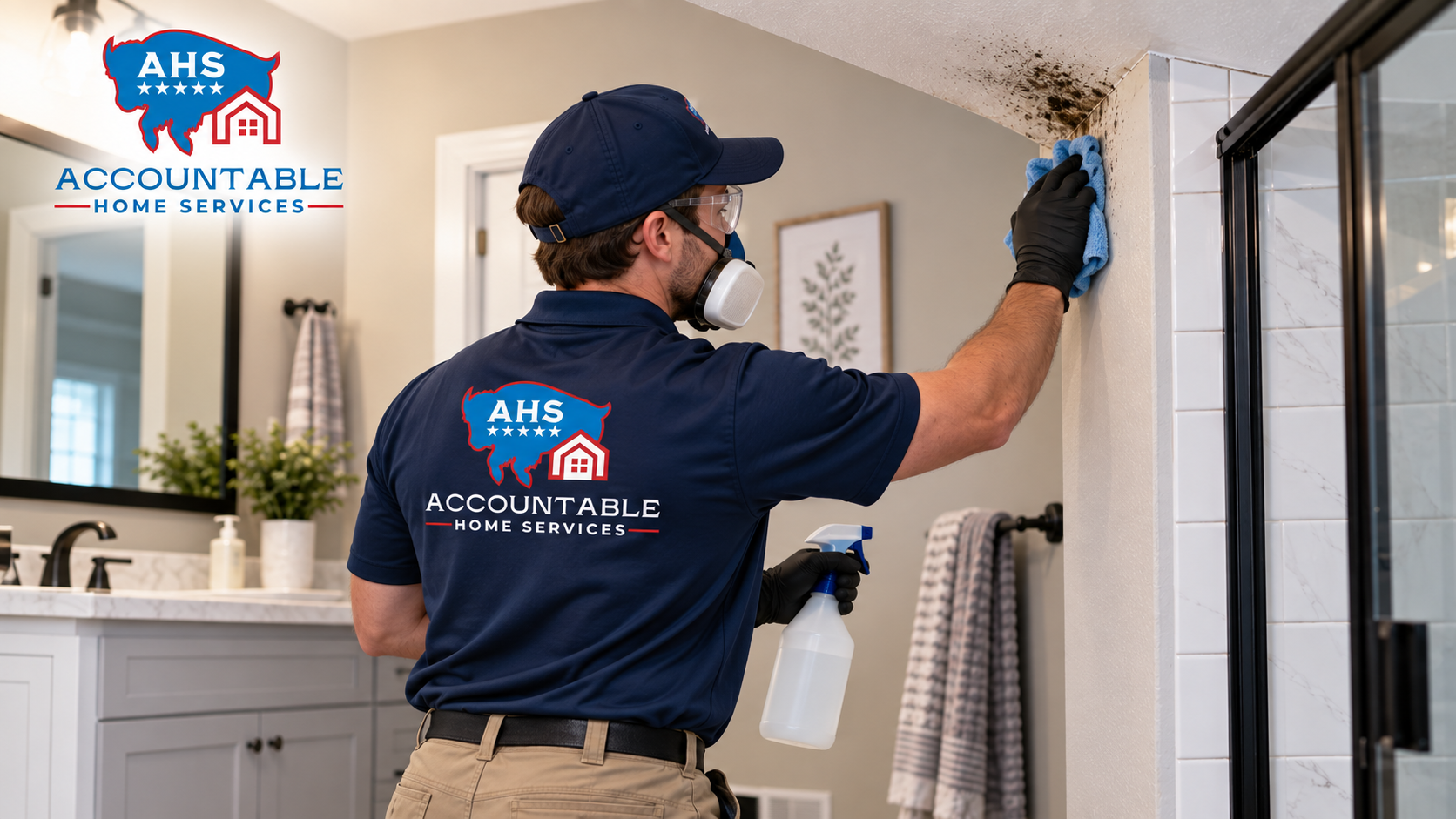
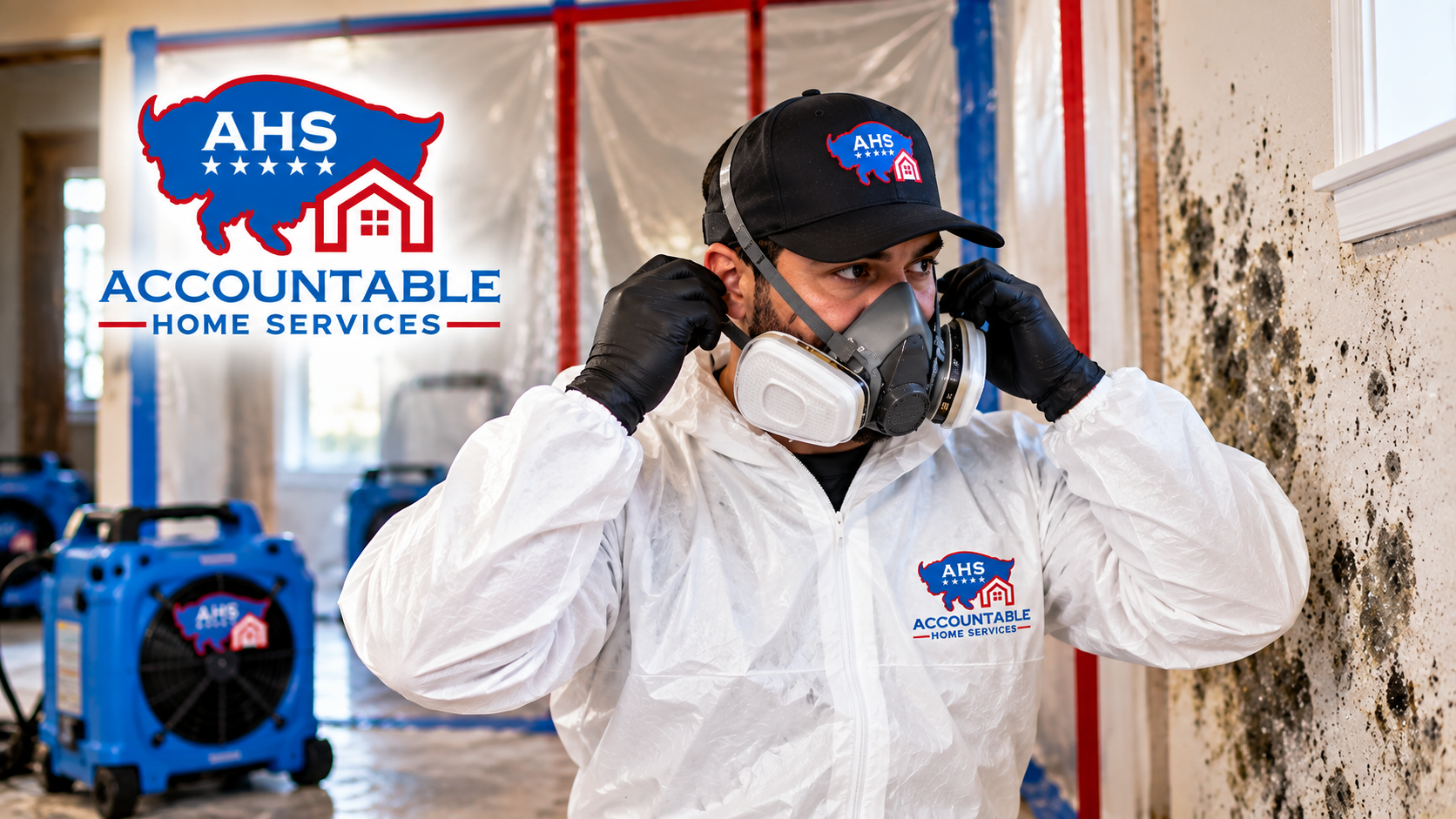
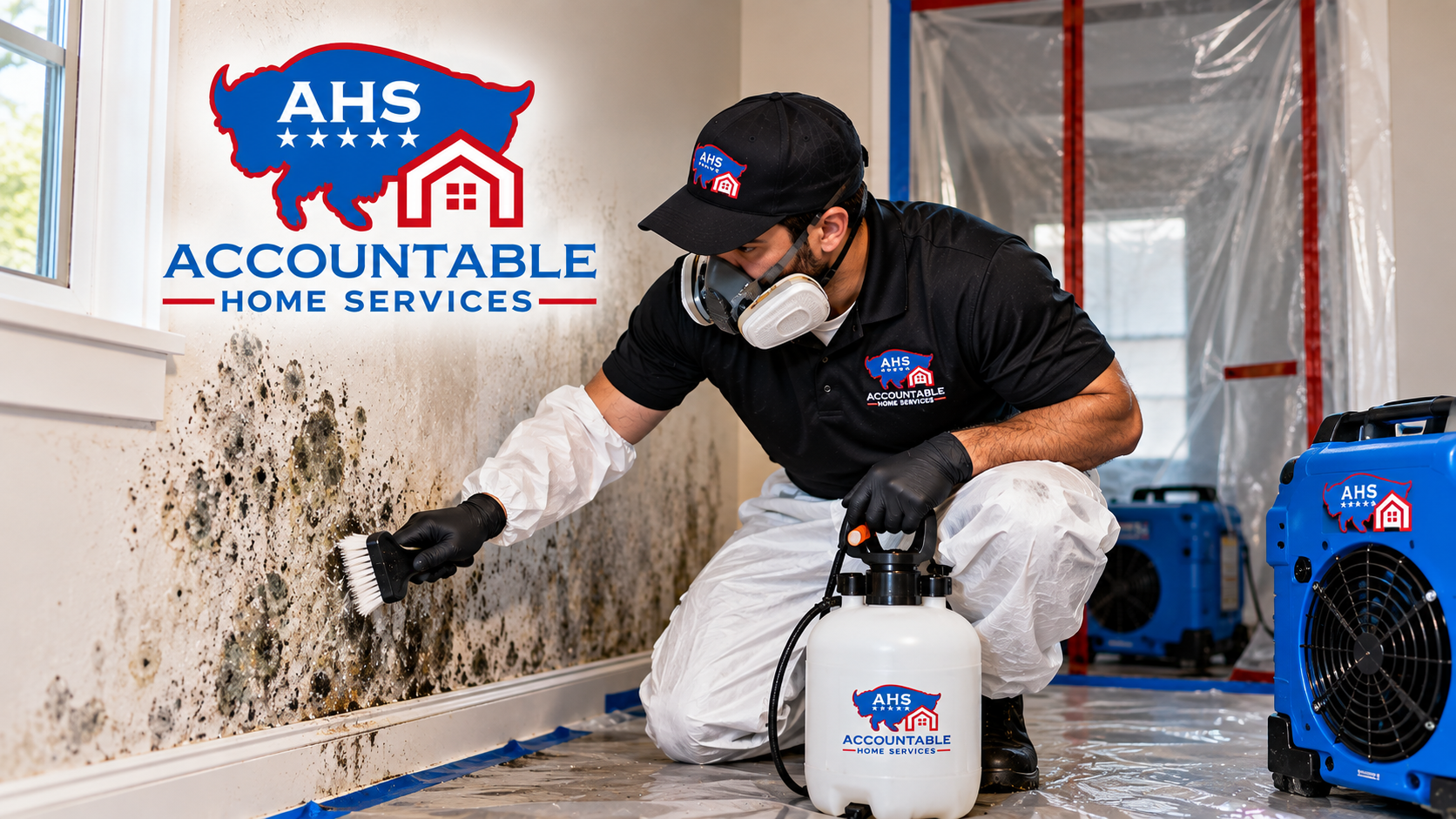
- Mold prevention and cleaning Mold risk increases when moisture remains in building materials. The answer is not simply spraying something on a wet wall. The moisture source must be addressed, wet materials must be dried or removed, and affected surfaces should be cleaned using appropriate methods. If mold is already visible or suspected, the cleanup approach should match the extent of the problem.
- Repairs after drying is confirmed Repairs should wait until drying goals are met and the source has been handled. Covering stains, repainting, replacing trim, or installing new flooring too soon can trap moisture and create repeat damage. Once the basement is dry and stable, repair work can move forward with much less risk.
Visible water removal is not the same as complete drying
This is where many basement water damage Boulder projects go sideways. The puddle is gone, the carpet feels a little better, and the wall stain gets painted over. But moisture may still be sitting inside drywall, insulation, flooring, sill plates, studs, or framing.
That hidden moisture can cause musty odors, staining, material breakdown, and mold concerns later. It can also create confusion during an insurance claim because the damage may look worse days or weeks after the first cleanup. Proper documentation, moisture readings, and drying records help show what was affected and what steps were taken to reduce further loss.
For insurance agents, this is often the difference between a client who feels guided and one who feels lost. For plumbers, it is the handoff point after the leak repair is done but the home still needs drying. For property managers, it helps protect tenants, owners, and the condition of the property.
When professional water mitigation makes sense
Not every damp basement needs a full restoration response, but many do need more than surface cleanup. If water moved into finished materials, if the source is unclear, or if the basement stayed wet for any length of time, professional water damage restoration Boulder support can help prevent a small problem from becoming a larger one.
Call for help when you notice:
- Standing water, soaked carpet, wet pad, or water under floating floors
- Wet drywall, swollen trim, peeling paint, or staining along the wall-floor joint
- A musty smell after flooding, even if the area looks dry
- Water near electrical systems, mechanical equipment, or stored valuables
- Basement water intrusion after storms, snowmelt, or repeated runoff
- A failed sump pump, backed-up drain, burst pipe, or leaking water heater
- Suspected mold after basement flooding or unexplained dampness
- Moisture in a rental unit, managed property, or recently finished basement
A restoration team can also help coordinate with the plumber, foundation contractor, property manager, or insurance adjuster so the process is easier to follow. Clear notes, photos, equipment logs, and moisture documentation help support the claim process without creating extra headaches.
Local guidance for Boulder homes and referral partners
Boulder basements can deal with a mix of older foundations, finished lower levels, hillside drainage, storm runoff, snowmelt, and groundwater conditions. That does not mean every wet basement points to a major foundation repair. It does mean the cause should be identified before anyone starts rebuilding.
For homeowners, the main goal is to act early and avoid guessing. For plumbers, the right restoration partner can step in after the mechanical repair and handle drying, documentation, and mold prevention. For property managers, fast communication and clear next steps help reduce tenant frustration and owner concern. For insurance agents, a calm restoration process can protect the client experience during a stressful claim.
The best next step is simple: document the damage, stop the source if you can, and arrange a professional inspection when water has reached building materials. If you are dealing with a flooded basement Boulder situation, basement leak Boulder CO issue, or hidden moisture after cleanup, get guidance before repairs begin. A careful start can save time, reduce repeat damage, and make the rest of the restoration process much easier to manage.