How Do You Get Rid of Mold in a Bathroom in Highlands Ranch, CO?
How Do You Get Rid of Mold in a Bathroom in Highlands Ranch, CO?
Bathroom mold is common in Highlands Ranch homes because bathrooms collect warm air, steam, and hidden moisture in small spaces. The right approach is to clean small surface growth safely, fix the moisture source, improve ventilation, and call a professional when mold is spreading, returning, or possibly inside walls or ceilings. If you are dealing with bathroom mold Highlands Ranch CO homeowners see after a leak, poor airflow, or repeated condensation, the goal is not just to wipe it away. The goal is to keep it from coming back.
How do you get rid of mold in bathroom areas safely?
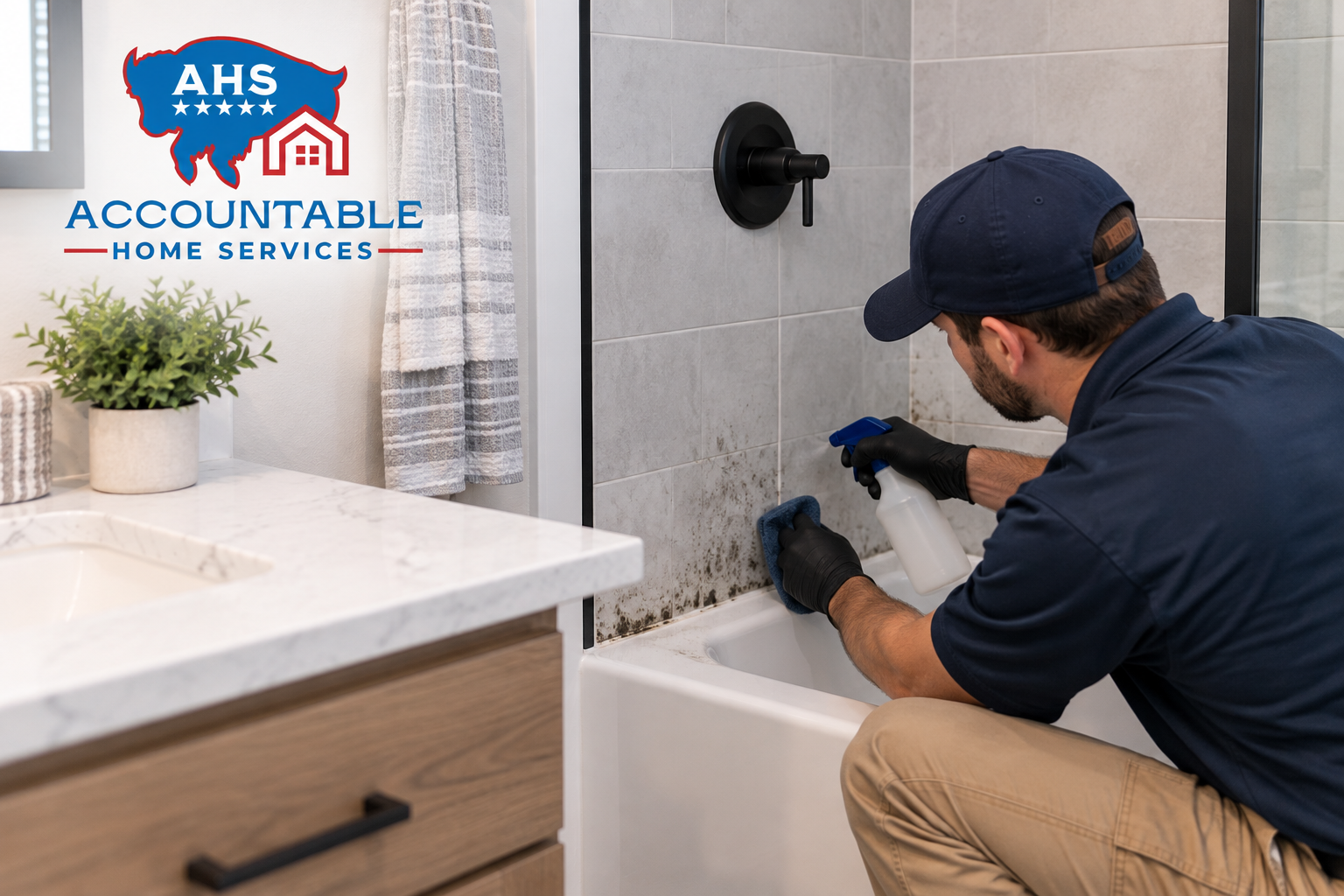
For a small patch on a hard, non-porous surface, you can usually clean it with basic safety steps, a suitable cleaner, and good drying afterward. Wear gloves, protect your eyes, open a window if you have one, run the bath fan, and avoid aggressive scrubbing that can spread residue into the air. If the mold covers a large area, has a strong musty odor, keeps returning, or may be growing behind materials, it is time to stop cleaning and look deeper.
A plain-spoken answer to “how do you get rid of mould in bathroom” is this: clean what is safe to clean, but solve the moisture problem that allowed it to grow. Some people use the spelling “mould,” so you may see searches like “remove bathroom mould” or “mould removal in bathroom.” In Highlands Ranch, the practical steps are the same.
For small spots on tile, glass, sealed grout, or a painted surface that is still solid, try this careful process:
- Protect yourself first. Put on disposable gloves, eye protection, and a mask if cleaning bothers your breathing.
- Ventilate the room. Run the exhaust fan, open a window if available, and keep the door open when possible.
- Use a bathroom-safe cleaner. Follow the label instructions. Do not mix chemicals, especially bleach with ammonia or acidic cleaners.
- Clean gently. Wipe the area instead of dry-scrubbing it. Dry scrubbing can spread particles.
- Rinse if required by the product. Some cleaners need a rinse, while others need dwell time. Read the label.
- Dry the area fully. Use a clean towel and keep the fan running after cleaning.
- Watch the spot. If it returns quickly, you likely have an ongoing moisture issue.
These bathroom cleaning hacks can help with light surface staining, but they are not a substitute for fixing a leak, failed fan, wet drywall, or moisture trapped behind tile.
Common bathroom mold spots in Highlands Ranch homes
Mold needs moisture, a food source, and time. Bathrooms supply all three when steam lingers, caulk separates, a toilet seal leaks, or water gets behind shower materials. Highlands Ranch homes can also have seasonal humidity swings, cold exterior walls in winter, and tightly sealed construction that holds indoor moisture when ventilation is weak.
Mold around shower and tub areas
Mold around shower corners, caulk lines, grout, and door tracks usually starts with repeated wetting. If the caulk is cracked, water can slip behind it. If grout is worn or not maintained, moisture can reach backing materials and stay there longer than homeowners realize.
Surface cleaning may help, but failing caulk should be removed and replaced. If the wall feels soft, tile is loose, or staining keeps coming back along the same line, do not keep sealing over the problem. That can trap moisture inside the wall.
Mold on bathroom ceiling
Mold on bathroom ceiling surfaces often points to steam that is not being exhausted well. It may show up above the shower, near corners, or around a fan that is weak, dirty, disconnected, or venting into the wrong space. In winter, warm bathroom air can also meet colder ceiling surfaces and leave condensation.
If the ceiling paint is intact and the area is small, cleaning and repainting with the right bathroom-rated paint may help after ventilation is corrected. If the ceiling is stained, sagging, bubbling, or damp to the touch, there may be a roof, plumbing, or attic issue that needs attention.
Black mold in bathroom areas
Black mold in bathroom spaces can be upsetting to see, but color alone does not tell you what type of mold it is. Many molds can appear dark. The more useful question is where it is growing, how much there is, and why the area is staying wet.
If it is a small amount on tile or caulk, start with safe cleaning and moisture control. If it is on drywall, wood, insulation, or a ceiling with water damage, call a mold professional before disturbing it.
Bathroom moisture problems are the real issue
Cleaning visible mold is only half the job. Bathroom moisture problems are what make mold return. That is why a good plan looks at airflow, plumbing, building materials, and daily habits.
Start with the exhaust fan. A bathroom fan should pull moist air out of the room, not simply make noise. Hold a tissue near the fan while it is running. If the tissue barely moves, the fan may be dirty, undersized, blocked, or not vented correctly.
Bathroom ventilation mold issues often improve when homeowners take a few simple steps:
- Run the fan during every shower and for at least 20 to 30 minutes afterward.
- Keep the bathroom door open after showers when privacy is no longer needed.
- Wipe down shower walls or glass after use to reduce standing water.
- Wash bath mats regularly and let them dry between uses.
- Keep furniture, towels, and storage from blocking vents or airflow.
- Repair dripping showerheads, sink leaks, running toilets, and loose supply lines quickly.
- Replace cracked caulk instead of repeatedly cleaning the same stained line.
In Highlands Ranch, many homes are built to hold heat well, which is good for comfort but can make trapped indoor moisture more noticeable. If windows fog often, paint peels in bathrooms, or musty smells show up after showers, it is worth checking ventilation and humidity habits.
When is bathroom mold a professional issue?
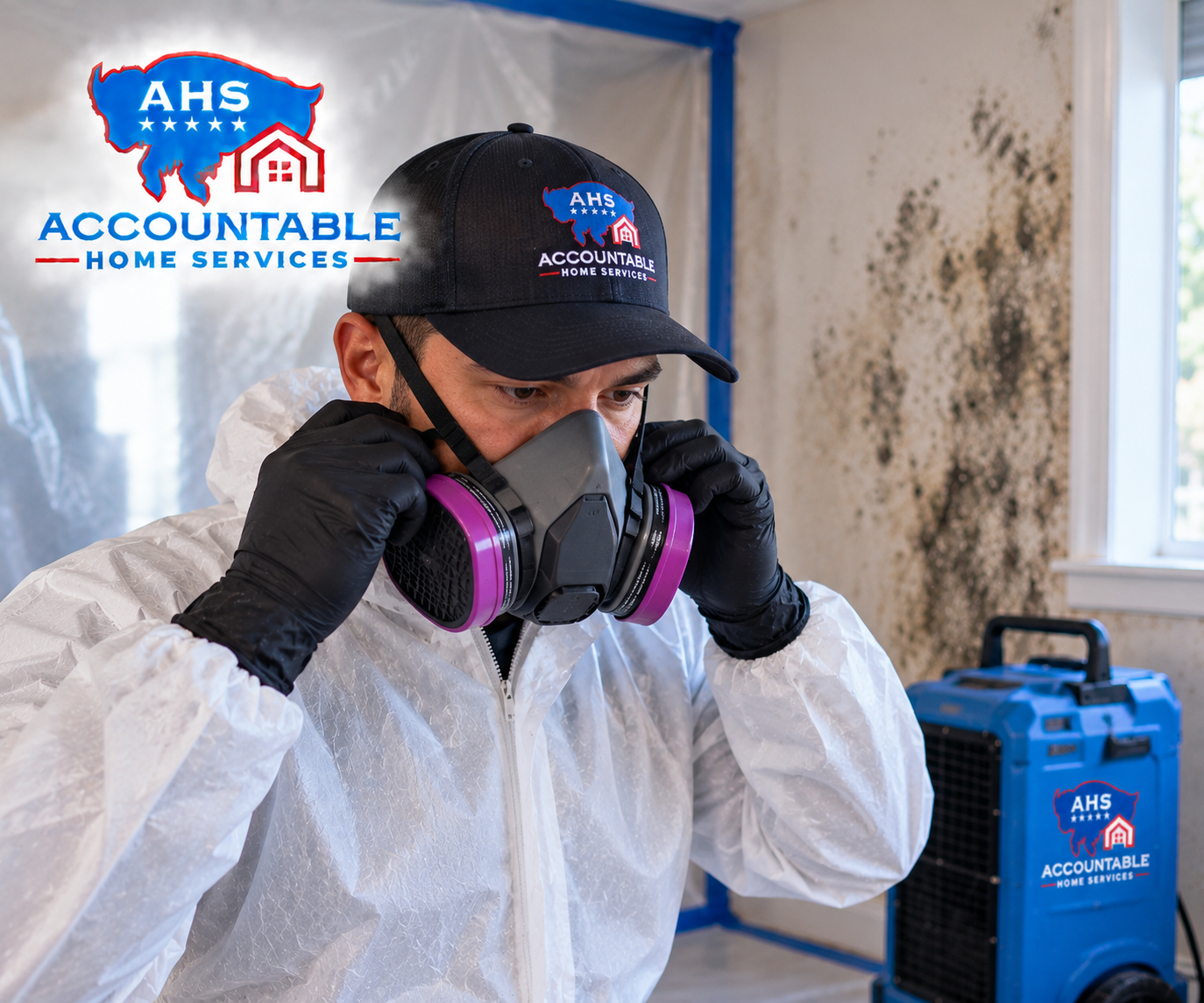
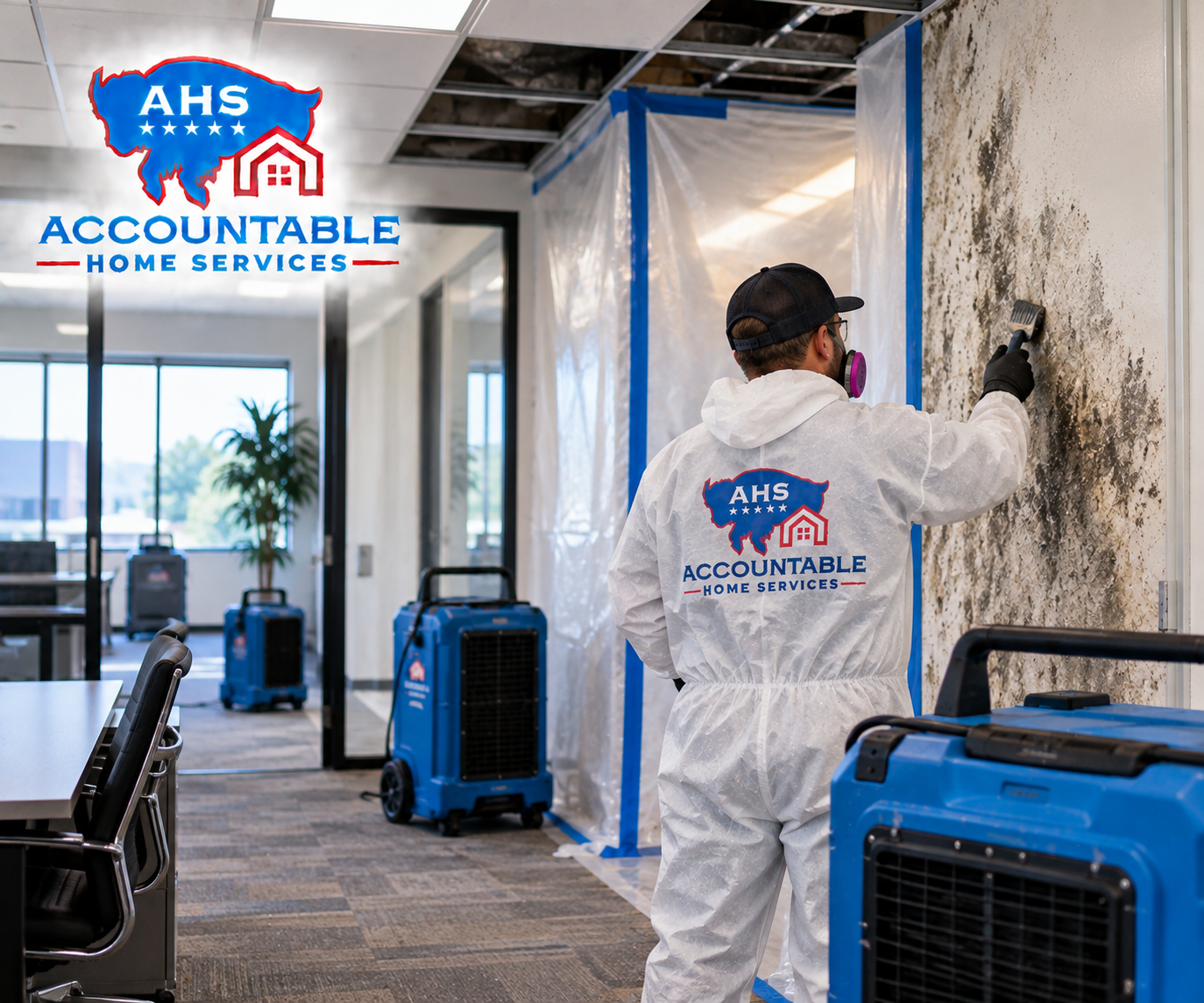
Bathroom mold becomes a professional issue when it is more than a small surface cleanup, when the source is unclear, or when building materials may be wet inside. A local mold remediation Highlands Ranch team can inspect the area, check moisture levels, contain the workspace, remove affected materials when needed, dry the structure, and document the work clearly.
You should consider professional mold remediation if you notice any of the following:
- Mold covering a larger area or spreading across multiple surfaces.
- Mold returning within days or weeks after cleaning.
- A musty smell that remains even when the bathroom looks clean.
- Soft drywall, bubbling paint, warped trim, loose tile, or swollen baseboards.
- Recent water damage from a supply line, toilet overflow, drain backup, or shower leak.
- Mold near HVAC vents or in a bathroom connected to other damaged rooms.
- Health concerns in the home that make DIY cleanup a poor choice.
- A tenant, buyer, insurer, or property manager needing clear documentation.
This is especially important if there may be hidden mold. Once moisture gets behind tile, under flooring, or into drywall, surface cleaning will not reach the full problem. A professional can help determine whether removal, drying, or containment is needed before repairs begin.
Hidden mold behind bathroom walls
Hidden mold can develop when water enters a wall cavity and stays there. Common causes include failed shower valves, leaking supply lines, cracked grout, missing caulk, toilet leaks, and condensation around cold surfaces. Mold behind bathroom wall materials is not always visible at first, so homeowners often notice signs before they see growth.
Watch for these clues:
- A musty odor that gets stronger when the bathroom door is closed.
- Staining around baseboards, ceilings, or wall corners.
- Paint that bubbles, flakes, or feels soft.
- Tile that sounds hollow or moves when pressed.
- Flooring that cups, lifts, or feels spongy near the toilet or tub.
- Repeated mold along the same caulk line after cleaning.
If you suspect mold behind bathroom wall surfaces, avoid cutting into drywall just to “see what is there.” Opening a wall without containment can spread debris and make cleanup harder. It is better to have moisture readings and a clear plan first.
What homeowners can do before help arrives
If the situation looks bigger than a surface cleaning job, a few careful steps can reduce further damage while you wait for help. These steps are also useful for plumbers, insurance agents, and property managers who want the homeowner or tenant to know what to do first.
Use this quick checklist:
- Stop the water source if there is an active leak and it is safe to do so.
- Call a plumber for the plumbing repair if the leak is still active.
- Do not paint, caulk, or cover over damp materials.
- Do not run a household fan directly across visible mold.
- Take photos and short videos before moving items or cleaning.
- Save receipts for emergency repairs or temporary supplies.
- Write down when you first noticed the issue and what happened.
- Move dry belongings away from the affected area.
- Keep children and pets out of the bathroom if materials are wet or moldy.
Good documentation matters. If an insurance claim is involved, clear photos, moisture readings, cause-of-loss notes, and repair records can help explain what happened. A restoration company that communicates well can make the process easier for the homeowner and less frustrating for the insurance agent, plumber, or property manager helping them.
How a local remediation company can help
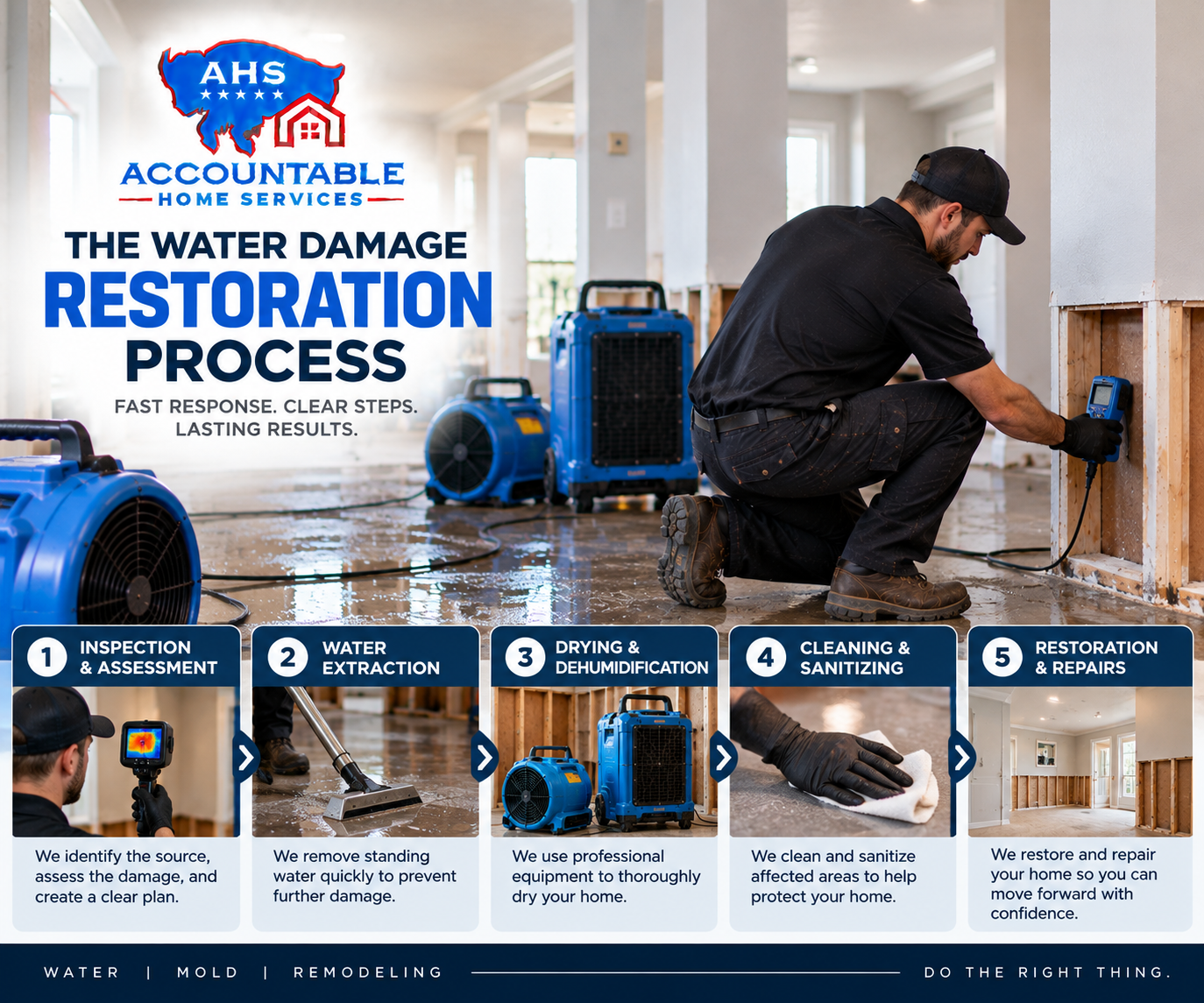
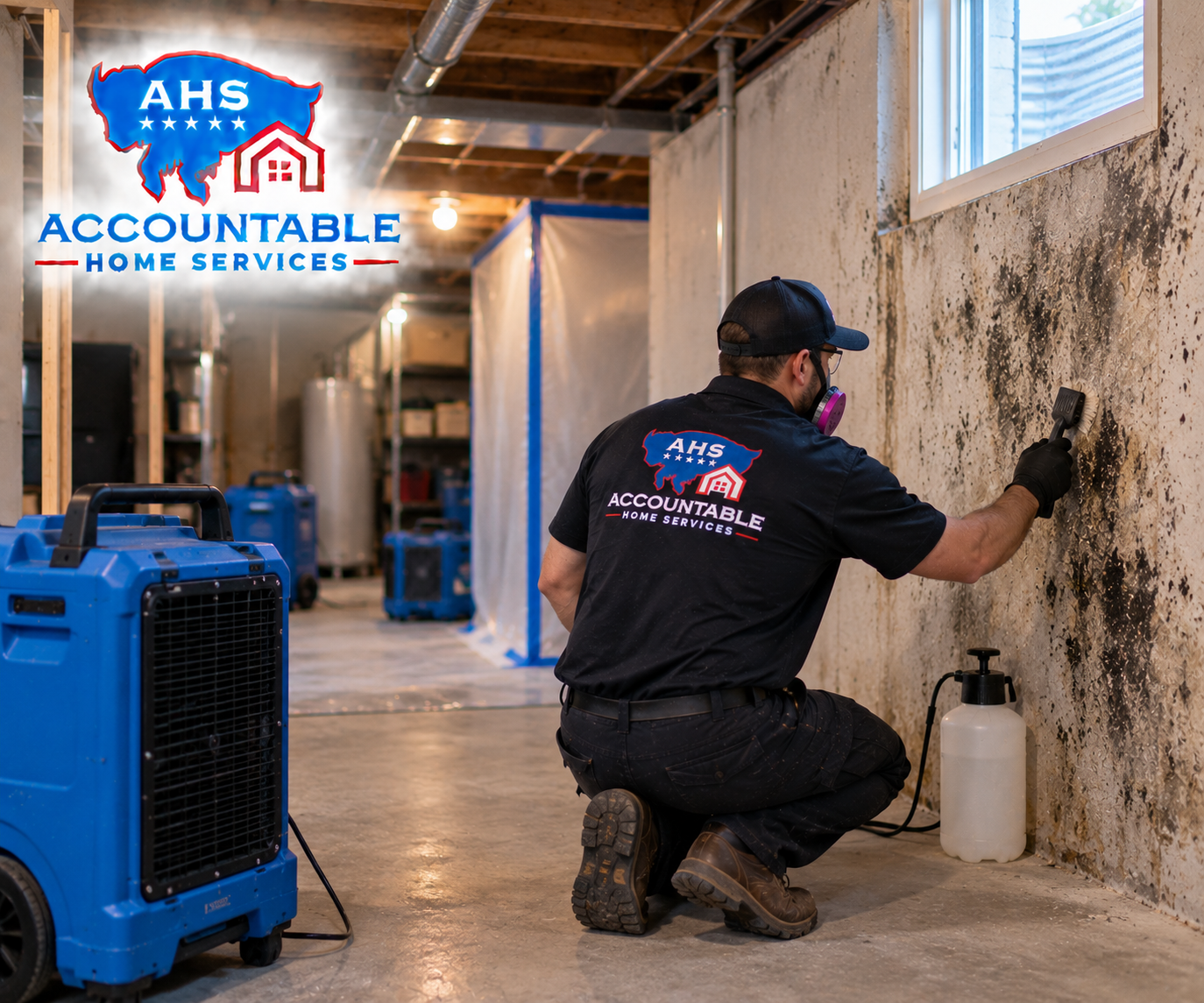
A company that handles mold removal Highlands Ranch homeowners need should do more than show up with equipment. The work should start with listening, looking for the moisture source, and explaining the next steps in plain language. If remediation is needed, the company may set up containment, use air filtration, remove affected materials, dry the structure, clean remaining surfaces, and provide job documentation.
For homeowners, that means you get a clearer picture of what is happening and what needs to happen next. For property managers, it helps protect tenant communication and owner confidence. For plumbers, it gives the customer a next step after the pipe, valve, or fixture repair is complete.
Professional mold remediation is not always required for every small bathroom spot. But when mold is connected to water damage, hidden moisture, or repeated growth, having a trained local team can prevent guesswork and help keep repairs focused.
Simple prevention habits after cleanup
Once the bathroom is clean and dry, prevention becomes the daily routine. You do not need to make it complicated. The best habits are the ones your household will actually follow.
Keep these basics in place:
- Use the exhaust fan every time someone showers.
- Clean dust from the fan cover so airflow stays strong.
- Leave the shower door or curtain open enough to dry.
- Replace failing caulk before water gets behind it.
- Check under sinks and around toilets once a month.
- Fix small leaks early, even if they seem minor.
- Keep towels and mats from staying damp on the floor.
- Pay attention to musty odors after snow, rain, or major temperature changes.
In a Highlands Ranch home, small moisture habits can make a noticeable difference. Dry air outside does not always mean the bathroom is drying well inside. If steam is trapped, mold can still find a place to grow.
The practical takeaway
To remove bathroom mold, start with safe cleaning only when the area is small, the surface is hard, and the material is not damaged. Then focus on the real fix: better ventilation, faster drying, and repairs to leaks, caulk, grout, or bathroom materials that are holding moisture.
If mold keeps coming back, smells musty, appears on drywall or ceilings, or may be hidden behind walls, it is time to call a professional. A local mold remediation company in Highlands Ranch can help identify the moisture source, perform the right level of cleanup, and document the job so homeowners, agents, plumbers, and property managers are not left guessing.