Mold Remediation and Bleach in Commerce City, CO: Does Bleach Really Kill Mold?
Mold Remediation and Bleach in Commerce City, CO: Does Bleach Really Kill Mold?
If you found mold after a leak, flood, or slow plumbing issue in Commerce City, bleach may seem like the fastest fix. The honest answer is more limited: bleach can help clean some hard surfaces, but it is not a complete mold remediation plan, especially when mold has grown into drywall, wood, flooring, or wall cavities. For homeowners, insurance agents, plumbers, and property managers, the safer path is to stop the moisture, document the damage, and decide whether the situation needs professional mold remediation.
Does bleach kill mold?
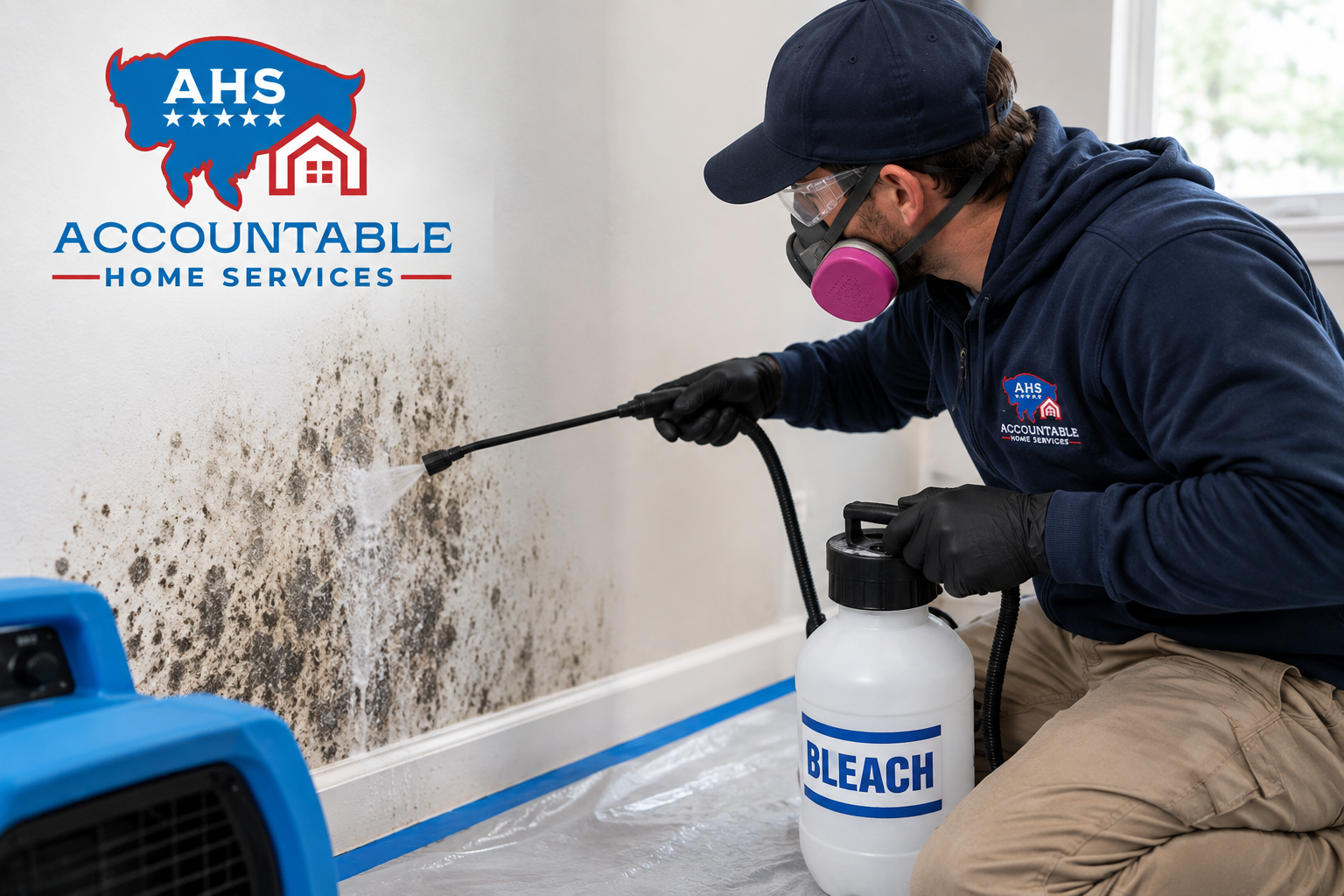
Yes, bleach can kill or lighten some surface mold on non-porous materials, but it does not solve the moisture problem or reliably remove mold from porous building materials. The EPA says biocides such as chlorine bleach are not recommended as a routine practice during mold cleanup, and cleanup should focus on removing mold growth and fixing the water source. The CDC also warns never to mix bleach with ammonia or other cleaners because the fumes can be dangerous. (epa.gov)
That is why the common search for does bleach kill mold needs a careful answer. Bleach for mold may make a stain look better for a short time, but mold can return if the material stays damp. In a real restoration situation, the goal is not just to “kill” mold. The goal is to remove contaminated material when needed, dry the structure, protect occupants, and prevent the same growth from coming back.
The bleach problem in real homes
A lot of Commerce City mold calls start with good intentions. Someone sees spots under a sink, around a tub, behind a washer, or on a basement wall and reaches for bleach for mold removal. That may be understandable, but it can also hide a bigger issue.
Bleach is mostly useful on hard, non-porous surfaces that can be scrubbed, rinsed, and dried. It is not the right answer for every material in a home. When people rely on a quick mold removal bleach approach, they may miss wet insulation, damp framing, swollen baseboards, or hidden mold in walls.
Common places where bleach falls short include:
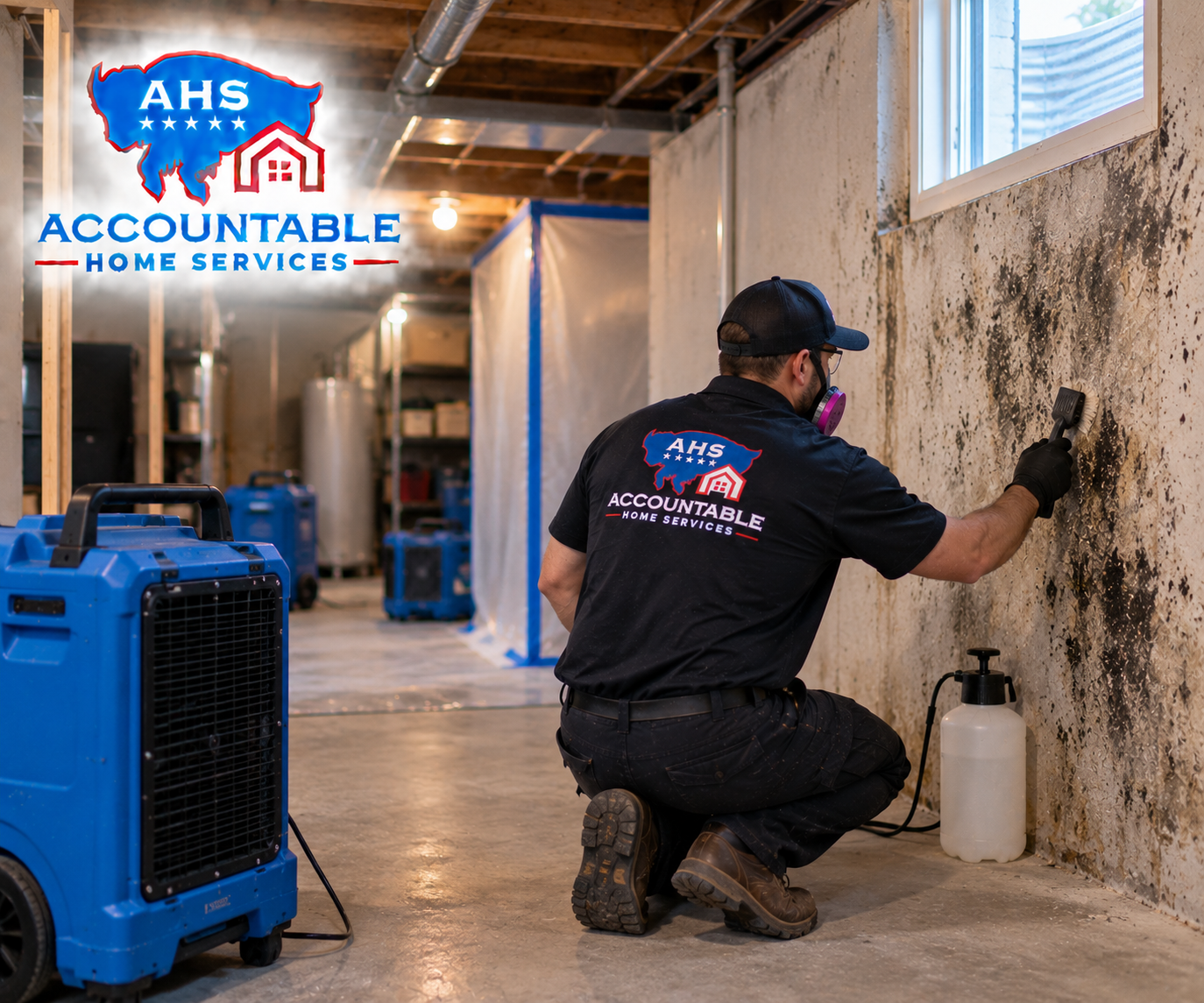
- Mold on drywall: Drywall is porous. If it has been wet long enough for growth, surface cleaning may not reach contamination inside the material.
- Mold on wood: Framing and subfloors can sometimes be cleaned and dried, but the right method depends on moisture levels, condition, and depth of growth.
- Basement mold Commerce City concerns: Basements can stay cool and damp, especially after seepage, sump issues, or past flooding.
- Bathroom mold removal: Small surface spots on tile or grout may be a cleaning issue, but recurring growth around walls, trim, or vanities may point to ventilation or leak problems.
Mold after water damage needs moisture control
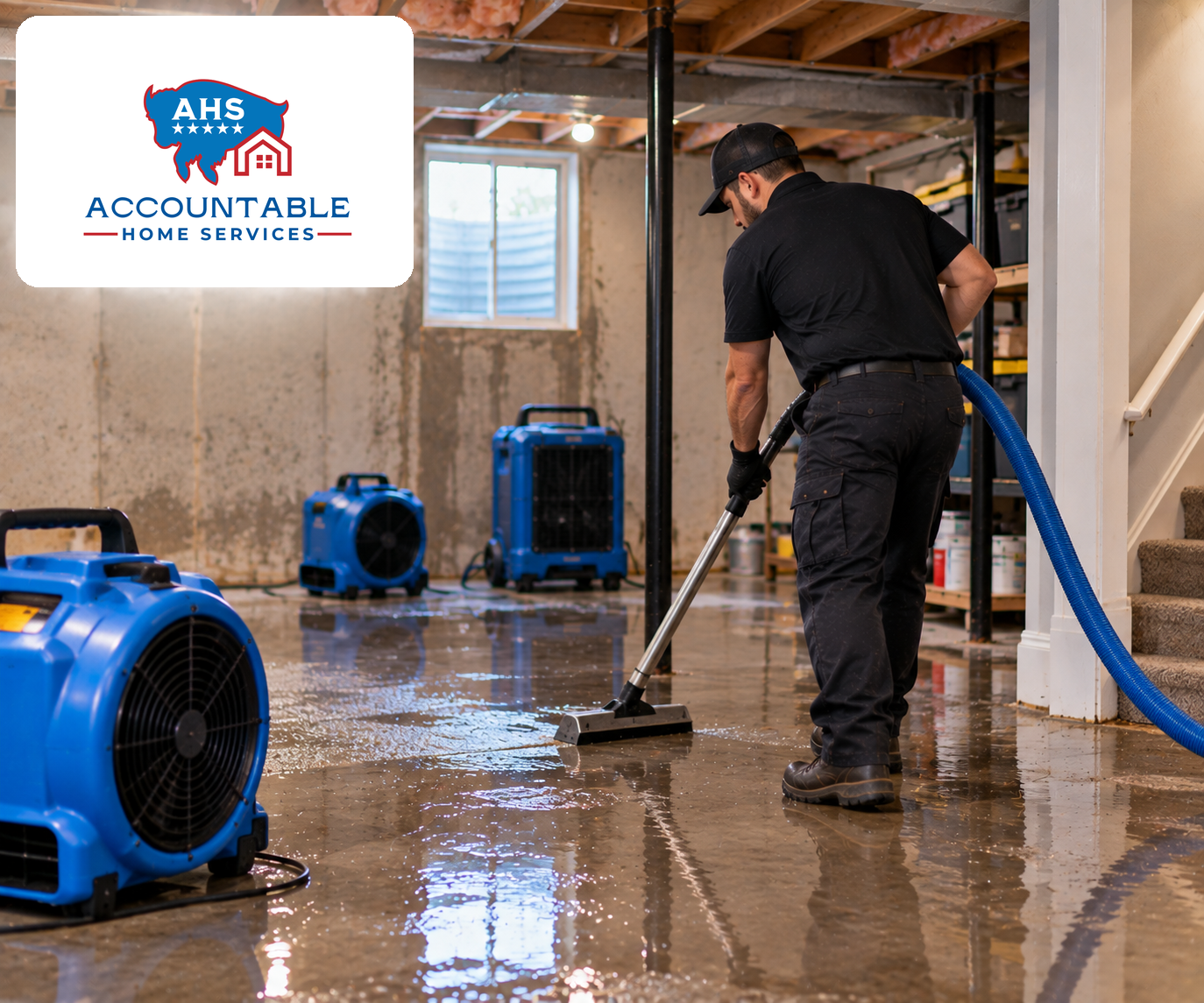
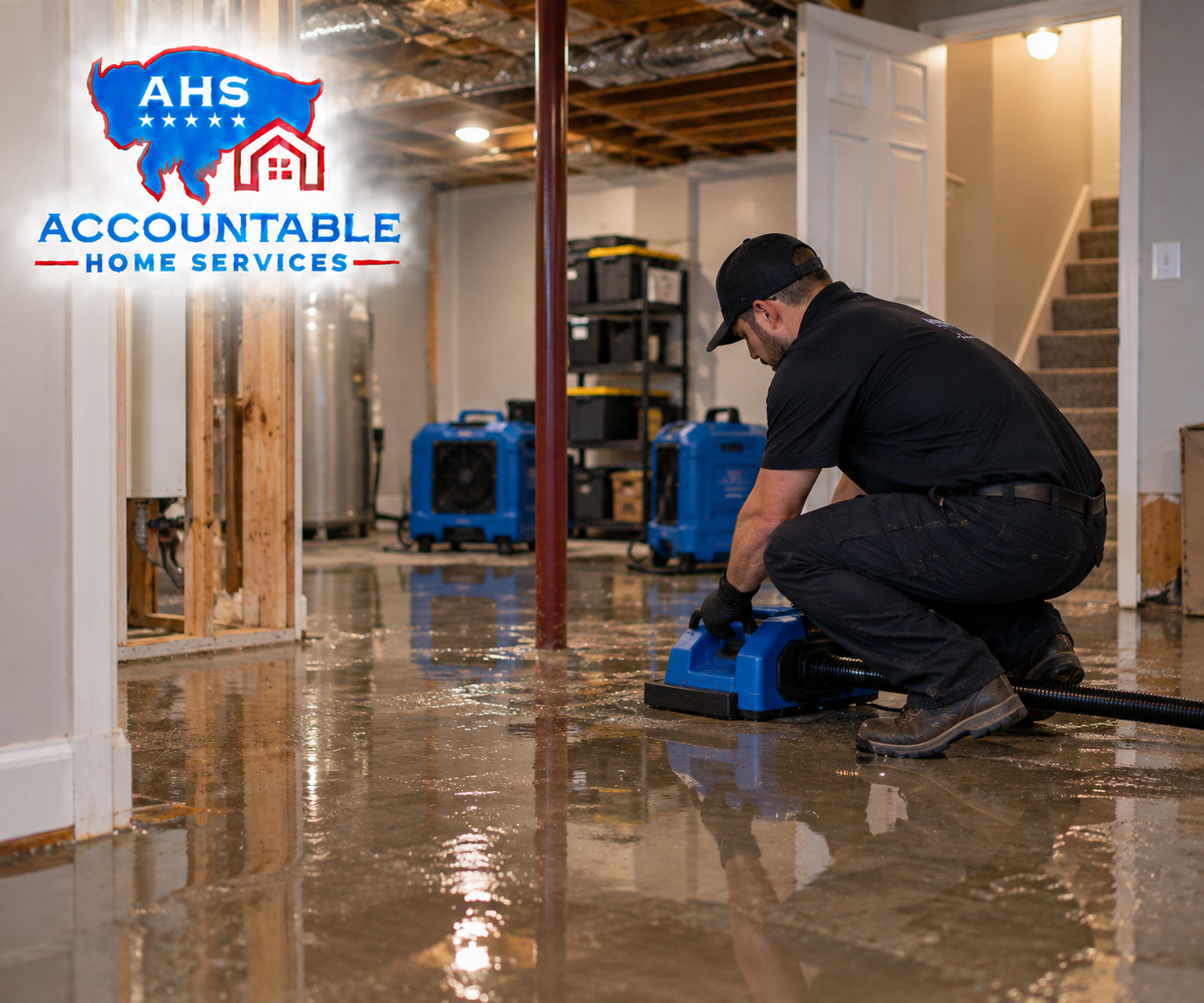
Mold needs moisture to grow, so mold after water damage is really a water problem first. A burst pipe, water heater leak, drain backup, roof leak, or overflowing fixture can push moisture into layers you cannot see. Even if the room looks dry, water may remain behind cabinets, under flooring, inside wall cavities, or around base plates.
The CDC notes that items wet with flood water and not fully cleaned and dried within 24 to 48 hours may need to be removed. The EPA also advises that if mold growth has occurred or materials have been wet for more than 48 hours, additional cleanup guidance should be considered. (cdc.gov)
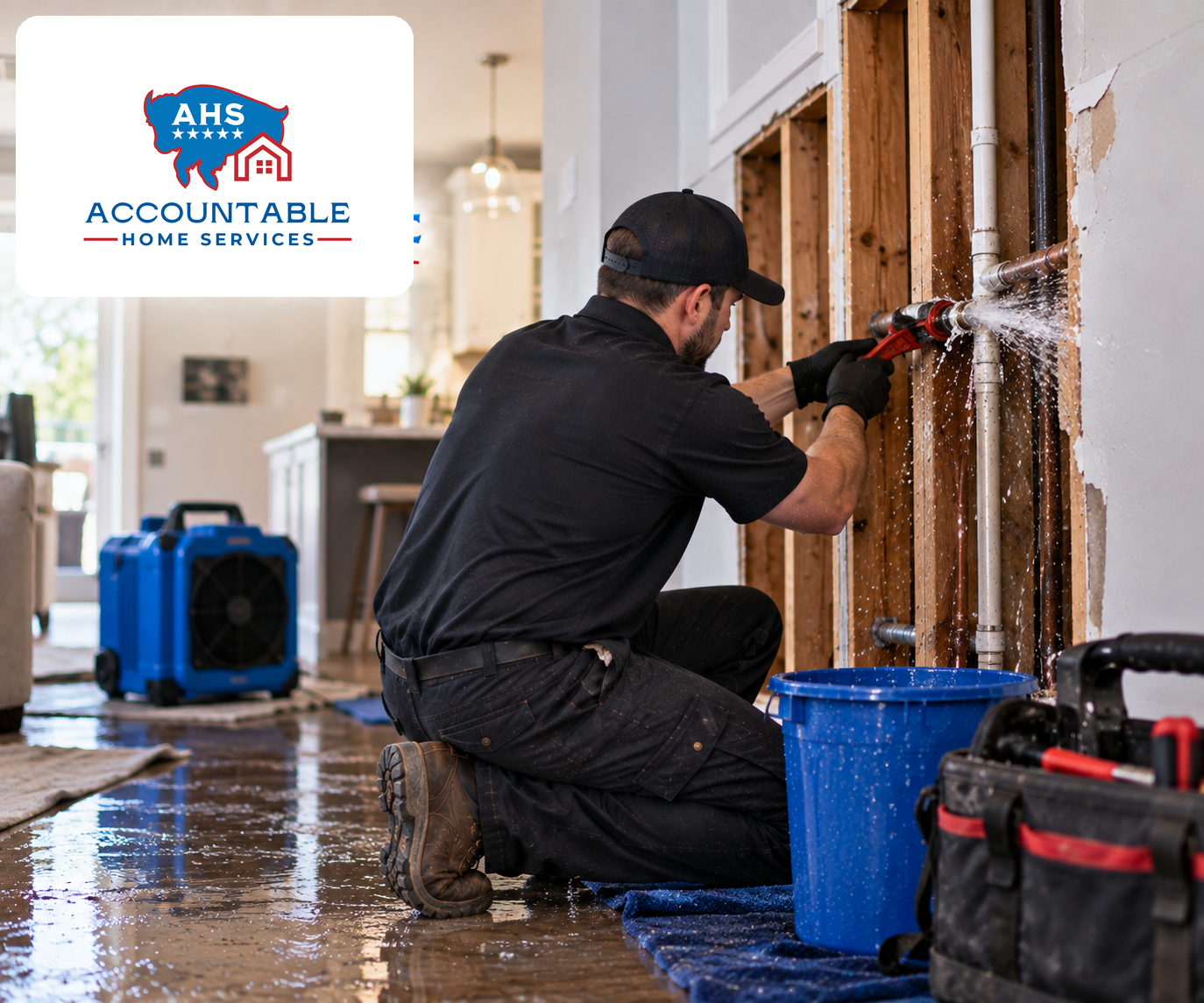
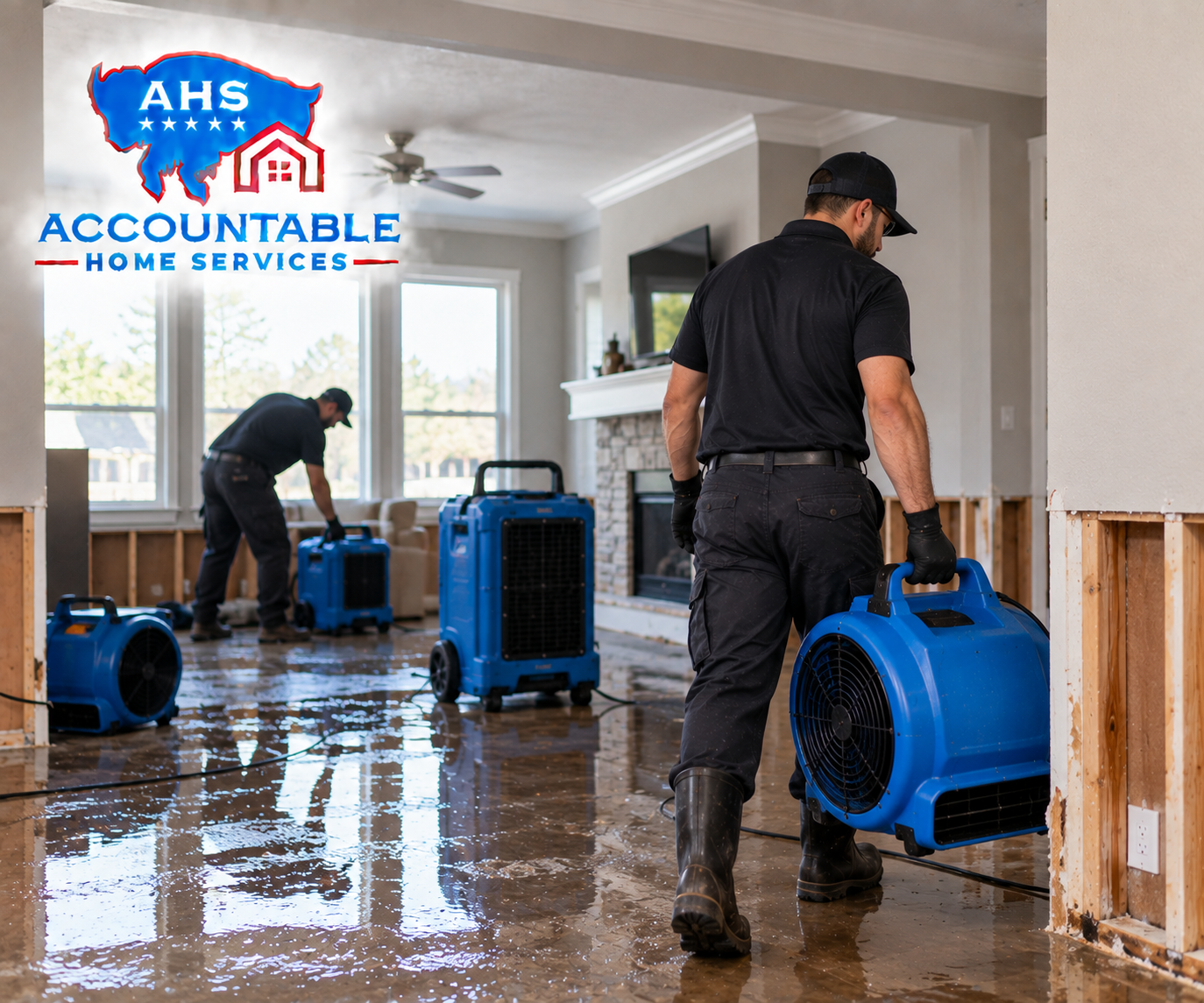
For plumbers, this is where a restoration partner matters. Fixing the leak is the first step, but it does not always dry the home. If the customer has wet drywall, cupped flooring, damp cabinets, or a musty smell, a restoration team can inspect moisture, set drying equipment when appropriate, and document conditions before repairs cover up the evidence.
When is bleach not enough?
Bleach is not enough when mold is growing on porous materials, when the affected area keeps returning, when there was a significant water event, or when occupants may be exposed during cleanup. It is also not enough when there is a claim and the homeowner, property manager, or insurance agent needs clear documentation of what happened, what was affected, and what work was performed.
Call for mold remediation Commerce City support when you notice:
- A musty smell that comes back after cleaning
- Visible growth on drywall, wood, carpet, ceiling tile, insulation, or cabinets
- Staining after a leak, drain backup, or flood
- Soft, swollen, or crumbling building materials
- Mold near HVAC openings or inside utility spaces
- Tenant complaints about recurring moisture or odors
- A need for claim photos, moisture readings, drying records, or scope notes
This is especially important with mold on drywall and mold on wood. Drywall often needs removal when contaminated or damaged. Wood may be cleaned, sanded, treated, or removed depending on the condition, but it should also be dried to appropriate levels. Spraying black mold bleach on dark growth is not a reliable plan, because color alone does not tell you the type of mold or how far moisture has traveled.
Safe first steps before mold remediation
If you are dealing with a fresh leak or visible growth, slow down and avoid spreading contamination. You do not need to panic, but you do need to act in the right order.
Use this simple checklist:
- Stop the water source. Shut off the fixture, supply line, or main water valve if needed. Call a plumber for the repair.
- Protect people first. Keep children, older adults, and anyone with asthma, allergies, or immune concerns away from affected areas when possible.
- Do not mix chemicals. Never mix bleach with ammonia or other cleaners. Ventilate if you have already used a strong cleaner.
- Avoid disturbing moldy materials. Tearing out drywall or carpet without containment can spread spores and dust.
- Take photos before cleanup. Document the source, affected rooms, wet materials, stains, and damaged belongings.
- Call a restoration professional when materials are wet or growth is more than minor surface spotting. This helps protect the property and supports a clearer insurance process.
For insurance agents and property managers, this checklist can reduce confusion. It gives the client or tenant something practical to do while the right vendors are being scheduled.
What professional mold remediation includes
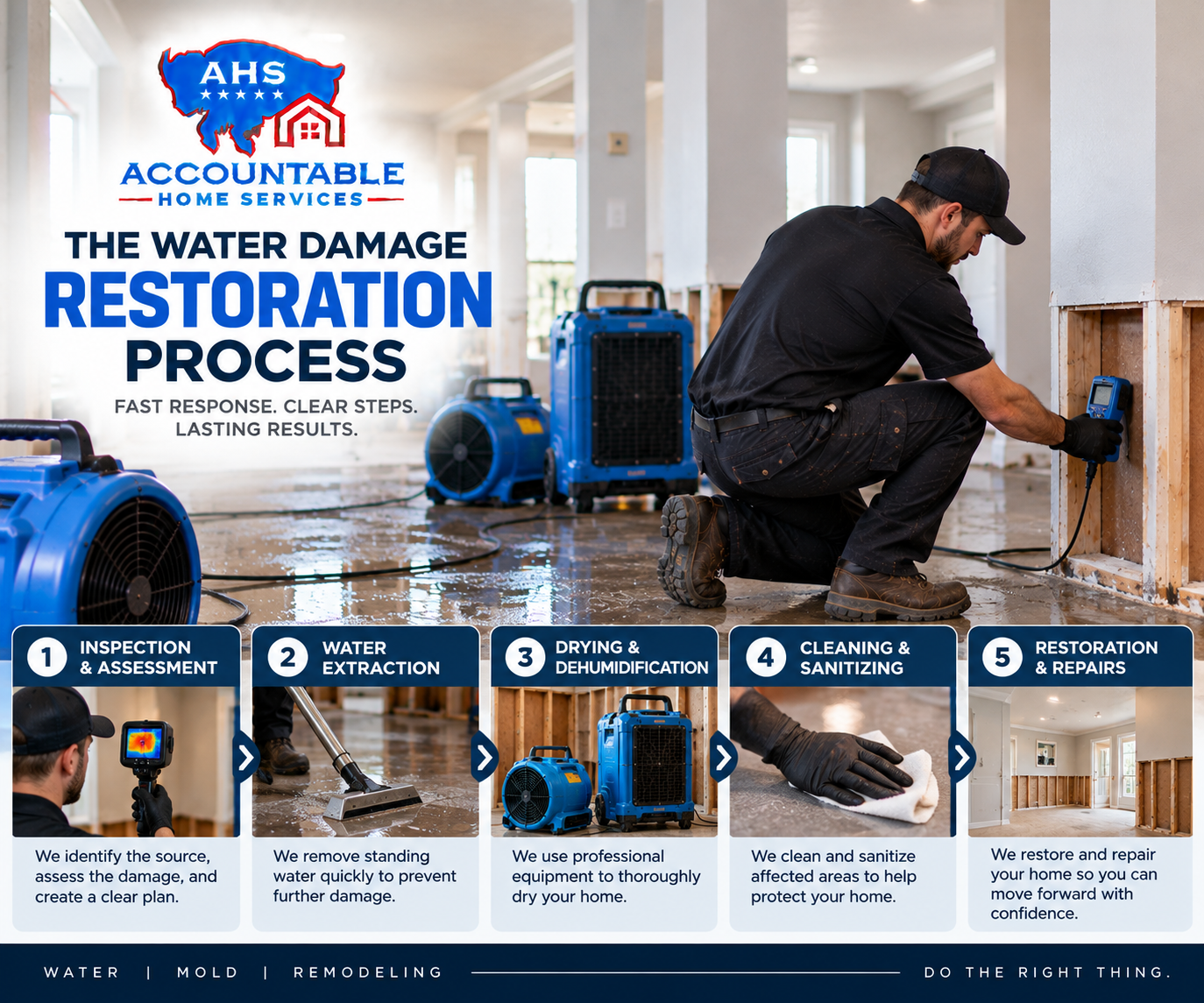
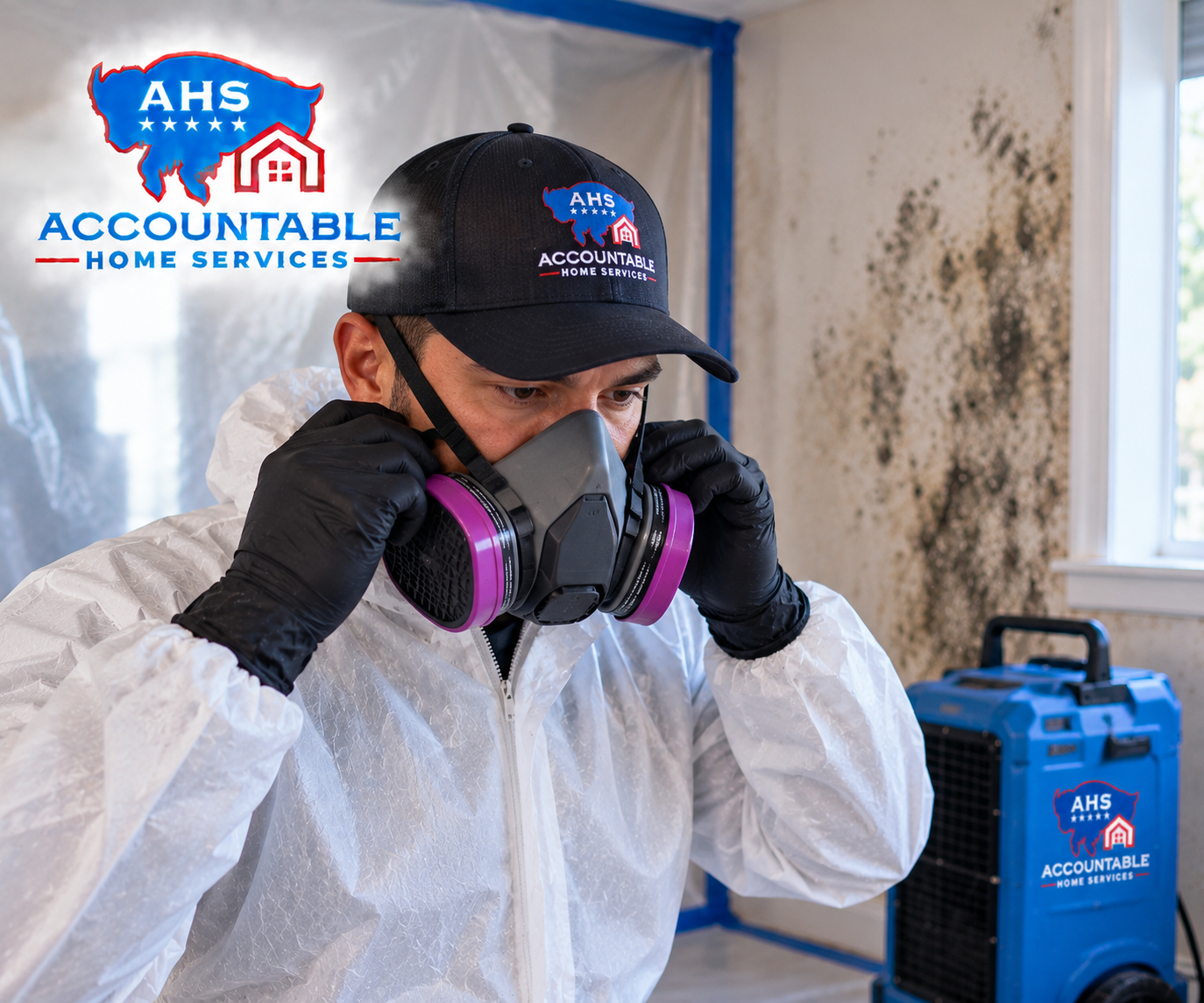
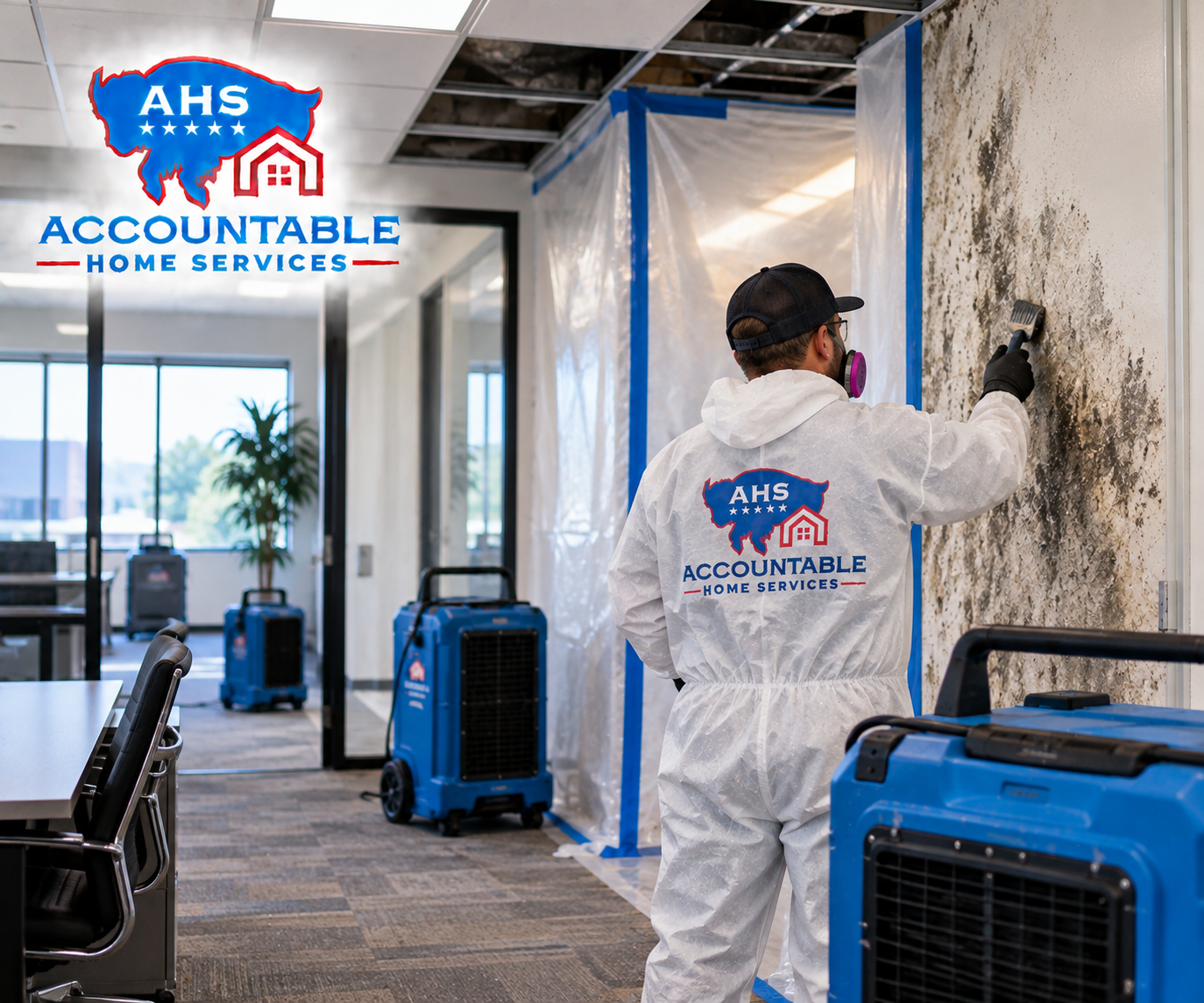
Professional mold remediation is more than spraying a chemical. A proper process starts with understanding the moisture source and the affected materials. From there, the work may include containment, air filtration, controlled removal, cleaning, drying, and documentation.
A restoration team may inspect visible damage, check moisture in walls and flooring, remove unsalvageable porous materials, clean salvageable surfaces, and help verify that the source of moisture has been corrected. The EPA recommends hiring contractors with mold cleanup experience and following recognized professional or government guidelines when professional help is needed. (epa.gov)
Good documentation matters. Photos, moisture readings, equipment logs, material notes, and written scopes can help homeowners understand the work and help insurance professionals review the claim. This does not guarantee coverage, because every policy is different, but it can make the process much clearer.
Local concerns in Commerce City homes
Commerce City properties can see a mix of older building materials, finished basements, crawlspace concerns, rental turnover issues, and fast-changing weather. A small plumbing leak can become a bigger issue when it sits over a weekend or hides behind a vanity. Basement moisture can also be easy to dismiss until the smell or staining becomes obvious.
If someone searches mold removal near me or mold removal Commerce City CO, they are usually not looking for a chemistry lesson. They need to know whether the home is safe to occupy, whether materials need to be removed, how to stop the problem from spreading, and what to tell the insurance company or property owner.
That is also why mold remediation bleach advice can be misleading when it is too simple. Some cleaning jobs are small. Others are restoration jobs. A trusted local restoration professional can help separate a surface cleaning issue from a moisture-damaged building material issue.
The practical takeaway
Bleach has a limited place in mold cleanup, but it should not be treated as a cure-all. It may help on hard, cleanable surfaces, but it does not replace drying, removal of damaged porous materials, containment, or proper documentation. If mold keeps coming back, appears after water damage, or involves drywall, wood, basement areas, or hidden spaces, it is time to look beyond bleach.
For Commerce City homeowners, plumbers, insurance agents, and property managers, the best next step is simple: stop the water, document what you can see, avoid spreading the damage, and bring in qualified help when the situation goes beyond minor surface cleaning. That approach protects the property, supports the claim process, and gives everyone a clearer path forward.