9 Hidden Signs of Water Damage (and How Moisture Is Found Behind Walls)
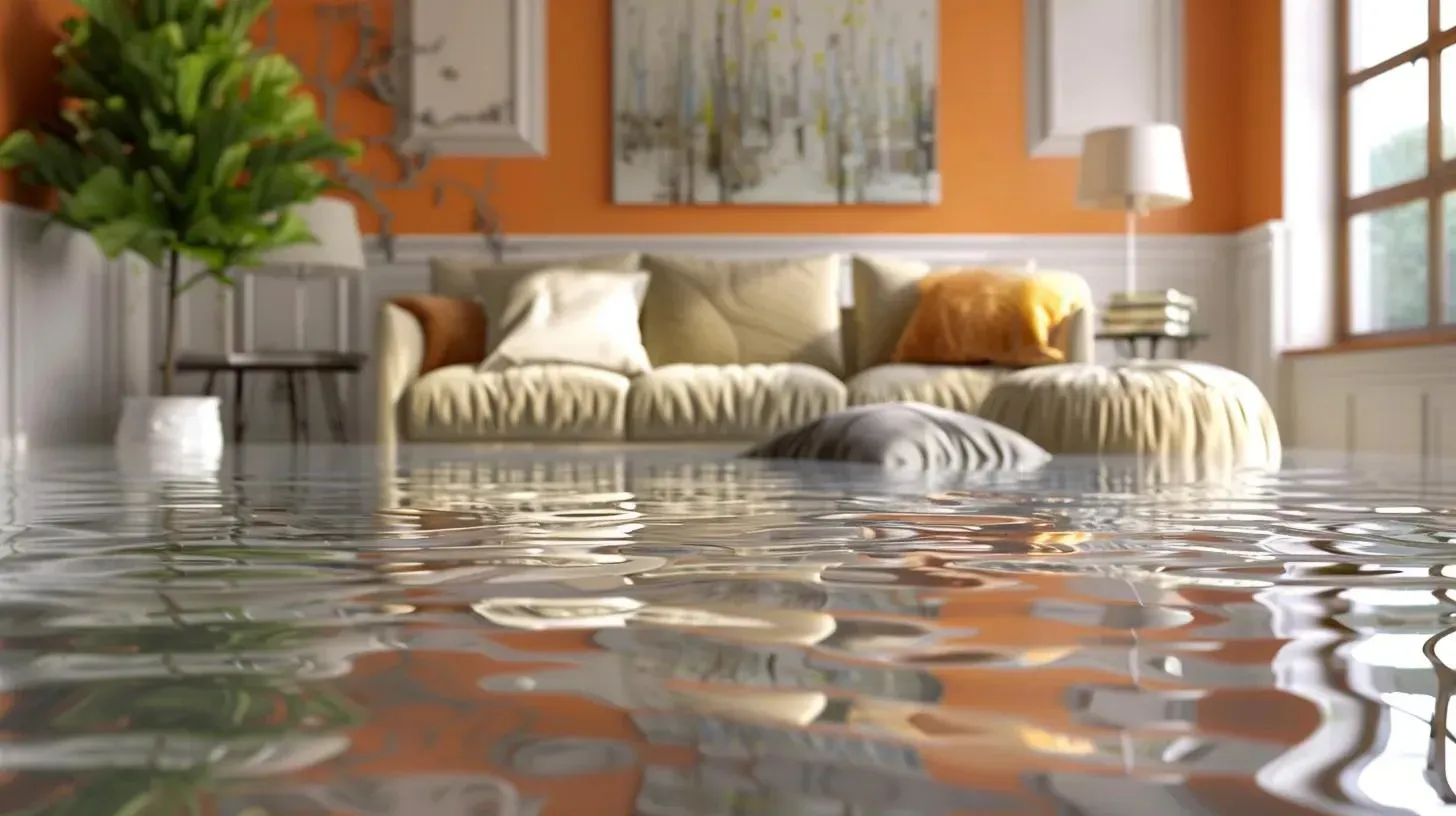
This guide helps you spot hidden water damage when surfaces look “mostly dry.” It focuses on signs, where moisture hides, and how hidden moisture is confirmed.
For the full restoration process and service details, visit: Accountable Home Services
Where does water damage hide when everything looks dry?
Hidden water damage often collects in materials and cavities that don’t dry evenly—like drywall paper, insulation, subfloors, and cabinet bases. Paint, tile, and vinyl can look fine while moisture stays trapped behind or underneath.
Common hiding spots include:
- Behind baseboards and inside drywall seams
- Under flooring (especially edges and transitions)
- Inside cabinet toe-kicks and under sink bases
- Ceilings below bathrooms
- Around windows and exterior wall corners
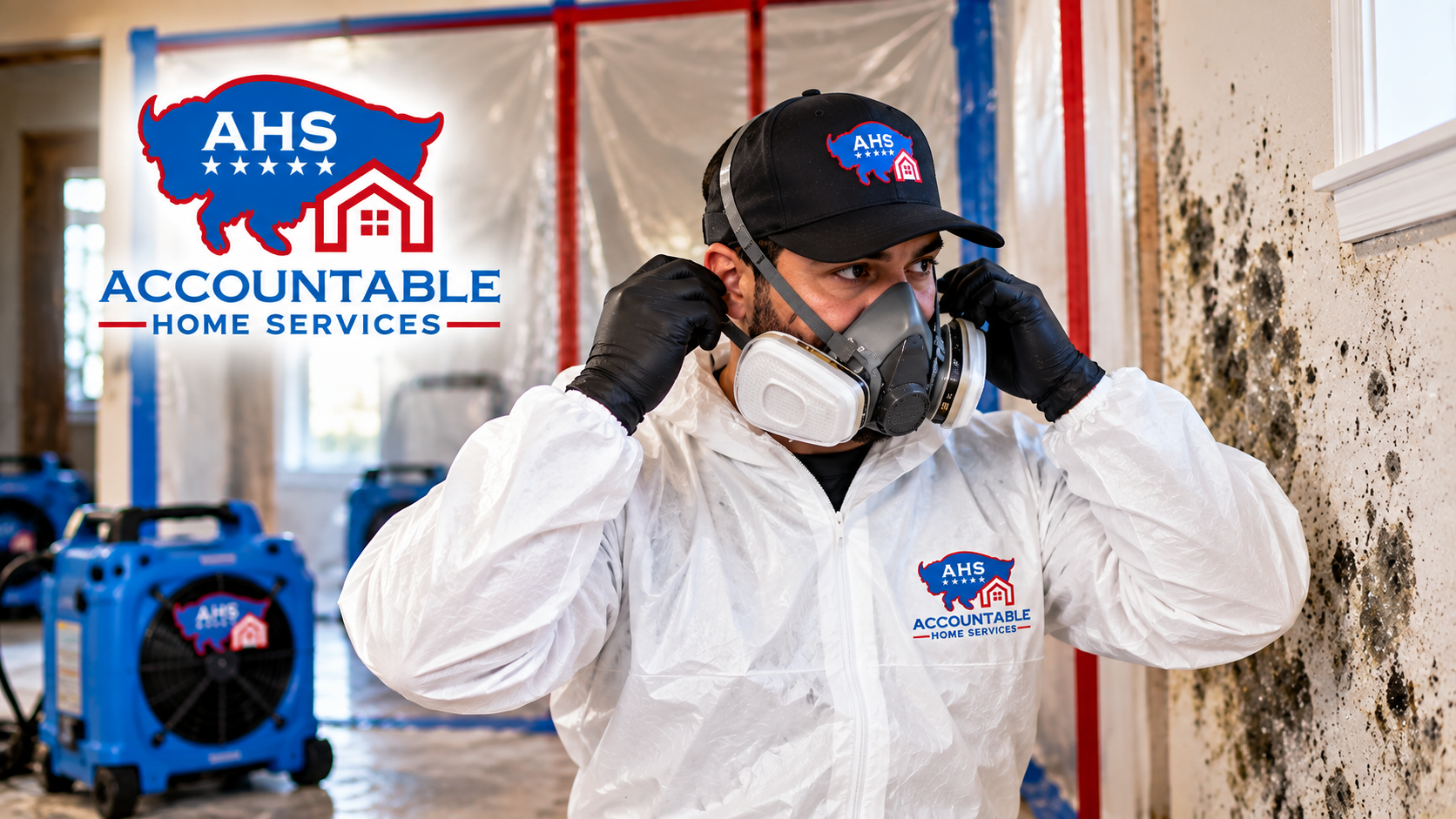
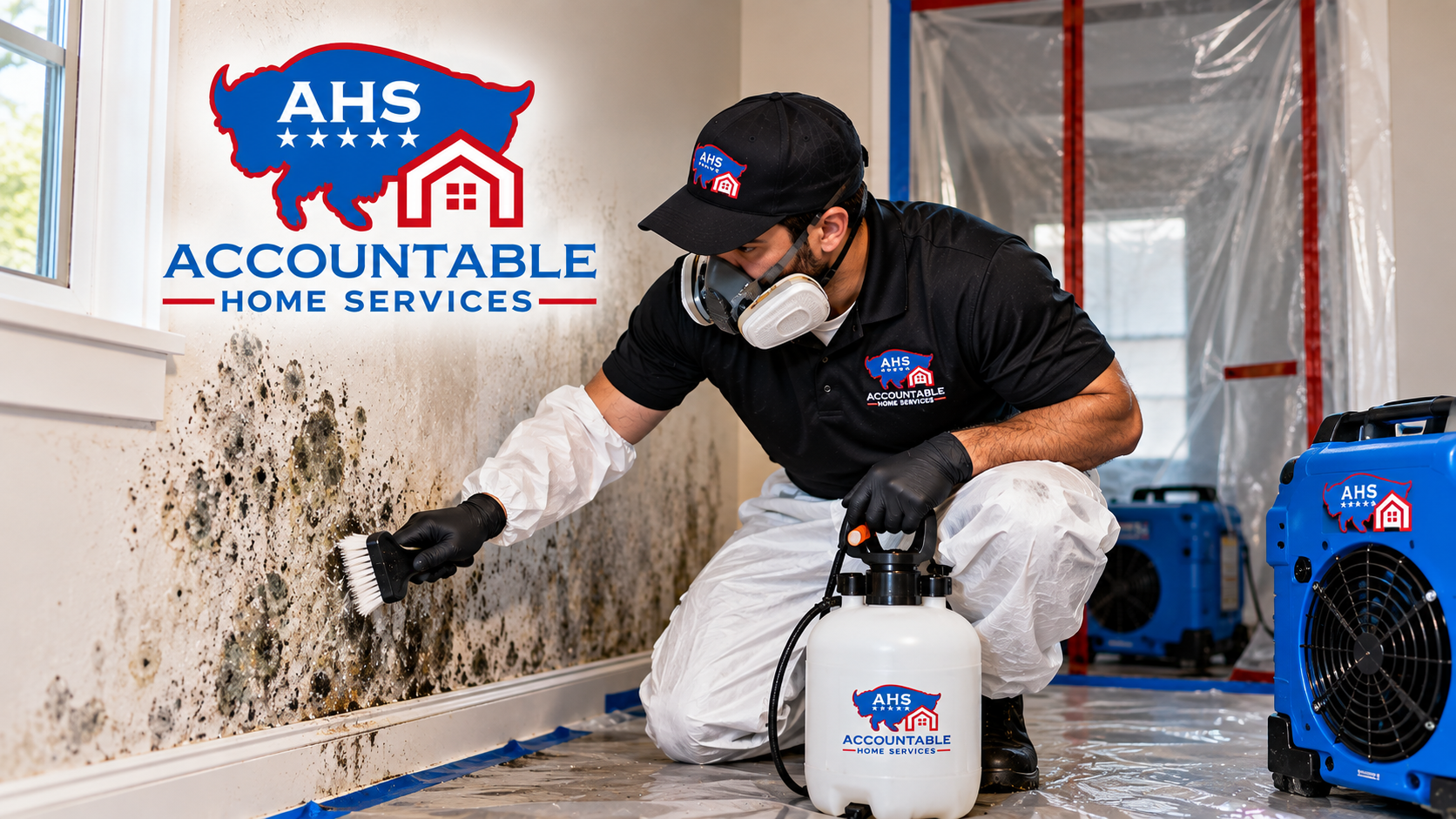
Moisture that lingers can contribute to mold and indoor air issues, which is why drying and moisture control matter more than cosmetic fixes. (Source: EPA)
What are the most reliable hidden signs of water damage?
The strongest clues are material changes (swelling, warping, soft spots) and sensory signals (persistent musty odor, new staining) that don’t match normal wear.
9 common hidden signs
- Musty or earthy smell that doesn’t go away
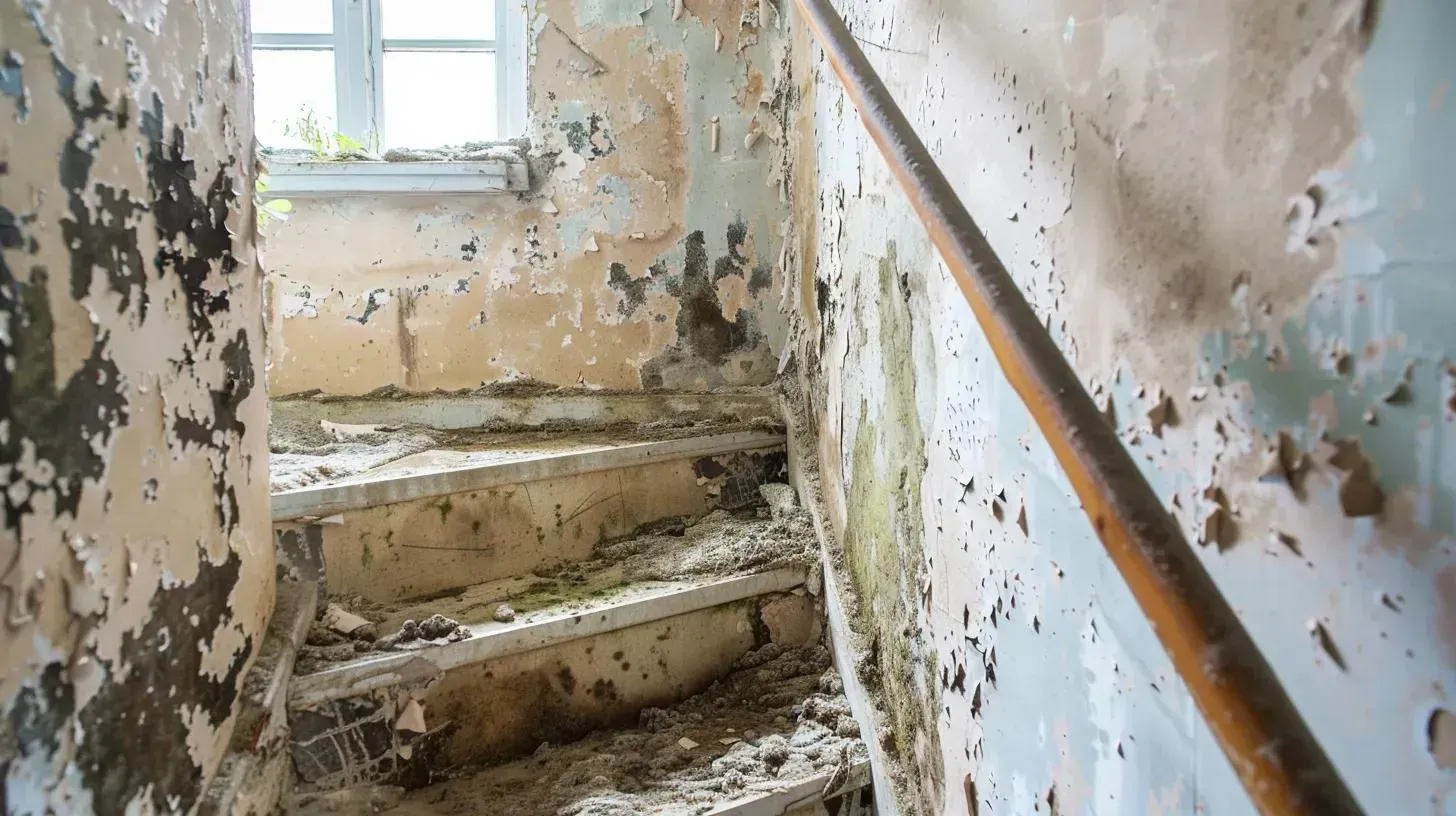
- Bubbling, peeling, or cracking paint
- Soft drywall or spongy baseboards
- Stains that expand or reappear after “drying”
- Warped flooring, cupping boards, or edge lifting
- Cabinet bottoms swelling or delaminating
- Unexplained humidity in one room
- New condensation in unexpected places
- Recurring irritation in a specific area (not a diagnosis—just a reason to take moisture clues seriously)
How can you do a quick, non-destructive moisture self-check?
A self-check is about mapping clues, not proving the cause. You’re looking for patterns: does odor + staining + a soft baseboard all point to the same wall run?
10-minute self-check checklist
- Note where odor is strongest (corners, cabinets, closets)
- Scan baseboards and drywall edges for swelling/discoloration
- Look for bubbling paint and hairline staining near seams
- Check cabinet bases/toe-kicks with a flashlight (especially under sinks)
- Check flooring edges near appliances, toilets, tubs, exterior doors
- Press gently on drywall/baseboards (don’t poke holes)
- Look below bathrooms (ceiling stains, seams, fixtures)
If the leak source isn’t obvious, avoid guessing. For professional source identification, see: leak-detection
Which signs suggest “surface-only” versus hidden moisture?
Use this table to connect what you see to where moisture often hides. It’s meant to help you prioritize inspection—not to replace professional confirmation.
| What you notice | What it often suggests | Where moisture may be hiding | What to check next (non-destructive) |
|---|---|---|---|
| Small stain that hasn’t changed in weeks | Past event, possibly already dry | Local drywall paper | Re-check after showers or rain; watch for reactivation |
| Stain that expands or reappears | Active or intermittent moisture | Wall cavity or ceiling void | Compare before and after water use; inspect fixtures above |
| Bubbling or peeling paint | Moisture behind paint film | Drywall surface layer | Trace upward or sideways for faint staining |
| Soft drywall or baseboard | Saturated material | Baseboard and lower drywall | Check nearby plumbing tubs and exterior corners |
| Warped or cupped flooring | Moisture under flooring | Underlayment or subfloor | Look at transitions and appliance edges |
| Cabinet bottom swelling | Ongoing seepage or past saturation | Sink base or toe-kick | Check supply lines P-trap and dishwasher line |
| Musty smell in one zone | Damp porous materials | Closet walls carpet edges insulation | Note if worse after HVAC cycles or rainfall |
| Room feels clammy | Elevated indoor humidity from moisture | Broad area walls or floor cavities | Compare to other rooms; check condensation patterns |
How do professionals confirm hidden moisture without guessing?
Pros typically follow a detect → verify → map → dry/resolve workflow.
Common tools and steps include:
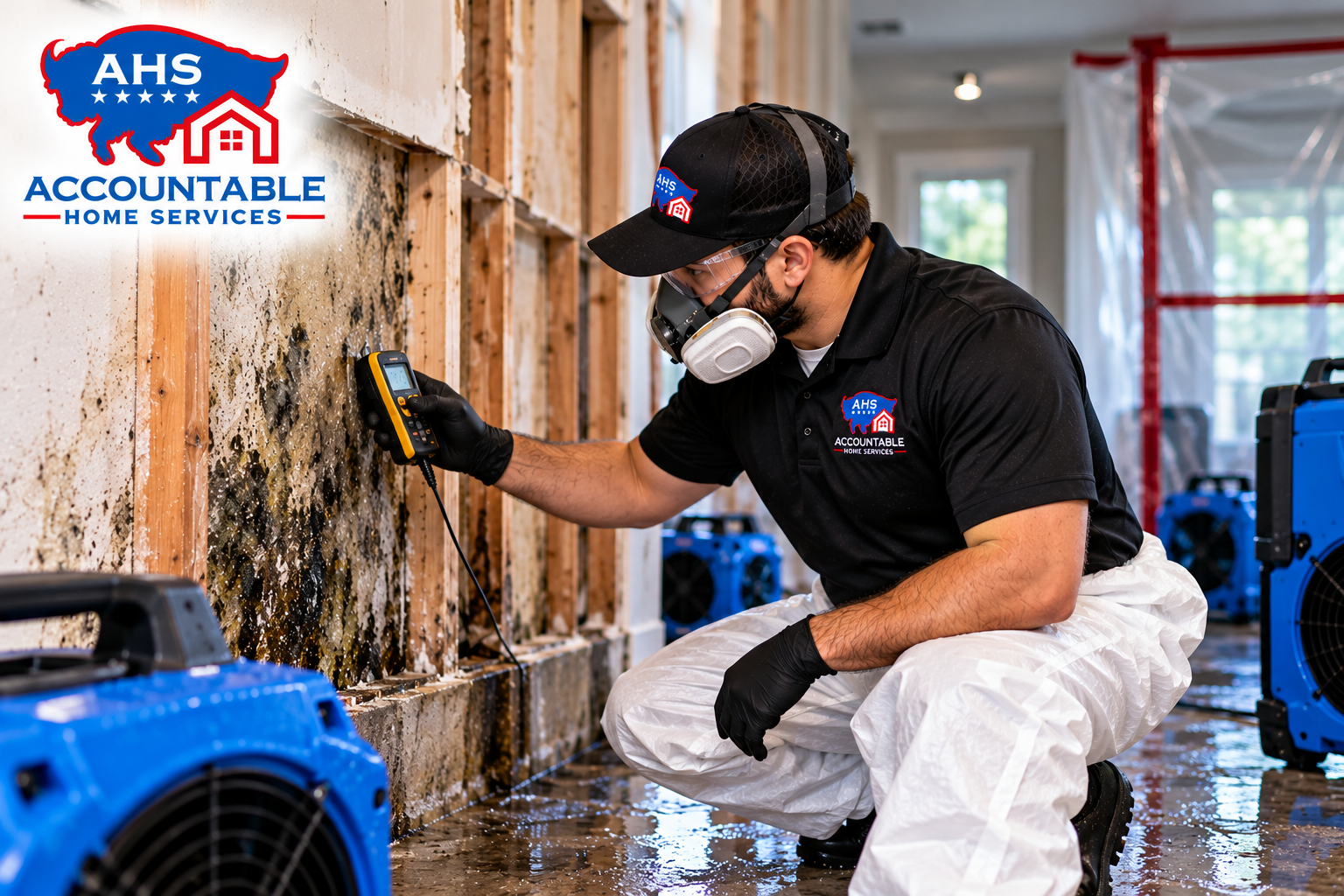
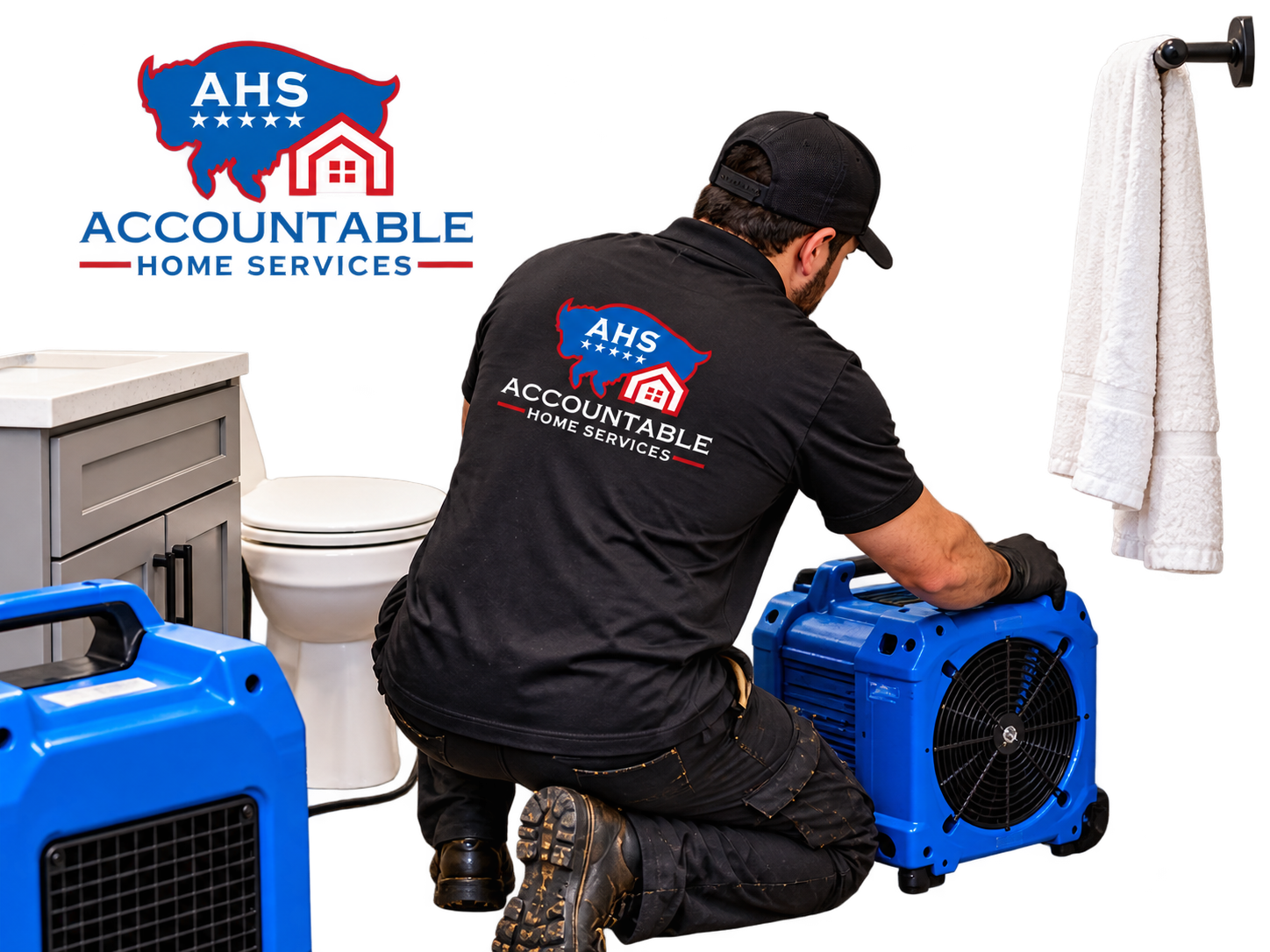
- Moisture meters to verify moisture content in materials
- Thermal/infrared imaging to quickly flag suspicious areas for follow-up verification
- Moisture mapping to define boundaries (wet vs dry)
- Targeted access only when needed (small, strategic openings)
For non-invasive moisture inspection capability, see: Thermal-Imaging-Inspection
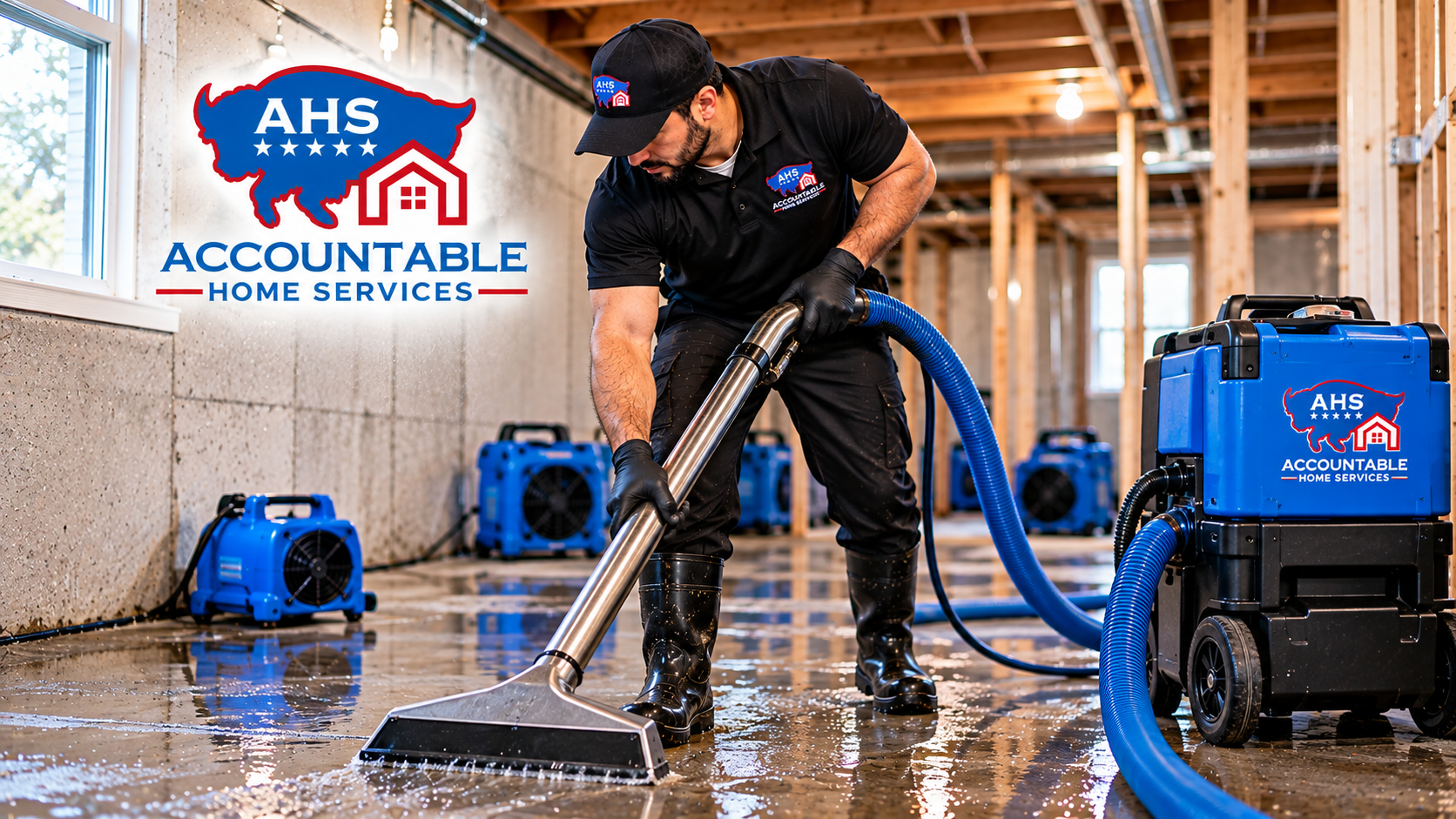
When moisture is confirmed in wall/floor cavities, drying and monitoring become the next phase (kept separate from this diagnostic guide): Structural-drying
Mistakes that keep hidden moisture trapped longer
The most common mistake is treating water damage like a surface-only mess. Covering it up can trap moisture.
Avoid:
- Painting/sealing over stains before verifying materials are dry
- Running one fan and assuming wall cavities dried too
- Replacing baseboards/flooring without checking the substrate
- Ignoring cabinet bases because countertops look normal
- Randomly opening walls “to see what’s there”
EPA emphasizes moisture control and proper cleanup over cosmetic fixes.
Two mini-scenarios (how hidden water damage behaves)
Scenario 1: The “dry” cabinet that still smells musty
A small under-sink leak is wiped up, but a week later the odor persists. A flashlight check in the toe-kick reveals swelling at the back edge—water pooled at the lowest point and soaked particleboard from underneath.
Scenario 2: A ceiling stain that comes and goes
A ring appears below an upstairs bathroom, fades, then returns after long showers. This “reactivation” pattern often points to intermittent moisture spreading along framing before it becomes visible.
Frequently Asked Questions
Can you have hidden water damage without visible stains?
Yes. Moisture can remain under flooring, inside cabinets, or behind baseboards without creating a clear stain until it spreads.
Does a musty smell always mean mold?
Not always, but persistent musty odor is a meaningful clue that moisture may be present and worth investigating.
Is thermal imaging enough to prove there’s moisture?
Thermal imaging helps flag suspicious areas, but confirmation usually includes direct moisture measurement.
What’s a common “quiet” area people miss?
Cabinet toe-kicks and flooring edges near appliances and bathrooms.