Water Mitigation vs. Water Restoration vs. Water Extraction: What’s the Difference?
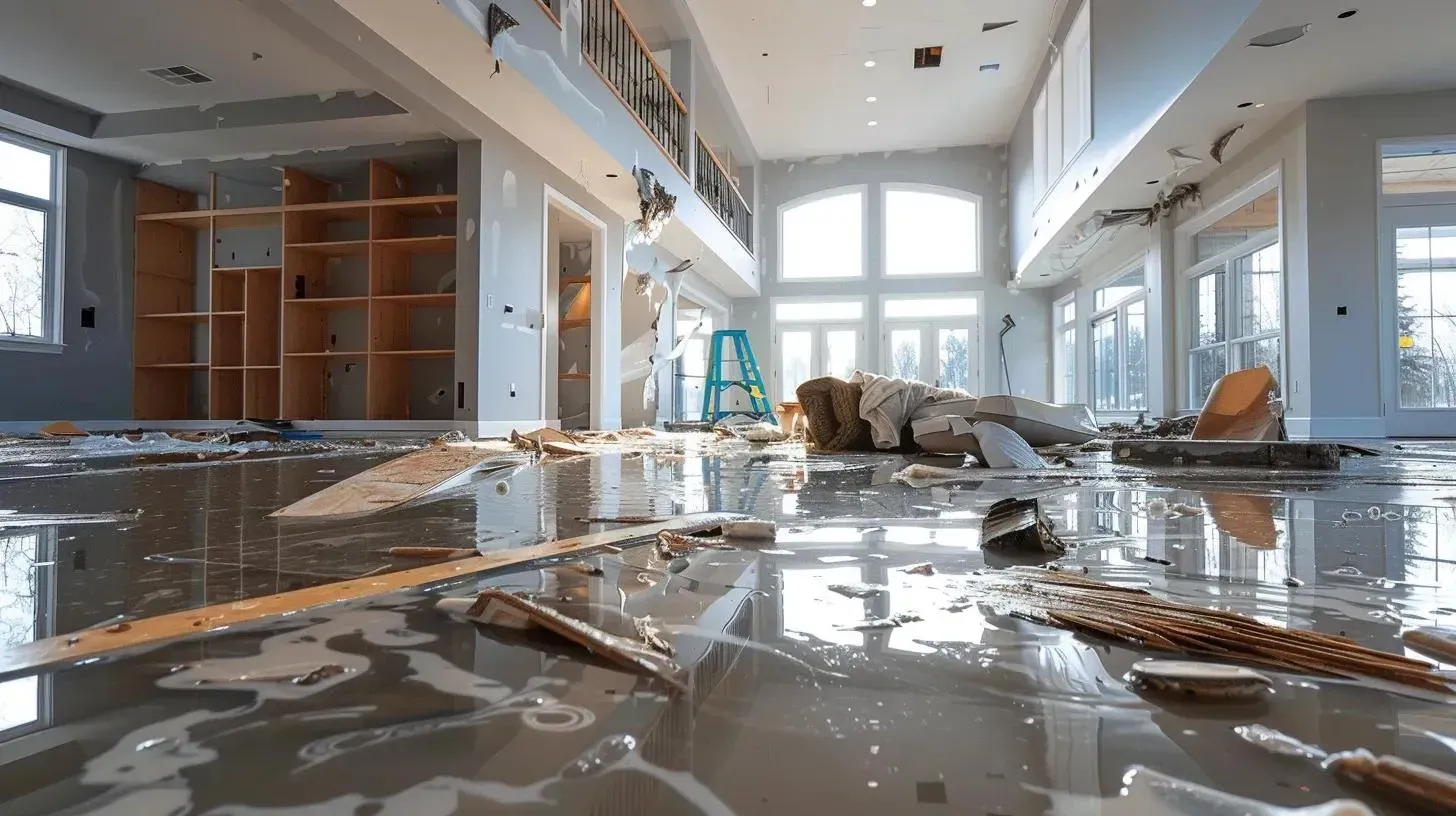
If you’re dealing with water in your home, these three terms get thrown around interchangeably—but they don’t mean the same thing. This guide clarifies what each term typically means in the water-damage industry and helps you identify which scope you’re actually describing.
This guide focuses on definitions and decision clarity—not costs, emergency steps, prevention, or timelines. For the full restoration workflow (assessment → drying → documentation), visit: Water-Damage-Restoration
Note on terminology: Different contractors and insurers may use these terms slightly differently. The restoration industry commonly follows ANSI-accredited guidance such as IICRC standards (external references):
- IICRC S500 overview.
- IICRC standards overview.
What does “water extraction” mean?
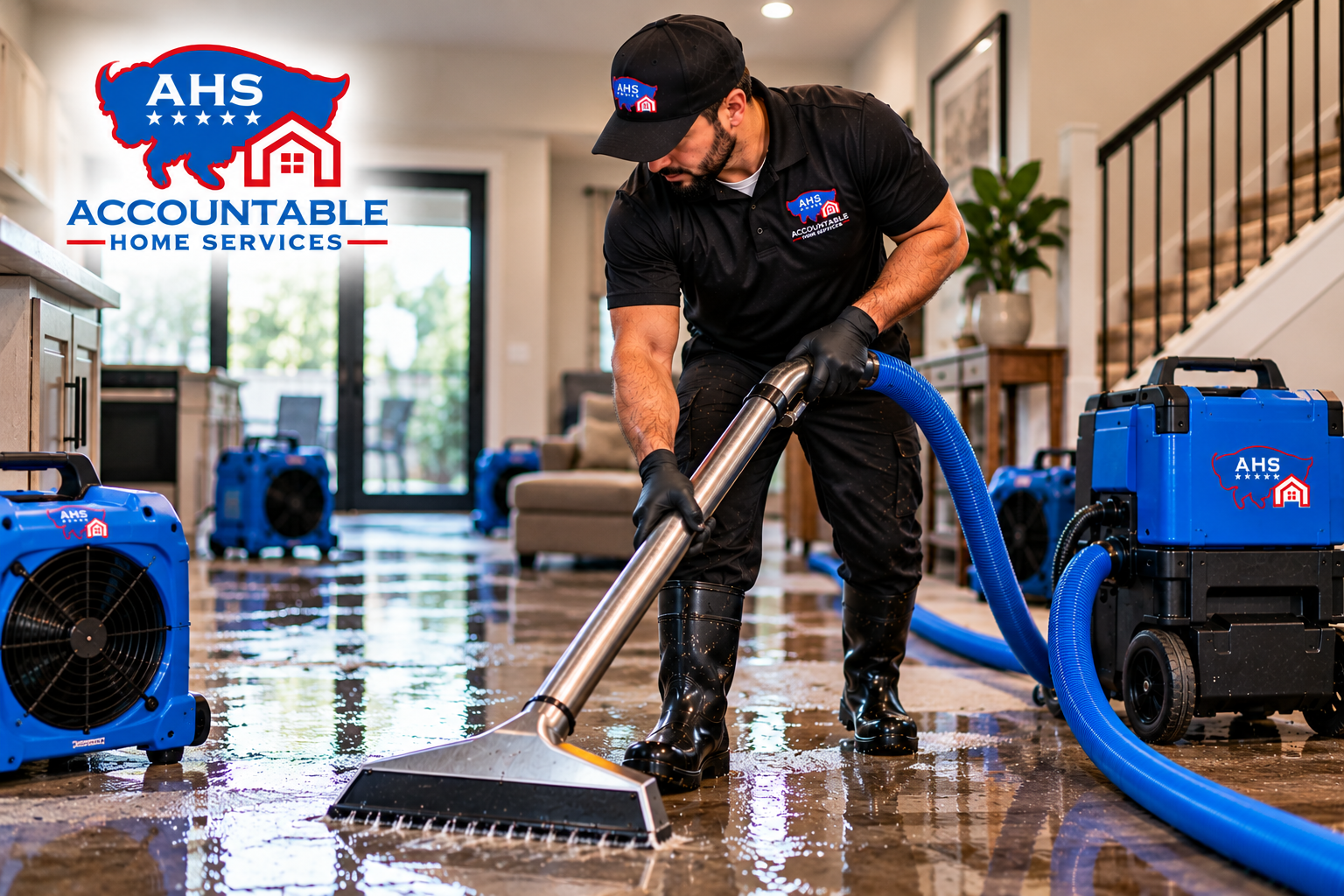
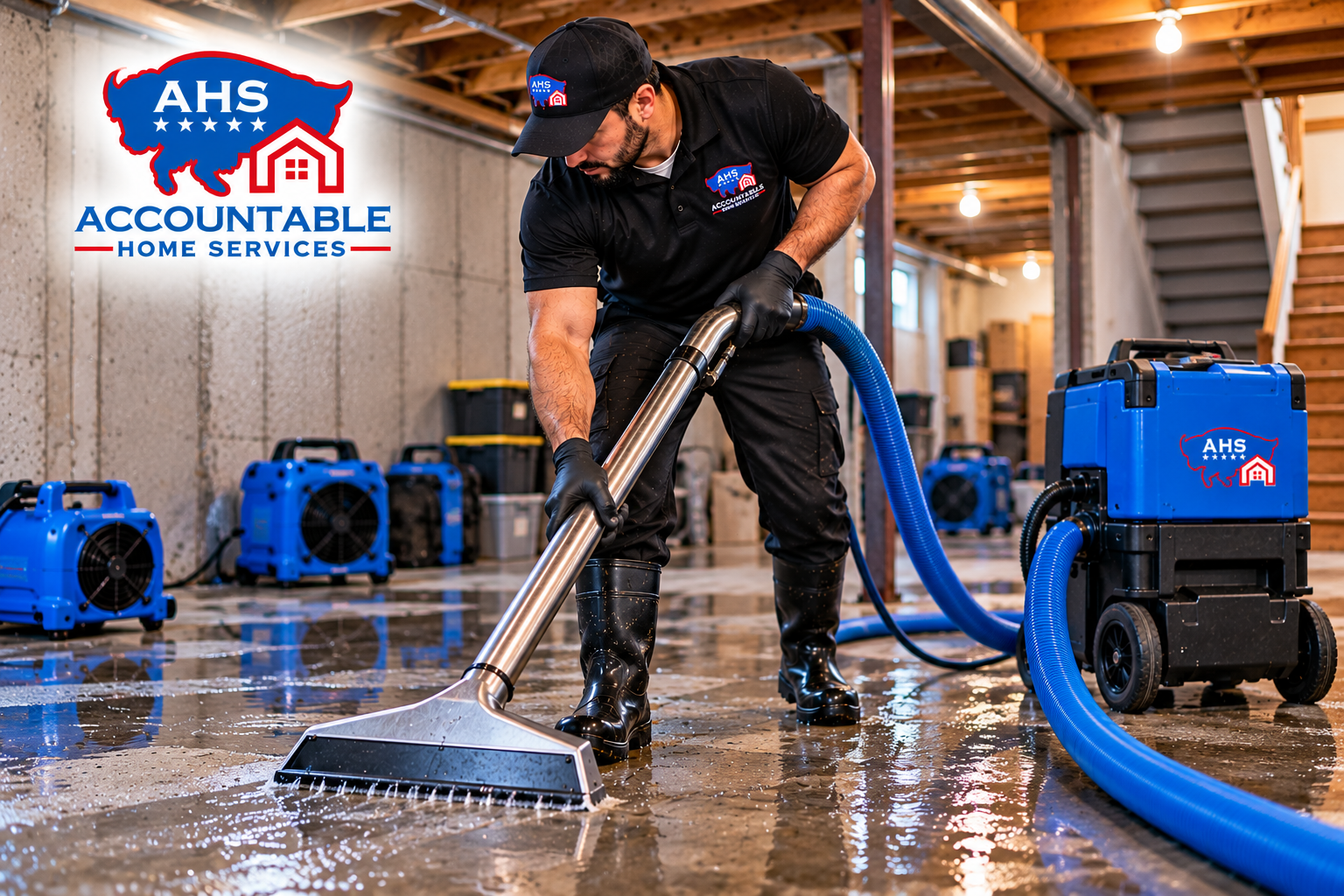
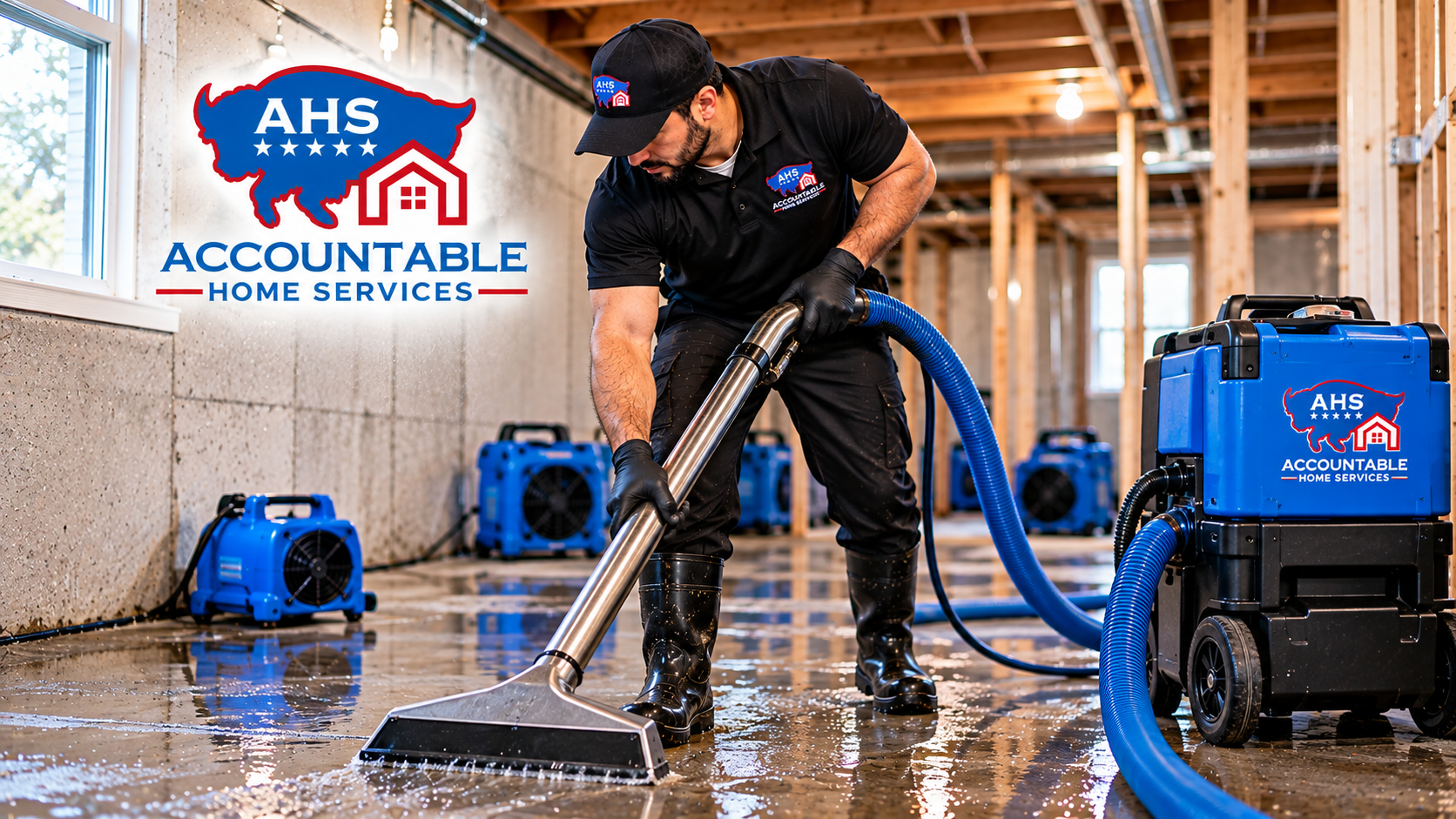
Water extraction means removing standing water as quickly and safely as possible. If you can see puddles or pooled water, extraction is the scope you’re talking about.
What it usually includes (high-level):
- Pumping out or vacuuming standing water
- Pulling water from carpet/padding when feasible
- Removing saturated items that are actively dripping (to reduce spread)
Internal reference for the “standing water removal” scope.
What does “water mitigation” mean?
Water mitigation means stopping the loss from getting worse and stabilizing the space so secondary damage is less likely. Think: “contain, remove, dry, and protect.”
What it often includes (high-level):
- Stopping/containing the water source (where possible)
- Extraction (if standing water exists)
- Setting up controlled drying and humidity management
- Protecting salvageable materials and preventing spread
Internal reference for the “stabilize and limit further damage” scope.
If you want to reference the drying components without turning this into a process guide, link once to:
What does “water restoration” mean?
Water restoration means returning the property to a safe, normal, pre-loss condition. In plain terms: once the situation is stabilized, restoration is the work that gets you back to “usable and livable.”
What it often includes (high-level):
- Confirming materials meet a “dry standard” (not just “feels dry”)
- Cleaning/sanitizing as appropriate for the water source
- Repairs and rebuild work (as needed) to return areas to normal
Canonical restoration overview (kept separate from this terminology guide)
This is paragraph text. Click it or hit the Manage Text button to change the font, color, size, format, and more. To set up site-wide paragraph and title styles, go to Site Theme. Which one do you need in common situations?
Most real-life losses involve more than one of these scopes. The simplest way to decide is to start with what you can observe: standing water, wet materials, or the need to return the space to normal.
Quick decision table
| What you’re seeing | The term that matches best | Why it matches | What to ask for (scope language) |
|---|---|---|---|
| Visible pooled water on floors | Water extraction | You need standing water removed first | Remove standing water and extract water from affected flooring. |
| Wet carpet, padding, baseboards, drywall edges | Water mitigation | You need stabilization and controlled drying to prevent secondary damage | Set up controlled drying, monitor moisture, and prevent spread. |
| The space is dry but not back to normal (materials removed, walls open, odors/soiling) | Water restoration | You need return-to-normal work (cleaning and repairs) | Return affected areas to a safe, pre-loss condition; include cleaning and repairs as needed. |
| A small spill that stayed on tile only | Usually neither (minimal) | May be a simple cleanup if nothing absorbed | Confirm no absorption; verify adjacent materials are dry. |
| Water impacted cabinets/floors but surfaces look OK | Likely mitigation + restoration | Hidden absorption can require drying and later repairs | Check moisture behind and under; dry and verify before repairs. |
If you’re specifically dealing with standing water removal, this internal page aligns with that scope: water-extraction-and-removal
Why the wording matters when you’re describing the job
Using the wrong term can accidentally narrow the scope.
- If you say “extraction only,” you might get water removed but not get thorough stabilization.
- If you say “mitigation,” you’re signaling stabilization and drying work.
- If you say “restoration,” you’re signaling a return-to-normal outcome (often after mitigation).
A practical way to avoid confusion is to ask for an estimate or work authorization that describes the outcome and the boundaries:
- “Which rooms/areas are included?”
- “How will moisture be verified as dry?”
- “What is excluded (repairs, rebuild, contents, flooring, cabinets)?”
Common mistakes and red flags (term confusion)
The biggest mistakes happen when a term is used as a shortcut and key steps fall through the cracks.
Red flags to watch for:
- Someone promises “restoration” but can’t explain how dryness is verified
- “Extraction” is offered as the complete solution even though drywall/baseboards are wet
- “Mitigation” is described but there’s no plan to define boundaries (what’s wet vs dry)
- Repairs start before there’s confidence materials are truly dry
Checklist: what to say when you’re scheduling help (without using the wrong term)
Use this checklist to describe the situation clearly and avoid scope gaps.
- “There is / isn’t standing water.”
- “These materials are wet: (carpet, baseboards, drywall edges, cabinets, flooring).”
- “The affected areas are: (rooms + level).”
- “I need stabilization and controlled drying if materials absorbed water.”
- “I need a return-to-normal plan after drying is confirmed.”
Two real-world examples (how the terms apply)
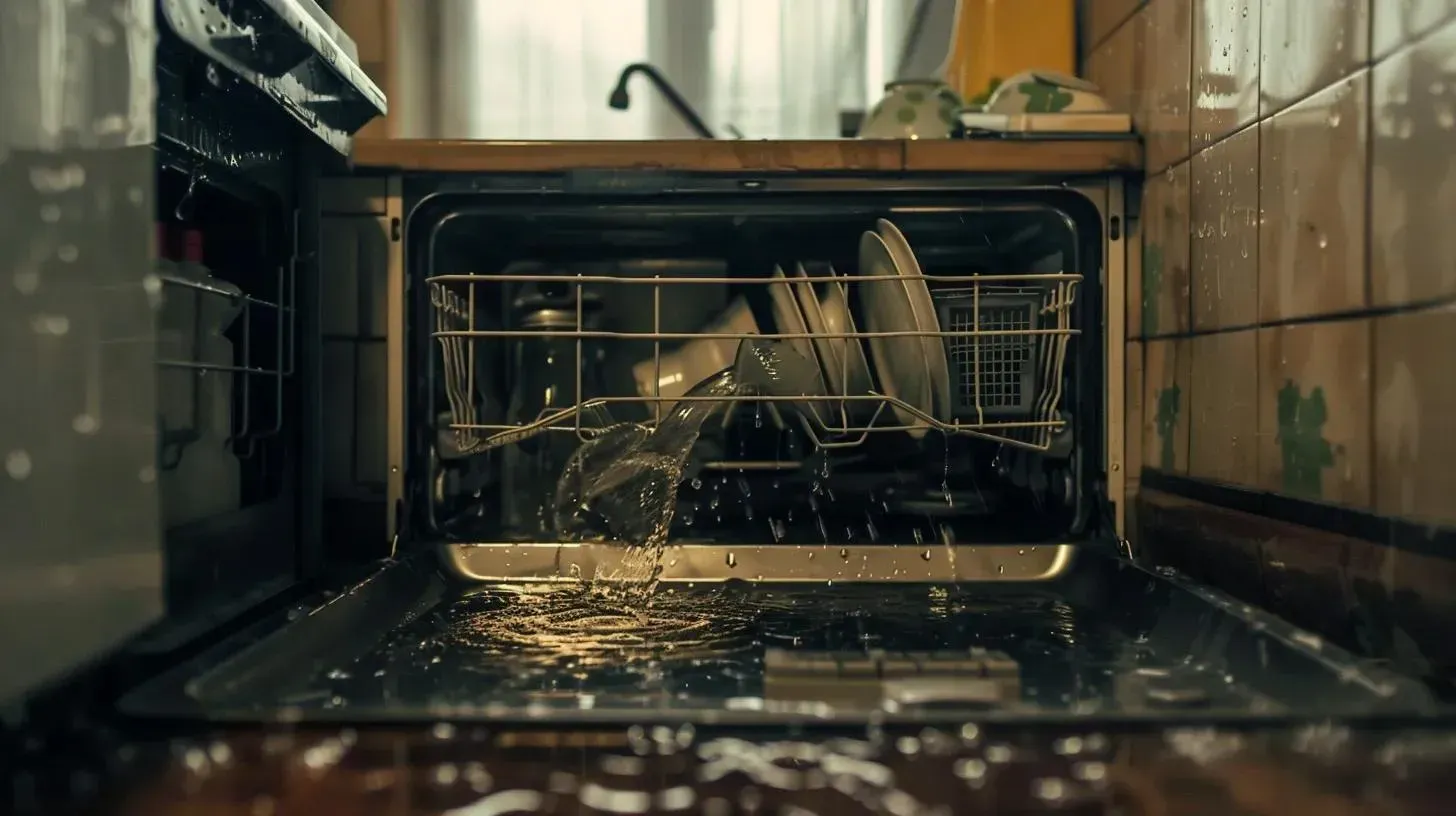
Example 1: Dishwasher leak with visible water on the kitchen floor
- The immediate need is water extraction (remove standing water).
- If baseboards, cabinets, or flooring absorbed water, it becomes mitigation (controlled drying and stabilization).
- If toe-kicks or flooring need replacement after drying, that becomes restoration (returning the area to normal).
Relevant internal pages:
- Extraction scope
- Stabilization scope
- Canonical restoration overview
Example 2: Slow bathroom leak with no puddles but swelling baseboards
- There may be no standing water, so “extraction” isn’t the main scope.
- The main need is mitigation (drying wet materials and preventing spread).
- If drywall/baseboards need replacement after drying verification, that’s restoration.
Frequently Asked Questions
Is water extraction the same as mitigation?
No. Extraction is a component that removes standing water. Mitigation is broader and focuses on stabilizing the loss so damage doesn’t expand.
Is restoration just repairs?
Restoration often includes repairs, but the core idea is returning the property to a safe, usable pre-loss condition—typically after mitigation.
Can one company do all three?
Often, yes. Many teams handle extraction + mitigation + restoration as one coordinated workflow.
What term should I use if I’m not sure?
Describe what you see (standing water, wet materials, affected rooms) and ask for the scope to be written in plain language: extraction, stabilization/drying, and return-to-normal steps.