How to Get Rid of Black Mold in Castle Pines, CO: What Homeowners Should Know
How to Get Rid of Black Mold in Castle Pines, CO: What Homeowners Should Know
If you’ve spotted dark patches on drywall, noticed a musty smell in the basement, or discovered moisture after a leak, it’s natural to worry about black mold. Castle Pines homeowners deal with a unique mix of Colorado conditions: snowy winters, spring runoff, summer storms, shaded crawl spaces, and finished basements that can trap moisture where you least expect it.
The good news is that mold can be handled safely when you know what to look for, what not to disturb, and when to call a professional. Whether you’re searching for mold removal near me, need a mold inspection in Castle Pines, or are dealing with mold after water damage, this guide walks you through the essentials.
Why Black Mold Is a Serious Concern for Castle Pines Homes
“Black mold” is a common phrase homeowners use for dark-colored mold growth, but not every black stain is the same type of mold. Some mold appears black, greenish-black, gray, or brown depending on the surface, moisture source, and stage of growth. What matters most is this: visible mold is usually a sign of excess moisture, and excess moisture can lead to deeper property damage if it isn’t corrected.
In Castle Pines, mold problems often show up in areas where humidity or leaks go unnoticed, such as:
- Finished basements and lower-level living spaces
- Behind baseboards or drywall after plumbing leaks
- Bathrooms with poor ventilation
- Attics with roof leaks or condensation
- Crawl spaces with ground moisture
- Utility rooms near water heaters or HVAC equipment
- Around windows, doors, and foundation walls
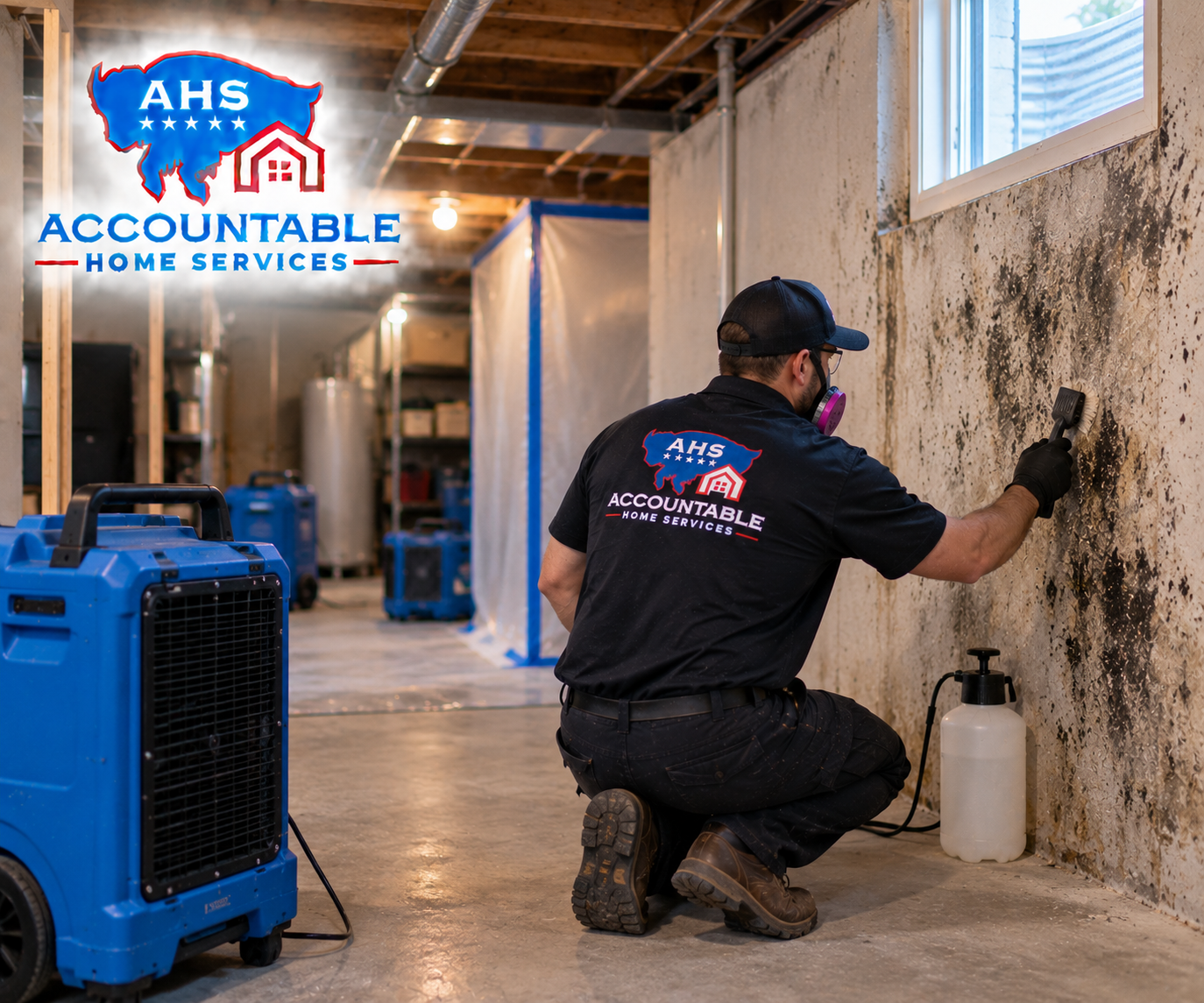
If you suspect black mold in Castle Pines, CO, avoid scrubbing, sanding, or tearing out materials before you understand the extent of the problem. Disturbing contaminated materials can spread spores to other rooms and make cleanup more complicated.
Common Causes of Mold in Castle Pines, CO
Mold needs moisture, a food source, and time. Unfortunately, many common building materials provide the food source mold needs, including drywall paper, insulation, wood framing, carpet backing, dust, and ceiling tiles. When moisture is present long enough, mold can begin to grow.
Common triggers include:
- Plumbing leaks: Slow leaks under sinks, behind walls, or near appliances can create hidden mold in walls before stains appear.
- Water intrusion: Foundation seepage, window leaks, or roof damage can allow moisture into basements and attics.
- Previous flooding or water damage: If materials were not dried properly, water damage mold may develop days or weeks later.
- Poor ventilation: Bathrooms, laundry rooms, and attics need adequate airflow to reduce condensation.
- Humidity in lower levels: Basement areas can stay cooler and retain moisture, creating conditions for basement mold in Castle Pines homes.
- Ice dams and roof leaks: Winter weather can lead to moisture entering attic spaces, sometimes requiring attic mold removal.
Mold is often a symptom of a larger moisture issue. Effective professional mold remediation focuses on both removing contaminated materials and helping identify why the mold developed in the first place.
Signs You May Have Hidden Mold
Mold is not always easy to see. In many homes, the visible spot on the wall is only part of the issue. If moisture has moved into a cavity, under flooring, or behind cabinetry, the source may be hidden.
Watch for signs such as:
- A persistent musty or earthy odor
- Dark spots on drywall, trim, ceilings, or grout
- Peeling paint, bubbling texture, or soft drywall
- Warped flooring or stained carpet edges
- Condensation on windows or cold surfaces
- Recurring allergy-like irritation indoors
- A history of leaks, sewage backups, or water intrusion
- Stains returning after repeated cleaning
If you suspect hidden mold in walls, it’s best to schedule a professional evaluation before opening wall cavities. A trained technician can assess moisture levels, inspect likely source areas, and recommend next steps without unnecessary demolition.
How to Get Rid of Black Mold Safely
Many homeowners search for how to get rid of black mold hoping for a quick DIY solution. Small surface spots in a shower or on non-porous materials may be manageable with routine cleaning and moisture control. However, mold on drywall, insulation, carpet, subflooring, or framing is different.
Here’s the safest general approach:
- Stop the moisture source. Repair leaks, improve drainage, address condensation, or correct ventilation problems.
- Avoid disturbing the mold. Do not dry brush, sand, vacuum with a household vacuum, or tear out materials without containment.
- Protect the rest of the home. Mold cleanup often requires containment barriers, air filtration, and controlled removal methods.
- Remove contaminated porous materials when needed. Drywall, insulation, carpet, and similar materials may not be salvageable if mold growth is established.
- Clean and treat affected surfaces. Non-porous and semi-porous materials may require specialized cleaning, HEPA vacuuming, and antimicrobial treatment.
- Dry the area completely. Moisture readings should confirm the area is dry before repairs begin.
- Restore damaged areas. After remediation, repairs may include drywall replacement, insulation, paint, trim, flooring, or other restoration work.
For widespread contamination, mold following a water loss, attic contamination, or suspected black mold, call a local specialist for mold removal in Castle Pines, CO.
Why DIY Mold Removal Can Backfire
It’s understandable to want to save money by cleaning mold yourself. But DIY methods can create bigger problems when the mold covers a larger area, has grown into porous materials, or is connected to water damage.
Common mistakes include:
- Spraying bleach on porous materials and assuming the problem is solved
- Painting over mold stains without removing contaminated material
- Using fans that spread spores through the home
- Removing drywall without containment
- Ignoring the moisture source
- Failing to check adjacent rooms, cavities, or flooring
- Rebuilding before the structure is fully dry
Bleach and store-bought cleaners may lighten stains, but they do not solve mold embedded in porous materials. If you’re dealing with black mold removal after a leak, flood, or recurring moisture issue, a professional process is the safer choice.
When to Schedule a Mold Inspection in Castle Pines
A mold inspection in Castle Pines is a smart first step if you’re unsure whether mold is present, how far it has spread, or whether water damage was dried correctly. An inspection can help homeowners make informed decisions before cleanup or repairs begin.
Consider scheduling an inspection if:
- You smell mold but cannot find the source
- You recently had a leak, flood, or appliance overflow
- You’re buying or selling a home
- A basement room feels damp or musty
- You see staining on ceilings, walls, or trim
- You suspect attic or crawl space mold
- Mold keeps returning after cleaning
- Someone removed wet materials without containment
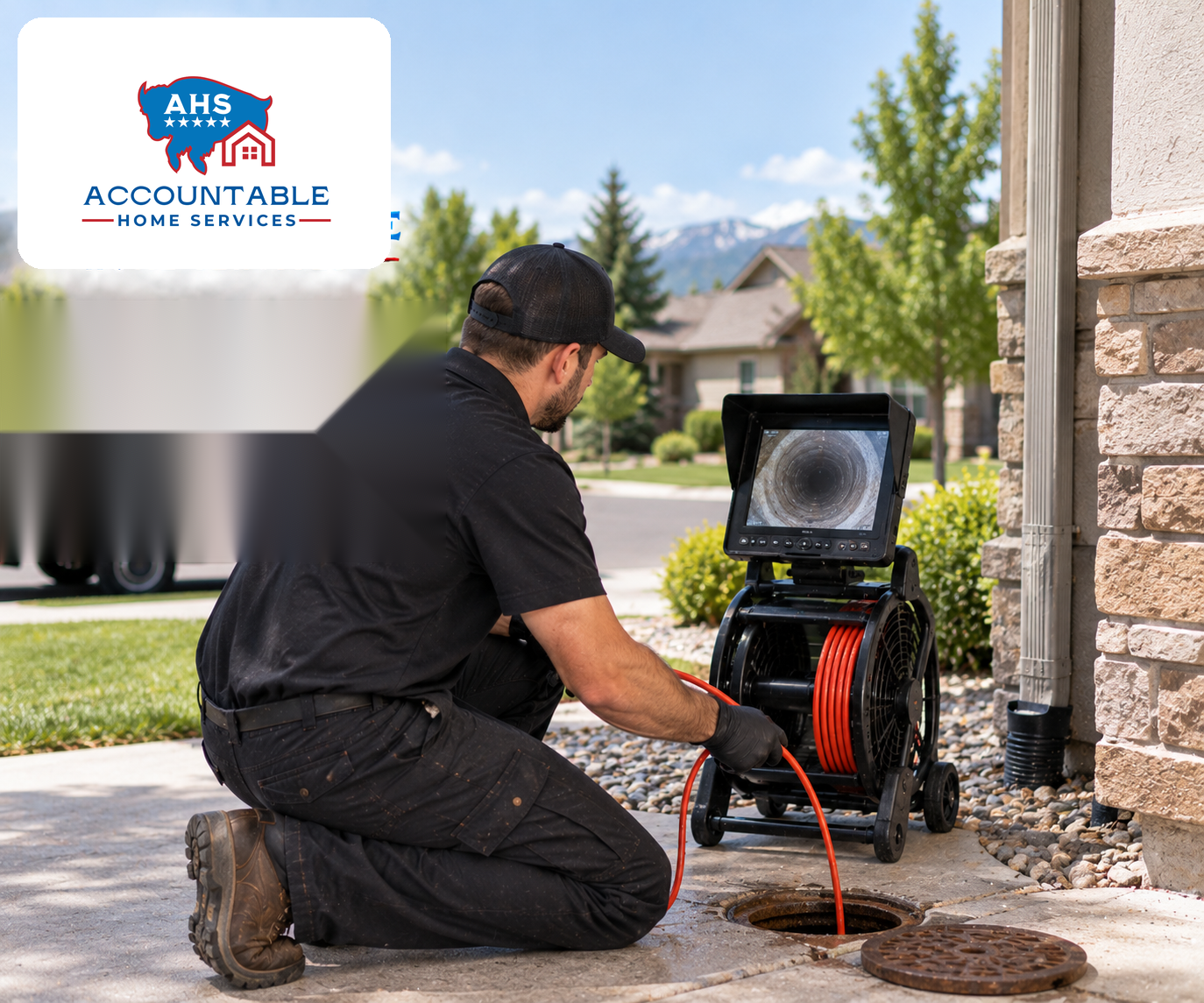
A qualified inspector may use moisture meters, thermal imaging, visual inspection, and air or surface sampling when appropriate. The goal is to understand the moisture pattern and determine whether remediation is needed.
Mold After Water Damage: What Homeowners Should Know
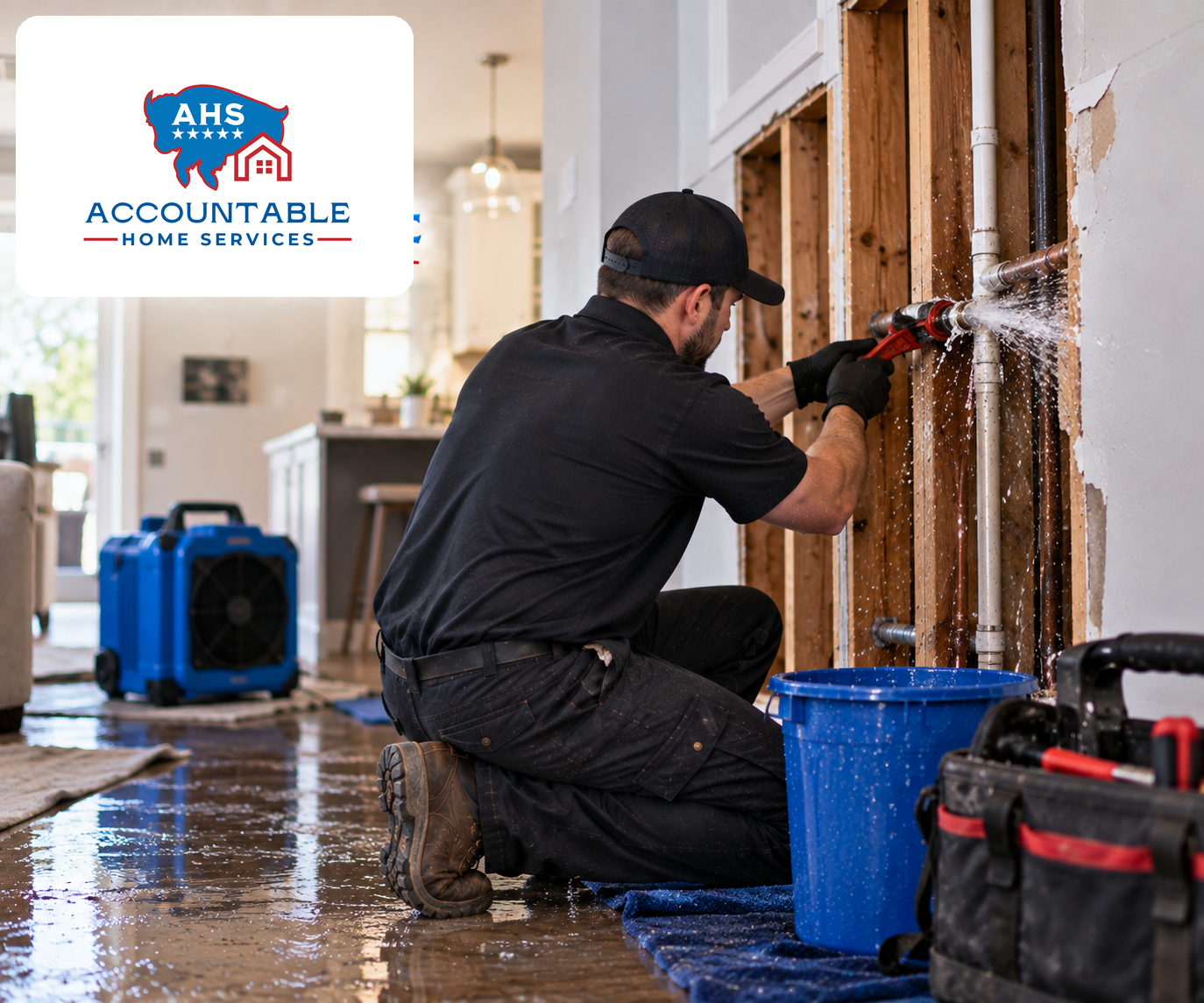
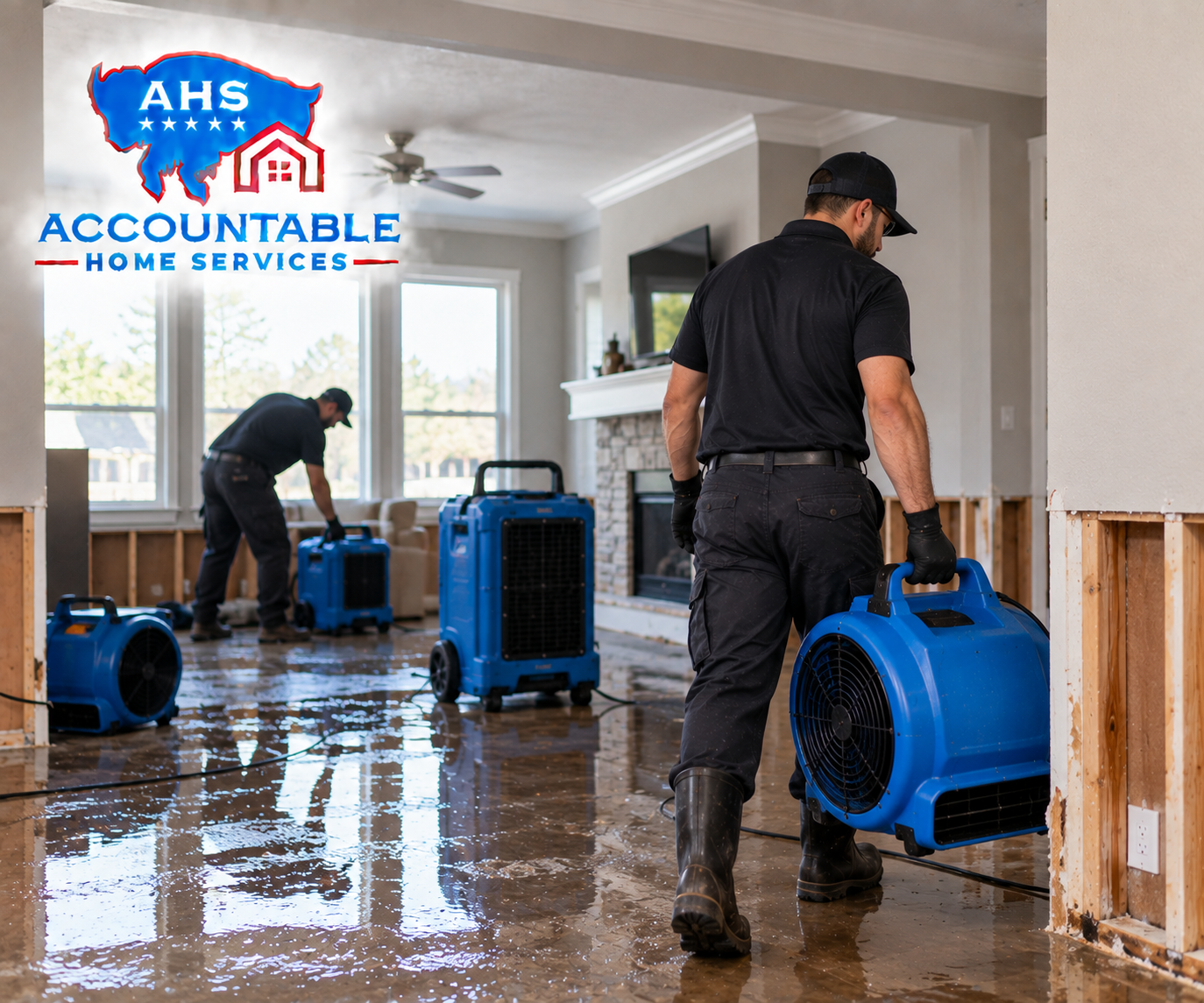
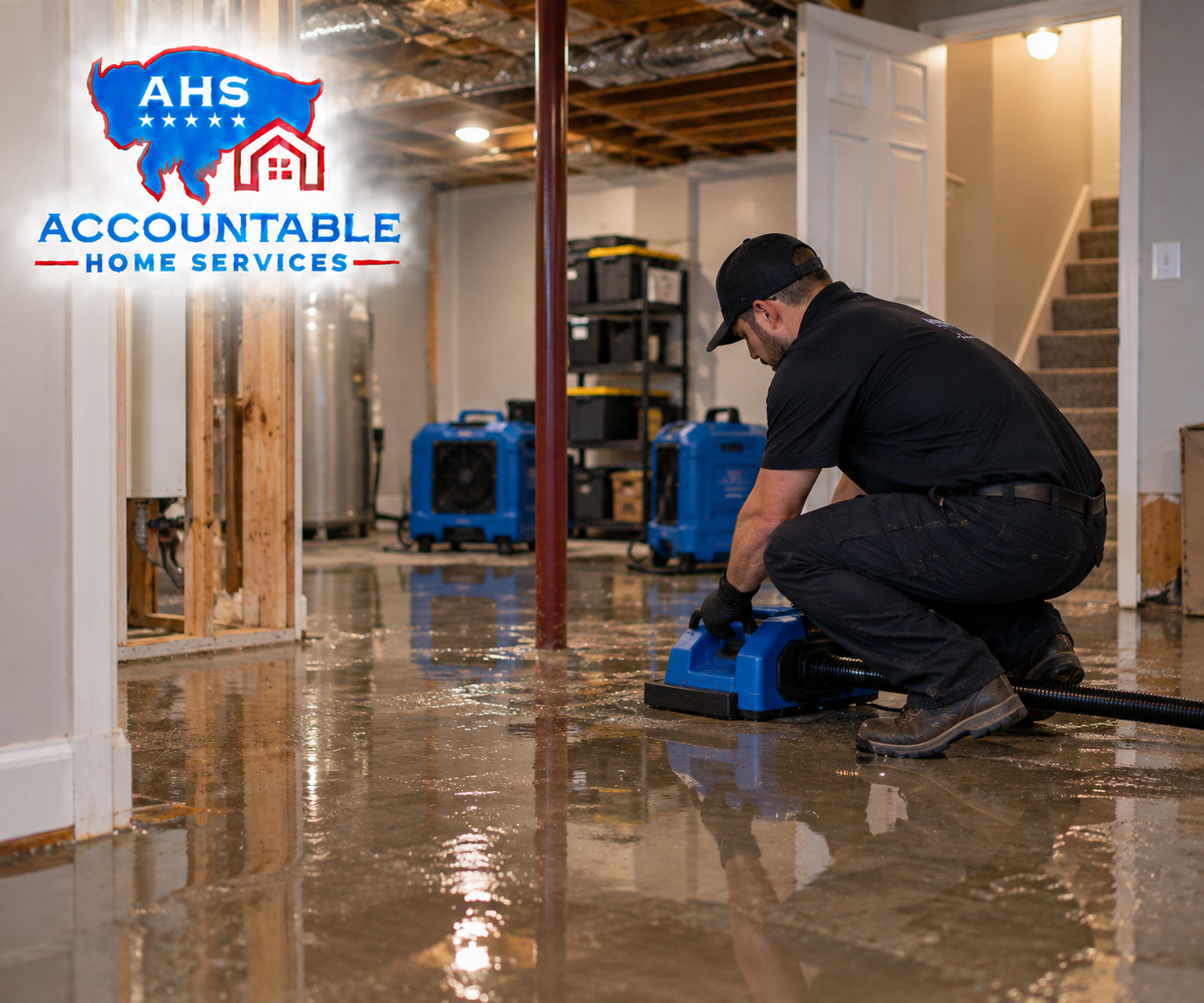
One of the most common reasons homeowners need mold remediation in Castle Pines is water damage that wasn’t fully dried. Water can move under flooring, behind cabinets, into wall cavities, and beneath baseboards. Even when a room looks dry, moisture may remain trapped inside materials.
Common water damage events that lead to mold include:
- Burst pipes
- Water heater leaks
- Dishwasher or refrigerator supply line failures
- Washing machine overflows
- Basement seepage
- Roof leaks
- Toilet overflows
- Sump pump issues
If you’re dealing with mold after water damage, timing matters. The sooner the moisture is found and dried, the better the chance of preventing extensive mold growth. If the water event happened days or weeks ago and odors or staining have appeared, it may be time for mold damage restoration in Castle Pines.
Basement Mold in Castle Pines Homes
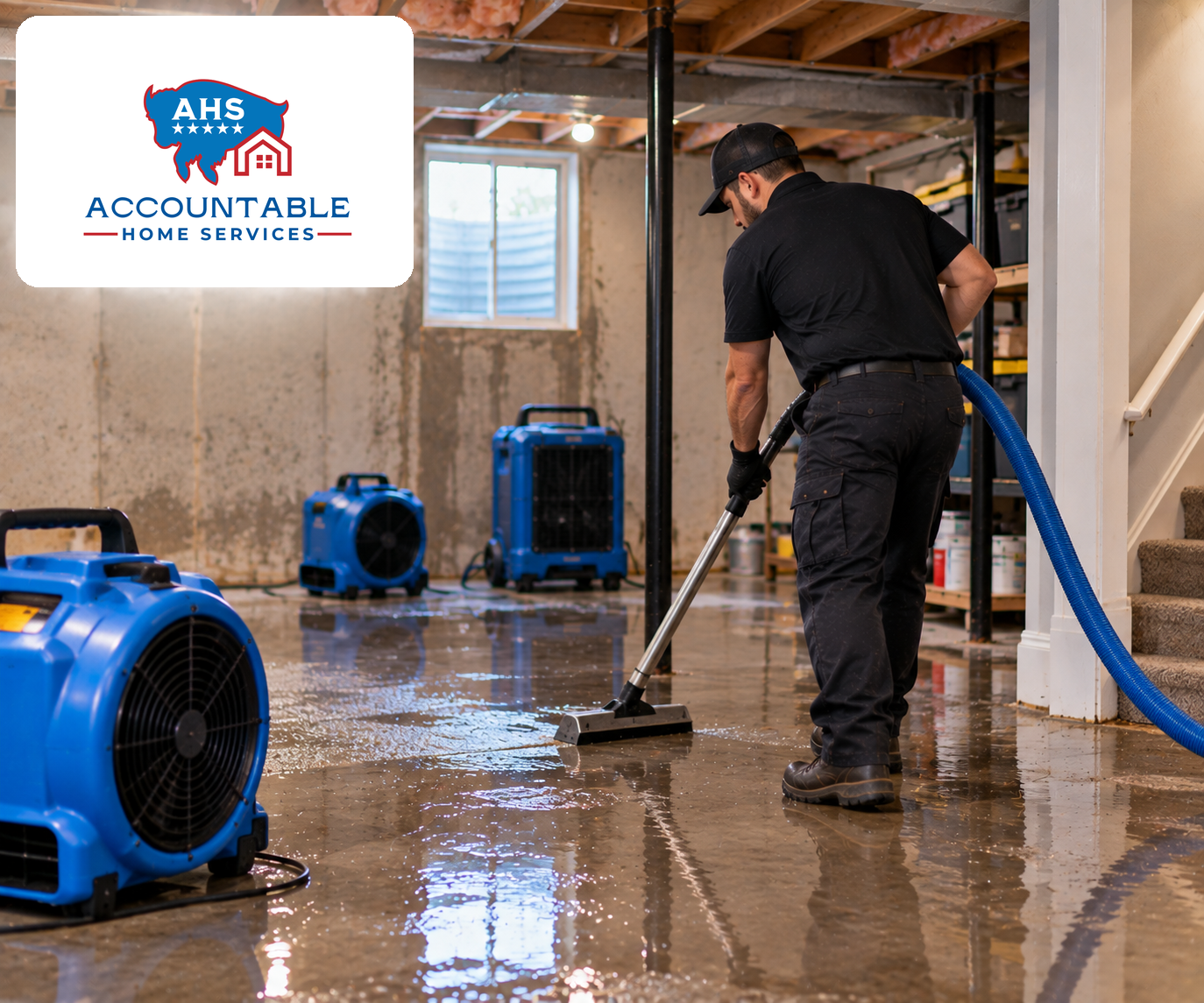
Basements are one of the most common places for mold growth because they are below grade, cooler than the rest of the house, and often have limited airflow. Finished basements can hide problems behind drywall, carpet, built-ins, and insulation.
Signs of basement mold may include musty odors, stains near exterior walls, damp carpet, efflorescence on concrete, or discoloration behind stored items. Homeowners may also notice that the smell gets stronger after rain or snowmelt.
A professional basement mold assessment may include:
- Checking foundation walls and floor edges
- Inspecting around windows and window wells
- Evaluating plumbing lines and utility areas
- Testing moisture levels in drywall and framing
- Looking behind trim or under flooring when needed
- Identifying ventilation and humidity concerns
Solving basement mold requires more than cleaning visible growth. Moisture control is essential, whether that means repairing a leak, improving drainage, using a dehumidifier, sealing openings, or replacing contaminated materials.
Attic Mold Removal: Why It Happens
Attic mold can surprise homeowners because the attic is rarely part of daily life. In Castle Pines, attic moisture may be related to roof leaks, blocked ventilation, bathroom fans venting into the attic, insulation gaps, or winter condensation.
You may need attic mold removal if you notice:
- Dark staining on roof sheathing
- Musty odors near attic access
- Evidence of past roof leaks
- Damp or compressed insulation
- Frost or condensation in winter
- Bathroom exhaust ducts terminating inside the attic
Professional remediation may include containment, HEPA vacuuming, cleaning affected surfaces, treating framing or sheathing, and recommending ventilation corrections. If ventilation or exhaust issues are ignored, mold can return even after cleanup.
What Professional Mold Remediation Includes
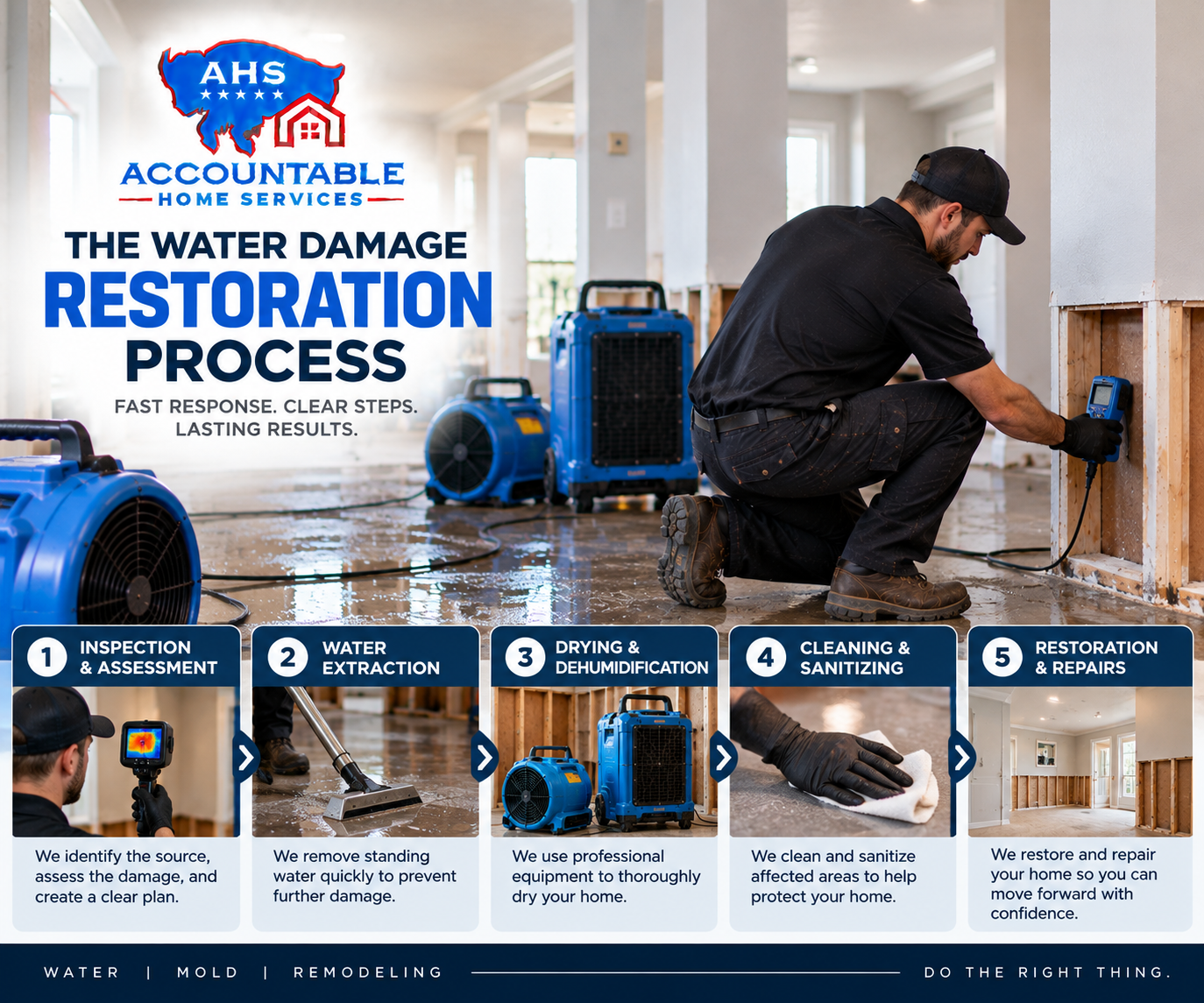
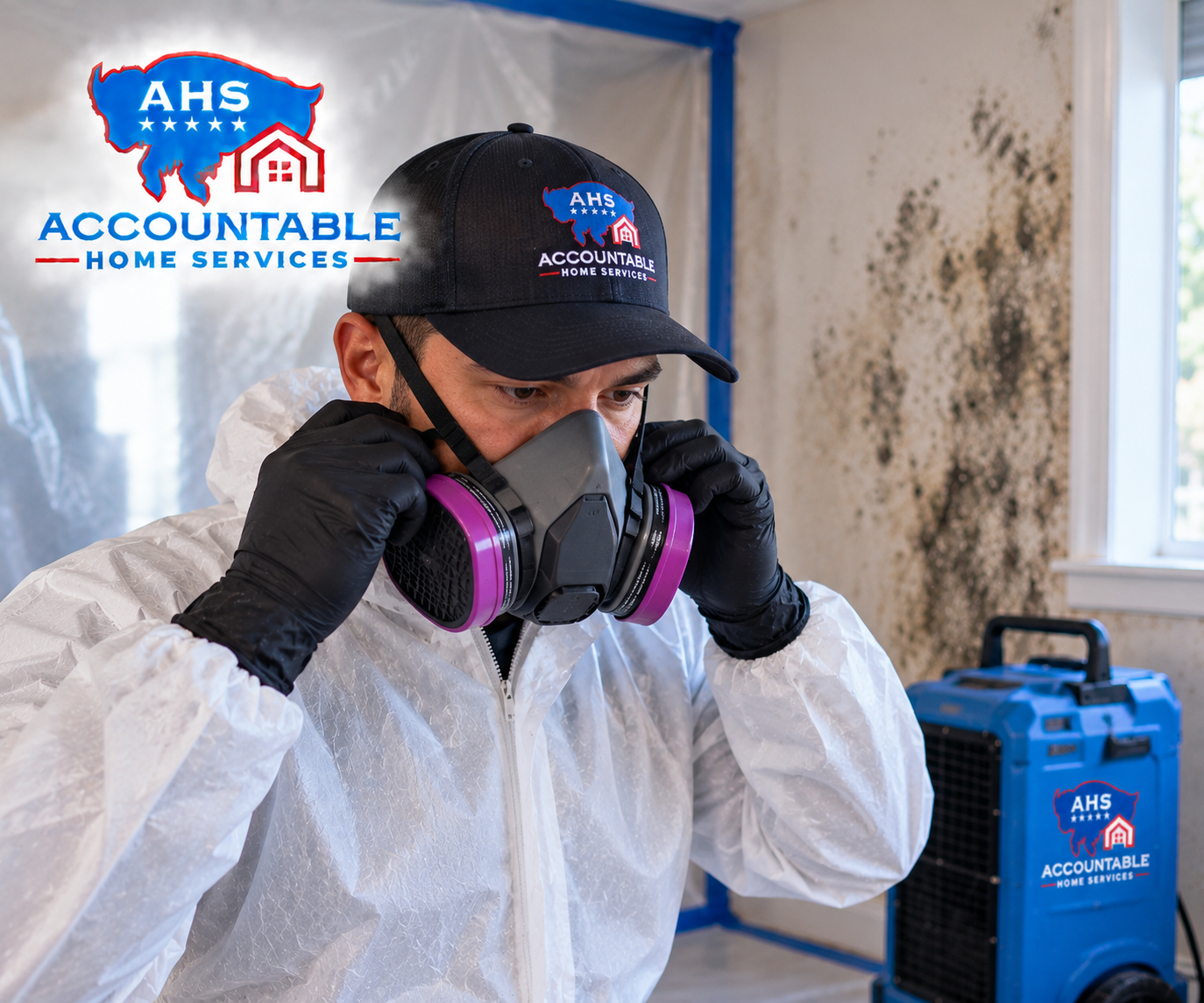
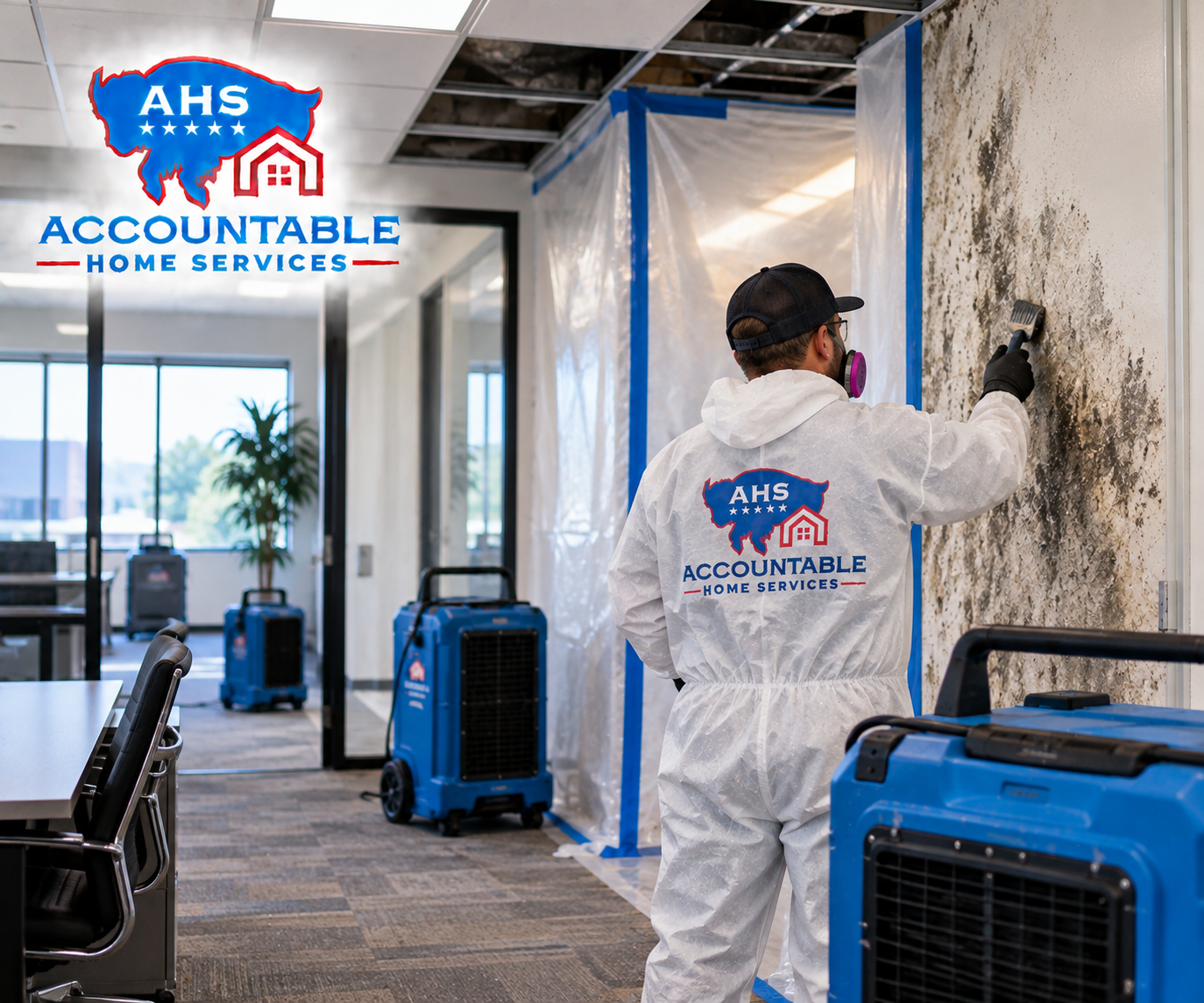
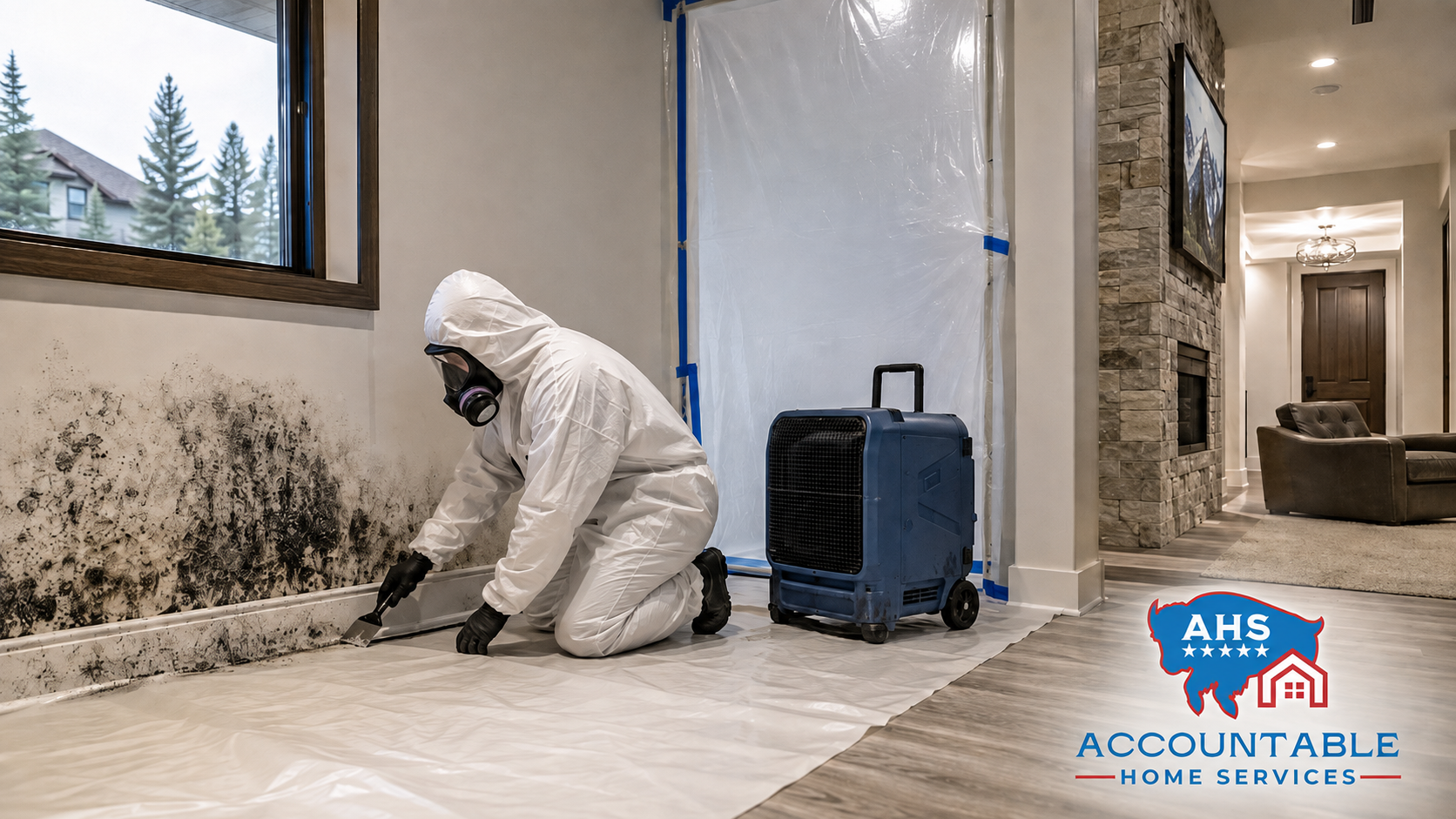
A reputable professional mold remediation process is designed to protect your home while removing contaminated materials safely. Every property is different, but the process often includes:
- Initial inspection and moisture assessment
- Identification of the likely moisture source
- Work area containment to reduce cross-contamination
- Negative air pressure and HEPA air filtration when appropriate
- Safe removal of mold-damaged porous materials
- Cleaning of affected structural surfaces
- HEPA vacuuming and detailed surface cleaning
- Antimicrobial application when appropriate
- Drying and moisture verification
- Post-remediation recommendations
- Restoration planning for damaged materials
The right team will explain what needs to be removed, what may be cleaned, and what repairs are recommended after remediation is complete.
Choosing a Local Mold Removal Company
When you search for mold removal near me, you’ll see many options. For Castle Pines homeowners, local experience matters. Homes in the area may include finished basements, stucco exteriors, complex rooflines, crawl spaces, and mountain-region moisture patterns that require careful evaluation.
Look for a company that:
- Provides clear inspections and written recommendations
- Understands mold, water damage, and structural drying
- Uses containment and HEPA filtration when needed
- Avoids scare tactics or vague pricing
- Explains the difference between cleaning and remediation
- Helps identify the moisture source
- Offers restoration support after removal
- Communicates clearly from start to finish
The best mold remediation Castle Pines providers don’t just remove visible growth. They help homeowners understand why it happened and how to reduce the chance of recurrence.
What Not to Do If You Find Black Mold
If you find suspected black mold, pause before taking action. A few simple choices can help protect your home from further spread.
Avoid:
- Scrubbing moldy drywall or insulation
- Running fans directly on contaminated areas
- Using a household vacuum on mold growth
- Spraying chemicals without addressing moisture
- Cutting into walls without containment
- Covering stains with paint or primer
- Moving moldy belongings through clean areas
- Rebuilding before drying is confirmed
Instead, isolate the area if possible, limit activity nearby, document what you see, and contact a qualified local professional for guidance.
Local Help for Mold Removal in Castle Pines, CO
Whether you’re dealing with a musty basement, attic staining, a past leak, or suspected black mold in Castle Pines, CO, professional help can make the process safer and more effective. Mold problems are stressful, but they are manageable with the right plan.
Local mold services may help with:
- Mold inspection and moisture detection
- Black mold removal
- Basement mold remediation
- Attic mold cleanup
- Mold after water damage
- Hidden mold investigation
- Water damage mold cleanup
- Structural drying support
- Mold damage restoration in Castle Pines
If you’re not sure where to start, begin with an inspection. A clear assessment can help you avoid unnecessary demolition, identify the source of moisture, and choose the right remediation plan.
Schedule a Mold Inspection Today
Don’t ignore mold odors, staining, or water damage that “seems dry.” The earlier you address the issue, the easier it is to protect your home and prevent additional damage.
If you need mold inspection Castle Pines, mold removal Castle Pines CO, or help with water damage mold, contact a local remediation specialist today. Get answers, understand your options, and take the next step toward a cleaner, drier, healthier home environment.