Mold Removal Near Me in Erie, CO: What Homeowners Should Know
Mold Removal Near Me in Erie, CO: What Homeowners Should Know
A Plain-Spoken Guide to Mold Problems in Erie Homes
Finding mold in your home can feel unsettling, especially when it appears after a leak, a flooded basement, or a plumbing issue you thought was already handled. If you searched for mold removal near me, you are probably looking for clear answers, not scare tactics.
For homeowners in Erie, CO, mold is usually tied to one simple condition: moisture that stayed too long. That moisture may come from a roof leak, basement seepage, condensation, a slow plumbing drip, or mold after water damage that was never fully dried. The good news is that mold problems can be handled safely and methodically when you understand what to look for and when to call for help.
Our approach is simple: inspect carefully, explain what we find, contain the affected area, remove contaminated materials when needed, clean properly, and help you understand how to reduce the chance of mold coming back.
Why Mold Shows Up After Water Damage
Mold spores are naturally present indoors and outdoors. They become a problem when they land on damp materials and have enough time to grow. Drywall, framing, insulation, carpet, cabinets, and stored belongings can all support mold if moisture lingers.
That is why water damage mold should be taken seriously. Even if the surface looks dry, moisture can remain behind baseboards, under flooring, inside wall cavities, or in insulation. In many cases, homeowners clean the visible stain but miss the hidden moisture source.
Common causes of mold growth in Erie homes include:
- Basement water intrusion after storms or snowmelt
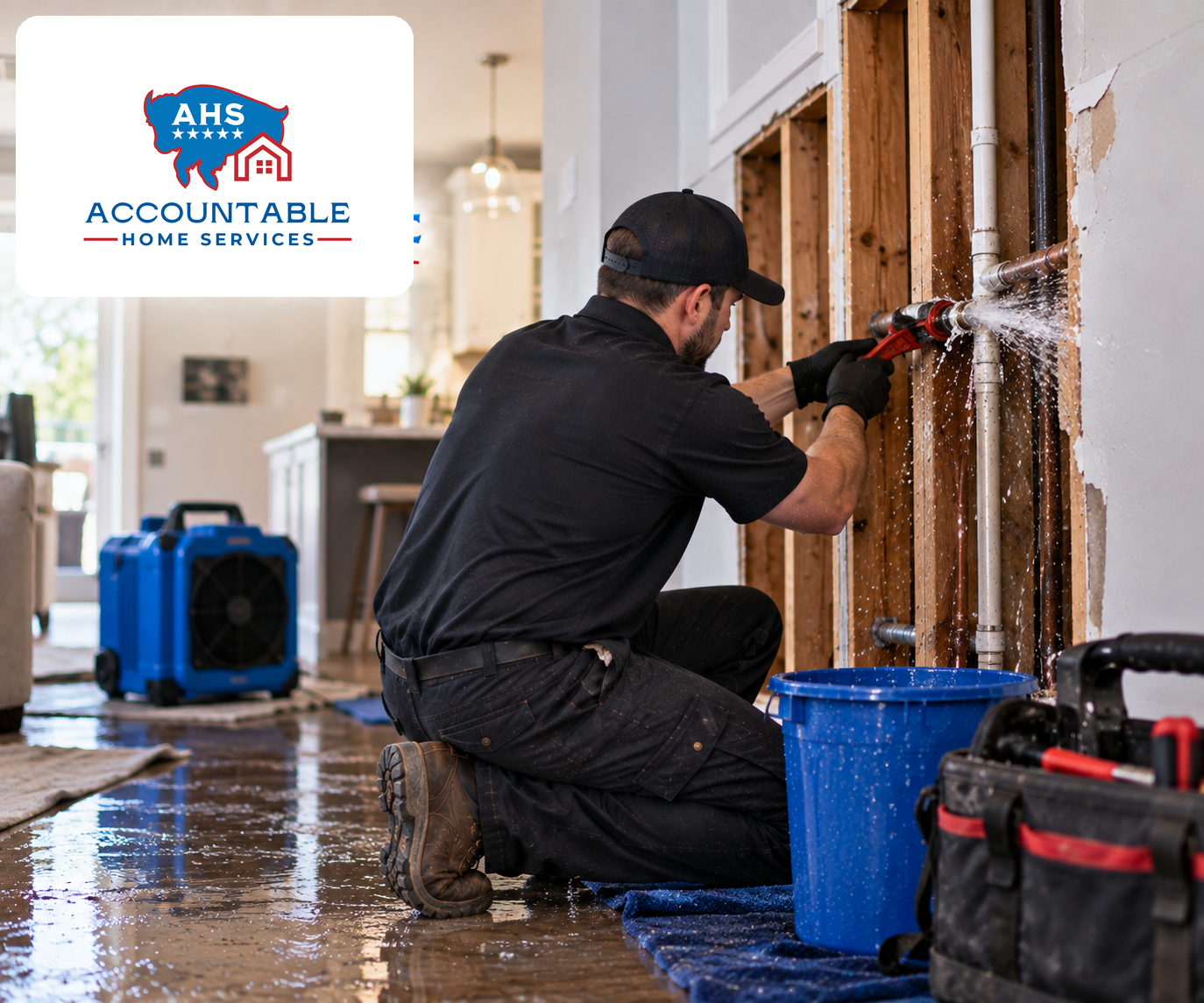
- Plumbing leaks under sinks, behind walls, or near appliances
- Roof leaks that lead to attic or ceiling mold
- Poor bathroom or laundry room ventilation
- Condensation around windows or cold exterior walls
- Sump pump failures or drain backups
- Humid crawlspaces or unfinished lower levels
- Slow leaks from water heaters, refrigerators, dishwashers, or washing machines
When the moisture source is not corrected, mold cleanup becomes temporary. Proper mold damage restoration Erie homeowners can rely on starts with identifying why the mold grew in the first place.
Signs You May Have Mold in Your Home
Mold is not always obvious. Sometimes it appears as dark spotting on drywall, fuzzy growth on wood, or discoloration around trim. Other times, the first clue is a musty odor or a room that always feels damp.
You may need a closer look if you notice:
- A persistent musty smell
- Stains on ceilings, walls, or floors
- Peeling paint or bubbling drywall
- Damp carpet or warped flooring
- Visible spots near windows, tubs, showers, or sinks
- Moldy odors in the basement or crawlspace
- Past water damage that was dried without professional equipment
- Allergy-like irritation that seems worse in one room
One of the more common concerns we hear about is hidden mold in walls. This can happen when a pipe leaks slowly or water enters from outside and gets trapped inside building materials. Because opening walls without a plan can spread mold spores, it is usually best to start with a professional assessment.
Local Mold Concerns in Erie, CO
Erie homes can face a mix of moisture conditions throughout the year. Spring runoff, summer storms, freezing and thawing, and indoor condensation during colder months can all contribute to damp building materials.
Many Erie properties also include basements, finished lower levels, attached garages, and attic spaces where mold can grow unnoticed. Basement mold Erie homeowners discover is often connected to seepage, humidity, poor drainage, or water damage that was not fully dried. Attic mold may be tied to roof leaks, blocked ventilation, bathroom fans venting into attic space, or condensation on roof decking.
If you need attic mold removal, the cleanup itself is only part of the work. It is also important to understand what allowed moisture to collect in the attic. Without that step, the same issue can return.
What About Black Mold?
Many homeowners worry when they see dark mold and immediately think of “black mold.” The truth is that color alone does not confirm the mold type. Many molds can appear black, green, gray, brown, or white depending on the surface and growth conditions.
That said, dark mold growth should not be ignored. If you are looking for black mold removal Erie services, the safest next step is a proper inspection and a cleanup plan based on the affected materials, the moisture source, and the size of the problem.
We do not rely on fear-based language. Mold should be handled with care because it can damage building materials and may affect indoor air quality, especially for people with sensitivities. A calm, professional process is the best way forward.
When Mold Cleanup Becomes Professional Mold Remediation
Small surface mildew on a shower wall is different from mold inside drywall, insulation, subflooring, or HVAC-adjacent areas. In some cases, homeowners can clean minor surface growth on non-porous materials. In other cases, professional containment and removal are the safer choice.
You may need professional mold remediation if:
- Mold covers a larger area
- Mold is growing on drywall, insulation, wood, carpet, or cabinets
- The mold followed flooding, sewage backup, or major water damage
- There is a strong musty odor with no visible source
- Mold may be inside walls, ceilings, or flooring
- Someone in the home has asthma, allergies, or immune concerns
- Previous cleaning did not solve the problem
- You are selling, buying, or renovating a home
A qualified mold removal company Erie homeowners trust should do more than spray and leave. Proper remediation uses containment, air control when needed, safe removal practices, cleaning, drying, and verification that the moisture issue has been addressed.
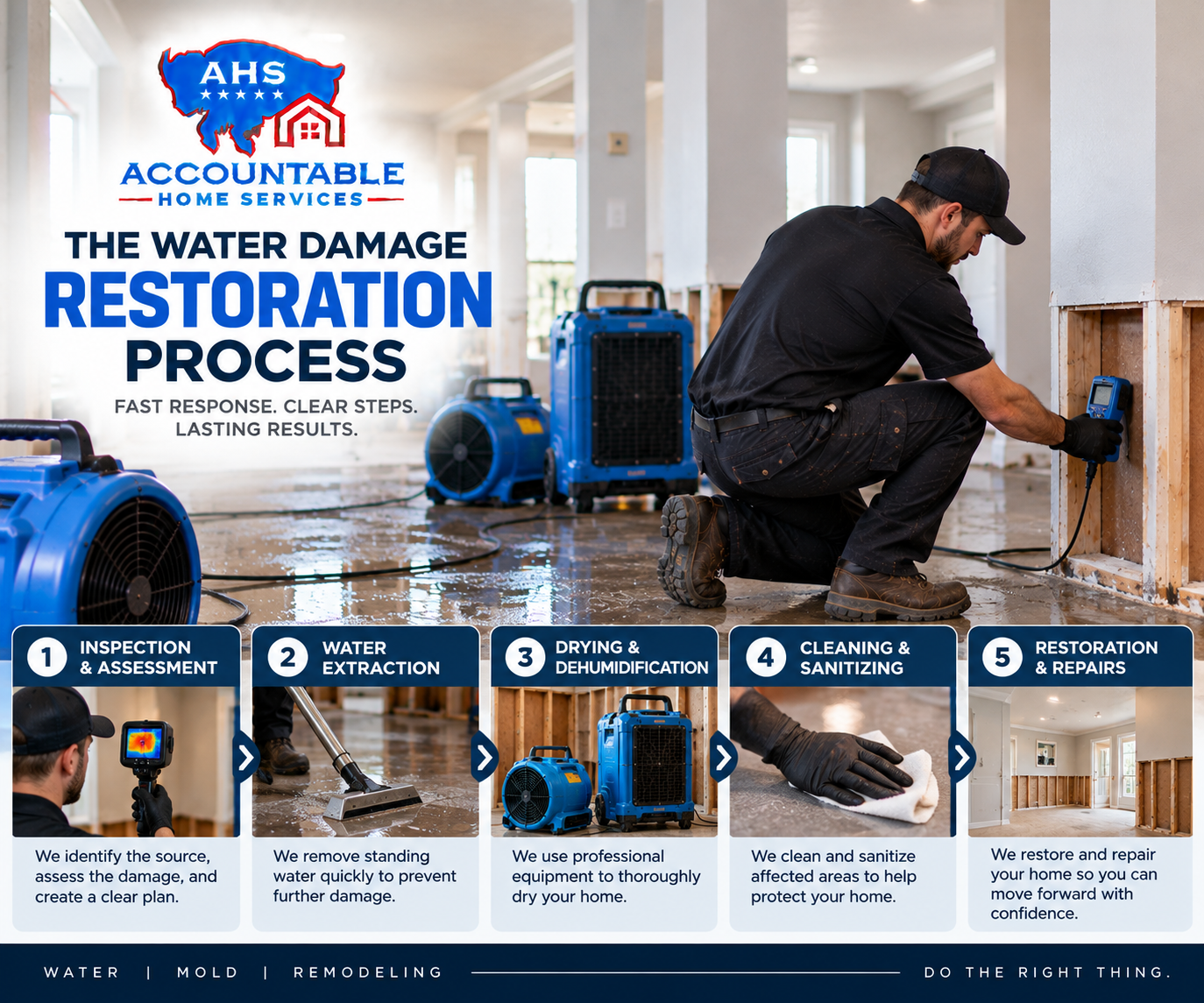
Our Mold Removal Process
Every home is different, but a careful process helps keep the work organized and understandable.
1. Inspection and Moisture Assessment
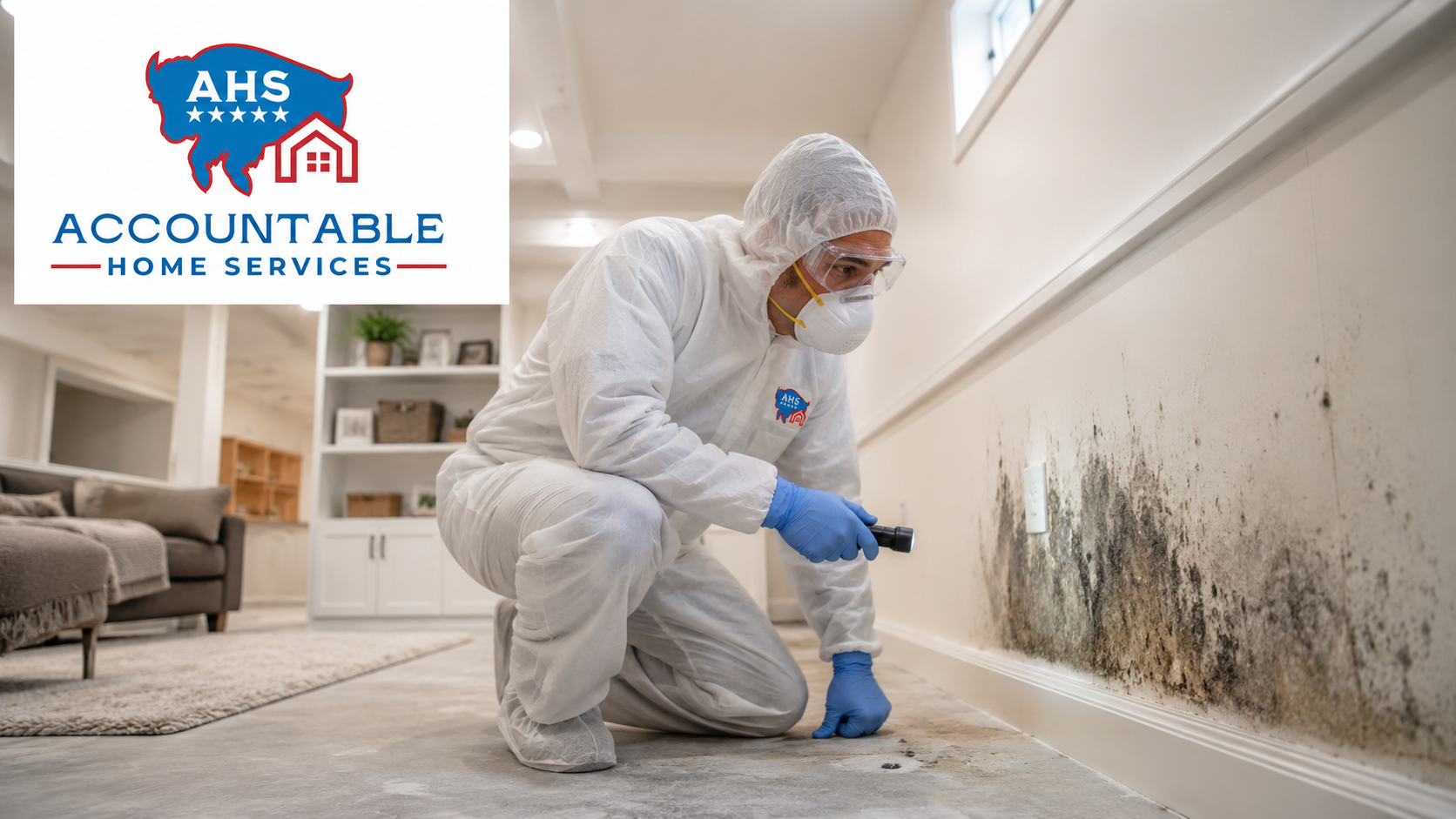
We begin by looking for visible mold, moisture sources, staining, odors, and signs of past water damage. Depending on the situation, this may include moisture readings, checking nearby rooms, looking at attic or basement conditions, and discussing recent leaks or flooding.
If you need mold inspection Erie CO support, the goal is to understand the full picture before recommending cleanup. Not every stain requires a major project, and not every mold problem is visible from the room side of the wall.
2. Clear Explanation of Findings
After the inspection, we explain what appears to be affected, what may need removal, and what steps are recommended. We keep the language practical so you can make a confident decision.
3. Containment of Affected Areas
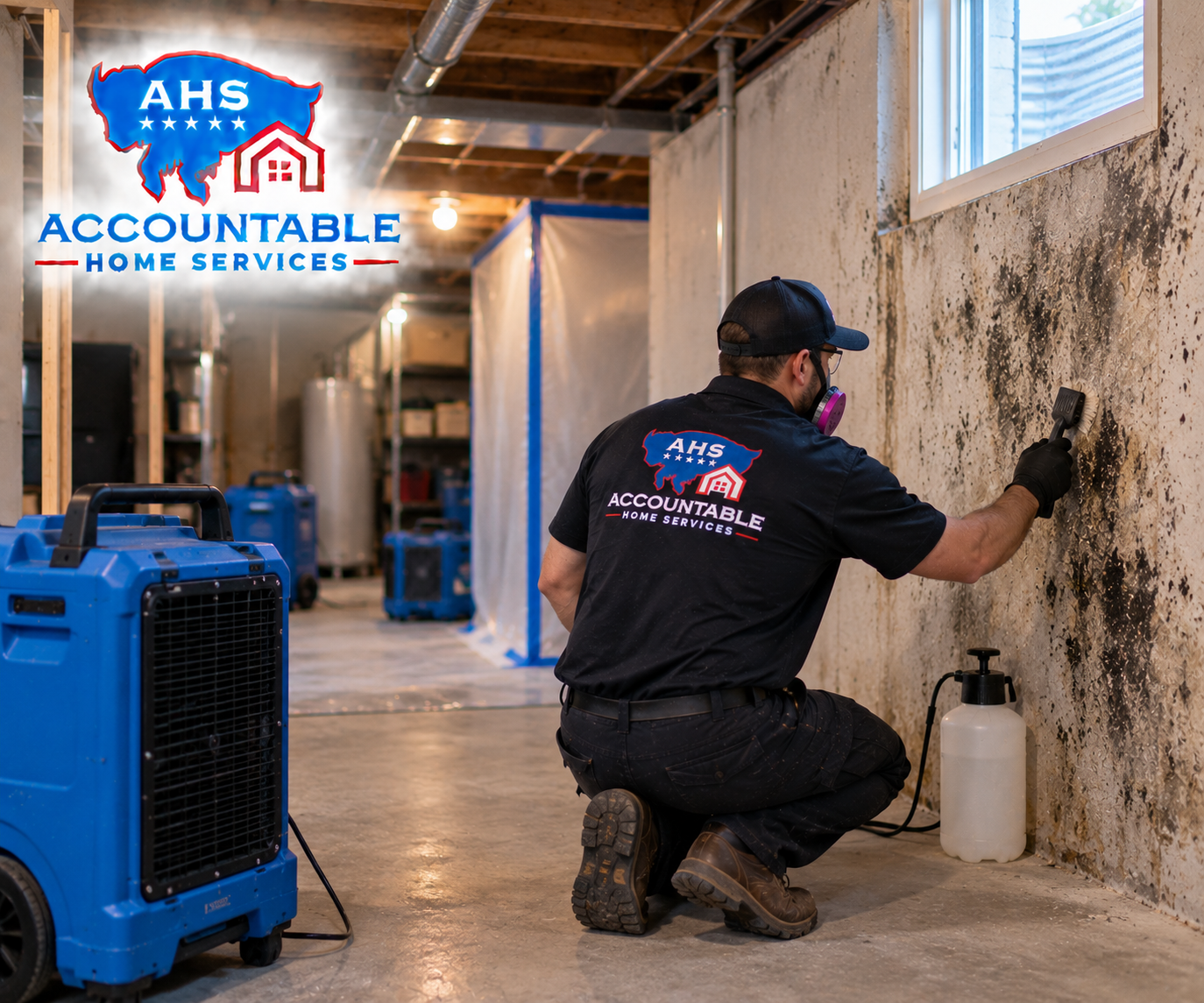
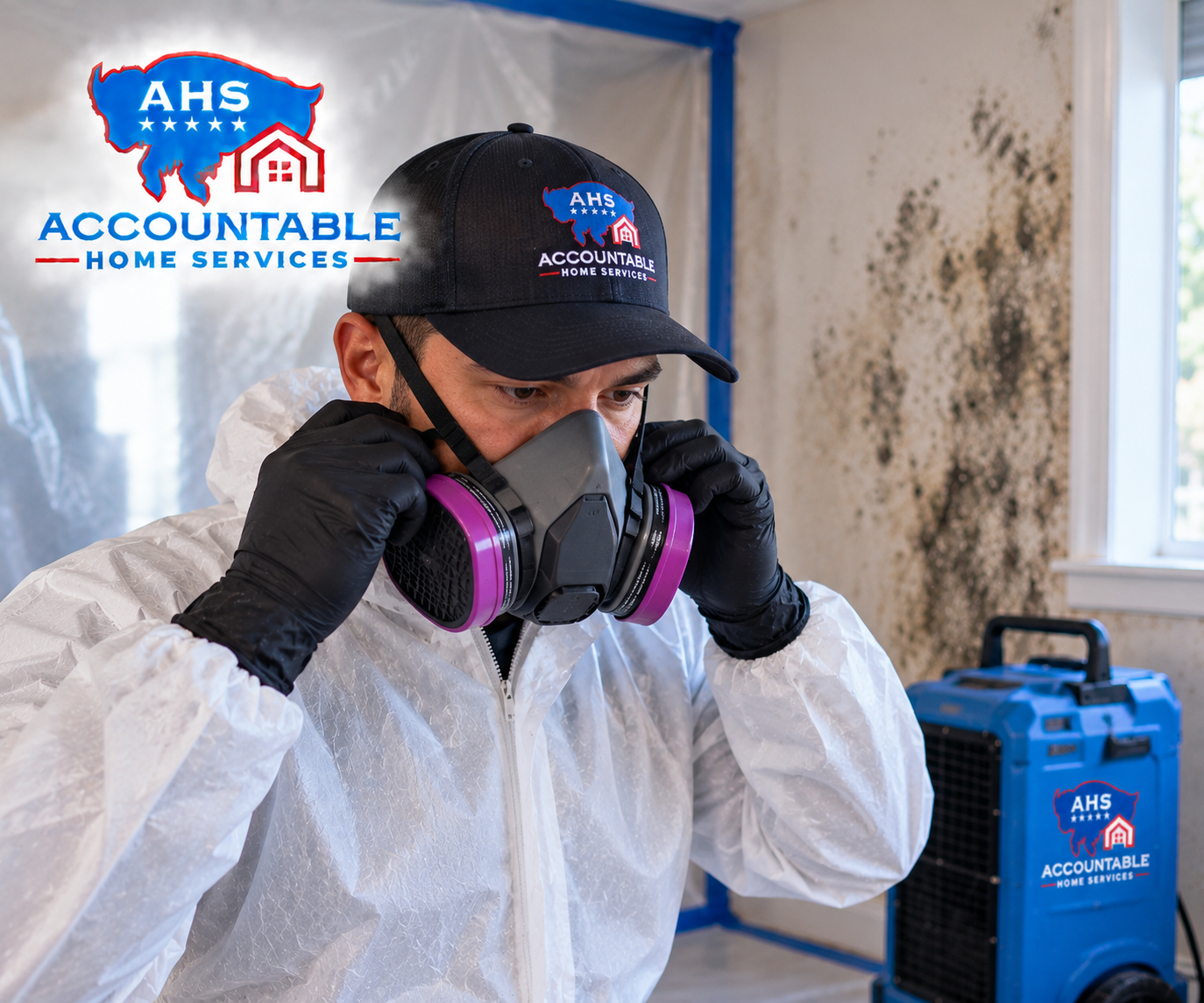
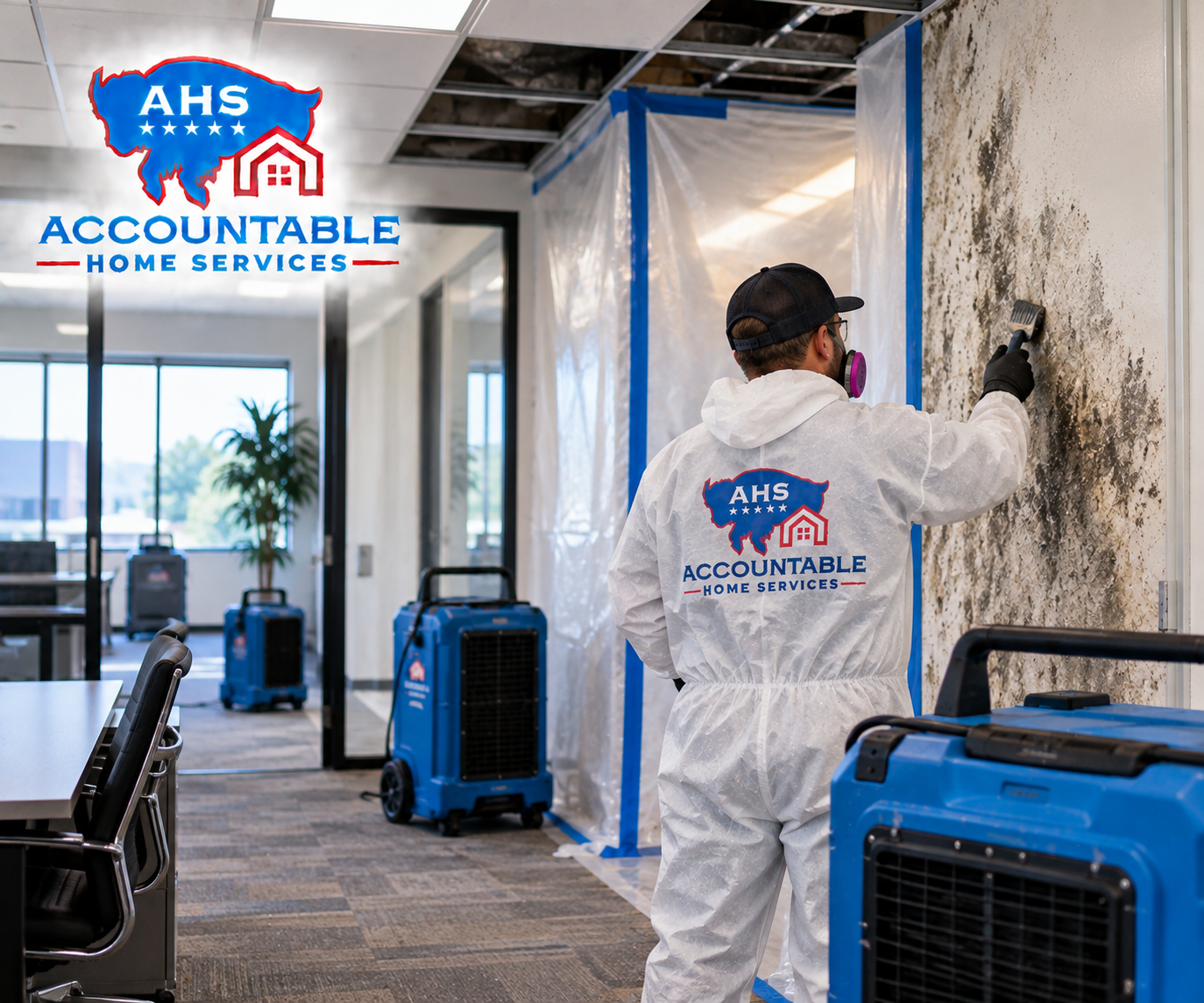
When mold is disturbed, spores can spread. For appropriate jobs, we set up containment to separate the work area from the rest of the home. This may include plastic barriers, controlled access, and air filtration equipment depending on the scope.
4. Removal of Damaged Materials
Porous materials with mold growth often cannot simply be wiped clean. Drywall, insulation, carpet pad, or other contaminated materials may need to be removed and disposed of properly.
5. Cleaning and Treatment
Remaining surfaces are cleaned using appropriate methods for the material and condition. The goal is to remove mold growth, not just cover it up. We focus on practical cleaning, source control, and drying.
6. Drying and Moisture Control
Mold can return if the area stays damp. That is why drying and moisture correction are central to mold remediation Erie CO homeowners can count on. Depending on the cause, this may involve drying equipment, ventilation improvements, repairs by qualified trades, or drainage recommendations.
7. Final Review
Before the job is complete, we review the work area and discuss next steps. If repairs or reconstruction are needed, we can explain what should happen after remediation is complete.
Mold After a Leak, Flood, or Storm
If your home recently had water damage, timing matters. Mold can begin growing when wet materials are not dried quickly and thoroughly. The sooner moisture is identified and controlled, the better chance you have of limiting damage.
If you are dealing with mold after water damage, avoid painting over stains or spraying heavily scented products to mask odors. These steps can make the issue harder to evaluate and do not solve the underlying moisture problem.
A better first response is to:
- Stop the water source if it is safe to do so
- Avoid disturbing visible mold
- Remove dry, unaffected belongings from the area
- Keep people and pets away from heavily affected rooms
- Document visible damage for your records
- Call for an inspection if moisture may be trapped
For significant water damage, mold prevention and cleanup should be part of the same conversation.
Why DIY Mold Removal Can Fall Short
It is understandable to want to solve a mold issue quickly with a store-bought cleaner. For very small surface issues on hard materials, that may be enough. But for larger or hidden problems, DIY cleaning often misses the real cause.
Common DIY mistakes include:
- Cleaning visible mold while leaving wet materials in place
- Using bleach on porous materials where it cannot fully reach the growth
- Spreading spores by sanding, scraping, or demolition without containment
- Ignoring moisture behind walls or under flooring
- Replacing drywall before framing or insulation is dry
- Running fans in a way that moves spores through the home
The goal of mold cleanup Erie homeowners need is not just to make the area look better. It is to remove affected materials when necessary, clean correctly, and reduce the conditions that allowed mold to grow.
Areas of the Home We Commonly Inspect
Mold can grow anywhere moisture collects, but some areas deserve special attention.
Basements and Finished Lower Levels
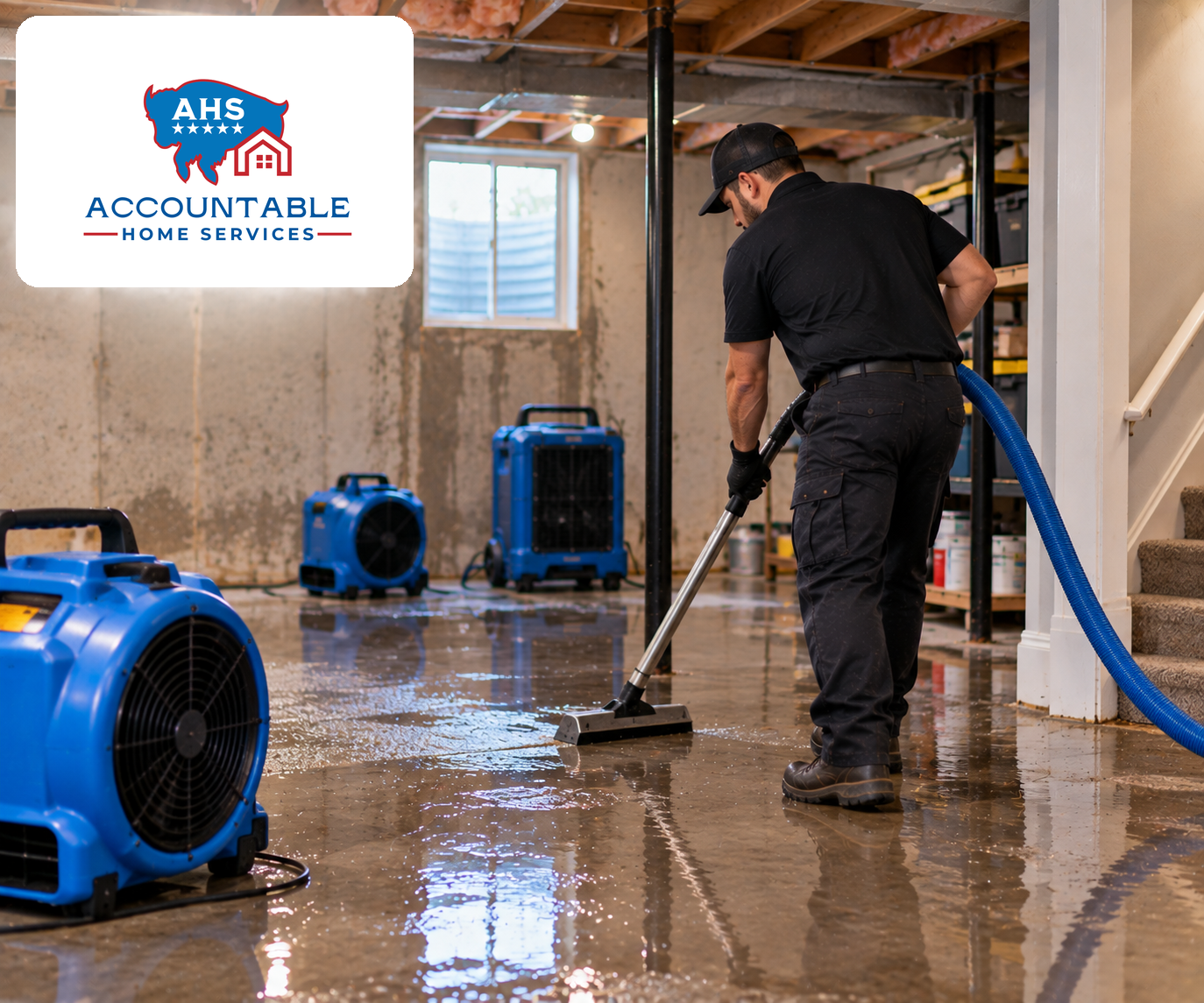
Basements are common trouble spots because they are partly or fully below grade. Moisture can enter through foundation walls, windows, slab cracks, or plumbing systems. Finished basements can hide moisture behind drywall and flooring, which is why odors and staining should be checked promptly.
Attics
Attic mold often points to ventilation, insulation, roof, or exhaust fan issues. If bathroom fans vent into the attic instead of outdoors, warm moist air can condense on cold surfaces. Roof leaks and blocked vents can also contribute.
Bathrooms and Laundry Rooms
High humidity, frequent water use, and poor ventilation can lead to recurring mold around ceilings, walls, trim, and cabinets.
Kitchens and Appliance Areas
Dishwashers, ice makers, sink drains, and refrigerator supply lines can leak slowly. These leaks may damage cabinets, flooring, and nearby walls before they become obvious.
Exterior Walls and Windows
Condensation and air leaks can create damp conditions, especially during cold weather. Repeated moisture around windows may lead to mold on trim, drywall, or framing.
Choosing a Mold Removal Company in Erie
When comparing options for mold removal Erie CO, look for a company that takes time to inspect before recommending work. A good provider should be willing to explain the process, answer questions, and help you understand what is necessary and what is not.
Helpful questions to ask include:
- Will you inspect for moisture before cleanup begins?
- How will the affected area be contained?
- What materials need to be removed, and why?
- How do you help prevent mold from returning?
- Do you explain the difference between cleaning, removal, and reconstruction?
- Will I know what to expect before work starts?
The right team should make the process feel more manageable, not more confusing.
Schedule Mold Inspection or Cleanup in Erie, CO
If you have visible mold, a musty smell, recent water damage, or concerns about hidden moisture, it is worth having the area checked. Mold issues are easier to manage when they are addressed early and handled with a clear plan.
For dependable mold removal Erie CO, mold remediation Erie CO, and local guidance after water damage, contact a professional team that understands Erie homes and takes a careful, education-first approach.
Reach out today to schedule a mold inspection, ask questions about your situation, or get help planning the next right step for your home.