How to Get Rid of Mold in a Bathroom in Parker, CO: What Homeowners Should Know
How to Get Rid of Mold in a Bathroom in Parker, CO: What Homeowners Should Know
If you’ve spotted mold in your bathroom, you’re not alone. Bathrooms work hard every day, and even in a generally dry Colorado climate, moisture can build up quickly around showers, tubs, ceilings, vanities, and walls. For homeowners in Parker, CO, the key is knowing what you can safely handle, what needs a closer look, and when to call for professional mold remediation in Parker.
Small surface mildew may be manageable with careful cleaning and better airflow. But recurring growth, staining after a leak, a musty smell, or suspected mold behind a bathroom wall can point to a bigger moisture problem. This guide walks you through practical next steps so you can protect your home without panic, guesswork, or unnecessary disruption.
Why Bathroom Mold Happens in Parker Homes
Bathroom mold needs moisture, organic material, and limited airflow. Drywall paper, wood trim, dust, caulk, grout, and ceiling texture can all provide a place for mold to grow when humidity lingers.
In Parker homes, bathroom mold often shows up because of:
- Hot showers without enough exhaust fan run time
- Poor bathroom ventilation mold issues in enclosed bathrooms
- Slow plumbing leaks under sinks, behind toilets, or near tubs
- Damaged caulk around showers and bathtubs
- Water splashing outside the shower or tub area
- Roof or attic moisture affecting a bathroom ceiling
- Previous mold after water damage that was not fully dried
- Cold exterior walls where condensation forms during winter
Colorado’s dry air can be helpful, but it can also make homeowners underestimate bathroom moisture. A bathroom can stay damp long enough for mold to develop even when the rest of the house feels dry.
First Step: Identify What You’re Seeing
Before you start scrubbing, take a few minutes to assess the situation. Bathroom mold Parker CO homeowners commonly notice may appear as black, green, gray, brown, or pinkish growth. It may look like spots, smears, fuzzy patches, or staining.
Check common areas, including:
- Mold around bathtub edges and caulk lines
- Shower corners, grout, and tile seams
- Mold on bathroom ceiling surfaces above the shower
- Behind or under the vanity
- Around the toilet base
- Window trim and sills
- Exhaust fan cover and nearby drywall
- Baseboards and lower walls
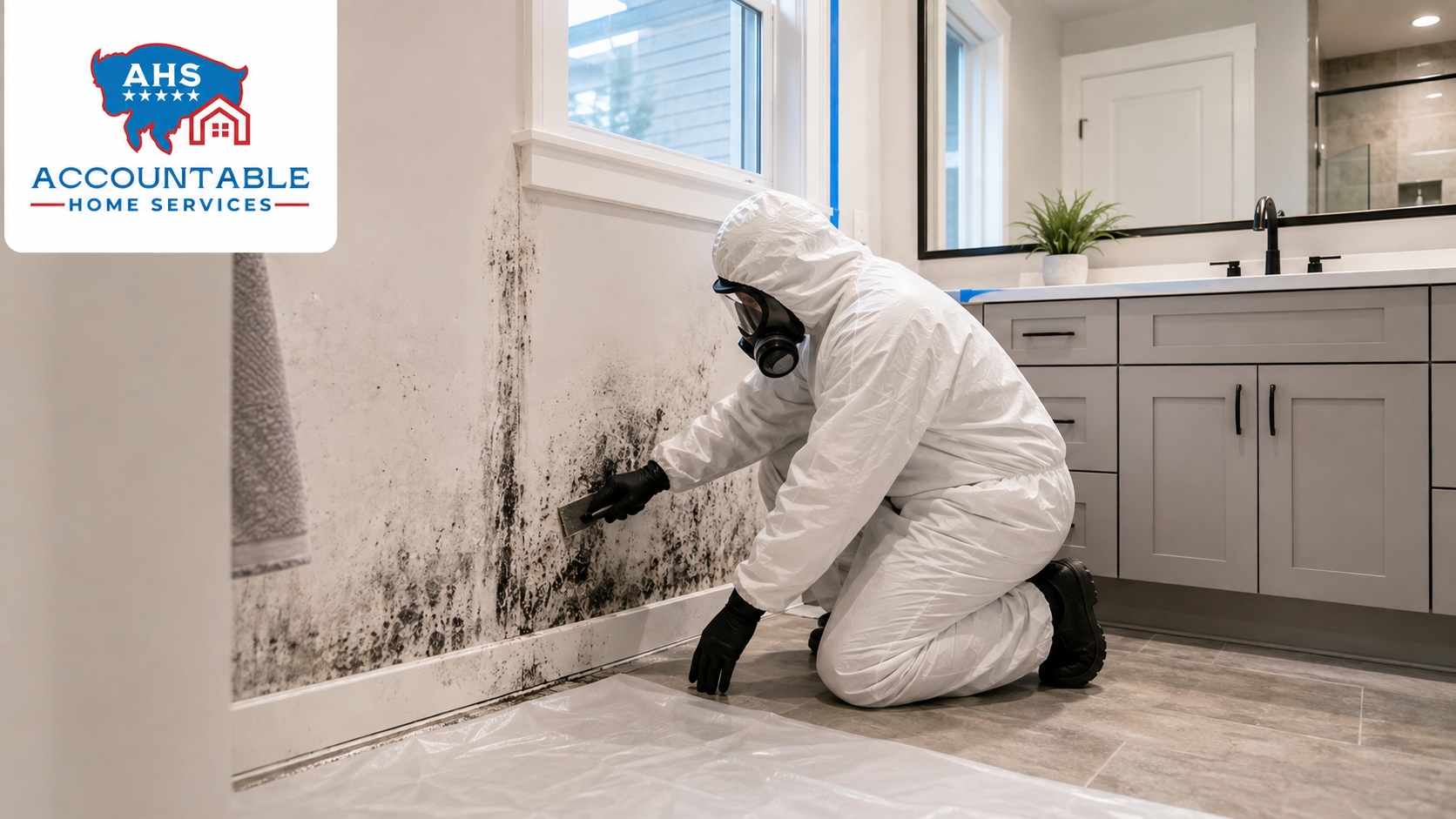
If the material is non-porous, such as glazed tile or a fiberglass shower surround, the issue may be limited to the surface. If the material is porous, such as drywall, wood, insulation, or ceiling texture, mold can grow deeper than what you see.
How to Get Rid of Mold in Bathroom Areas Safely
For very small areas of surface mold, you may be able to clean it yourself if you are healthy, the mold is not widespread, and there is no sign of an active leak or hidden moisture.
Use a calm, careful approach:
- Ventilate the bathroom. Turn on the exhaust fan, open a window if available, and keep the door open.
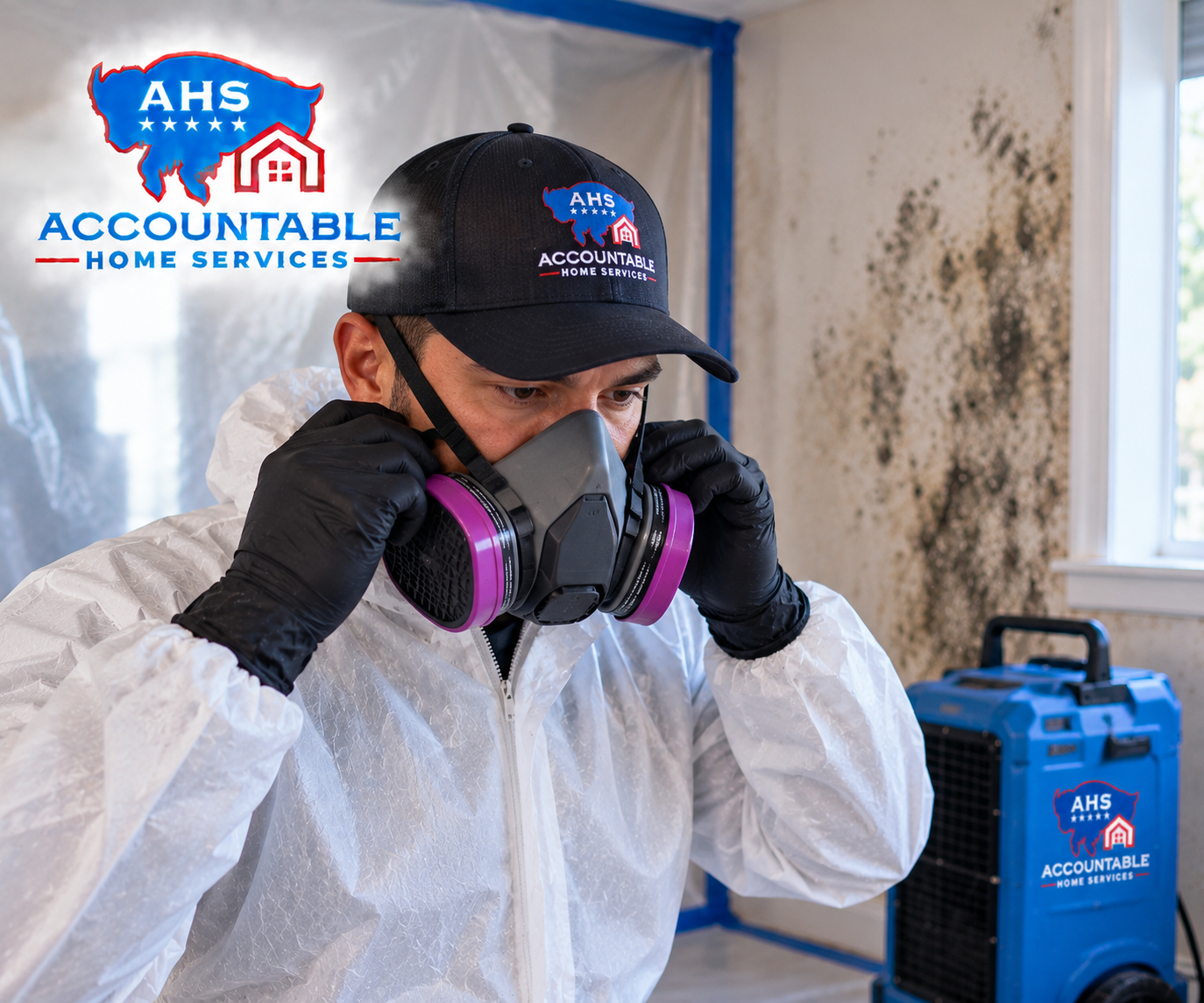
- Wear basic protection. Use gloves, eye protection, and a well-fitting mask to avoid direct contact with spores and cleaning products.
- Avoid dry brushing. Scrubbing dry mold can release particles into the air. Lightly dampen the surface before cleaning.
- Use an appropriate cleaner. For hard surfaces, use a bathroom-safe cleaner according to the label. Never mix bleach with ammonia or other cleaning chemicals.
- Clean, rinse, and dry. Mold returns when moisture remains. Dry the area thoroughly after cleaning.
- Fix the moisture source. Cleaning without solving the moisture problem usually leads to regrowth.
If you are searching for how to get rid of mold in bathroom spaces, remember that removal is only half the answer. Moisture control is what keeps the problem from coming back.
Shower Mold Removal: What Works and What Does Not
Shower mold removal is often manageable when growth is limited to tile, glass, or the surface of intact grout. Clean the area, dry it completely, and inspect the caulk. If caulk is cracked, peeling, or mold-stained beneath the surface, it may need to be removed and replaced.
However, be cautious with aggressive scraping. Damaging grout, caulk, or waterproofing can create a path for water to enter the wall cavity. If the wall feels soft, tile is loose, grout is crumbling, or mold keeps returning in the same area, stop cleaning and get a professional inspection.
Recurring shower mold can mean moisture is trapped behind the surface, especially around niches, benches, corners, and tub surrounds.
Mold Around Bathtub Edges and Caulk Lines
Mold around bathtub seams is usually caused by water sitting along the caulk line. If the mold is only on the surface, cleaning and improving drying habits may help. But if the caulk is separating from the tub or wall, water may be getting behind it.
Signs that bathtub mold may need professional attention include:
- Caulk that is blackened under the surface
- Soft drywall or trim near the tub
- Swollen baseboards
- A musty smell after bathing
- Staining on the ceiling below an upstairs bathroom
- Mold returning shortly after cleaning
When water gets behind a tub surround, it can affect drywall, framing, and insulation. In that case, simple surface cleaning is not enough.
Mold on Bathroom Ceiling: Why It Keeps Coming Back
Mold on bathroom ceiling areas is often tied to warm, humid air rising during showers. If the exhaust fan is too weak, clogged, poorly vented, or not used long enough, moisture condenses on the ceiling.
Try these prevention steps:
- Run the exhaust fan during every shower
- Leave it on for 20 to 30 minutes afterward
- Keep the bathroom door open after use when privacy allows
- Wipe down shower walls and glass
- Clean dust from the fan cover
- Check whether the fan vents outdoors, not into the attic
If the ceiling has bubbling paint, brown stains, sagging drywall, or spreading dark patches, there may be a roof, attic, or plumbing issue. That is a good time to contact a local mold removal Parker CO professional for moisture testing and a closer inspection.
Black Mold in Bathroom Areas: Stay Practical, Not Panicked
Seeing black mold in bathroom spaces can be unsettling. Not all black-colored mold is the same type, and you cannot identify mold species by color alone. The more useful question is: why is it growing, how much is present, and what material is affected?
You should stop DIY cleanup and call a professional if:
- The affected area is larger than a small patch
- Mold is on drywall, wood, insulation, or ceiling texture
- You smell mustiness but cannot find the source
- Someone in the home has asthma, allergies, immune concerns, or respiratory sensitivity
- Mold appeared after a leak, flood, or sewage backup
- You suspect hidden mold in walls
- The growth returns after repeated cleaning
A qualified mold remediation Parker team can help determine whether the issue is surface-level or connected to hidden moisture.
Mold Behind Bathroom Wall: Signs Homeowners Should Watch For
Mold behind bathroom wall surfaces is not always visible right away. It may develop after a plumbing leak, failed grout, cracked caulk, or moisture intrusion around a shower or tub.
Possible warning signs include:
- Persistent musty odor
- Paint bubbling, peeling, or cracking
- Soft or warped drywall
- Discoloration around plumbing fixtures
- Loose tiles or hollow-sounding walls
- Baseboards pulling away from the wall
- Unexplained allergy-like symptoms when using the bathroom
- Mold that reappears after cleaning the same spot
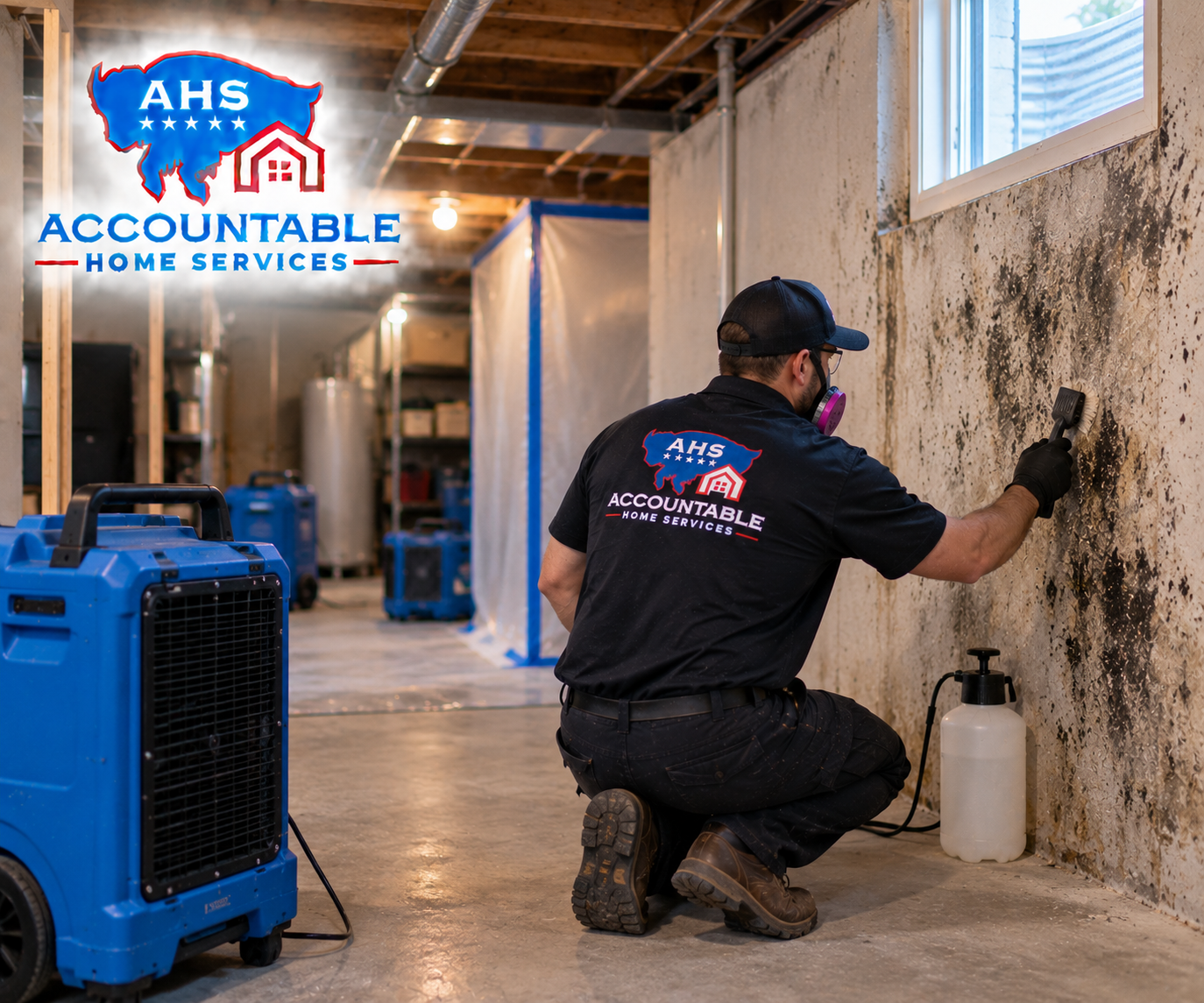
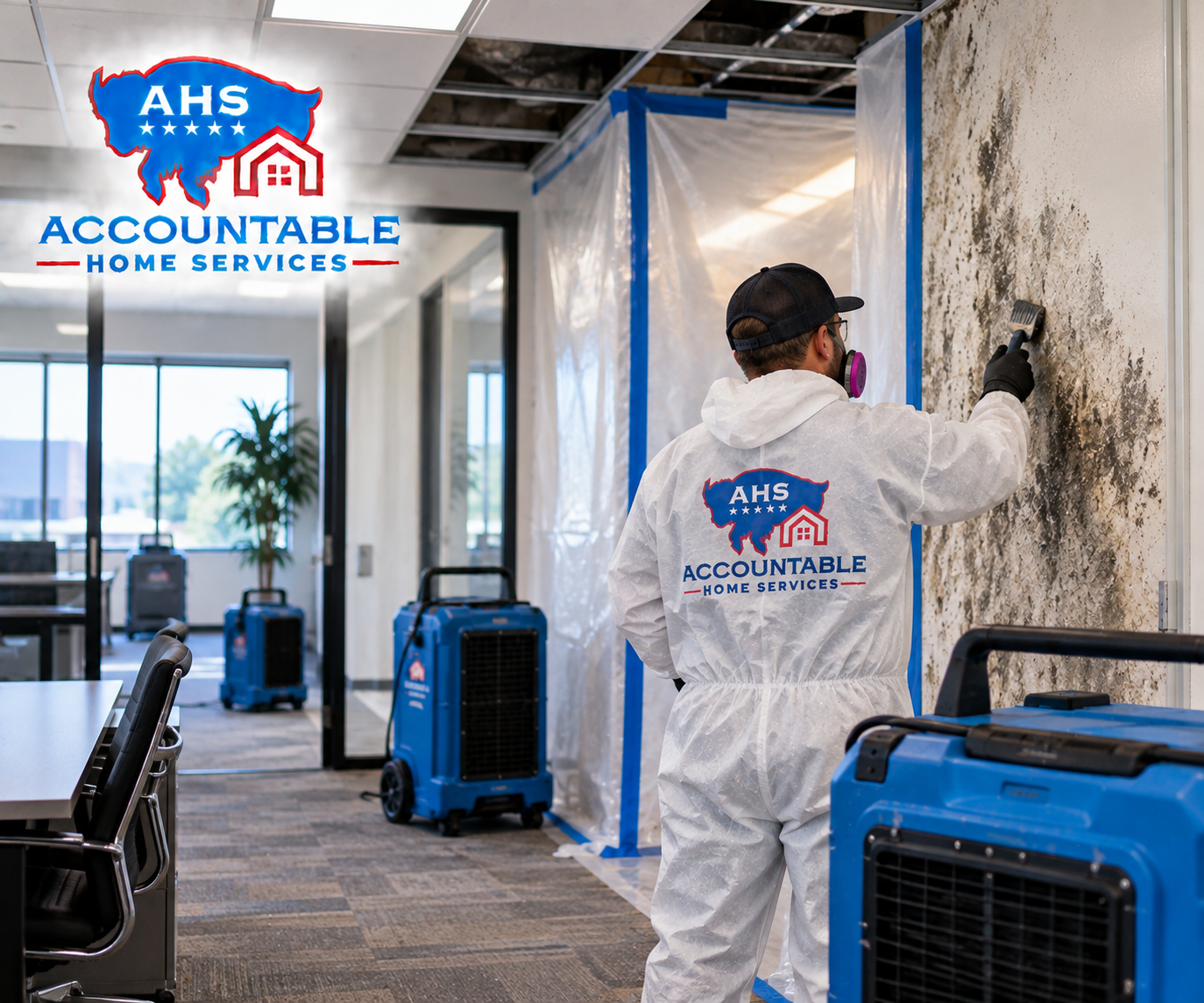
If you suspect mold behind bathroom wall materials, avoid cutting into drywall yourself. Opening a wall without containment can spread spores and dust into nearby rooms. Professional mold remediation uses containment, controlled removal, air filtration, and moisture correction steps to handle the issue more safely.
Mold After Water Damage: Why Fast Drying Matters
If your bathroom recently had a toilet overflow, tub leak, supply line failure, or shower pan problem, mold after water damage is a real concern. Building materials can look dry on the outside while moisture remains inside walls, under flooring, or behind cabinets.
After any water event:
- Stop the source of water if it is safe to do so
- Remove standing water quickly
- Increase ventilation
- Do not reinstall wet baseboards or flooring too soon
- Monitor for odor, staining, or swelling
- Schedule professional drying or inspection if moisture may have reached hidden areas
The sooner moisture is found and corrected, the less invasive the cleanup is likely to be.
When DIY Cleaning Is Not Enough
DIY cleaning has limits. A bathroom may need professional mold remediation in Parker when mold is widespread, keeps coming back, involves porous materials, or is connected to a leak.
Professional remediation may include:
- Moisture inspection and source identification
- Containment of the work area
- Safe removal of affected porous materials
- HEPA air filtration during cleanup
- Cleaning of remaining surfaces
- Drying recommendations
- Guidance on repairs and prevention
The goal is not just to remove visible mold. The goal is to correct the conditions that allowed it to grow.
Local Help for Bathroom Mold in Parker, CO
If you’ve been searching for mold removal near me or mold removal Parker CO, look for a local team that understands both moisture control and the way Parker homes are built. Bathrooms in newer and older homes can have very different ventilation, insulation, plumbing, and finish materials.
A local remediation professional can help answer important questions, such as:
- Is the mold limited to the surface?
- Is there moisture behind the wall or ceiling?
- Does the exhaust fan need improvement?
- Are building materials damaged?
- Can the area be cleaned, or does material need removal?
- What should be done before repairs begin?
You do not need to guess your way through it. A professional inspection can often clarify the next step and help prevent unnecessary demolition.
How to Reduce Bathroom Mold Going Forward
Once the bathroom is clean and dry, prevention becomes part of your normal home routine.
Helpful habits include:
- Run the fan during and after showers
- Use a squeegee on shower walls and doors
- Wash bath mats and towels regularly
- Keep shampoo bottles and products from trapping water in corners
- Repair loose caulk or grout promptly
- Leave space around vanities and toilets for airflow
- Clean the exhaust fan cover a few times a year
- Watch for stains, soft spots, or musty odors
If bathroom ventilation mold keeps returning, the fan may be undersized, blocked, or venting improperly. Upgrading ventilation can make a noticeable difference.
Schedule Bathroom Mold Help in Parker
Bathroom mold is common, but it should not be ignored. If you are dealing with mold on bathroom ceiling surfaces, mold around bathtub edges, recurring shower mold, or signs of hidden mold in walls, professional help can give you a clear plan.
For calm, practical guidance, contact a local mold remediation Parker specialist. Whether you need an inspection, targeted cleanup, or full professional mold remediation Parker homeowners can rely on, the right team can help you move from uncertainty to a safer, drier bathroom.
If you are unsure whether it is a DIY cleanup or a bigger moisture issue, reach out today to schedule an assessment. A quick conversation can help you understand your options and choose the safest next step for your Parker home.