Products for Mold Remediation in Castle Rock, CO: What Homeowners Should Know
Products for Mold Remediation in Castle Rock, CO: What Homeowners Should Know
When mold shows up at home, it’s natural to head to the store and look for the strongest spray on the shelf. For small surface spots, the right cleaner may help. But when mold is connected to a leak, flooding, damp drywall, or musty air, products alone are rarely the full answer.
For homeowners in Castle Rock, mold can develop after plumbing leaks, roof issues, appliance overflows, basement moisture, bathroom humidity, and water damage that was not dried quickly enough. Understanding which mold remediation products are useful, which ones are limited, and when to call for professional mold remediation can help protect your home and avoid repeat growth.
If you are dealing with suspected water damage mold, visible growth, or a persistent musty smell, a local mold remediation team can help you identify the source, contain the affected area, and restore your home safely.
Why Mold Products Are Only Part of the Solution
Mold needs moisture, organic material, and time. Many household building materials, including drywall, wood framing, insulation, carpet backing, and trim, can support mold growth when they stay damp. That means the most important “product” in any mold cleanup plan is not a spray. It is moisture control.
A cleaner may remove staining or kill mold on a non-porous surface, but it will not fix:
- A hidden plumbing leak
- Wet insulation inside a wall cavity
- Damp carpet pad after a water loss
- Condensation behind furniture or cabinets
- Poor bathroom ventilation
- Moisture trapped under flooring
- Mold spreading through porous drywall
This is why mold removal Castle Rock CO services often begin with inspection, moisture readings, containment, and drying before cleaners or antimicrobial treatments are applied.
Common Products for Mold Remediation
There are several categories of products for mold remediation, and each has a different role. Used correctly, they can support cleanup. Used incorrectly, they can spread spores, leave moisture behind, or create a false sense of safety.
Mold Cleaners for Hard Surfaces
A mold cleaner for walls, tile, glass, metal, and sealed surfaces may help with small areas of surface growth. These products are often designed to clean visible staining and reduce microbial activity on non-porous materials.
They may be appropriate for limited spots on:
- Bathroom tile
- Shower doors
- Sealed countertops
- Painted trim
- Non-porous storage items
- Finished surfaces with no underlying moisture problem
However, wall cleaners should be used with caution on drywall. If the drywall is soft, swollen, stained, crumbly, or has been wet, cleaning the surface may not remove contamination inside the material.
Antimicrobial Treatments
Professional-grade antimicrobial products are often used during remediation after contaminated materials are removed and the area is properly cleaned. These products are not a shortcut for removing mold-damaged materials. Instead, they are typically one step in a larger process that may include containment, HEPA vacuuming, controlled demolition, drying, and post-cleanup verification.
Homeowners should avoid overusing chemical products in enclosed spaces, especially without proper ventilation and protective equipment.
HEPA Vacuums and Air Filtration
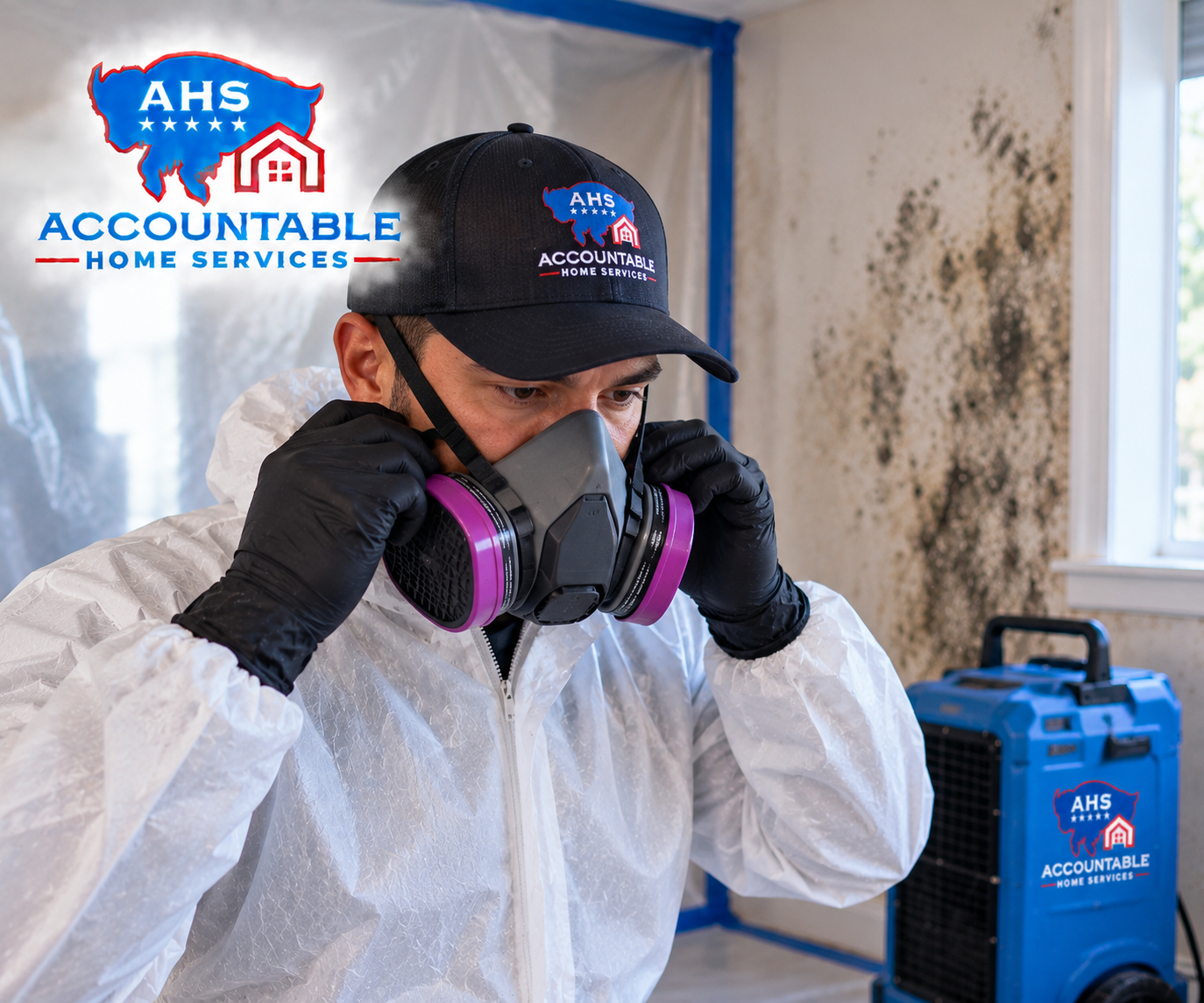
HEPA filtration is one of the most important tools in professional mold remediation. A standard household vacuum can blow fine particles back into the air. HEPA vacuums and air scrubbers are designed to capture much smaller particles and help reduce airborne spores during remediation.
For significant mold damage restoration Castle Rock projects, air filtration may be used while affected materials are removed and the work area is cleaned.
Moisture Meters and Drying Equipment
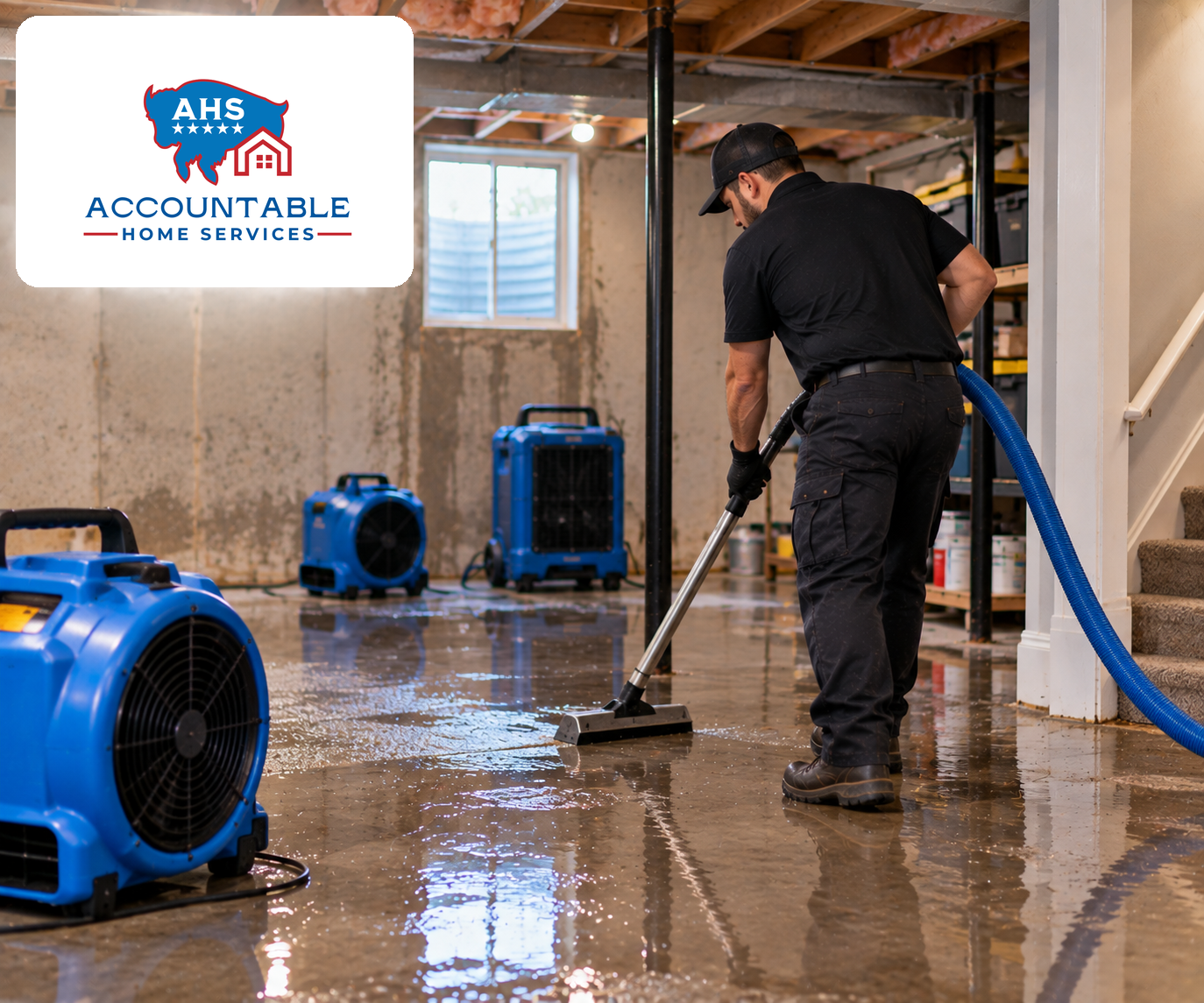
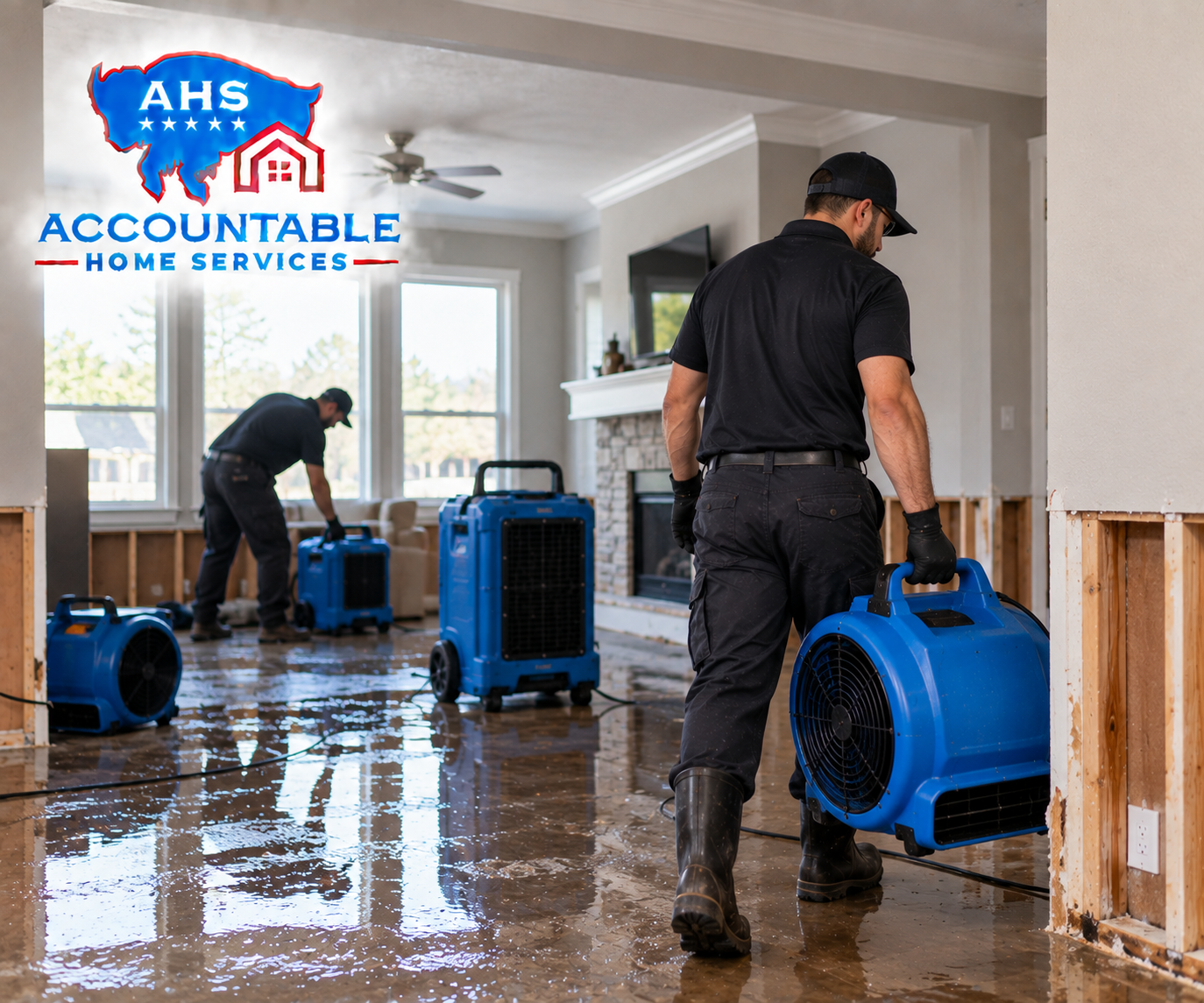
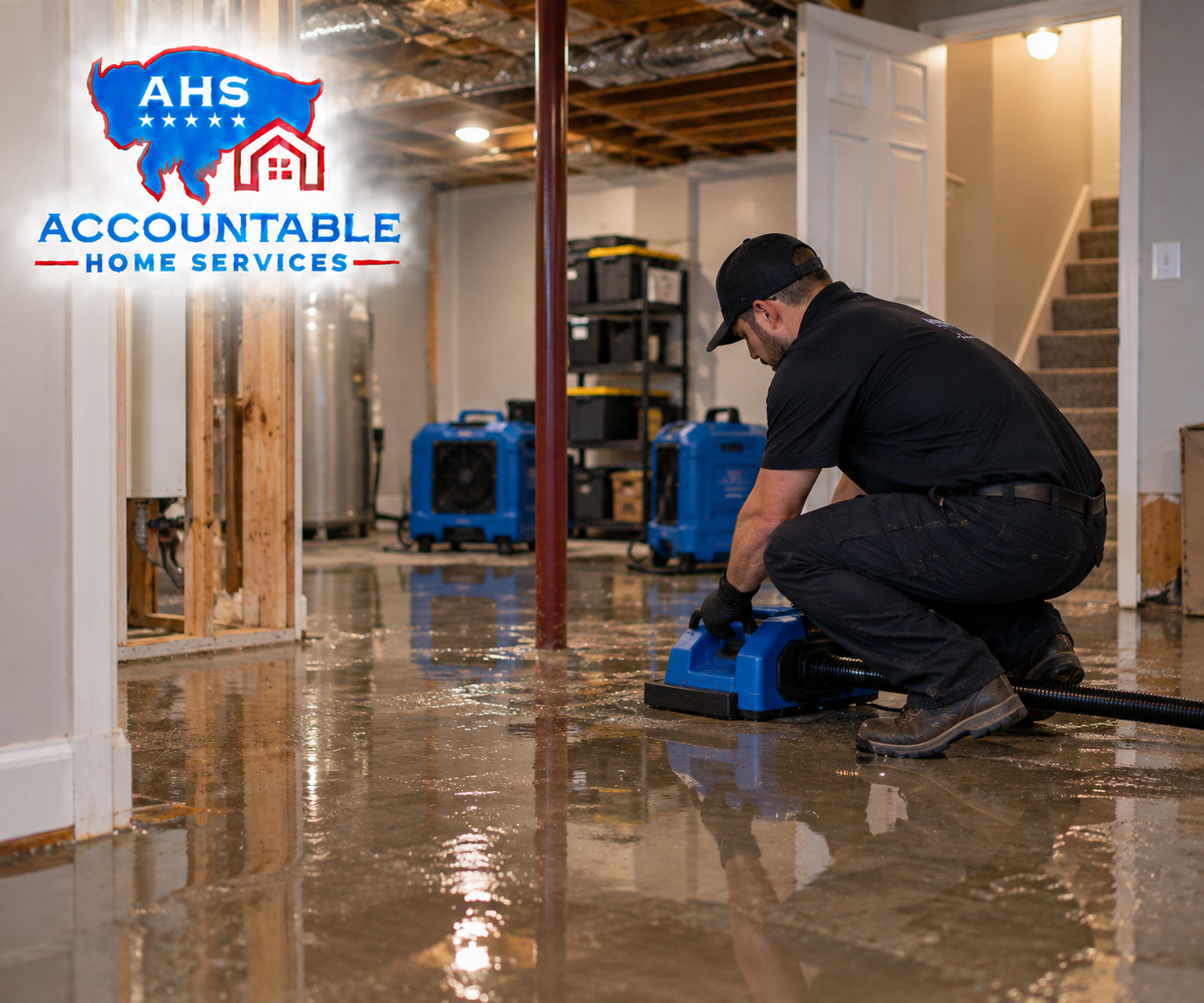
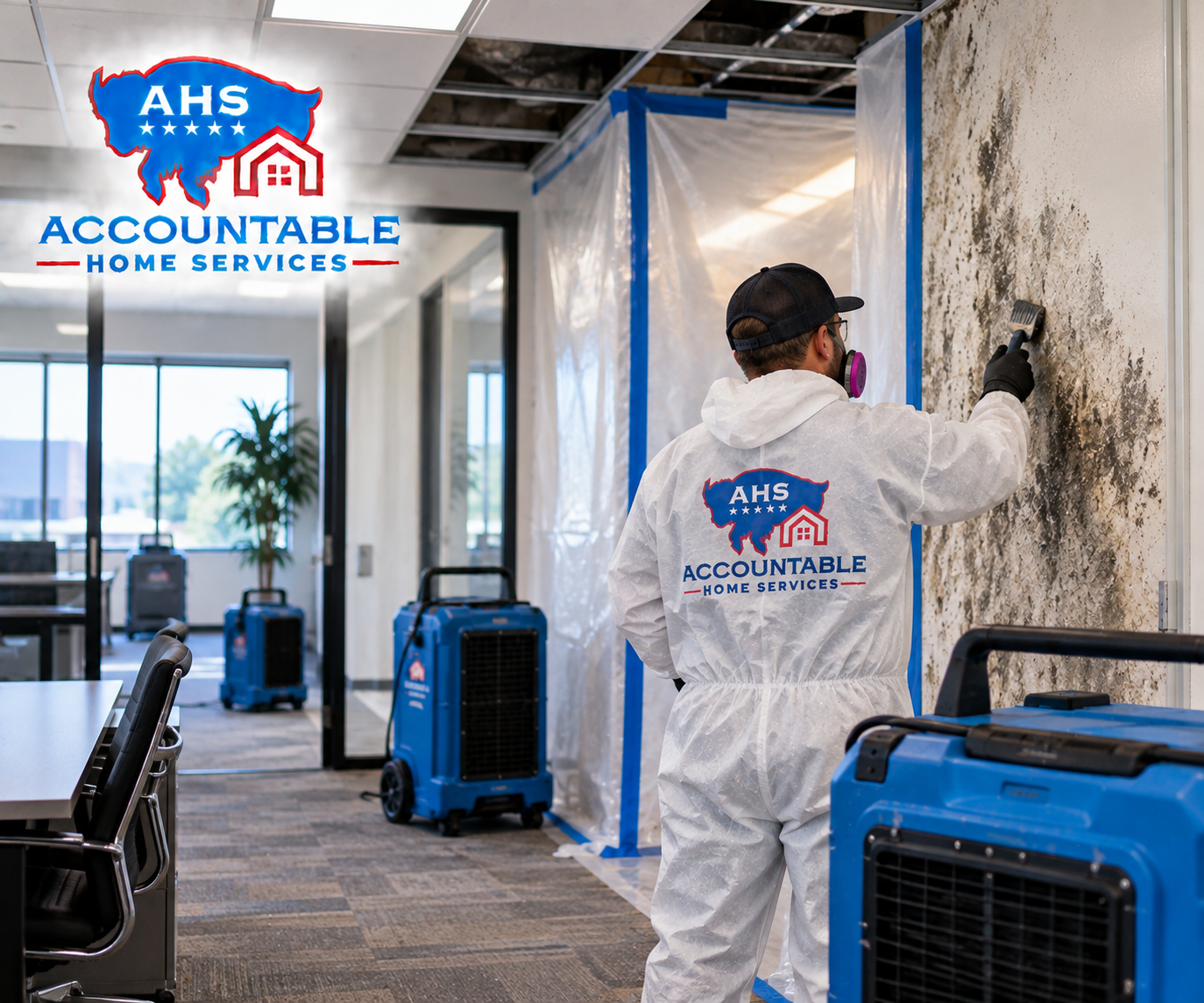
Because mold is moisture-driven, drying equipment matters just as much as cleaning products. Professional teams may use moisture meters, infrared cameras, air movers, and dehumidifiers to locate and dry affected areas.
This is especially important when dealing with mold after water damage. Even if surfaces look dry, moisture can remain inside walls, under flooring, or behind baseboards.
What About Black Mold Removal Products?
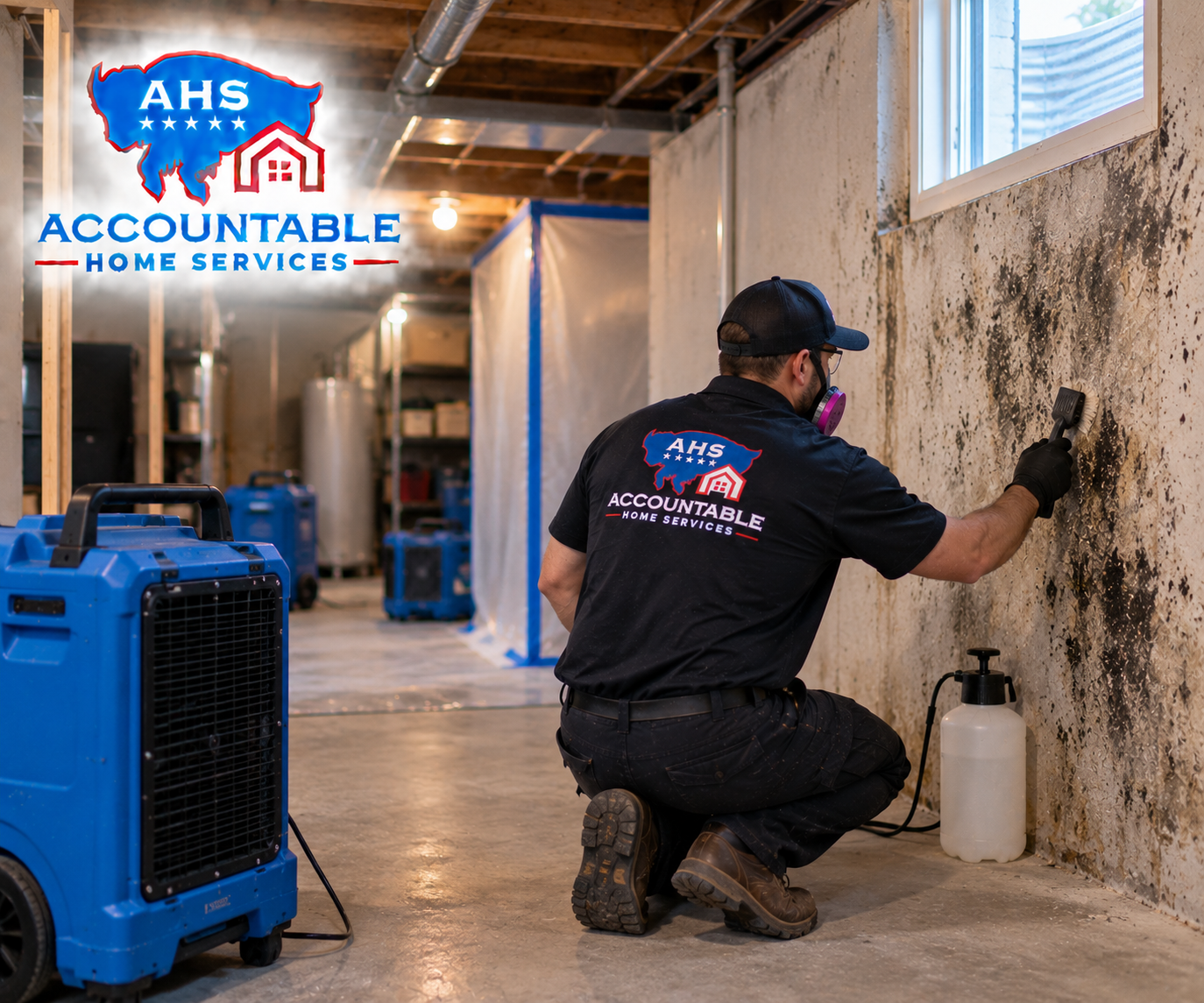
Many homeowners search for black mold removal products after seeing dark spots on drywall, wood, or bathroom surfaces. While some dark mold may be minor surface growth, color alone does not confirm the species or severity. Black, green, gray, brown, and white mold can all appear in homes.
If you see dark growth in a large area, smell a strong musty odor, or suspect hidden mold in walls, it is best not to rely on a spray bottle. Disturbing mold without containment can send spores into the air and into nearby rooms.
Call a qualified mold remediation Castle Rock CO team if black-looking growth appears near:
- Water-damaged drywall
- Basement framing
- Crawlspace materials
- HVAC areas
- Under sinks
- Around windows with repeated condensation
- Behind toilets, tubs, or showers
- Below roof or ceiling leaks
The goal is not just to treat the visible spot. The goal is to find out why the mold grew, remove affected materials when needed, clean the area properly, and prevent it from coming back.
Mold After Water Damage: Why Timing Matters
Water damage and mold are closely connected. A small supply line leak, sump pump issue, overflowing appliance, or roof leak can create the right conditions for mold growth if materials remain wet.
Common signs of mold after water damage include:
- Musty odors after drying appears complete
- Stains that spread or darken over time
- Peeling paint or bubbling drywall
- Warped baseboards
- Soft spots in walls or ceilings
- Allergy-like symptoms that seem worse indoors
- Mold growth behind furniture or stored boxes
In Castle Rock, basements and lower levels can be especially vulnerable because moisture may go unnoticed behind finished walls, under carpet, or in storage areas. If you had a leak and now suspect water damage mold, it is worth scheduling an inspection before the problem spreads.
Basement Mold in Castle Rock Homes
Basement mold Castle Rock homeowners discover often starts quietly. A basement may look clean while moisture builds behind drywall, around foundation walls, near window wells, or below carpet. Stored items can also trap humidity and restrict airflow.
Basement mold concerns may be linked to:
- Foundation seepage
- Poor drainage around the home
- Window well leaks
- Plumbing lines in finished walls
- Water heater or appliance leaks
- Damp storage boxes
- Carpet installed over previously wet areas
- Inadequate ventilation
Store-bought mold removal products may clean a small spot on a hard surface, but they cannot dry framing, remove contaminated insulation, or confirm whether mold has spread behind finished materials. A local remediation specialist can check moisture levels, inspect vulnerable areas, and recommend the right cleanup plan.
Bathroom Mold Removal: When DIY May Be Enough
Bathrooms are one of the most common places for mold because warm, humid air collects on tile, caulk, grout, ceilings, and painted surfaces. For minor surface growth, bathroom mold removal may involve improving ventilation, cleaning hard surfaces, replacing deteriorated caulk, and keeping the area dry.
DIY cleaning may be reasonable when:
- The affected area is small
- The surface is non-porous
- There is no ongoing leak
- The material is not soft or damaged
- Mold does not return quickly after cleaning
Professional help is recommended when:
- Mold keeps coming back
- The ceiling or wall is stained or soft
- There is a leak behind the shower or tub
- Flooring near the toilet or tub is swollen
- Growth appears inside cabinets or wall cavities
- You smell mold but cannot see it
A recurring bathroom mold problem often means moisture is trapped somewhere a surface cleaner cannot reach.
Hidden Mold in Walls
Hidden mold in walls is one of the biggest reasons homeowners should be careful with DIY treatment. Mold can grow inside wall cavities after pipe leaks, roof leaks, condensation, or flooding. The visible spot may be only a small clue.
Possible signs of hidden mold include:
- Persistent musty odor in one room
- Discoloration near baseboards or ceilings
- Paint bubbling or cracking
- Drywall that feels soft or damp
- Recent water damage nearby
- Mold appearing along seams or corners
- Unexplained staining around windows or plumbing fixtures
A professional inspection can help determine whether materials need to be opened, dried, removed, or treated. This is especially important if you are preparing to sell your home, finishing a basement, or repairing water damage.
Why Professional Mold Remediation Is Different
Professional remediation is not just stronger chemicals. It is a controlled process designed to reduce cross-contamination and address the source of the problem.
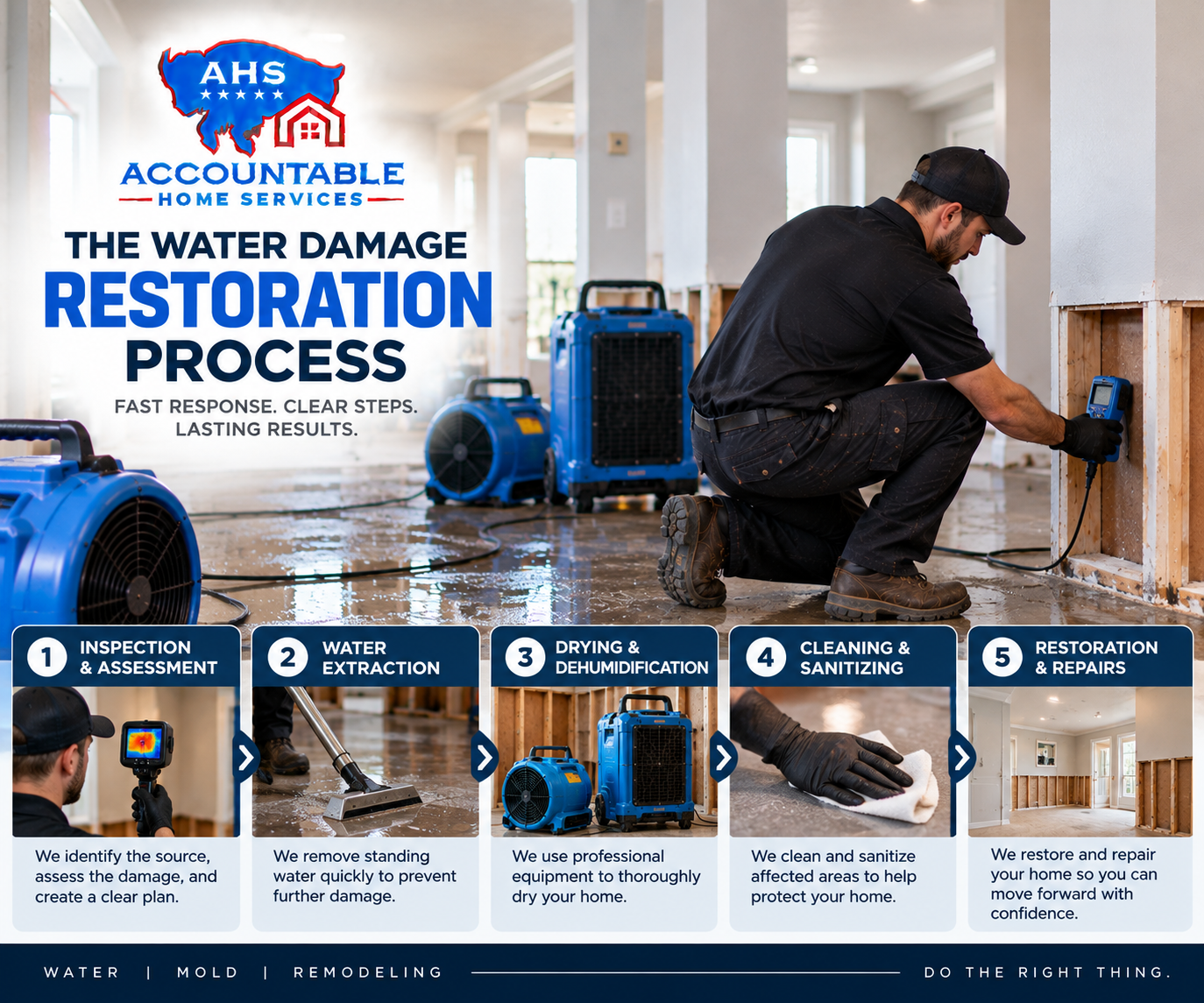
A typical process may include:
- Inspection and moisture assessment The technician looks for visible mold, water damage, moisture sources, and affected materials.
- Containment The work area may be isolated to help keep spores from spreading to clean areas of the home.
- Air filtration HEPA air scrubbers may be used to reduce airborne particles during cleanup.
- Removal of damaged materials Porous materials such as drywall, insulation, carpet pad, or contaminated debris may need to be removed.
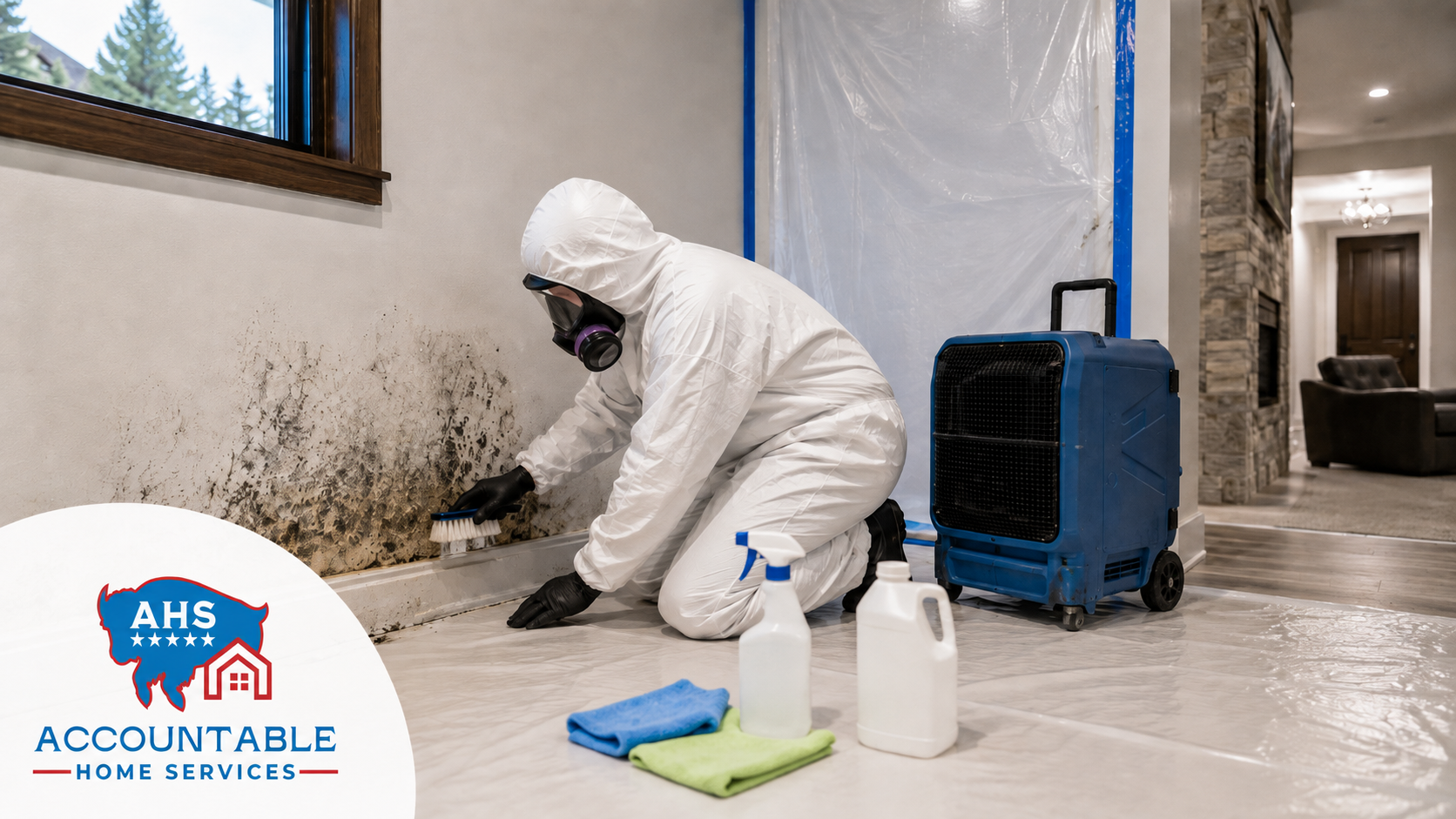
- Cleaning and HEPA vacuuming Surfaces are cleaned using appropriate methods and equipment.
- Application of appropriate products Professional mold remediation products may be used after cleaning, depending on the materials and situation.
- Drying and prevention guidance The team helps address moisture so mold is less likely to return.
This approach is why professional mold remediation is recommended for larger areas, water-related mold, hidden contamination, or growth affecting porous materials.
Choosing Mold Removal Products Safely
If you plan to use a mold cleaner for a small surface issue, follow product instructions carefully. Never mix cleaning chemicals, and avoid using harsh products in poorly ventilated areas. Wear gloves, eye protection, and a mask when cleaning visible growth.
For minor surface cleaning, focus on:
- Fixing the moisture source first
- Ventilating the area
- Cleaning only non-porous or sealed surfaces
- Drying the area completely
- Monitoring for return growth
Avoid DIY cleaning when mold covers a large area, follows flooding, affects porous materials, or may be inside walls. In those cases, call a mold remediation Castle Rock CO professional before disturbing the area.
Local Help for Mold Damage Restoration in Castle Rock
Mold problems can feel overwhelming, but the right help makes the next step clearer. Whether you are dealing with basement mold Castle Rock concerns, bathroom growth, mold after water damage, or suspected hidden mold in walls, a local team can inspect the affected area and recommend a practical plan.
Professional mold damage restoration Castle Rock services can help with cleanup, containment, material removal, drying, odor reduction, and prevention recommendations. The goal is to restore a cleaner, drier, healthier indoor environment without relying on guesswork.
Schedule a Mold Assessment
If you are unsure whether store-bought mold removal products are enough, it is better to ask before the problem grows. A trained remediation specialist can help determine whether you need simple cleaning, targeted removal, or a more complete restoration plan.
For dependable guidance on mold removal Castle Rock CO, contact a local mold remediation professional today. Get answers, protect your home, and take the next step toward a safer, drier living space.