Mold Remover Spray in Louisville, CO: When It Helps and When It’s Not Enough
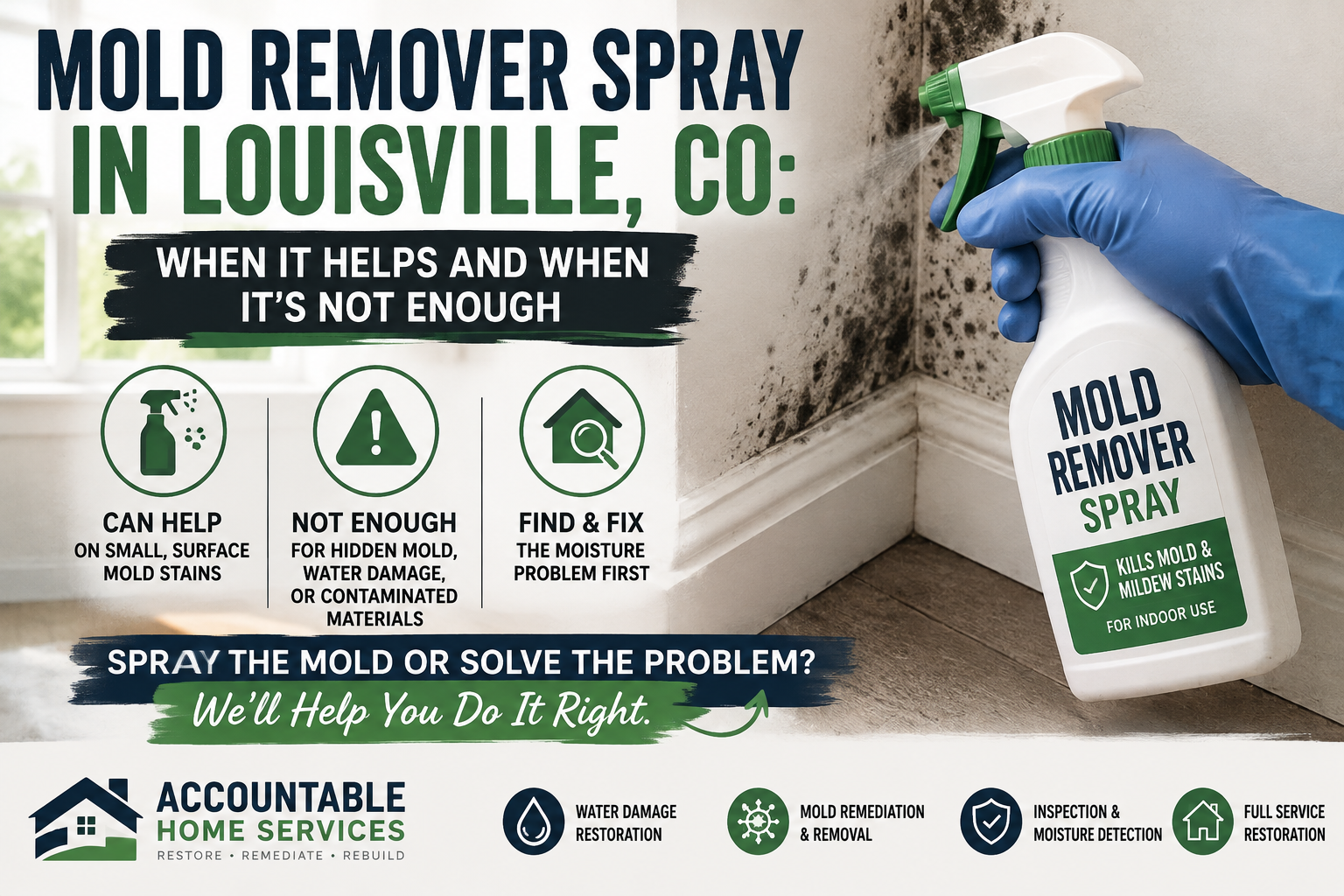
Mold Remover Spray in Louisville, CO: When It Helps and When It’s Not Enough
A practical spray for small mold cleanup at home
Mold can make a home feel less comfortable fast, especially in damp bathrooms, laundry rooms, basements, and areas affected by leaks. If you’re looking for mold remover spray Louisville CO homeowners can use for minor surface cleanup, the right product can be a helpful first step.
Our mold remover spray is designed for everyday, non-emergency mold cleaning on hard, non-porous household surfaces. It can help with light surface staining, musty trouble spots, and routine maintenance in moisture-prone spaces. But just as important, it helps you understand when a spray is not enough — especially if you are dealing with basement mold Louisville homes often experience after seepage, flooding, or long-term humidity.
This page is your homeowner-friendly guide to choosing a mold remover spray, using it wisely, and knowing when to call for professional mold remediation instead.
Best for small, visible mold on cleanable surfaces
A quality mold cleaner works best when the mold is limited, visible, and located on a surface that can be cleaned without damaging the material.
Use mold remover spray for areas like:
- Bathroom tile and grout
- Shower surrounds
- Sink backsplashes
- Sealed countertops
- Vinyl window frames
- Non-porous basement surfaces
- Small spots on painted walls, when the paint is intact
- Laundry room surfaces near washers or utility sinks
For many homeowners, bathroom mold removal is the most common reason to keep a spray on hand. Bathrooms collect steam, condensation, and soap residue, creating ideal conditions for small mold and mildew patches. A spray can help clean visible growth and freshen the area when used as directed.
It may also be useful as a mold cleaner for walls when the issue is minor and the wall surface is sealed, painted, and not soft, bubbling, crumbling, or damp inside.
What this mold remover spray helps with
Our spray is made for practical home use, with a focus on convenience, targeted application, and surface cleaning.
Helpful cleaning support
A mold remover spray can help loosen and remove visible surface mold and mildew from compatible materials. It is especially useful for touch-ups in bathrooms, around windows, and in other areas where moisture briefly collects.
Easy application
The spray format makes it simple to apply product directly where you need it, without mixing buckets or over-wetting the surrounding area.
Great for maintenance
After a leak has been fixed, ventilation has been improved, or humidity has been reduced, a spray can help maintain clean surfaces and reduce visible recurring spots.
Useful before stains become stubborn
Fresh, light mold stains are usually easier to address than growth that has been ignored for months. Keeping a product available can help you respond quickly when you notice small patches.
When mold remover spray may be enough
A spray may be a reasonable DIY option if all of the following are true:
- The affected area is small and easy to see
- The mold is on a hard or sealed surface
- The surface is not water-damaged
- There is no ongoing leak or dampness
- There is no strong, persistent musty odor
- No one in the home is experiencing symptoms they believe may be related to the affected area
- The mold does not keep returning after cleaning
For example, a small patch in a shower corner or a little mildew on a window track is often a good candidate for a targeted cleaner. In these cases, the key is not only cleaning the mold, but also correcting the moisture source. That may mean running the bath fan longer, opening a window when weather allows, wiping down shower walls, or improving airflow.
When spray is not enough
Mold is usually a moisture problem first and a cleaning problem second. If the moisture source remains, mold can return even after repeated spraying.
A spray is not a complete solution for:
- Mold after water damage from flooding, plumbing leaks, roof leaks, or appliance failures
- Water damage mold inside drywall, insulation, flooring, or framing
- Large areas of growth
- Mold that keeps coming back
- Soft, swollen, crumbling, or stained building materials
- Musty odors without visible mold
- Suspected hidden mold in walls
- Mold in HVAC systems or ductwork
- Sewage-related water damage
- Crawl space or foundation moisture problems
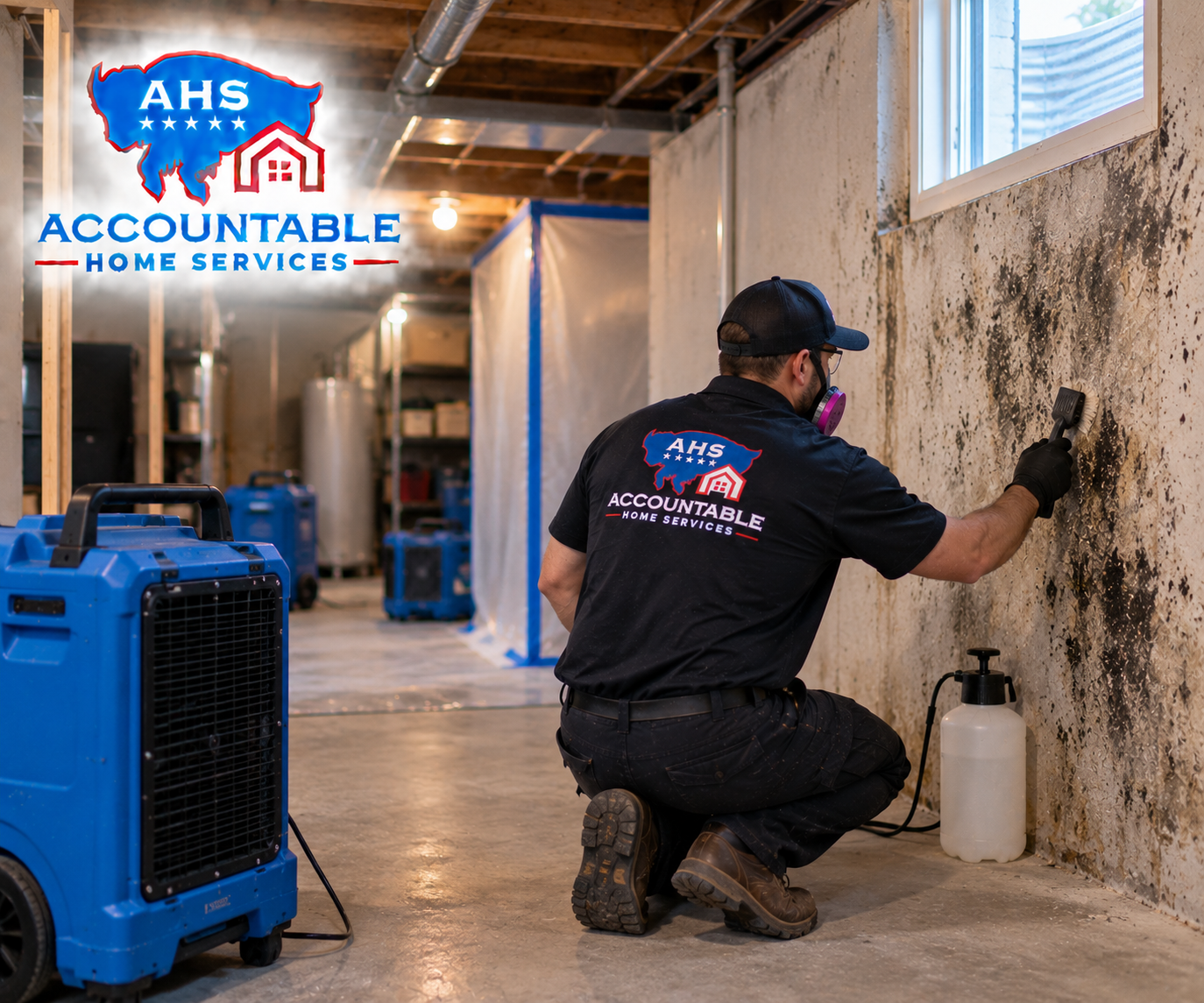
If mold appears after a basement leak, burst pipe, or sump pump issue, you may need mold damage restoration Louisville support rather than a surface cleaner. Spray can clean what you can see, but it cannot dry building materials, remove contaminated drywall, treat cavities, or verify that the structure is safe and dry.
A note about black mold remover spray
Many homeowners search for black mold remover spray when they see dark spots on grout, drywall, wood, or basement surfaces. Dark mold can look alarming, but color alone does not tell you exactly what type of mold it is or how serious the problem may be.
A spray may help with small, dark surface spots on non-porous materials, but it should not be relied on for widespread growth, recurring mold, or mold on porous materials. If you suspect a larger issue, especially after water damage, it is safer to have the area evaluated by a qualified mold professional.
Why Louisville, CO homes can be vulnerable to mold
Louisville homes can experience mold for many of the same reasons homes throughout Colorado’s Front Range do: seasonal storms, snowmelt, basement moisture, aging plumbing, roof leaks, bathroom humidity, and poor ventilation in tightly sealed spaces.
Basements are especially important to watch. Basement mold Louisville homeowners discover often begins with small signs: a musty smell, discoloration near baseboards, damp carpet edges, condensation, or staining around foundation walls. A spray can help clean a small visible spot, but basement mold often deserves a closer look because moisture can travel behind walls, under flooring, and into stored belongings.
If you are searching for mold removal Louisville CO, think of spray as one tool — not a replacement for finding and fixing the cause.
Product features homeowners appreciate
Our mold remover spray is selected for simple, practical use around the home.
Key features include:
- Targeted spray application for small areas
- Suitable for many hard, non-porous household surfaces
- Helpful for bathroom, laundry, and utility room maintenance
- Convenient for spot treatment
- Designed for visible surface mold and mildew cleanup
- Easy to store with other household cleaning supplies
- Useful as part of a broader moisture-control routine
Always read the label before use. Compatibility, dwell time, rinsing instructions, ventilation needs, and safety precautions can vary by formula.
Benefits beyond cleaning
A good mold cleaner can do more than improve appearance. When used properly, it can help homeowners take quick action before minor surface growth becomes a bigger nuisance.
Cleaner-looking rooms
Mold and mildew can make tile, grout, caulk, and wall surfaces look neglected. A surface spray can help restore a cleaner appearance in high-moisture spaces.
Faster response to small issues
Instead of waiting until a small patch spreads, you can address visible mold promptly.
Better home maintenance habits
Using a spray often makes homeowners more aware of where moisture collects. That awareness can lead to better ventilation, quicker leak repairs, and improved humidity control.
Peace of mind for minor surface spots
For small, manageable areas, having the right cleaner nearby can make home care feel less overwhelming.
How to use mold remover spray safely
Before applying any mold cleaner, check the product label and test a small hidden area when appropriate.
General use steps often include:
- Put on gloves and make sure the area is well ventilated.
- Remove nearby items that do not need to be treated.
- Spray the affected surface according to label directions.
- Allow the product to sit for the recommended amount of time.
- Wipe, scrub, or rinse as directed.
- Dry the area thoroughly.
- Correct the moisture source so the mold is less likely to return.
Do not mix mold cleaning products with other household chemicals. Mixing cleaners can create unsafe fumes. If you are unsure what was previously used on the surface, clean cautiously and follow label guidance.
Specifications and product details
Because product formats can vary, check the current label or product listing for exact details before purchasing.
Typical details to review include:
- Bottle size
- Approved surface types
- Indoor or outdoor suitability
- Scent or fragrance information
- Active cleaning ingredients
- Required dwell time
- Rinse or no-rinse instructions
- Personal protective equipment recommendations
- Storage instructions
- Disposal guidance
If you need help choosing the best mold remover spray for your situation, consider the surface, the size of the affected area, and whether the moisture source has been fixed. For small bathroom spots, a household spray may be appropriate. For wet drywall, damp carpet, or mold following a leak, professional help may be the better choice.
Pricing and availability
Pricing may vary based on bottle size, formula, quantity, and current availability. For the most accurate price, check the current product listing or contact us for assistance.
If you are in or near Louisville, ask about local availability, recommended use cases, and whether your situation is suitable for DIY cleaning or should be reviewed by a remediation specialist.
Spray vs. professional mold remediation
A mold remover spray is designed for surface cleaning. Mold remediation Louisville services are designed to address contamination, moisture, damaged materials, containment, removal, and prevention.
Choose spray when:
- The area is small
- The surface is hard and cleanable
- There is no active leak
- There is no structural damage
- The mold does not return after cleaning
Choose professional mold remediation when:
- The mold covers a larger area
- You smell mold but cannot see it
- The mold is inside walls, ceilings, or floors
- The issue followed a flood, leak, or plumbing failure
- Drywall, insulation, carpet, or wood may be contaminated
- You need containment, drying, removal, or restoration
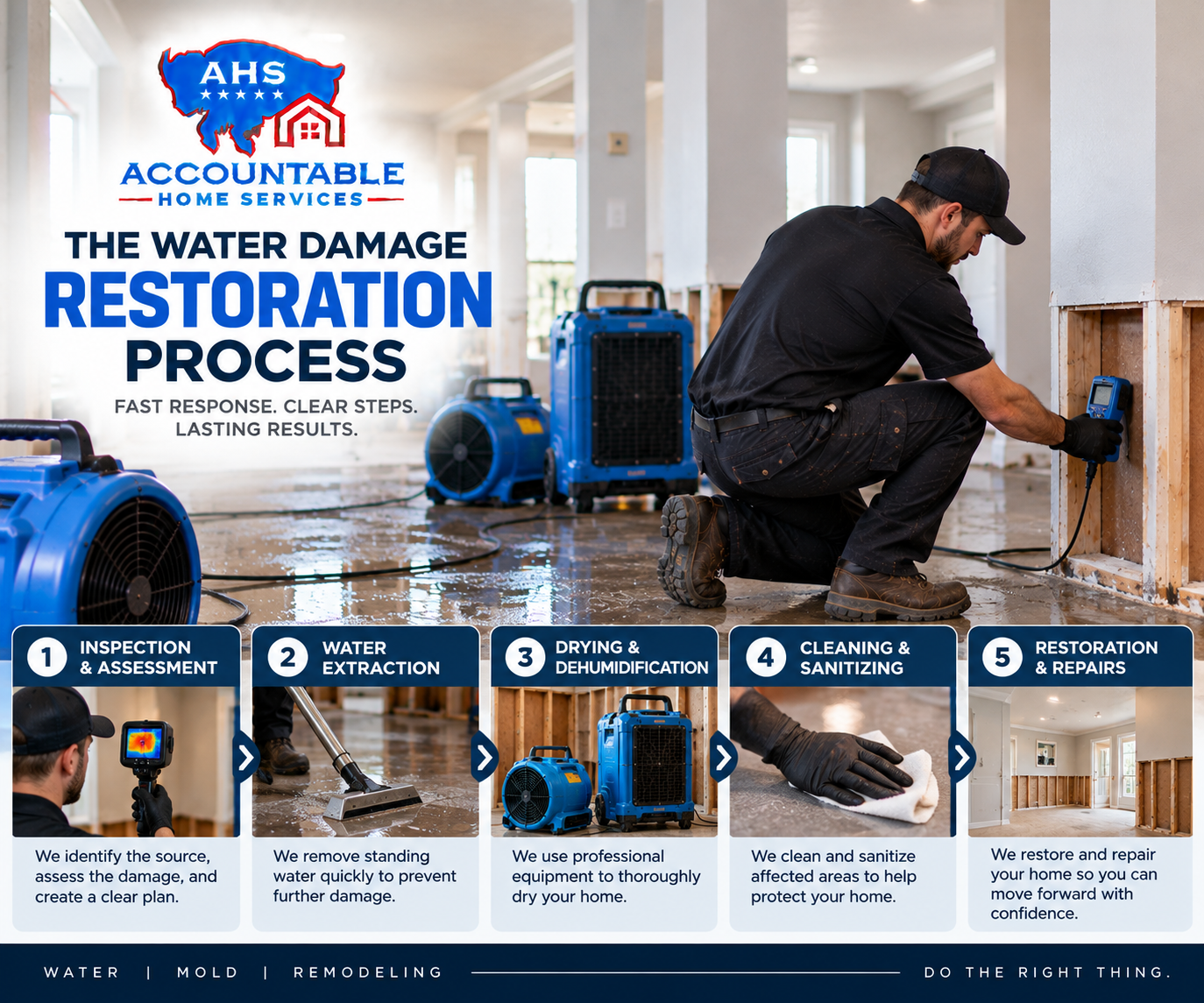
Professional remediation may include inspection, moisture readings, containment, safe material removal, cleaning, drying, and guidance to prevent future growth. That level of service is important when mold is not just sitting on the surface.
Why the moisture source matters most
Cleaning visible mold without fixing moisture is like mopping up a puddle while the faucet is still running. The area may look better for a little while, but the problem is likely to return.
Common moisture sources include:
- Leaky supply lines
- Slow drain leaks
- Roof or flashing problems
- Condensation around windows
- Poor bathroom ventilation
- Basement seepage
- High indoor humidity
- Wet carpet or padding
- Appliance leaks from washers, dishwashers, or water heaters
Before you rely on any spray, ask: “Why did mold grow here in the first place?” If the answer is unclear, you may need a closer inspection.
Frequently asked questions
Can I use mold remover spray on drywall?
Sometimes, but only for small surface spots on intact, painted drywall, and only if the product label allows it. If drywall is soft, wet, stained, swollen, or crumbly, spray is not enough. The material may need professional evaluation or removal.
Will spray remove hidden mold in walls?
No. Hidden mold in walls cannot be properly treated from the outside with a surface spray. If you smell mustiness, see staining, or know there was water intrusion, it is best to investigate further.
Is mold remover spray enough after a leak?
Not always. Mold after water damage can grow behind baseboards, under flooring, and inside wall cavities. If materials stayed wet for an extended period or the area was not professionally dried, consider a mold or water damage specialist.
What if the mold keeps coming back?
Recurring mold usually means moisture is still present. Improve ventilation, reduce humidity, repair leaks, and consider professional help if the source is not obvious.
Do I need professional mold remediation?
You may need professional mold remediation if the affected area is large, hidden, recurring, or connected to water damage. When in doubt, ask for guidance before spending time and money on repeated DIY cleaning.
A homeowner-smart way to buy
Mold remover spray is a helpful product when it is used for the right job. It can be a smart purchase for routine cleaning, bathroom maintenance, and small visible surface spots. But it is not a magic fix for water damage, contaminated materials, or mold hidden inside the home.
If you need simple surface cleaning, choose a quality spray, follow the directions, and keep the area dry. If you are dealing with basement moisture, lingering odors, or water damage mold, step back and get the situation properly assessed.
Ready to choose the right solution?
If you need a reliable mold remover spray for small household mold and mildew spots, we can help you select the right option for your surface and situation. And if your home needs more than a spray, we can point you toward proper mold removal Louisville CO and remediation support.
Start with the right product. Know when to stop DIY. Protect your home with practical, informed mold care.