Water in Your Basement in Superior, CO? What Homeowners Should Do First
Water in Your Basement in Superior, CO? What Homeowners Should Do First
When you find water in your basement in Superior, CO, it can be stressful — especially during a fast-moving storm, spring snowmelt, or after a sump pump stops working. The first few minutes matter, but the right response does not have to be complicated. Focus on safety, stop what you can, document the damage, and get professional help when moisture may have spread beyond what you can see.
Our local basement water damage team helps Superior homeowners respond quickly to water intrusion, reduce further damage, and plan the next steps with confidence. Whether you are dealing with storm water in basement areas, foundation seepage, a plumbing leak, or a sump pump failure, the goal is the same: remove the water, dry the structure properly, and help prevent the issue from coming back.
First: Make Sure the Area Is Safe
Before stepping into a wet basement, pause and check for hazards. Water and electricity are a dangerous combination, and basement flooding can also involve contaminated water, slippery surfaces, damaged flooring, or weakened materials.
If you see standing water near outlets, electrical panels, appliances, extension cords, or HVAC equipment, do not enter the area. If you can safely shut off power from a dry location, do so. If not, contact the utility provider or a qualified electrician before going downstairs.
Avoid contact with water if it may contain sewage, outside runoff, chemicals, or debris. Floodwater from storms can carry contaminants, especially if it entered through window wells, exterior drains, garage entries, or foundation cracks. If you are unsure where the water came from, treat it cautiously.
Call for help right away if:
- Water is near electrical components
- The basement has more than minor pooling
- The source is unknown or still active
- There are signs of sewage backup
- Drywall, insulation, carpet, or wood framing is wet
- You smell musty odors or suspect hidden moisture
- You are concerned about mold after water damage
Stop the Source If You Can Do It Safely
Once safety is addressed, the next step is to limit additional water. The right action depends on where the water is coming from.
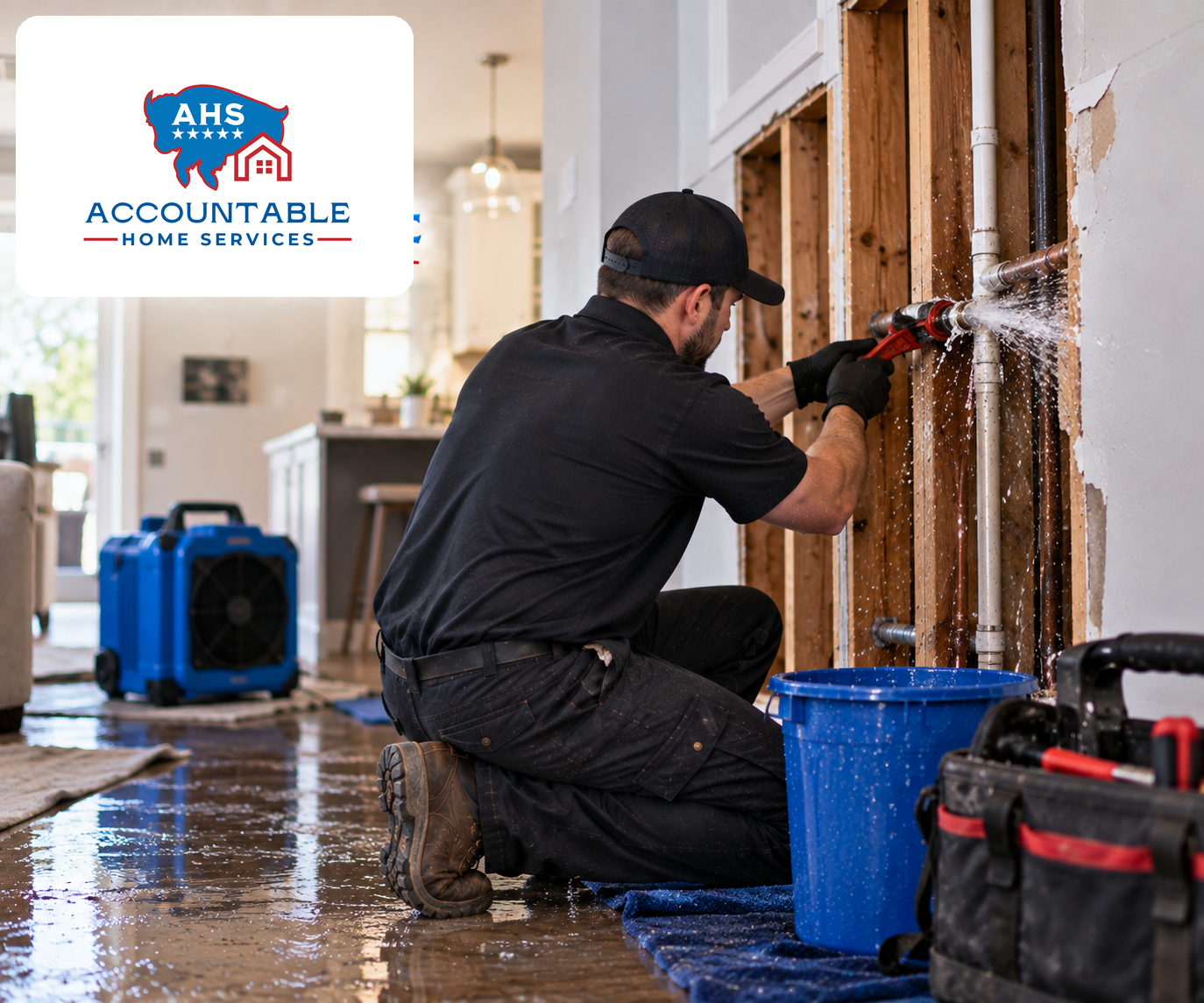
If the issue is plumbing-related, shut off the water supply to the fixture or the main water valve if needed. If the problem is a failed water heater, washing machine hose, supply line, or basement bathroom fixture, stopping the flow quickly can reduce the amount of basement water damage.
If you have water coming into basement spaces during heavy rain, check exterior drainage only if conditions are safe. Downspouts may be disconnected, window wells may be filling, or water may be pooling along the foundation. Do not attempt exterior fixes during lightning, active flooding, or unsafe conditions.
Common causes of basement water Superior homeowners deal with include:
- Heavy rain or rapid snowmelt
- Poor grading around the home
- Clogged or short downspout extensions
- Window well drainage problems
- Cracks in foundation walls or floors
- Hydrostatic pressure pushing water through concrete
- Failed or overwhelmed sump pumps
- Sewer or floor drain backups
- Leaking pipes, appliances, or fixtures
Some sources are obvious. Others require moisture mapping, inspection, or leak detection. If water continues to enter the basement or you cannot identify the source, it is time to call a professional.
Document Everything Before Cleanup Moves Too Far
If you may file a water damage insurance claim Colorado homeowners should document the situation as early as possible. You do not need to delay emergency mitigation, but you should capture clear evidence before items are moved, removed, or dried.
Take photos and videos of:
- The area where water entered
- Standing water or wet flooring
- Wet drywall, trim, cabinets, stairs, or contents
- Damaged boxes, furniture, rugs, and personal items
- Appliances, sump pump equipment, drains, or plumbing failures
- Exterior drainage problems if visible
Make a simple written timeline. Include when you first noticed the water, what the weather was like, what rooms were affected, what actions you took, and who you contacted. Save receipts for emergency services, cleanup supplies, temporary repairs, equipment rental, or hotel stays if applicable.
Insurance policies vary, and coverage depends on the source of the water and the details of your policy. A mitigation company can often provide moisture documentation, photos, drying logs, and scope notes that may help support your claim, but your insurance carrier or agent is the best source for coverage decisions.
Remove What You Can — But Do Not Assume the Basement Is Dry
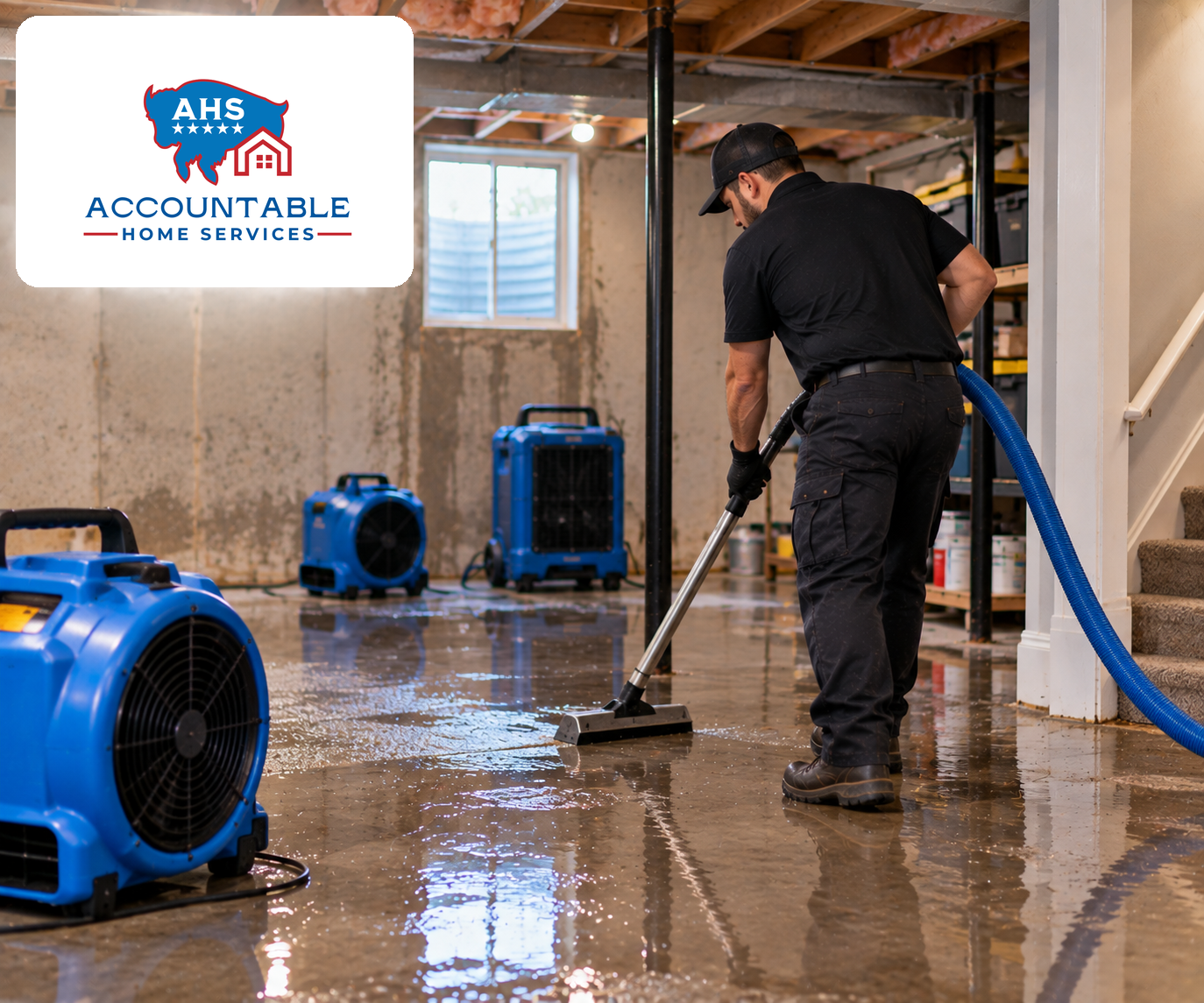
For small, clean-water leaks, you may be able to move dry belongings out of the affected area, lift items off wet floors, and use towels or a wet/dry vacuum if it is safe. Open interior doors to improve air circulation, but avoid using fans if the water may be contaminated or if mold growth is already visible.
The biggest risk after visible water is removed is moisture that remains inside materials. Carpet padding, baseboards, drywall, insulation, subflooring, framing, and stored contents can hold water long after the surface looks normal. This is where hidden moisture becomes a problem.
In Superior homes, finished basements can conceal moisture behind walls, under luxury vinyl plank, beneath carpet, inside cabinets, and around foundation edges. Concrete can also wick moisture, especially when foundation seepage is involved. Without proper drying, materials may warp, stain, separate, or develop odor.
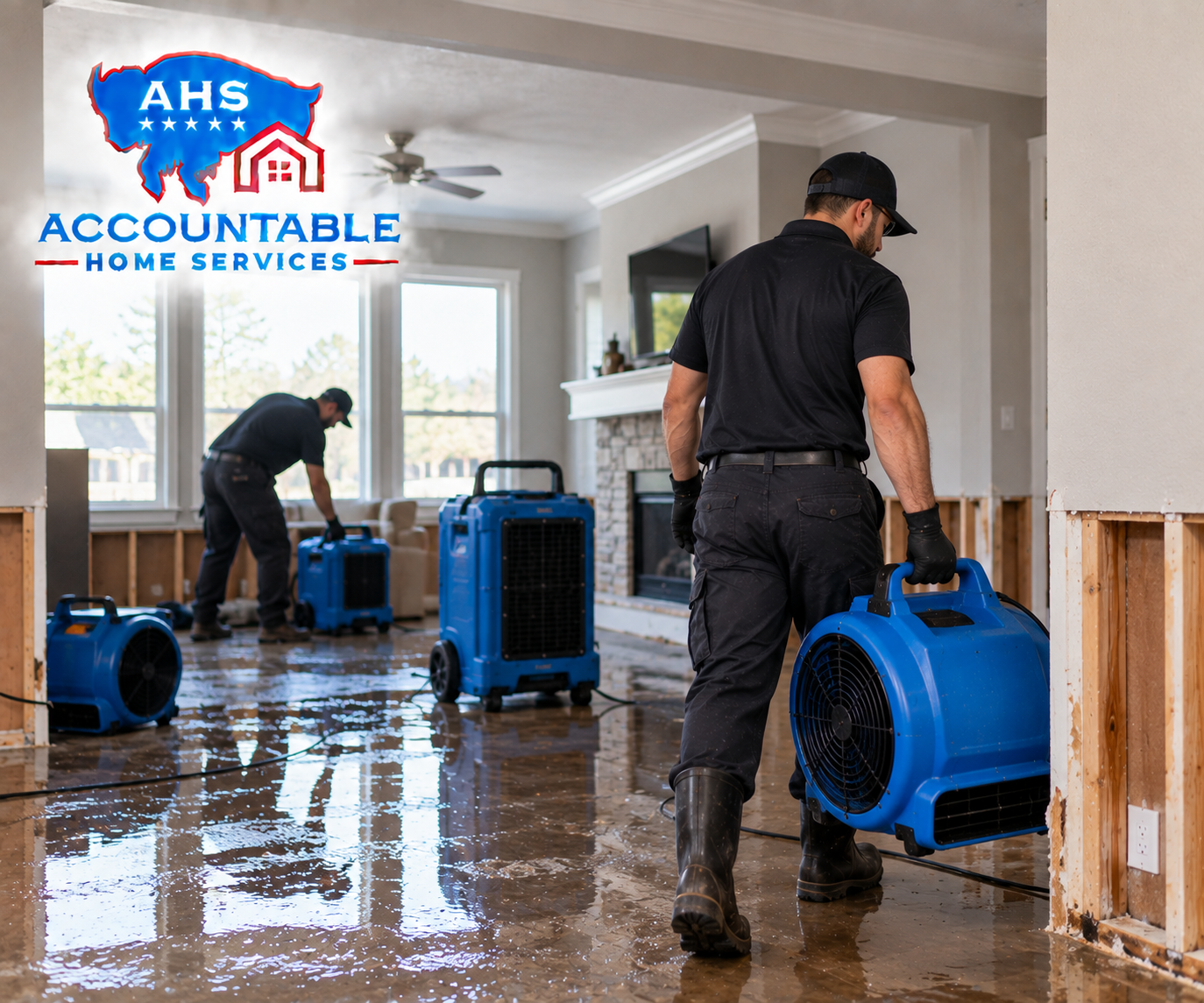
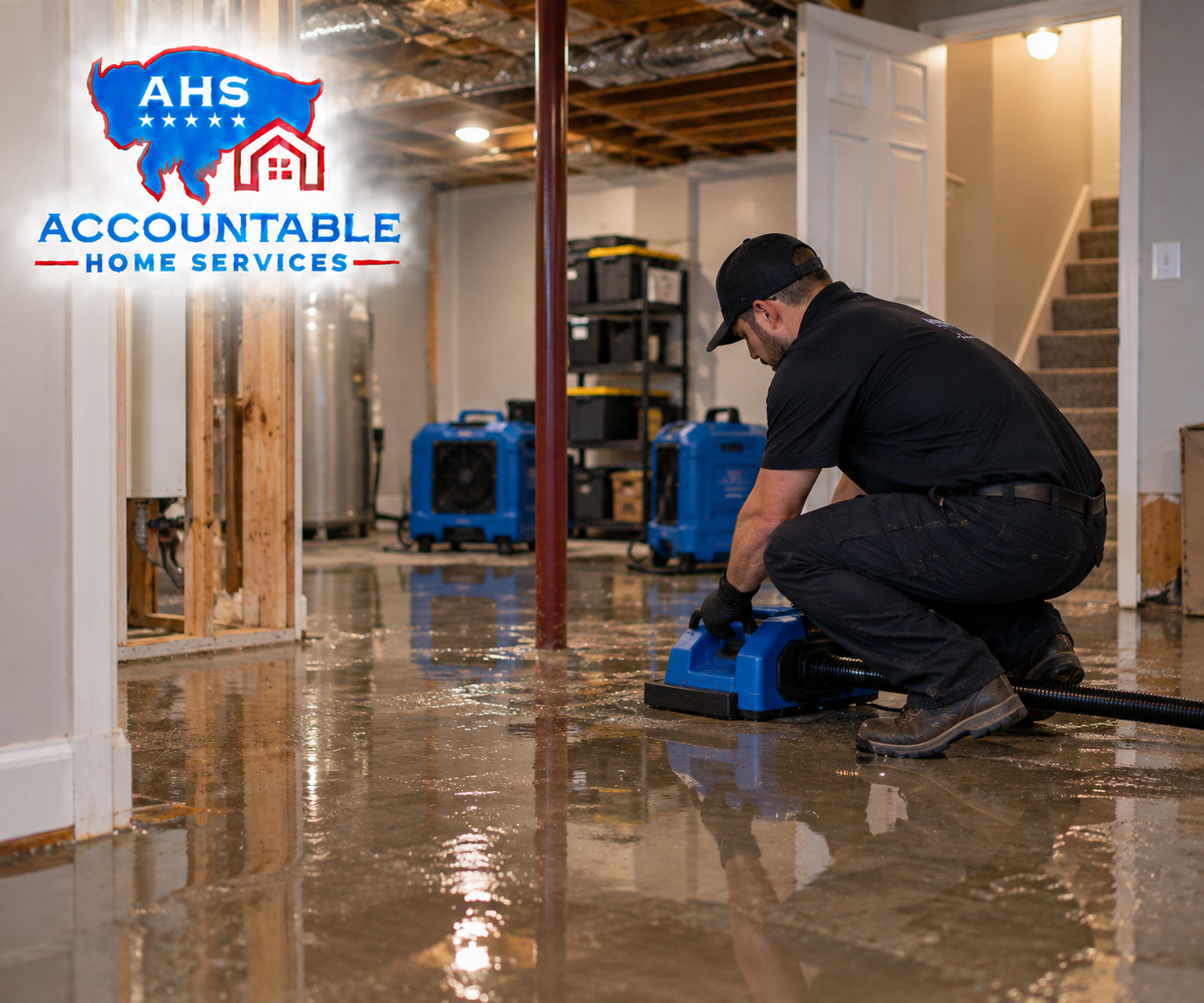
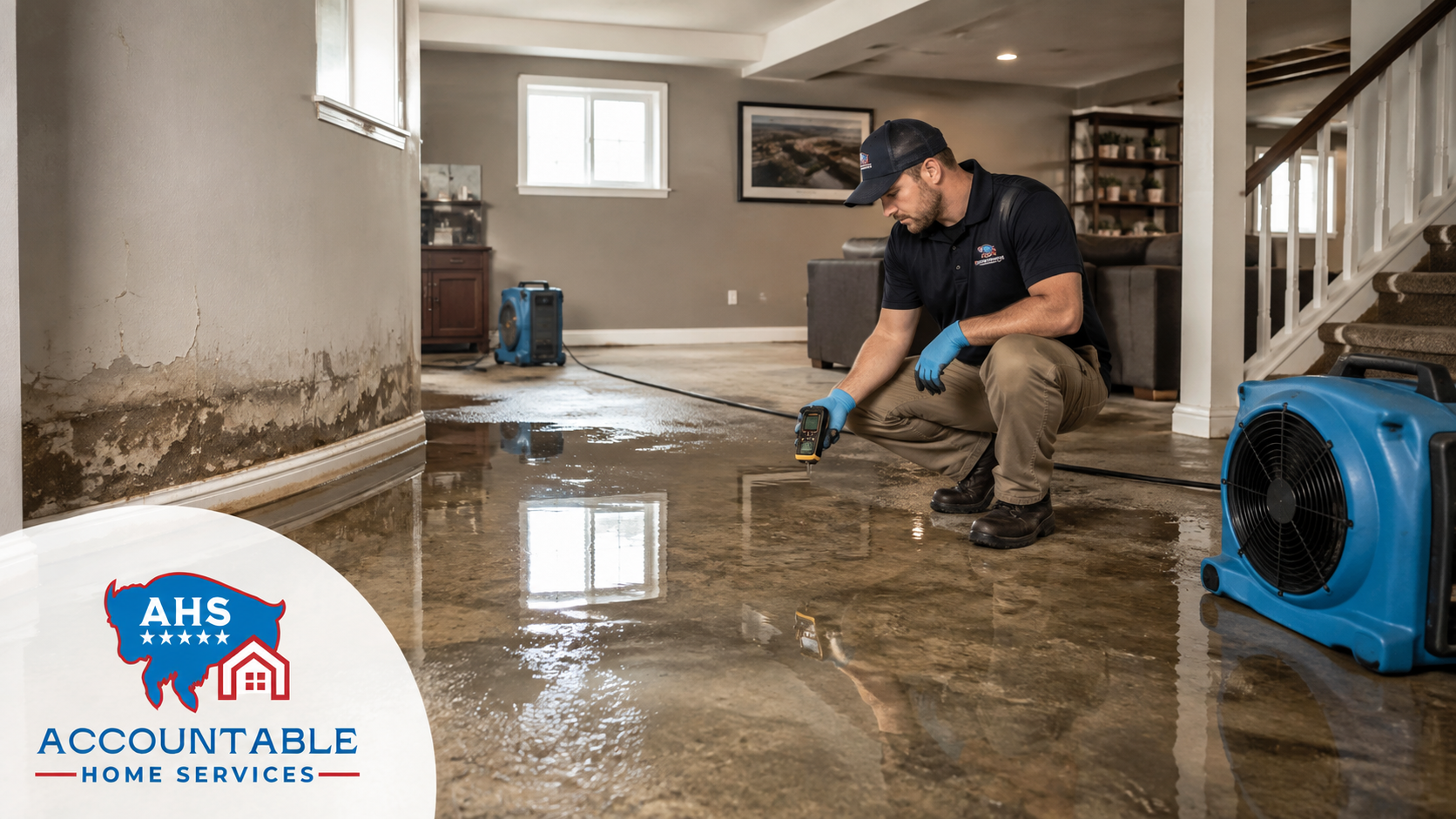
A professional water mitigation Superior CO team uses moisture meters, thermal imaging where appropriate, extraction equipment, air movers, dehumidifiers, and drying plans to remove moisture from affected areas. The goal is not just to make the room look dry — it is to confirm that structural materials are drying to appropriate levels.
When to Call a Basement Water Professional
Call for professional mitigation if water affected more than a small, isolated area or if you are unsure how far it spread. Basement water can move under flooring, behind walls, and into adjacent rooms quickly.
Professional help is recommended for:
- Basement flooding Superior homeowners cannot fully remove with towels or a small vacuum
- Water entering through cracks, walls, window wells, or slab edges
- Wet carpet, carpet pad, drywall, insulation, or built-ins
- A sump pump failure during or after a storm
- Musty odors after cleanup
- Visible staining, swelling, or bubbling paint
- Any concern about mold after water damage
- Repeated leaks or suspected structural seepage
- Water from outside runoff, drains, or sewage sources
Calling early can reduce the amount of demolition needed, help preserve salvageable materials, and create a clearer record for insurance. Emergency drying is often most effective when started quickly.
What to Expect From Water Mitigation and Restoration
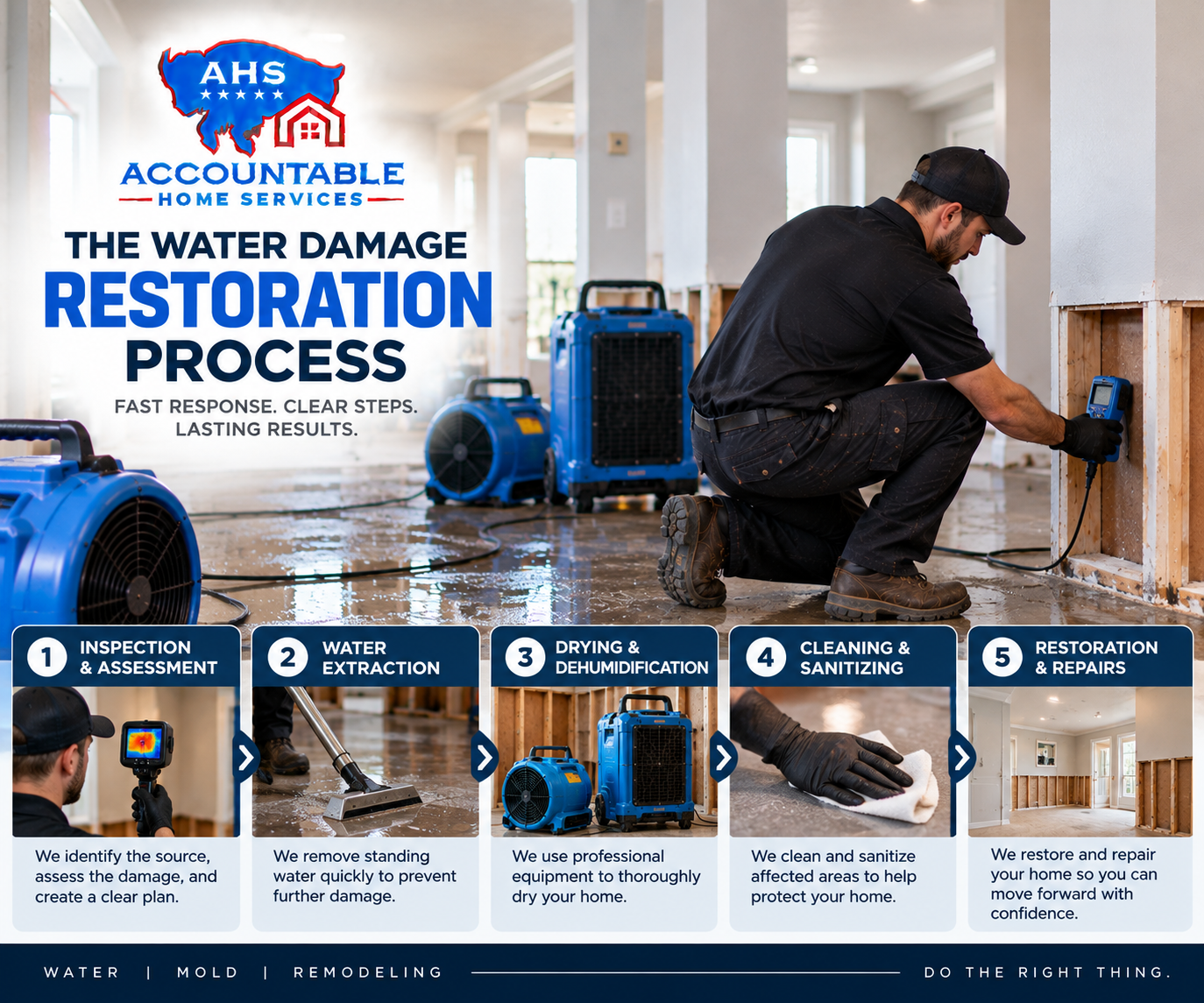
A reputable water damage restoration Superior service should begin with assessment and safety. The team will identify affected areas, evaluate the category and extent of water, and determine whether materials can be dried in place or need removal.
A typical mitigation process may include:
- Inspection and moisture mapping Technicians check floors, walls, baseboards, cabinets, and nearby rooms to understand how far water traveled.
- Water extraction Standing water is removed from floors, carpet, and accessible areas using professional extraction equipment.
- Content protection Belongings may be moved, elevated, inventoried, or protected from further damage.
- Selective material removal Saturated carpet pad, damaged trim, wet drywall, or insulation may need to be removed depending on contamination and moisture levels.
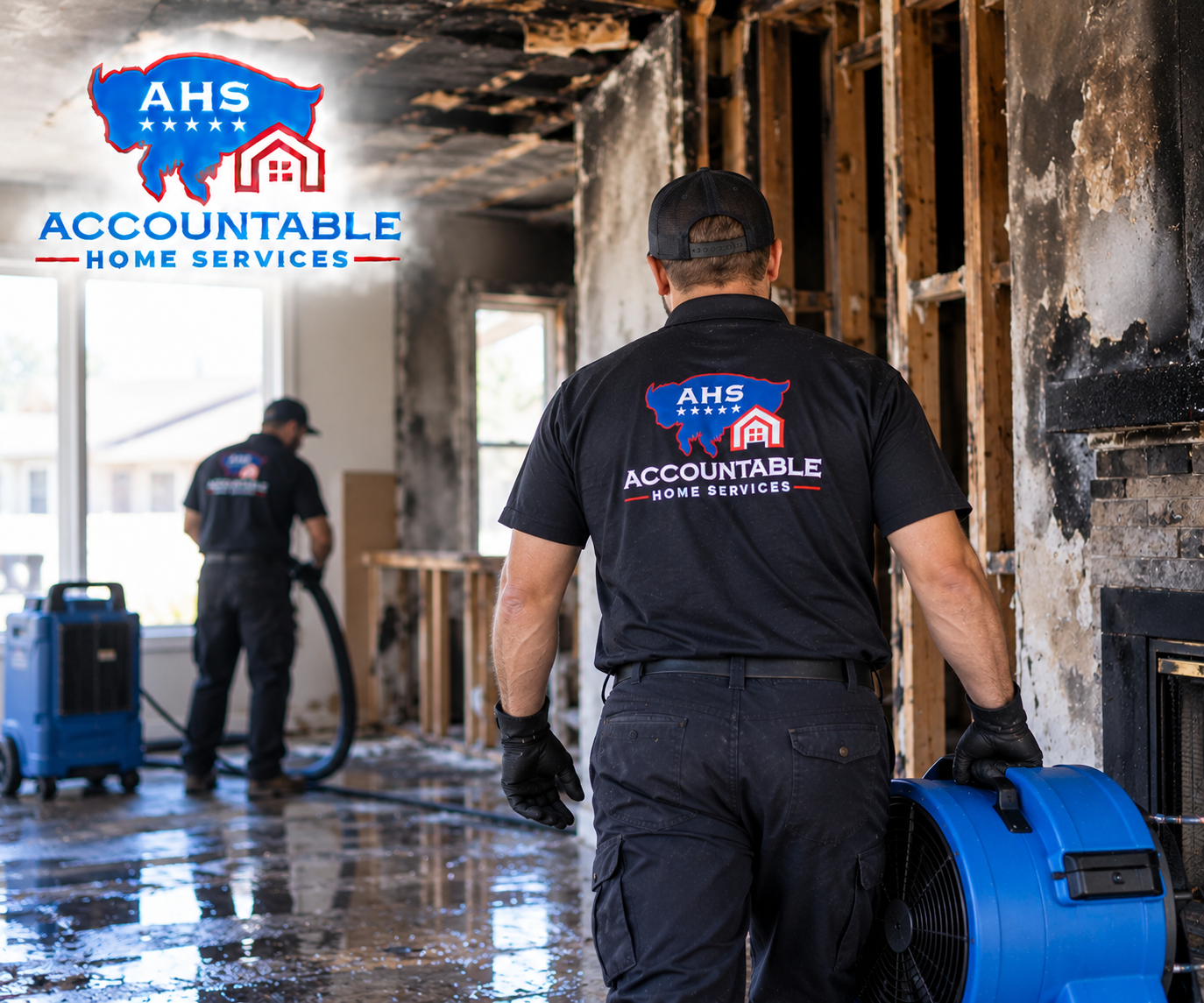
- Structural drying Air movers and dehumidifiers are placed to dry framing, concrete, flooring systems, and other affected materials.
- Monitoring Moisture readings are checked over time to confirm drying progress and adjust equipment as needed.
- Cleaning and preparation for repairs Once dry, the basement can be cleaned and prepared for repairs such as drywall replacement, flooring, trim, paint, or basement leak repair.
Mitigation and reconstruction are not always the same step. Mitigation focuses on stopping damage and drying the structure. Restoration or repairs bring the space back to pre-loss condition where possible.
Do Not Ignore Mold Concerns
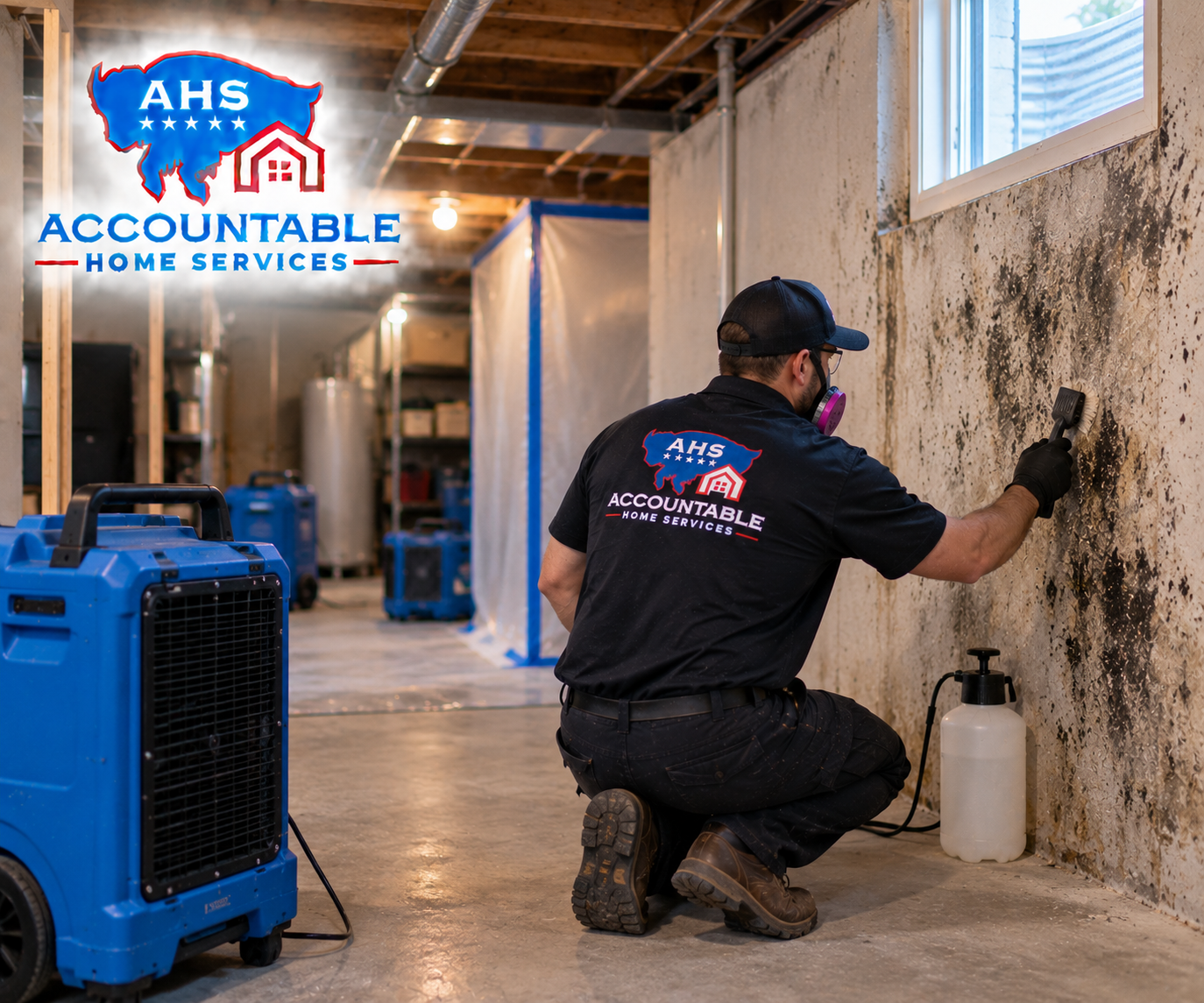
Mold is not guaranteed after every water event, but moisture that sits too long increases the risk. Basements are naturally more vulnerable because they are cooler, below grade, and often have less airflow than upper levels.
Watch for signs such as:
- Musty or earthy odors
- Discoloration on drywall, trim, contents, or framing
- Persistent dampness
- Peeling paint or bubbling wall surfaces
- Allergy-like symptoms that seem worse in the basement
If you suspect mold after water damage, avoid disturbing affected materials. Scrubbing or tearing out moldy materials without containment can spread particles. A qualified professional can evaluate the area and recommend safe next steps.
Superior, CO Basement Water Issues Are Often Drainage-Related
Many basement water problems start outside the home. Superior’s mix of storms, snowmelt, expansive soils, sloped lots, and finished lower levels can make drainage especially important. When water collects near the foundation, it can find the path of least resistance through cracks, joints, window wells, utility penetrations, or porous concrete.
If you have recurring water in basement Superior CO problems, drying the basement is only part of the solution. You may also need to address why water is reaching the foundation in the first place.
Helpful prevention steps include:
- Extend downspouts away from the foundation
- Keep gutters clean and flowing
- Make sure soil slopes away from the home
- Check window wells for proper drainage and covers
- Test your sump pump before storm season
- Consider a battery backup sump pump
- Seal minor gaps where appropriate
- Have foundation cracks evaluated
- Keep stored items off the floor in vulnerable areas
- Monitor humidity with a basement hygrometer
For persistent foundation seepage, a contractor may recommend drainage improvements, crack repair, sump system upgrades, exterior grading work, or other waterproofing measures. The right fix depends on the home, soil conditions, water path, and severity of the issue.
Sump Pump Failure: What to Do Next
A failed sump pump can lead to fast basement flooding, especially during heavy rain. If your pump stopped working, check only what is safe and accessible. Make sure the outlet has power, inspect the float switch for obstruction, and confirm the discharge line is not visibly blocked or frozen. Do not reach into water near electrical equipment.
If water is rising or the pump will not restart, call for water mitigation and sump pump assistance. Once the basement is dry, consider whether your system needs maintenance, replacement, a higher-capacity pump, a backup pump, or an alarm.
A sump pump is not a set-it-and-forget-it system. Regular testing can help prevent surprise failures during storms.
Help With Basement Water Damage in Superior
If you are dealing with basement water damage, you do not have to figure it out alone. A local response team can help assess the source, remove water, locate hidden moisture, dry affected materials, and guide you through the next steps.
Contact us for help with:
- Emergency water extraction
- Water mitigation Superior CO services
- Basement drying and dehumidification
- Moisture inspections after leaks or flooding
- Storm-related basement water cleanup
- Sump pump overflow cleanup
- Documentation for insurance claims
- Coordination for repair and restoration planning
- Guidance after recurring seepage or drainage issues
Whether you are seeing a small wet spot along the wall or active water coming into basement areas during a storm, acting early can make the cleanup simpler and reduce long-term damage.
Call for Local Basement Water Help Today
If you have water in basement Superior CO conditions right now, start with safety, stop the source if possible, take photos, and call for professional support. We provide calm, practical help for Superior homeowners dealing with leaks, flooding, sump pump problems, and storm water intrusion.
Reach out today to schedule basement water mitigation, moisture inspection, or water damage restoration support in Superior, Colorado. We will help you understand what happened, what needs to be dried, and what steps can reduce the chance of it happening again.