Mold in Your Basement in Broomfield, CO: How to Remove It and Keep It From Coming Back
Mold in Your Basement in Broomfield, CO: How to Remove It and Keep It From Coming Back
Basement mold is usually a moisture problem before it is a cleaning problem. In Broomfield homes, mold may appear after a pipe leak, foundation seepage, a failed sump pump, or humidity that stays elevated long enough for spores to grow on drywall, framing, insulation, storage boxes, or concrete dust. Effective basement mold removal means removing contaminated material safely, correcting the water source, drying the structure, and documenting the work clearly when an insurance claim may be involved.
What should you do first when you find mold in your basement?
Start by limiting exposure, stopping any active water source, and avoiding anything that can spread spores through the home. Do not run a standard household fan across moldy material, do not tear out walls without containment if the affected area is significant, and do not assume a surface wipe-down has solved the issue. Removing visible mold is only part of the process in dealing with mold; the underlying moisture condition has to be identified and corrected, or the mold can return.
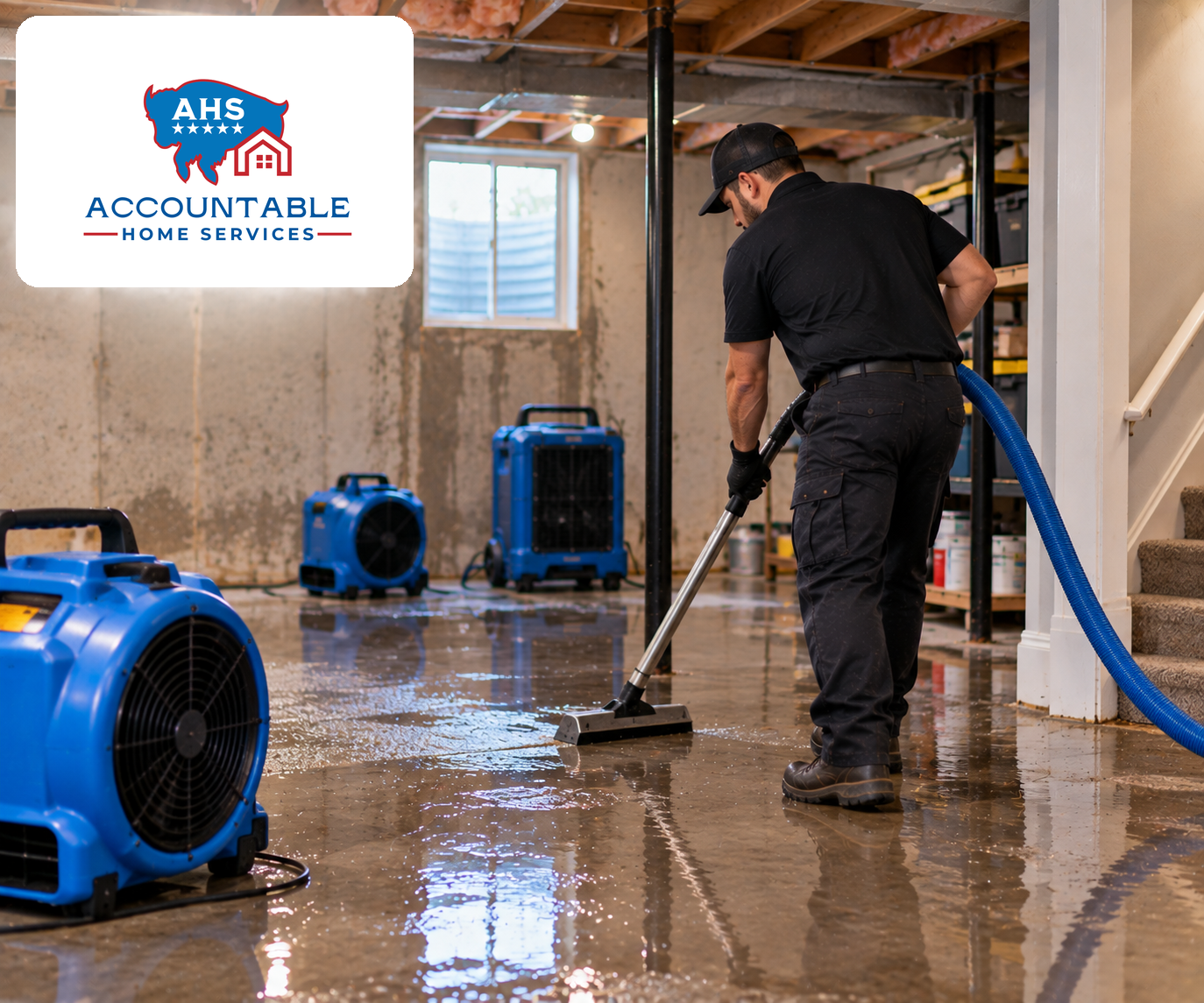
If the basement is wet from recent water damage, treat the situation as time-sensitive. Mold after water damage can develop where materials stay damp, especially behind baseboards, under carpet pad, inside wall cavities, and around insulation. If there is standing water, electrical concern, sewage, or widespread damage, pause and bring in qualified help before disturbing materials.
A practical first response includes:
- Protect people first. Keep children, older adults, and anyone with asthma, allergies, immune concerns, or respiratory symptoms away from the affected area.
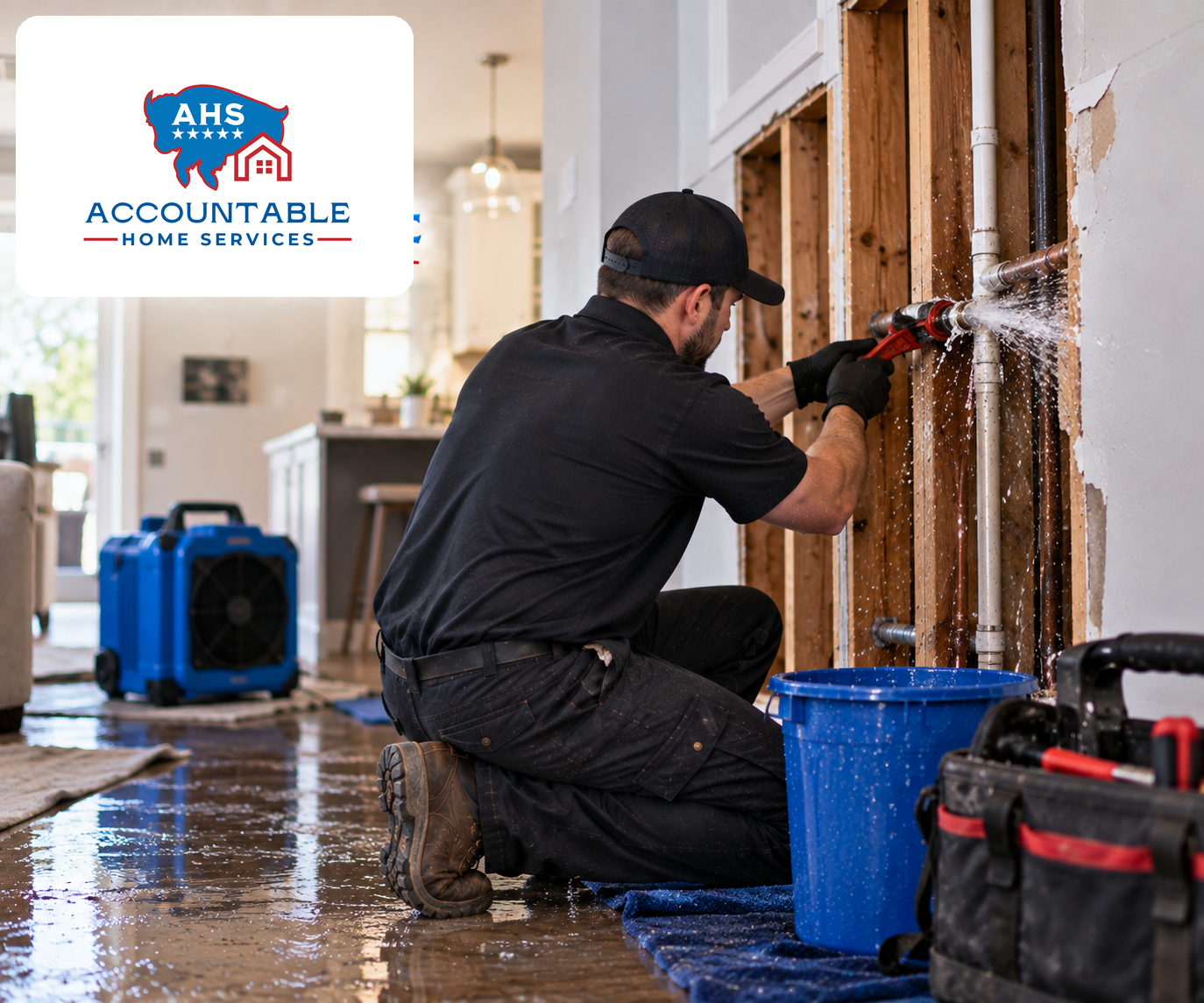
- Stop the water source if possible. Shut off a leaking supply line, call a plumber for an active plumbing failure, or address sump pump failure mold risk by removing water and restoring drainage quickly.
- Reduce cross-contamination. Close the basement door, avoid carrying contaminated boxes through clean areas, and do not use HVAC airflow to “dry” a moldy space.
- Document before cleanup. Take photos and notes showing the source, affected rooms, damaged materials, and visible staining. This can help homeowners, property managers, plumbers, and insurance agents understand what happened.
- Assess size and material type. Small surface areas may be manageable for some homeowners, while larger areas, porous materials, or hidden mold in walls usually require professional mold remediation.
Why basements in Broomfield develop mold
Basements are naturally more vulnerable because they sit below grade, receive less sunlight and ventilation, and are surrounded by soil that can hold seasonal moisture. In the Denver metro area, the air may feel dry much of the year, but basement conditions can still support growth when moisture is trapped in building materials. A finished basement can hide that problem for weeks because drywall, trim, insulation, and flooring conceal damp surfaces.
Common moisture sources linked to mold in basement areas include:
- Seepage through foundation walls or floor joints, especially after snowmelt, heavy rain, poor grading, or clogged exterior drainage.
- Plumbing leaks from supply lines, drain lines, water heaters, refrigerator lines, humidifiers, or bathroom fixtures above the basement.
- High humidity, particularly in closed rooms, storage areas, laundry spaces, and basements without dependable dehumidification.
- Past water damage that was cleaned up visually but not dried thoroughly inside walls, under flooring, or behind cabinets.
- Sump pump failure mold conditions, where water enters and remains long enough to wet carpet, drywall, framing, or contents.
- Condensation on cold foundation walls, pipes, windows, or poorly insulated surfaces.
This is why basement humidity mold can persist even when there is no obvious flood. A homeowner may see a musty odor, minor spotting, or recurring discoloration and think the problem is cosmetic. In many cases, the visible growth is only the symptom. If seepage, plumbing leaks, high humidity, or past water damage are not corrected, mold can reoccur after cleaning.
How to identify the likely scope of the problem
Before deciding how to remove mold, look at the surface, the size of the area, and the water history. Mold on nonporous or semi-porous surfaces, such as sealed concrete or metal shelving, is different from mold growing through drywall paper, carpet pad, cardboard, or insulation. Porous materials can hold contamination and moisture internally, which often makes cleaning alone unreliable.
Use the following assessment points before starting basement mold removal:
- Area size: A very small isolated area may be a homeowner cleanup project if the person is healthy and comfortable using protective equipment. Larger or recurring growth should be evaluated professionally.
- Material type: Concrete, tile, and sealed surfaces may be cleanable. Drywall, insulation, carpet pad, ceiling tile, and particleboard often require removal when contaminated.
- Odor: A persistent musty smell can indicate hidden mold in walls, under flooring, or behind stored contents.
- Water category: Clean water from a supply line is not the same as a sewer backup, drain overflow, or floodwater. Contaminated water requires stricter controls.
- Health concerns: Symptoms that worsen in the basement, visible black growth, or uncertainty about species should increase caution.
- Recurrence: If the same area has been cleaned before and growth returned, the moisture source has probably not been resolved.
Black mold basement concerns deserve careful handling. The term “black mold” is often used loosely because many molds appear dark, and visual identification is not enough to confirm species. Still, dark growth on wet cellulose materials, such as drywall or wood, should not be scrubbed aggressively or demolished casually without considering containment, respiratory protection, and whether professional testing or remediation is appropriate.
Safe DIY cleaning for small, limited areas
For homeowners searching “mold in basement how to remove,” the honest answer is that safe DIY work depends on the size, material, and cause. Small surface growth on a hard, cleanable material may be addressed with protective equipment, controlled cleaning, and careful drying. The goal is not to blast spores into the air; it is to remove contamination while keeping the work area contained and dry.
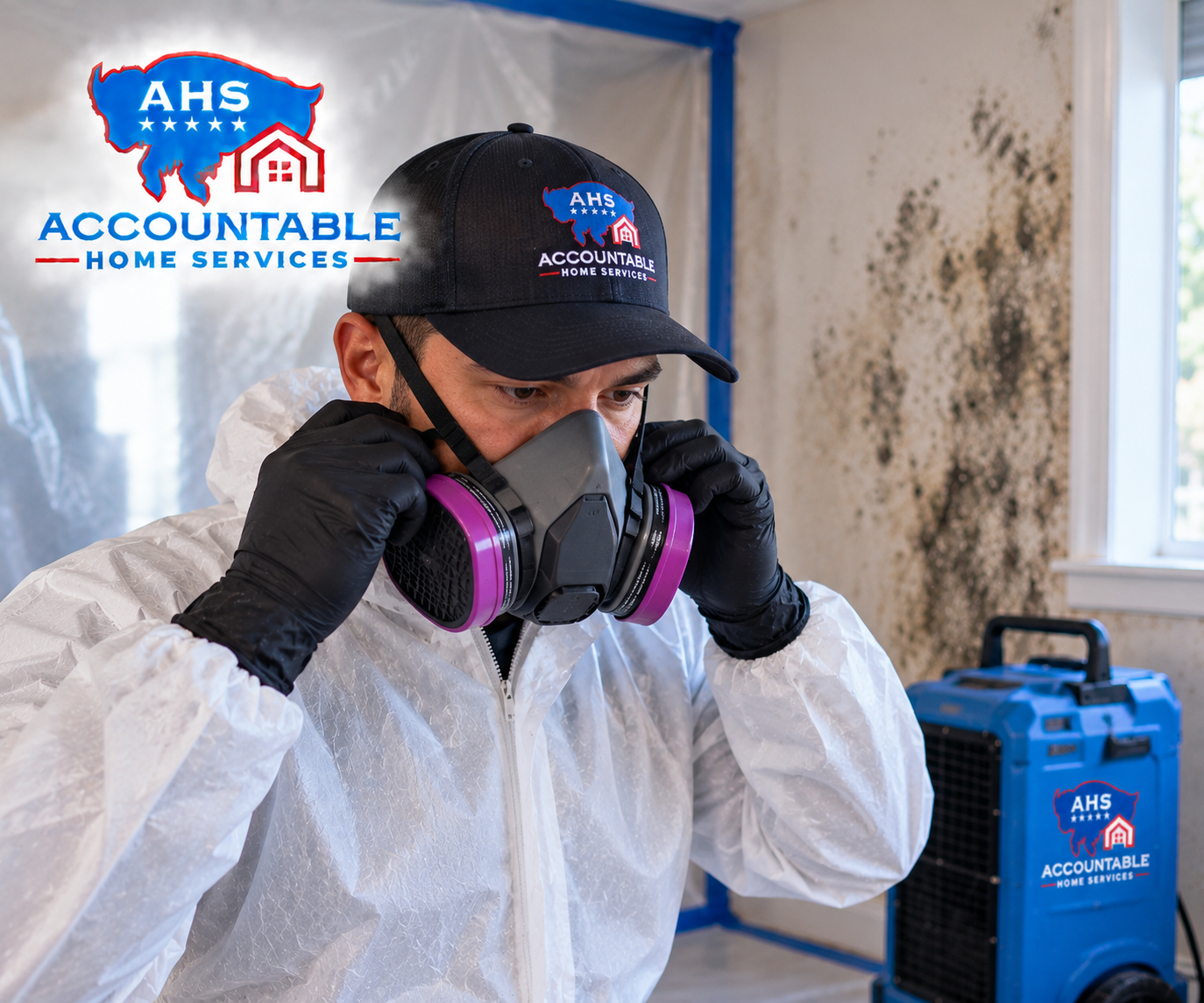
Basic protective equipment should include an N95 respirator or better, gloves, eye protection, long sleeves, and disposable or washable clothing. Open a basement window if it helps exhaust air outdoors, but avoid creating airflow that carries spores into the living space. Bag and discard contaminated disposable items carefully.
For small areas on hard surfaces:
- Lightly mist the surface to reduce dust release.
- Clean with detergent and water to remove soil and residue.
- Use an appropriate antimicrobial or household cleaning agent according to the label.
- Allow the surface to dry completely.
- HEPA vacuum the surrounding area if available.
- Monitor the area for recurring moisture or staining.
Cleaning agents have limits. Vinegar, hydrogen peroxide, baking soda solutions, borax, and some commercial mold cleaners may help on certain surfaces, but none substitutes for drying and source correction. Bleach can discolor and disinfect some hard surfaces, but it is not a dependable fix for porous materials and should never be mixed with ammonia or other cleaners. If drywall paper, carpet pad, insulation, or unfinished wood is visibly colonized or remains damp, removal may be safer and more effective than repeated surface treatment.
When professional mold remediation is the safer choice
Professional mold remediation is appropriate when the affected area is large, the source involves significant water damage, mold has entered porous materials, or the occupants have health vulnerabilities. It is also the better route when there is suspected hidden mold in walls, recurring basement mold Broomfield homeowners cannot resolve, or contamination related to sewer water, stormwater, or long-term moisture.
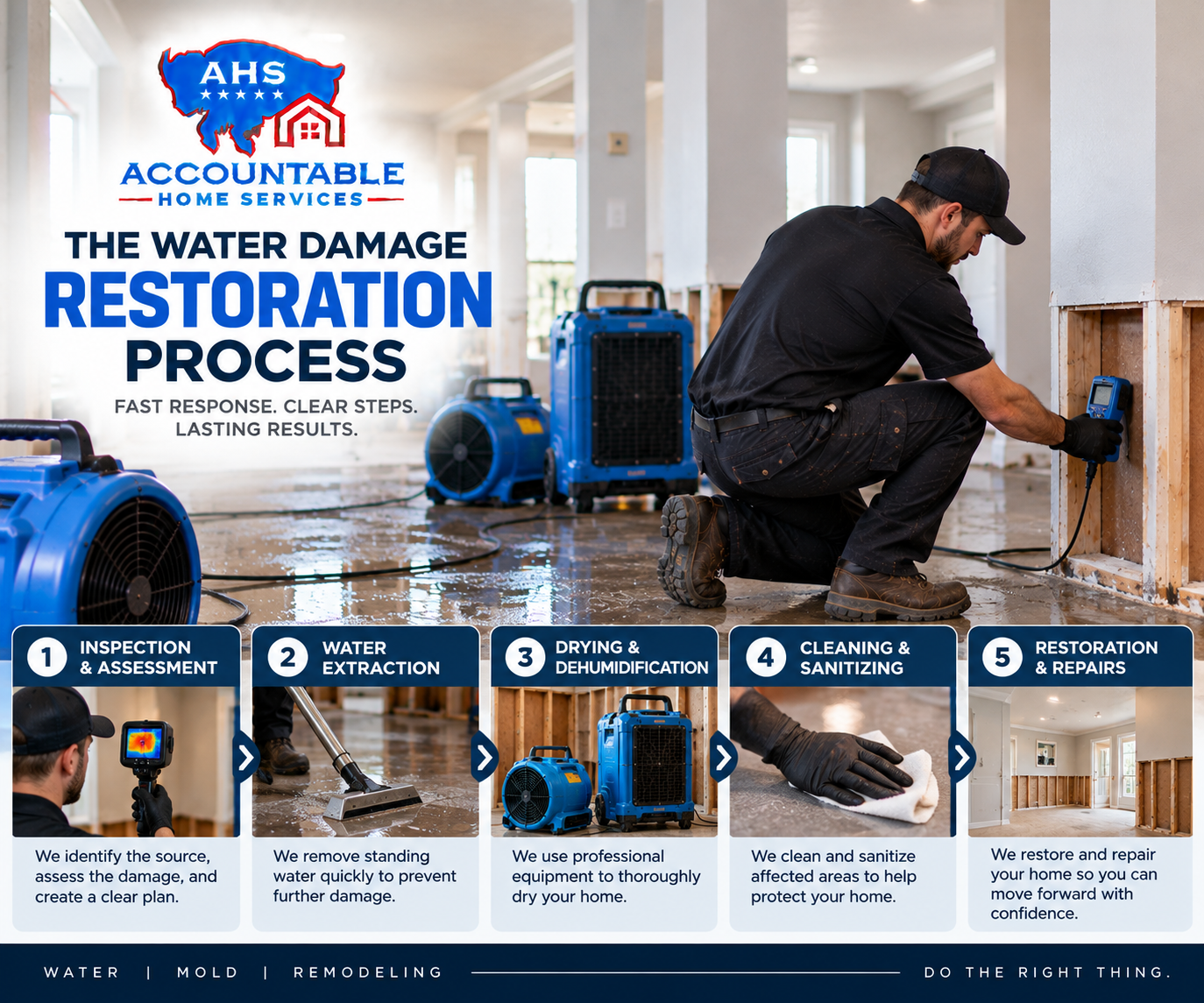
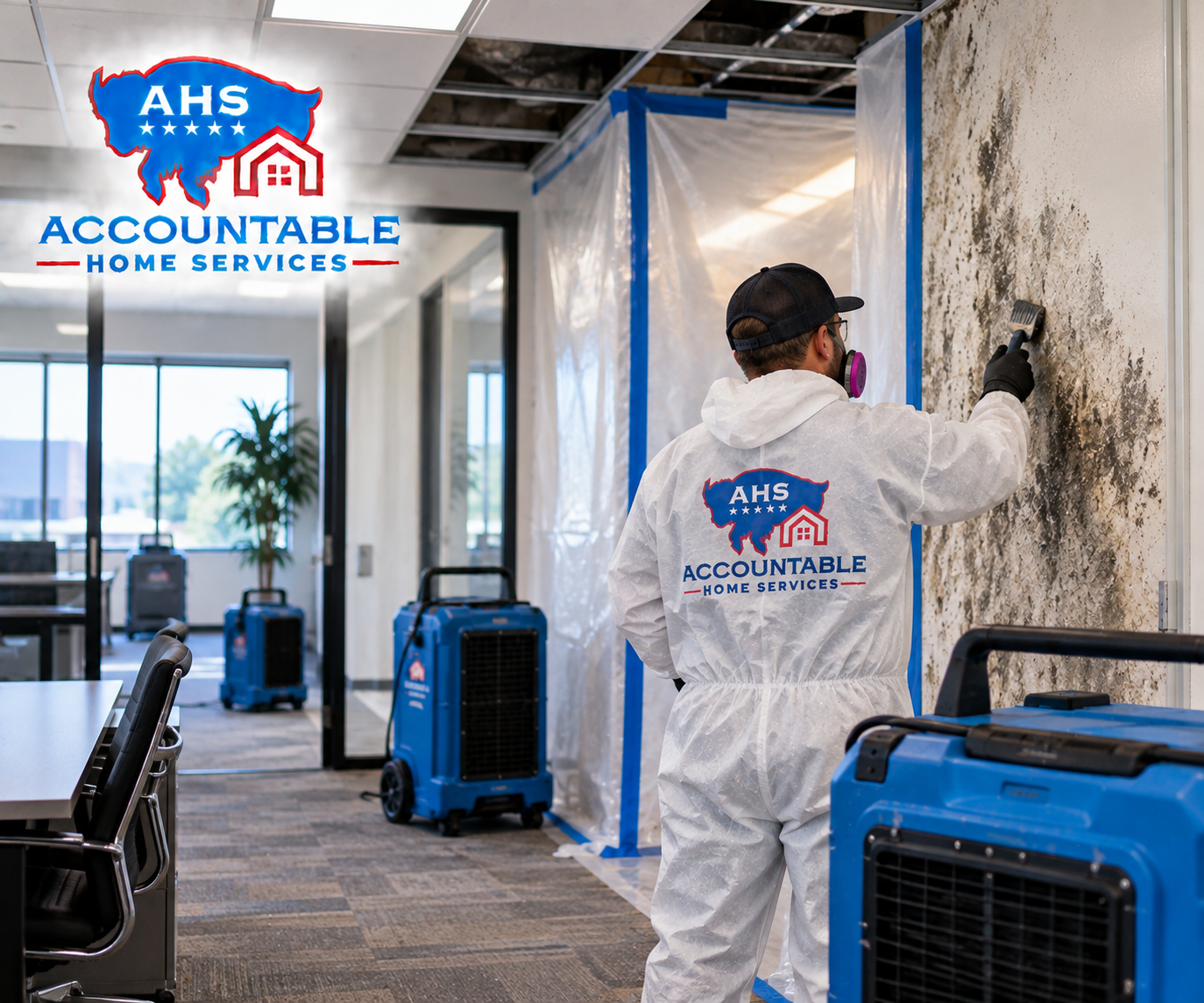
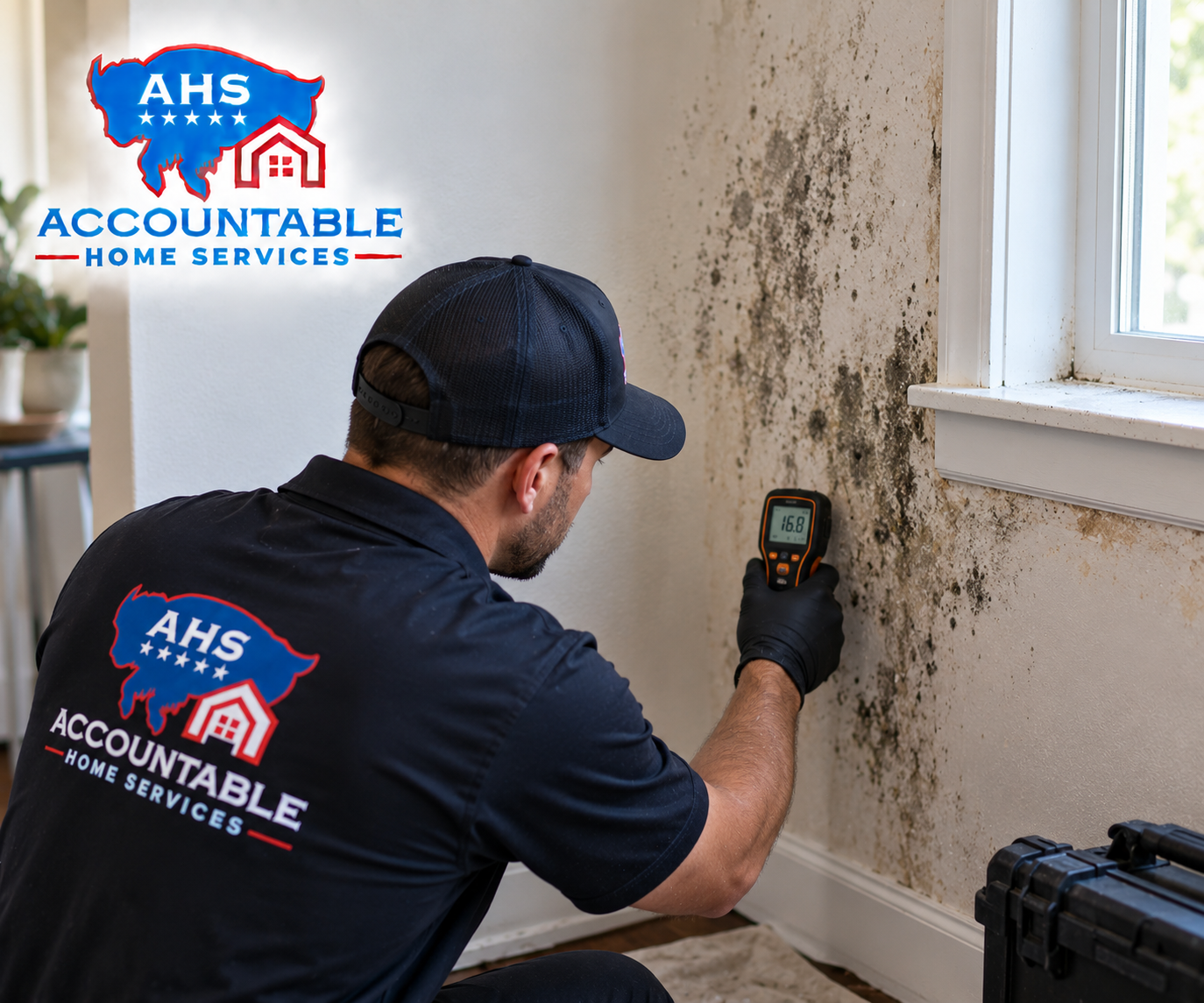
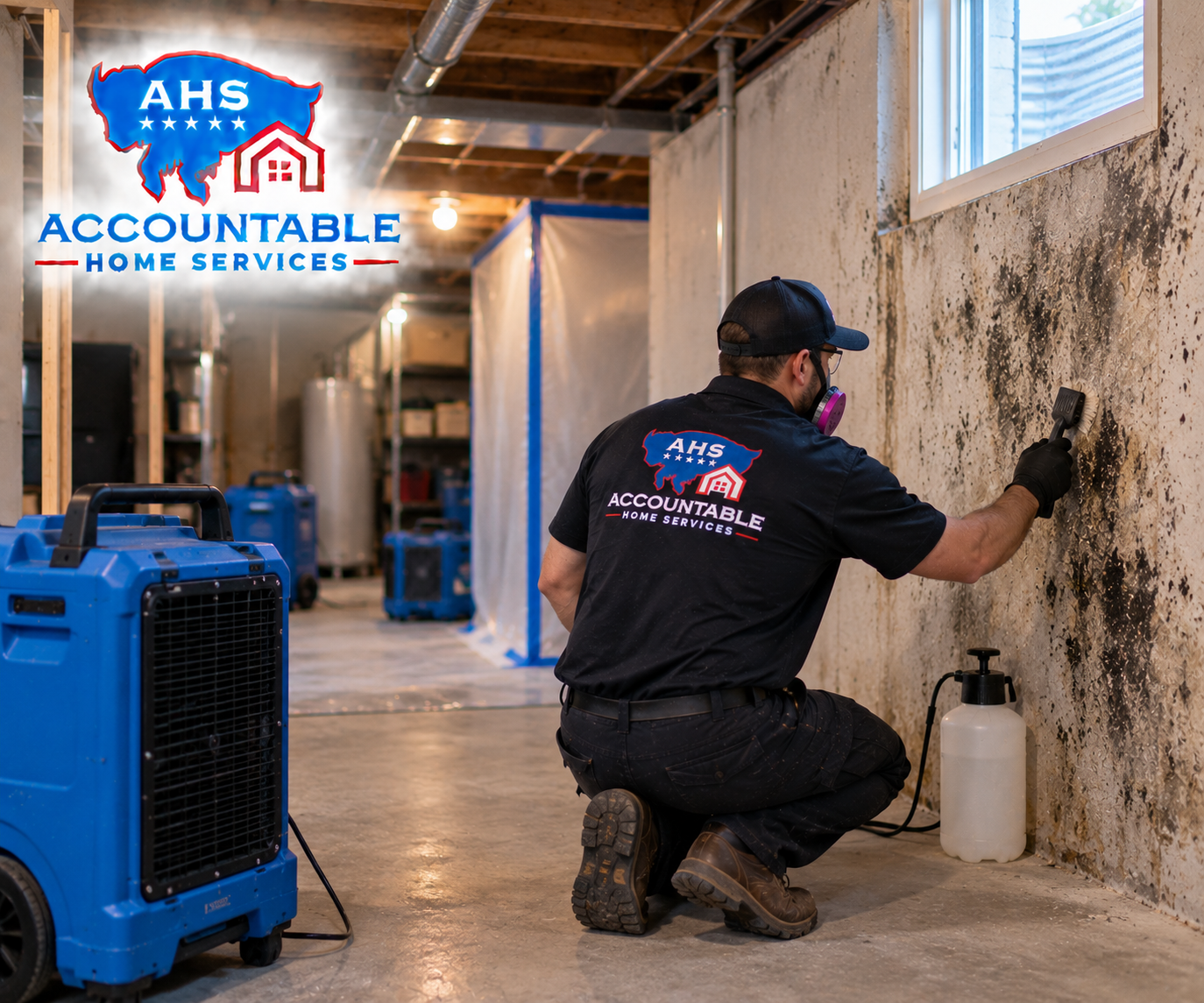
A qualified remediation company does more than wipe surfaces. The work typically includes inspection, moisture mapping, containment, controlled demolition, HEPA filtration, contaminated material removal, cleaning, drying verification, and documentation. For insurance agents, plumbers, and property managers, that documentation matters because it creates a clearer record of what was affected, what was removed, and what drying or remediation steps were taken.
Consider calling for mold remediation Broomfield support when you see any of the following:
- Mold covering more than a small isolated patch.
- Growth on drywall, insulation, carpet, subfloor, or framing.
- A musty odor with no visible source.
- Mold after water damage that was not dried professionally.
- Foundation seepage mold that returns after storms or snowmelt.
- Sump pump failure mold affecting finished materials or contents.
- Suspected black mold basement growth.
- Tenant-occupied property where documentation, communication, and liability concerns are important.
- A claim situation where photos, moisture readings, and a written scope may be needed.
For a plumber, this is often the handoff point after the leak repair. For a property manager, it is the point where tenant communication and loss control become critical. For an insurance agent, it is where clear, measured documentation can reduce confusion and help the claim process stay organized.
Moisture correction is the permanent part of the solution
The most important part of mold removal in basement spaces is the part homeowners cannot always see. If the moisture source is not corrected, mold can return even after the visible growth has been cleaned or removed. That is true whether the trigger is seepage, plumbing leaks, high humidity, or past water damage.
Moisture correction may involve several steps:
- Repairing leaking pipes, valves, fixtures, water heaters, or drain lines.
- Restoring sump pump operation and considering backup power where failure risk is high.
- Improving exterior grading so water drains away from the foundation.
- Extending downspouts and cleaning gutters.
- Sealing foundation cracks when appropriate.
- Removing wet carpet pad, insulation, or drywall that cannot be dried reliably.
- Using a dehumidifier to keep basement humidity under control.
- Improving ventilation in laundry rooms, bathrooms, and enclosed storage areas.
- Insulating cold pipes or surfaces where condensation forms.
Basement mold removal Broomfield CO homeowners can trust should always connect cleanup to moisture control. Otherwise, the same wall, corner, closet, or mechanical room may become a repeat problem. Repeated mold is not usually a cleaning failure alone; it is often a diagnostic failure.
Documentation helps the restoration and insurance process
When mold is connected to a sudden water event, documentation can help everyone involved understand the timeline and scope. Homeowners should photograph the source, standing water, damaged materials, visible mold, and any emergency repairs before disposal when it is safe to do so. Keep plumbing invoices, mitigation records, equipment logs, and communications together.
Not every mold condition is covered by insurance, and coverage depends on policy language and cause of loss. Still, organized documentation helps reduce avoidable confusion. A restoration professional who communicates clearly can support the homeowner, agent, plumber, or property manager with photos, moisture readings, material notes, and a practical remediation plan.
A practical prevention checklist for Broomfield basements
After cleanup, prevention should become routine maintenance. A basement does not need to be perfect to stay healthy, but it does need moisture control.
Use this checklist seasonally and after storms, plumbing issues, or snowmelt:
- Check foundation walls and floor edges for dampness, staining, or efflorescence.
- Test the sump pump before wet weather and inspect the discharge line.
- Keep stored contents off the floor and away from foundation walls.
- Replace cardboard storage with plastic bins where practical.
- Run a properly sized dehumidifier if humidity rises.
- Inspect under sinks, around water heaters, and near laundry equipment.
- Look for musty odors in closets, crawl spaces, and finished wall cavities.
- Clean gutters and confirm downspouts move water away from the home.
- Address small leaks immediately instead of waiting for visible mold.
- Recheck previously affected areas for several weeks after remediation.
The right next step
Mold in basement areas should be handled calmly, but not casually. Clean what is truly small and safe, protect occupants from exposure, and do not disturb large or hidden contamination without the right controls. Most importantly, remember that removing visible mold is only half the solution; identifying and correcting the moisture source is what keeps it from coming back.
For homeowners, agents, plumbers, and property managers dealing with mold removal Broomfield CO concerns, the best outcome comes from prompt action, accurate moisture diagnosis, careful removal, and clear documentation. When the situation involves widespread growth, porous materials, recurring dampness, or uncertainty, professional mold remediation is the safer and more reliable path.