Water Damage Restoration in Northglenn, CO: What Homeowners Should Do First
Water Damage Restoration in Northglenn, CO: What Homeowners Should Do First
When water gets into a Northglenn home, the first few hours matter. Whether it is a burst pipe, failed water heater, sump pump problem, appliance leak, or flooded basement, the goal is simple: stop more water from entering, remove what is there, find hidden moisture, dry the structure correctly, and document the loss before repairs begin. The Local Restoration Guide helps homeowners, insurance agents, plumbers, and property managers understand what should happen during water damage restoration in Northglenn CO so the next step feels less overwhelming.
What should you do first after water damage?
Start by stopping the source of water if it is safe to do so, then protect people, document what you can, and call for professional water mitigation Northglenn help when the damage is more than a small surface spill. A plumber may need to shut off or repair the source, while a restoration team handles water extraction Northglenn, drying, moisture checks, cleanup, and documentation. Do not wait to see if wet carpet, drywall, or trim “dries on its own,” because hidden moisture can stay trapped inside building materials long after the surface feels dry.
Use this first-response checklist:
- Shut off the water source. Turn off the fixture valve or the main water shutoff if a pipe, toilet supply line, appliance line, or water heater is leaking.
- Avoid unsafe areas. Stay out of standing water if electrical outlets, cords, panels, or appliances may be affected.
- Call the right trade. A plumber stops the leak. A restoration company handles drying, cleanup, and damage documentation.
- Take photos and video. Capture the source, affected rooms, standing water, wet materials, and damaged belongings before moving items when possible.
- Move small valuables only if safe. Lift light furniture, boxes, rugs, and electronics away from wet floors, but do not risk injury.
- Start ventilation carefully. Open windows only when weather allows and only if outside humidity is not making things worse.
- Do not tear everything out right away. Removing materials before documentation can make a water damage insurance claim Colorado process harder to explain.
This early action is especially important for emergency water damage Northglenn calls where water has spread under flooring, behind baseboards, into ceiling cavities, or down into a basement.
Local water damage situations in Northglenn homes
Northglenn homes see many of the same water damage problems as the rest of the Denver metro area, but the details can vary by property age, basement layout, plumbing condition, and how quickly someone discovers the loss. A leak on the main level may run through subflooring and show up as a ceiling stain below. A basement backup can soak carpet pad, baseboards, drywall, and stored contents before anyone notices.
Common reasons homeowners search for water damage restoration near me include:
- Burst pipe water damage during cold weather or after an old supply line fails.
- Flooded basement cleanup from sump pump failure, foundation seepage, drain backup, or appliance discharge.
- Water heater leaks that spread into utility rooms, finished basements, or nearby storage areas.
- Kitchen and laundry leaks from dishwashers, refrigerators, washing machines, and supply lines.
- Bathroom overflows that affect flooring, cabinets, walls, and rooms below.
- Tenant-reported leaks in managed properties where fast communication matters.
For insurance agents, plumbers, and property managers, the concern is often bigger than the wet room itself. The client or tenant wants straight answers. The owner wants the damage controlled. The claim needs clear notes and photos. A calm, organized water damage cleanup Northglenn process helps reduce confusion from the start.
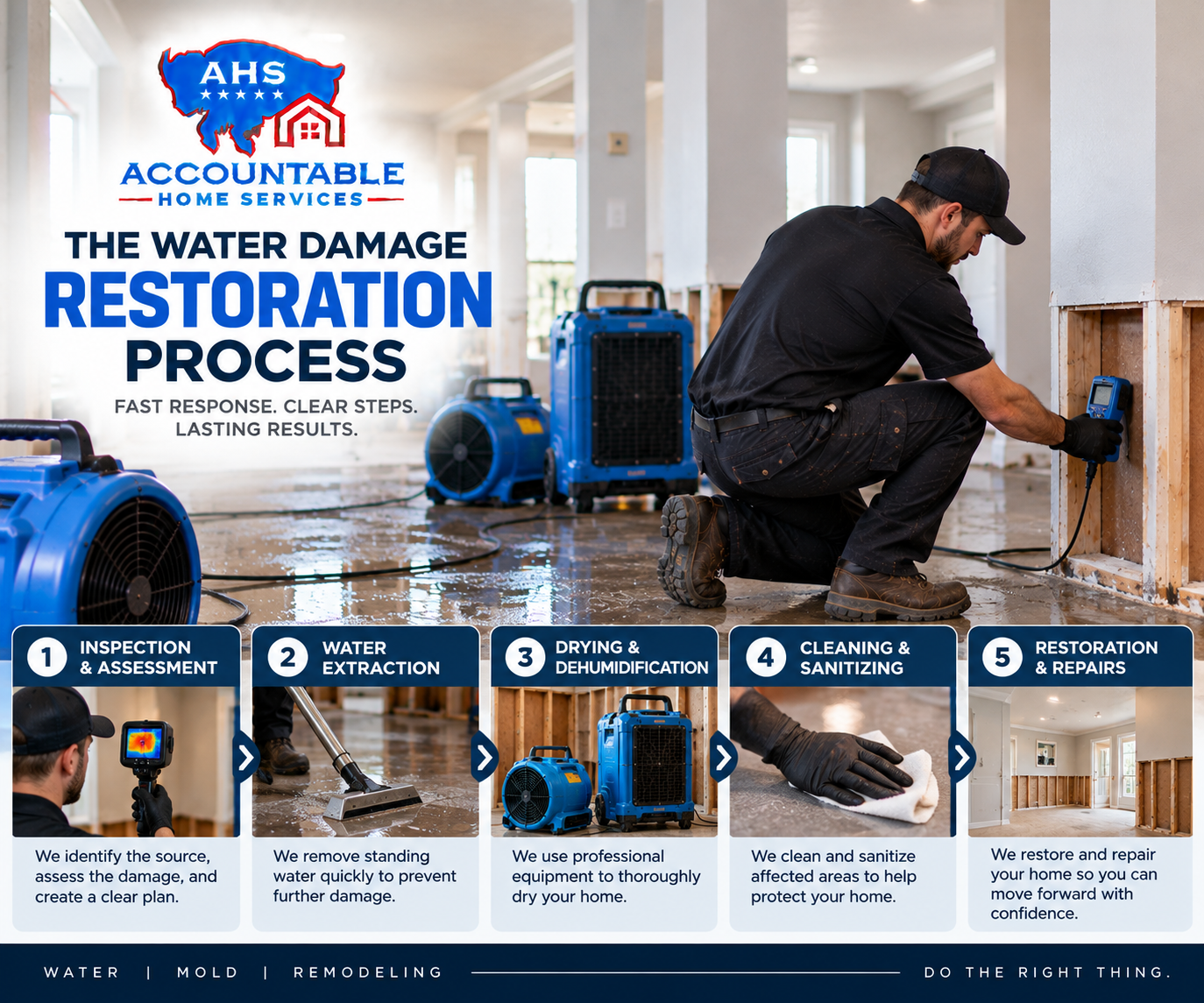
The restoration process from water source to repairs
A good water damage restoration process follows a practical order. Skipping steps can leave moisture behind or create arguments later about what was wet, what was removed, and why repairs were needed.
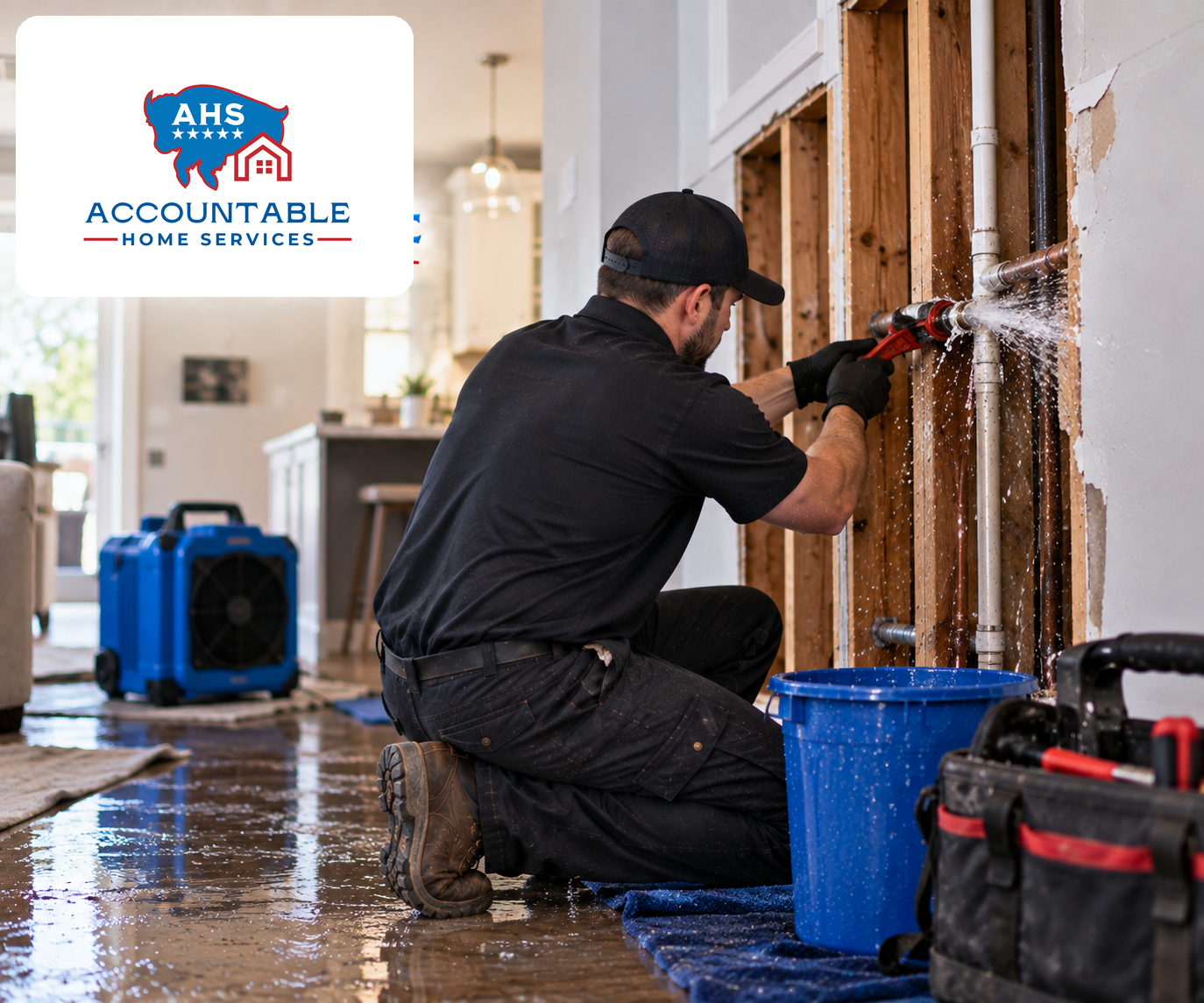
1. Stop the water source
The first step is always source control. If a pipe is still leaking, a toilet is still overflowing, or a water heater is still releasing water, drying cannot begin in a meaningful way. Homeowners can shut off a valve when it is safe, but plumbing repairs should be handled by a qualified plumber.
For plumbers, this is the handoff point where a restoration partner can help. Once the leak is stopped, the remaining water still needs to be extracted, measured, dried, and documented. That is where water mitigation Northglenn service protects the property from further damage.
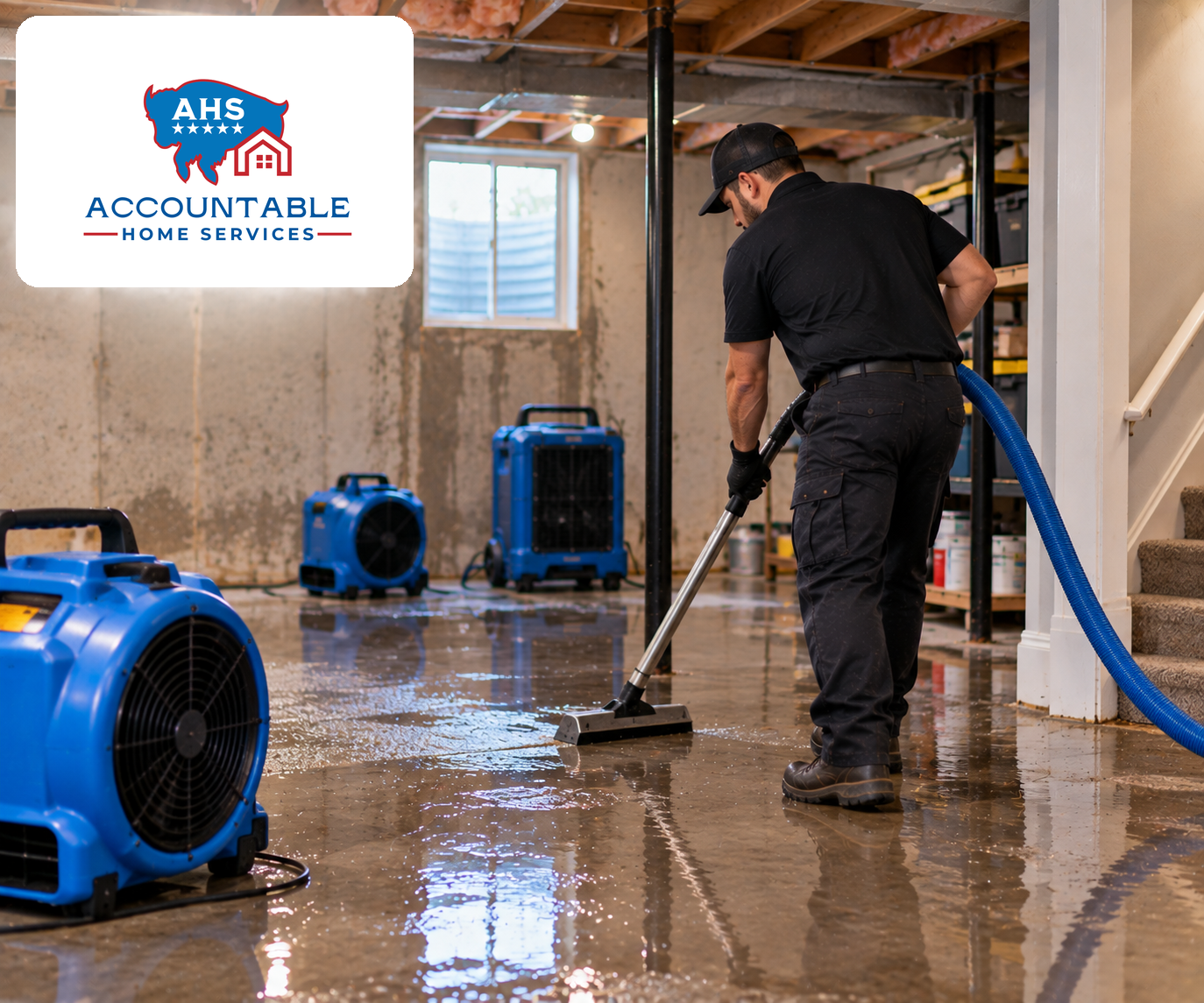
2. Remove standing water
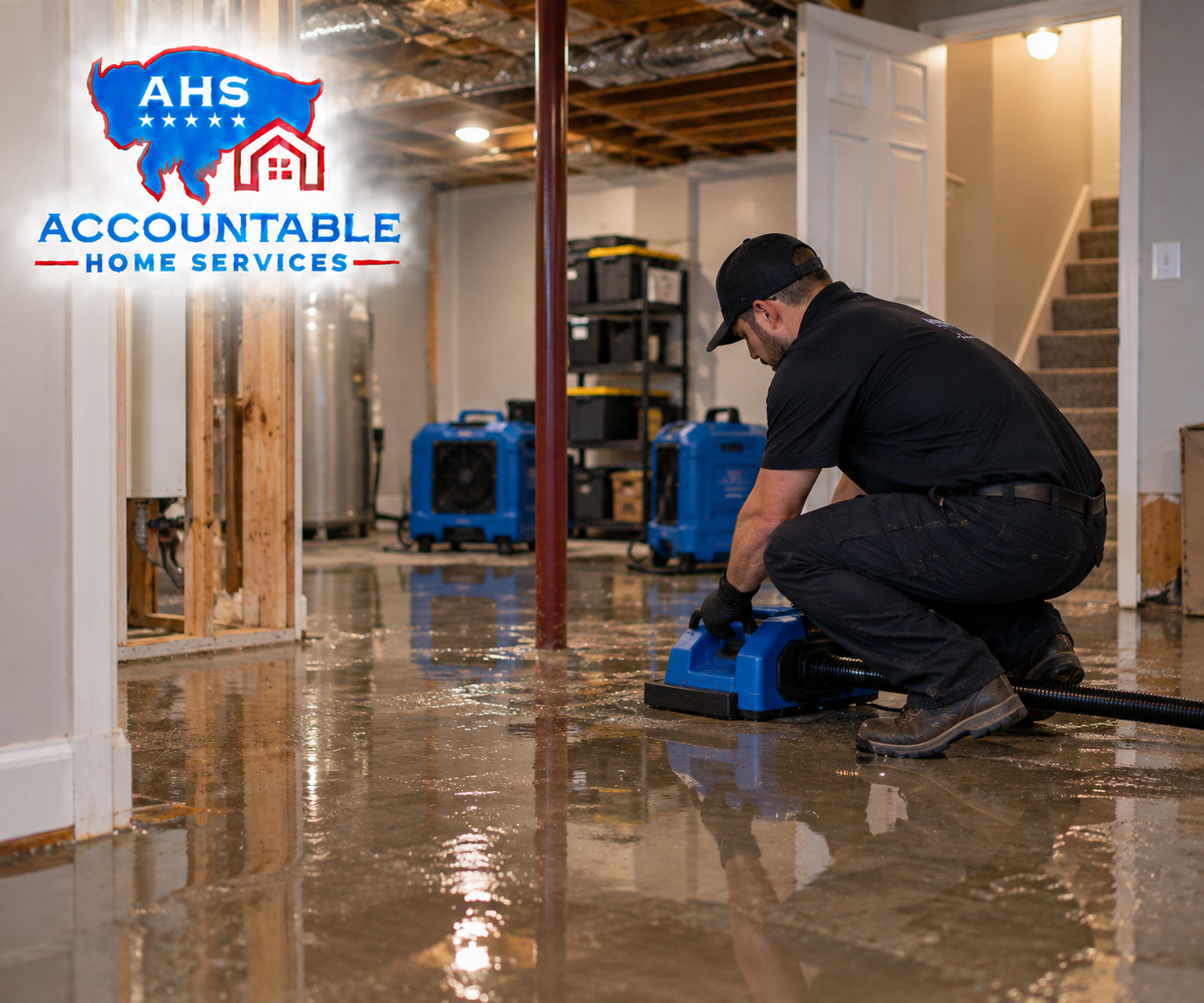
Standing water should be removed as quickly as possible. Restoration crews use extraction tools to pull water from hard surfaces, carpet, carpet pad, and other affected areas when materials are salvageable. In a flooded basement cleanup, this step may also include moving wet contents, removing saturated pad, and separating damaged materials from items that can be dried or cleaned.
Extraction does not mean the structure is dry. It simply removes the bulk water. Drywall, framing, subfloors, cabinets, insulation, and trim can still hold moisture after puddles are gone.
3. Identify hidden moisture
Hidden moisture is one of the main reasons professional water damage restoration matters. Water follows gravity, seams, gaps, and porous materials. It can travel under vinyl plank flooring, behind baseboards, inside wall cavities, beneath cabinets, and into ceiling spaces.
Restoration teams look for hidden moisture using tools and inspection methods such as:
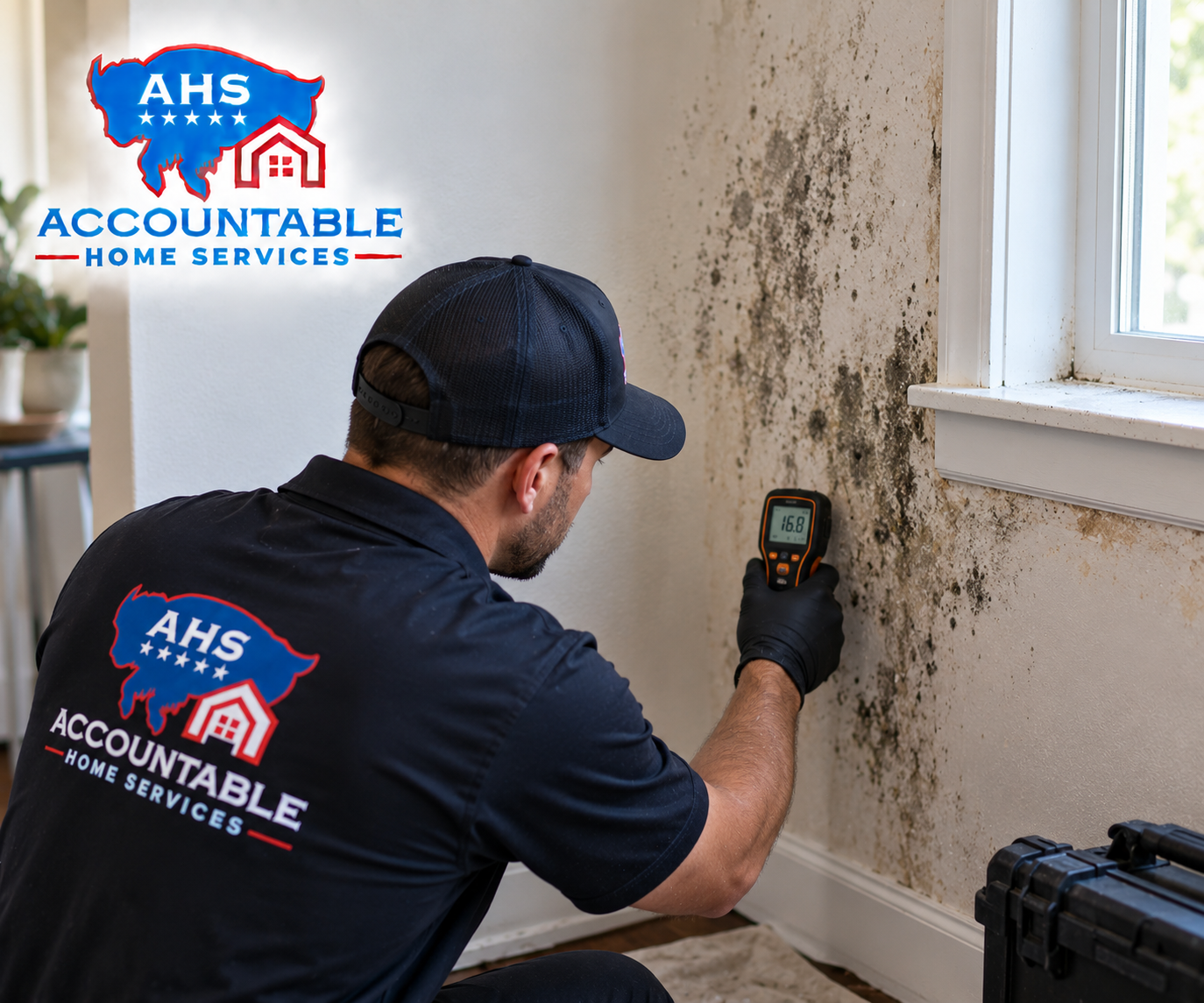
- Moisture meters to compare affected materials with dry materials nearby.
- Thermal imaging cameras to help spot temperature differences that may suggest moisture patterns.
- Baseboard and trim checks where water may have wicked upward.
- Flooring inspections for cupping, buckling, trapped water, or soft spots.
- Ceiling and wall checks below bathrooms, kitchens, laundry rooms, or upstairs leaks.
- Cabinet toe-kick inspections where water can sit out of sight.
These readings help decide what can be dried in place and what may need removal. The goal is not to remove more than needed, but it is also not to leave wet materials closed up where mold after water damage becomes a concern.
4. Set drying equipment
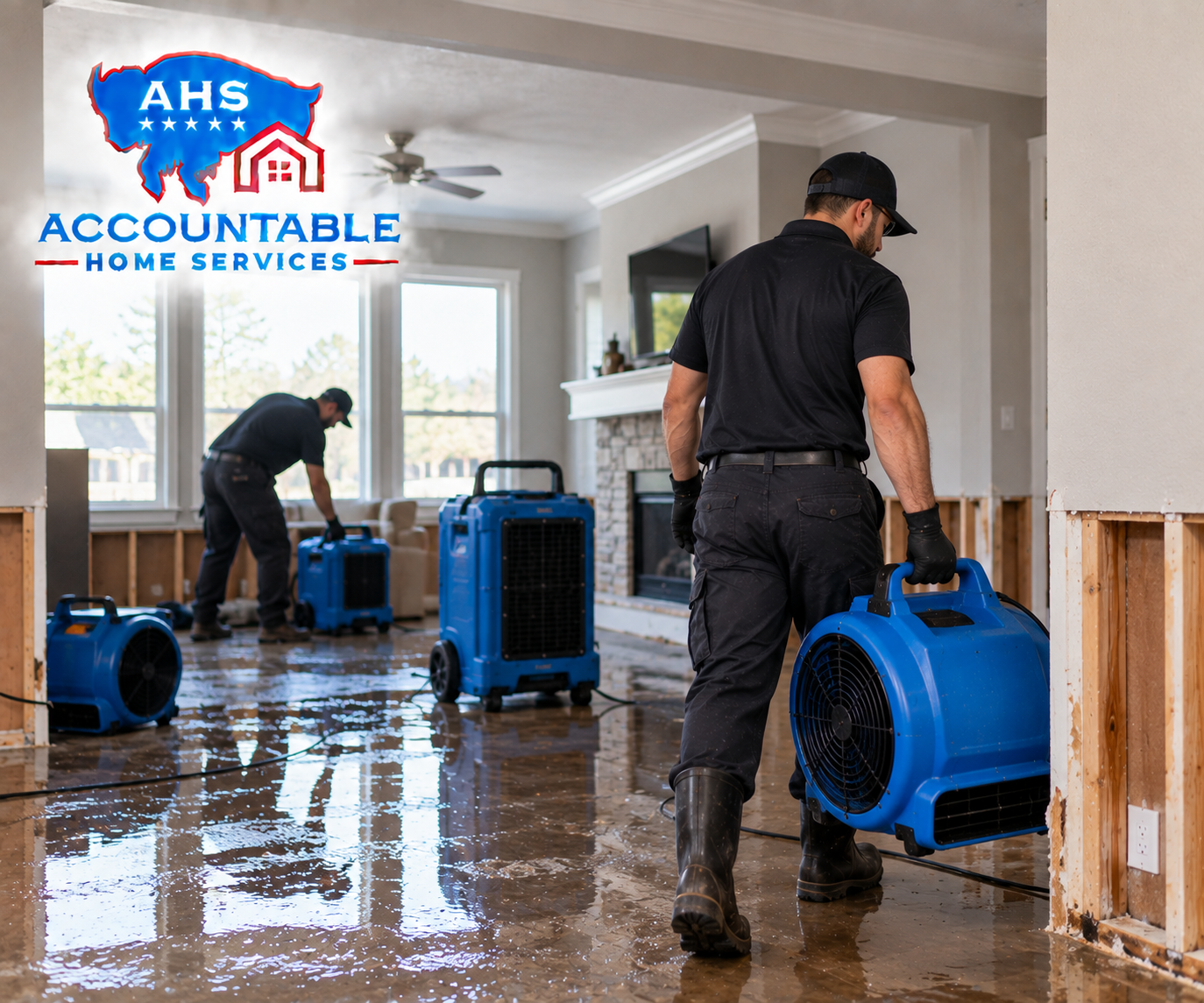
After extraction and moisture mapping, drying equipment is placed to move air and reduce moisture in the affected area. Air movers are positioned to push dry air across wet surfaces, while dehumidifiers pull moisture out of the air so materials can release moisture more effectively. In some situations, containment may be used to focus drying on the affected space.
Structural drying is not just “putting fans in a room.” Equipment should be placed based on the materials affected, the amount of moisture present, room size, temperature, humidity, and airflow. Too little equipment can slow drying. Poor placement can leave pockets of moisture behind.
5. Monitor drying progress
Drying should be checked over time, not guessed. A restoration technician should return to take moisture readings, check humidity, adjust equipment, and confirm whether materials are moving toward a dry standard. If a wall cavity, subfloor, or cabinet area is not drying as expected, the plan may need to change.
Monitoring matters for homeowners and for the claim file. It shows what was wet, what steps were taken, and whether the drying work was successful before repairs begin. For property managers, these updates also help keep tenants and owners informed instead of wondering what is happening.
6. Document the loss
Clear documentation supports better communication. It may include photos, videos, moisture readings, equipment logs, affected material notes, source information, and a basic timeline of the loss. This is especially useful for a water damage insurance claim Colorado homeowners may need to file.
Restoration documentation does not guarantee coverage, because policy decisions belong to the insurance carrier. But good records can help explain the scope of damage, the mitigation steps taken, and why certain materials were dried, cleaned, removed, or repaired.
7. Move into repairs when needed
Once drying is complete, the property can move toward repair. Repairs may be minor, such as reinstalling baseboards and repainting, or more involved, such as replacing drywall, flooring, cabinets, or insulation. The repair phase should not begin until affected materials are dry enough to close back up.
This is where patience helps. Covering wet framing or subflooring too soon can create bigger problems later. A proper handoff from mitigation to repairs gives homeowners, agents, and property managers a clearer path forward.
Mold concerns after water damage
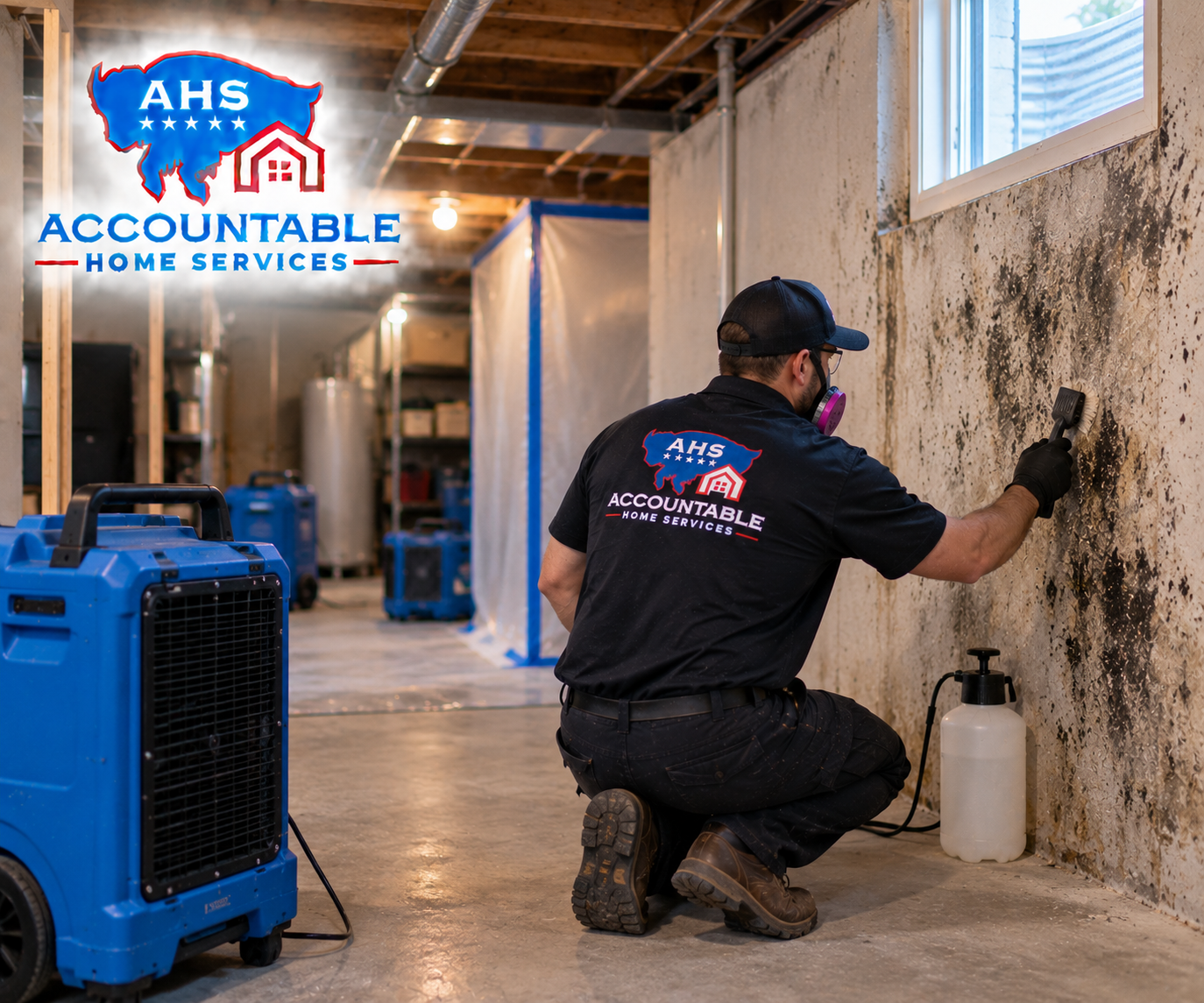
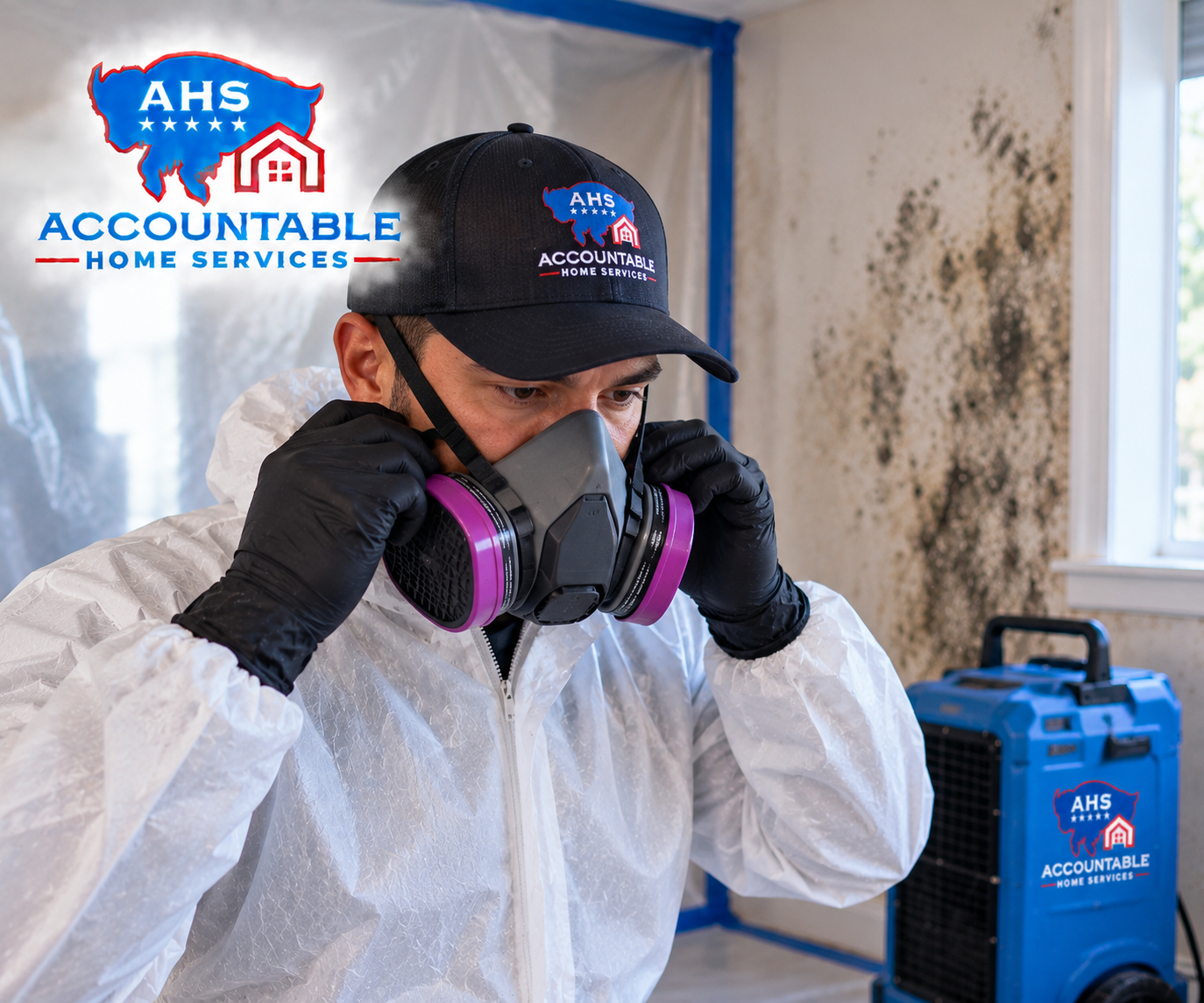
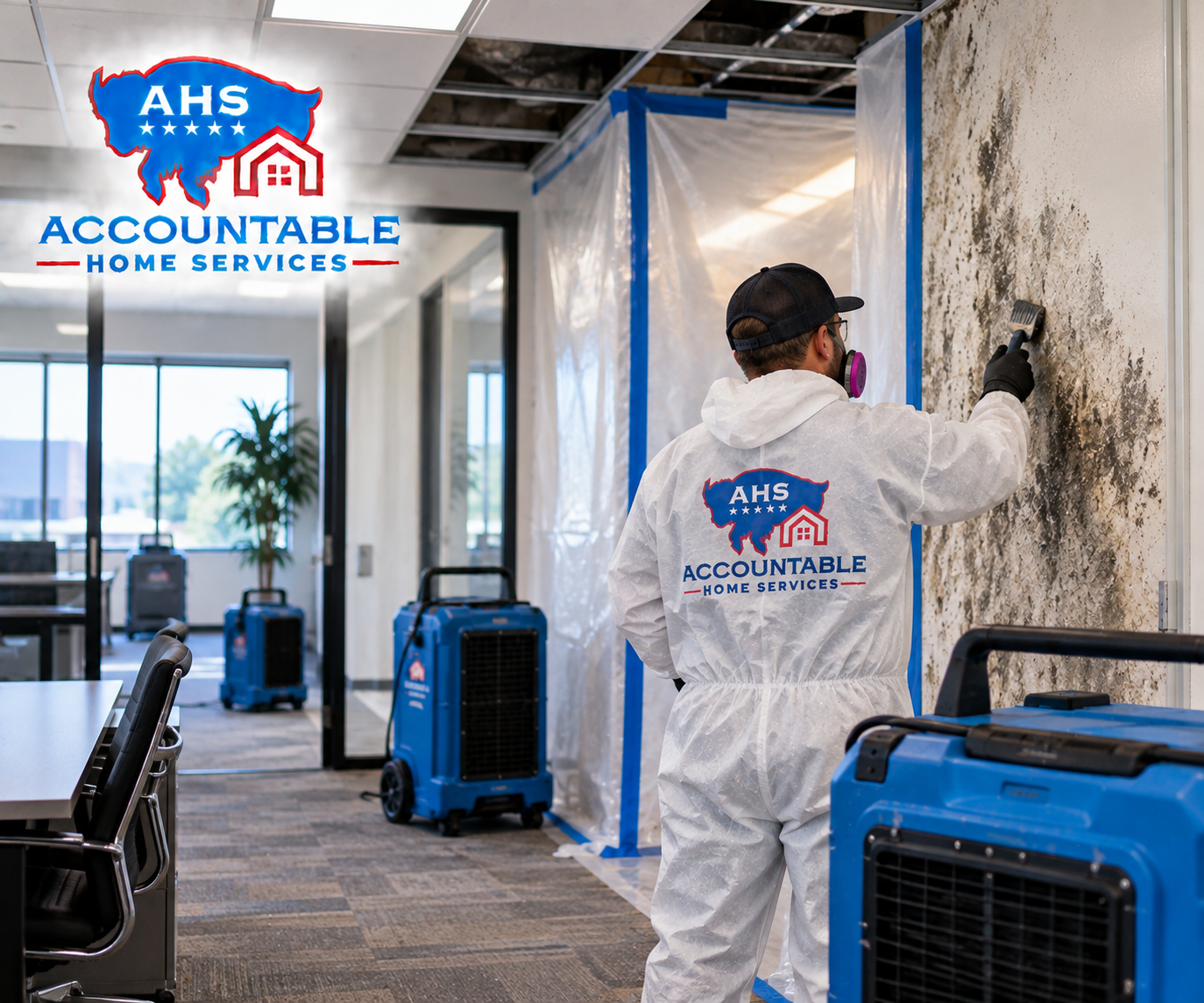
Mold remediation may be needed when water damage was not found quickly, when materials stayed wet too long, or when visible growth is present. Mold after water damage is not something to panic about, but it should be handled carefully. The right response depends on the source of water, how long materials were wet, what materials are affected, and whether contamination is present.
Homeowners should avoid spraying bleach on everything and assuming the issue is fixed. Surface cleaning does not solve moisture trapped behind walls, under flooring, or inside porous materials. If there is a musty odor, visible growth, repeated moisture, or health-sensitive occupants in the home, ask for a proper inspection and a clear scope before work begins.
A restoration company may recommend drying, removal of damaged porous materials, containment, air filtration, cleaning, or separate mold remediation depending on conditions. The key is to solve the moisture problem first. Without moisture control, mold concerns can return.
Support for homeowners, agents, plumbers, and property managers
Water damage cleanup Northglenn is smoother when everyone understands their role. Homeowners need plain instructions. Insurance agents need a contractor who communicates without creating extra confusion. Plumbers need somewhere to send customers after the leak is repaired. Property managers need fast updates, clear documentation, and practical steps that help protect the property.
A dependable restoration process should provide:
- Prompt response for active leaks, wet basements, and emergency water damage Northglenn situations.
- Clear communication about what is wet, what happens next, and what decisions may be needed.
- Moisture documentation with readings and photos that support the file.
- Coordination with plumbers when the water source still needs repair or verification.
- Tenant and owner updates for managed properties when access, scheduling, and expectations matter.
- Insurance-aware documentation without promising coverage or speaking for the carrier.
- Repair guidance once mitigation and structural drying are complete.
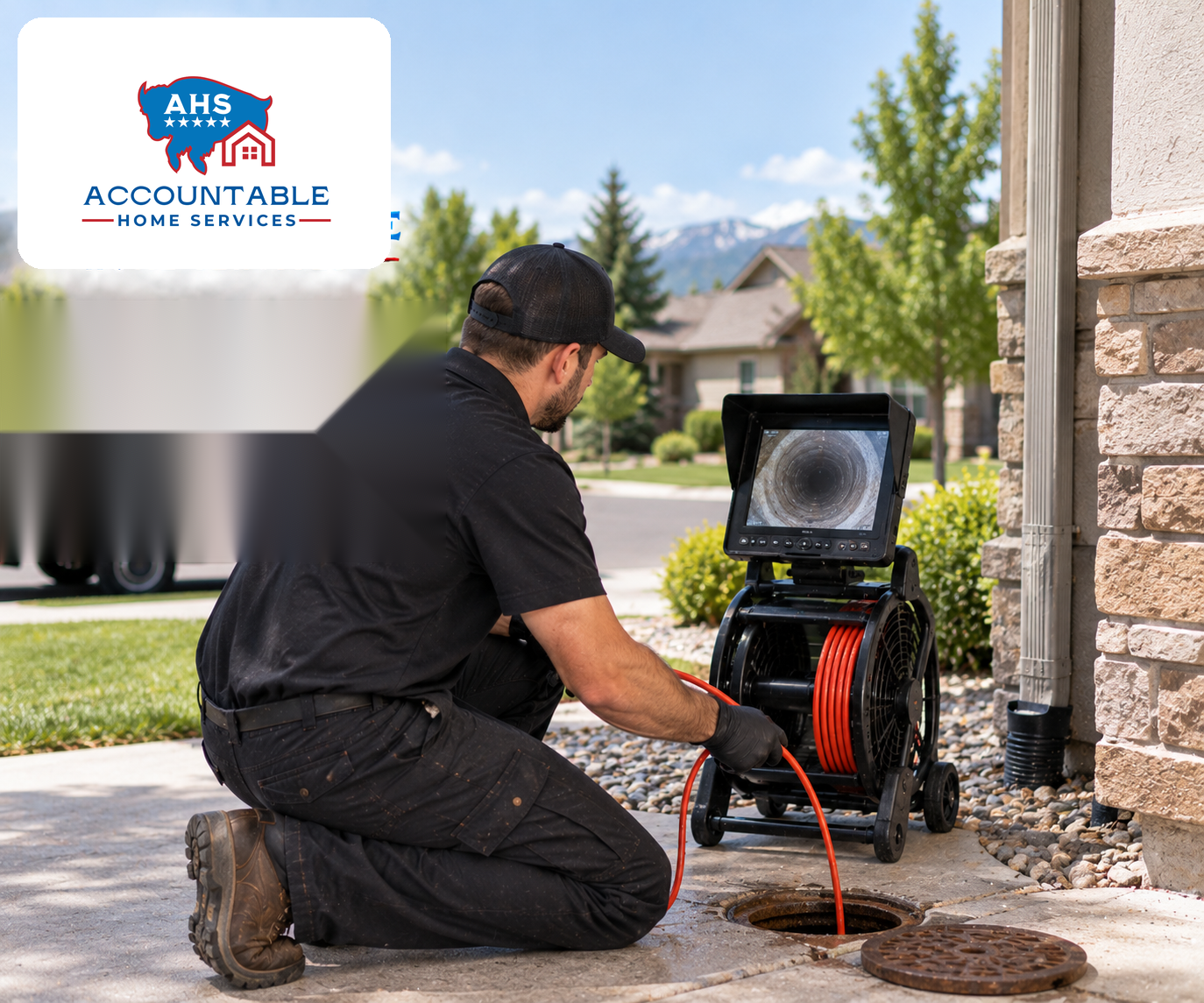
For example, if a plumber repairs a failed refrigerator line in a Northglenn kitchen, the floor may still be wet under cabinets and into the room below. A restoration team can inspect the hidden moisture, extract water if needed, set drying equipment, document the affected areas, and explain whether repairs are likely after drying. That keeps the homeowner from guessing and helps the referring plumber know the customer was taken care of.
When to call for professional help
Small spills on a hard surface can often be cleaned up by a homeowner. But when water reaches carpet, drywall, trim, cabinets, insulation, ceilings, or basement finishes, it is time to get help. The same is true when the water source is unclear, the damage covers more than one room, or you notice odor, staining, swelling, or soft materials.
Call for water damage restoration Northglenn CO service when you see:
- Standing water or soaked carpet.
- Wet drywall, baseboards, or insulation.
- Water coming through a ceiling.
- A flooded basement or sump pump failure.
- Burst pipe water damage.
- Moisture under flooring or cabinets.
- Musty odors after a leak.
- Possible mold after water damage.
- A loss that may involve an insurance claim.
The sooner the drying process starts, the more options you usually have. Fast action can reduce secondary damage, make the scope clearer, and help everyone involved make better decisions.
Get clear next steps for water damage in Northglenn
If you are dealing with water damage in Northglenn, start with safety, stop the source if you can, document what you see, and bring in the right help for cleanup and drying. A calm, organized response can make a stressful situation easier to manage and can help protect the home, the claim file, and the people involved.
For homeowners, insurance agents, plumbers, and property managers looking for water damage restoration near me, The Local Restoration Guide is here to make the process easier to understand. Reach out for guidance on water extraction Northglenn, structural drying, water mitigation, flooded basement cleanup, mold concerns, and the next steps toward repair.