Flood Insurance in Colorado: What Arvada Homeowners Should Know
Flood Insurance in Colorado: What Arvada Homeowners Should Know
Flood insurance can be confusing for Arvada homeowners because not all water damage is treated the same way. A flooded basement from rising outside water, a broken supply line, a sewer backup, and a failed sump pump may all look similar on the floor, but insurance may handle them differently. This guide explains how flood insurance in Colorado generally works, why policy details and cause of loss matter, and what to do first when you need flood cleanup Arvada homeowners can trust.
Does my homeowners policy cover flooding, or do I need separate flood insurance?
Does my homeowners policy cover flooding, or do I need separate flood insurance? In most cases, standard homeowners insurance does not cover flood damage caused by rising or entering outside water, so many homeowners need a separate home flood insurance policy if they want protection for that type of loss. The National Flood Insurance Program explains that flood insurance is specific to flooding, while homeowners policies typically address other covered causes of water damage, depending on the policy. (floodsmart.gov)
The important word is “cause.” A pipe that bursts inside the house is different from stormwater that flows through a window well. A roof leak after wind damage is different from groundwater entering a basement. A sewer backup may be handled differently depending on whether it was caused by a general flood condition or a plumbing issue. Because of this, homeowners insurance flood damage questions should always be reviewed with your insurance agent, carrier, or another qualified insurance professional.
For insurance agents, plumbers, and property managers, this is often where clients get frustrated. They see wet carpet, damaged drywall, and boxes of belongings on the floor. They want one simple answer. The honest answer is that Colorado flood coverage depends on the policy language, endorsements, deductibles, limits, and the cause of loss.
Flood insurance basics for Arvada homeowners
Flood insurance in CO is usually discussed in two broad categories: NFIP policies and private flood insurance policies. The NFIP is a federal program, and many policies are sold through participating insurance companies and agents. Private flood insurance may also be available, depending on the property and market.
NFIP flood insurance is designed to cover direct physical flood damage to an insured building and, if purchased, covered contents. FEMA’s FloodSmart program explains that building and contents coverage are typically purchased separately and have separate deductibles. (floodsmart.gov) That matters for homeowners who assume their belongings are automatically handled the same way as the structure.
When comparing flood insurance quotes, ask clear questions about both building coverage and contents coverage. A policy that helps with structural repairs may not fully address personal property, finished basement materials, or temporary living costs. Do not rely on assumptions or a neighbor’s experience. Review your own documents.
What usually counts as a flood
The NFIP generally defines a flood as excess water on normally dry land that affects either two or more acres or two or more properties. Flooding can come from overflowing creeks, heavy rain, rapid runoff, or water moving across the ground before entering the home. FEMA also notes that the cause of flooding matters when determining coverage. (floodsmart.gov)
In plain language, a flood usually starts outside the home and moves in. That is different from a dishwasher leak, supply line break, toilet overflow, or failed water heater that releases water from inside the home. Those interior water losses may fall under homeowners insurance, but only if the policy covers that cause and all claim requirements are met.
Why Colorado homeowners should pay attention
Colorado homeowners flood insurance is not only a concern for homes next to rivers. Arvada properties can face water problems from intense rain, rapid snowmelt, grading issues, clogged drainage, window well failure, sump pump problems, and runoff from nearby hard surfaces. Even if a property is not in a mapped high-risk area, water can still find the low point.
FEMA’s FloodSmart materials remind homeowners that flooding can happen in many places and that flood risk is not limited to obvious waterfront properties. (floodsmart.gov) For Arvada homeowners, the practical takeaway is simple: know your property’s risk, know your policy, and know who you would call if water enters the home.
Water damage and flood damage are not always the same claim
A water-damaged basement does not automatically mean a flood damage insurance claim. Insurance companies look closely at where the water came from, how it entered, how sudden the event was, and what policy or endorsement applies. This is why early notes, photos, and professional moisture documentation can help create a clearer claim file.
Here are common examples that may be treated differently:
- Stormwater entering through a basement window or door: This may be considered flood-related if outside water rose or flowed into the home.
- A broken pipe inside a wall: This may be handled as a homeowners water damage claim, depending on the policy and circumstances.
- A failed water heater: This may be covered under homeowners insurance if the loss is sudden and accidental, subject to policy terms.
- Sump pump overflow or sewer backup: This may require a specific endorsement, and coverage may depend on what caused the backup.
- Long-term seepage or maintenance-related moisture: Many policies limit or exclude gradual damage, but the exact answer depends on the policy.
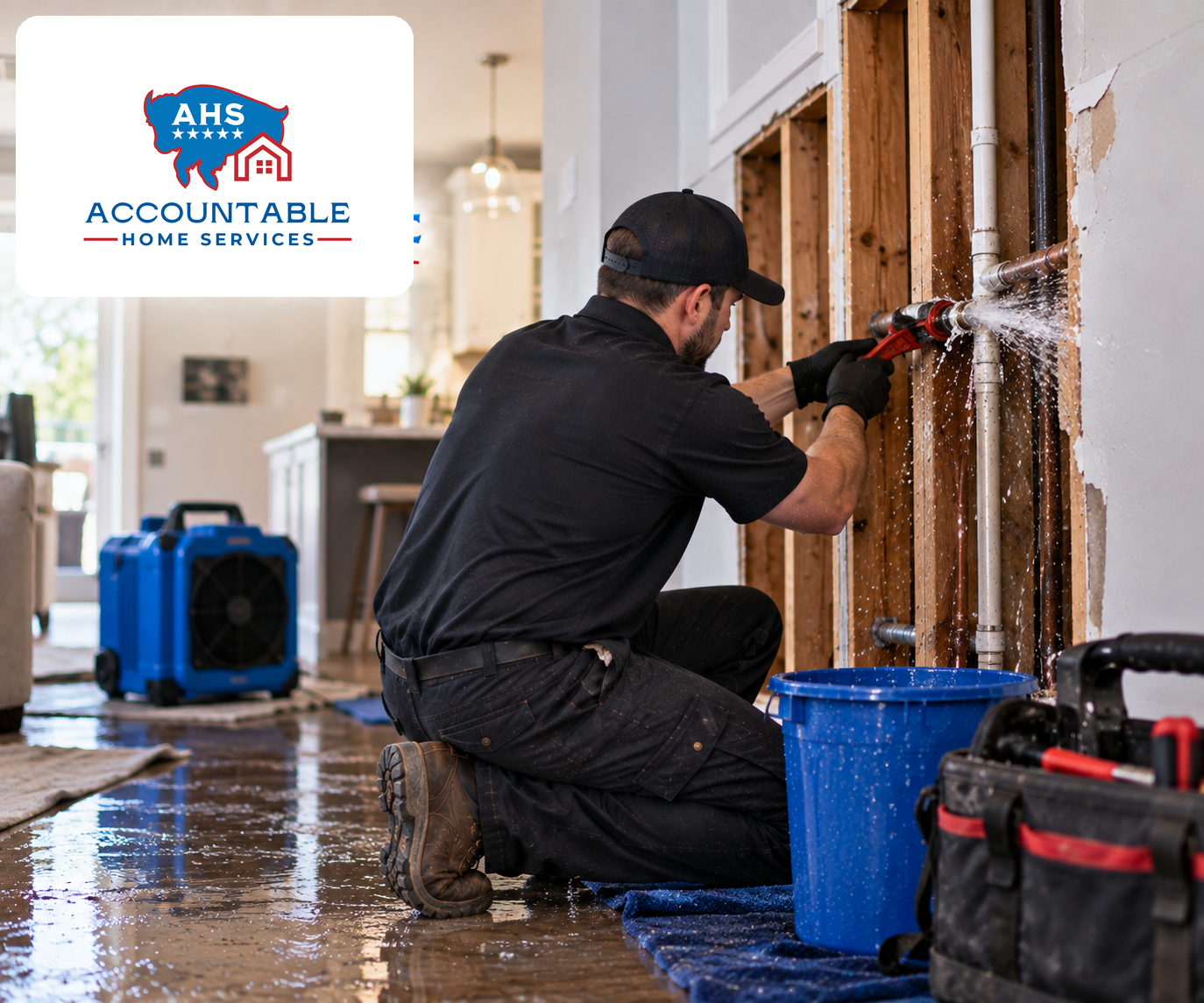
This is where plumbers and restoration companies often work side by side. The plumber stops the source when it is a plumbing issue. The restoration team handles water mitigation Arvada homeowners need after the water has affected flooring, walls, trim, insulation, or contents.
What should you do first after flooding?
After flooding, focus first on safety, stopping additional damage when you can, and documenting the condition before cleanup changes the scene. If there is standing water, electrical risk, sewage, structural damage, or any question about safety, stay out of the affected area and call the right professionals. Once it is safe, begin flood damage documentation with photos, videos, notes, and a list of affected rooms and belongings.
Good documentation does not mean delaying emergency work. It means taking a few careful steps before items are moved, materials are removed, or surfaces are cleaned. FEMA advises homeowners to take clear pictures and videos before cleaning, fixing, or throwing items away, including wide shots and close-ups. (floodsmart.gov)
Immediate homeowner checklist
Use this checklist as a calm starting point:
- Make sure people and pets are safe. Do not enter standing water if electricity may be involved.
- Stop the source if possible. Shut off water for plumbing leaks, but do not put yourself at risk during storm flooding.
- Call your insurance agent or carrier. Ask how to report the loss and what steps they want you to take.
- Take photos and videos. Capture the water line, affected rooms, damaged contents, flooring, walls, and mechanical systems.
- Keep damaged materials when reasonable. Small samples of carpet, pad, flooring, or baseboard may help show the type of material affected.
- Save receipts. Keep invoices for emergency services, equipment, supplies, temporary repairs, and related expenses.
- Call a restoration professional. Fast extraction and drying can help reduce additional damage.
For property managers, this checklist can also help with tenant communication. A simple, documented response plan reduces confusion and shows the owner that the loss is being handled in an organized way.
The restoration process after flood or water damage
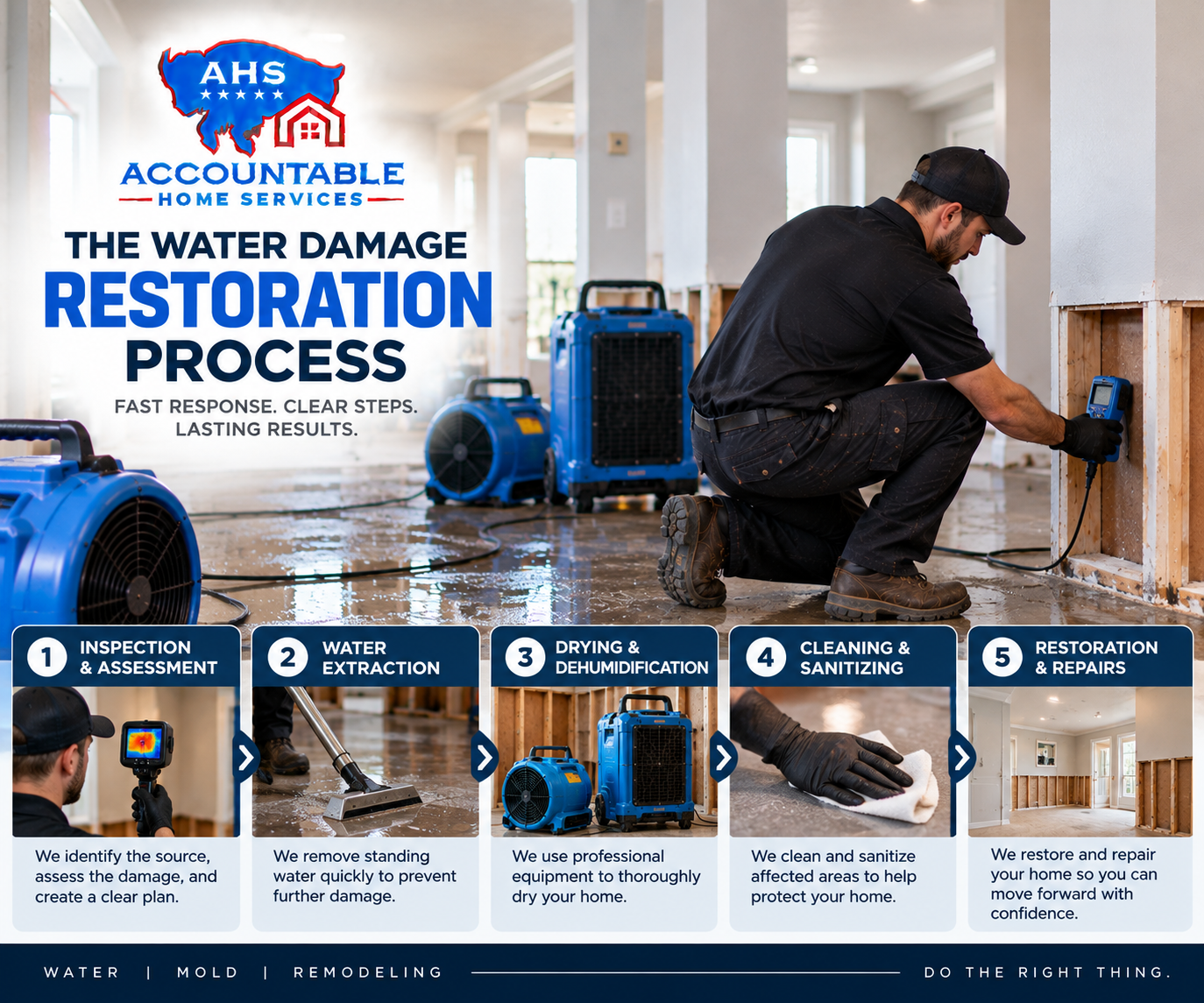
Once the insurance coverage question is started, the restoration work should move quickly. The goal is to document the loss, remove water, dry affected materials, and prevent additional damage where possible. A good water damage restoration Arvada team should communicate clearly, explain what they are doing, and provide documentation that can support the claim process without promising coverage.
Documenting the damage
Before major cleanup begins, the restoration team should record visible damage and moisture conditions. This may include photos, room notes, moisture readings, affected material lists, and details about where water traveled. For a flood damage insurance claim, this documentation can help the adjuster understand the scope of the loss.
Homeowners should also create their own record. Write down when the water was first discovered, what areas were wet, who was contacted, and what actions were taken. If belongings are damaged, list them with approximate age, brand, model, serial number, or purchase information when available. FEMA recommends recording serial numbers from electronics and appliances when documenting flood damage. (floodsmart.gov)
Removing standing water
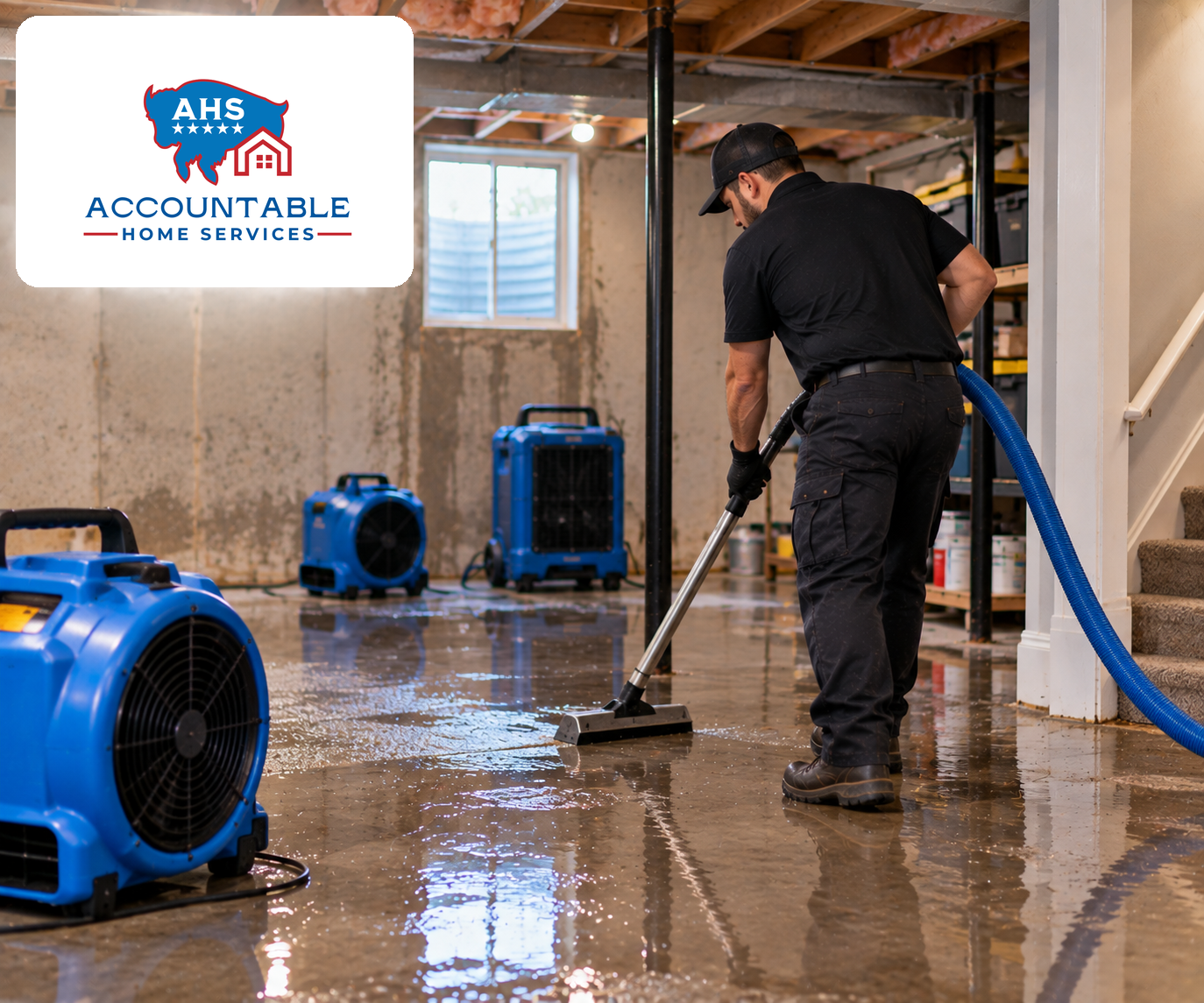
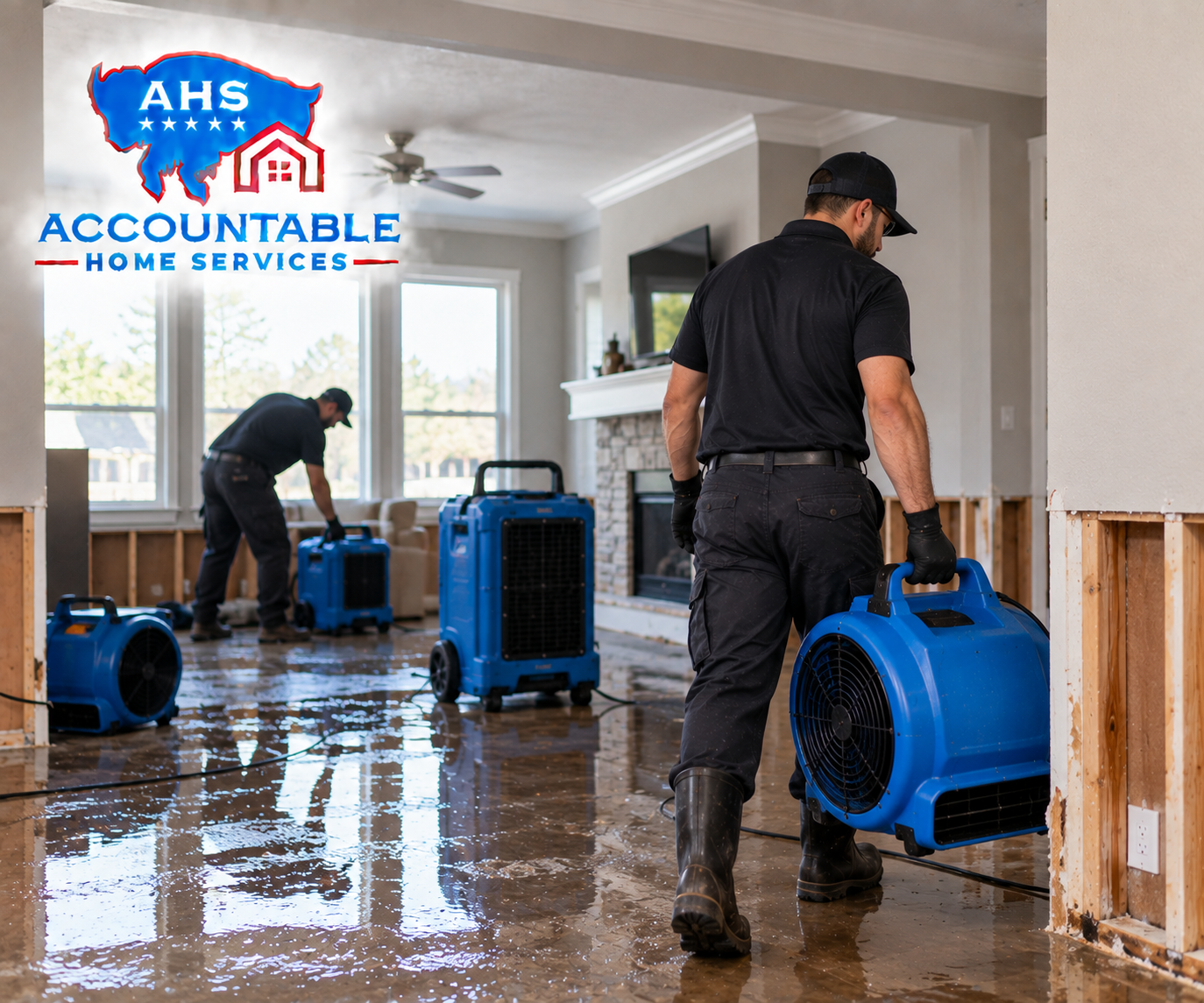
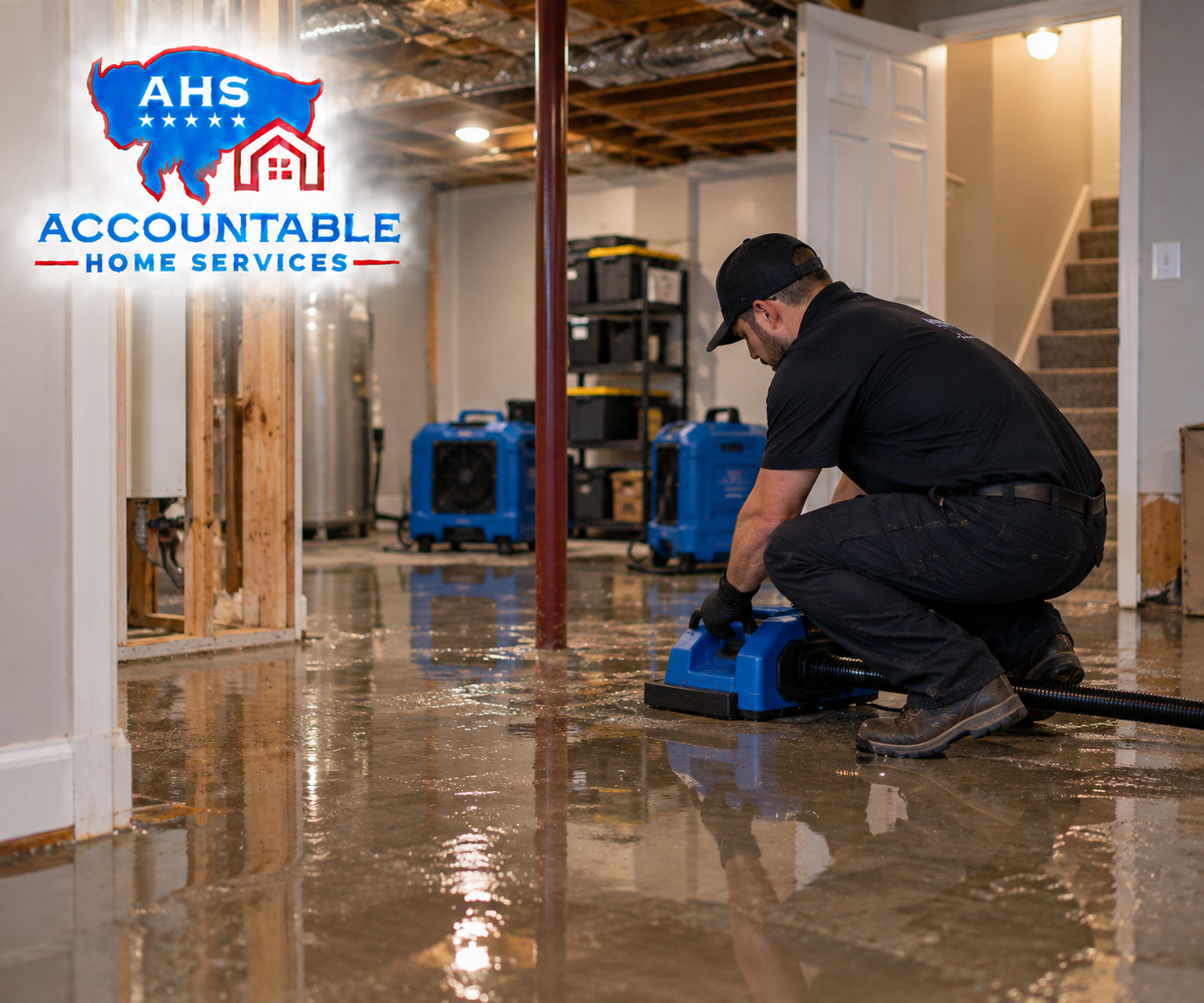
Water removal is usually the first physical step in flood cleanup Arvada homeowners see. Extraction equipment can remove standing water from flooring, carpet, pad, and other affected areas. The faster excess water is removed, the easier it is to assess what can be dried and what may need removal.
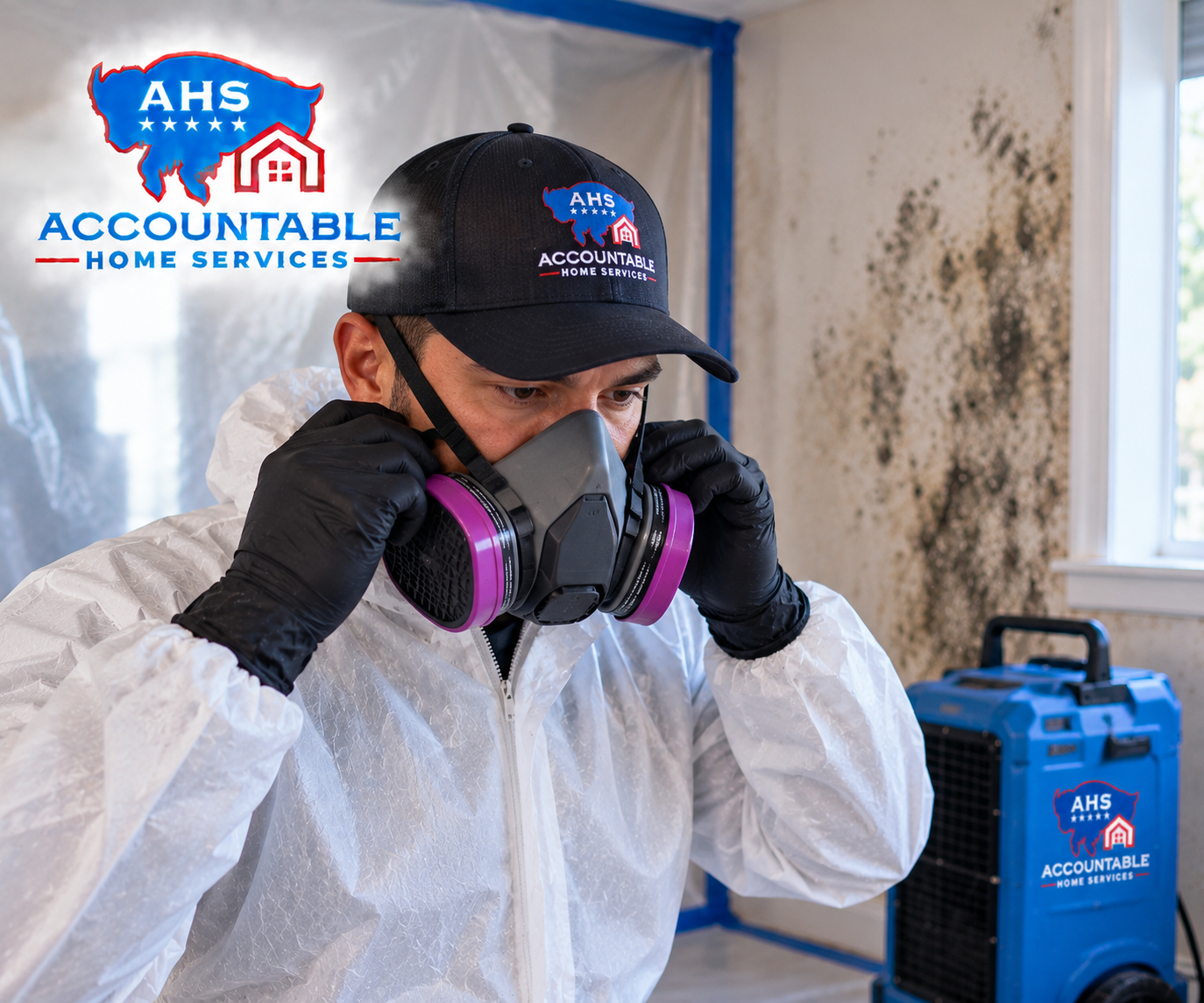
Not all water is the same. Clean water from a supply line is handled differently from floodwater, sewage, or water that may contain contaminants. If floodwater or sewage is involved, cleanup may require additional safety steps, personal protective equipment, and removal of porous materials that cannot be properly cleaned.
Drying the property
After extraction, drying equipment is used to move air and reduce moisture. This may include air movers, dehumidifiers, and targeted drying methods for walls, floors, and cavities. The goal is not just to make surfaces feel dry. It is to bring affected materials back toward appropriate moisture levels and reduce the chance of hidden moisture problems.
Professional drying should include monitoring. Moisture readings over time help show whether materials are improving or whether demolition is needed. This matters for homeowners, agents, and property managers because it turns the drying process into a record instead of guesswork.
Preventing additional damage
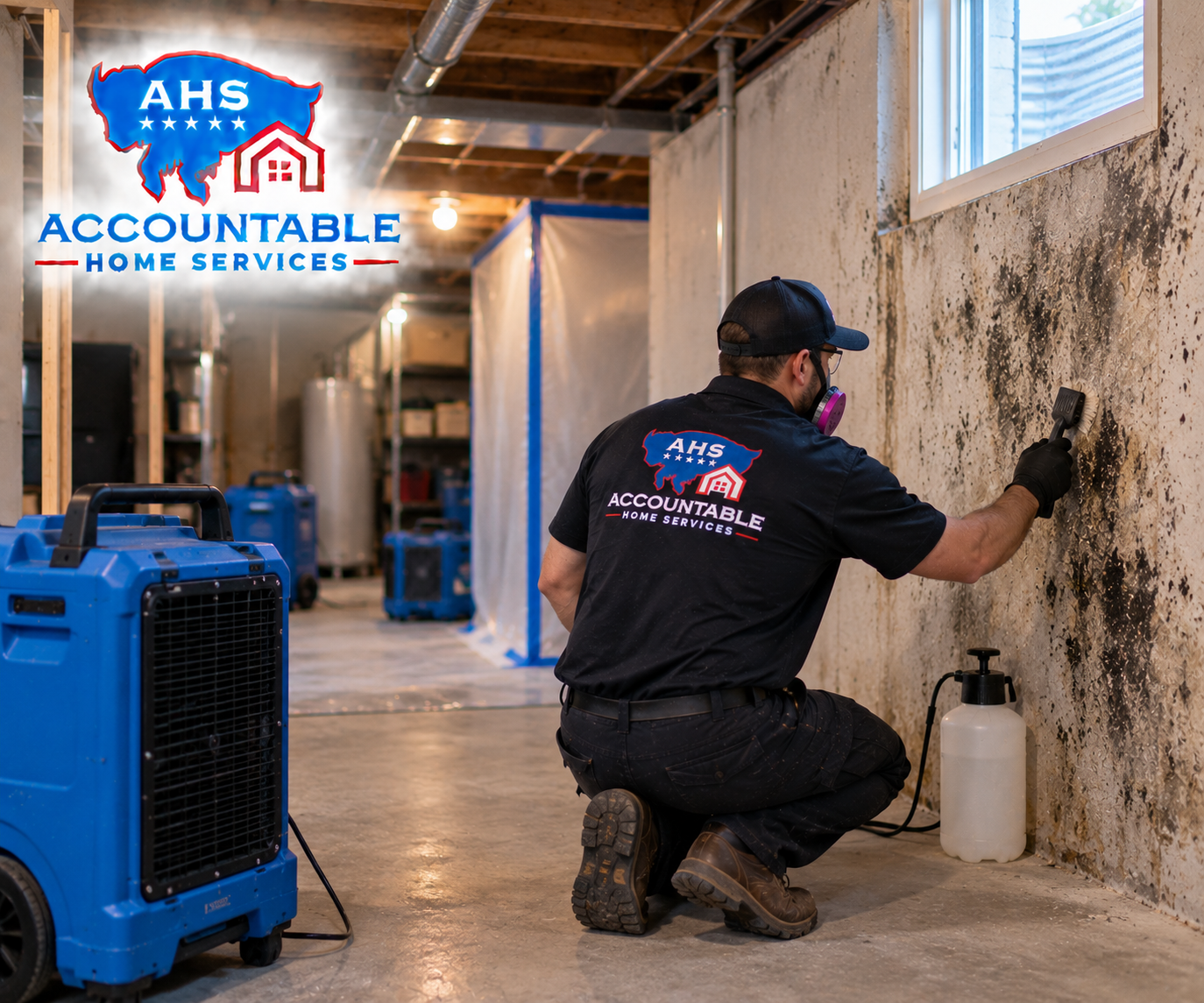
Preventing additional damage can include removing wet porous materials, protecting unaffected areas, improving ventilation, addressing humidity, and watching for mold concerns. If water sits too long behind baseboards, under flooring, or inside wall cavities, the project can become more complicated. That is why water mitigation Arvada services are time-sensitive.
Prevention also includes communication. A restoration team should explain what areas are affected, what steps are recommended, and what decisions may need approval from the homeowner, property manager, carrier, or adjuster. Clear communication helps avoid surprises later.
Insurance documentation that helps the claim process
Flood damage documentation is useful because it creates a timeline. It shows what happened, what was affected, what emergency steps were taken, and why certain materials were removed or dried. It does not guarantee payment, but it can make the claim easier to review.
Helpful documentation may include:
- Photos and videos from before cleanup, during mitigation, and after drying
- Moisture maps or readings from affected rooms
- Notes about the suspected source and category of water
- Equipment logs showing drying dates and locations
- Lists of removed materials, such as carpet pad, drywall, baseboard, or insulation
- Receipts, invoices, and emergency repair records
- Communication notes with the carrier, adjuster, agent, plumber, tenant, or property manager
Insurance agents often appreciate a restoration partner that keeps the file organized. Plumbers benefit when the customer understands where plumbing repair ends and mitigation begins. Property managers need clean updates they can pass along to owners and tenants without translating technical language.
Questions to ask before buying flood insurance quotes
When looking for flood insurance quotes, focus on fit instead of only price. Premiums matter, but so do coverage limits, deductibles, exclusions, waiting periods, and whether contents coverage is included. NFIP policies generally have a waiting period before coverage begins, with limited exceptions, so homeowners should not wait until water is already threatening the property to ask questions. (floodsmart.gov)
Ask your insurance professional:
- Does this policy cover the building, contents, or both?
- Are finished basement materials treated differently?
- What deductibles apply to building and contents coverage?
- Are there limits for personal property stored in the basement?
- Is sewer backup or sump pump failure covered by my homeowners policy, an endorsement, flood insurance, or not at all?
- What waiting period applies before the flood policy takes effect?
- How should I document damage if I ever need to file a claim?
- Who do I call first after a flood: the agent, carrier, restoration company, or plumber?
For Colorado flood coverage, you may also want to ask whether your property is in a mapped flood zone and whether your lender has requirements. The Colorado Division of Insurance provides consumer resources and helps Coloradans understand insurance questions, but your own policy documents and insurance professionals are still the right place to confirm your coverage. (doi.colorado.gov)
How restoration partners support agents, plumbers, and property managers
Flooding and water damage create pressure for everyone involved. The homeowner wants answers. The insurance agent wants the client to feel supported. The plumber wants the water source fixed and the customer protected from further damage. The property manager wants fast action, clean communication, and fewer complaints.
A reliable restoration partner helps by doing three things well:
- Responding quickly: Water damage gets harder to manage when it sits. Prompt inspection, extraction, and drying can reduce the chance of additional damage.
- Explaining the process: Homeowners should understand what is wet, what can be dried, what may need removal, and what documentation is being collected.
- Keeping records: Photos, readings, notes, and invoices help the claim file stay organized, even though final coverage decisions belong to the insurer.
This is especially important with basement flooding insurance questions. Basements often include flooring, drywall, stored contents, mechanical equipment, and hidden cavities. Without careful documentation, it can be difficult to separate what was damaged, what was removed, and why the work was needed.
A practical plan for Arvada homeowners
If you own a home in Arvada, do not wait for a storm or basement leak to learn how your insurance works. Review your homeowners policy, ask about flood insurance Colorado options, and make sure you understand the difference between flood damage and other water damage. If you manage properties or advise clients, encourage them to keep policy information, emergency contacts, and basic property photos in an easy-to-access place.
A simple preparation plan can include:
- Review your homeowners policy with your agent.
- Ask whether separate flood insurance in CO makes sense for the property.
- Confirm whether sewer backup or sump pump coverage is included or available.
- Photograph key areas before any loss, including the basement, mechanical room, and finished spaces.
- Keep receipts for major appliances, flooring, and recent improvements.
- Save contact information for a plumber, insurance agent, and water mitigation Arvada restoration provider.
- Act quickly if water enters the home, and document before cleanup changes the evidence.
Flood insurance Arvada CO decisions are best made before there is water on the floor. Coverage depends on the policy and the cause of loss, so review your documents and talk with your insurance agent or qualified professional. If flooding or water damage does happen, careful documentation, prompt water removal, proper drying, and steps to prevent additional damage can help you move through the restoration and claim process with less confusion.