Basement Water Leak Repair in Erie, CO: What Homeowners Should Do First

Basement Water Leak Repair in Erie, CO: What Homeowners Should Do First
A wet basement can turn a normal day into a stressful one, especially when you are not sure where the water is coming from. The right first step is not just drying what you can see. For homeowners, plumbers, insurance agents, and property managers in Erie and the Denver metro area, the key is to identify the source, stop more water from entering, document the damage, and begin proper mitigation before the problem spreads.
What should you do first when you find water in the basement?
When you find water in the basement, first focus on safety, then find the source of the water before starting major drying or repairs. If the water is near electrical outlets, appliances, or the breaker panel, stay out of the area and call for help. Once it is safe, look for the likely source: a plumbing leak, foundation seepage, sump pump failure, storm-related intrusion, or another issue that needs to be fixed before basement water leak repair can actually work.
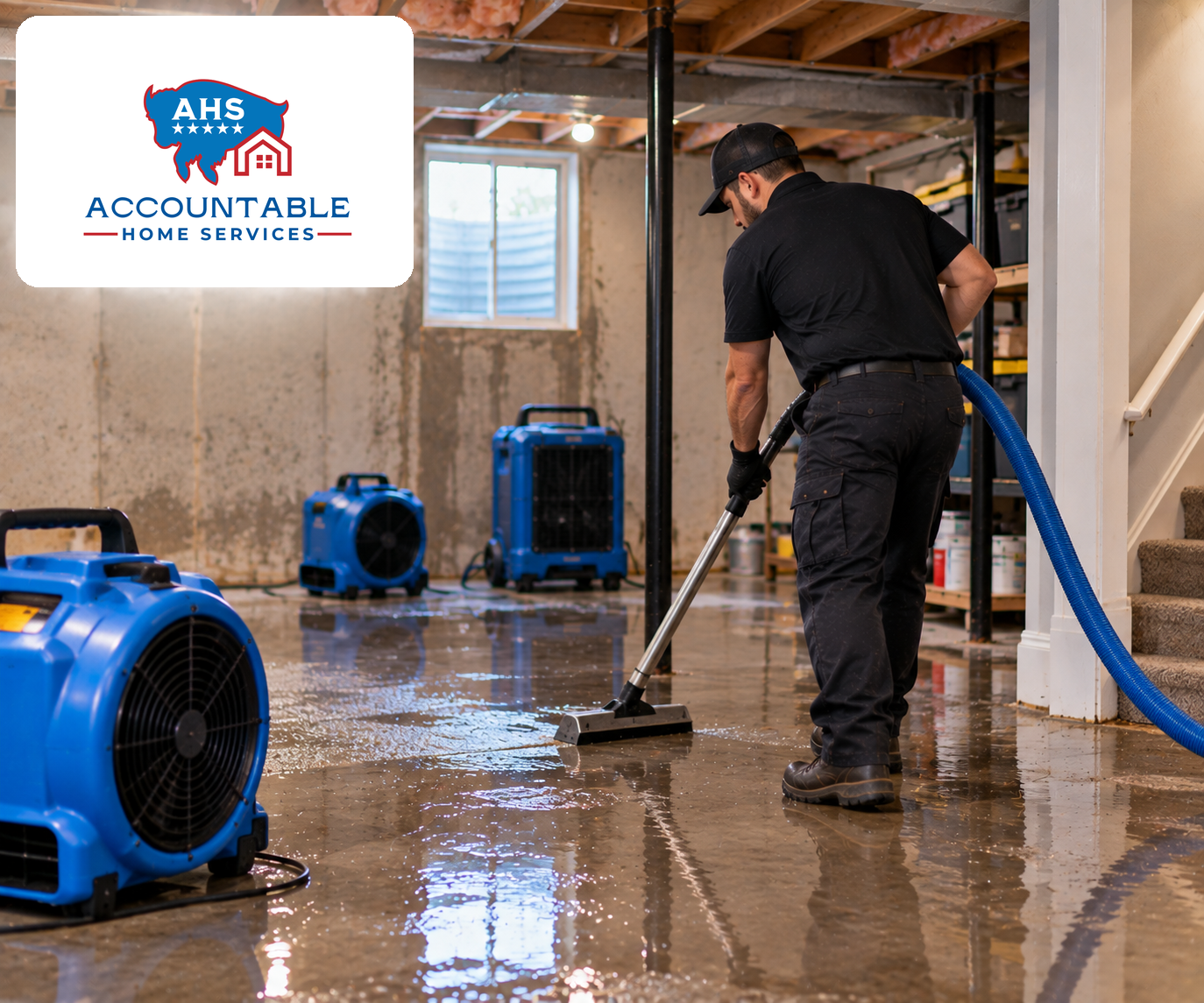
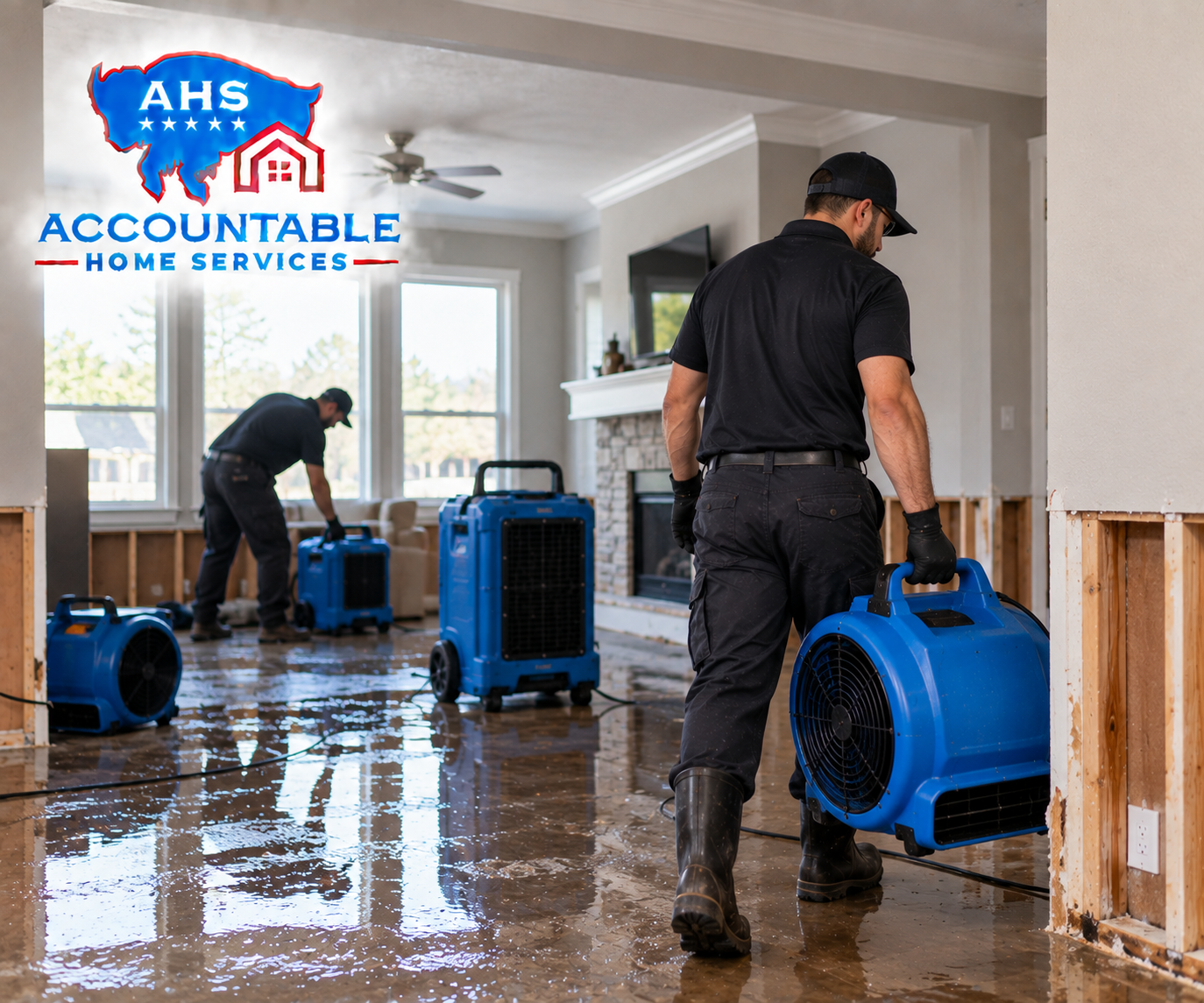
It is natural to grab towels, a shop vacuum, or fans right away. Those may help with small amounts of clean water, but they do not solve the main problem if water is still coming in. Drying visible water without locating the cause can hide the issue for a few days, only for wet walls, musty odors, or mold concerns to show up later.
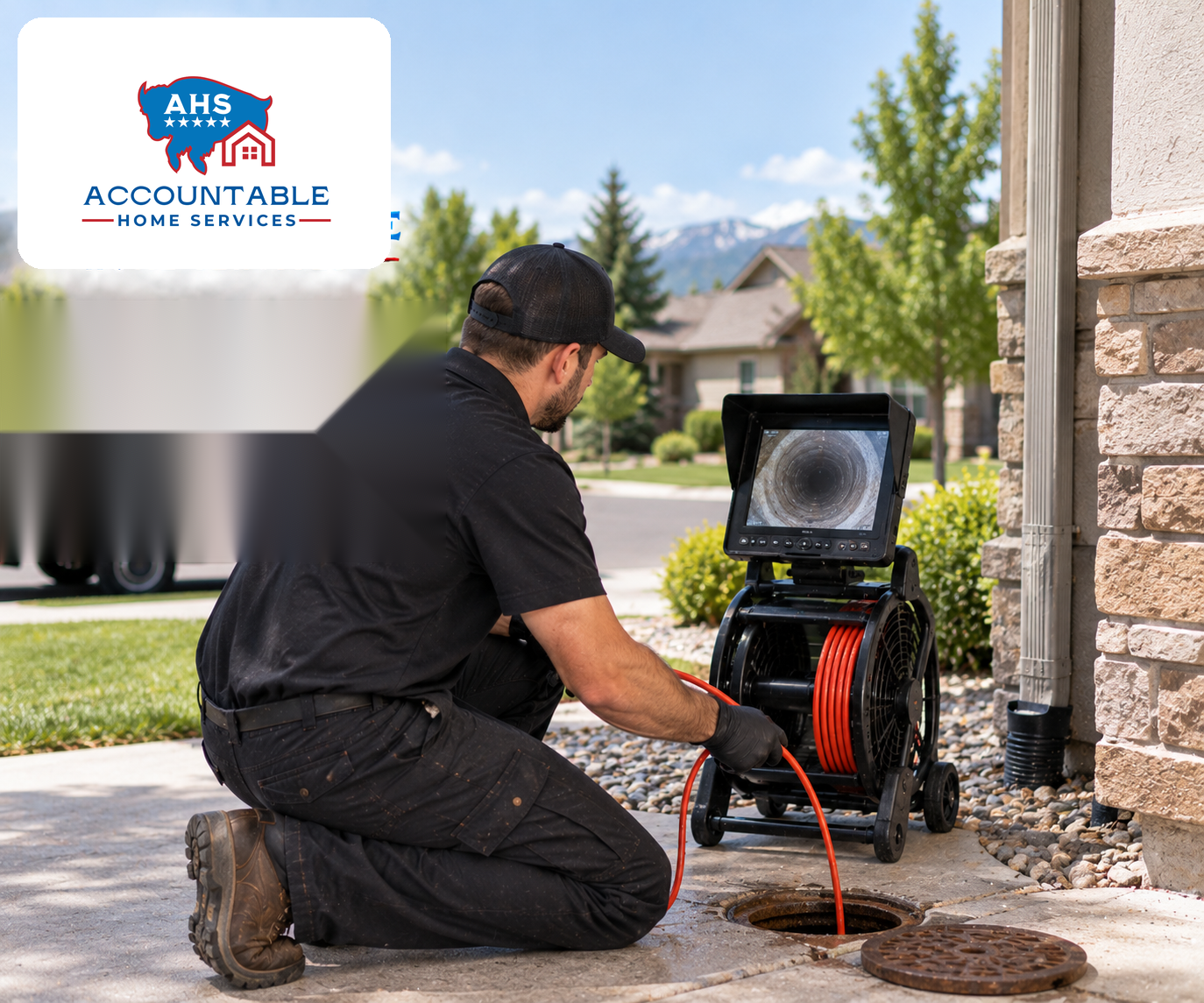
A good restoration response starts with diagnostics. That means checking the pattern of water, the materials affected, the recent weather, plumbing fixtures, sump pump operation, and moisture inside nearby building materials. This is especially important for basement water leak repair Erie CO situations because homes in the area can deal with heavy rain, snowmelt, expansive soils, grading problems, plumbing failures, and sump pump issues.
Why finding the source matters before drying
Water moves in ways that are not always obvious. It can travel behind baseboards, under flooring, through wall cavities, and along cracks in the foundation before showing up in the middle of a room. What looks like a simple puddle may be connected to a wall crack, a failed sump pump, a leaking pipe, or water pushing through the foundation after a storm.
If the source is not found, the drying plan may be incomplete. A fan aimed at wet carpet will not help much if foundation seepage is still feeding moisture into the wall. A dehumidifier can lower humidity, but it will not repair a supply line leak. Removing water from the floor may make the room look better while hidden moisture continues to affect drywall, baseboards, insulation, and flooring.
For insurance agents and property managers, this is where clear communication matters. A homeowner or tenant may say, “The basement flooded,” but the cause could point to very different next steps. Proper notes, photos, moisture readings, and repair recommendations can help everyone understand what happened and what needs to happen next.
Common sources of basement water in Erie homes
Basement leaks do not all come from the same place. Knowing the difference helps homeowners avoid guessing and helps plumbers, restoration teams, and insurance professionals stay aligned.
Foundation seepage
Foundation seepage happens when water enters through foundation walls, floor cracks, cold joints, window wells, or gaps where utilities enter the home. This often shows up after heavy rain, snowmelt, poor drainage, or soil saturation around the home. In some cases, the water appears slowly as damp spots, staining, efflorescence, or a musty smell rather than as standing water.
Foundation seepage is not the same as a broken pipe. It is usually connected to exterior drainage, grading, hydrostatic pressure, foundation cracks, or waterproofing problems. Foundation leak repair may involve sealing cracks, improving drainage, addressing window wells, or evaluating exterior water control, depending on the situation.
Plumbing leaks
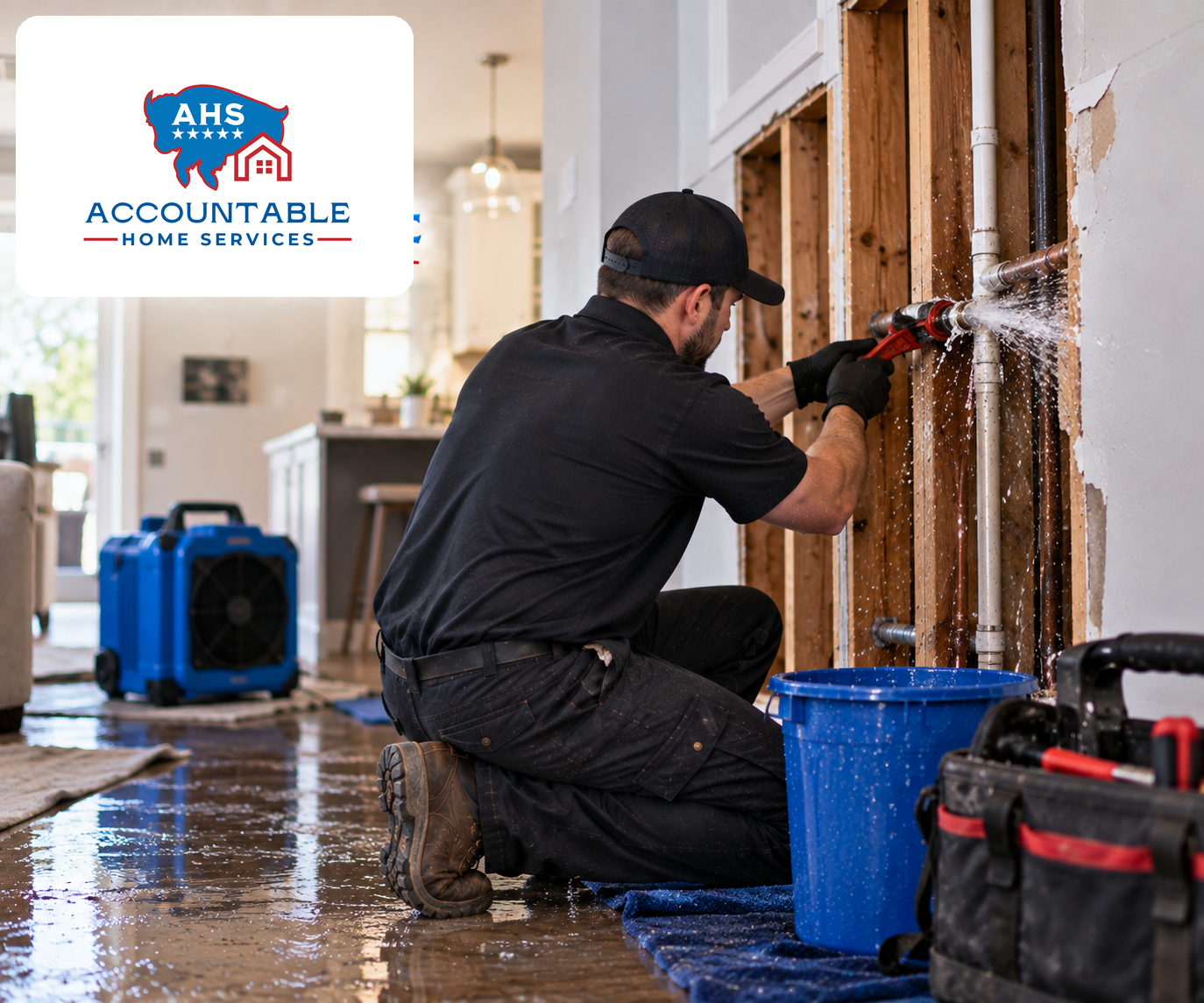
A plumbing leak basement situation may come from a supply line, drain line, water heater, bathroom fixture, refrigerator line, humidifier line, or other plumbing component above or inside the basement. Plumbing leaks can be sudden, like a burst pipe, or slow, like a drip inside a wall.
One clue is timing. If water appears even when the weather has been dry, plumbing should be considered. If the water is near a bathroom, mechanical room, laundry area, or ceiling below an upper-level fixture, a plumber may need to stop the leak before water mitigation begins.
Sump pump failure
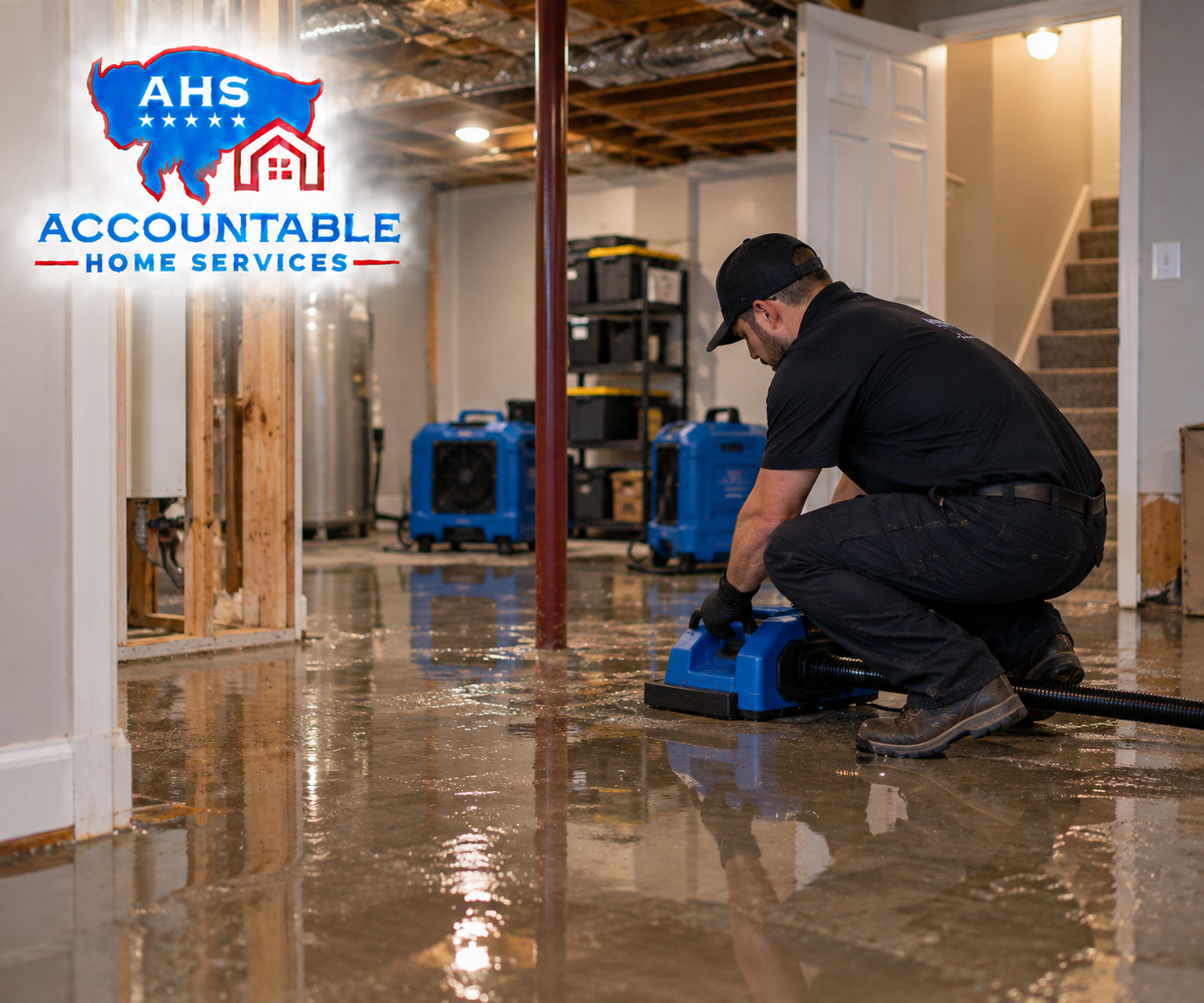
Sump pump failure Erie calls are common when groundwater rises and the pump cannot keep up, loses power, clogs, or fails mechanically. When this happens, water that should be pumped away can back up into the basement. The result may be a small wet area around the sump pit or widespread basement flooding Erie homeowners did not expect.
A failed sump pump needs quick attention because more water may enter if the groundwater level remains high. A plumber or sump pump specialist may be needed to repair or replace the system. A restoration team can then remove water, dry affected materials, and check for hidden moisture.
Storm-related intrusion
Storm-related intrusion is water that enters because rain, hail, wind, snowmelt, or drainage overloads the home’s exterior defenses. It may come through window wells, doors, foundation cracks, exterior wall gaps, or low spots where water collects against the house.
This type of water in basement Erie CO homes can be tied to downspouts discharging too close to the foundation, clogged gutters, negative grading, or intense rainfall. Even if the basement dries out after the storm, the same problem can return unless the drainage or entry point is addressed.
Signs that the visible water is only part of the problem
A basement can look mostly dry while still holding moisture in materials that are not easy to see. This is why restoration professionals use moisture meters, thermal imaging when appropriate, and careful inspection instead of relying only on touch or appearance.
Watch for these warning signs:
- Damp or swollen baseboards: Baseboards can wick water from the floor and hide moisture behind them.
- Soft drywall or bubbling paint: Drywall can absorb water above the visible flood line.
- Musty odor: Odor may point to trapped moisture behind walls, under flooring, or inside insulation.
- Cupped or lifting flooring: Laminate, engineered wood, and some vinyl products can trap water underneath.
- Wet carpet pad: Carpet may feel only slightly damp while the pad below is saturated.
- Condensation or high humidity: Moisture in the air can slow drying and affect nearby contents.
- Recurring wet spots: If the same area keeps getting damp, the source has likely not been solved.
Hidden moisture matters because building materials dry at different speeds. Concrete may hold moisture. Drywall can wick water upward. Insulation can stay wet inside the wall and lose performance. Flooring can trap water against the subfloor. If these materials are not checked and dried properly, basement water damage can become more expensive and more disruptive.
Why drywall, baseboards, insulation, and flooring need special attention
Water damage repair is not just about removing standing water. The materials around the leak often decide how serious the job becomes.
Drywall is porous. When water touches the bottom of a wall, the drywall can pull moisture upward, even above the visible water line. Paint may look normal at first, but the paper backing can stay damp and support microbial growth if conditions remain favorable.
Baseboards can block airflow and hide wet wall edges. They may need to be removed so the wall cavity can be inspected and dried. If baseboards are left in place during a larger leak, the surface may dry while the space behind them stays wet.
Insulation is another concern. Wet fiberglass can hold moisture and slow drying inside the wall cavity. Some insulation may need removal if it is saturated or contaminated. Leaving wet insulation in place can keep nearby wood and drywall damp longer than expected.
Flooring can be tricky because water often travels underneath it. Carpet pad can act like a sponge. Laminate may swell. Luxury vinyl plank can hide water below the surface. Tile may look unaffected while moisture sits in the underlayment or along walls. This is why hidden moisture checks are such an important part of basement water leak repair.
A practical first-response checklist
When a basement leak Erie homeowner reports is active or recent, these steps can help reduce damage while keeping the response organized.
- Stay safe first. Avoid standing water near electricity, appliances, or the breaker panel. Do not enter areas with sewage, chemical contamination, or structural concerns.
- Stop the source if you can. Shut off the water supply for a suspected plumbing leak. Check whether the sump pump is running. Move downspouts away from the foundation if stormwater is pooling.
- Call the right trade. A plumber should address active pipe leaks, drain issues, water heater failures, or sump pump problems. A restoration team should handle water extraction, drying, moisture checks, and documentation.
- Document before moving too much. Take photos and video of standing water, wet materials, damaged contents, and the suspected source. Keep receipts for emergency work.
- Move contents only if safe. Relocate dry belongings away from wet areas. Do not throw away damaged materials until they are documented unless they create a safety issue.
- Avoid overusing household fans. Air movement can help in clean, small leaks, but it can also spread contaminants or fail to dry hidden cavities. Professional drying is often needed for larger losses.
- Ask for moisture readings. Visible dryness is not enough. Moisture readings help show what areas were affected and whether drying is working.
This checklist is not meant to replace professional help. It simply gives homeowners, tenants, and managers a calmer way to respond during the first hour.
When to call for professional water mitigation
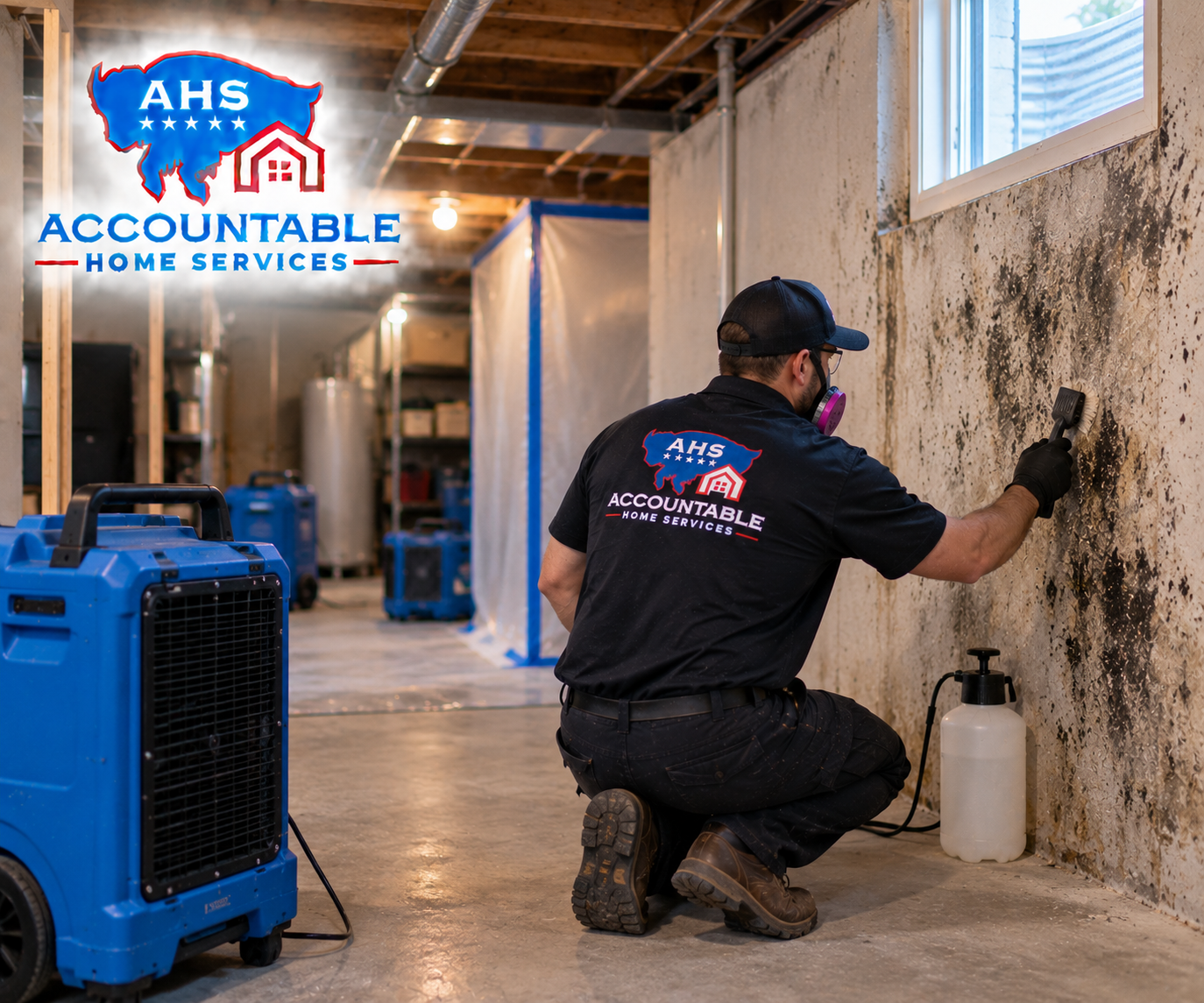
Professional water mitigation Erie CO services are usually needed when water covers a large area, affects walls or flooring, comes from an unknown source, involves sewage or drain backup, or has been sitting for more than a short time. You should also call if there is concern about mold after basement leak conditions, especially when moisture may be trapped behind finished materials.
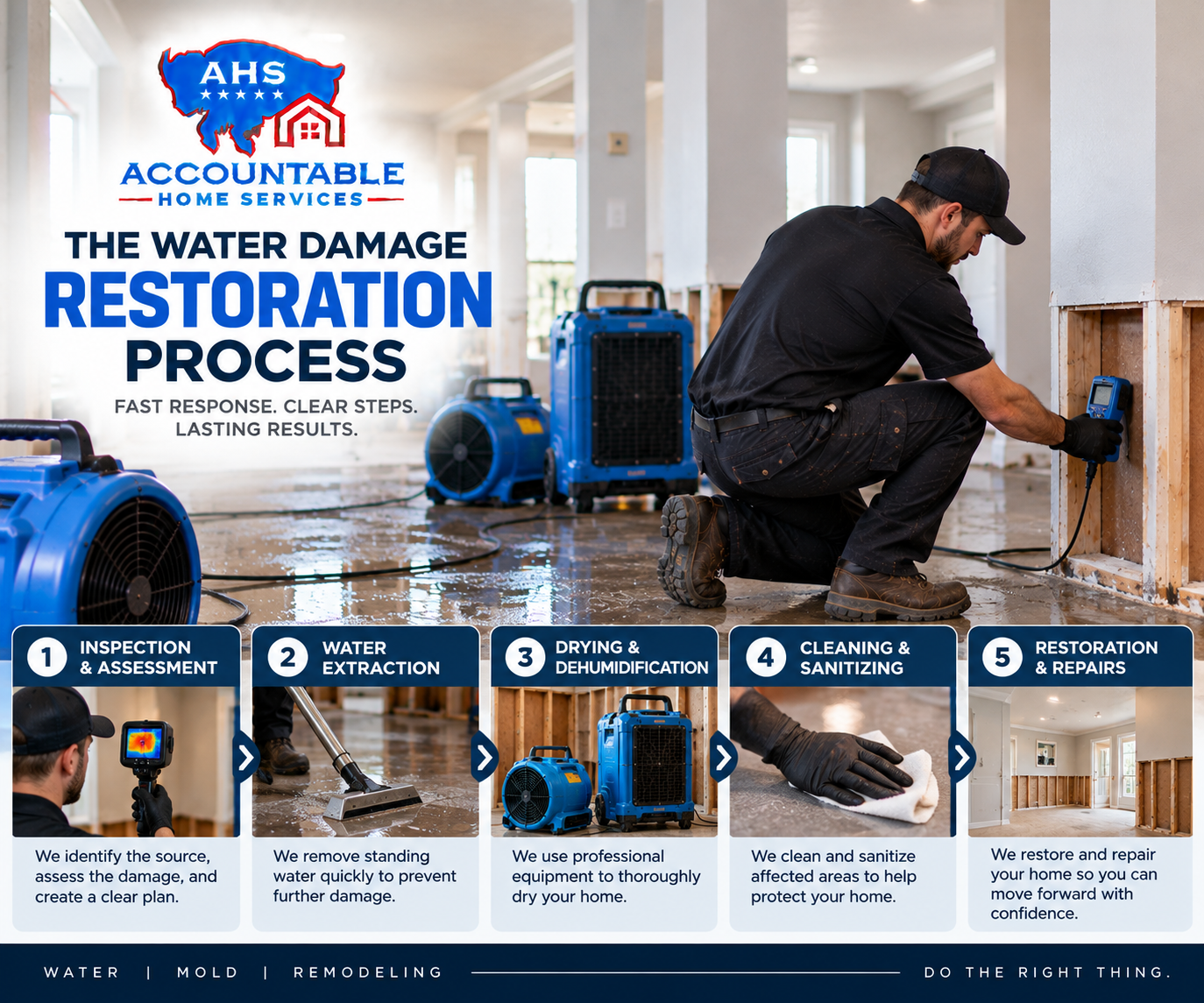
Mitigation is different from general cleanup. A restoration team looks at water category, affected materials, moisture migration, humidity, drying equipment needs, and documentation. The goal is to reduce further damage and create a clear drying plan.
For plumbers, this is an important handoff point. You may stop the leak, replace the failed part, or restore plumbing function, but the customer may still have wet drywall, flooring, cabinets, or insulation. Referring a restoration partner for water damage restoration Erie work helps the customer avoid a second problem after the plumbing repair is complete.
For property managers, fast mitigation protects more than the building. It helps reduce tenant frustration, owner concerns, and confusion about what happened. A clear restoration process also gives you better information to share with decision-makers.
Documentation that can support an insurance claim
Not every basement leak is handled the same way by insurance, and coverage depends on the policy, cause of loss, endorsements, exclusions, and timing. Still, strong documentation can make the claim process easier for homeowners, agents, adjusters, plumbers, and property managers.
Helpful documentation often includes:
- Photos and videos of the source, affected rooms, and damaged materials
- Moisture readings from walls, flooring, and other affected areas
- Notes about when the water was discovered and what actions were taken
- Plumber invoices or reports showing the cause of the leak, if applicable
- Drying logs and equipment records from the mitigation company
- Photos of removed materials before disposal
- Communication records with tenants, owners, or service providers
This is one reason The Local Restoration Guide emphasizes calm, clear communication. During a stressful basement leak, people need more than equipment. They need a process that shows what was found, what was done, and why those steps were necessary.
Preventing repeat basement leaks
After the immediate water damage is handled, it is worth looking at prevention. The best repair is the one that also reduces the chance of the same problem returning.
Start outside the home. Gutters should be clear, and downspouts should move water away from the foundation. Soil should slope away from the home where possible. Window wells should drain properly and have covers if needed. Cracks, gaps, and low entry points should be evaluated before the next storm.
Inside the basement, test the sump pump regularly and consider a battery backup where appropriate. Watch for signs of slow plumbing leaks around water heaters, laundry connections, bathrooms, and mechanical equipment. If a finished basement has had prior leaks, keep an eye on baseboards, flooring edges, and musty odors after storms.
For rental properties and managed homes, prevention also depends on reporting. Tenants should know how to report water quickly, where shutoff valves are located if appropriate, and what not to do when they find standing water. A simple response plan can save time when minutes matter.
The right first step leads to a better repair
Basement water leak repair works best when it starts with the cause, not just the puddle. Whether the problem is foundation seepage, a plumbing leak basement issue, sump pump failure, or storm-related intrusion, the source must be understood before drying and repairs can be trusted.
If you are dealing with basement water damage in Erie or the Denver metro area, slow down just enough to stay safe, document what you see, and bring in the right help. A careful response can reduce damage, limit confusion, and support a smoother path from emergency cleanup to final repair.