Water Damage and Mold in Castle Pines, CO: What Homeowners Should Know
Water Damage and Mold in Castle Pines, CO: What Homeowners Should Know
Water damage in a Castle Pines home can look small at first, but moisture can move into drywall, flooring, cabinets, insulation, and basement materials faster than most people expect. Mold after water damage is usually a moisture problem first, so the most helpful first step is to stop the water source, document what happened, and dry the affected area the right way. This guide explains what homeowners, property managers, plumbers, and insurance agents should know about water damage mold in Castle Pines CO, including warning signs, first steps, and when to bring in professional help.
What should Castle Pines homeowners do first after water damage?
The first priority is safety, then stopping the source of water, then protecting the home from further damage. If you see active leaking, a flooded basement, wet drywall, or water around electrical outlets, slow down and take practical steps rather than rushing into cleanup. The first 24 to 48 hours matter because materials that stay wet can become harder to dry, may need removal, and can create conditions where mold is more likely to grow.
Start with these steps:
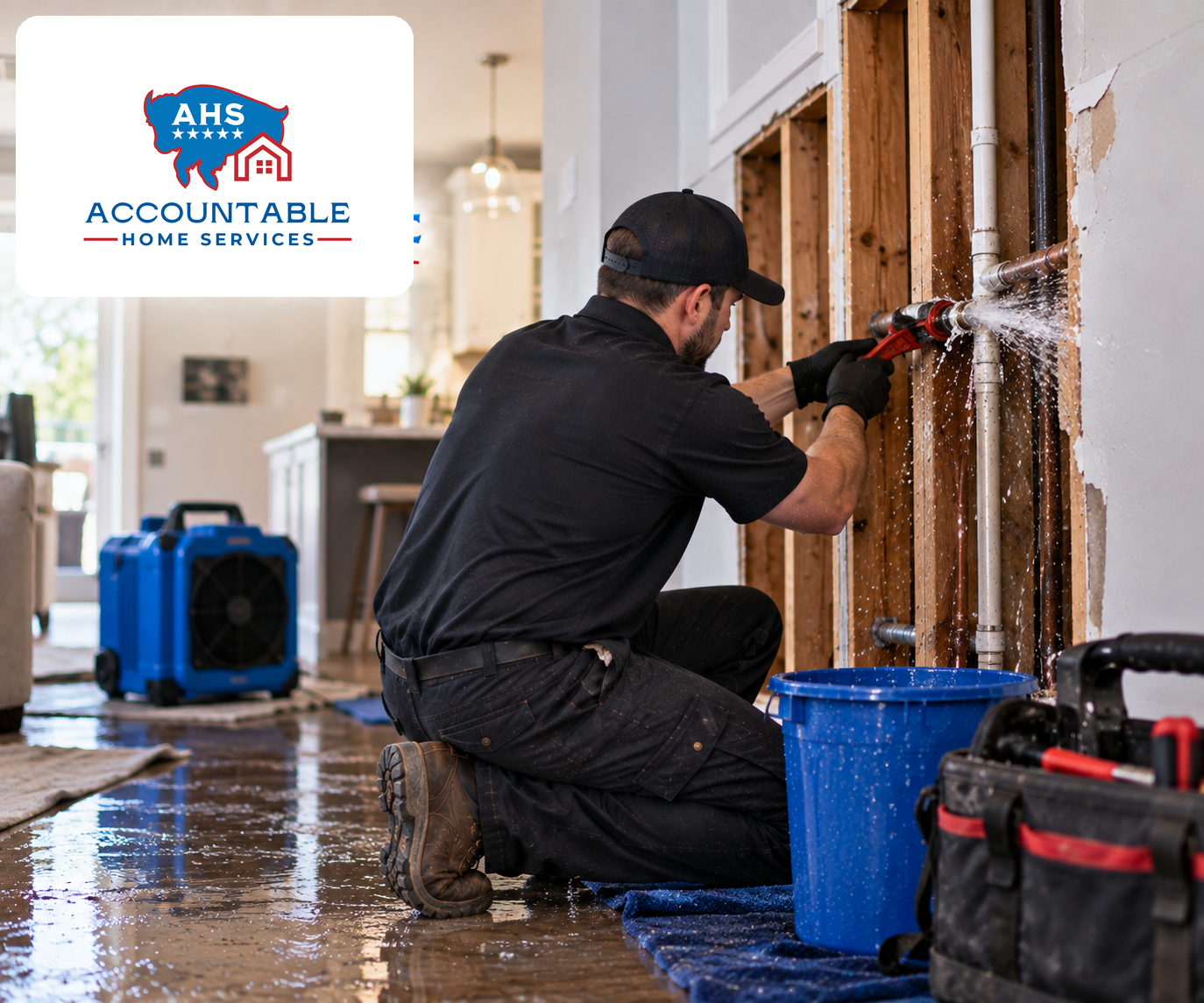
- Stop the water if you can do it safely. Turn off the water supply for a broken line, leaking fixture, or failed appliance. If the issue is plumbing related, call a plumber to repair the source.
- Avoid unsafe areas. Do not walk through standing water if electrical hazards may be present. Keep children and pets away from wet rooms, sewage backups, or sagging ceilings.
- Take photos and videos before moving items. Document the water source, affected rooms, wet materials, damaged belongings, and any visible staining.
- Move dry items out of the affected area. If furniture, boxes, rugs, or stored items are sitting on wet flooring, move what you safely can to a dry space.
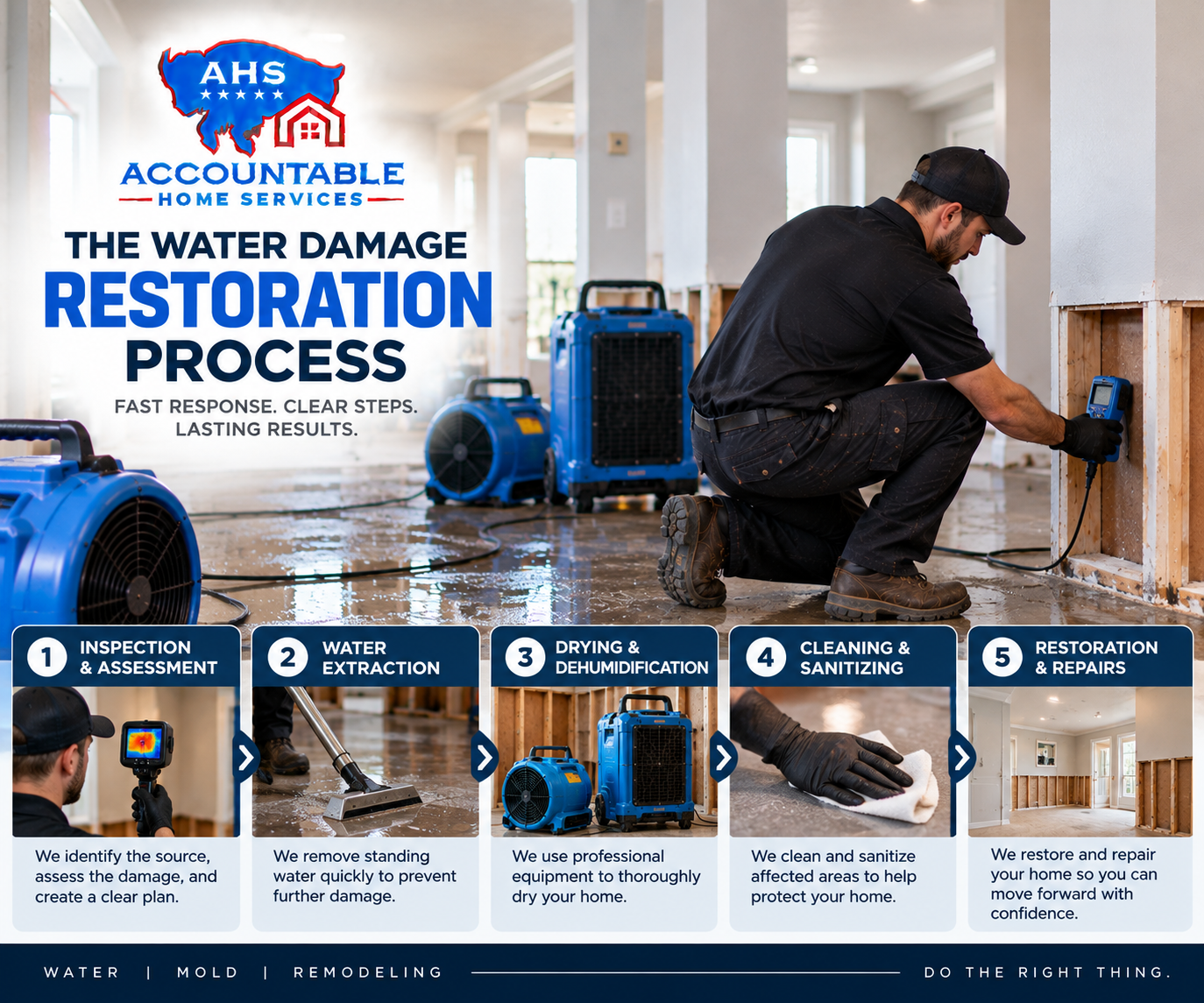
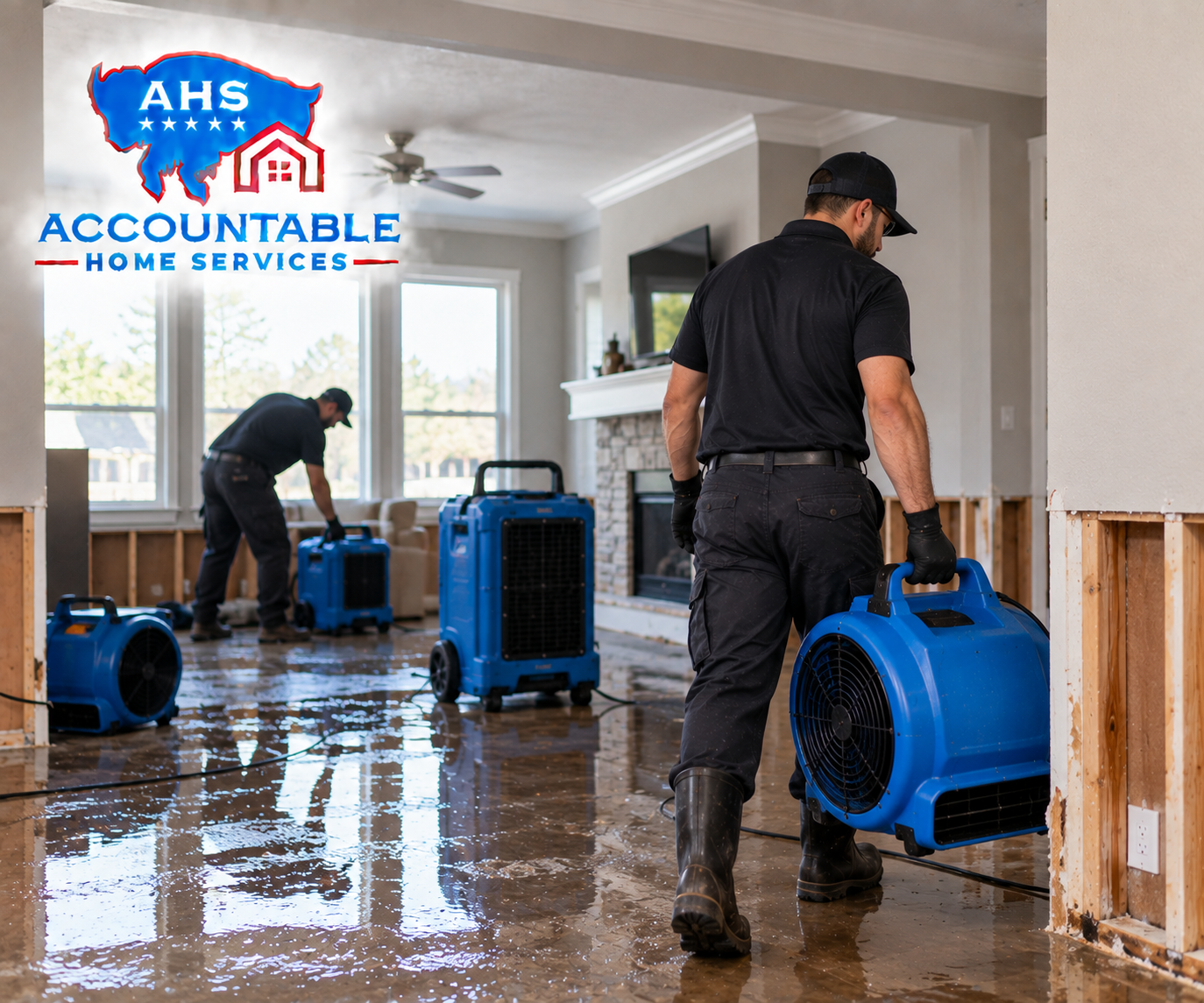
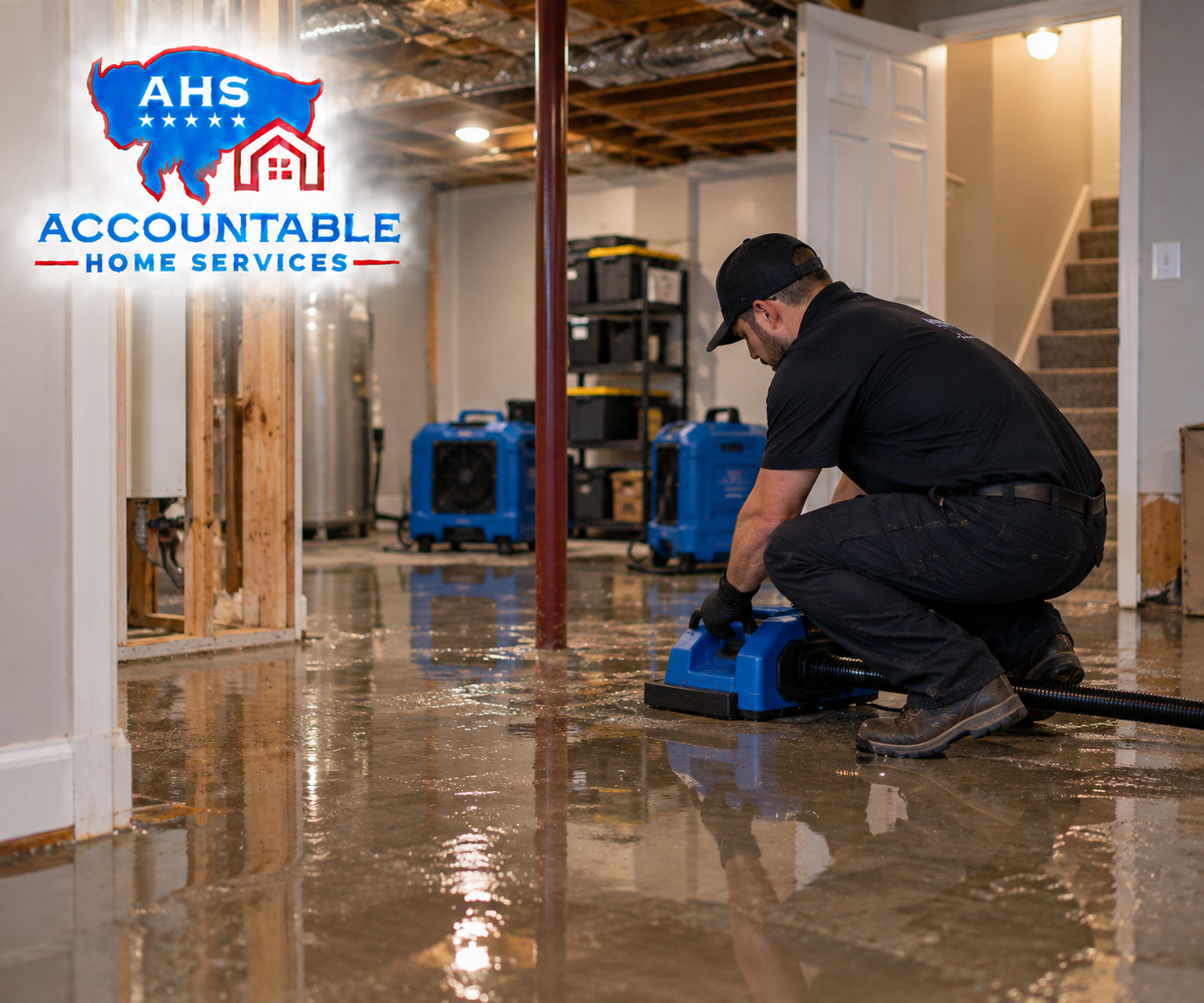
- Call for water mitigation Castle Pines help when moisture has spread. A restoration team can inspect, extract water, set drying equipment, and track hidden moisture before it turns into a larger repair.
Castle Pines homes can have finished basements, multi-level plumbing runs, and areas where water travels behind walls or under flooring. That is why a small leak upstairs can show up later as ceiling leak mold, staining, or soft drywall below. The visible puddle is not always the full problem.
How water damage turns into a mold concern
Mold needs moisture, a food source, and time. Homes already contain dust and building materials that mold can grow on, so the main thing homeowners can control is moisture. When drywall, trim, carpet pad, insulation, or wood framing stay damp, mold after water damage becomes more likely.
This does not mean every leak becomes a mold problem. A clean water leak that is found quickly, dried correctly, and verified with moisture readings may be handled before mold takes hold. The concern grows when the water source is missed, drying is incomplete, or materials stay damp behind paint, baseboards, cabinets, or flooring.
Common examples include:
- Wet drywall mold after a pipe leak inside a wall.
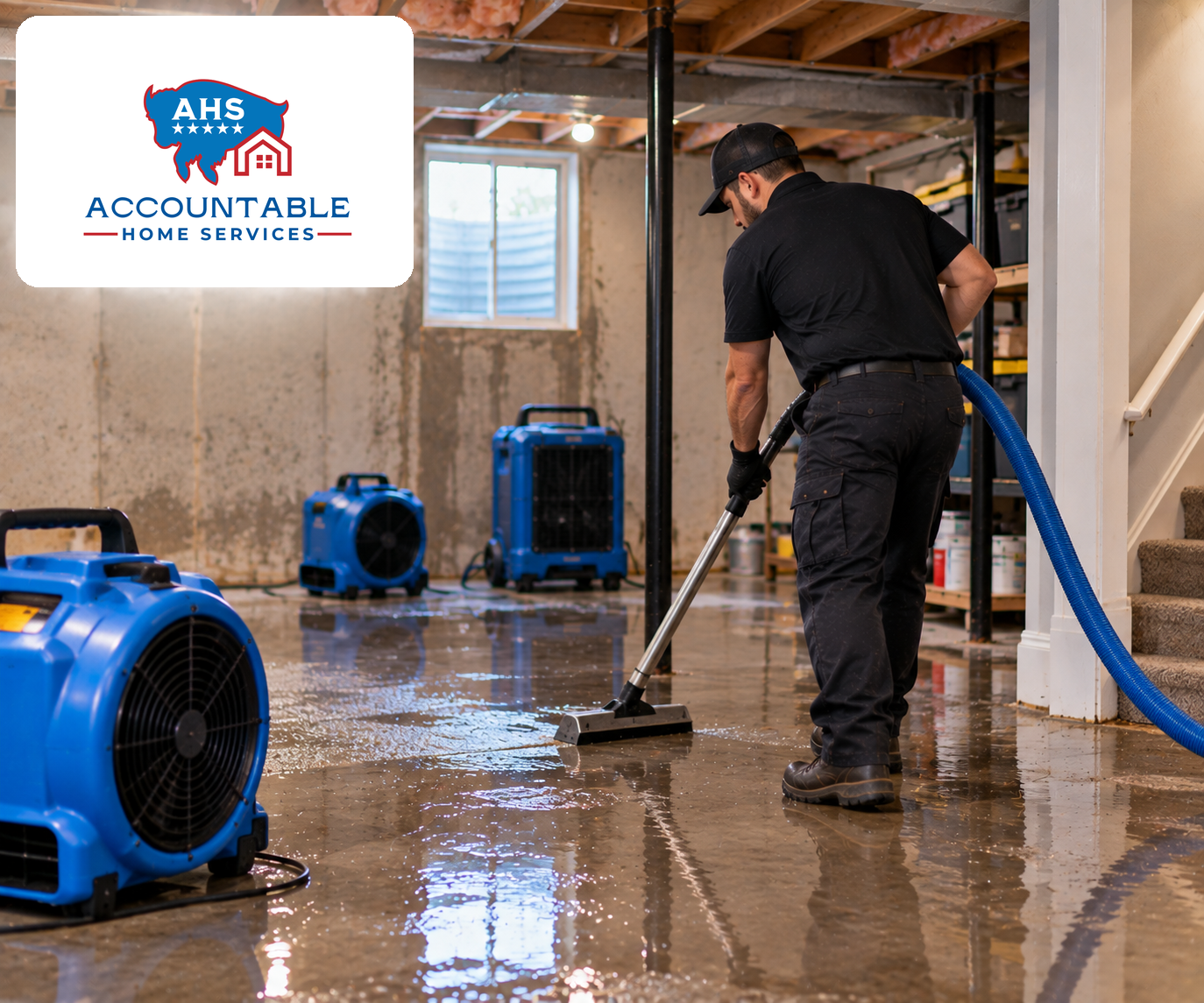
- Flooded basement mold after sump pump failure, heavy runoff, or foundation seepage.
- Ceiling leak mold after an upstairs bathroom, roof leak, or appliance line releases water.
- Mold behind drywall when a slow leak has been active for days or weeks.
- Water damage mold around baseboards, carpet edges, utility rooms, laundry rooms, and mechanical rooms.
The key is not to guess based only on what you can see. Hidden moisture can remain even when the surface feels dry. Professional restoration crews use moisture meters, thermal imaging when appropriate, and drying logs to understand where water went and whether materials are actually drying.
Warning signs that moisture may be hidden
Hidden moisture is one of the biggest reasons water damage repair becomes more complicated. A room may look normal after towels and fans have been used, while water remains inside wall cavities, under vinyl plank flooring, below carpet pad, or behind cabinets. Castle Pines homeowners should pay close attention to changes in smell, texture, and staining after a leak.
Watch for these signs:
- A musty smell that returns after cleaning.
- Paint bubbling, peeling, or feeling soft.
- Drywall that looks swollen, crumbly, stained, or warped.
- Baseboards pulling away from the wall.
- Flooring that cups, buckles, squishes, or separates.
- Ceiling stains that grow or darken.
- Condensation or dampness near walls, windows, or mechanical areas.
- Allergy-like symptoms that seem worse in one room.
- Stored items in a basement feeling damp or smelling musty.
These signs do not prove a major mold issue by themselves, but they do mean the area should be checked. If there is mold behind drywall, cleaning the surface will not solve the source. The wet material and moisture path need to be addressed first.
The first 24 to 48 hours matter
The first day or two after water damage is the best time to reduce secondary damage. Fast action can help limit how much material needs to be removed and may help keep the claim process clearer. The goal is simple: stop the water, remove what water can be removed, dry what can be saved, and document what happened.
Within the first few hours
If the water source is active, contact the right trade immediately. A plumber can repair a broken pipe, leaking water heater, failed supply line, or backed-up drain. A restoration company handles the water damage restoration side, including extraction, drying, moisture checks, contents protection, and cleanup planning.
Do not rely only on household fans if water has reached walls, carpet pad, insulation, or multiple rooms. Air movement helps only when the wet materials and moisture levels are understood. Blowing air across contaminated water or visible mold can also make the situation harder to control.
During the first 24 hours
Take clear photos, save receipts, and make notes. Write down when the leak was found, what you did to stop it, who you called, and what areas were affected. This can help your insurance agent and adjuster understand the timeline.
If you are a property manager, communication matters just as much as cleanup. Let the tenant know what steps are being taken, document access limitations, and keep the owner updated. Good documentation helps reduce confusion later.
During the 24 to 48 hour window
This is when moisture readings and drying progress become important. A professional restoration team can check whether drywall, framing, flooring, and other materials are drying as expected. If materials are not drying or if water was contaminated, removal may be needed to protect the property and complete the repair properly.
When should you call a professional for mold or water damage?
Call a professional when the water has spread beyond a small, surface-level spill, when materials are still wet, when you suspect mold, or when documentation for insurance may be needed. Professional mold remediation and water damage restoration are not just about equipment; they are about finding the moisture source, setting a safe work plan, protecting unaffected areas, and documenting the job from start to finish.
A homeowner may be able to handle a small spill on a hard floor if it is cleaned up right away and no moisture entered walls or flooring. But you should call for help if any of the following apply:
- Water entered drywall, carpet, insulation, cabinets, or wood flooring.
- The leak came from a drain backup, toilet overflow, sump issue, or outside water intrusion.
- A basement flooded or had standing water.
- You see staining, fuzzy growth, or repeated musty odors.
- A ceiling is sagging, stained, or dripping.
- The source of moisture is unknown.
- The affected area involves multiple rooms or levels.
- You need documentation for an insurance claim.
For mold removal Castle Pines CO searches, homeowners often want a simple answer: can it be cleaned, or does it need removal? The answer depends on the material, the amount of growth, the water source, and whether the moisture is still active. Non-porous surfaces may sometimes be cleaned, while porous materials like drywall or insulation often need controlled removal when mold growth is present.
What professional mold remediation includes
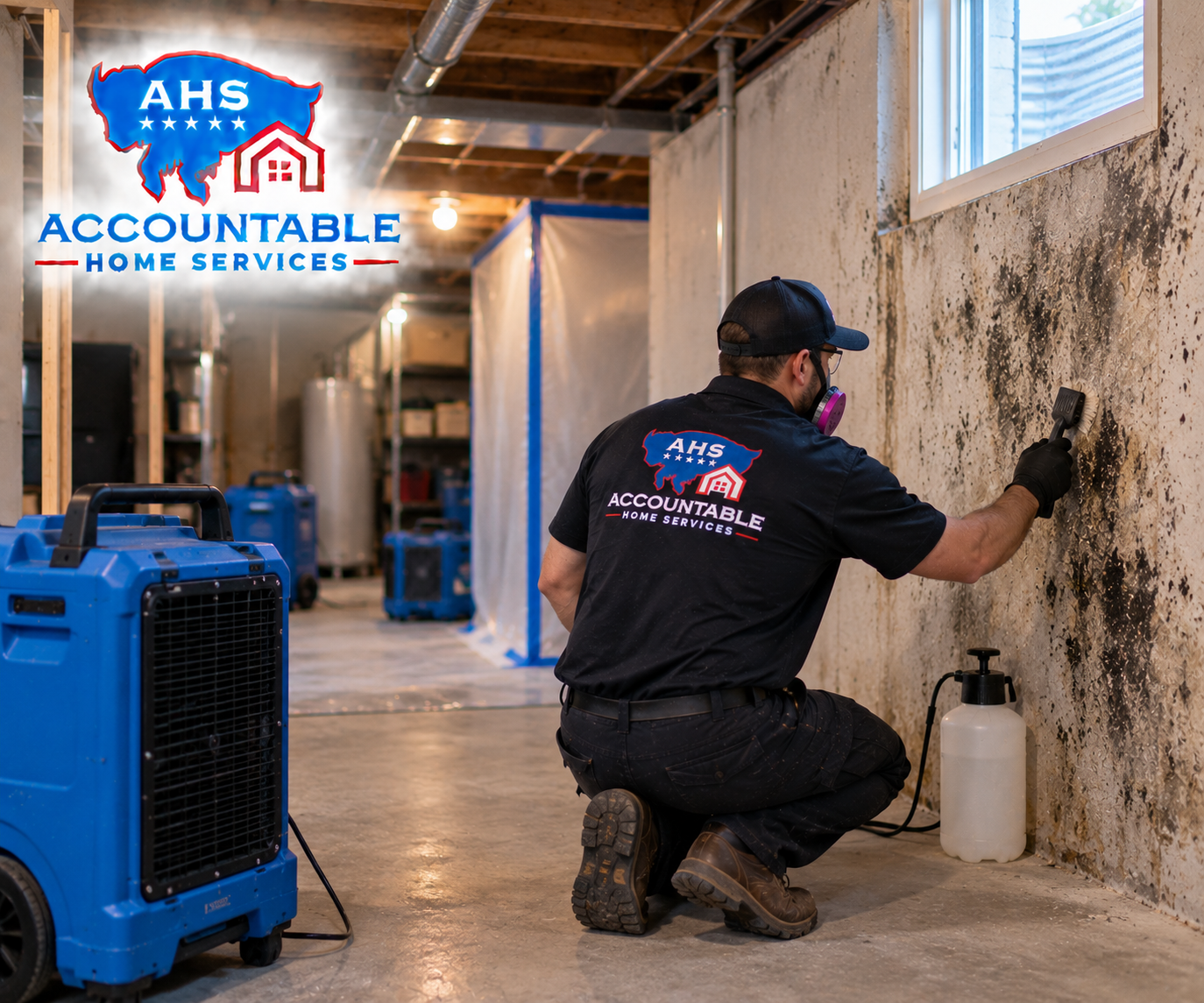
Mold remediation is the process of correcting the moisture issue, controlling the work area, removing affected materials when needed, cleaning surfaces, and helping return the space to a safer, drier condition. It is more detailed than spraying a cleaner on a stain. If the moisture source remains, the problem can come back.
A typical professional mold remediation process may include:
- Inspection and moisture mapping. The team checks where water traveled and what materials are affected.
- Containment. The work area may be separated from clean areas to limit dust and debris movement.
- Air control. Specialized equipment may be used to help manage airborne particles during removal.
- Material removal. Mold-damaged porous materials may need to be removed carefully.
- Cleaning and treatment. Remaining surfaces are cleaned using appropriate methods for the situation.
- Drying verification. Moisture levels are checked so repairs are not made over damp materials.
- Documentation. Photos, readings, equipment logs, and scope notes can support communication with owners, agents, and adjusters.
For mold remediation Castle Pines projects, clear communication is important. Homeowners should understand what is being removed, why it is being removed, and what needs to happen before reconstruction begins.
How water mitigation and restoration work together
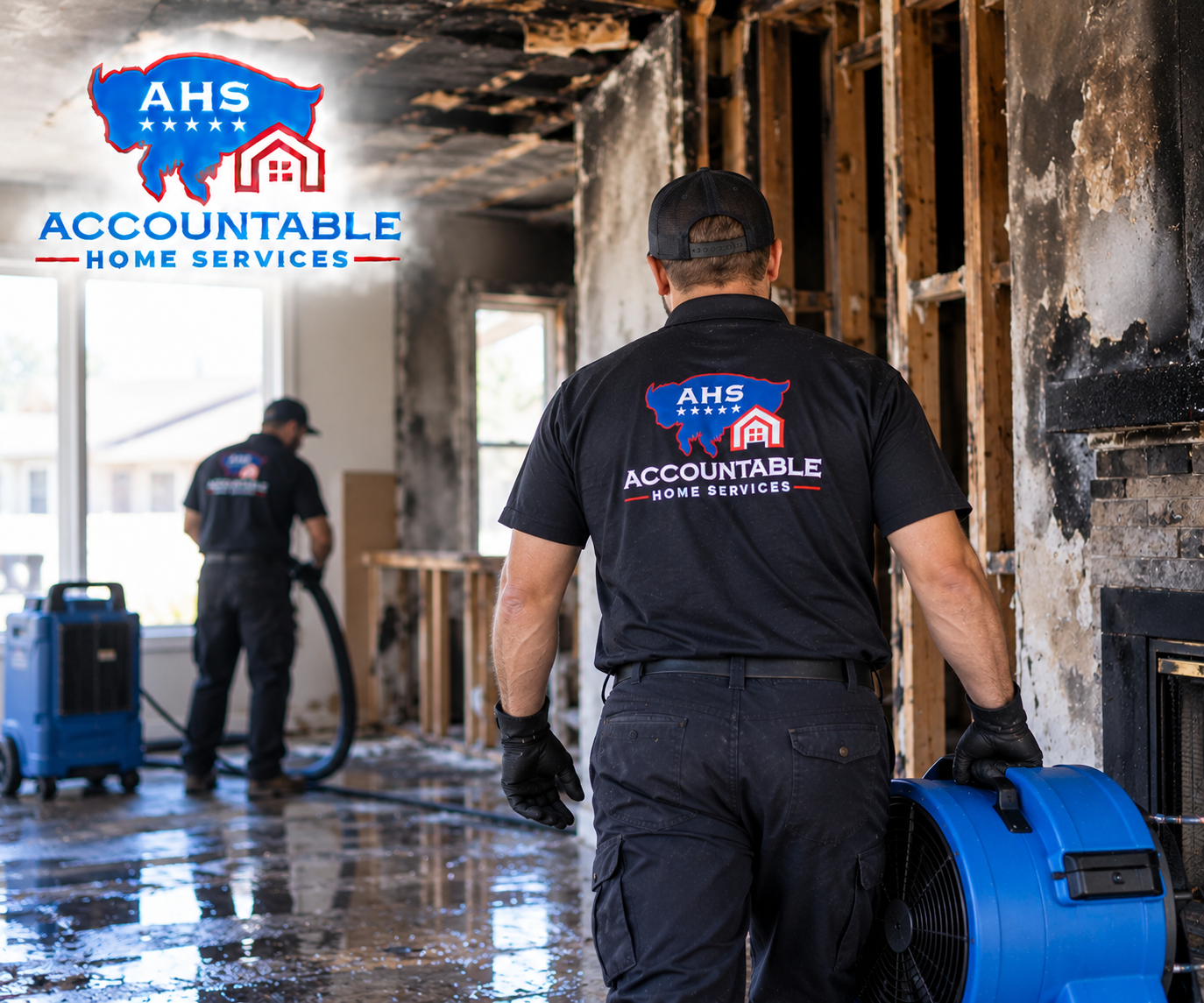
Water mitigation comes first. It focuses on reducing immediate damage after a leak, flood, or overflow. Water damage restoration is the broader process of drying, cleaning, repairing, and returning the property to normal.
Think of mitigation as the emergency response and restoration as the path back to a finished home. In a Castle Pines home, that may mean extracting basement water, removing wet carpet pad, opening limited wall areas for drying, setting drying equipment, and then coordinating repairs once the structure is dry.
This is also where plumbers, insurance agents, and property managers often need a dependable restoration partner. The plumber may stop the leak, but the wet building materials still need attention. The insurance agent may guide the claim, but the file needs clear photos and drying records. The property manager may coordinate tenants and owners, but they need updates that are easy to understand.
Documentation that can support an insurance claim
Good documentation does not guarantee coverage, and homeowners should always confirm details with their insurance carrier. Still, clear records can make the process smoother. They help show what happened, when it happened, what steps were taken to reduce further damage, and what materials were affected.
Helpful documentation includes:
- Photos and videos of the source and affected areas.
- Notes about the date and time the damage was discovered.
- Plumbing repair invoices or reports, when applicable.
- Moisture readings and drying logs from the restoration company.
- Photos of removed materials and damaged contents.
- Equipment placement records.
- Written scope notes explaining recommended work.
- Communication records with the insurance company, agent, tenant, or property owner.
For homeowners, the main thing is to document before throwing items away, unless keeping them creates a safety issue. For insurance agents, working with a restoration company that communicates clearly can reduce client frustration. For property managers, organized documentation protects the owner relationship and helps everyone understand the next step.
Practical prevention tips for Castle Pines homes
Not every water event can be prevented, but regular attention can reduce risk. Castle Pines homeowners should pay special attention to basements, mechanical rooms, bathrooms, kitchens, laundry areas, and exterior drainage. These are common places where small moisture issues can hide until they become expensive or disruptive.
Use this simple checklist:
- Check under sinks for slow drips or staining.
- Look around toilets, tubs, and showers for soft flooring or loose caulk.
- Inspect the water heater area for corrosion, moisture, or past staining.
- Test sump pumps before heavy moisture seasons.
- Keep gutters and downspouts moving water away from the foundation.
- Watch finished basement walls for musty smells or discoloration.
- Do not ignore small ceiling stains, even if they dry out.
- Replace wet cardboard storage with plastic bins in basement areas.
- Call a plumber early for recurring leaks or pressure issues.
- Call restoration help when building materials get wet.
Prevention is mostly about catching problems early. A small leak that is repaired and dried quickly is usually easier to manage than moisture that stays hidden for weeks.
Clear next steps for homeowners and referral partners
If you are dealing with water damage mold Castle Pines CO concerns, start with a calm sequence: stop the source, document the damage, protect dry belongings, and get the moisture checked. If wet materials are involved, do not wait to see whether odors or stains appear. Early water mitigation Castle Pines service can help limit damage and create a clearer path for water damage repair.
For plumbers, a good referral point is when the leak is repaired but walls, floors, ceilings, cabinets, or basement materials are wet. For insurance agents, the right restoration partner should explain the process plainly, document the job well, and avoid creating extra stress for the policyholder. For property managers, fast response and steady updates help protect the tenant experience and the owner’s property.
Water damage and mold are stressful, but the process does not have to feel confusing. With prompt drying, careful inspection for hidden moisture, proper mold remediation when needed, and clear documentation, Castle Pines homeowners can make informed decisions and move toward a safer, drier home.