Early Signs of Toxic Black Mold on a Ceiling in Superior, CO: What Homeowners Should Know
Early Signs of Toxic Black Mold on a Ceiling in Superior, CO: What Homeowners Should Know
Ceiling mold is usually a moisture problem before it is a mold problem. For Superior, CO homeowners, the most useful first step is not trying to name the species by sight, but recognizing visible changes, musty odors, recurring dampness, and the leak or humidity source feeding the growth. This guide explains what to look for, when a small issue may be manageable, and when professional mold inspection Superior homeowners can trust is the safer next step.
What are the earliest signs of toxic black mold on a ceiling?
The early signs of toxic black mold are usually dark spotting, spreading stains, a persistent musty smell, damp ceiling material, or a mold concern that returns after cleaning. However, mold color is not a reliable indicator of species or toxicity. A black, gray, or dark green patch may look alarming, but homeowners cannot reliably identify Stachybotrys chartarum or determine whether mold is “toxic” simply by looking at color; the practical concern is whether moisture and mold growth are present indoors.
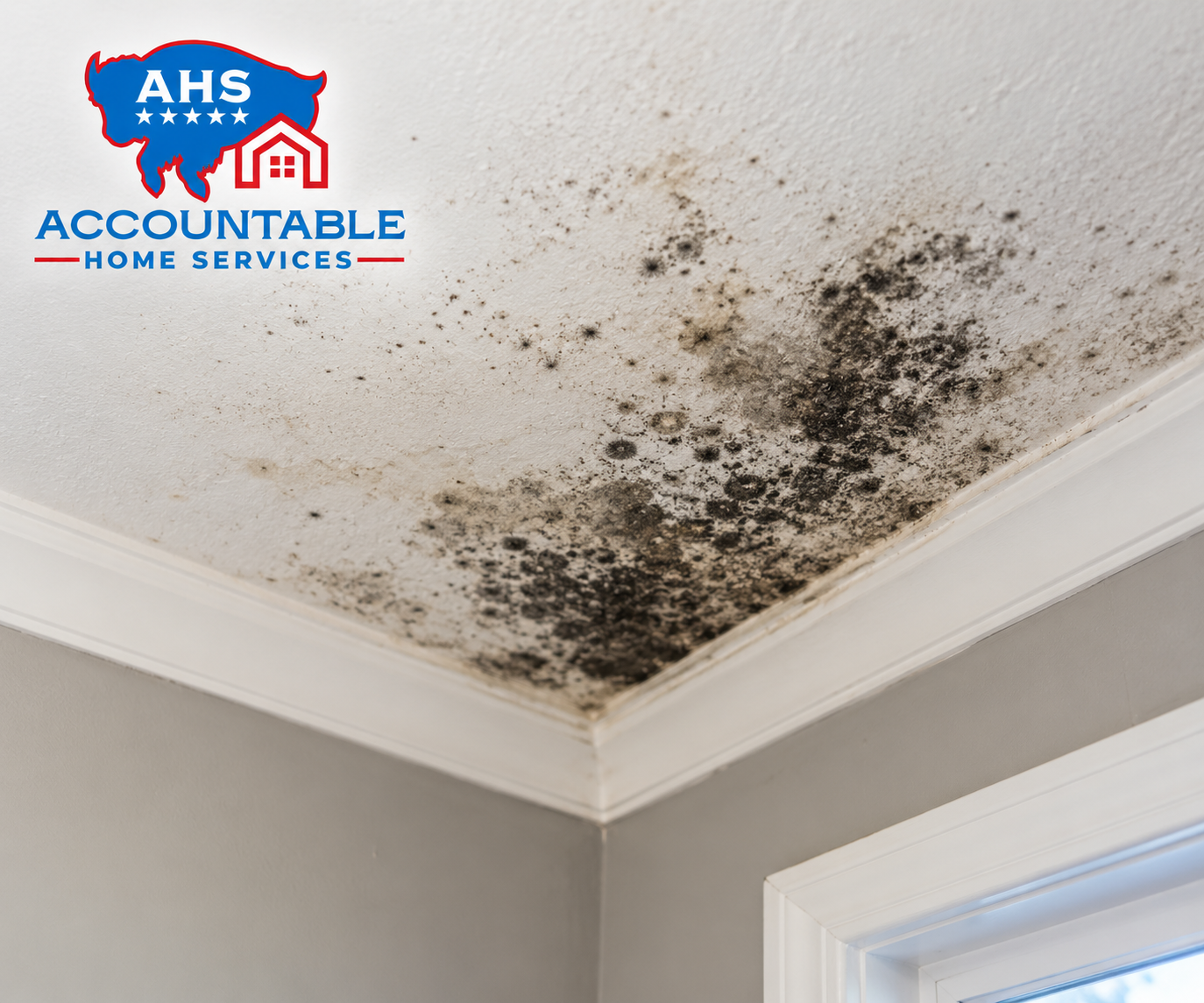
A toxic black mold ceiling concern often starts subtly. You may notice small pepper-like dots near a bathroom fan, a shadowy patch along a ceiling seam, or discoloration around a recessed light. In other cases, the first clue is odor rather than appearance. If a room smells earthy or musty after the fan runs, after snowmelt, or when the HVAC system cycles, hidden mold may be present above the finished ceiling.
Mold needs moisture to grow, so repeated ceiling changes matter more than a one-time mark. The EPA emphasizes moisture control as the key to indoor mold control, and notes that indoor relative humidity above 60% can increase condensation risk that may support mold growth. (epa.gov)
Common visible and sensory warning signs
Black mold on ceiling surfaces can look different depending on the material, moisture level, and how long the issue has been active. Painted drywall, popcorn texture, bathroom plaster, attic-side sheathing, and ceiling tiles can all show damage differently. The goal is to identify a pattern that points to active moisture, not to diagnose the mold species from appearance alone.
Look for these observable indicators:
- Visible spotting: Small black, brown, gray, or dark green dots, especially in clusters or along seams, corners, vents, or ceiling penetrations.
- Ceiling staining: Yellow, tan, or brown water rings that keep expanding or darkening, often tied to ceiling water damage mold.
- Musty odors: A damp, earthy smell that lingers even after cleaning or ventilation.
- Recurring moisture: Condensation, soft drywall, bubbling paint, peeling texture, or damp insulation above the ceiling.
- Growth after a leak: Mold after roof leak events, plumbing failures, overflowing fixtures, or slow pipe leaks.
- Repeated return after cleaning: Surface spots that disappear briefly but come back because the moisture source was never corrected.
Bathroom ceiling mold is especially common where hot showers create repeated humidity and the exhaust fan is undersized, disconnected, blocked, or not run long enough. In finished upper floors, attic moisture mold can appear when warm indoor air leaks into a cold attic and condenses on roof decking or insulation. In both cases, surface cleaning alone may not solve the problem because the ceiling material can stay damp from the back side.
Why ceiling mold happens in Superior homes
Superior homes can experience moisture from several directions: roof penetrations, ice and snow conditions, wind-driven rain, plumbing lines, bathroom humidity, attic air leakage, and prior water damage. A roof leak may appear as a ceiling stain several feet away from the actual entry point because water travels along framing before soaking drywall. A plumbing leak from an upstairs bathroom can also create a stain that looks minor from below while wetting insulation or subfloor materials above.
Seasonal temperature swings can make attic condensation more noticeable. Warm indoor air escaping through ceiling gaps can meet cold attic surfaces, creating dampness that supports growth on sheathing or insulation facing. If the insulation is compressed, ventilation is limited, or bath fans terminate into the attic instead of outside, the risk increases.
Property managers, plumbers, and insurance agents often see this sequence: a small leak is repaired, but the wet building materials are not properly dried or documented. Weeks later, the tenant or homeowner reports odor, staining, or early signs of black mold. That delay can complicate repairs and claim communication because the original water source, affected materials, and drying timeline may not be clear.
Health symptoms should be taken seriously but not exaggerated
Mold exposure symptoms vary by person, and not everyone reacts the same way. According to the CDC, exposure to damp and moldy environments may cause symptoms such as upper respiratory irritation, cough, wheezing, and worsened asthma in some people. Allergies, asthma, immune status, age, and general health can influence how strongly someone reacts. (cdc.gov)
Common toxic mold symptoms homeowners report may include sneezing, coughing, itchy eyes, throat irritation, skin irritation, headaches, congestion, or worsening asthma and allergy symptoms. Children, older adults, people with asthma, and immunocompromised household members may be more vulnerable. If symptoms are severe, persistent, or involve breathing difficulty, the right next step is medical guidance, not internet diagnosis.
From a restoration standpoint, the key is to reduce exposure and correct the damp condition. Avoid disturbing suspect ceiling mold, especially if the material is soft, crumbling, or overhead. Scrubbing dry mold can spread particles, and spraying chemicals into porous drywall does not fix moisture trapped inside the assembly.
When a ceiling mold area needs professional evaluation
A mold issue should be evaluated by a professional when the affected area is large, recurring, connected to a leak, located on porous ceiling materials, or associated with odor or health complaints. The EPA states that if the moldy area is less than about 10 square feet, many homeowners can handle cleanup themselves in many cases; larger areas or significant water damage should be handled with professional guidance. (epa.gov)
Call for professional mold inspection Superior support when any of the following apply:
- The visible area is near or above 10 square feet.
- Mold appears on drywall, ceiling texture, insulation, wood framing, or other porous materials.
- The ceiling is soft, sagging, bubbling, or stained from a known roof or plumbing leak.
- A musty odor remains but little mold is visible.
- The same area returns after cleaning.
- There are vulnerable occupants in the home.
- The property is a rental, sale, or insurance claim situation where documentation matters.
- A plumber has stopped the leak, but wet materials may remain inside the ceiling cavity.
Professional inspection may include moisture meters, thermal imaging, controlled material checks, and, when appropriate, sampling. The most important part is not simply collecting a test; it is identifying the moisture source and determining whether hidden mold is present behind or above the ceiling.
What homeowners should do first
When you see possible mold on ceiling Superior CO homes, slow down and document before tearing into materials. A careful first response can protect the home, reduce avoidable spread, and support clearer conversations with insurance, property management, or a restoration contractor.
Use this practical sequence:
- Photograph the area. Take wide photos of the room and close photos of stains, spots, peeling paint, and nearby fixtures.
- Look for the water source. Check recent roof leaks, upstairs bathrooms, plumbing lines, HVAC condensation, attic conditions, and exhaust fans.
- Stop active water if possible. Shut off a leaking fixture or call a plumber if the source is plumbing-related.
- Avoid disturbing suspect material. Do not sand, scrape, or cut moldy drywall without proper containment.
- Reduce humidity. Use ventilation or dehumidification when safe, but do not use fans that blow directly across visible mold.
- Keep records. Save dates, photos, repair invoices, plumber notes, and communication with tenants or carriers.
- Call for inspection when the issue is not clearly minor. Hidden mold and wet insulation are common reasons surface cleaning fails.
For insurance agents and property managers, this documentation is not just paperwork. It helps establish what happened, when it was discovered, what immediate steps were taken, and whether mitigation was prompt and reasonable. That can reduce confusion during a claim and help homeowners feel less overwhelmed.
Safe cleanup depends on size, material, and moisture source
A very small amount of surface mold on a sealed, non-porous surface may be cleaned by a capable homeowner using protective gloves, eye protection, ventilation, and ordinary cleaning practices. But ceiling mold is often more complicated because drywall, texture, insulation, and wood are porous. If these materials are wet or mold-contaminated, cleaning the face of the ceiling may leave the real problem untouched.
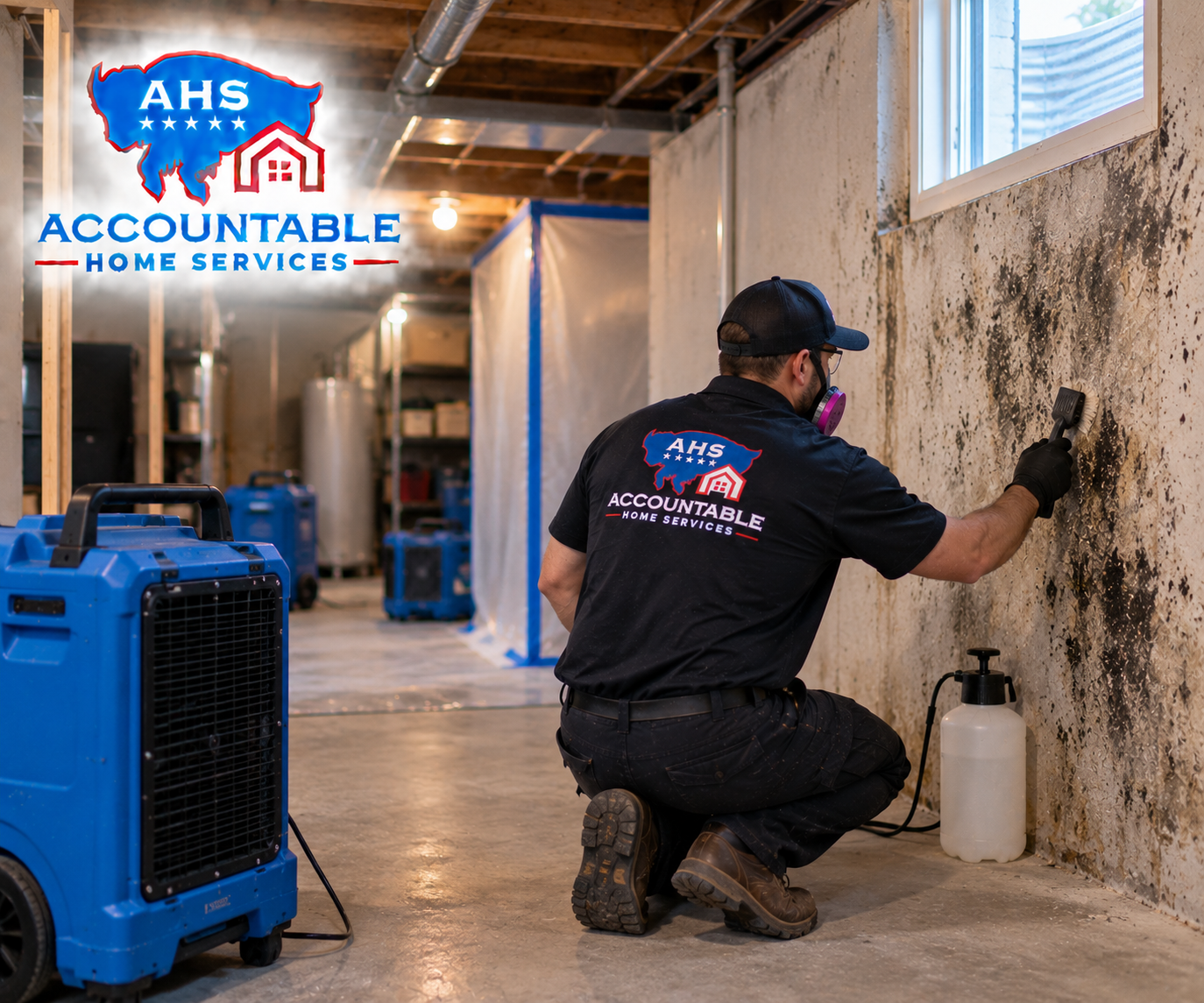
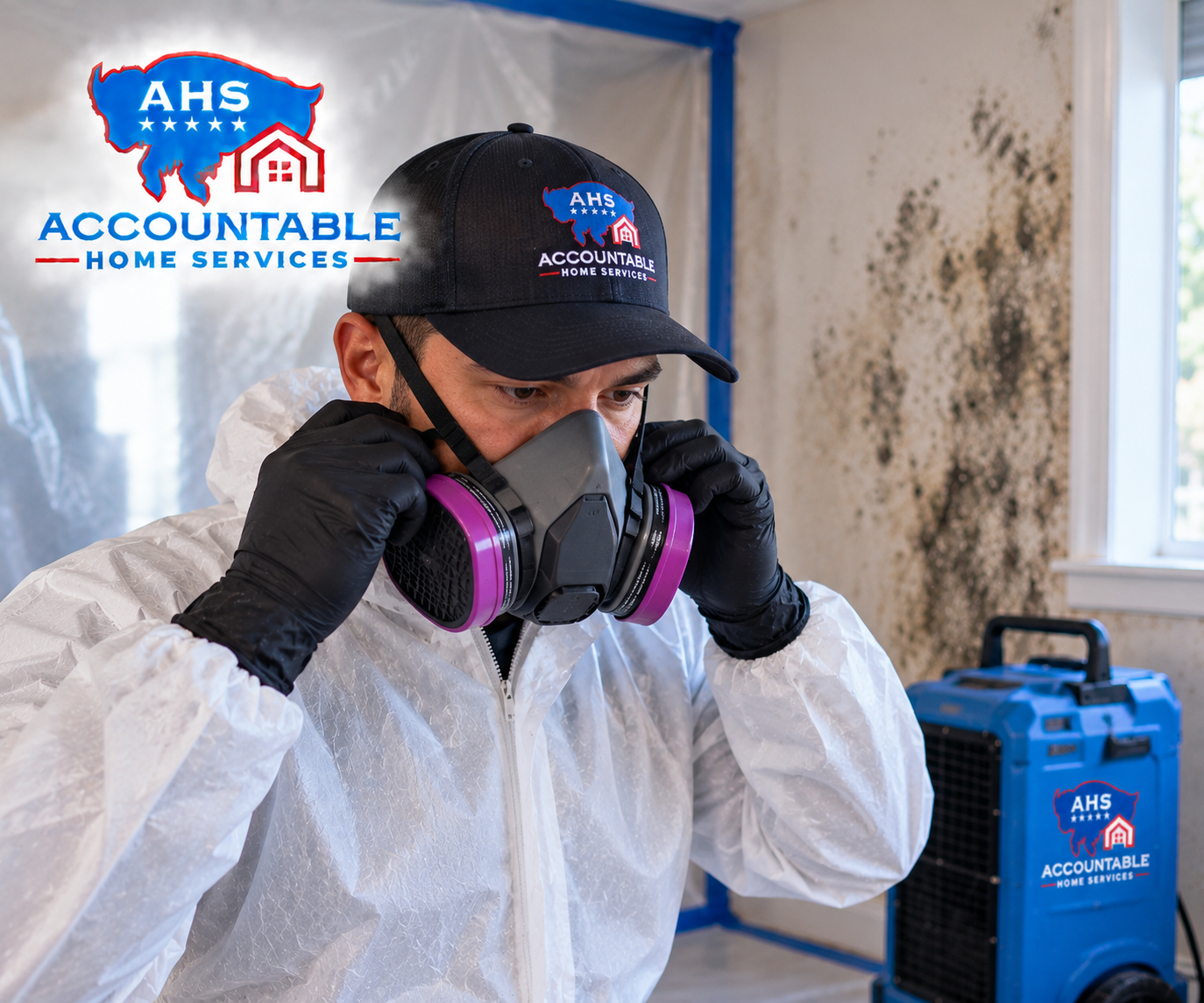
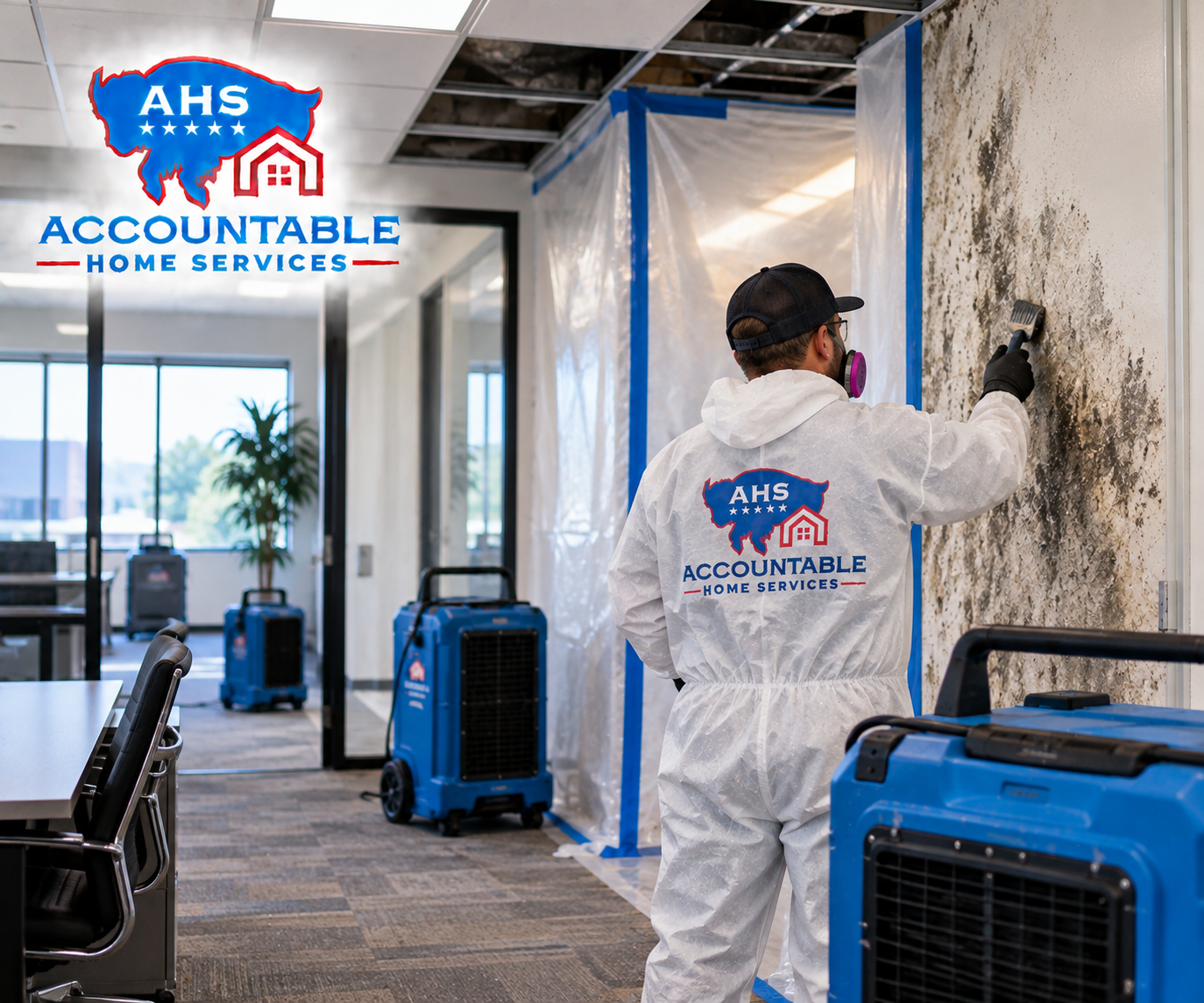
Mold removal Superior CO homeowners request often involves more than removing visible growth. Proper mold remediation Superior projects typically focus on containment, safe removal of affected porous materials, drying, cleaning, and verification that the moisture source has been corrected. If mold growth is above a ceiling, the work may also require attic access, insulation removal, roof leak coordination, or plumbing repair coordination.
Avoid relying on bleach as a complete solution for porous ceiling materials. It may lighten staining on the surface while moisture and contamination remain inside the drywall or texture. If a patch keeps returning, that is a moisture investigation problem, not a stronger-cleaner problem.
Prevention steps that reduce the chance of recurrence
The best prevention plan is practical and boring: keep water out, move humid air out, and dry wet materials quickly. Mold prevention is rarely about one product. It is usually about several small controls working together.
Helpful prevention steps include:
- Run bathroom exhaust fans during showers and for a period afterward.
- Confirm bath fans vent outdoors, not into the attic.
- Keep indoor humidity below 60%, and ideally in the 30% to 50% range when practical. (epa.gov)
- Inspect attic insulation and ventilation if ceiling stains appear near exterior walls or rooflines.
- Repair roof flashing, vent boots, and plumbing leaks promptly.
- Dry water-damaged materials quickly after leaks, overflows, or storm events.
- Recheck repaired ceiling areas after rain, snowmelt, or heavy shower use.
- Keep maintenance notes for rentals and insured properties.
For plumbers, the handoff point is often when the pipe is fixed but the building materials are still wet. For property managers, it is when tenant comfort, owner expectations, and documentation all matter at once. For homeowners, it is when the stain looks small, but the source is uncertain.
The practical takeaway
Early signs of toxic black mold on a ceiling should be treated as a moisture warning, not a reason to panic. Dark spots, musty odors, ceiling staining, recurring dampness, and mold after roof leak or plumbing events all deserve attention, especially when porous materials are involved. Because color alone cannot confirm species or toxicity, the safest path is to identify the water source, document the condition, limit disturbance, and bring in professional help when the area is large, recurring, hidden, or tied to health concerns.
If you are helping a homeowner, tenant, or insured client in Superior, the best referral is one that solves the whole problem: moisture source, drying, containment, removal, documentation, and clear communication. That is what keeps a ceiling mold concern from becoming a larger property damage problem.