Black Mold Removal Near Me in Boulder, CO: What Homeowners Should Know
Black Mold Removal Near Me in Boulder, CO: What Homeowners Should Know
If you are dealing with suspected black mold in a Boulder home, the safest next step is a careful inspection, moisture source control, and a clear plan for cleanup. Mold often follows leaks, condensation, roof issues, sump pump problems, or unfinished drying after water damage. The Local Restoration Guide helps homeowners understand what to do first, when professional mold remediation is needed, and how proper documentation can support an insurance claim.
Do you need professional mold removal in Boulder?
You may need professional mold removal in Boulder if you can see spreading growth, smell a musty odor, recently had water damage, or suspect hidden mold in walls, ceilings, cabinets, or basement areas. Small surface spots on non-porous materials may sometimes be cleaned by a homeowner, but larger areas, recurring growth, and mold after water damage call for a trained inspection. A professional can identify where moisture is coming from, contain the affected area, remove damaged materials when needed, and document the work so you are not guessing your way through a stressful problem.
For many Boulder, CO homeowners, the hard part is not just the visible mold. It is knowing whether the problem stops at the bathroom ceiling, continues behind drywall, or started from a slow leak no one noticed. That is why mold inspection Boulder services matter: the goal is to find the moisture pattern, not just wipe what can be seen.
Common mold situations in Boulder homes
Mold needs moisture, a food source, and time. Homes along the Front Range can develop mold from plumbing leaks, foundation seepage, snowmelt intrusion, humid bathrooms, appliance failures, and unfinished drying after a water loss. The issue may show up fast, or it may stay hidden until a smell, stain, or tenant complaint brings attention to it.
Common calls for mold removal services include:
- Basement mold Boulder concerns: Finished and unfinished basements can hold moisture behind walls, under flooring, or near foundation edges.
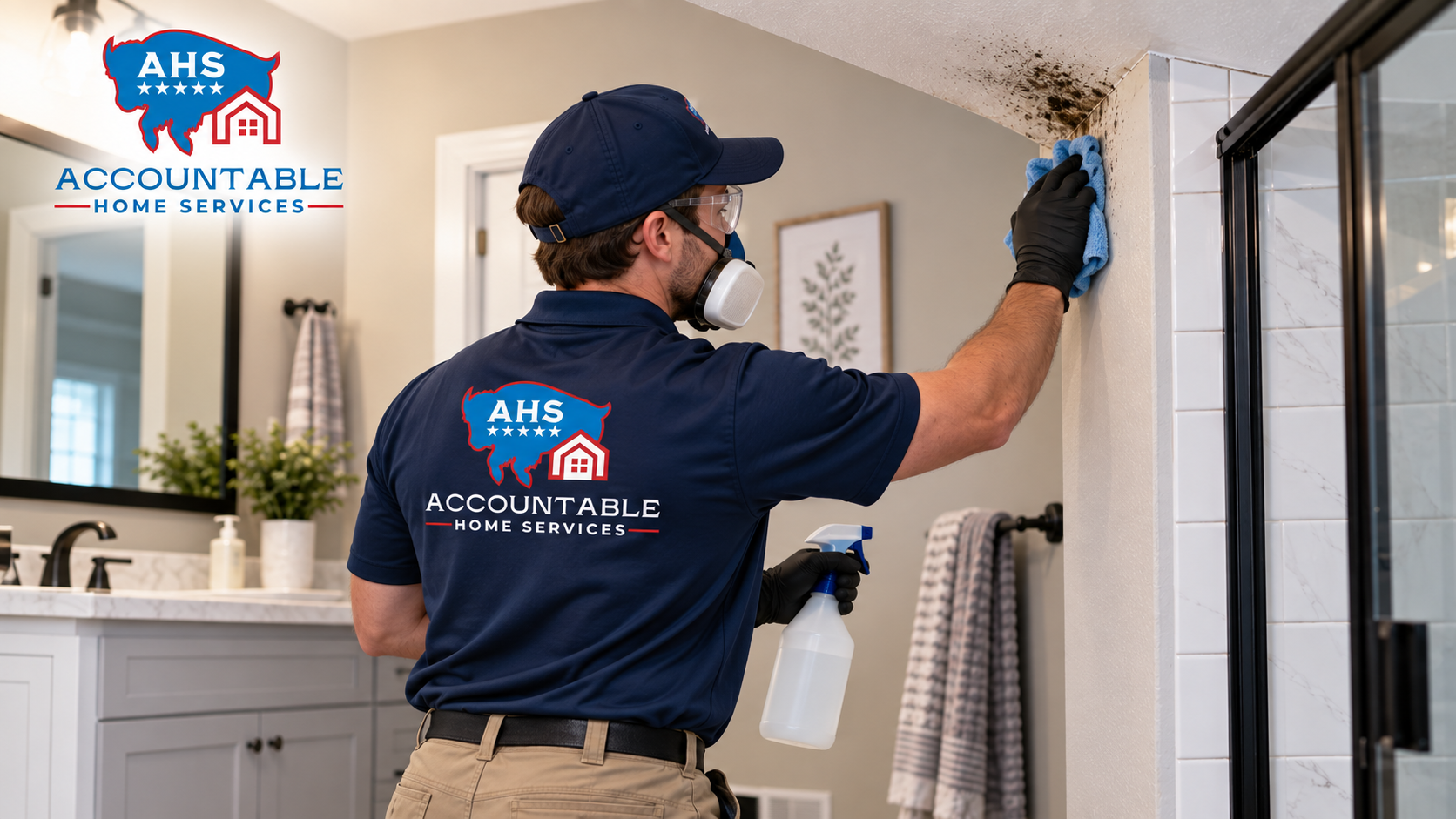
- Bathroom mold removal: Poor ventilation, repeated condensation, and small plumbing leaks can create recurring growth around ceilings, vanities, tubs, and tile areas.
- Mold after water damage: A burst pipe, failed water heater, sewer backup, or roof leak can leave damp building materials behind if drying was incomplete.
- Hidden mold in walls: Slow leaks from supply lines, drain lines, windows, or exterior walls may cause staining, odors, or soft drywall before mold is visible.
- Black mold cleanup: Dark growth should be treated carefully, especially when it covers porous materials or appears after long-term moisture exposure.
Not every dark stain is the same type of mold, and color alone does not confirm the species. Still, homeowners should take dark or widespread growth seriously. The practical approach is to limit disturbance, stop the water source if possible, and schedule an inspection before cutting into materials or spraying chemicals.
What a proper mold inspection includes
A good mold inspection is more than a quick look with a flashlight. The inspector should ask about recent leaks, past water damage, ventilation, odors, symptoms reported by occupants, and any areas where the problem keeps returning. In Boulder homes, basements, crawlspaces, bathrooms, laundry rooms, kitchens, attics, and exterior-facing walls are common areas to check.
A typical inspection may include:
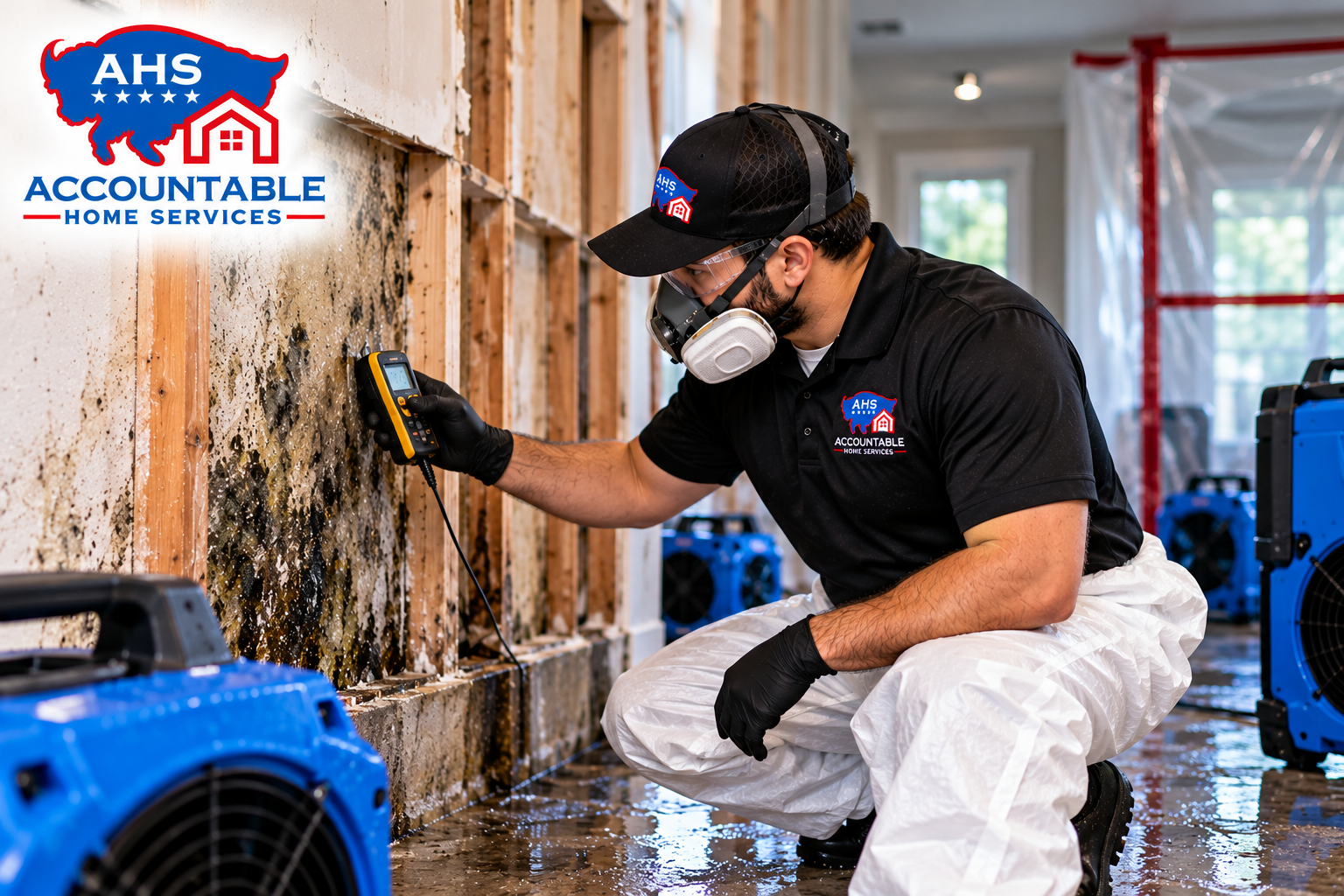
- Moisture readings in drywall, flooring, trim, cabinets, and other materials near the suspected source.
- Visual assessment of staining, visible growth, water marks, damaged finishes, and building materials that may need removal.
- Source tracking to identify whether the moisture is from plumbing, roof intrusion, foundation seepage, condensation, or prior water damage.
- Containment planning if disturbed materials could spread spores or dust into clean areas of the home.
- Documentation with photos, notes, affected room details, and moisture findings that may help with an insurance claim.
Some situations may require testing, while others can be addressed based on visible growth and moisture findings. Testing should have a clear purpose. It should not replace fixing the moisture problem or cleaning and removing affected materials correctly.
How black mold removal is handled
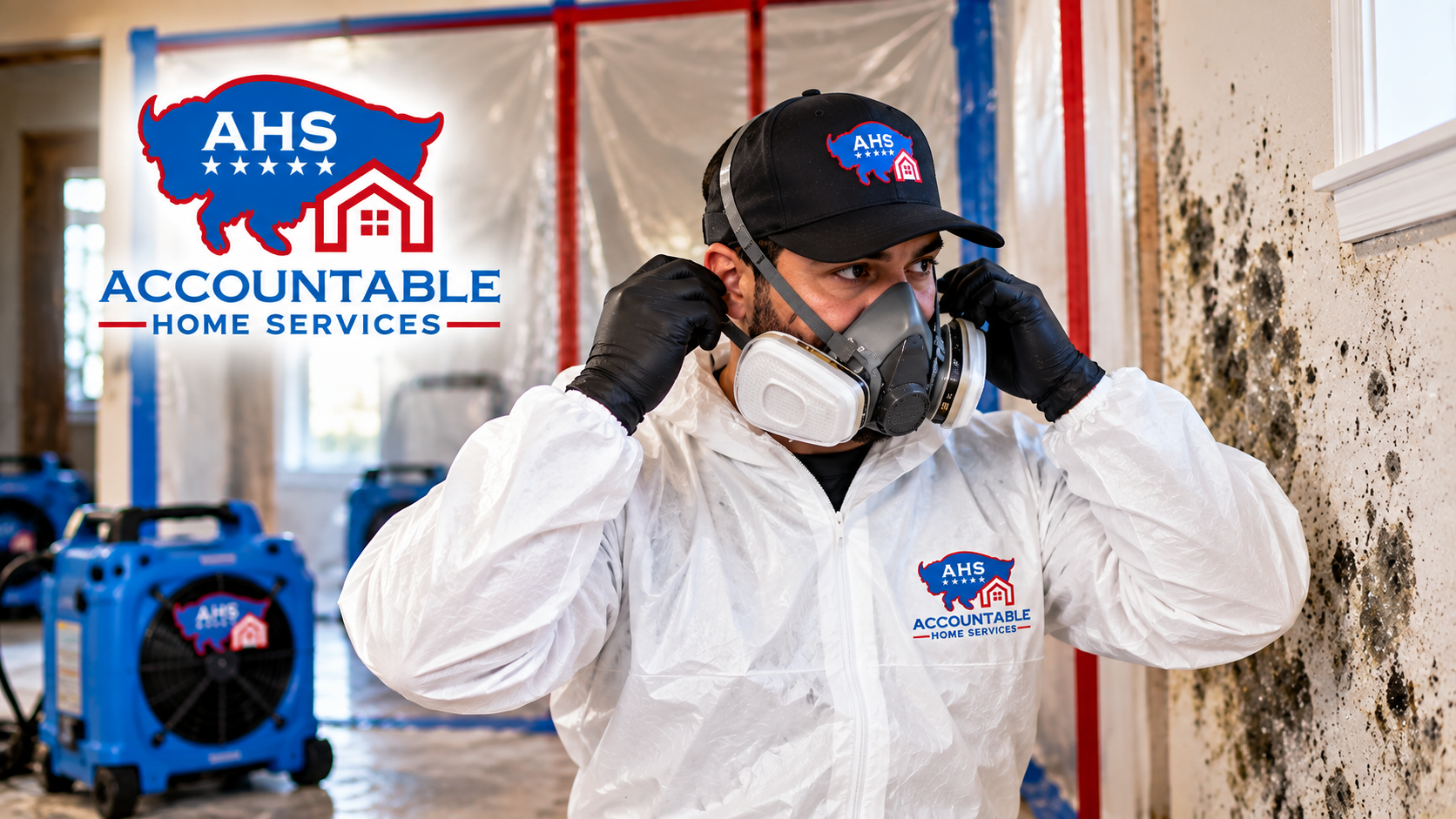
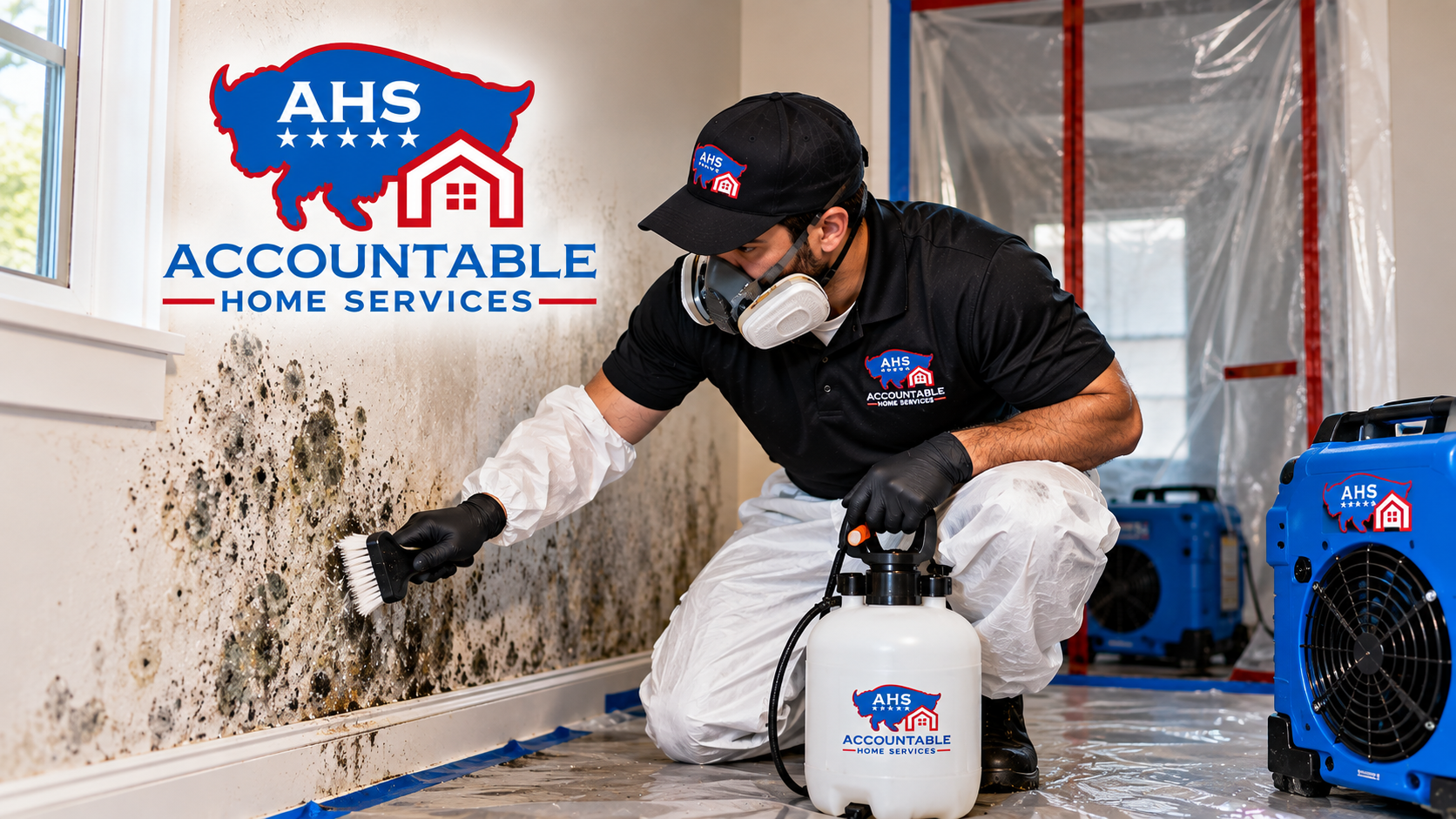
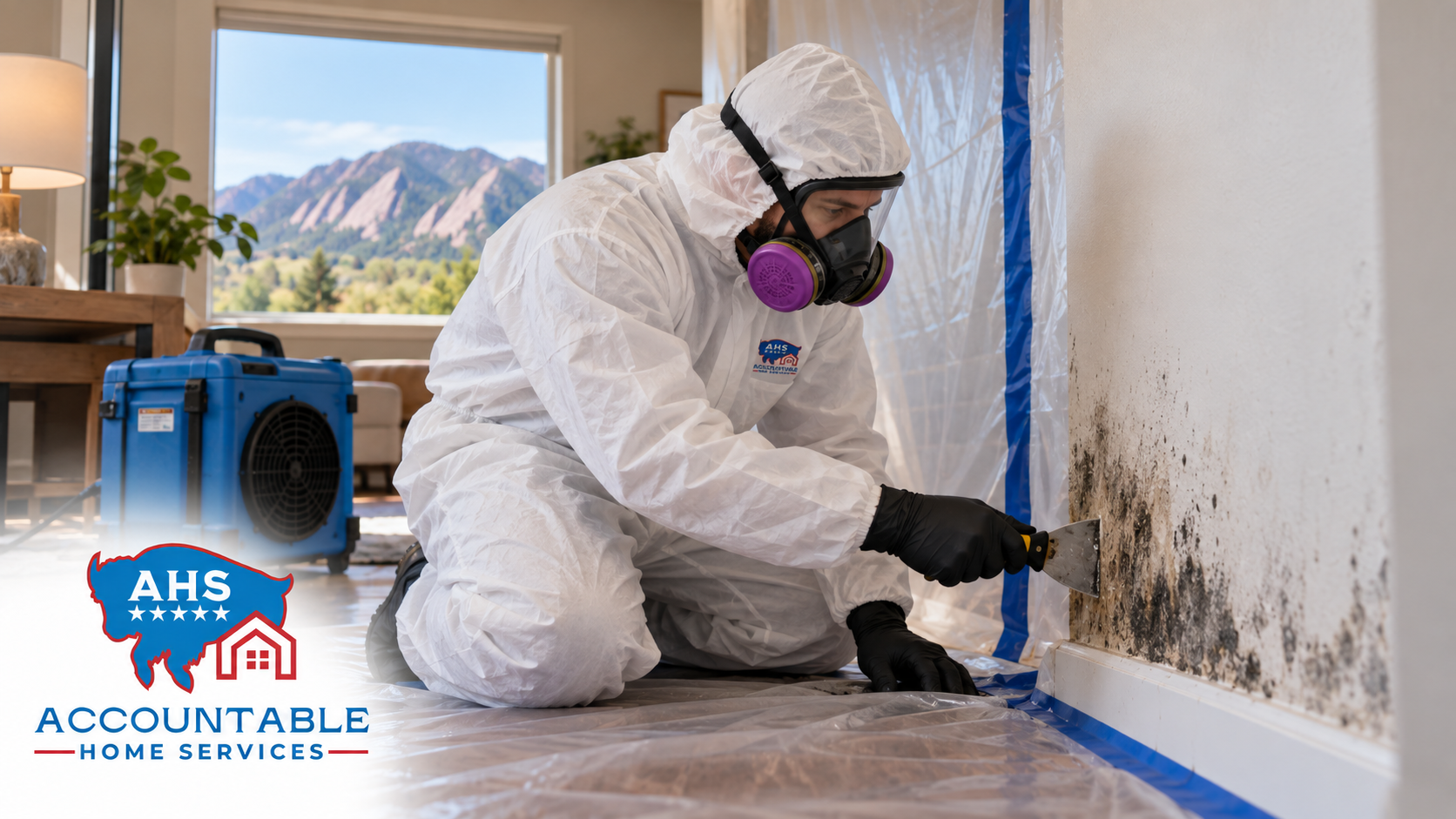
Professional mold remediation is built around control. The work area is usually separated from clean spaces, and technicians use methods intended to reduce cross-contamination. The exact steps depend on the affected materials, the size of the area, the moisture source, and whether the space is occupied.
A mold removal company Boulder homeowners can trust should explain the plan before work starts. That plan may include setting containment, using air filtration, removing porous materials that cannot be cleaned, cleaning salvageable surfaces, and drying the area to help prevent regrowth. If drywall, insulation, carpet pad, baseboards, or cabinets are contaminated or water-damaged, removal may be needed rather than surface cleaning.
For black mold removal Boulder CO service calls, homeowners should avoid heavy scrubbing, sanding, or demolition before containment is in place. Disturbing moldy materials can spread dust into nearby rooms. It is also wise to avoid painting over mold or relying only on bleach, because those steps do not solve trapped moisture or contamination inside porous materials.
What to do before help arrives
There are a few simple steps that can reduce risk and protect the home while you wait for mold removal Boulder help. These steps are not a substitute for remediation, but they can keep the situation from getting worse.
Before a technician arrives:
- Stop the water source if you can do it safely. Shut off a supply valve, call a plumber, or report exterior water intrusion quickly.
- Avoid disturbing the affected area. Do not cut drywall, pull flooring, or run fans across visible mold unless instructed by a professional.
- Limit access. Keep children, pets, and unnecessary foot traffic away from the affected room.
- Take basic photos. Capture visible staining, water damage, damaged contents, and the likely source before anything is moved.
- Keep damaged materials available when practical. Insurance adjusters may need to see what happened, and restoration documentation can help tell the story.
- Call early after water damage. The sooner drying and moisture control begin, the better chance you have of limiting mold growth.
If a plumber is already on site, ask them whether the leak is fully stopped and what materials were wet. Many plumbers are called first for burst pipes, water heaters, supply lines, sump pump failures, and drain backups. Once the plumbing repair is handled, a restoration team can assess drying, mold prevention, cleanup, and documentation.
Insurance documentation matters
Mold and water damage claims can be confusing. Coverage depends on the cause of loss, the policy, timing, exclusions, and the condition of the property. A restoration company cannot promise coverage, but it can help create clear records of what was found and what work was performed.
Good documentation may include:
- Photos of affected areas before and during cleanup
- Moisture readings and drying notes
- Room-by-room damage descriptions
- Notes about the suspected or confirmed water source
- Lists of removed materials
- Equipment records when drying is involved
- Communication that helps the homeowner, adjuster, agent, plumber, or property manager stay on the same page
This matters for homeowners, but it also matters for insurance agents and property managers. Agents want their clients to feel guided rather than overwhelmed. Property managers need quick communication so tenants, owners, and insurance contacts know what is happening. Clear records reduce confusion and help prevent small details from becoming bigger problems later.
Choosing a mold removal company in Boulder
Searching for “black mold removal near me” can bring up many mold removal companies, but not all of them communicate the same way. Homeowners should look for a company that explains the process in plain language, focuses on moisture control, and documents the job carefully. Fast service is helpful, but calm, organized service is just as important when your home is disrupted.
When comparing mold remediation Boulder CO providers, ask:
- Do they inspect for the moisture source instead of only treating visible growth?
- Will they explain what materials can be cleaned and what may need removal?
- Do they use containment when contaminated materials are disturbed?
- Can they provide photos and written documentation for your records?
- Do they coordinate with plumbers, insurance agents, adjusters, or property managers when needed?
- Will they tell you when testing is useful and when it may not be necessary?
- Do they help you understand the next steps after cleanup, including repairs or prevention?
A good restoration partner should not use scare tactics. Mold is a real concern, but homeowners deserve straight answers. The right company will help you understand what is known, what still needs to be checked, and what should happen next.
Local help for homeowners and referral partners
Boulder homes vary widely, from older properties with basements and aging plumbing to newer homes with finished lower levels, tight building envelopes, and high-use bathrooms. That means mold issues do not always look the same. A small stain in one home may be a ventilation issue, while a similar stain in another may point to a hidden leak.
The Local Restoration Guide approach is simple: identify the moisture, protect clean areas, remove or clean affected materials properly, and document the process. That approach helps homeowners feel less lost, and it supports the professionals who often get involved early. Plumbers can refer customers when water damage goes beyond the repair. Insurance agents can point clients toward clearer next steps. Property managers can get help responding to tenant reports before the situation grows.
If you are a Boulder homeowner dealing with basement mold, bathroom mold, a musty smell, or suspected black mold after water damage, do not wait for the problem to spread. Schedule a mold inspection, keep the affected area undisturbed, and get a clear remediation plan before repairs begin. A careful start can save time, reduce confusion, and help protect both your home and your claim documentation.