Storm Damage Restoration in Erie, CO: What Homeowners Should Do First
Storm Damage Restoration in Erie, CO: What Homeowners Should Do First
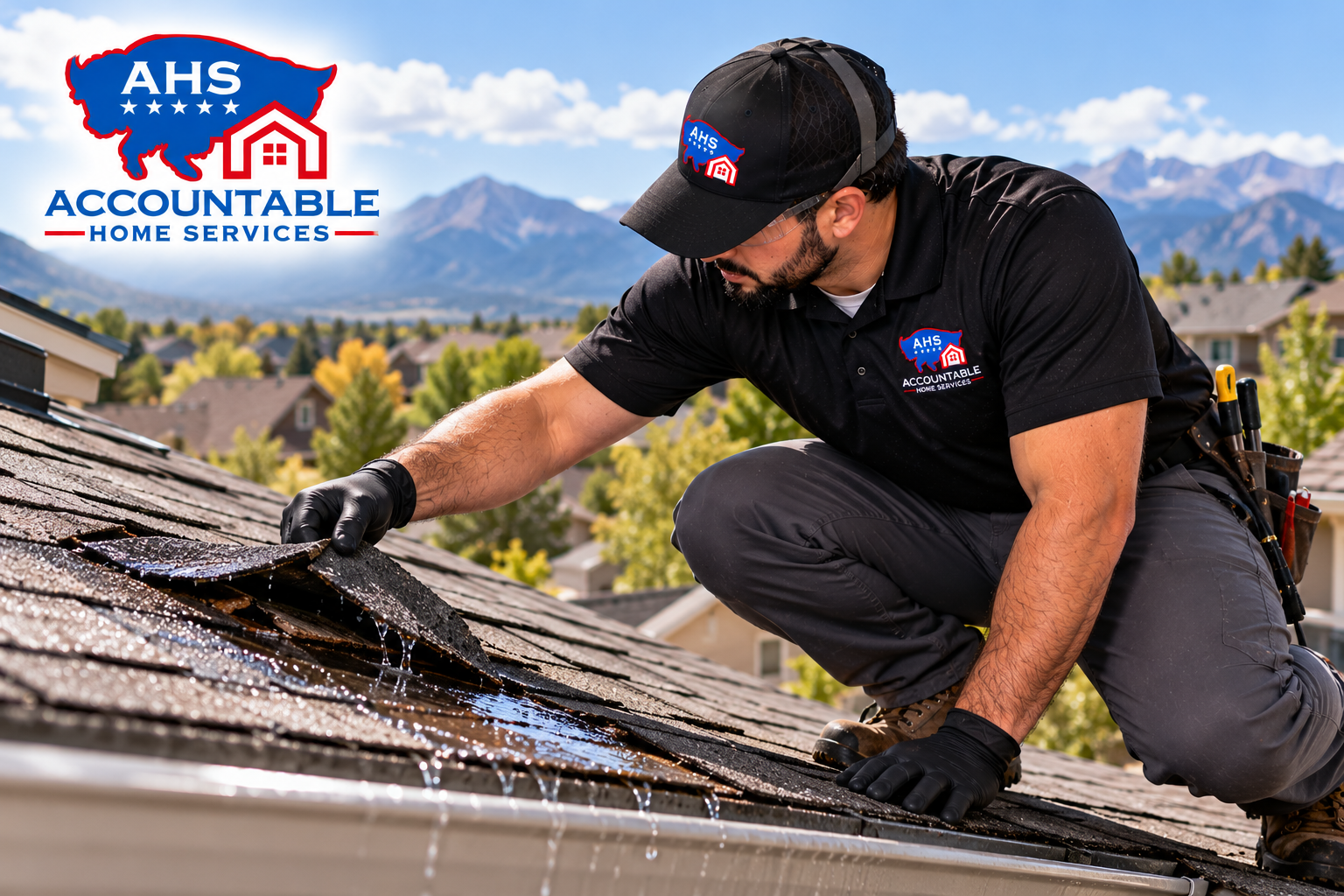
Storm damage in Erie, CO can move fast from “a small leak” to wet insulation, damaged drywall, a flooded basement, or mold concerns if moisture is left behind. This page explains what homeowners should do first, when to call for storm damage restoration, and how good documentation can support a storm damage insurance claim in Colorado. If your home has roof leak water damage, hail damage water intrusion, wind-driven rain, or standing water, the safest next step is to stop further damage and get the affected areas checked promptly.
What should Erie homeowners do first after storm damage?
Start with safety, then limit additional damage, then document what happened before cleanup goes too far. After a severe storm in Erie, it is common for homeowners to notice missing shingles, ceiling stains, wet carpet, water near window wells, or a flooded basement after storm runoff overwhelms drainage. Even if the visible water looks minor, hidden moisture after storm conditions can remain behind baseboards, under flooring, inside wall cavities, and in insulation.
Use this first-step checklist before you move into full storm damage cleanup Erie homeowners often need:
- Check for immediate hazards. Stay away from sagging ceilings, wet electrical areas, standing water near outlets, and rooms where the structure may be unsafe.
- Stop water if you can do it safely. Place buckets under active drips, move belongings out of wet areas, and cover a small opening only if it is safe and temporary.
- Take photos and short videos. Capture roof stains, hail impact areas, wet flooring, damaged contents, water lines, window leaks, and any exterior damage before moving items.
- Save damaged materials when reasonable. If wet carpet, padding, trim, or contents must be removed, photograph them first and keep samples if your insurance carrier requests them.
- Call for water mitigation Erie homeowners can rely on. Drying should begin quickly, especially when water has reached drywall, carpet, wood flooring, cabinets, or basement finishes.
- Contact your insurance agent or carrier. Ask what they need for a storm damage insurance claim Colorado homeowners may file after wind, hail, or water intrusion.
The goal is not to fix everything in the first hour. The goal is to prevent the loss from getting worse, keep your family safe, and create a clear record of the damage.
Local storm damage conditions in Erie, CO
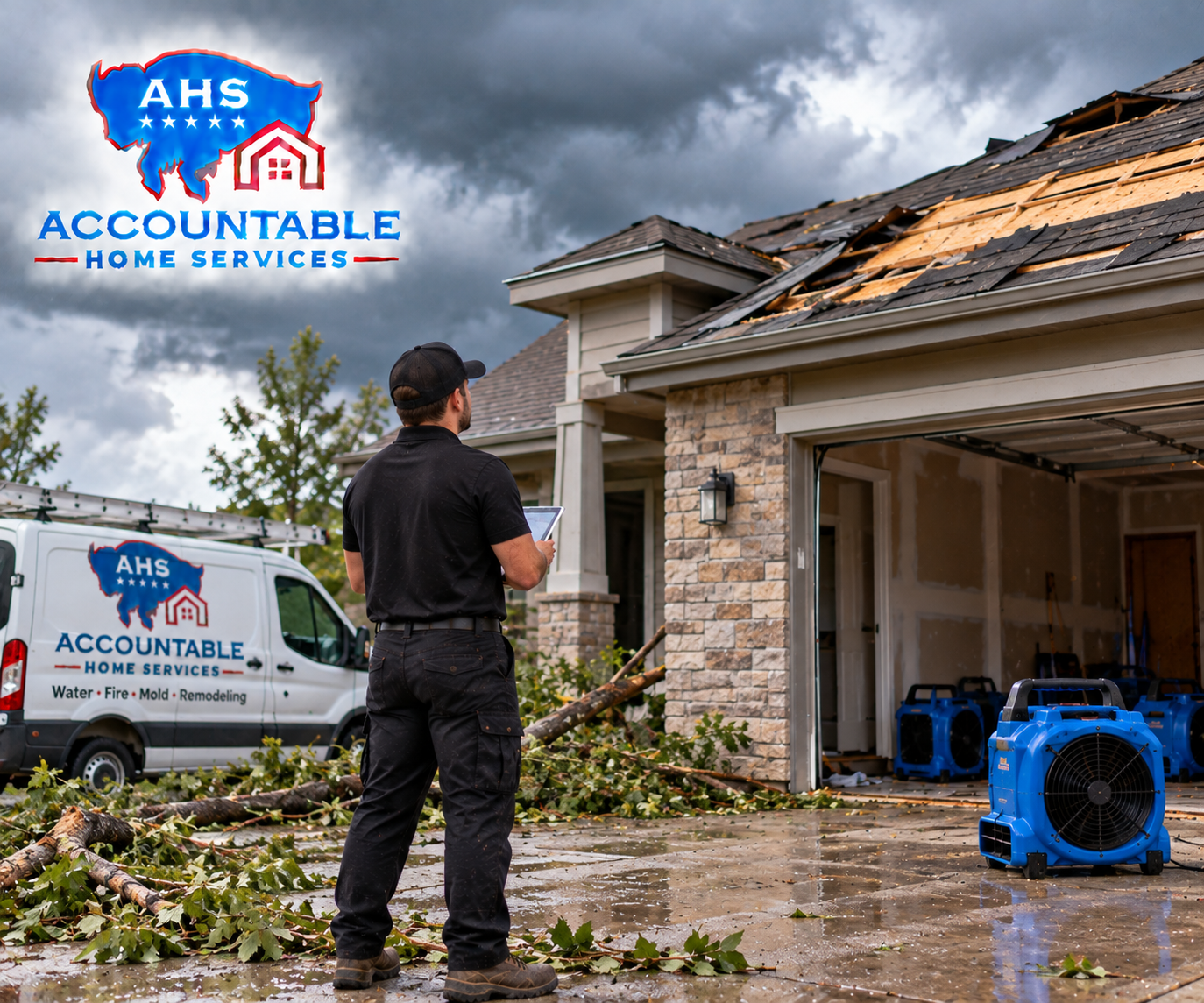
Erie homes can be exposed to fast-moving Front Range weather, including hail, heavy rain, high wind, and sudden temperature changes. A storm may damage roofing, siding, gutters, windows, exterior seals, or drainage paths around the home. When that happens, water may enter from above through a roof leak, from the side through wind-driven rain, or from below through a basement, crawl space, sump pit, or window well.
That is why storm water damage Erie homeowners see is not always limited to one room. A ceiling spot in an upstairs hallway may connect to wet attic insulation. Moisture near a basement wall may point to exterior grading, clogged gutters, or overwhelmed window wells. A small stain around a window after hail may mean water is traveling behind trim.
Professional storm damage restoration Erie CO service should look beyond the obvious surface damage. The work is not just “remove the wet stuff.” Proper restoration starts with finding where water traveled, measuring moisture, drying affected materials where possible, and recommending storm damage repair only after the structure is stable and dry.
Storm damage restoration services for Erie homes
Storm damage restoration is a mix of emergency response, moisture control, cleanup, and repair planning. The exact scope depends on what the storm damaged and how long materials stayed wet. A home with wet carpet from a sump backup needs a different plan than a home with roof leak water damage in the attic and ceiling.
Common services for Erie homeowners include:
- Emergency storm cleanup to remove standing water, saturated debris, and unsafe damaged materials.
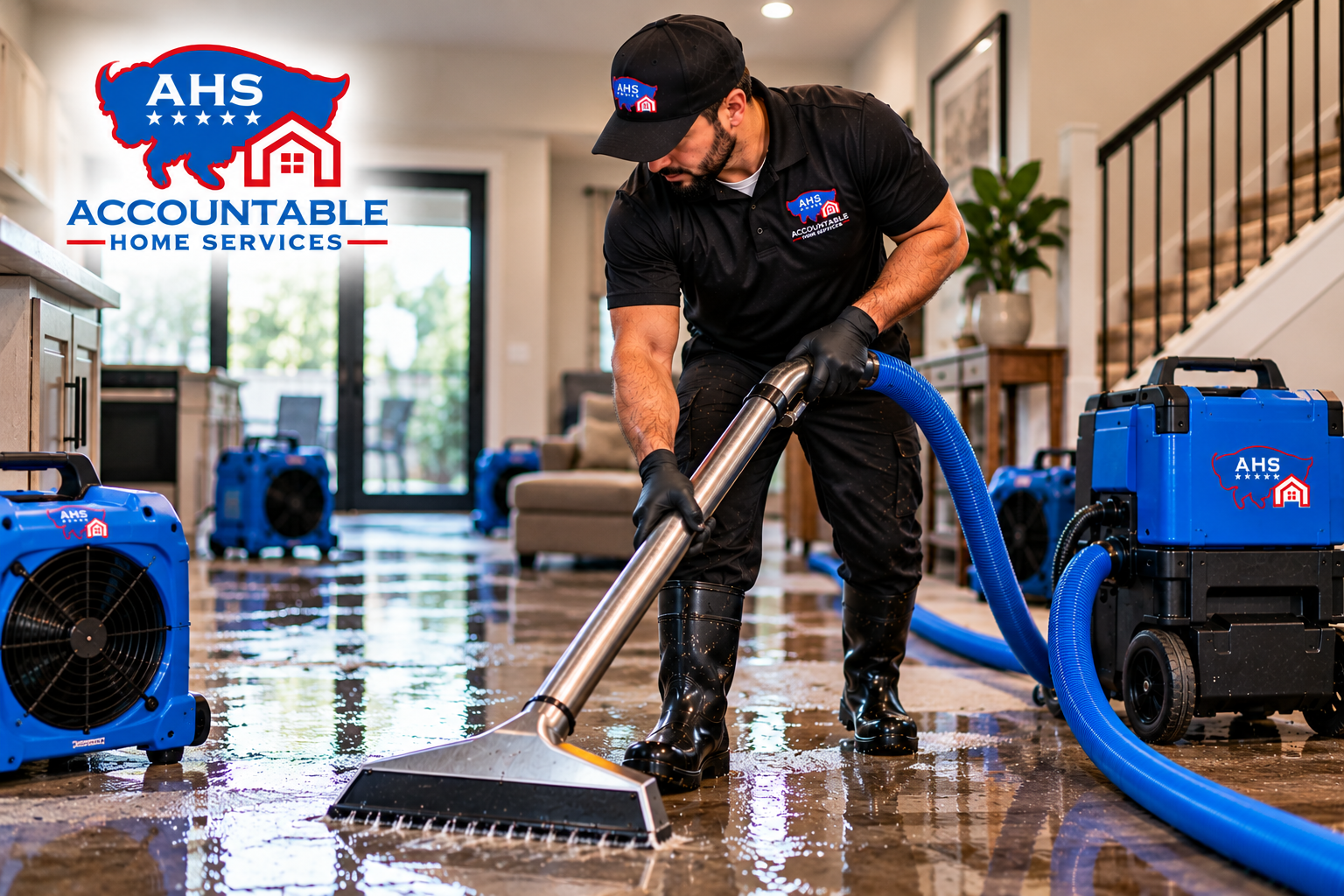
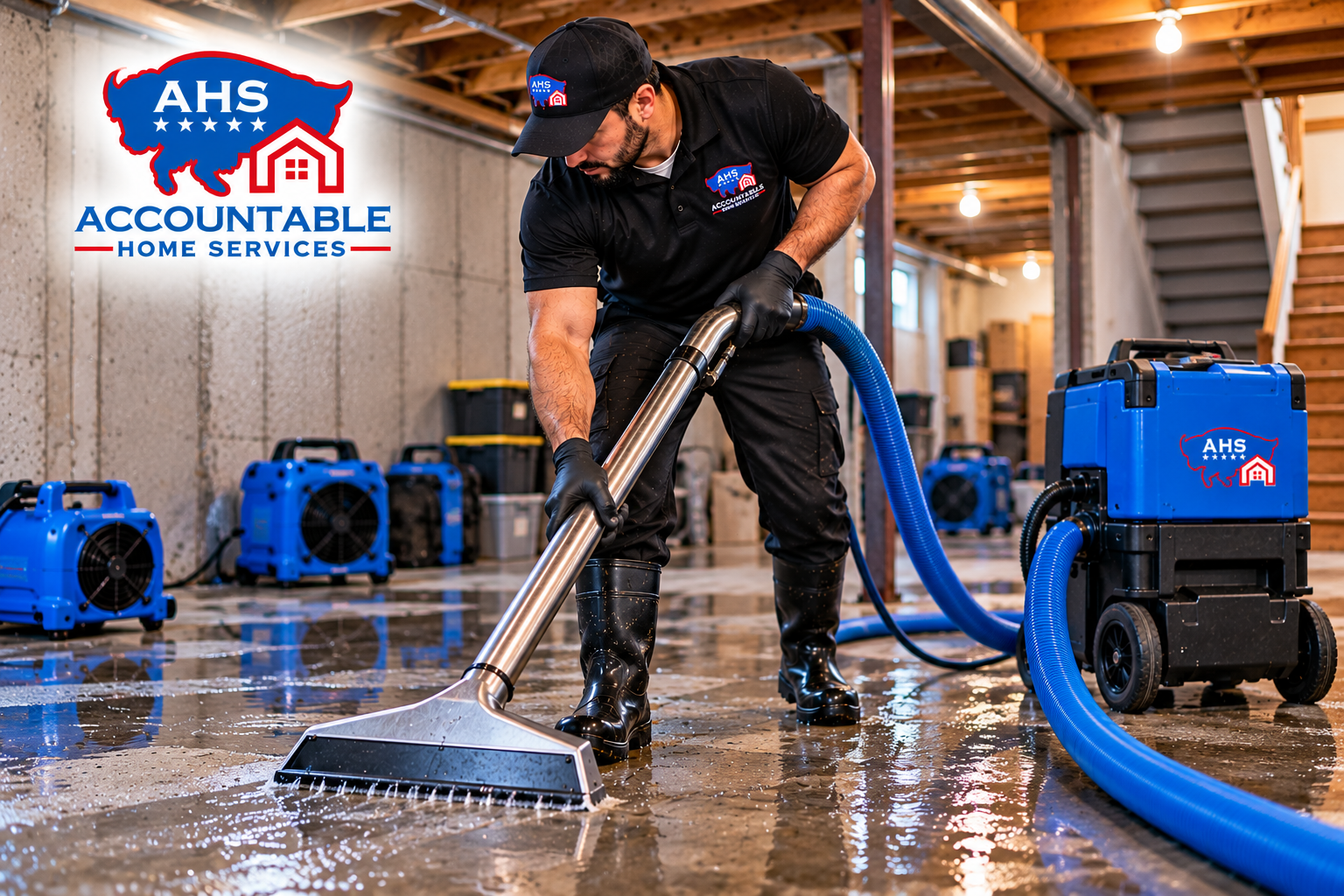
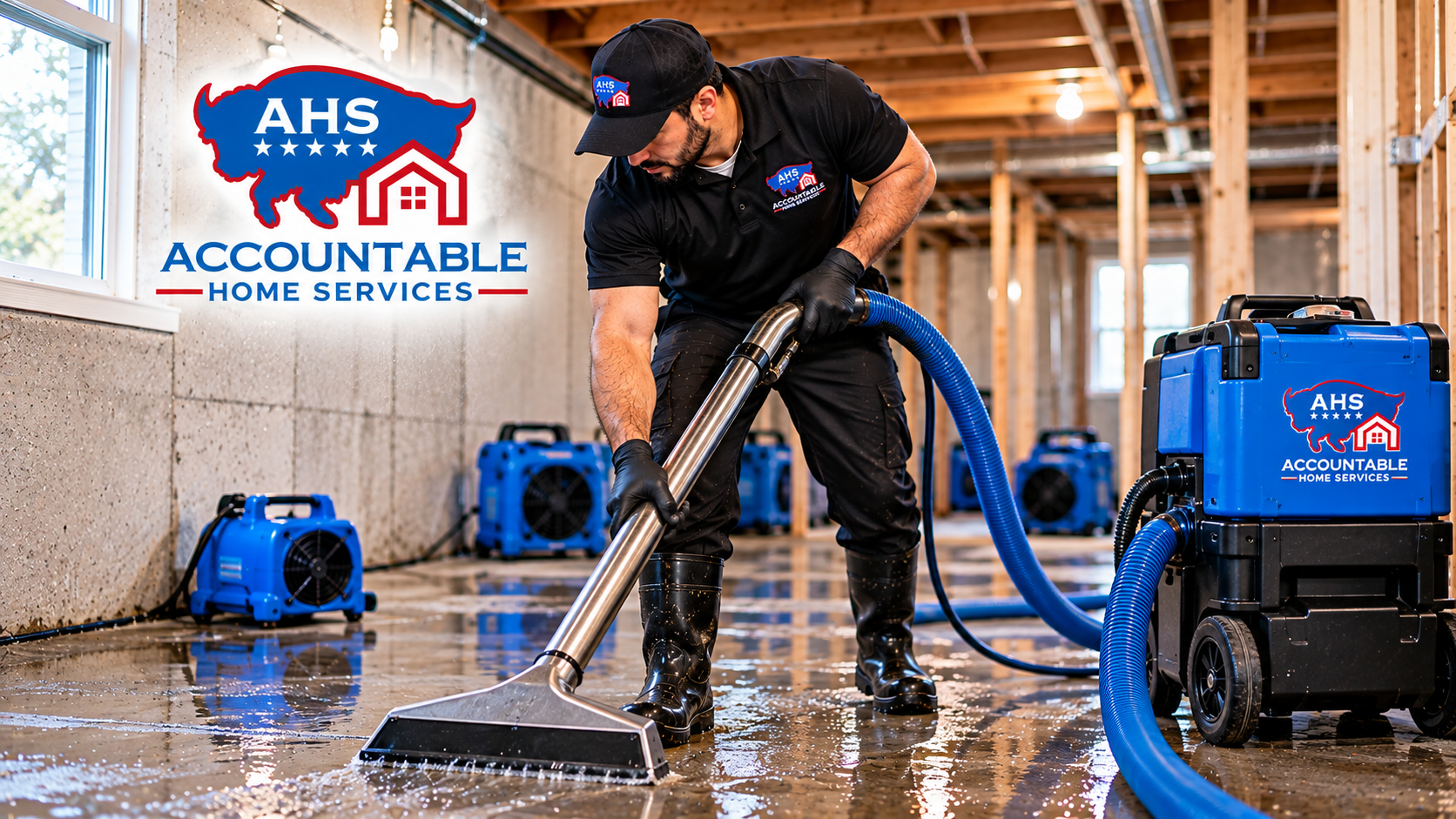
- Water extraction for wet carpet, basement flooring, and other areas holding stormwater.
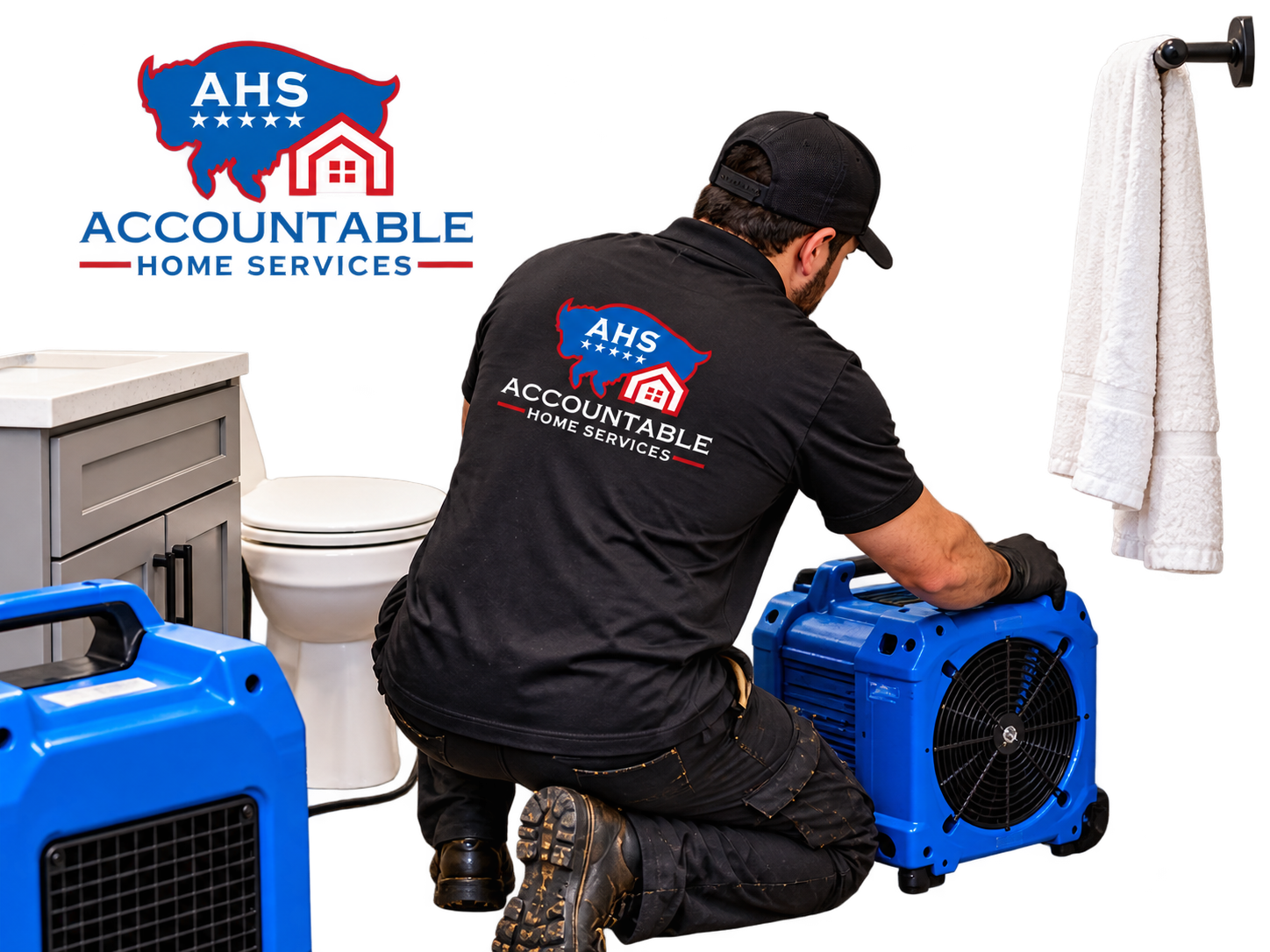
- Structural drying using professional drying equipment when drywall, framing, flooring, or cabinets are affected.
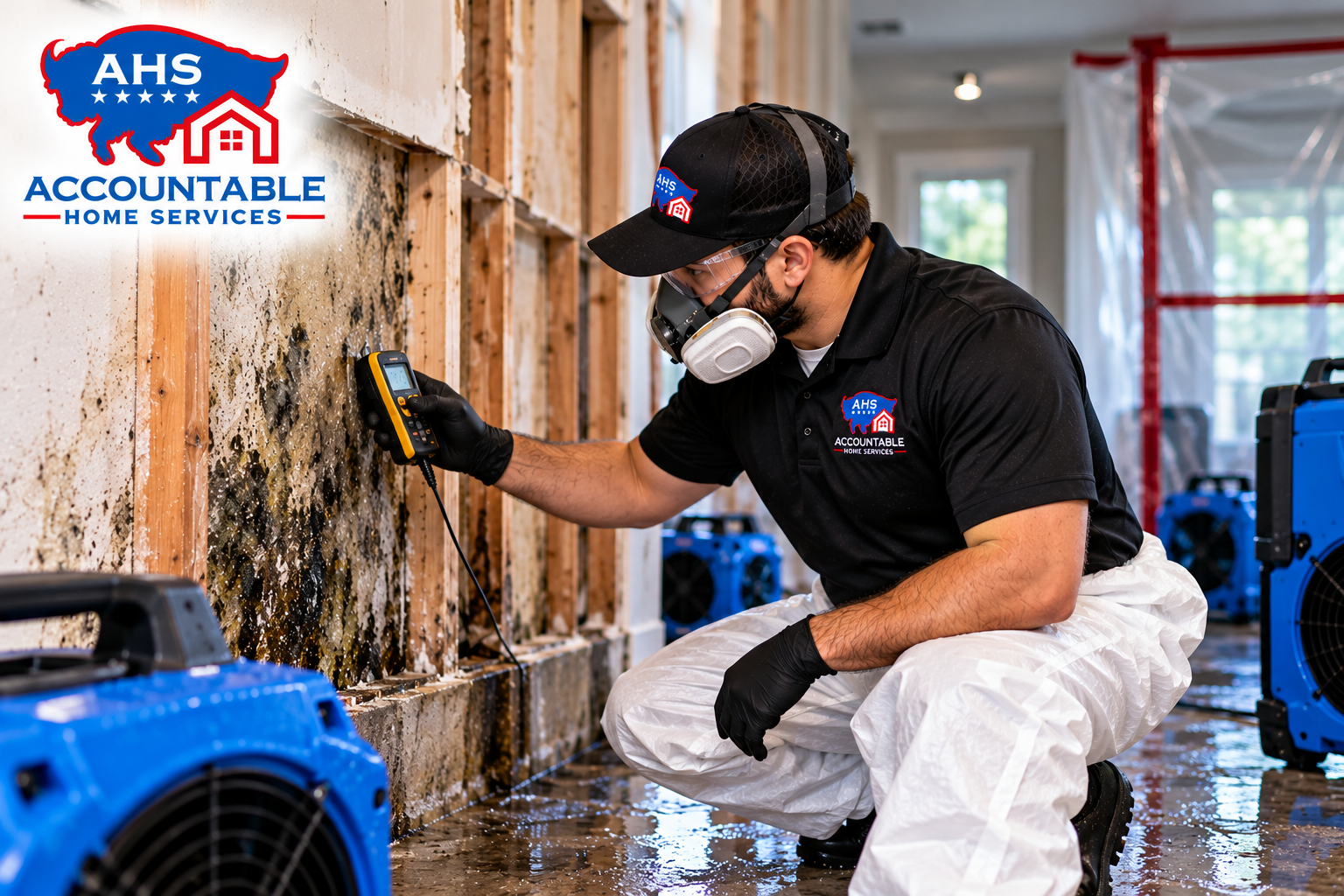
- Moisture inspections to identify hidden moisture after storm leaks, especially behind walls, under floors, and around ceilings.
- Wind damage restoration when damaged roofing, siding, vents, or openings allow rain to enter the home.
- Hail damage water intrusion response when hail impacts create leaks around roofing, flashing, skylights, siding, or windows.
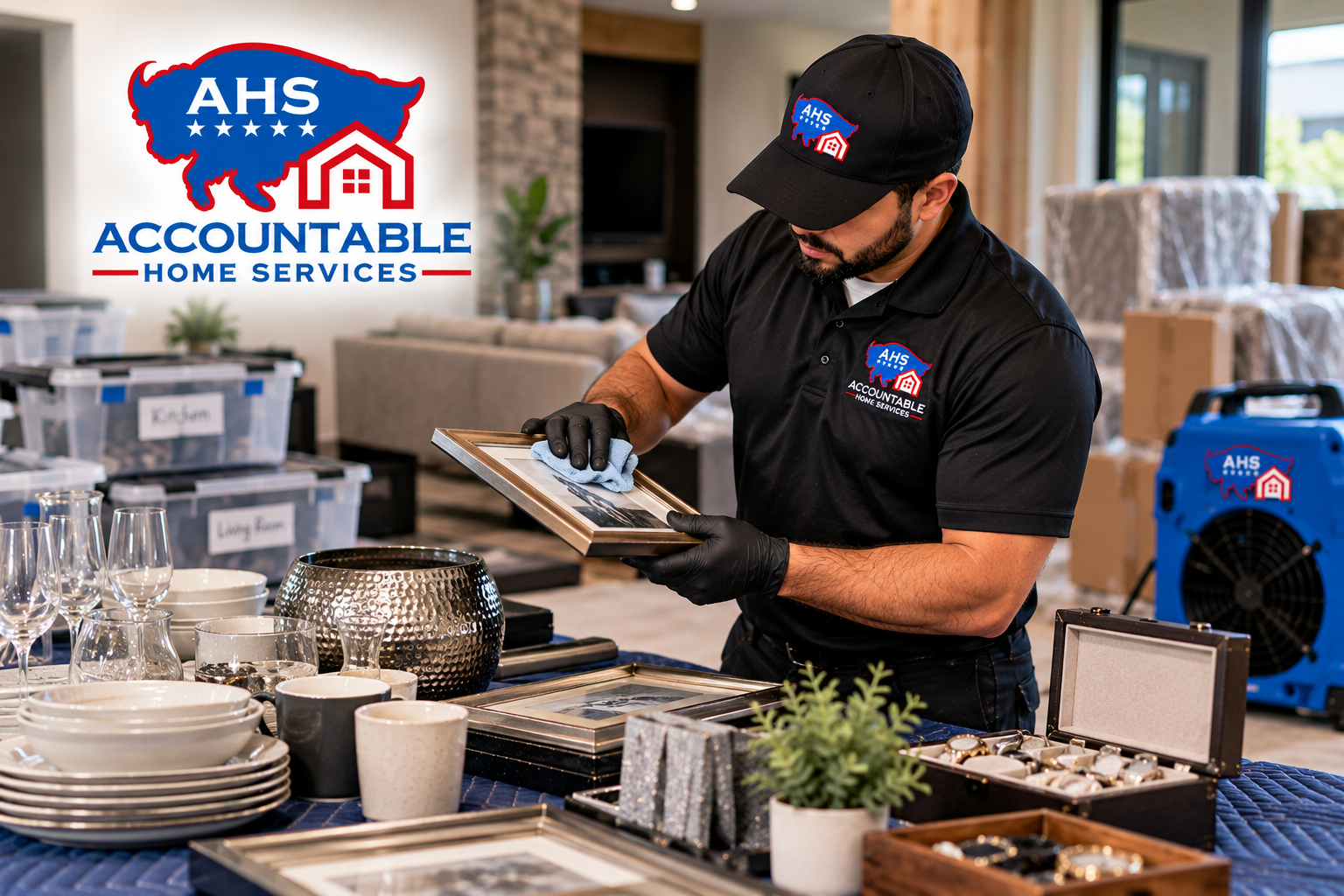
- Content protection by moving, documenting, or separating wet belongings from dry areas.
- Repair coordination once mitigation is complete and affected materials are dry or ready for replacement.
For homeowners, the important thing is timing. Water mitigation Erie service should begin before odors, swelling, staining, and microbial growth have a chance to spread. Waiting for repairs before drying can leave moisture trapped inside finished materials.
Signs that storm water reached hidden areas
Not all storm damage is dramatic. Some of the most expensive problems start small because the water is hidden. A ceiling may look only slightly stained while insulation above it is soaked. A basement may feel dry on the surface while carpet padding underneath is still holding water.
Watch for these warning signs after a storm:
- New stains on ceilings, especially below roof valleys, vents, chimneys, or attic spaces.
- Damp drywall, bubbling paint, peeling tape, or soft trim near windows and exterior walls.
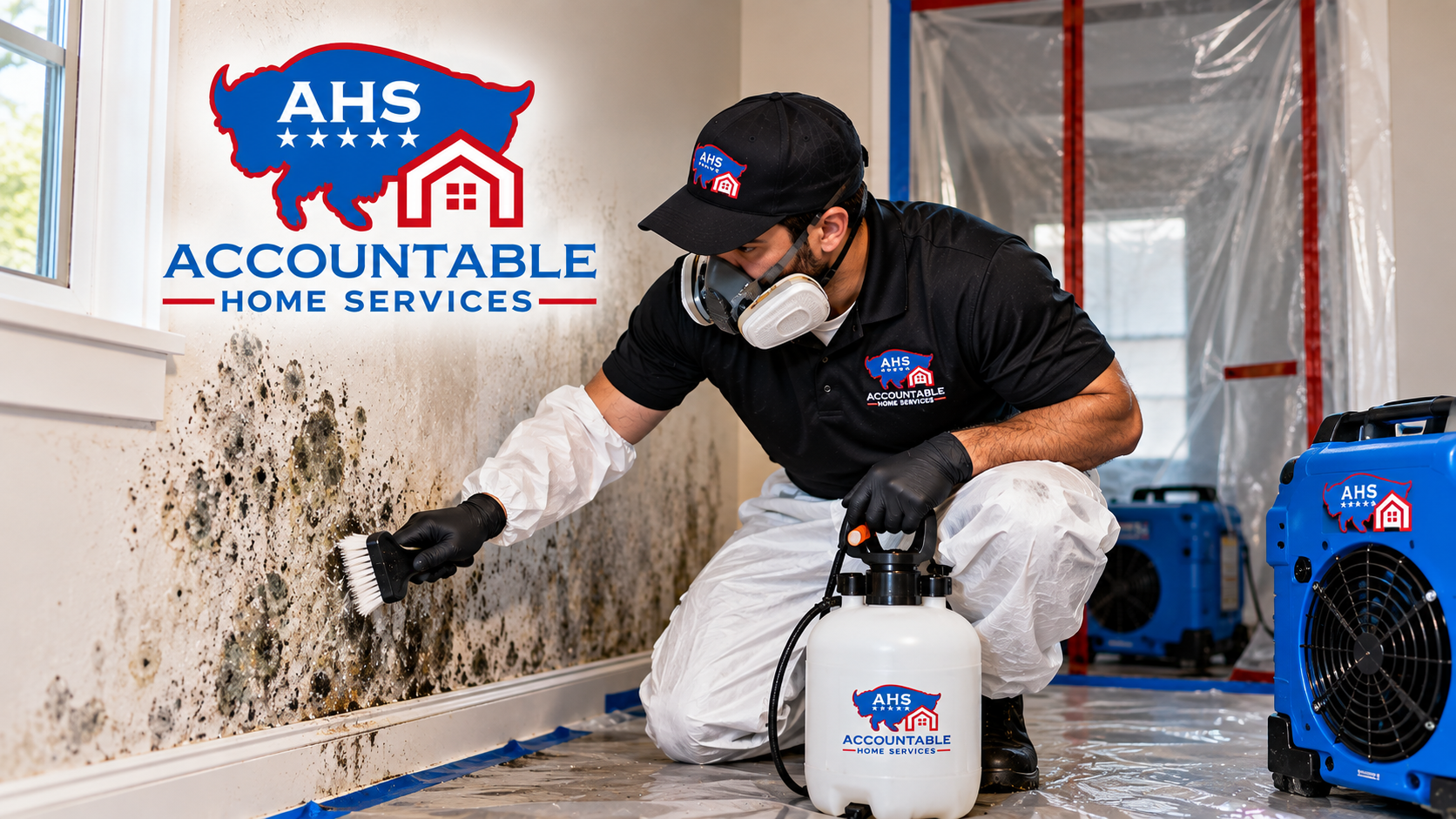
- Musty smells in a basement, crawl space, closet, or room that was recently wet.
- Cupping, buckling, or dark seams in hardwood, laminate, or luxury vinyl flooring.
- Wet insulation, visible drips, or damp framing in the attic.
- Water marks on foundation walls, window wells, or basement baseboards.
- Repeated moisture near the same area after multiple storms.
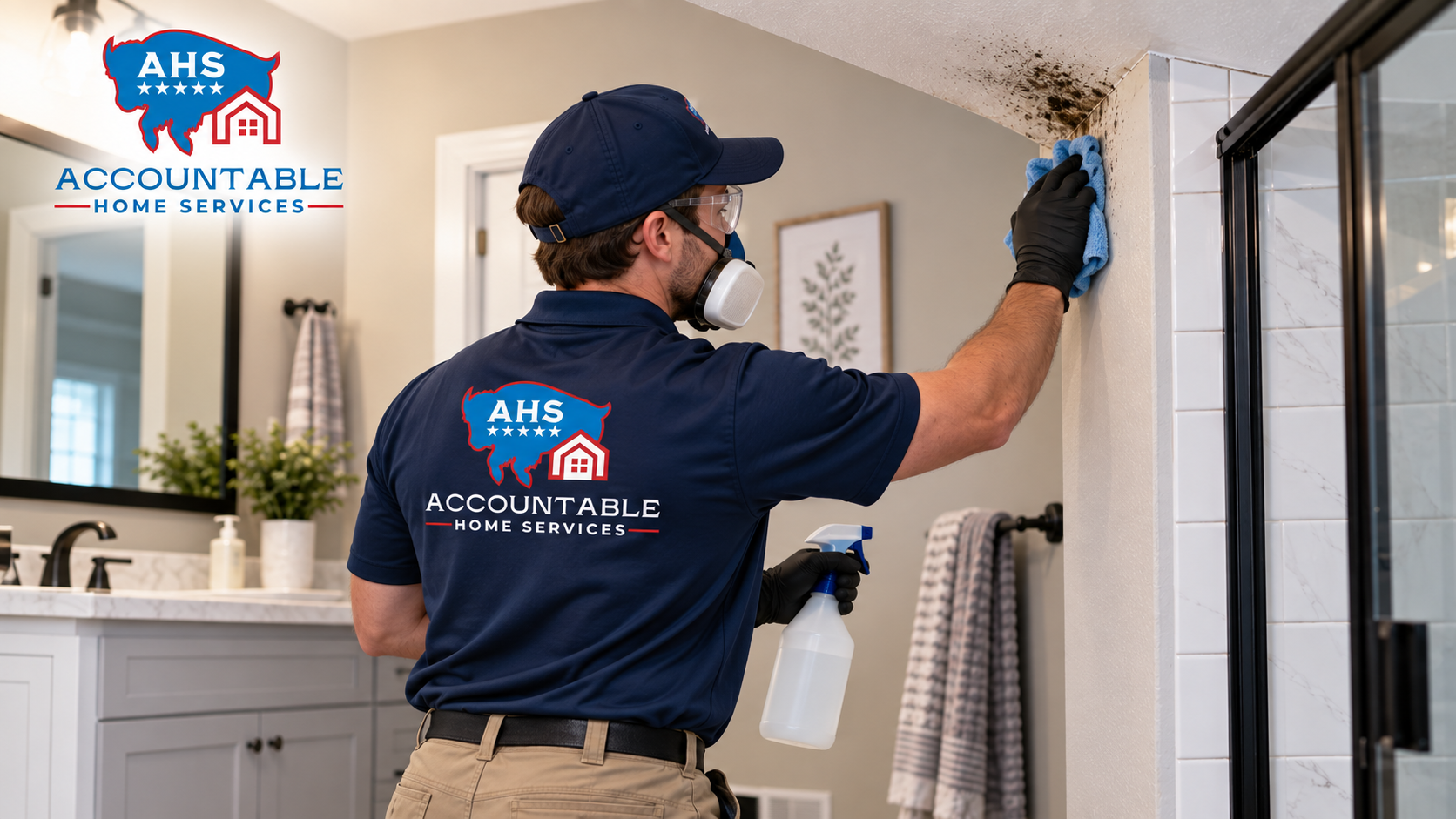
If you see any of these, do not rely only on touch. Materials can feel dry on the outside and still hold moisture inside. A restoration professional can use moisture meters and drying checks to decide whether materials can be dried in place or need removal.
Help with insurance documentation
A storm damage insurance claim Colorado homeowners file is easier to understand when the damage is documented from the beginning. Restoration documentation does not decide coverage, and it does not replace the insurance adjuster’s role. It does help create a clear record of what was affected, what emergency steps were taken, and why certain mitigation work was needed.
Helpful documentation may include photos, moisture readings, drying logs, material removal notes, equipment records, affected room diagrams, and invoices. For homeowners, this can reduce confusion during a stressful claim. For insurance agents, plumbers, and property managers, it also helps protect the customer experience because everyone can see what happened and what was done next.
Before cleanup begins, ask the restoration team how they document the job. A plain-spoken team should be able to explain what they are photographing, what they are measuring, and how they will share information with you and, when appropriate, your insurance carrier.
Support for homeowners, agents, plumbers, and property managers
Most storm calls begin with someone trying to help quickly. A homeowner may call their insurance agent because they are not sure if damage is covered. A plumber may be called first for a sump pump issue, drain backup, or water heater problem discovered during a storm. A property manager may get a tenant call about water coming through a ceiling or basement wall.
A good restoration partner keeps the process simple for everyone involved. Homeowners need calm guidance and fast action. Insurance agents need a company that communicates clearly and does not create extra headaches for the client. Plumbers need a reliable referral when the plumbing repair is only one part of the damage. Property managers need updates they can share with owners and tenants.
For Erie properties, the best restoration process usually includes:
- A clear first conversation about what happened, when it started, and what areas are affected.
- An on-site inspection focused on safety, visible damage, and moisture spread.
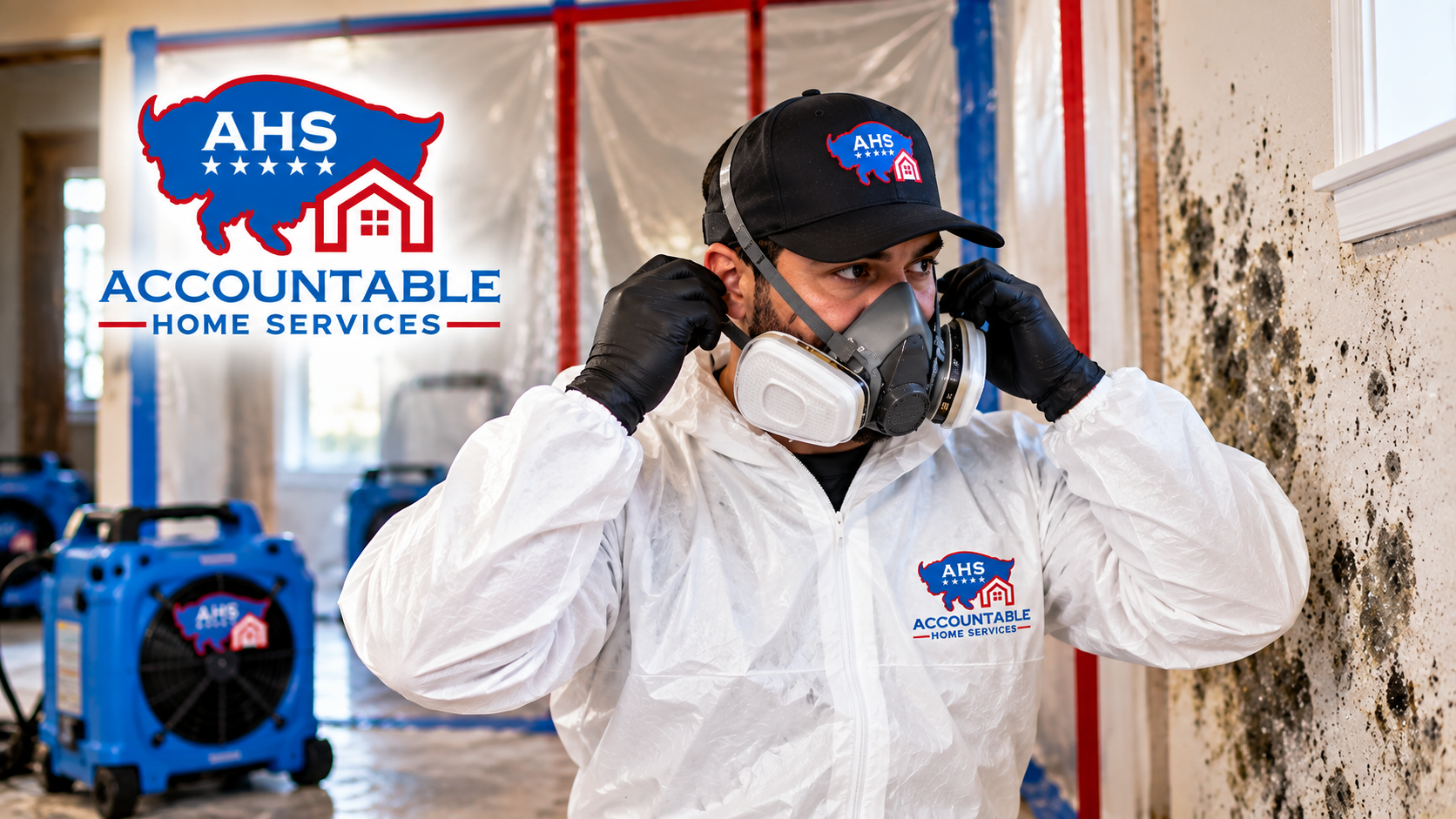
- Immediate mitigation steps such as extraction, containment, material removal, and drying setup when needed.
- Regular updates so the homeowner or property manager understands progress and next steps.
- Organized documentation for the property owner and insurance process.
- Repair planning after drying is complete and the affected areas are ready for restoration.
This approach helps avoid confusion. It also helps keep small water damage from turning into a larger repair.
Residential and commercial storm damage restoration in Erie
While this page focuses on homeowners, storm damage can also affect rental homes, townhomes, offices, retail spaces, and managed properties in Erie. Commercial storm damage restoration often requires the same core services as residential work, but with added communication needs. Tenants, owners, employees, customers, and insurance contacts may all need timely updates.
For a homeowner, the concern might be a wet basement family room or ceiling leak over a bedroom. For a property manager, it might be multiple units with window leaks after hail and wind. For a small business, it might be roof leak water damage affecting inventory, flooring, or customer areas. In each case, the priority is the same: protect people, stop additional water intrusion where possible, dry affected areas, document the loss, and plan repairs in the right order.
When to call for emergency storm cleanup
Call for emergency storm cleanup if water is actively entering, if a ceiling is sagging, if standing water is present, or if wet materials cover a large area. You should also call if you are unsure how far the moisture spread. Guessing can lead to missed wet areas, especially after hail, wind, or heavy rain.
You do not need to know whether the job is “big enough” before asking for help. A local restoration professional can inspect the affected areas, explain what they find, and recommend the next practical step. Sometimes that means focused drying and monitoring. Other times it means removal of saturated materials, more extensive water damage restoration Erie service, and coordination with a repair contractor.
If your Erie home has storm water damage, roof leak water damage, a flooded basement after storm conditions, or visible signs of hail damage water intrusion, take photos, protect safe areas, and call for storm damage restoration as soon as you can. Fast mitigation and clear documentation can make the recovery process less stressful and help you move from emergency cleanup to proper storm damage repair with fewer surprises.