Burst Pipe Repair in Westminster, CO: What Homeowners Should Do First
Burst Pipe Repair in Westminster, CO: What Homeowners Should Do First
A burst pipe can turn a normal Westminster day into a water damage emergency in minutes, especially when a basement, finished ceiling, or utility room is involved. The first priorities are stopping the water, keeping people safe, documenting the damage, and starting professional drying before hidden moisture spreads into walls, flooring, and structural materials. A plumber and a restoration company do different jobs, and understanding that difference helps homeowners, insurance agents, property managers, and plumbers move faster with fewer gaps.
What should you do first when a pipe bursts?
When a pipe bursts, shut off the main water supply first, then address electrical safety, reduce pressure in the plumbing system, document visible damage, and call the right professionals. Those early steps can limit burst pipe water damage, make flooded basement cleanup more manageable, and create a clearer record for a water damage insurance claim Colorado homeowners may need to file.
Start with safety, not cleanup. If water is near outlets, electrical panels, appliances, or extension cords, avoid walking through standing water until power can be shut off safely. If you cannot access the breaker without stepping into water, wait for qualified help. Water and electricity create a serious risk, and no amount of property protection is worth an injury.
After the water is off, open nearby faucets and flush toilets to relieve pressure in the lines. If the issue is a frozen pipe burst, this can reduce additional discharge once ice begins to thaw. Move valuables, boxes, rugs, and furniture out of wet areas if you can do so safely, but do not spend hours sorting belongings while water continues to migrate under flooring and into wall cavities.
A simple first-response checklist helps keep the situation organized:
- Shut off the main water valve.
- Avoid electrical hazards and shut off power only if it is safe.
- Open faucets to relieve remaining pressure.
- Take photos and videos before major cleanup begins.
- Place buckets or towels only as temporary containment.
- Call for emergency plumbing to stop and repair the leak.
- Call AHS for extraction, drying, inspection, documentation, and restoration support.
These steps are especially important in basements, where water can spread behind baseboards, under carpet pad, beneath floating floors, and into unfinished storage areas before the full extent is obvious.
Plumbers repair the pipe and AHS handles the water damage
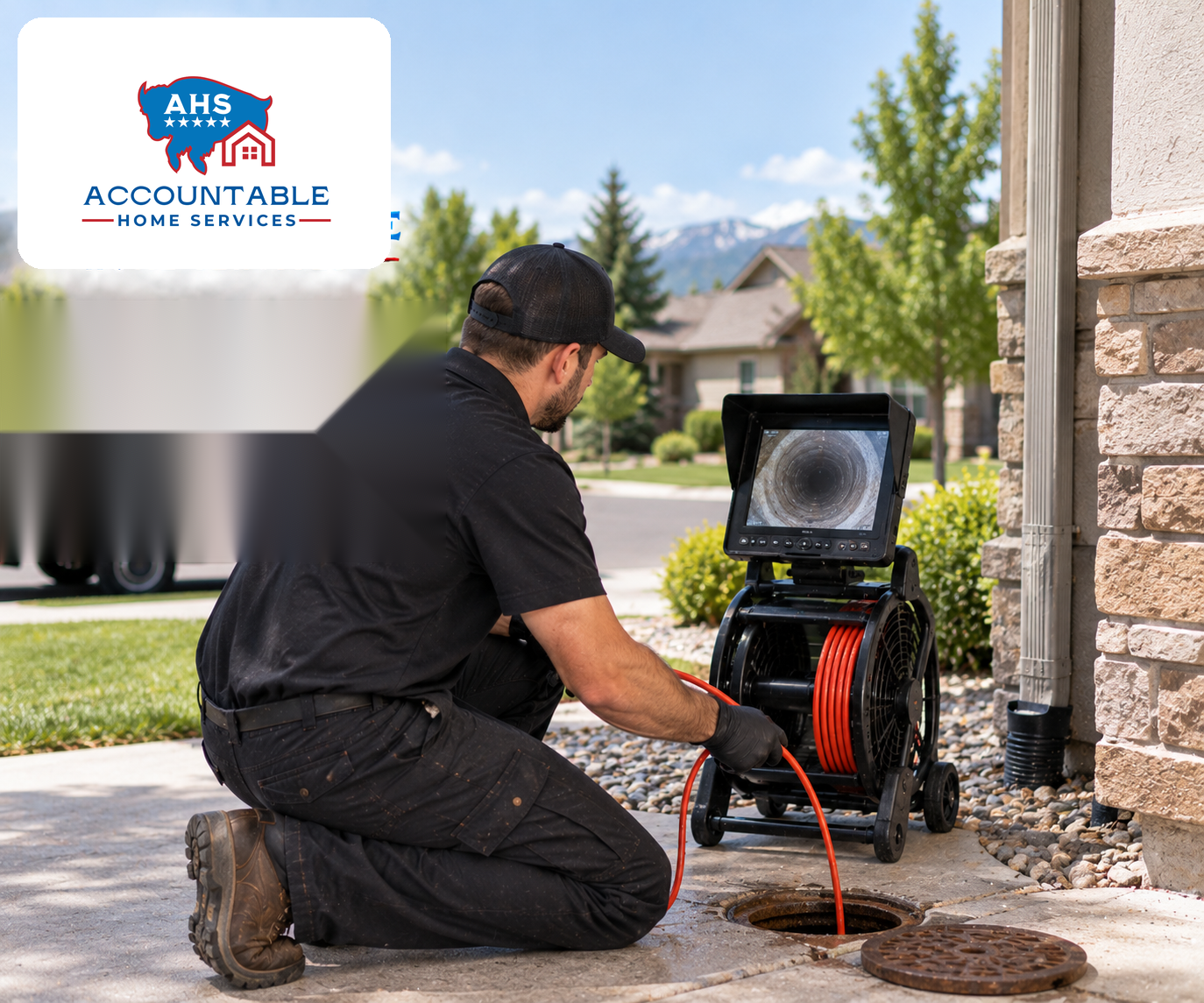
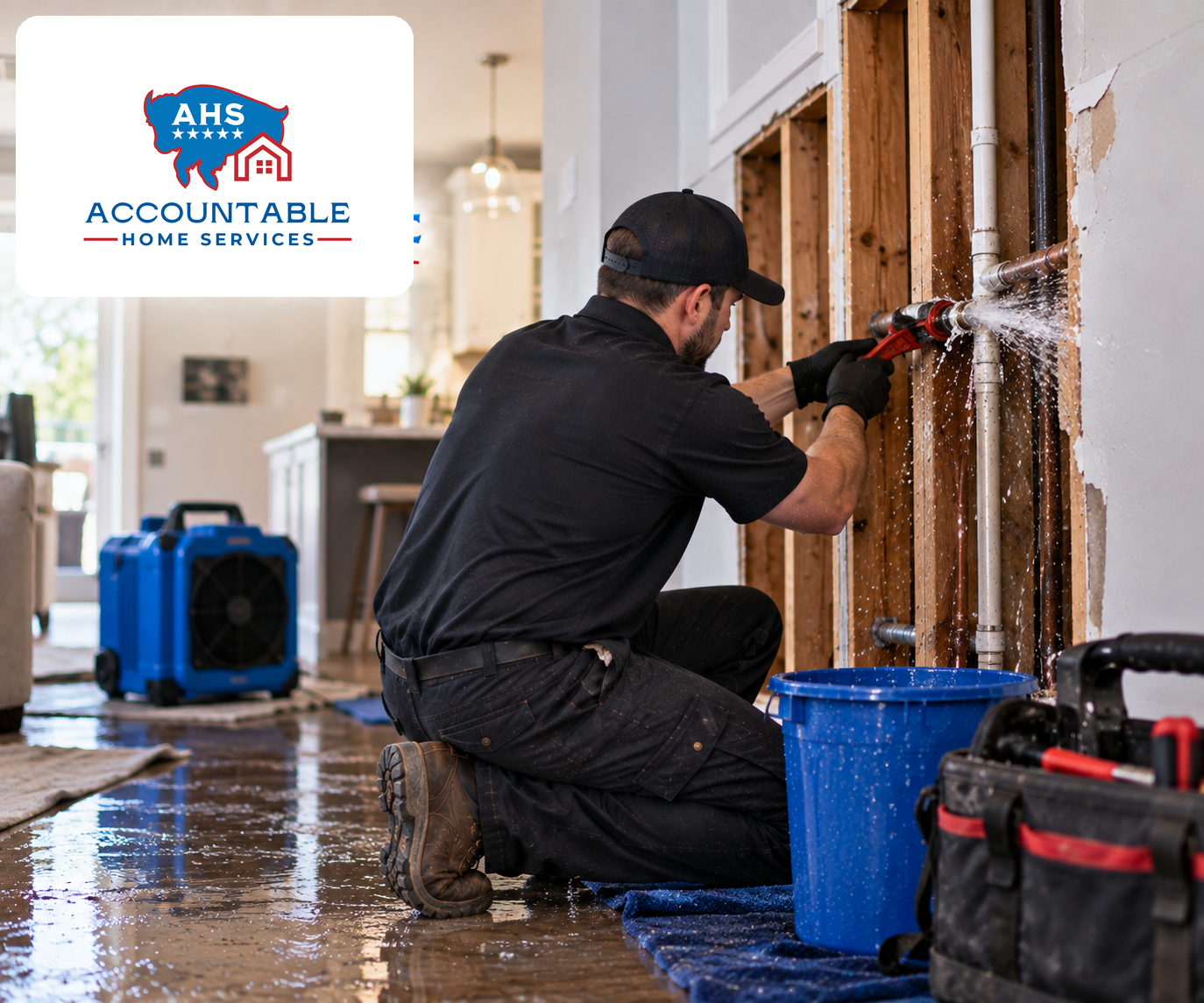
A plumber repairs the broken pipe itself. That may include locating the failed section, cutting out damaged pipe, thawing frozen lines safely, replacing fittings, restoring water service, and checking that the plumbing system is no longer actively leaking. For broken pipe repair, emergency pipe leak response, or burst pipe repair Westminster CO homeowners typically need a licensed plumbing professional first because the source must be controlled before drying can succeed.
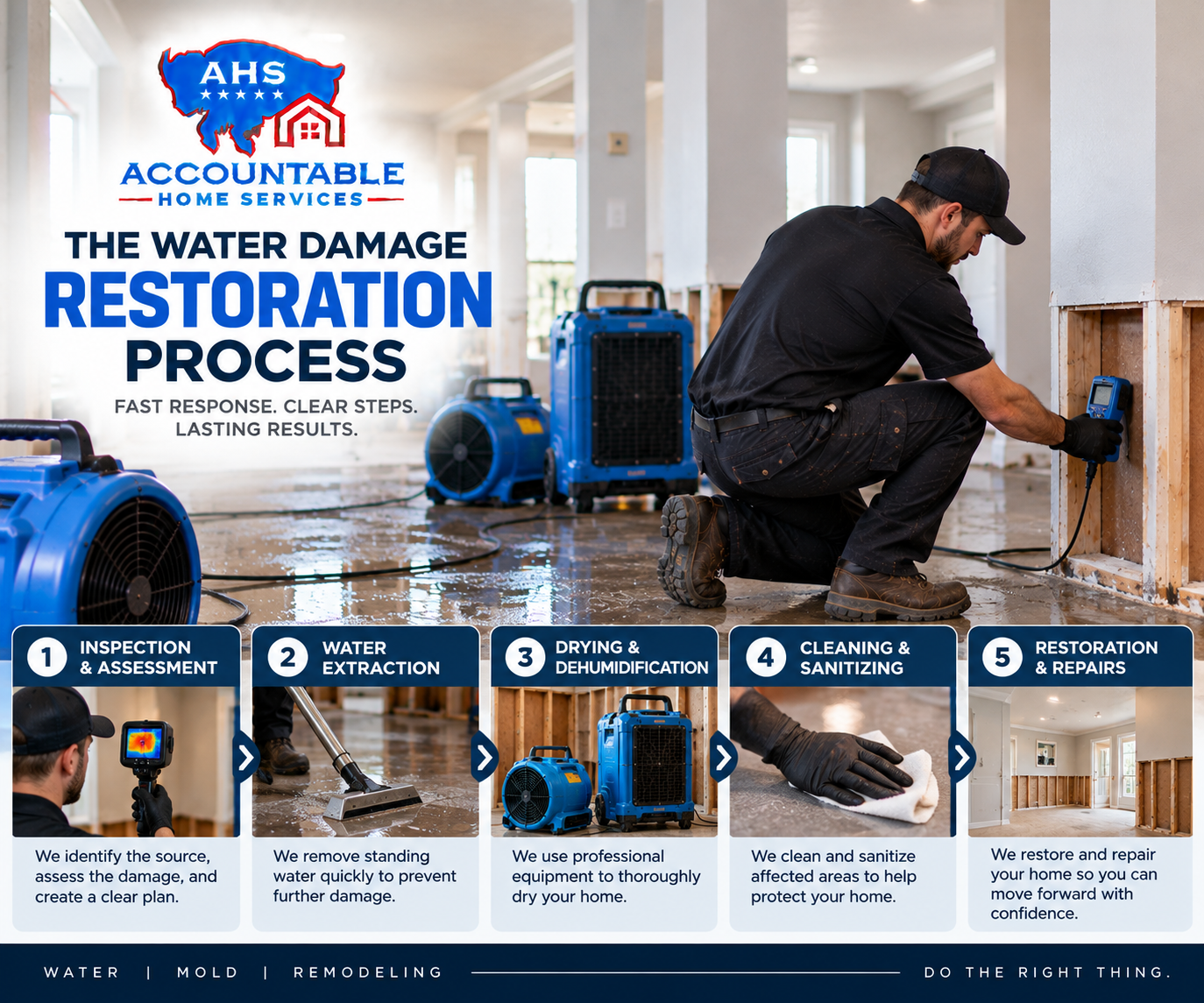
AHS handles the water damage remediation tasks that come after or alongside the plumbing repair. That includes water extraction, moisture inspection, structural drying, dealing with damaged materials, documentation, and restoration. In practical terms, the plumber stops the cause; AHS addresses what the water did to the building.
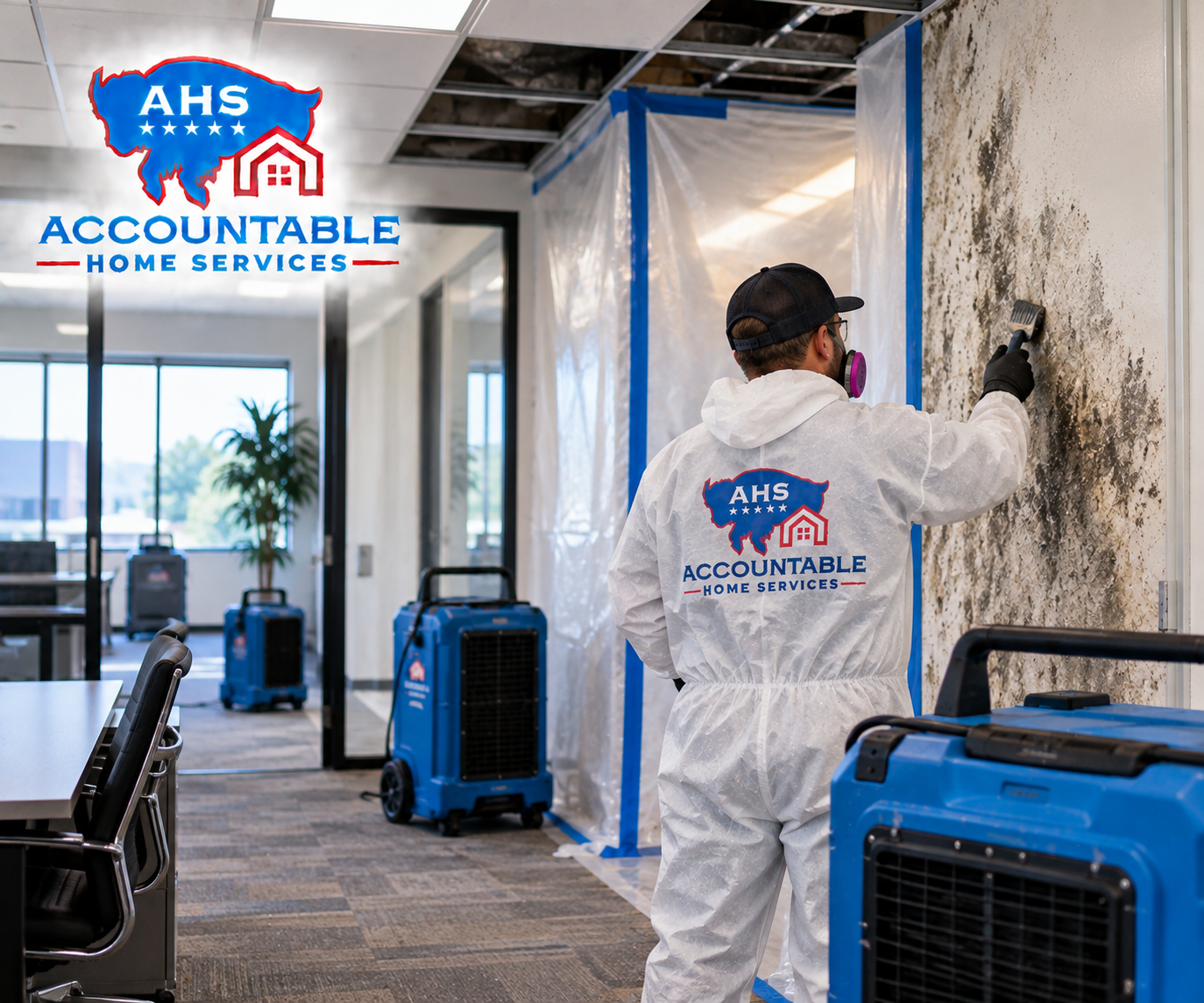
This distinction matters because a home can still be at risk after the pipe is fixed. Wet drywall, saturated insulation, soaked carpet pad, damp framing, and moisture trapped under flooring may not dry properly on their own. If a homeowner only completes burst pipe repair and skips water mitigation Westminster services, hidden moisture can remain long enough to create odors, material deterioration, and possible mold concerns.
For plumbers, this separation also protects the customer experience. A plumber may be the first trusted professional on site, but water extraction Westminster homeowners need after a major leak often requires different equipment, documentation, and drying knowledge. Referring the homeowner to a restoration partner helps prevent the plumbing repair from being blamed for later moisture problems that were never addressed.
Basement flooding requires fast extraction and controlled drying
Basements in Westminster and across the Denver metro area are common locations for burst pipe water damage because supply lines, hose bibs, mechanical systems, laundry areas, and finished living spaces often share lower-level walls and ceilings. When water reaches the basement, speed matters. Standing water should be removed quickly, but drying must also be measured and verified.
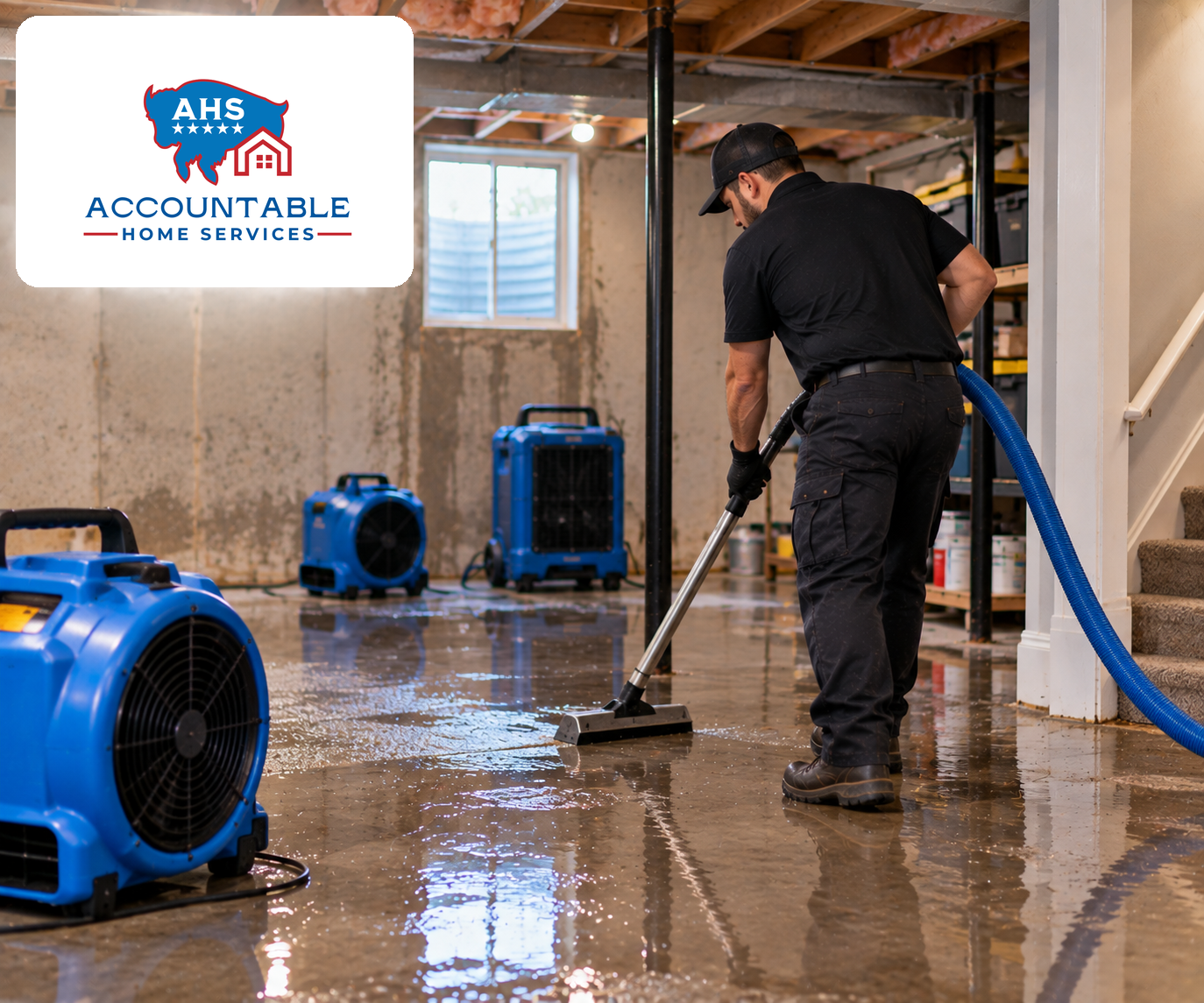
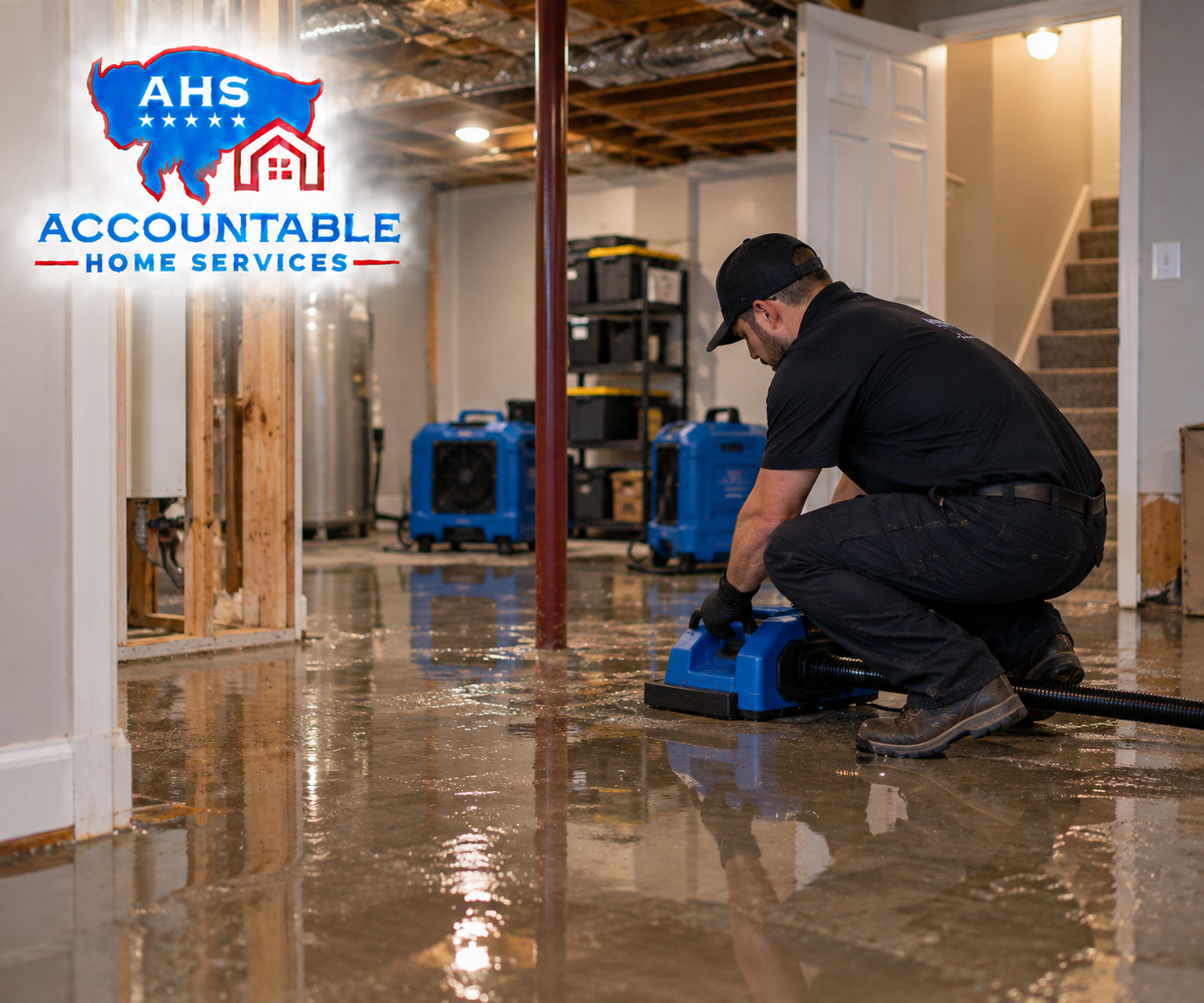
Flooded basement cleanup usually begins with removing bulk water using pumps, extraction units, or wet vacs, depending on depth and conditions. Homeowners may be able to remove small amounts of clean water with a wet vac, towels, fans, and a dehumidifier, but that does not confirm that framing, drywall, carpet pad, or insulation are dry. Restoration drying is not just air movement; it is a controlled process based on moisture readings and material conditions.
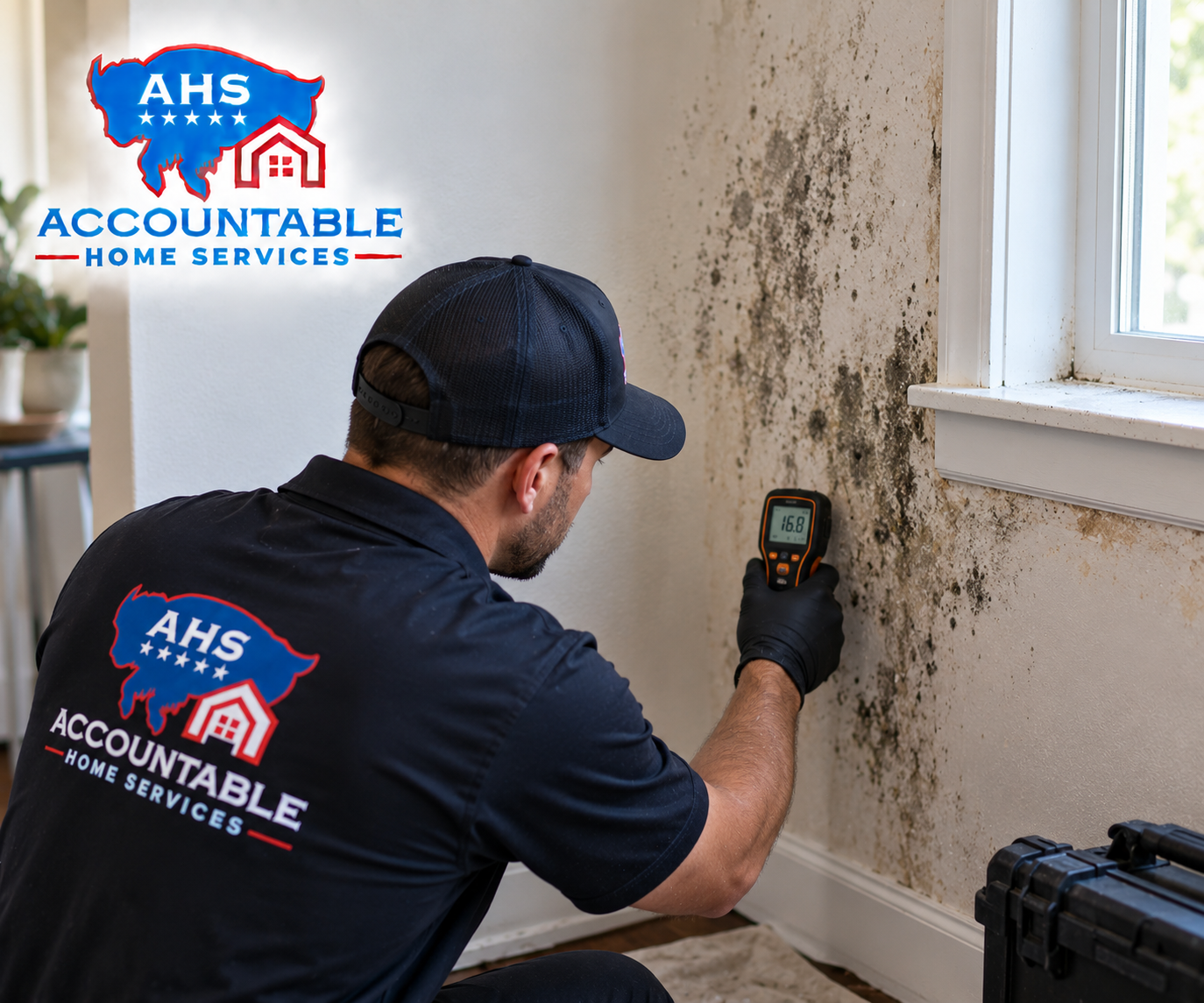
AHS checks for moisture beyond what is visible. That can include baseboards, drywall seams, flooring edges, stair landings, wall cavities, and adjacent rooms where water traveled. This inspection is important because basement materials often hold moisture longer than homeowners expect, particularly where airflow is limited.
A practical basement response may include:
- Extracting standing water from carpet, hard surfaces, and low spots.
- Removing wet carpet pad when it cannot be dried properly in place.
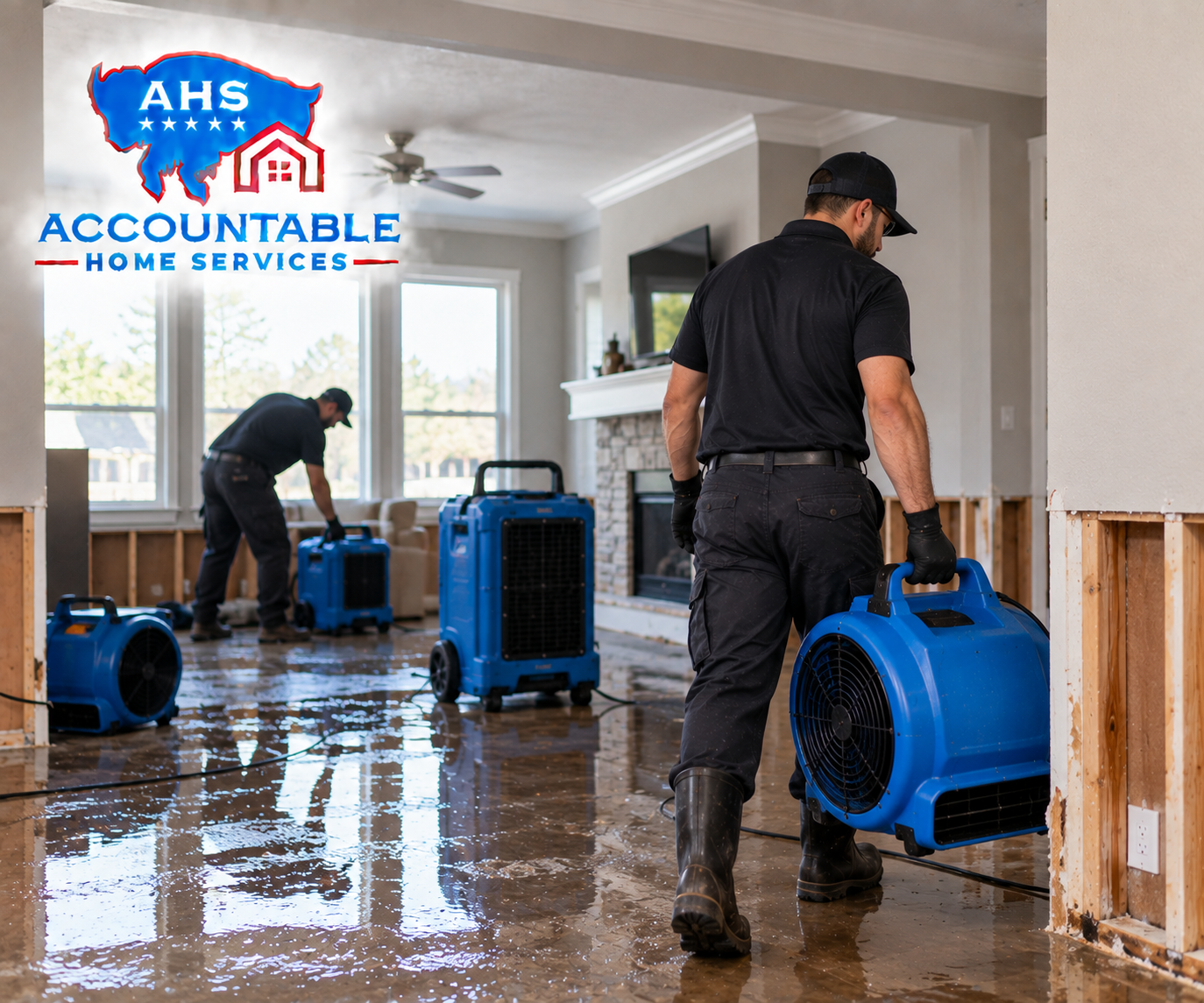
- Setting professional air movers and dehumidifiers.
- Inspecting walls, trim, insulation, and stored contents.
- Creating drying records with moisture readings and equipment notes.
- Identifying materials that need removal rather than continued drying.
The goal is not to demolish more than necessary. The goal is to dry what can be saved, remove what cannot be restored safely, and document the reasoning so the homeowner and insurance carrier can understand the scope.
Why hidden moisture becomes the larger problem
Hidden moisture is often the reason a small-looking leak becomes a larger water damage repair project. Water follows gravity, framing, seams, and openings. It can move from an upstairs bathroom into ceiling water damage below, run behind cabinets, settle under vinyl plank flooring, or wick into drywall several inches above the visible water line.
In Westminster winters, a frozen pipe burst may happen in an exterior wall, garage-adjacent room, crawlspace, or under-insulated area. The visible leak may appear in one room while moisture has already spread into connected building materials. This is why drying decisions should be based on inspection, not only on what looks wet.
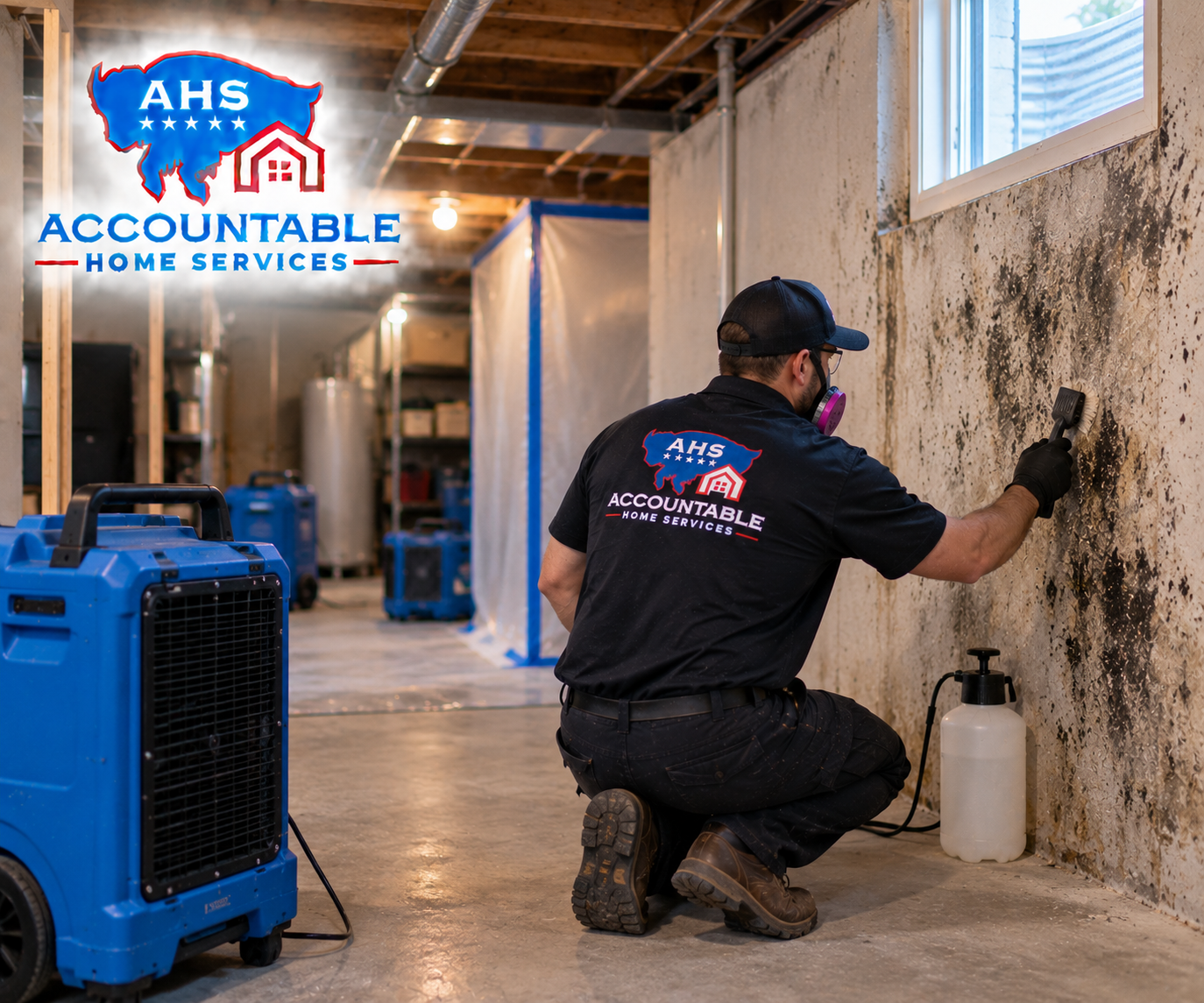
Homeowners should be cautious with quick cosmetic repairs. Painting over a stain, reinstalling baseboards too soon, or placing new flooring over a damp subfloor can trap moisture and create future problems. Proper water damage restoration Westminster work focuses on the full moisture path, not just the most obvious damaged surface.
Insurance documentation should begin before cleanup is complete
A sudden and accidental pipe burst is often the type of event homeowners discuss with their insurance carrier, but every policy is different. Coverage can depend on the cause of loss, maintenance history, policy language, and whether reasonable steps were taken to reduce further damage. For a water damage insurance claim Colorado homeowners should document early and avoid guessing about coverage.
Good documentation does not need to be complicated. Take wide photos of each affected room, close-up photos of damaged materials, video of standing water if present, and photos of the failed pipe if it is accessible. Save plumbing invoices, restoration records, equipment logs, material disposal notes, and receipts for emergency expenses.
AHS supports the claim process by documenting the water damage remediation work clearly. This can be valuable for homeowners who feel overwhelmed, insurance agents who want fewer claim communication problems, and property managers who need to explain the situation to owners and tenants. Clear documentation does not guarantee coverage, but it helps show what happened, what was affected, what was done to reduce damage, and why certain restoration steps were necessary.
If you are unsure whether to file a claim, contact your insurance carrier or agent promptly. Waiting too long can complicate communication, especially if damaged materials have already been removed without photos or drying records.
Prevention lowers the risk of another burst pipe
Not every burst pipe can be prevented, but many winter-related failures can be reduced with steady maintenance and practical cold-weather habits. Westminster homes can experience sharp temperature swings, and pipes near exterior walls, garages, crawlspaces, and hose bibs need extra attention before hard freezes.
Helpful prevention steps include:
- Keep indoor temperatures stable, including overnight and during travel.
- Insulate vulnerable pipes in garages, crawlspaces, unfinished basements, and exterior walls where accessible.
- Disconnect hoses and winterize outdoor faucets before freezing weather.
- Let a small stream of water run from vulnerable faucets during severe cold when appropriate.
- Open cabinet doors under sinks on exterior walls to improve warm air circulation.
- Seal drafts near plumbing penetrations, rim joists, and foundation openings.
- Install leak detection sensors in basements, laundry rooms, mechanical rooms, and under sinks.
- Know where the main water shutoff valve is and make sure household members can operate it.
Property managers should also consider seasonal reminders for tenants. A short winter notice about heat settings, hose disconnection, and reporting leaks early can prevent confusion and reduce damage. For vacant units, winterization and routine checks are especially important because a leak can run much longer before anyone notices.
When professional help is the right next step
Professional help is the right next step when water has reached finished materials, spread beyond a small area, affected a basement, entered ceilings or walls, or created uncertainty about electrical safety or mold risk. A small drip under a sink caught immediately may be manageable with basic cleanup. A burst line that soaks flooring, drywall, insulation, or a ceiling needs coordinated plumbing and restoration response.
Call emergency plumbing for the active leak and broken pipe repair. Call AHS for water mitigation Westminster support, including extraction, moisture mapping, drying, damaged material handling, documentation, and restoration planning. When both roles are handled promptly, the home has a better chance of drying correctly and the claim record is usually easier to follow.
For insurance agents, plumbers, and property managers, the best referral is often the one that reduces confusion for the customer. A calm explanation of who does what can prevent delays: the plumber repairs the pipe, and AHS handles the water damage repair and restoration process after the water escapes.
Final takeaway
A burst pipe is stressful, but the first decisions are straightforward: stop the water, stay safe, document the damage, repair the pipe, and begin professional drying quickly. In Westminster, where winter conditions can contribute to frozen pipe burst events and basement flooding, quick action can reduce damage and help preserve a clearer insurance record.
If the pipe is already repaired but dampness, stains, odors, or soft materials remain, do not assume the problem is finished. Hidden moisture can continue causing damage after the leak stops. AHS can inspect, extract, dry, document, and restore affected areas so the home moves from emergency response toward a stable recovery.