Drain Inspections Near Me in Thornton, CO: What Homeowners Should Know
Drain Inspections Near Me in Thornton, CO: What Homeowners Should Know
When a drain backs up in a Thornton home, the first goal is to find out whether the issue is a simple clog, a sewer line problem, or damage that has already reached floors, walls, cabinets, or belongings. A plumber or drain specialist is the right professional for the drain camera inspection or sewer line inspection itself. AHS is not a standalone plumbing company and does not sell drain or sewer inspection services; AHS steps in when a backup, leak, or overflow causes water or sewage damage inside the home.
Who should you call for a drain inspection in Thornton?
If you are searching for drain inspections near me or drain inspection Thornton CO, start with a licensed plumber or drain specialist. They can perform a clogged drain inspection, run a camera through the line, locate blockages, and explain whether the issue is in the fixture drain, main sewer line, or another part of the plumbing system. If the inspection shows that wastewater, sewage, or clean water has entered the living space, that is when a restoration company like AHS may be needed to help with cleanup, drying, damage documentation, and claim support.
This distinction matters because the right first call can save time. A plumber fixes the source of the drain or sewer problem. A restoration team handles the damage the water or sewage leaves behind.
Drain and sewer inspection roles are different from restoration work
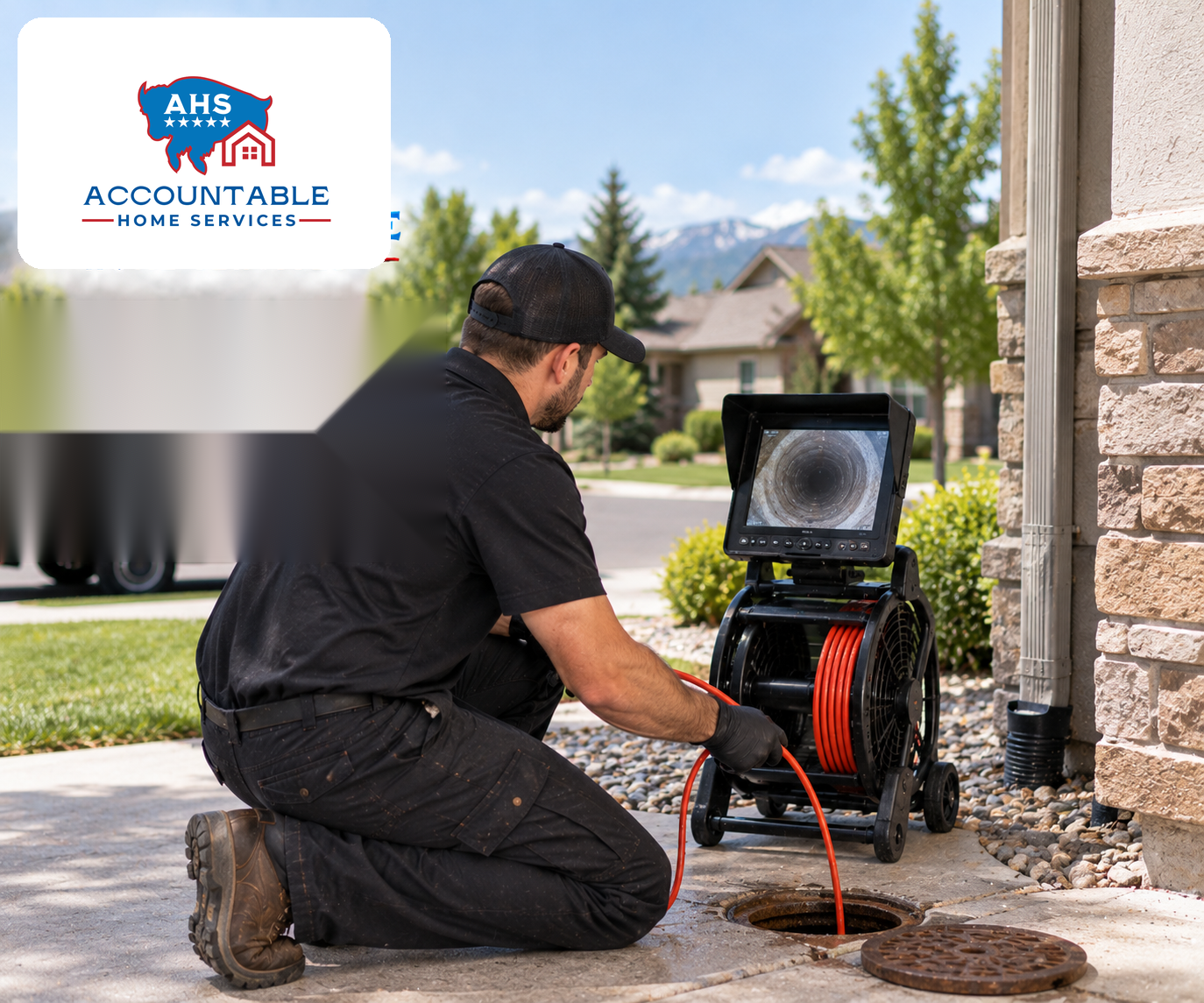
A drain inspection is a diagnostic service. In many cases, the plumber uses a sewer camera inspection Thornton homeowners can see in real time, which helps identify roots, grease buildup, broken pipe sections, collapsed lines, or heavy debris. This work is important because cleanup alone will not solve a drain backup Thornton property if the underlying blockage remains.
AHS does not replace the plumber’s role. AHS does not clear sewer lines, sell sewer inspection services, or perform drain camera inspection appointments as a plumbing company. Instead, AHS supports homeowners, plumbers, insurance agents, and property managers when a drain or sewer issue has caused damage inside the structure.
That support may become important after situations such as:
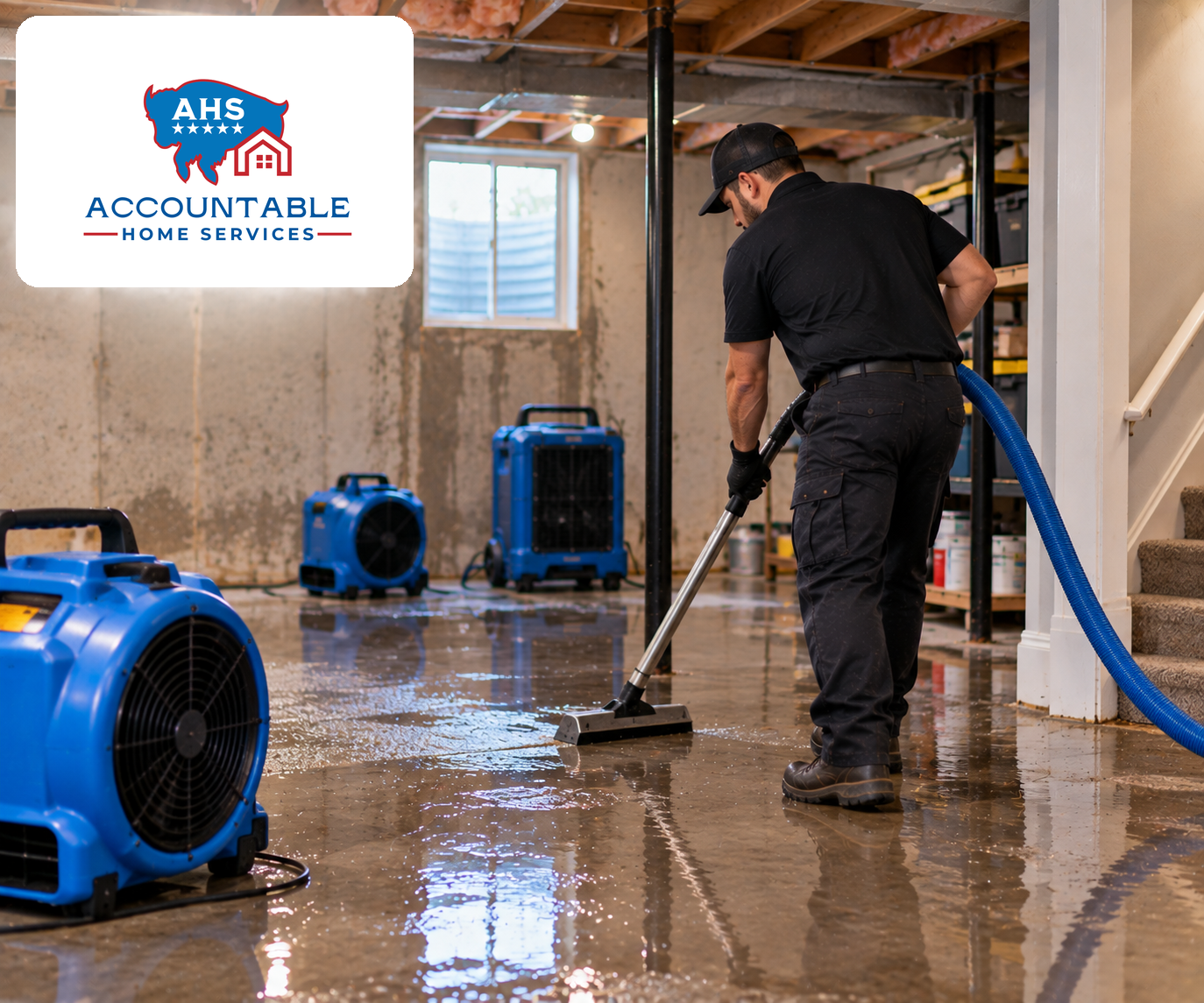
- A basement drain backup that spreads wastewater across finished flooring
- A sewer backup cleanup need after sewage enters a bathroom, laundry room, or lower level
- Moisture under flooring or behind baseboards after a drain overflow
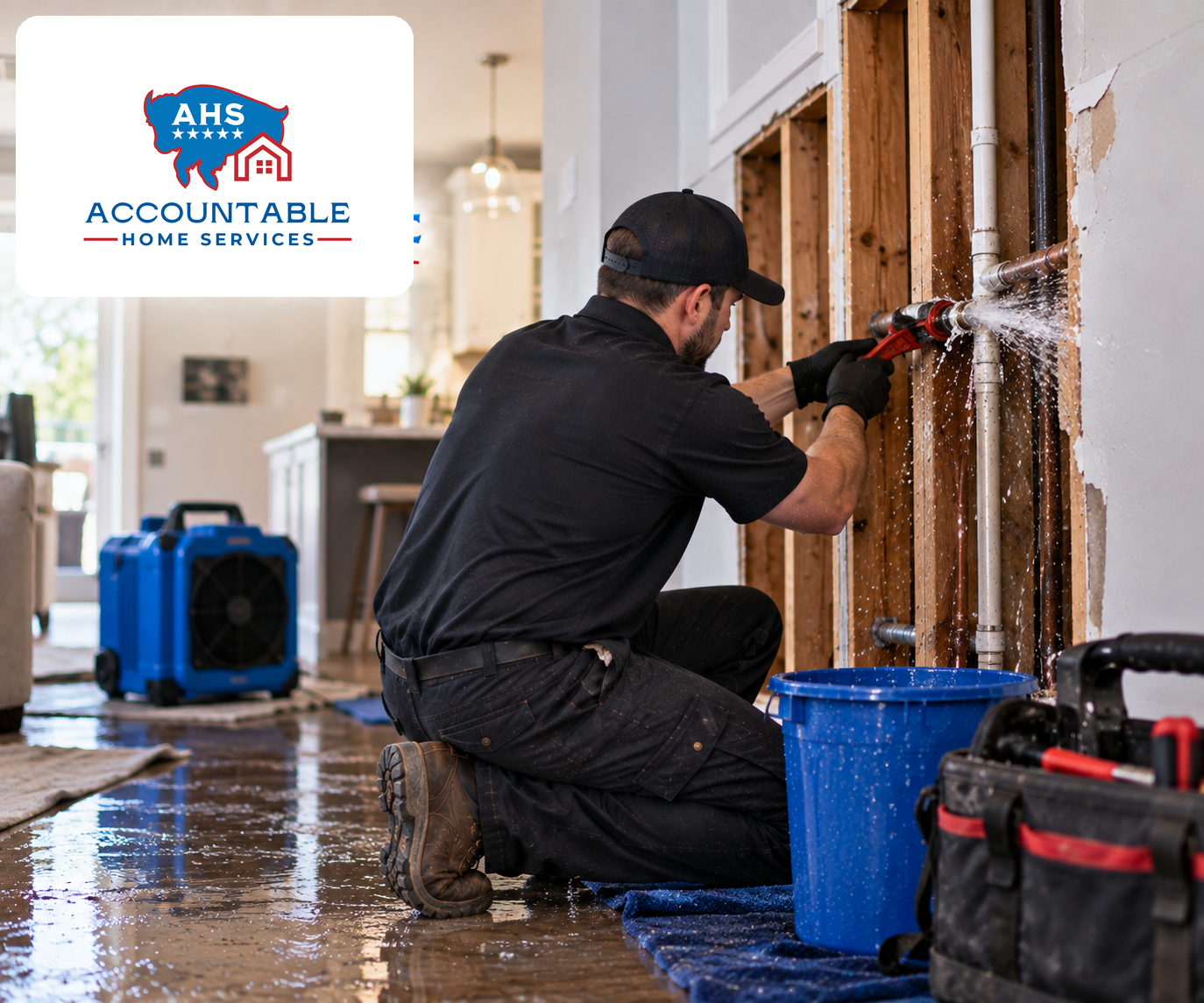
- Plumbing leak water damage from a failed pipe, fixture, water heater, or appliance line
- Sewage cleanup Thornton homeowners need when contaminated water affects personal property or building materials
- Water damage restoration Thornton properties require after the plumbing repair is complete
The plumber stops or repairs the source. AHS helps address the affected areas so the home is not left wet, contaminated, or poorly documented.
What a drain camera inspection can tell you
A drain camera inspection gives the plumber a clearer view inside the pipe. Instead of guessing where the blockage is, the camera can help show the approximate location and type of problem. This is especially helpful in older homes, homes with large trees nearby, or properties that have had more than one drain backup.
A sewer line inspection may help identify whether the problem is limited to one fixture or connected to the main sewer line. For example, a slow bathroom sink may be a local clog, while multiple drains backing up at once can point to a bigger line issue. If sewage comes up through a floor drain, shower, toilet, or basement drain, treat the situation as urgent and avoid walking through or cleaning it without proper protection.
Homeowners should ask the plumber or drain specialist for clear notes, photos, or video if available. This can help explain what happened and may support later conversations with an insurance carrier, property manager, or restoration company. Good documentation makes a stressful situation easier to understand.
Signs the problem has moved beyond the drain
Not every clogged drain creates property damage. A slow drain caught early may only need plumbing service. But once water or sewage leaves the pipe and enters the home, the concern changes from only “what is clogged” to “what got wet, how contaminated is it, and what needs to be dried or removed.”
Watch for these signs that restoration help may be needed:
- Water or sewage has spread into finished rooms, closets, hallways, or storage areas
- Carpet, pad, drywall, trim, cabinets, or laminate flooring are wet
- A strong sewage odor remains after the drain stops backing up
- The backup affected porous materials that are hard to clean safely
- Moisture may have traveled under flooring or behind walls
- Tenants, children, older adults, or pets may be exposed to contaminated areas
- You need photos, moisture readings, or written documentation for a possible insurance claim
A small puddle on tile is different from a sewer backup that soaks drywall and flooring. The sooner the damaged area is assessed, the easier it is to limit secondary issues like odors, staining, swollen materials, and possible microbial growth.
What AHS can help with after a backup or leak
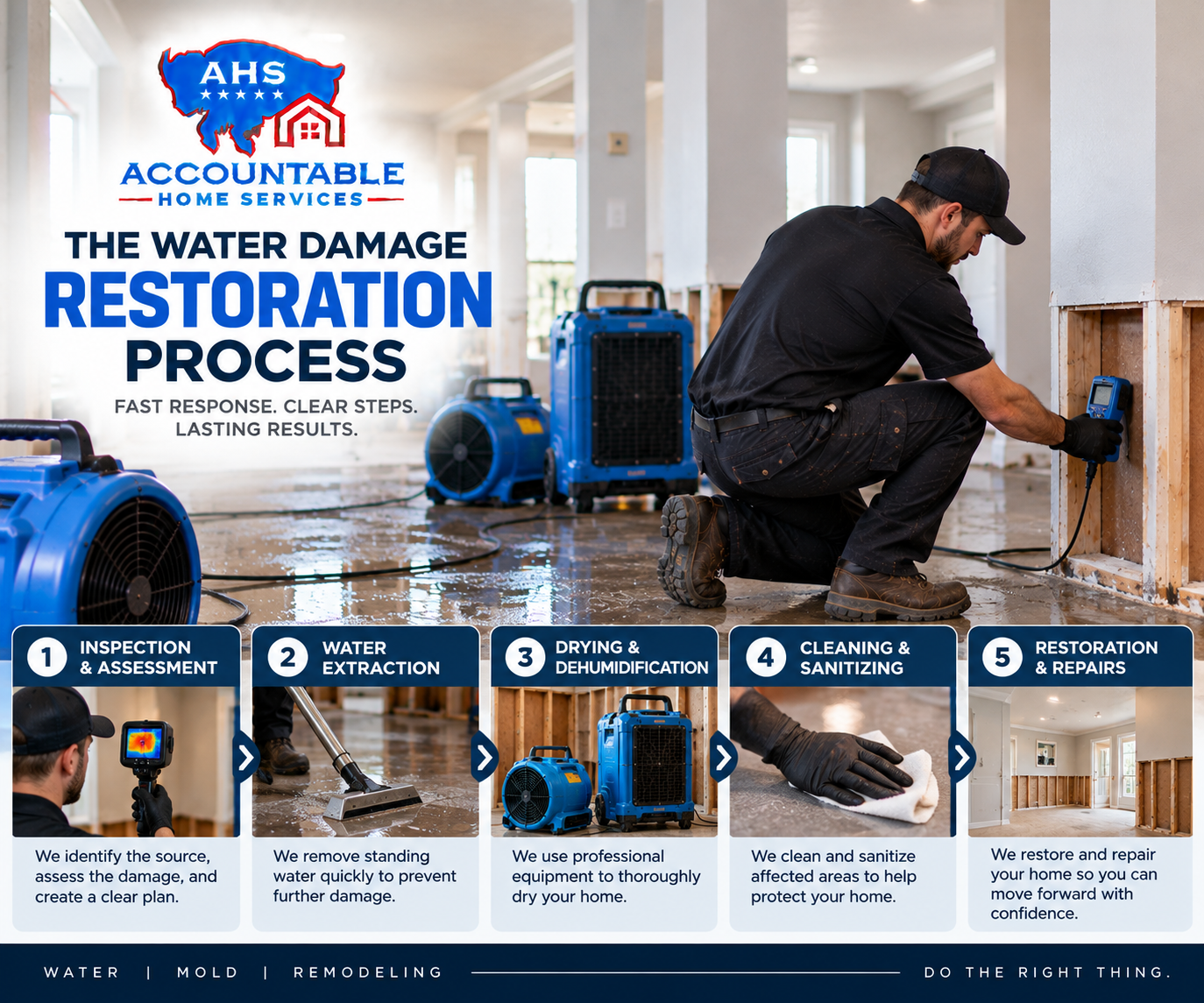
After the plumber or drain specialist handles the inspection and source control, AHS can help with the restoration side if the home has interior damage. The goal is not to make the situation more complicated. The goal is to help stabilize the property, explain what is affected, and document the work clearly.
Depending on the situation, restoration support may include:
- Inspection of affected rooms and visible building materials
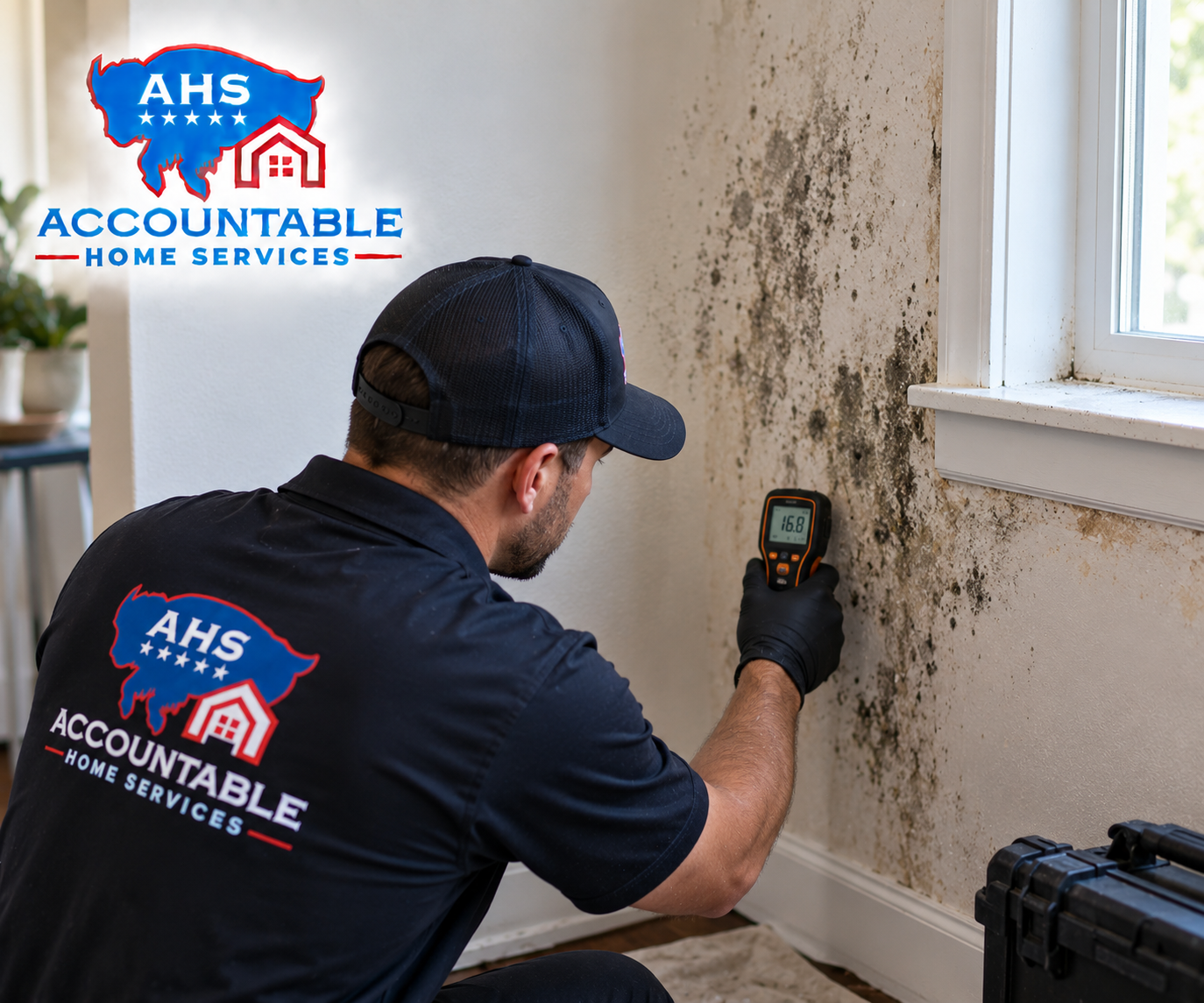
- Moisture checks to help determine where water traveled
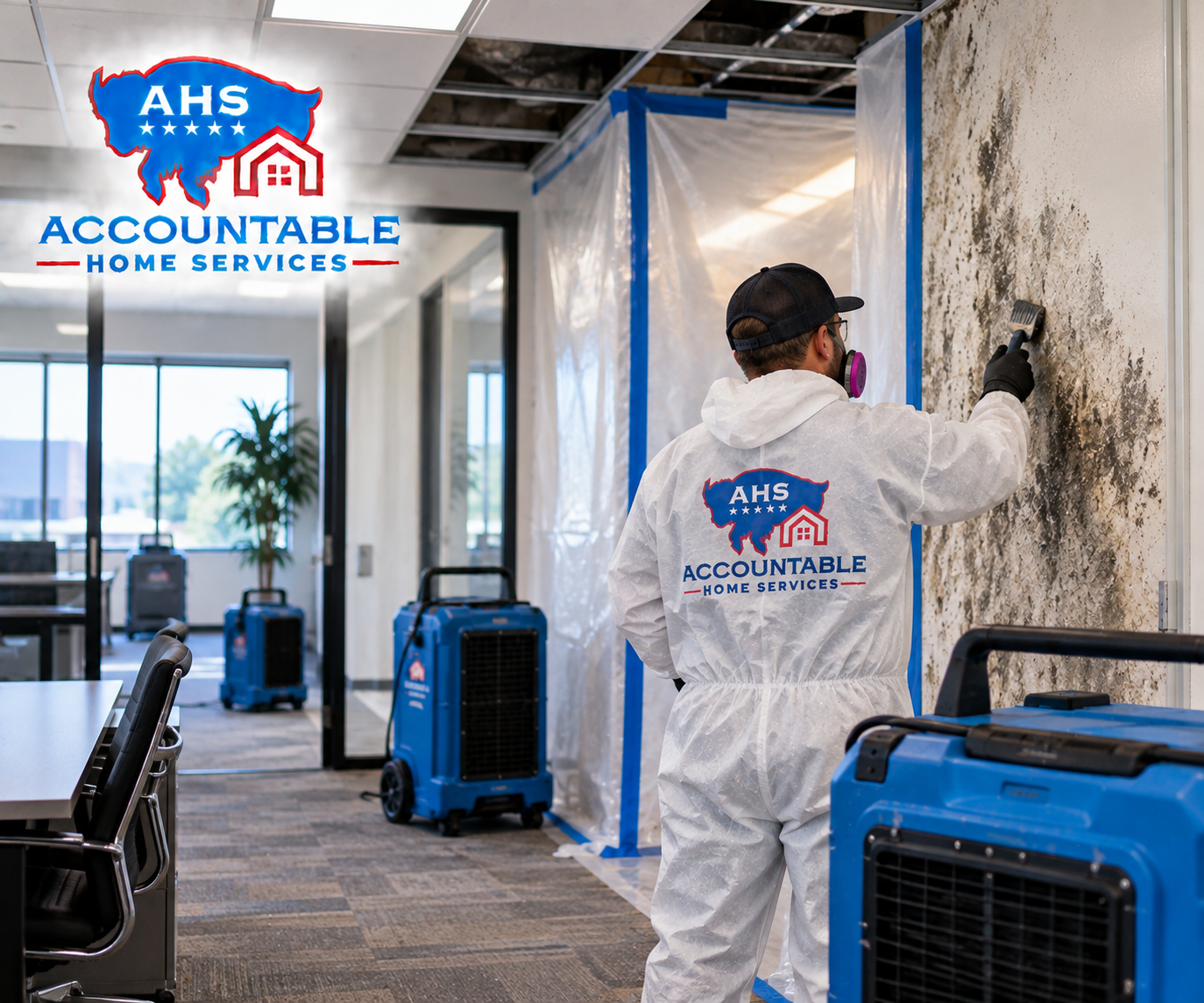
- Containment or work-area setup when sewage or contaminated water is present
- Removal of unsalvageable wet or contaminated materials when needed
- Cleaning and sanitizing of affected hard surfaces, when appropriate
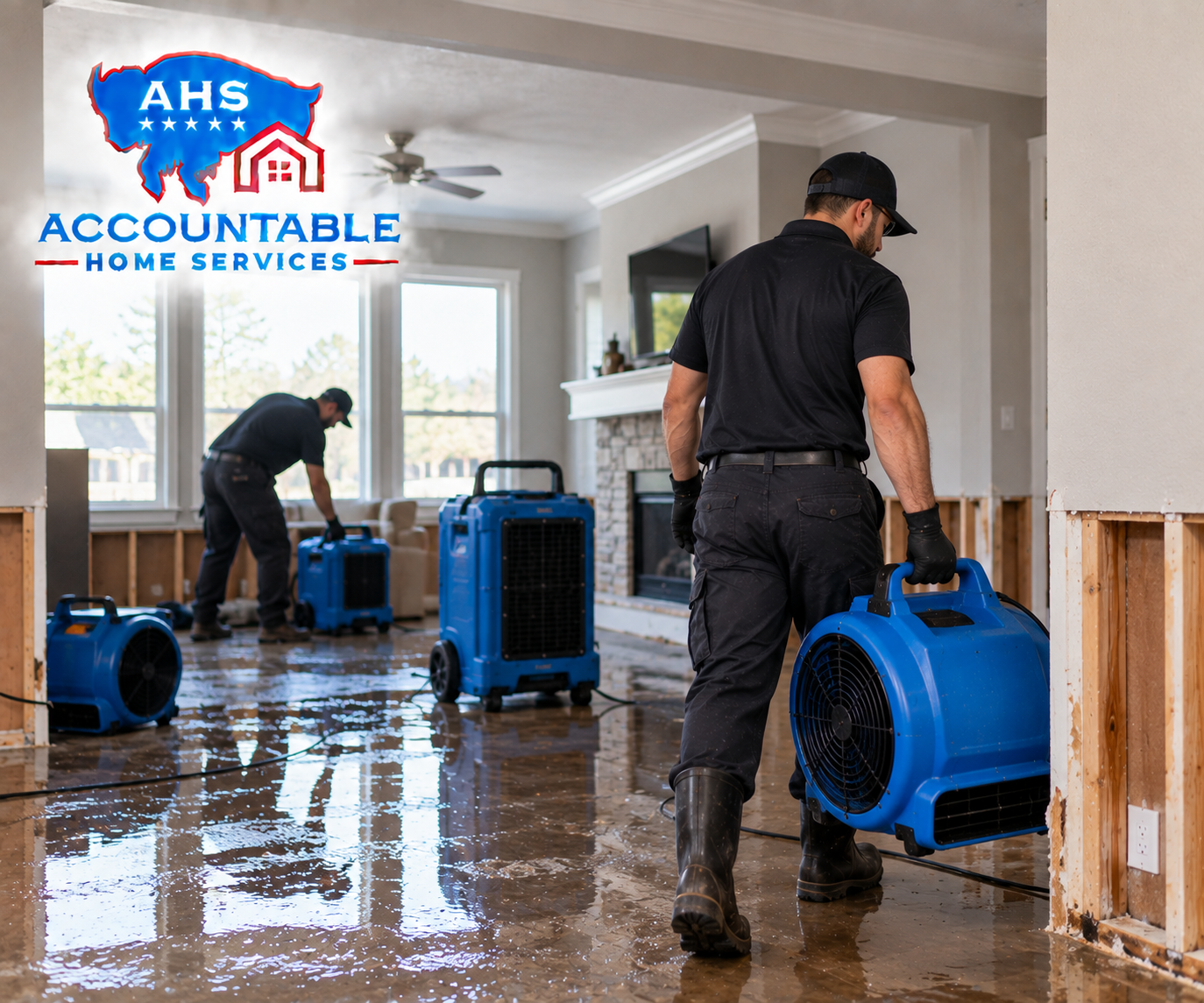
- Structural drying using professional drying equipment
- Odor reduction steps related to sewage or water damage
- Photos, notes, and documentation that can help explain the loss
- Communication with the homeowner, plumber, property manager, or insurance representative
AHS focuses on damage inside the home. If the drain line still needs clearing, repair, replacement, or inspection, that remains the plumber’s or drain specialist’s work.
What to do first after a basement drain backup
A basement drain backup can feel overwhelming because it often happens fast and in a part of the home where storage, mechanical systems, and finished living space may overlap. If sewage or dirty water is involved, avoid treating it like a normal spill. Contaminated water can affect more than the surface you can see.
Take these practical first steps:
- Stop using water if drains are backing up. Avoid flushing toilets, running showers, using the washing machine, or draining sinks until the plumber gives guidance.
- Keep people and pets away from the affected area. This is especially important if sewage is present or the water source is unknown.
- Call a plumber or drain specialist for the inspection. Ask whether a sewer camera inspection or main sewer line inspection is needed.
- Document what you can safely see. Take photos from a dry, safe location before moving items, if possible.
- Move dry valuables away from the area. Do not handle items sitting in sewage unless you have proper protection.
- Call restoration help if building materials or contents are wet. AHS can help assess water or sewage damage after the source is addressed.
- Notify the right parties. Homeowners may call their insurance carrier. Property managers may need to notify the owner and document tenant impact.
These steps help reduce confusion. They also create a clearer timeline, which can matter when multiple professionals are involved.
Clear documentation helps homeowners and insurance professionals
Drain backups and plumbing leaks can create claim questions. Was the water clean or contaminated? Which rooms were affected? What materials were wet? When was the source repaired? What mitigation work was performed? Clear documentation helps answer those questions without relying on memory during a stressful week.
For insurance agents, this is where a restoration partner can protect the client experience. Clients often do not understand the difference between the plumbing repair, the mitigation work, and the insurance claim review. AHS helps by documenting visible damage, affected areas, moisture findings, and completed restoration steps in a straightforward way.
For plumbers, this separation also helps. The plumber can focus on fixing the drain, sewer line, or leak source, while AHS handles the water mitigation or sewage cleanup portion when damage is beyond the plumbing repair. For property managers, clear updates and photos can help keep owners informed and reduce tenant frustration.
Local Thornton situations that often lead to damage
Thornton homes can experience drain and water damage issues in many ordinary ways. A finished basement may have a floor drain that backs up during heavy use. A laundry drain may overflow and send water under nearby flooring. A sewer line problem may push wastewater into a lower-level bathroom. Even a small plumbing leak can create hidden moisture if it runs long enough behind cabinets or walls.
A realistic example is a homeowner who notices a basement floor drain bubbling while the washing machine runs. The plumber performs a clogged drain inspection and finds a blockage in the main line. If wastewater already spread across carpet and reached drywall, the plumber’s work solves the source, but the wet materials still need attention. That is the point where AHS can help with cleanup, drying, and documentation.
The important thing is not to wait until odors or visible staining get worse. If water or sewage entered the home, it is worth getting the affected area checked promptly.
When to contact AHS
Contact AHS after a drain backup, sewer issue, or plumbing leak when the problem has caused water or sewage damage inside the property. If you still need the line inspected, cleared, or repaired, call a plumber or drain specialist first. If the plumber has already identified the issue and you are left with wet flooring, affected drywall, sewage contamination, odors, or claim questions, AHS can help with the restoration side.
AHS is here to support Thornton homeowners, plumbers, insurance agents, and property managers with calm communication and practical next steps. If you are dealing with a drain backup Thornton home or managed property and are unsure whether restoration is needed, reach out and describe what happened, what areas are wet, and whether sewage was involved. You will get clear guidance on whether the situation calls for cleanup, drying, documentation, or simply a plumbing follow-up.