Water in Your Basement in Superior, CO: What Homeowners Should Do First
Water in Your Basement in Superior, CO: What Homeowners Should Do First
Water in your basement usually comes from one of three places: outside groundwater, a plumbing problem, or a failed drainage system. For homeowners in Superior, CO, the first job is to stay safe, slow the source if you can, protect your belongings, and get the wet materials properly assessed before the damage spreads. This guide explains how to think through the big question most homeowners ask first: “Where is this water coming from, and what should I do right now?”
Where is this water coming from?
Water in basement areas can be confusing because the puddle you see may not be close to the actual source. A basement leak in Superior CO may start at a foundation wall, window well, pipe, floor drain, appliance, sump pump, or exterior grading issue, then travel under flooring or behind drywall before showing up in the open. Start by looking for clues, but avoid tearing into materials or entering unsafe water until you know the situation is stable.
Common causes of basement flooding Superior homeowners run into include:
- Foundation seepage: Water seeps through cracks, cold joints, or porous areas in the foundation after rain, snowmelt, or heavy irrigation. You may see damp walls, staining, bubbling paint, or water along the base of the wall.
- Window well leaks: If a window well drain is clogged or the well fills during a storm, water can push through the window frame and into finished basement space.
- Sump pump failure: A sump pump can fail because of power loss, a stuck float, a clogged discharge line, or an overwhelmed system. When that happens, groundwater that should have been pumped away may rise into the basement.
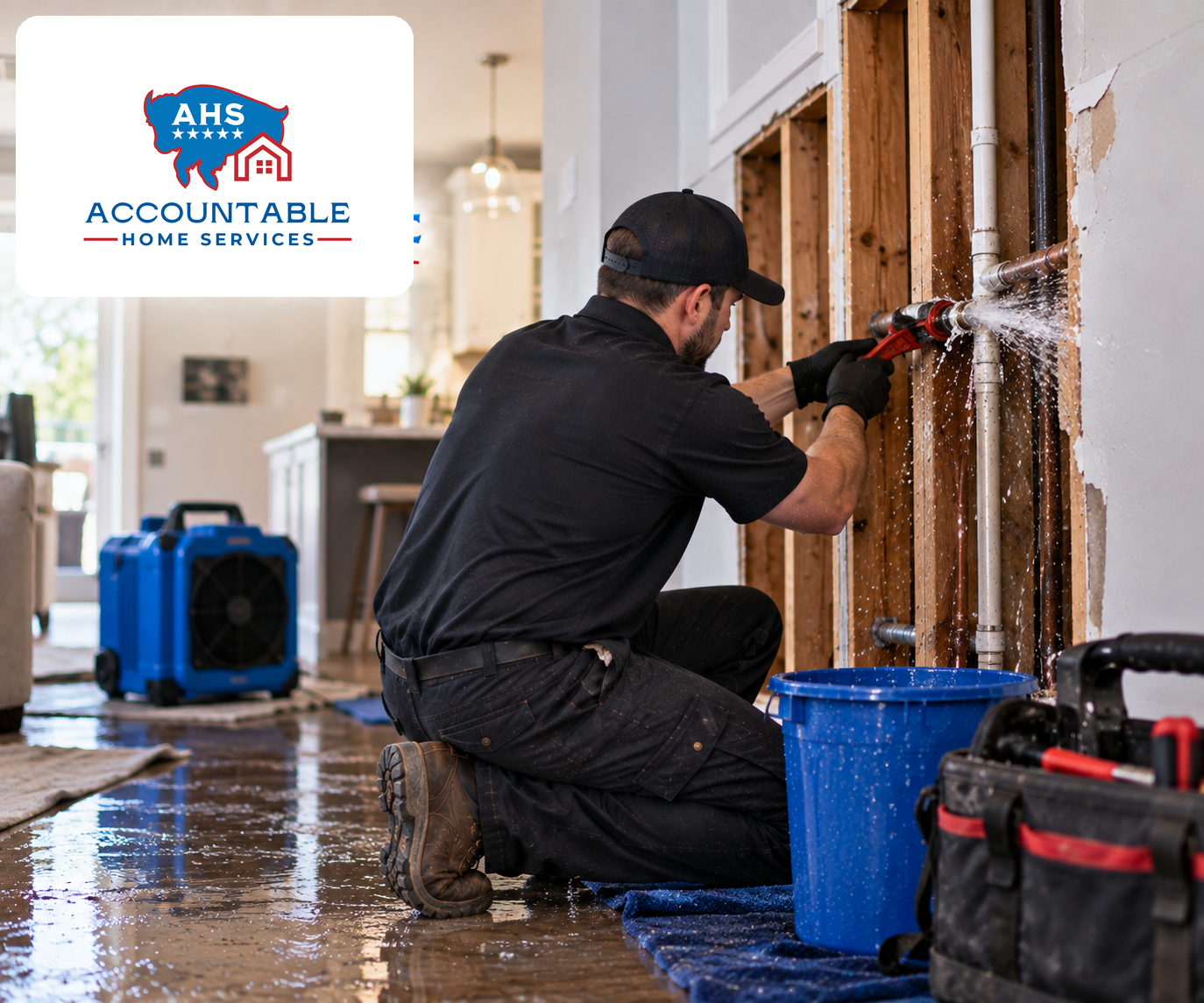
- Plumbing leak basement issues: A burst pipe, leaking supply line, failed water heater, backed-up drain, or leaking bathroom above the basement can release clean, gray, or contaminated water.
- Drainage and grading problems: Downspouts, negative slope, clogged gutters, or poor exterior drainage can send water toward the foundation instead of away from it.
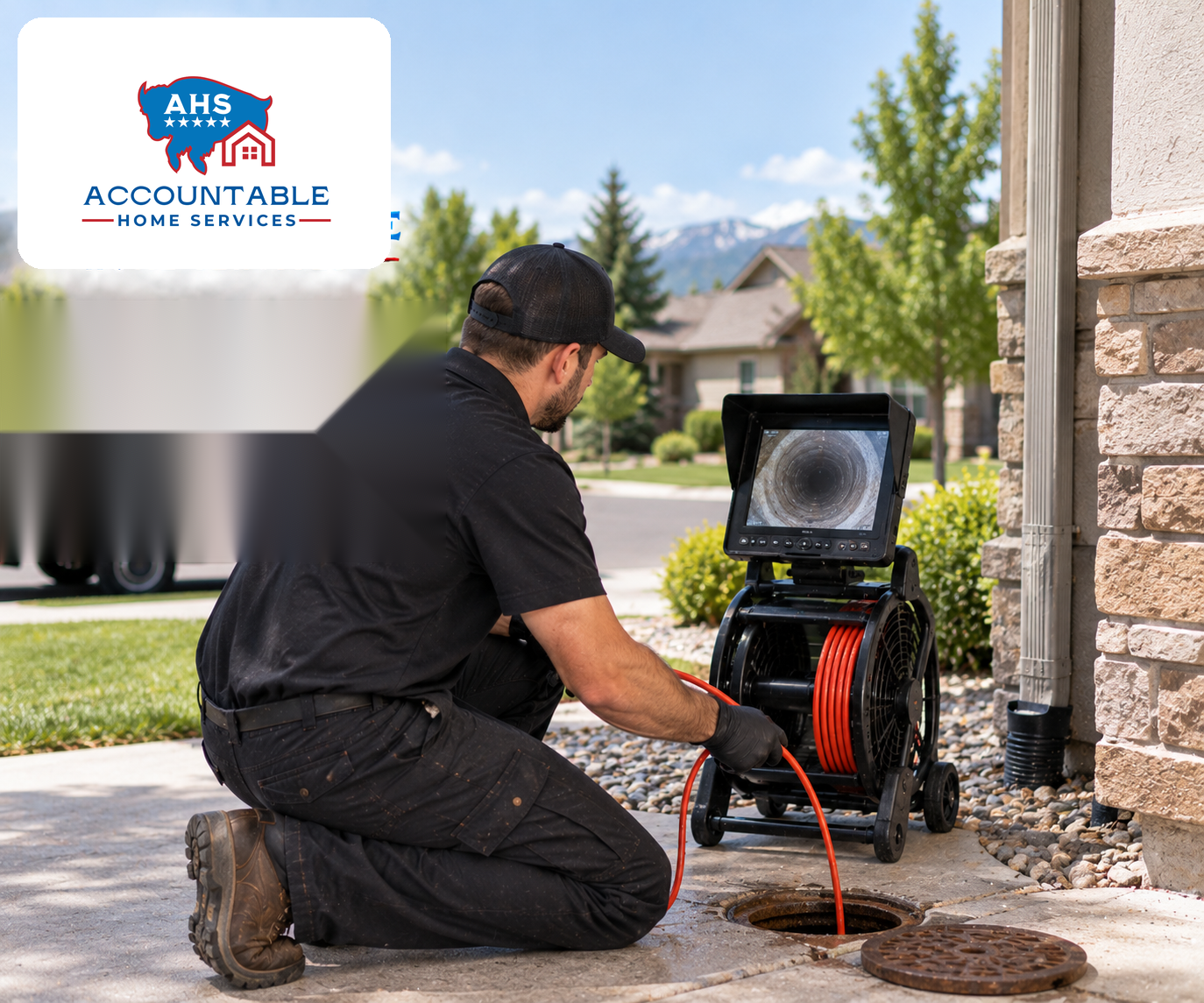
- Sewer or drain backup: This is more serious because the water may contain bacteria and waste. Do not treat it like ordinary rainwater.
If you are not sure where the water is coming from, that is normal. The visible water is only part of the story. Moisture can move into flooring, baseboards, drywall, insulation, cabinets, and framing, which is why a quick visual check is not enough for many water intrusion basement situations.
First steps to take right now
Your first steps should focus on safety, stopping additional water when possible, and documenting what happened before cleanup changes the scene. You do not need to diagnose the whole problem in the first ten minutes. You just need to reduce risk and avoid making the damage worse.
Use this quick checklist:
- Do not step into water if electricity may be involved. If outlets, cords, appliances, electrical panels, or extension cords are near the water, stay out and call for help.
- Stop the source if it is safe. Shut off the main water valve for a plumbing leak basement situation. Turn off the appliance supply valve if a water heater, toilet, washer, or refrigerator line is leaking.
- Check the sump pump. If you suspect sump pump failure, see whether the pump has power and whether the float is stuck. Do not reach into standing water around electrical equipment.
- Move dry belongings out of the wet area. Focus on items that are still dry or only lightly affected. Do not carry soaked items through clean areas without a plan.
- Take photos and videos. Capture the water level, affected rooms, damaged belongings, visible source, and any stains or wet materials before moving too much.
- Call the right trade. A plumber may need to stop or repair the leak. A water mitigation Superior professional may need to extract water, dry materials, monitor moisture, and document the loss.
- Notify the property owner, manager, or insurance contact if needed. If this is a rental or managed property, early communication helps avoid confusion later.
If the water may be from a sewer backup, drain backup, or outside floodwater, avoid direct contact. Keep children and pets away. Contaminated water requires different cleanup steps than clean water from a supply line, and improper handling can create health and odor problems.
Removing visible water is only the beginning
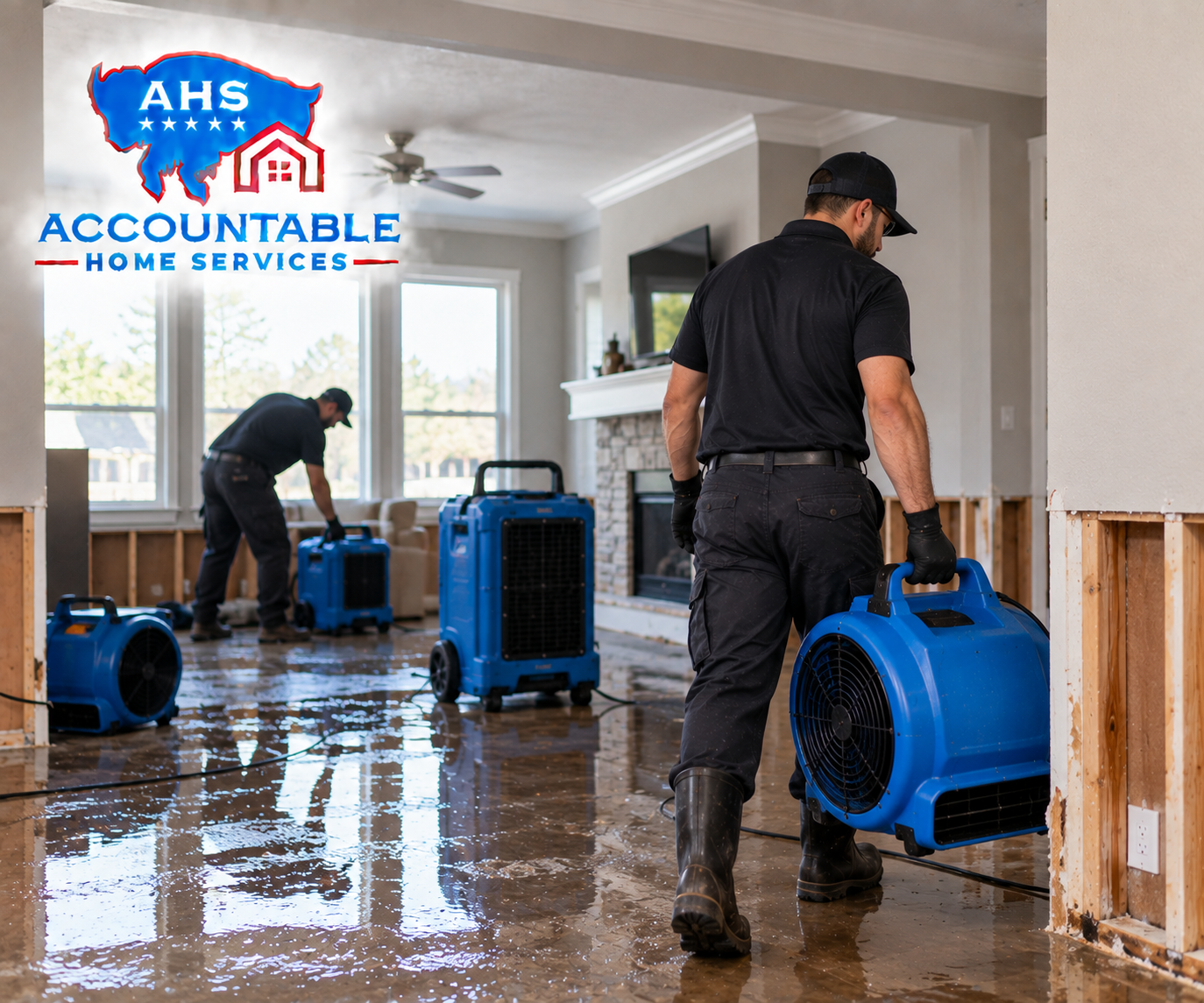
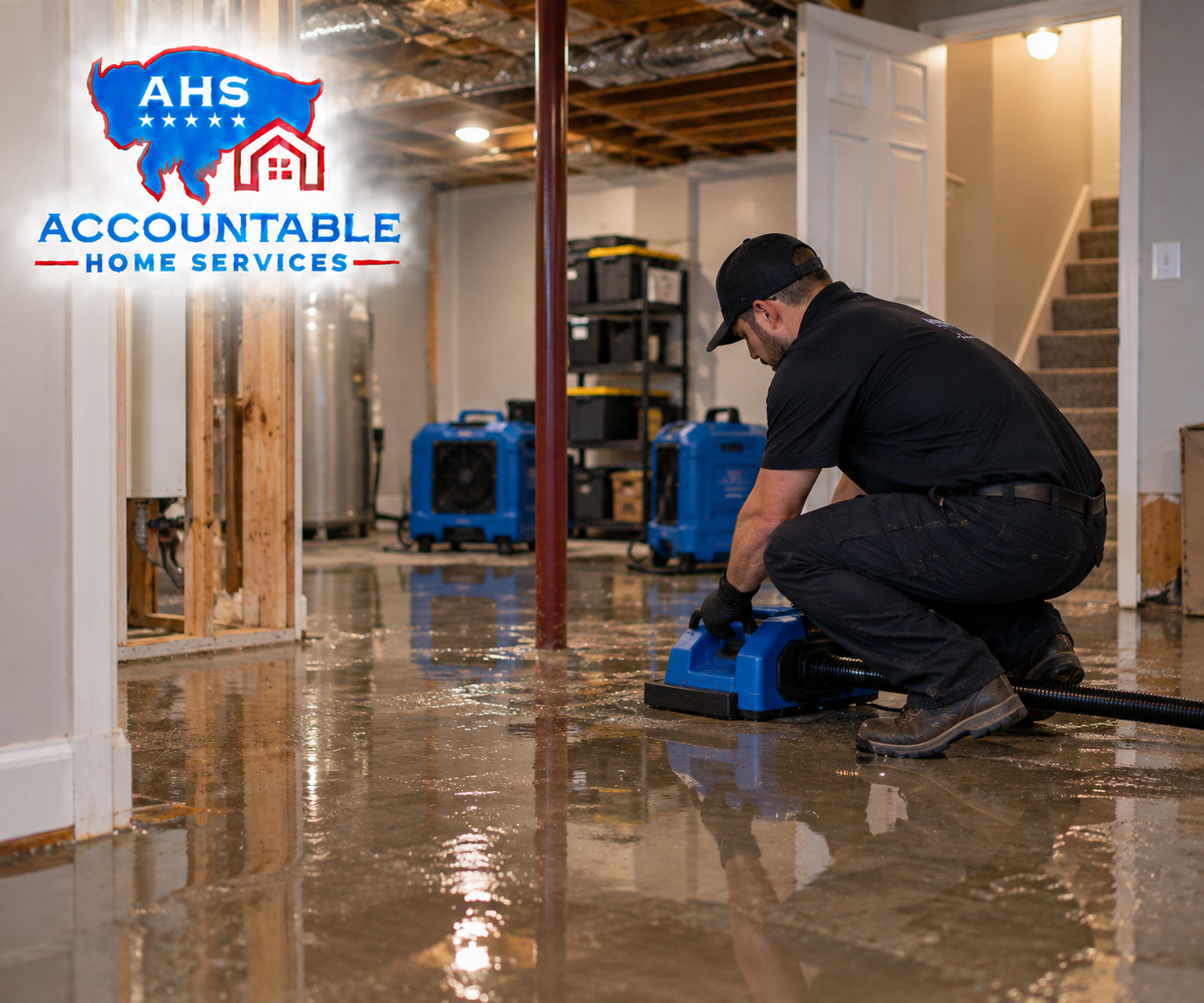
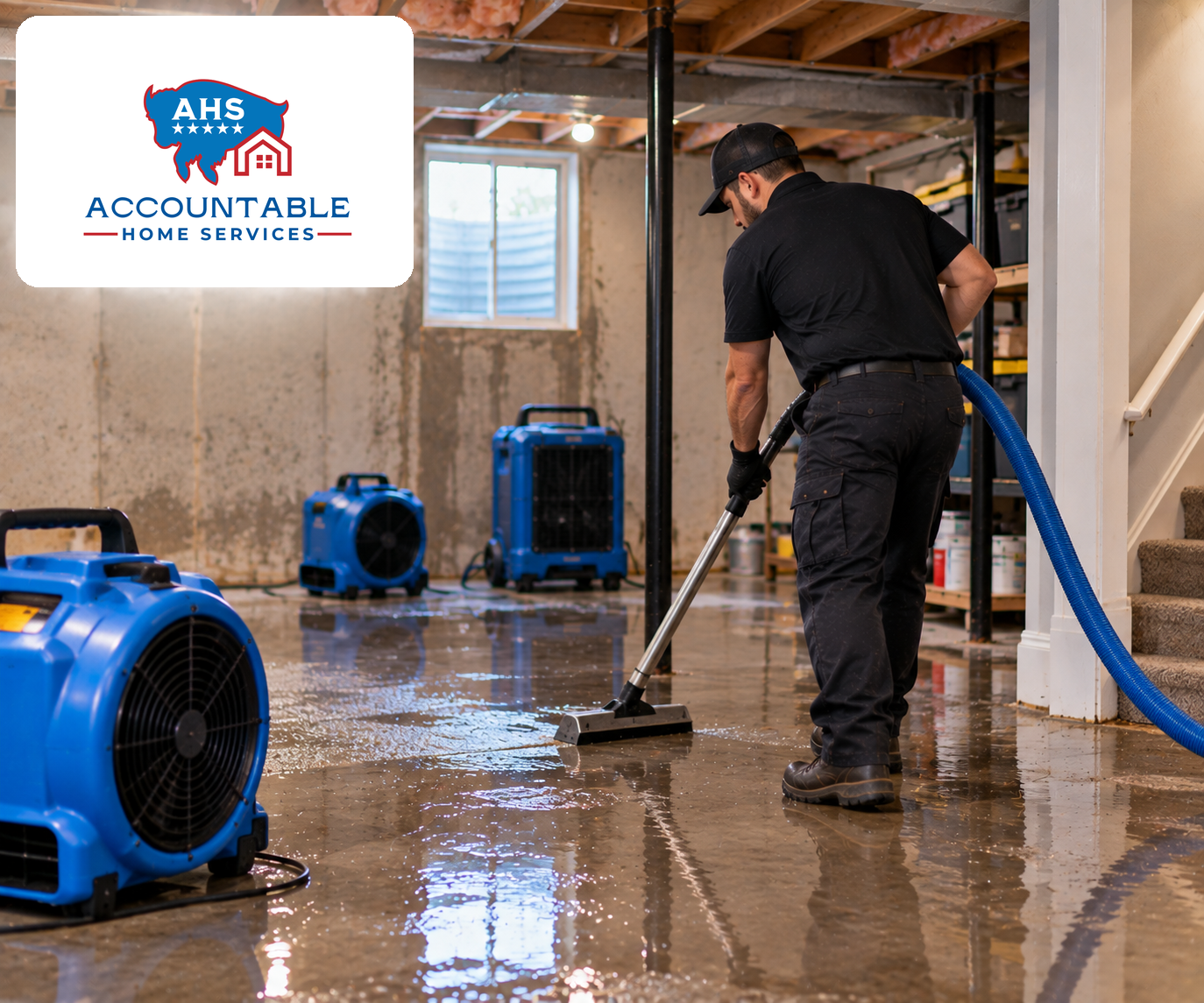
Flooded basement cleanup often starts with pumps, wet vacs, mops, and towels, but that does not mean the basement is dry. Visible water is the easy part to find. The harder part is moisture trapped under flooring, behind baseboards, inside drywall, in insulation, and along wood framing.
This hidden moisture matters because building materials absorb water at different speeds. Carpet pad can hold a surprising amount of water. Laminate or engineered flooring can trap moisture underneath. Drywall can wick water upward from the floor. Insulation inside finished basement walls can stay wet even when the wall surface looks normal. Wood framing may need controlled drying so it does not stay damp behind closed walls.
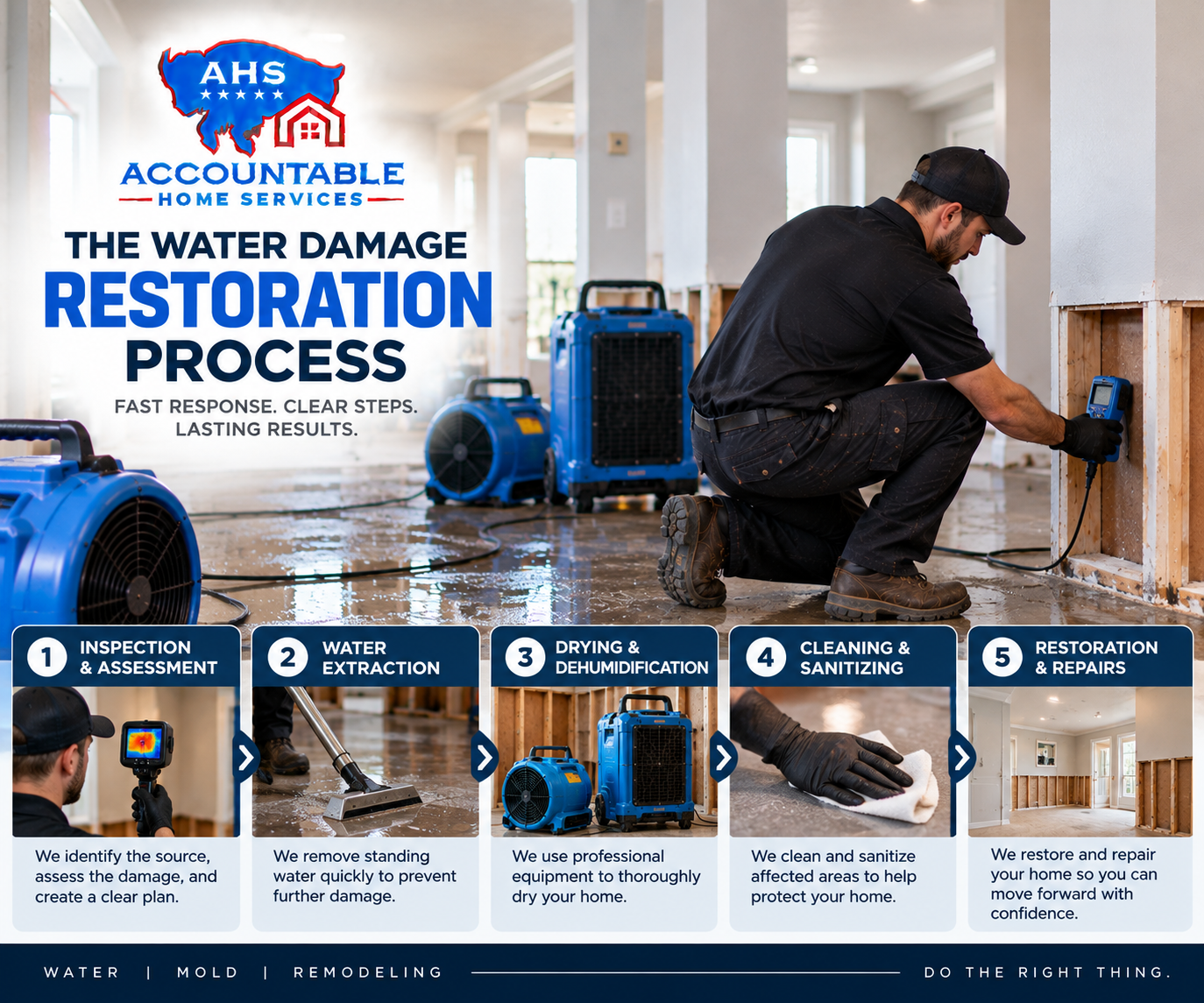
That is why professional water damage restoration Superior work usually includes moisture mapping, water extraction, removal of materials that cannot be dried in place, air movement, dehumidification, and follow-up readings. The goal is not just to make the basement look better. The goal is to bring affected materials back to an appropriate dry condition and reduce the chance of secondary damage.
For homeowners, the practical point is simple: if water sat for a while, reached finished materials, or covered more than a small area, do not assume the job is done once the puddles are gone. Basement water damage can continue quietly if damp layers are left closed up.
Signs the issue may be foundation seepage
Foundation seepage is one of the more common reasons for water in basement Superior CO homes, especially when moisture appears after rain, snowmelt, or heavy watering outside. The water often shows up along the perimeter of the basement, near cracks, at the joint where the wall meets the slab, or below windows. Sometimes it looks like a small trickle. Other times, it appears as damp carpet, musty odor, or staining with no obvious pipe leak.
Clues that point toward seepage include:
- Water appears after storms or snowmelt, not when fixtures are being used.
- The wet area is near an exterior wall.
- There are cracks, efflorescence, peeling paint, or mineral staining on concrete.
- Window wells are full, clogged, or poorly draining.
- Downspouts discharge near the foundation.
- Soil slopes toward the home instead of away from it.
Stopping additional damage may involve simple temporary steps, like extending downspouts, clearing window wells, or moving irrigation away from the foundation. Longer-term basement flooding solutions may include exterior drainage improvements, crack repair, sump system service, or basement drainage systems designed to manage groundwater. The right fix depends on where the water is entering and why.
Signs the issue may be a plumbing leak
A plumbing leak basement situation can happen suddenly or slowly. A burst pipe may release a large amount of water fast, while a small supply line leak can soak cabinets, flooring, or ceiling cavities before anyone notices. If water appears even during dry weather, or if the wet area is below a bathroom, kitchen, laundry room, or mechanical area, plumbing should be high on the list.
Look for practical clues. Is the water near a water heater, boiler, humidifier, washer, bathroom, or utility sink? Does the sound of running water continue when fixtures are off? Is there staining on the ceiling above the basement? Did the water meter move when no one was using water? These observations can help a plumber narrow down the source.
Once the plumbing source is stopped, the restoration work may still remain. A repaired pipe does not dry the wall cavity, carpet pad, insulation, or framing around it. This is where plumbers and restoration teams often work best together: the plumber fixes the source, and the mitigation team handles the water damage, drying, and documentation.
When should you call a professional?
You should call a professional when the water covers a large area, reaches finished materials, may be contaminated, keeps coming back, or has been sitting long enough to soak into hidden spaces. You should also call if you are dealing with sump pump failure, possible sewer backup, wet drywall, wet carpet pad, soaked insulation, or any situation where you cannot confidently identify the source. The earlier the response, the better the chance of limiting demolition, mold risk, and claim confusion.
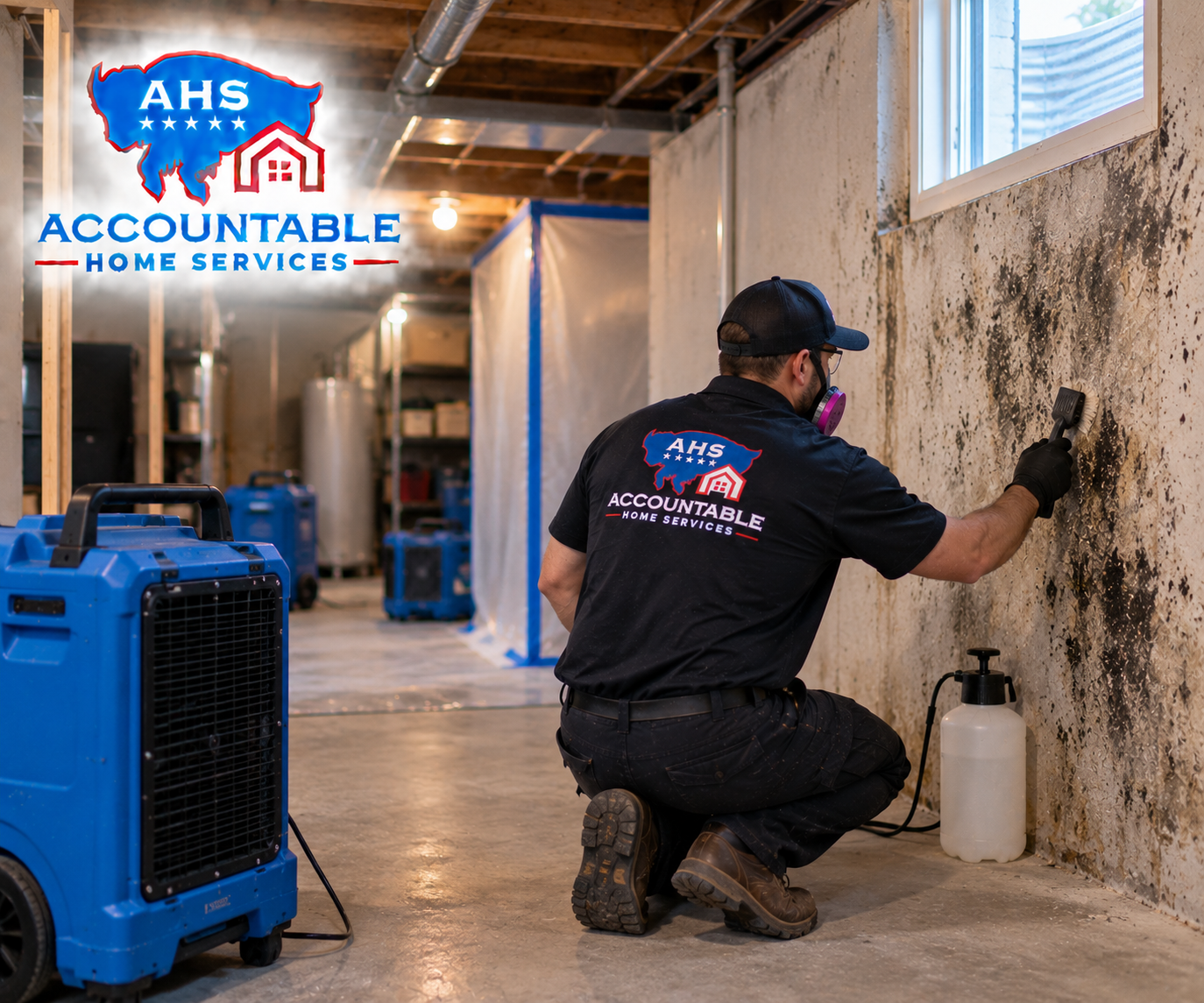
Professional help is especially important when there is concern about mold after basement flooding. Mold does not need a dramatic flood to become a concern. It needs moisture, time, and organic material such as paper-faced drywall, dust, wood, or carpet backing. If a basement stays damp behind walls or under flooring, the homeowner may not see the problem until odors, staining, or tenant complaints appear.
For property managers, calling early helps protect the tenant experience and gives owners clearer information. For insurance agents, a restoration partner who communicates plainly and documents thoroughly can reduce frustration during the claim. For plumbers, referring mitigation support when water damage is beyond the repair helps the customer avoid thinking the job was finished just because the leak stopped.
Documentation that can support the insurance process
Good documentation matters because water losses can change quickly once cleanup begins. Before items are moved or materials are removed, take clear photos and videos of the source, water path, affected rooms, damaged contents, and any visible water lines. Save plumbing invoices, sump pump service notes, drain backup information, and restoration reports.
A restoration team may also document moisture readings, affected materials, equipment used, drying progress, and recommendations for removal or repair. This does not guarantee coverage, and every policy is different, but organized documentation can help everyone understand what happened and what work was necessary. If you are unsure about coverage, contact your insurance carrier or agent directly and use specific facts instead of guesses.
Helpful records include:
- Date and approximate time the water was discovered.
- Photos before cleanup, during mitigation, and after drying.
- Notes about weather, plumbing use, or equipment failure.
- Receipts for emergency services and temporary repairs.
- A list of damaged belongings, if contents were affected.
- Written communication with plumbers, restoration contractors, property managers, tenants, or insurance contacts.
Practical ways to reduce future basement water problems
Once the immediate issue is under control, it is worth looking at prevention. Not every basement flooding problem can be avoided, but many repeat issues are tied to maintenance, drainage, or equipment that can be improved.
Homeowners can reduce risk by keeping gutters clear, extending downspouts away from the foundation, maintaining positive grading, checking window wells, testing sump pumps, and addressing small foundation cracks before they become bigger water paths. If groundwater is a recurring issue, basement drainage systems may be part of the long-term plan. If plumbing is the concern, periodic checks around water heaters, shutoff valves, supply lines, and ceiling stains can help catch problems earlier.
A good prevention plan is not about panic. It is about knowing your home. If you understand whether your basement is more vulnerable to groundwater, plumbing leaks, sump pump problems, or exterior drainage, you can make smarter decisions before the next storm or failure.
The next right step
When you find water in the basement, start with safety, stop the source if you can, document the damage, and get qualified help for anything beyond a small, clean, surface-level spill. The biggest mistake is assuming that a dry-looking floor means the structure is dry. Moisture trapped in drywall, flooring, insulation, and framing still needs attention.
The Local Restoration Guide approach is simple: calm the situation, identify the likely source, prevent additional damage where possible, dry what can be dried, remove what cannot, and document the work clearly. Whether the call starts with a homeowner, plumber, property manager, or insurance agent, the goal is the same: protect the property, reduce confusion, and help everyone move from “Where is this water coming from?” to a clear plan for what happens next.