Commercial Dehumidifier Rental in Boulder, CO: When Renting Equipment Is Enough—and When It Isn’t
Commercial Dehumidifier Rental in Boulder, CO: When Renting Equipment Is Enough—and When It Isn’t
When a commercial building has moisture from a leak, backup, or minor flood, renting a dehumidifier can look like the fastest answer. Sometimes it is enough. Other times, the property needs professional water mitigation in Boulder, including moisture mapping, extraction, structural drying, monitoring, and documentation that supports an insurance claim.
Accountable Home Services helps Boulder-area property managers, plumbers, insurance agents, and building owners understand the difference. The goal is simple: dry the property correctly, avoid unnecessary work, and keep communication clear from the first call.
Is commercial dehumidifier rental in Boulder, CO enough for your situation?
Commercial dehumidifier rental in Boulder, CO may be enough when the moisture is light, clean, easy to access, and not trapped inside walls, flooring, ceilings, or insulation. For example, a small amount of humidity after a cleaned-up spill in an unfinished storage room may only need ventilation and temporary commercial drying equipment. In that type of situation, standalone dehumidifier rental from an equipment supplier can be a practical option.
But a dehumidifier for water damage is not the same thing as a full drying plan. If water has reached drywall, baseboards, carpet pad, wood flooring, cabinets, tenant spaces, mechanical rooms, or shared walls, equipment alone may not tell you what is wet or whether the structure is actually drying. That is when professional commercial property drying matters.
Equipment rental and professional drying are not the same service
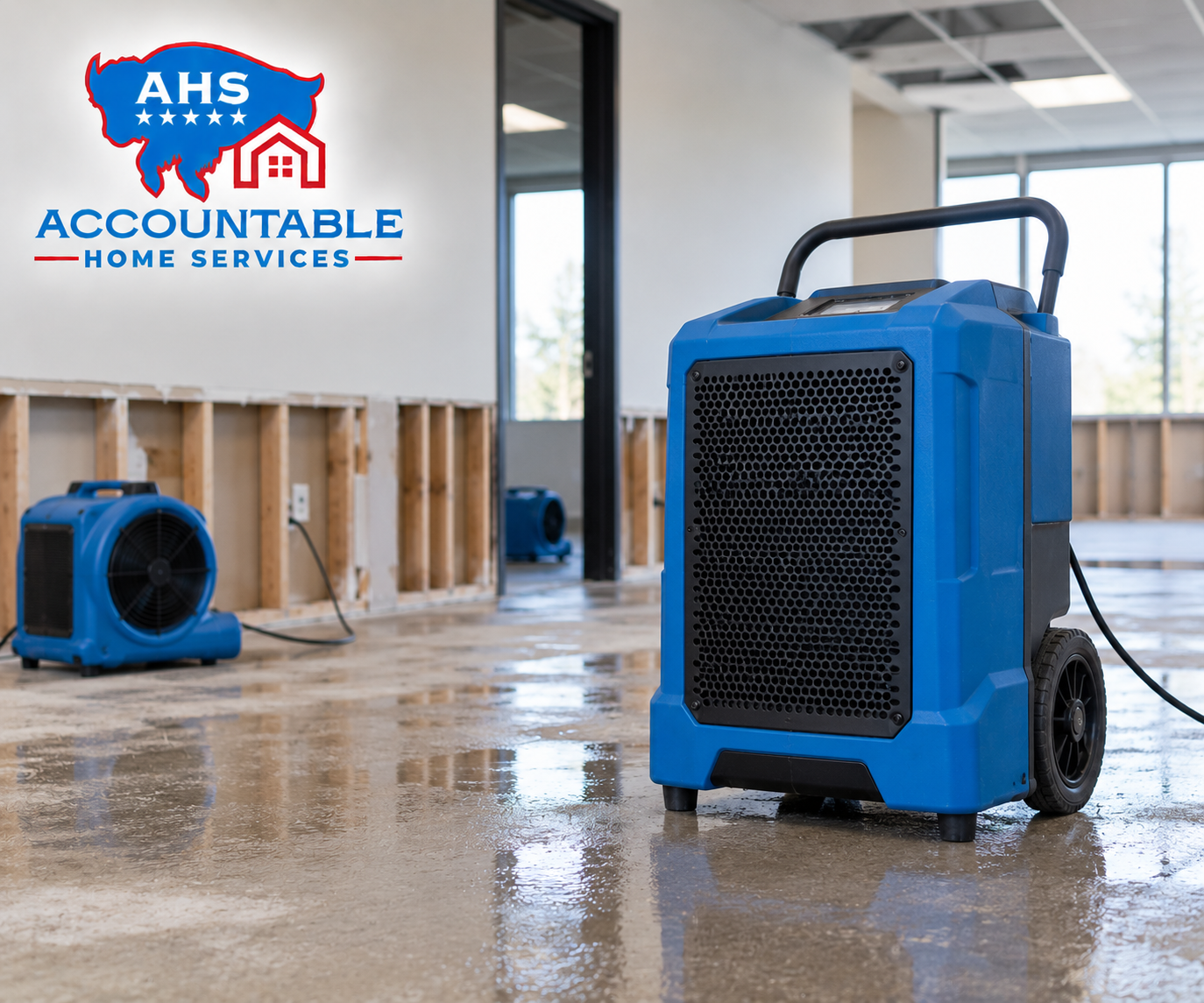
Commercial dehumidifiers remove moisture from the air. Industrial drying equipment can be very helpful, but it works best when it is part of a controlled drying setup. The missing piece in many rental-only situations is information: where the water traveled, what materials absorbed it, how wet they are now, and whether the drying process is improving day by day.
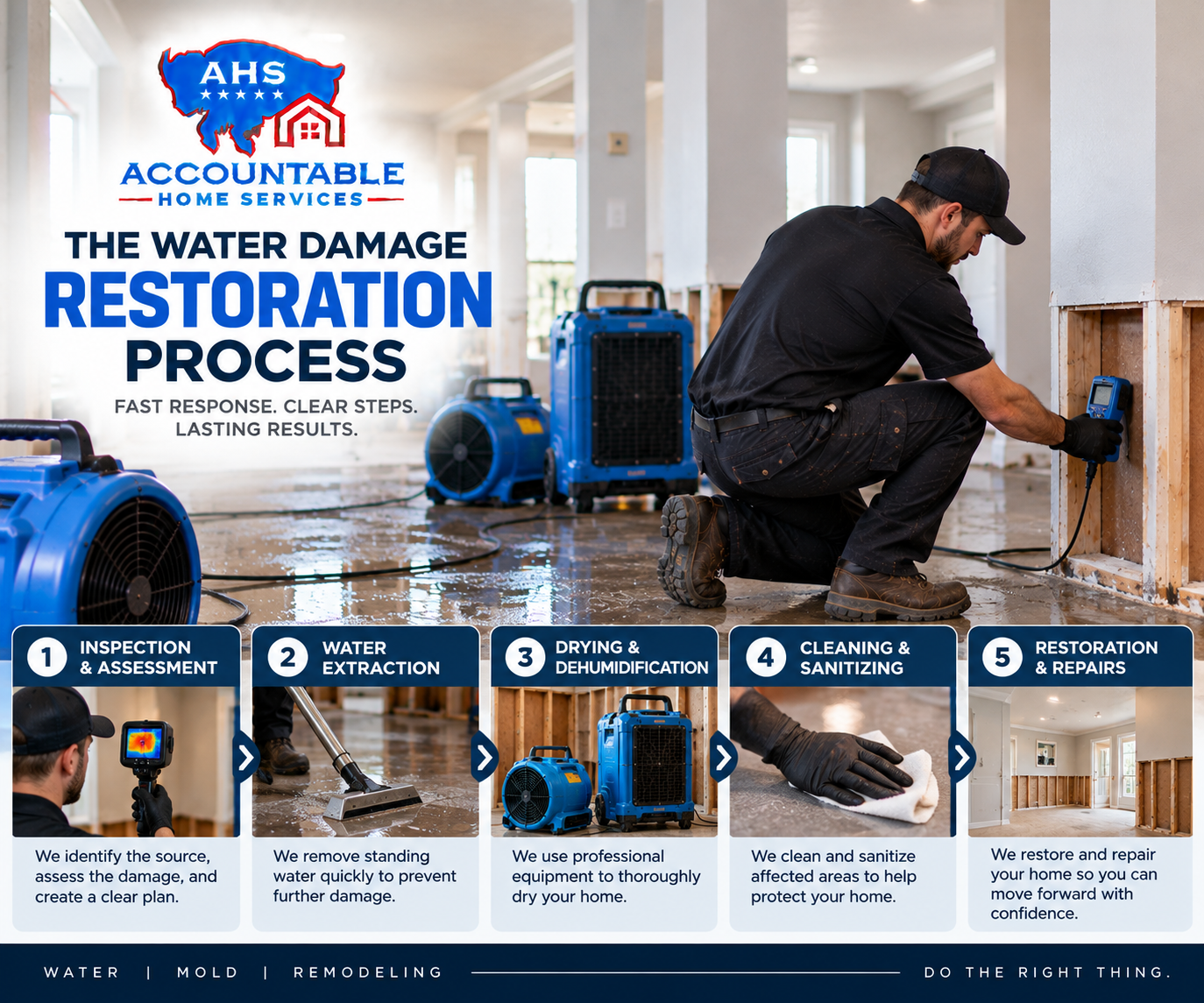
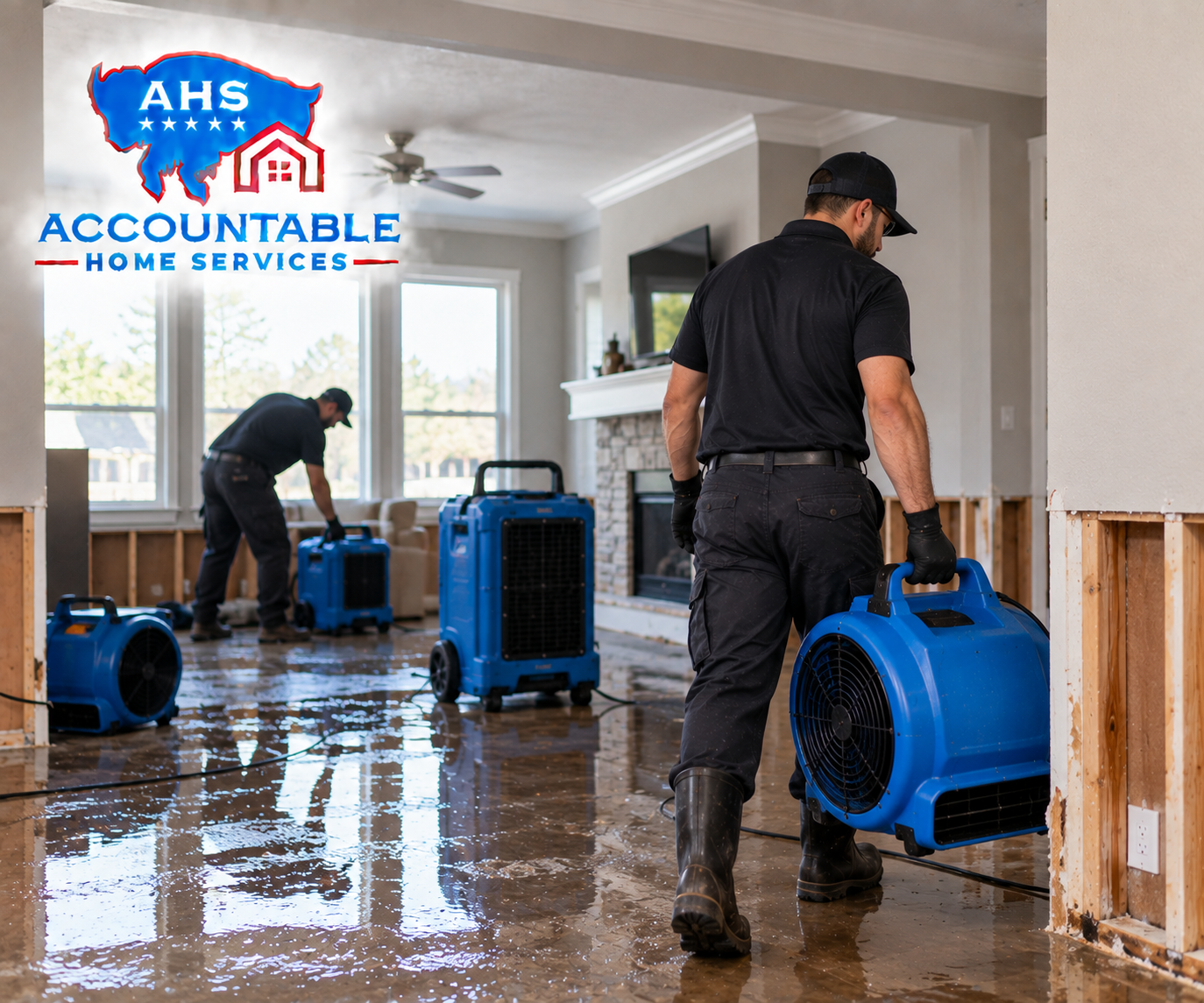
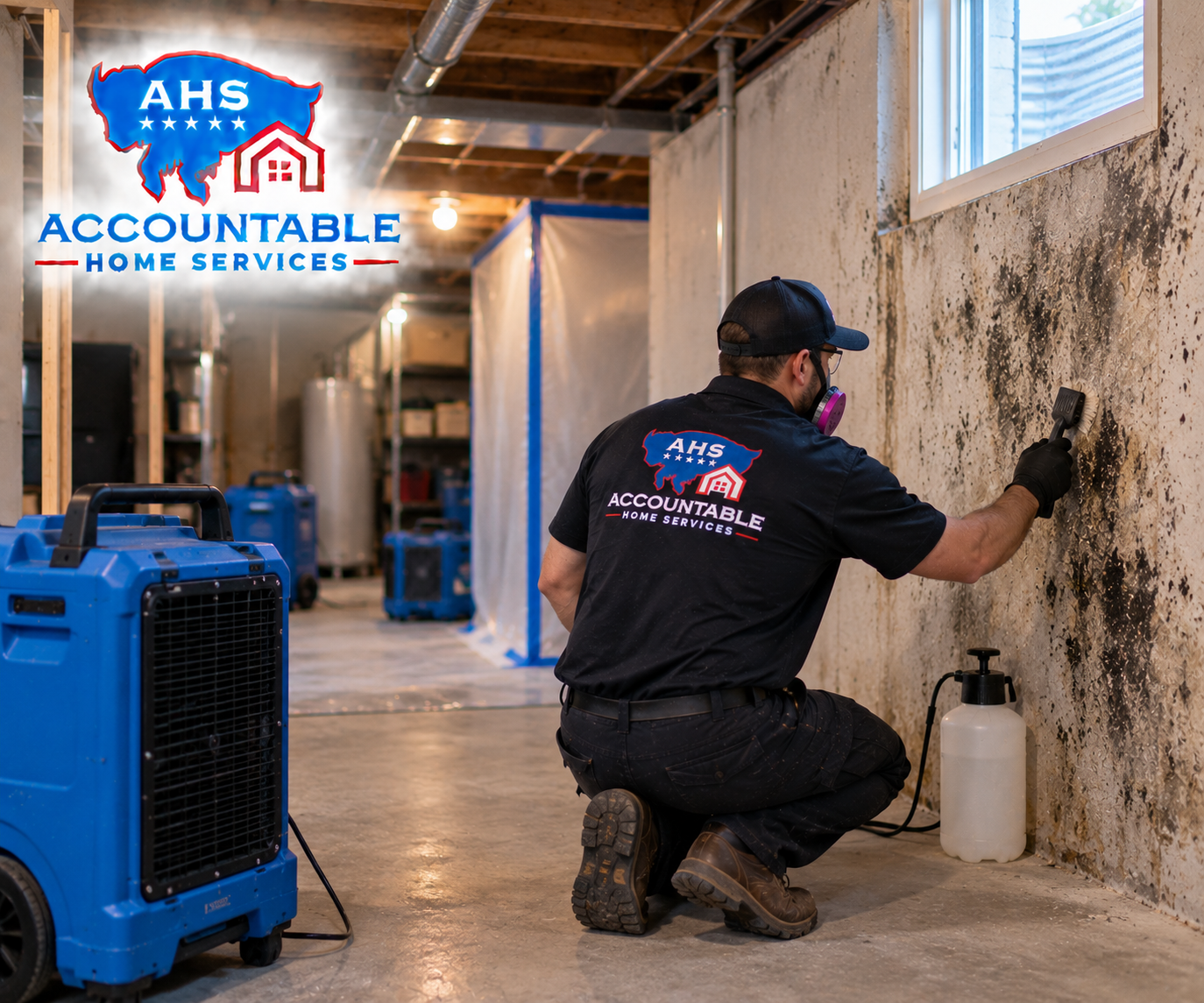
Professional structural drying starts with checking the affected materials, not just placing machines in a room. A restoration team may use moisture meters, thermal imaging, humidity readings, extraction tools, air movers, and containment methods depending on the building and the type of water loss. The point is not to make the job bigger. The point is to dry what is wet and avoid guessing.
Accountable Home Services does not need to turn every leak into a major project. If a property manager, plumber, or insurance agent calls for guidance, the first step is to understand the source, the affected area, the building materials, and the timing. From there, the right next step may be simple advice, an inspection, emergency water cleanup in Boulder, or a more complete water damage restoration plan.
Situations where equipment rental may be enough
There are times when a basic dehumidifier rental or industrial dehumidifier rental can be reasonable. The key is that the moisture should be limited, visible, and not likely to be hidden in building materials.
Rental equipment alone may be enough when:
- The water source was minor and stopped quickly.
- The affected area is small, open, and easy to inspect.
- Water did not reach drywall, insulation, carpet pad, laminate flooring, cabinets, or wall cavities.
- The moisture is from general humidity, not a known water damage event.
- The building owner or maintenance team can safely monitor the area.
- There is no active tenant complaint, odor concern, staining, or recurring moisture issue.
- Insurance documentation is not needed, or the event is too minor to involve a claim.
A common Boulder example is a commercial storage area that feels damp after a brief clean-water spill, where the floor is concrete, the walls are unfinished, and the water was removed right away. In that case, a rented unit from an equipment provider may help reduce humidity. Still, someone should check that the area is actually returning to normal conditions.
Situations that call for water mitigation in Boulder
Professional help is the better path when water may have moved beyond what you can see. Boulder buildings can vary a lot, from older downtown properties to office suites, restaurants, multifamily buildings, retail spaces, and mixed-use properties near Pearl Street, North Boulder, Gunbarrel, or Table Mesa. Different materials dry at different speeds, and some hold moisture longer than they appear to.
Call for commercial water damage support when:
- A pipe, water heater, sprinkler line, appliance, or roof leak affected finished spaces.
- Water reached shared walls, ceilings, flooring systems, cabinets, or built-in fixtures.
- A tenant, employee, or customer area needs to reopen safely and quickly.
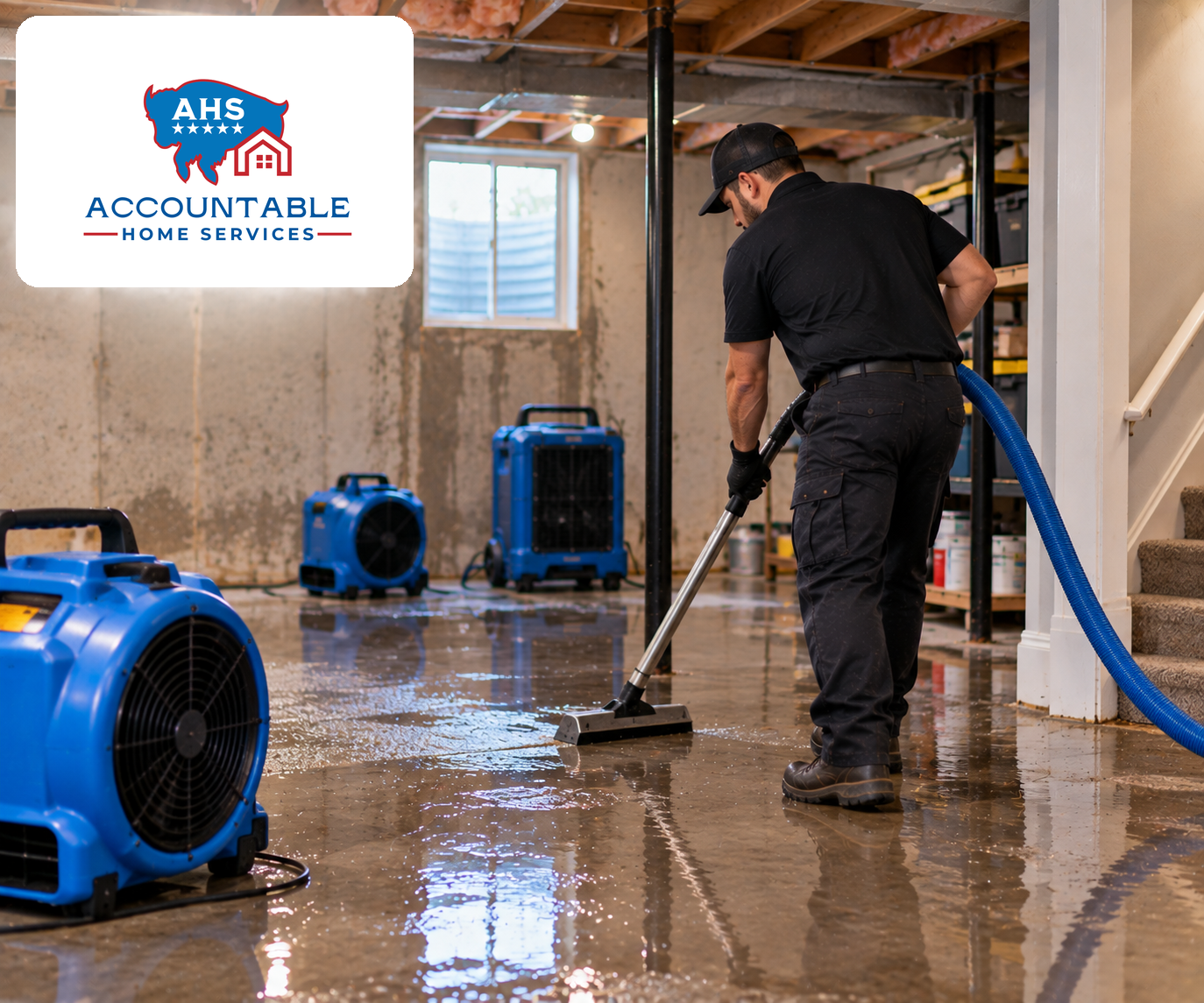
- There is standing water that needs extraction before drying can work.
- Moisture may have entered multiple units or floors.
- The source involved a drain backup, sewage, stormwater, or unknown water quality.
- Odor, staining, swelling, soft drywall, cupping wood, or bubbling paint is present.
- The loss may become an insurance claim and needs clear documentation.
In these cases, placing commercial dehumidifiers without extraction or moisture mapping can slow down decisions. A room can feel dry while the base of a wall, subfloor, or carpet pad still holds moisture. Professional monitoring helps show whether the drying setup is working and when equipment can be removed.
What a professional drying response includes
A good commercial drying plan is practical and documented. It should help the property manager make decisions, help the plumber know the mitigation side is handled, and help the insurance agent understand what happened without sorting through vague notes.
A professional response may include:
- Source and safety review The first step is confirming the water source has stopped or is being handled. If a plumber is already on site, the restoration team can coordinate around the repair instead of duplicating work.
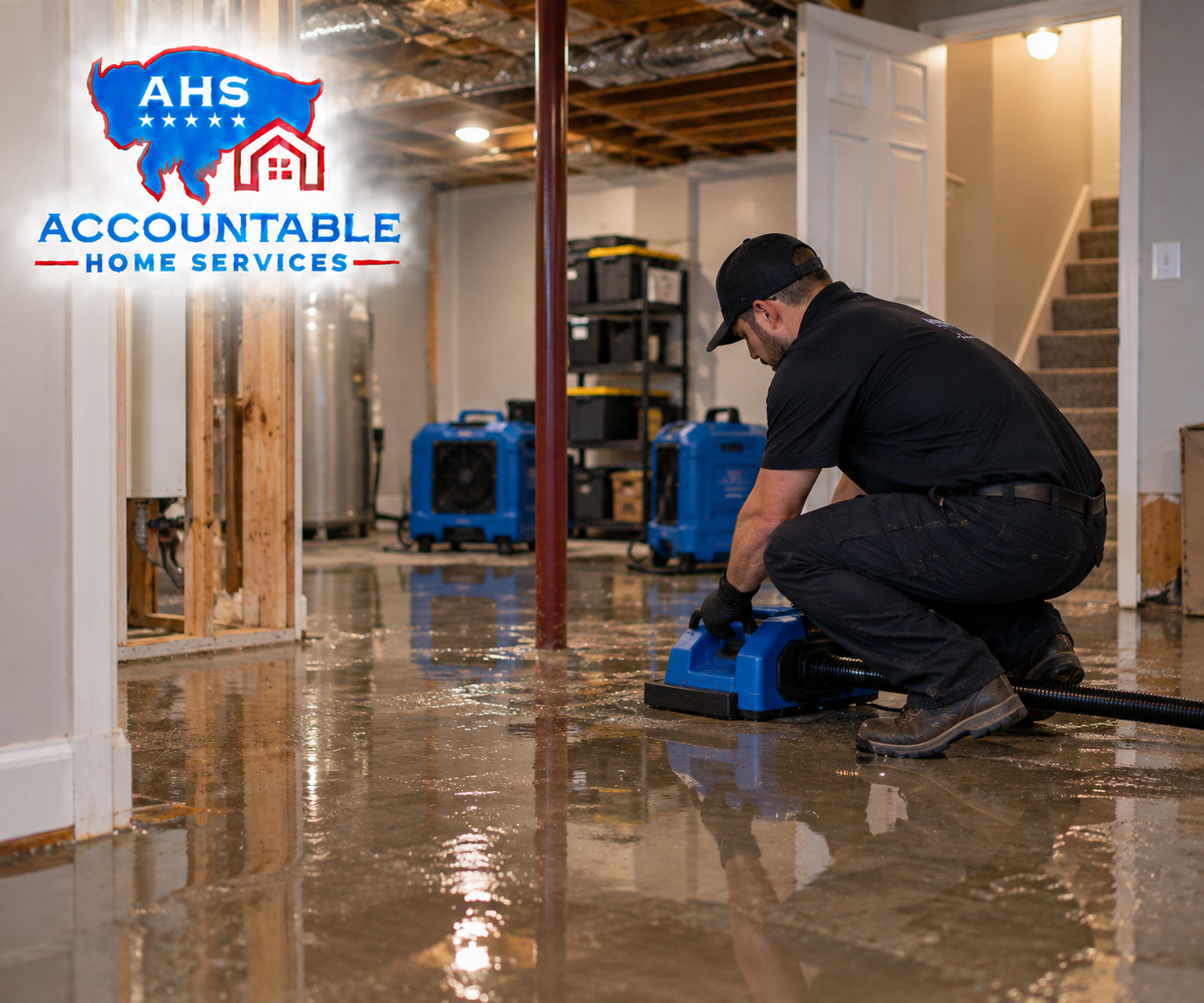
- Water extraction when needed Dehumidifiers are not designed to remove standing water. Extraction removes as much water as possible first, so structural drying can happen more efficiently.
- Moisture mapping Moisture mapping identifies affected areas and materials. This helps avoid both under-drying and unnecessary demolition.
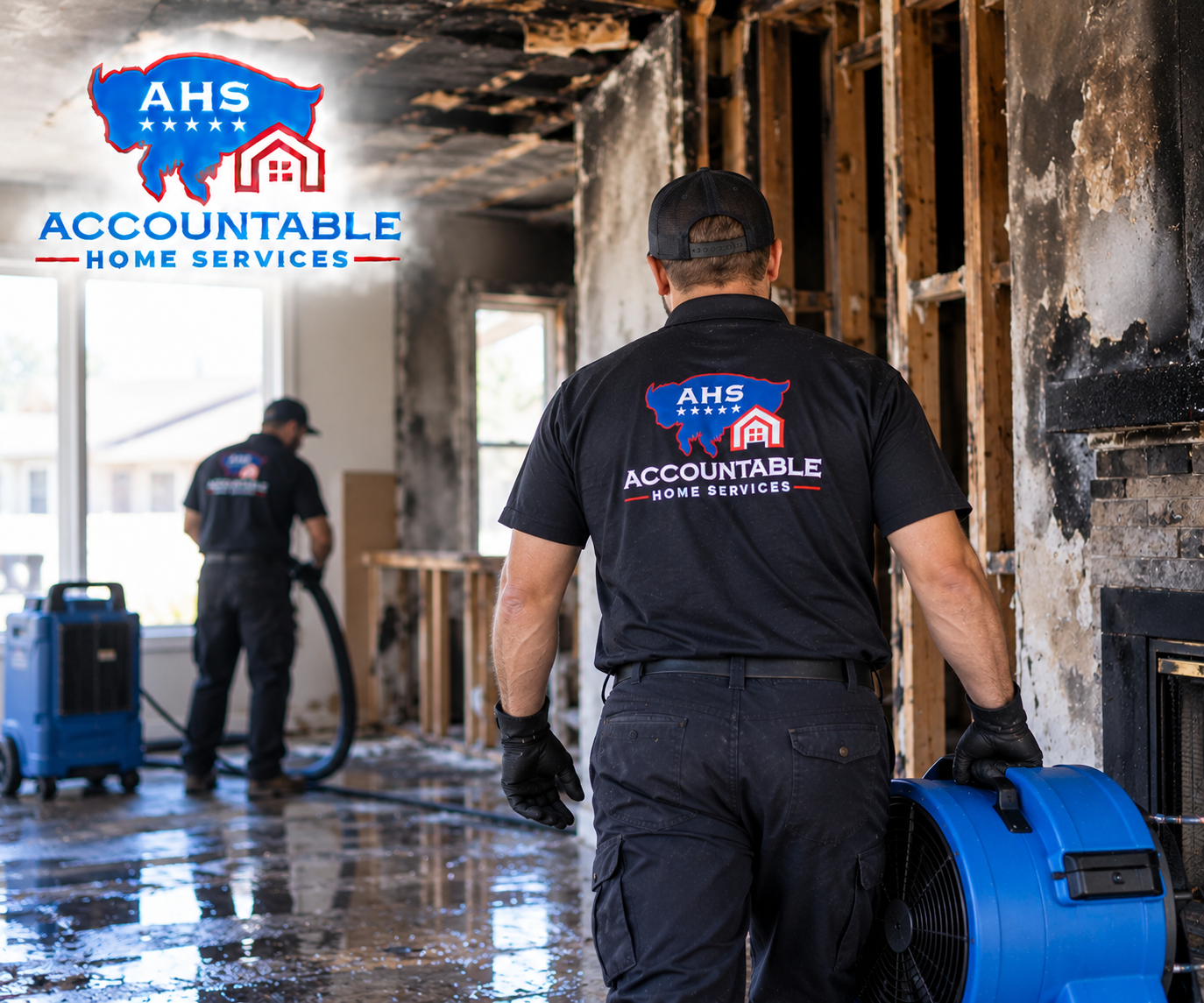
- Placement of commercial drying equipment Air movers, commercial dehumidifiers, and other industrial drying equipment are placed based on the size of the loss, materials involved, and drying goals.
- Daily or scheduled monitoring Readings are tracked to confirm progress. If conditions are not improving, the drying plan can be adjusted instead of wasting time.
- Documentation for the file Photos, readings, scope notes, and equipment logs can support the property owner and insurance claim process.
This is where professional water damage restoration in Boulder provides value beyond machines. The equipment matters, but the plan, readings, and communication are what keep the job organized.
Guidance for plumbers, agents, and property managers
Many commercial water damage calls start with someone other than a restoration company. A plumber may be called for a burst pipe. An insurance agent may get the first frustrated call from a client. A property manager may hear from a tenant at the worst possible time.
If you are deciding whether to refer the issue, use this quick guide:
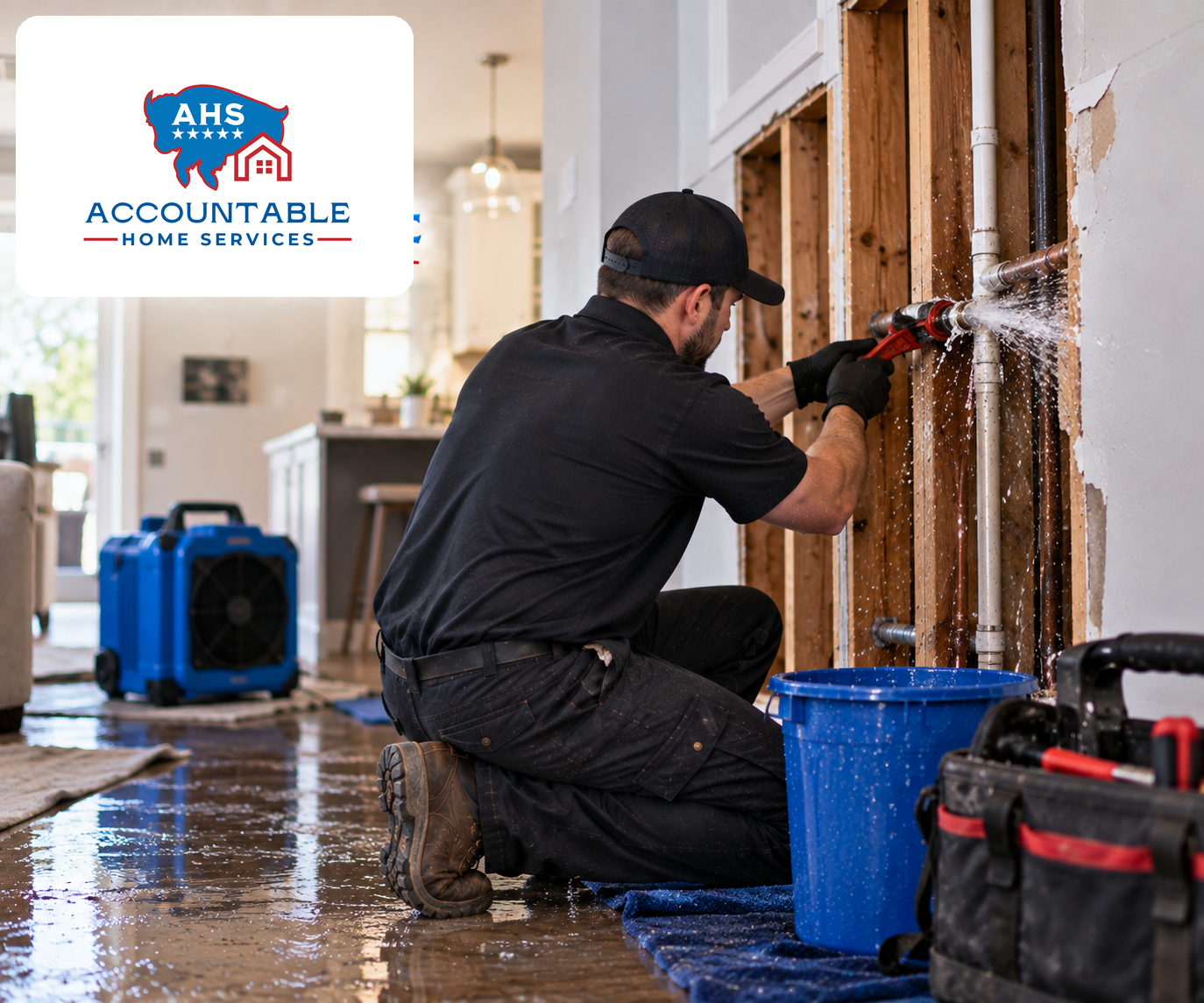
- Refer for restoration when water reached building materials. Plumbing repair stops the source, but mitigation addresses what the water affected.
- Refer when tenants or owners need updates. Clear documentation and communication reduce confusion.
- Refer when a claim may be opened. Photos, drying logs, and moisture readings are easier to gather at the beginning than after materials have changed.
- Refer when the loss involves more than one room or unit. Multi-area moisture needs a plan, not just a machine.
- Refer when the customer is unsure. A calm inspection can help determine whether the job is minor or needs professional drying.
This approach protects the client experience. It also helps plumbers stay focused on the repair, agents support the claim conversation, and property managers reduce owner and tenant frustration.
Local drying considerations in Boulder commercial buildings
Boulder properties often deal with quick weather changes, freeze-thaw conditions, older plumbing, flat or low-slope roof details, and mixed building materials. A leak in a newer office suite may behave differently than water in an older brick building or basement-level commercial space. That is why local judgment matters.
In commercial settings, timing also matters because people may be trying to work, shop, live, or move through the space. The drying plan should account for access, noise, equipment placement, electrical safety, tenant communication, and business interruption concerns. Good mitigation is not just about drying a wall. It is about keeping the process manageable while the property is being brought back to normal conditions.
How Accountable Home Services helps
Accountable Home Services provides water mitigation, emergency water cleanup in Boulder, structural drying, and water damage restoration support for properties that need more than standalone equipment rental. If all you need is a simple equipment rental, a local tool or equipment rental provider may be the right fit. If you need a documented drying process, professional evaluation, or help understanding the extent of water damage, AHS can help guide the next step.
The service is built around clear communication. That means explaining what is wet, what is being done, what still needs to be checked, and what documentation is available for the file. For insurance agents, plumbers, and property managers, that kind of communication can make a stressful situation easier for everyone involved.
Start with the right level of help
If you are comparing commercial dehumidifier rental with professional commercial water damage restoration, the safest next step is to find out what materials are actually wet. You do not have to overreact, and you do not have to guess. A quick conversation can help determine whether rental equipment is enough or whether water mitigation in Boulder is the better option.
Contact Accountable Home Services for guidance on commercial property drying, moisture concerns, or emergency water cleanup in Boulder. Share what happened, when it started, what areas are affected, and whether a plumber or insurance carrier is already involved. From there, you can get a clear recommendation and move forward with confidence.