Sewer Backup Repair Cost in Westminster, CO: What Homeowners Should Expect
Sewer Backup Repair Cost in Westminster, CO: What Homeowners Should Expect
A sewer backup in a Westminster home is not just a plumbing problem. It is also a contaminated water problem that can affect flooring, drywall, trim, belongings, and indoor air if it is not handled correctly. This guide explains what can affect sewer backup repair cost, who handles each part of the work, and how homeowners, plumbers, property managers, and insurance agents can help keep the cleanup and claim process organized.
What should homeowners do first after a sewer backup?
Homeowners should stop using water in the home, avoid contact with the affected area, and call the right professionals as soon as possible. A plumber or sewer contractor should address the failed sewer line, drain blockage, or other plumbing issue. A restoration company such as AHS handles the contaminated water, damaged materials, sanitizing, drying, and restoration inside the property.
That distinction matters. If the sewer line is still blocked or broken, cleanup may be interrupted by more sewage water entering the home. If the interior damage is not cleaned and dried properly, the home may be left with contamination, odor, moisture, and possible mold concerns. Both sides of the response need to happen, but they are not the same job.
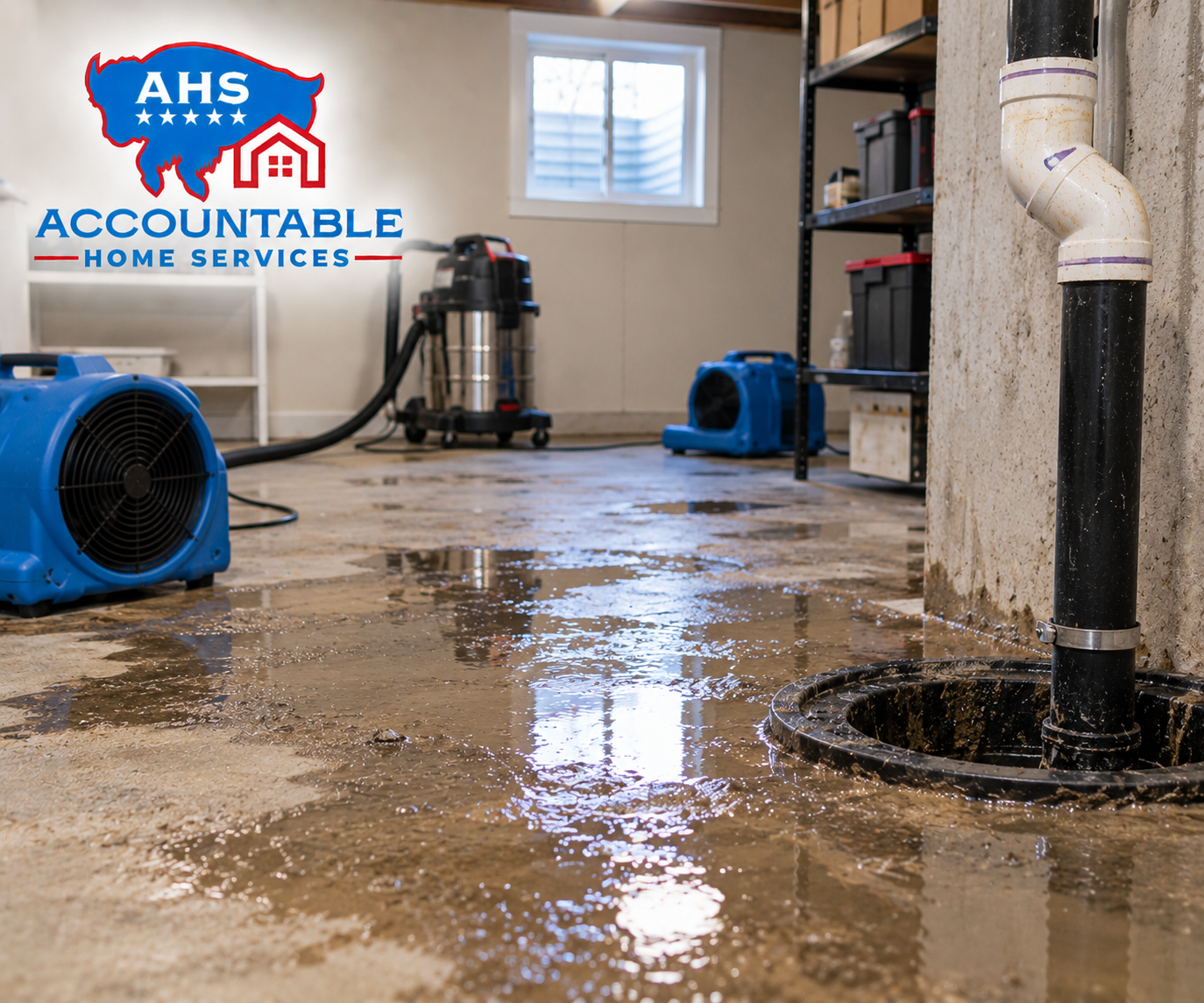
If the affected area is a basement sewer backup, keep children, pets, and tenants away from the space. Do not try to shop-vac sewage water or pull up soaked carpet without protection. Sewage water damage is considered a serious contamination issue, often called black water cleanup in the restoration industry, because it may contain bacteria, waste, and other unsafe materials.
Why sewer backup costs vary so much
The sewer backup repair cost in Westminster, CO can vary because every loss has different causes, materials, access issues, and contamination levels. A small backup on unfinished concrete is very different from sewage spreading across finished carpet, drywall, cabinets, stored contents, and mechanical equipment. The cost is also shaped by whether the work involves only interior sewage damage restoration, plumbing repairs, or both.
For most homeowners, the total expense may include several separate categories:
- Plumber or sewer contractor charges to clear a blockage, inspect the line, or complete sewer line repair
- Emergency response and extraction for contaminated water cleanup
- Removal of damaged carpet, pad, drywall, trim, insulation, or other porous materials
- Cleaning, disinfecting, and deodorizing affected areas
- Drying equipment and moisture monitoring
- Repairs or rebuilding after mitigation is complete
- Documentation needed for a sewer backup insurance claim Colorado homeowners may file
This is why one neighbor’s sewage cleanup cost may not match another’s, even if both had water in the basement. The source, square footage, materials, timing, and insurance coverage can all change the final number.
The plumbing repair and the restoration work are separate
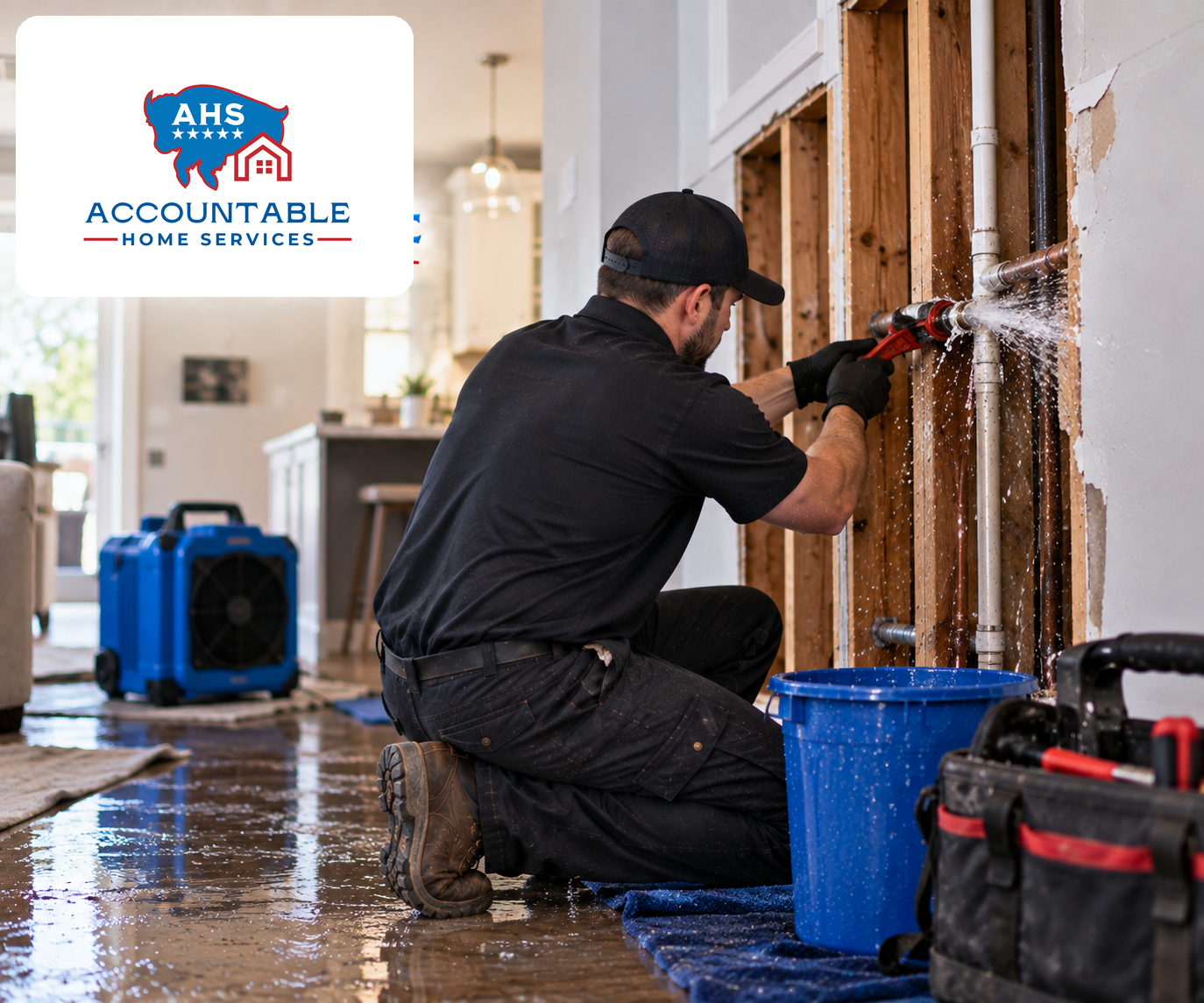
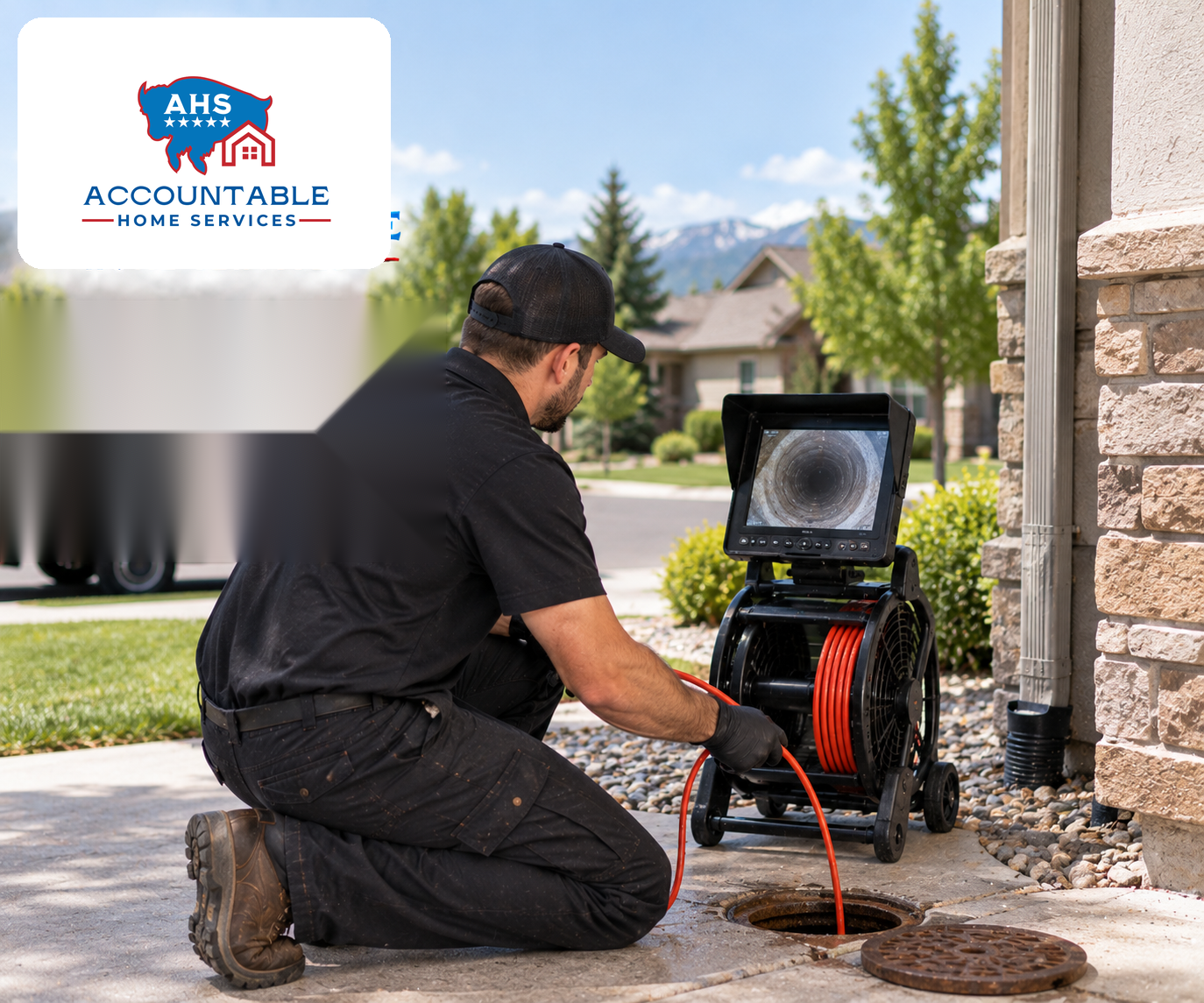
A common point of confusion is the difference between fixing the cause and restoring the damage. Plumbers or sewer contractors fix the failed sewer line, broken pipe, root intrusion, main line clog, or blockage that caused the sewer backup. They may snake the line, hydro-jet it, run a camera inspection, or recommend sewer repair based on what they find.
AHS does not perform standalone sewer-line repair. AHS deals with what happens inside the property after the backup: contaminated water, damaged materials, sanitizing, drying, odor control, and restoration. That includes identifying affected building materials, removing what cannot be safely cleaned, setting drying equipment, tracking moisture, and documenting the work.
For plumbers, this division can make the customer experience smoother. Once the line is cleared or the plumbing issue is under control, referring the homeowner to a restoration partner helps prevent the customer from being left with wet, contaminated materials. For insurance agents and property managers, it also helps keep the file organized because each contractor is documenting the part of the loss they are responsible for.
What affects sewer backup repair cost?
The biggest cost factors are the amount of contaminated water, the materials affected, how long the sewage sat, and how much demolition or drying is needed. Costs also depend on whether the homeowner is talking about plumbing work, interior restoration, or reconstruction after cleanup. A clear estimate should explain what is included so the homeowner is not comparing two very different scopes of work.
Size and location of the affected area
A small laundry room backup may be easier to contain than a finished basement with carpeted rooms, closets, drywall, and stored belongings. Westminster homes with basements may have floor drains, utility rooms, or lower-level bathrooms where backups first appear. If sewage moves under walls or into adjoining rooms, the restoration scope can grow.
Type of materials impacted
Hard, non-porous surfaces may be cleaned and sanitized in some situations. Porous materials such as carpet pad, insulation, some drywall, and particleboard cabinets often cannot be safely restored after sewage contamination. Removing these materials adds labor, disposal, and rebuild considerations, but it is often necessary for proper sewage damage restoration.
Time before cleanup starts
The longer sewage water sits, the more it can spread into materials and create odor. Fast response helps limit damage, especially in finished basements or occupied rentals. Property managers know this well: a delay can lead to tenant complaints, owner concerns, and a larger restoration plan than would have been needed with quicker action.
Access, safety, and contents
Basement stairs, tight utility rooms, heavy stored items, and limited parking can affect labor time. Contents may need to be moved, inventoried, cleaned, or discarded depending on contamination. A professional crew should explain what can likely be cleaned and what should not be saved.
Typical steps in sewer backup cleanup Westminster CO homeowners may see
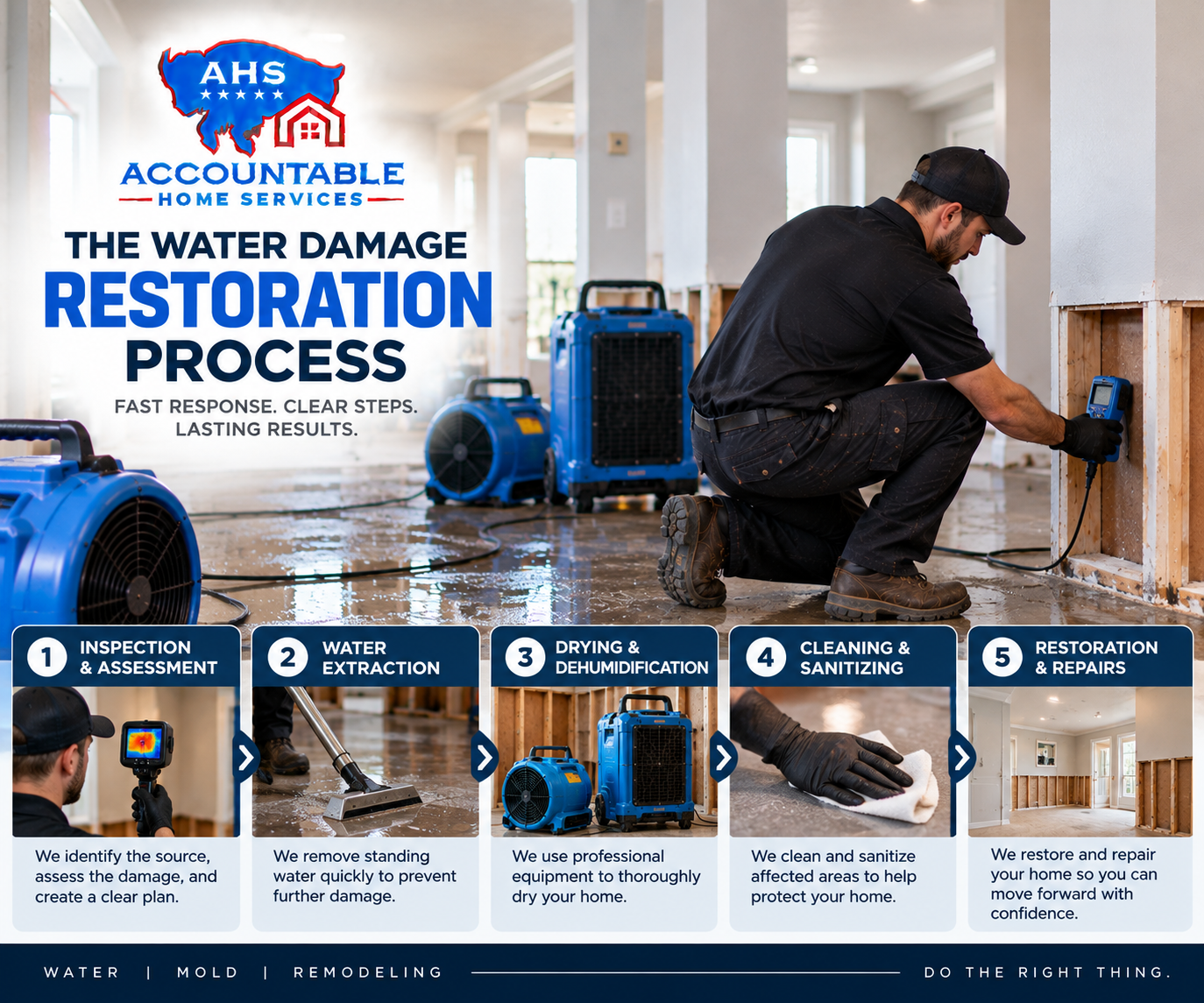
Sewer backup cleanup is usually a controlled process, not just mopping and spraying disinfectant. The goal is to remove contamination, dry the structure, and leave clear documentation of what was done. AHS focuses on the interior restoration side while the plumber or sewer contractor handles the drain or line issue.
A typical process may include:
- Initial inspection and safety review The crew identifies affected rooms, visible sewage, moisture spread, and materials that may need removal. They may also ask whether the plumber has cleared the blockage or stopped the source.
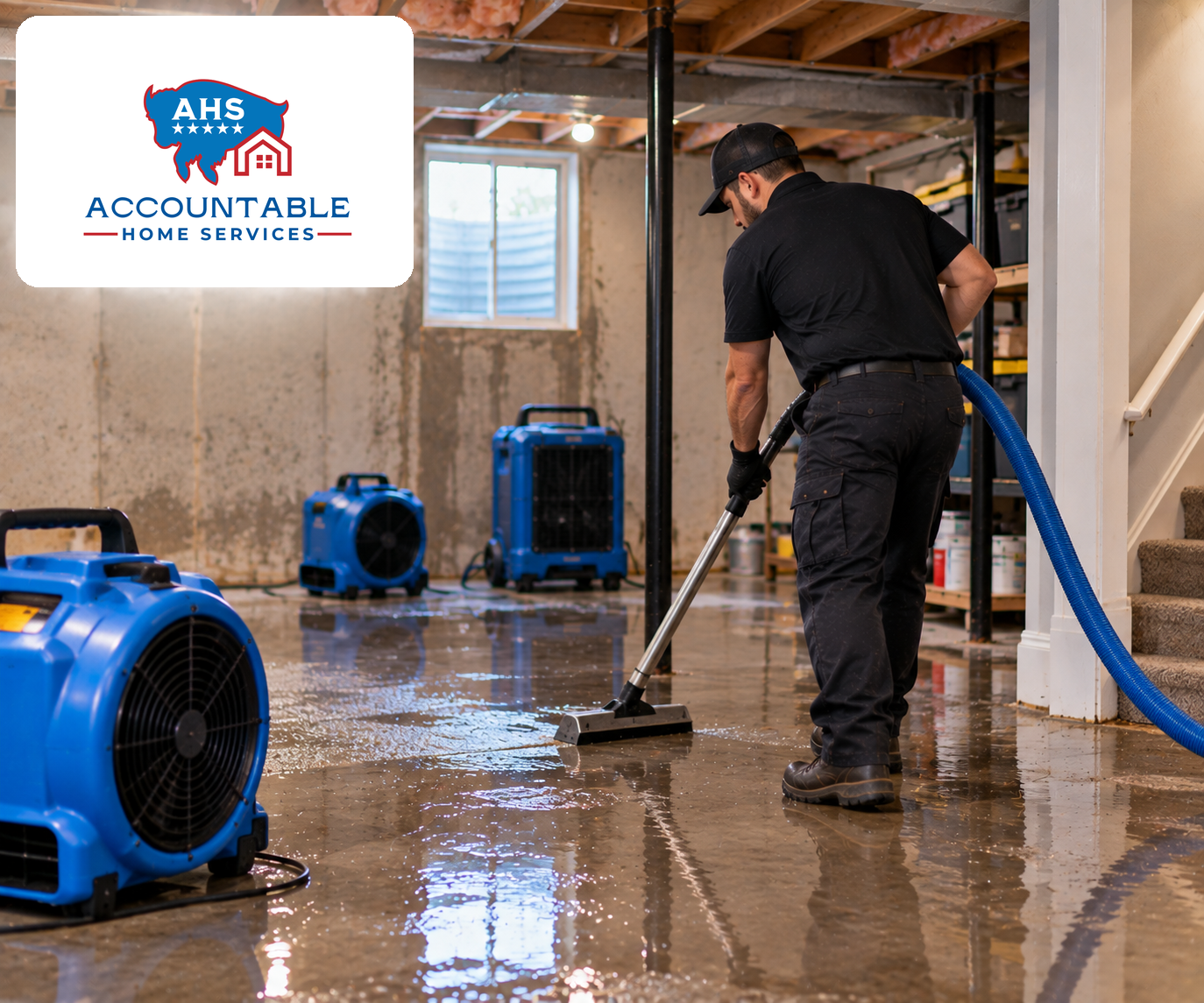
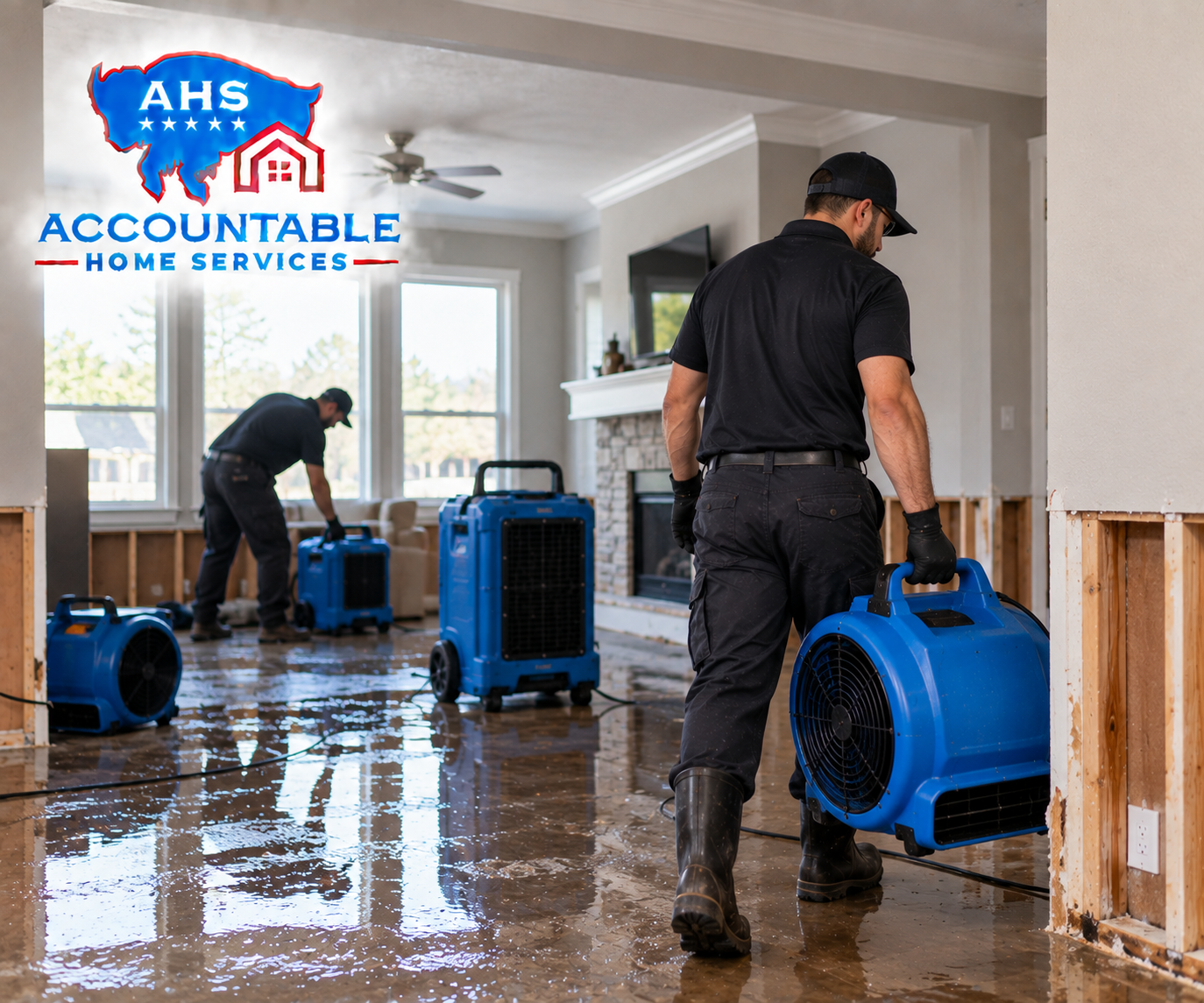
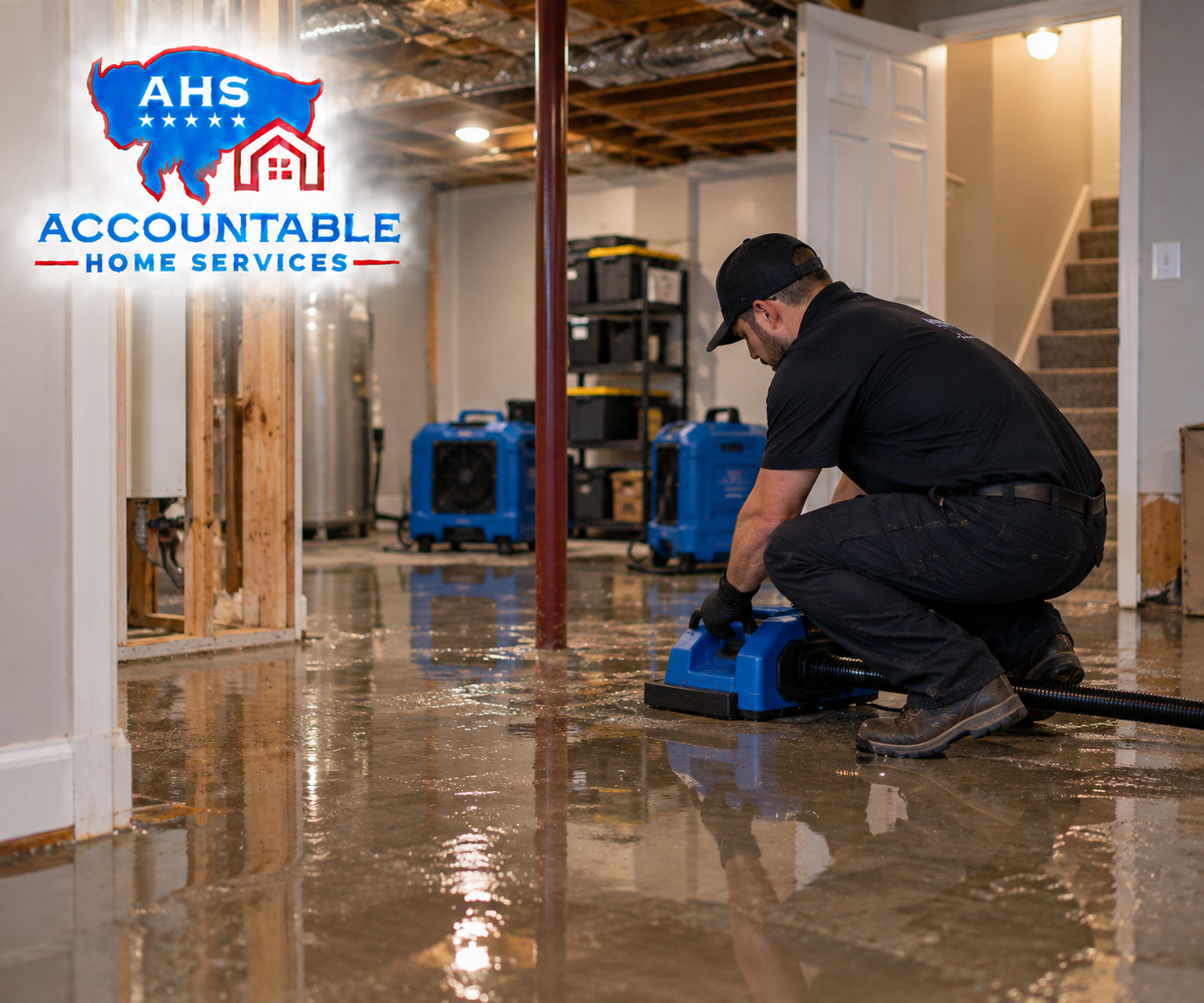
- Contaminated water extraction Standing sewage water is removed with appropriate equipment. Workers use protective gear because this is not ordinary clean water.
- Removal of unsalvageable materials Carpet pad, wet drywall, baseboards, insulation, and other contaminated porous materials may need to be removed. This helps expose hidden moisture and reduce unsafe conditions.
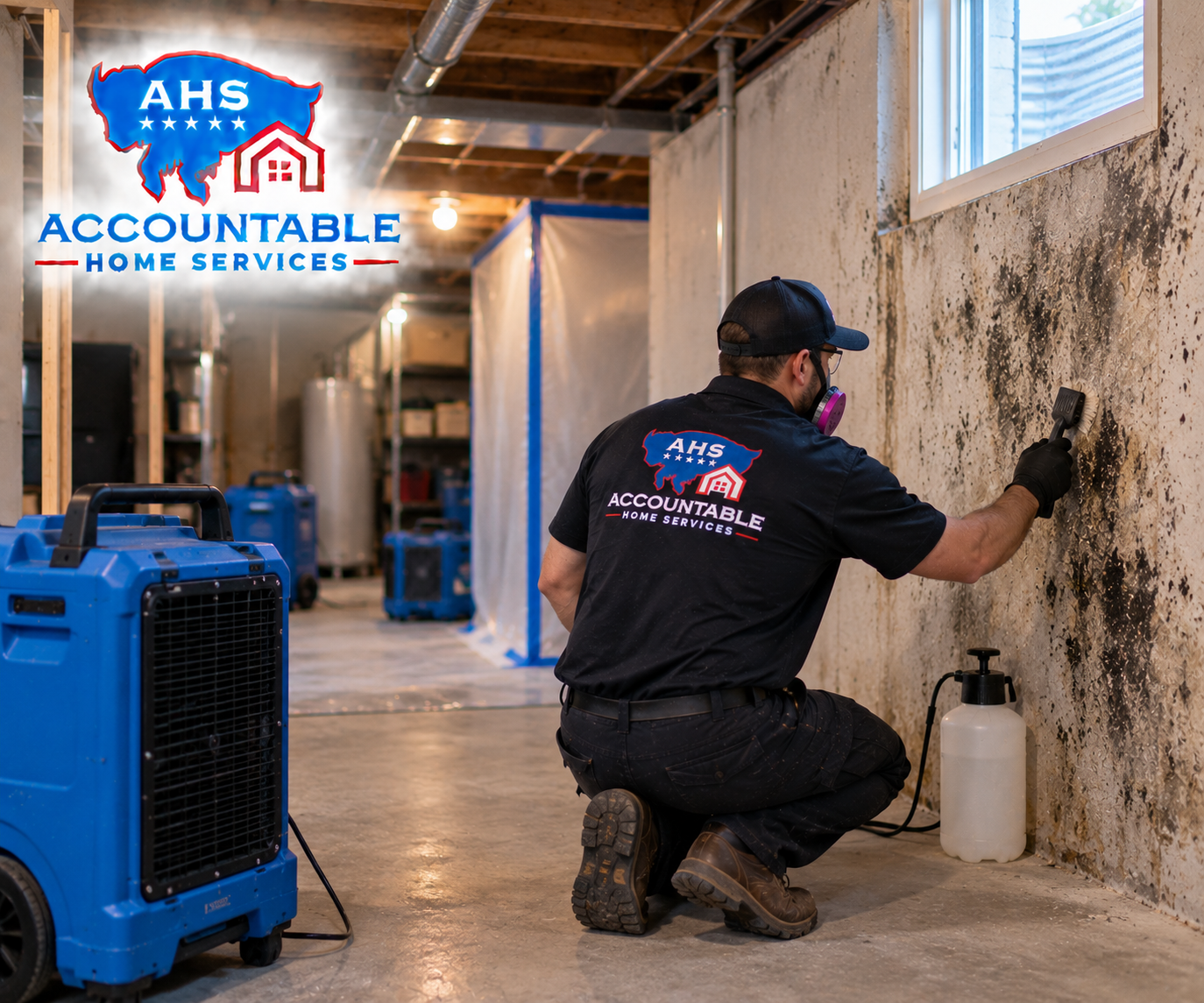
- Cleaning and sanitizing Affected surfaces are cleaned and treated with appropriate products. This step is important for odor control and safer re-entry.
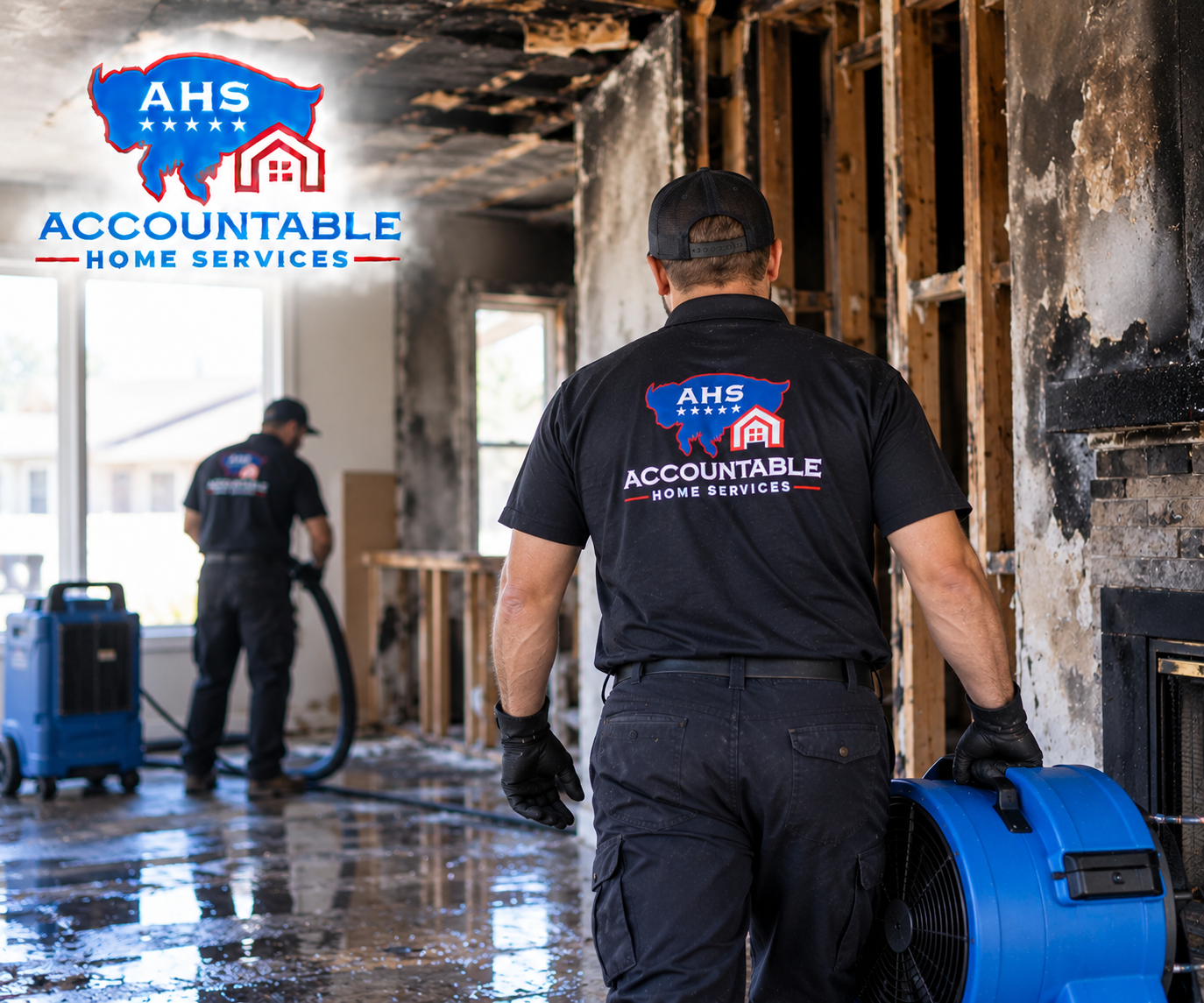
- Drying and monitoring Air movers, dehumidifiers, and moisture checks help dry the structure. Good water damage restoration Westminster homeowners can trust should include monitoring, not just equipment drop-off.
- Documentation and next steps Photos, moisture readings, affected material lists, and invoices can support the insurance claim process. After mitigation, repairs or reconstruction can be planned.
Insurance claim documentation can make a real difference
A sewer backup insurance claim Colorado homeowners file may depend heavily on coverage, policy language, cause of loss, and documentation. Not every policy includes the same sewer backup coverage, and limits or exclusions may apply. Homeowners should contact their insurance agent or carrier quickly to ask what is covered and what steps they need to take.
Restoration documentation helps because it creates a clear record of the loss. Insurance agents often have to help clients who are stressed, confused, and unsure what happened first. A restoration company that communicates clearly can reduce confusion by documenting visible damage, moisture readings, removed materials, equipment use, and photos of the affected areas.
Helpful claim documentation may include:
- Date and time the backup was discovered
- Photos or video before cleanup begins, if it is safe to take them
- Plumber notes about the blockage, sewer line issue, or repair
- Restoration inspection notes and moisture readings
- List of removed materials and affected rooms
- Equipment logs and drying updates
- Receipts, invoices, and communication records
This does not guarantee coverage, but it helps everyone understand the scope. For insurance agents, plumbers, and property managers, good documentation also protects the client experience because fewer details are left to memory.
When cleanup should not be a DIY project
Sewage cleanup is not a good DIY project when contaminated water has touched carpet, drywall, insulation, cabinets, stored belongings, or HVAC-related areas. Household cleaners may reduce surface odor, but they do not solve hidden moisture or contamination inside building materials. If the backup reached finished materials or sat for more than a short time, professional help is the safer path.
Call a restoration professional when you notice any of the following:
- Sewage water spread beyond a small drain area
- Carpet, pad, drywall, or insulation became wet
- There is a strong sewer odor after the water recedes
- Water reached a finished basement, tenant space, or utility area
- You need documentation for an insurance claim
- You are a plumber or property manager and the damage is beyond the plumbing repair
The goal is not to overcomplicate the job. The goal is to make sure contaminated water cleanup is done in a way that protects the property and gives the homeowner a clear record of the work.
Practical ways to manage cost and reduce damage
You cannot always control the cause of a sewer backup, but you can take steps that may reduce the damage and help keep the process organized. The earlier the source is handled and the affected area is contained, the better.
Start with these steps:
- Stop using sinks, toilets, showers, laundry, and dishwashers until the plumber says the line is safe to use.
- Keep people and pets out of affected areas.
- Call a plumber or sewer contractor to clear the blockage or evaluate the sewer line.
- Call AHS for the interior sewage damage restoration work.
- Take photos from a safe distance before cleanup begins.
- Notify your insurance agent or carrier and ask about sewer backup coverage.
- Do not remove wet materials without documenting them first, unless there is an immediate safety issue.
For property managers, having a plan before an emergency helps. Know who to call for plumbing, who to call for restoration, and how tenants should report water damage. Fast communication can reduce frustration and help owners see that the issue is being handled professionally.
The main takeaway for Westminster homeowners
A sewer backup can feel overwhelming, but the response becomes clearer when each part of the job is separated. The plumber or sewer contractor fixes the failed sewer line, blockage, or drain problem. AHS handles the contaminated water, damaged materials, sanitizing, drying, and restoration inside the property.
The final sewer repair cost and sewage cleanup cost will depend on the source, spread, materials, timing, and insurance coverage. If you are a homeowner, plumber, insurance agent, or property manager dealing with a sewer backup Westminster situation, focus first on safety, stopping the source, and getting the damage documented. That gives everyone a cleaner path forward and helps the property move from emergency response to proper repair.