How to Dry Wet Carpet in Broomfield, CO: What Homeowners Should Know

How to Dry Wet Carpet in Broomfield, CO: What Homeowners Should Know
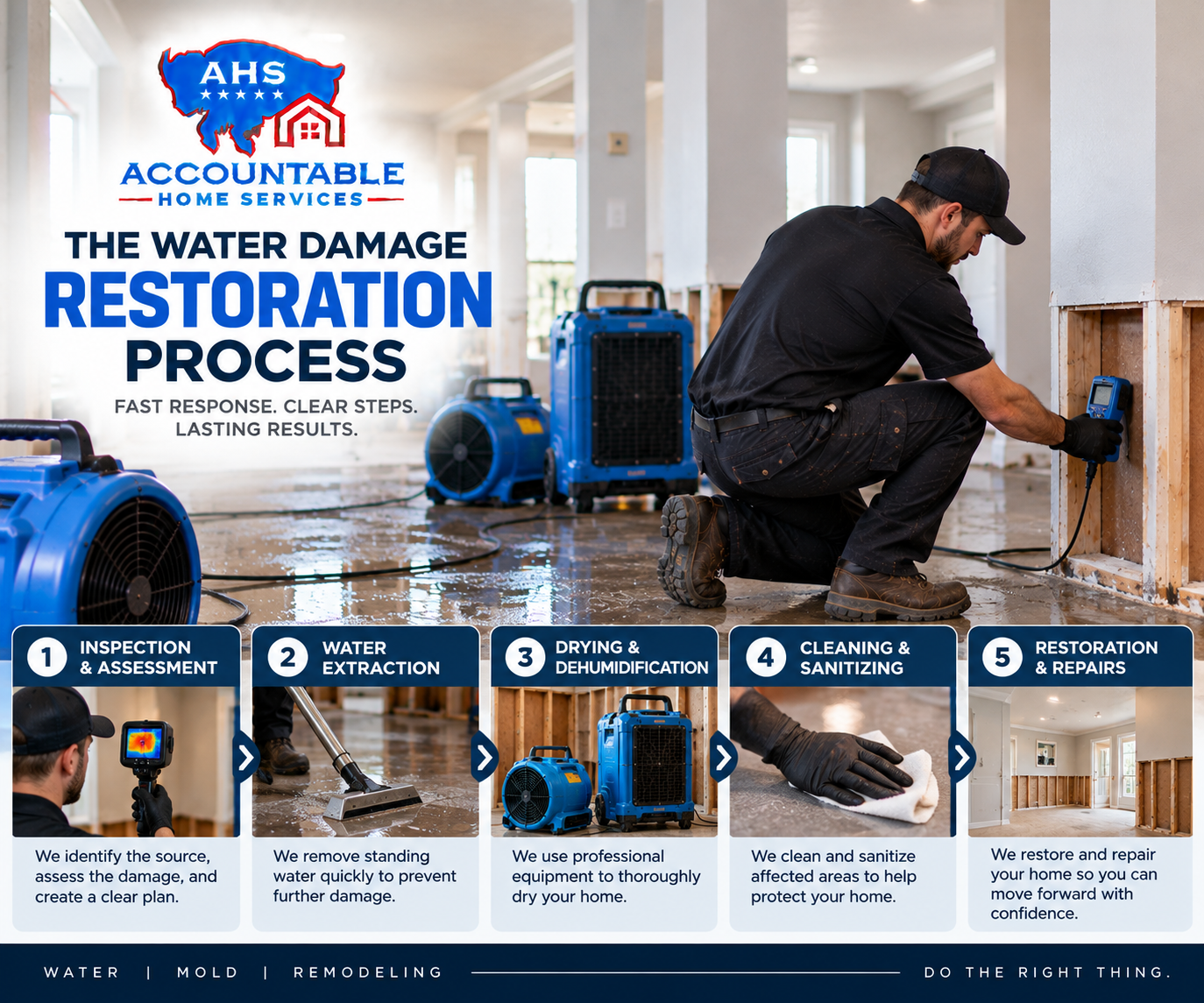
Wet carpet needs fast, organized action because surface drying is rarely the whole problem. For homeowners dealing with wet carpet Broomfield CO issues after a pipe leak, sump pump failure, appliance overflow, or stormwater intrusion, the goal is simple: remove water, create controlled drying conditions, check hidden materials, and document what happened. The Local Restoration Guide explains the practical steps below so you can reduce carpet water damage, protect the structure, and know when professional help is the safer choice.
How do you dry wet carpet quickly and safely?
To dry wet carpet quickly and safely, stop the water source first, remove as much water as possible, increase airflow, lower humidity, and verify that the carpet pad and subfloor are actually drying. A carpet can feel dry on top while moisture remains trapped underneath, especially in basements or rooms with limited ventilation. That hidden moisture is what often leads to odor, staining, delamination, or mold after wet carpet.
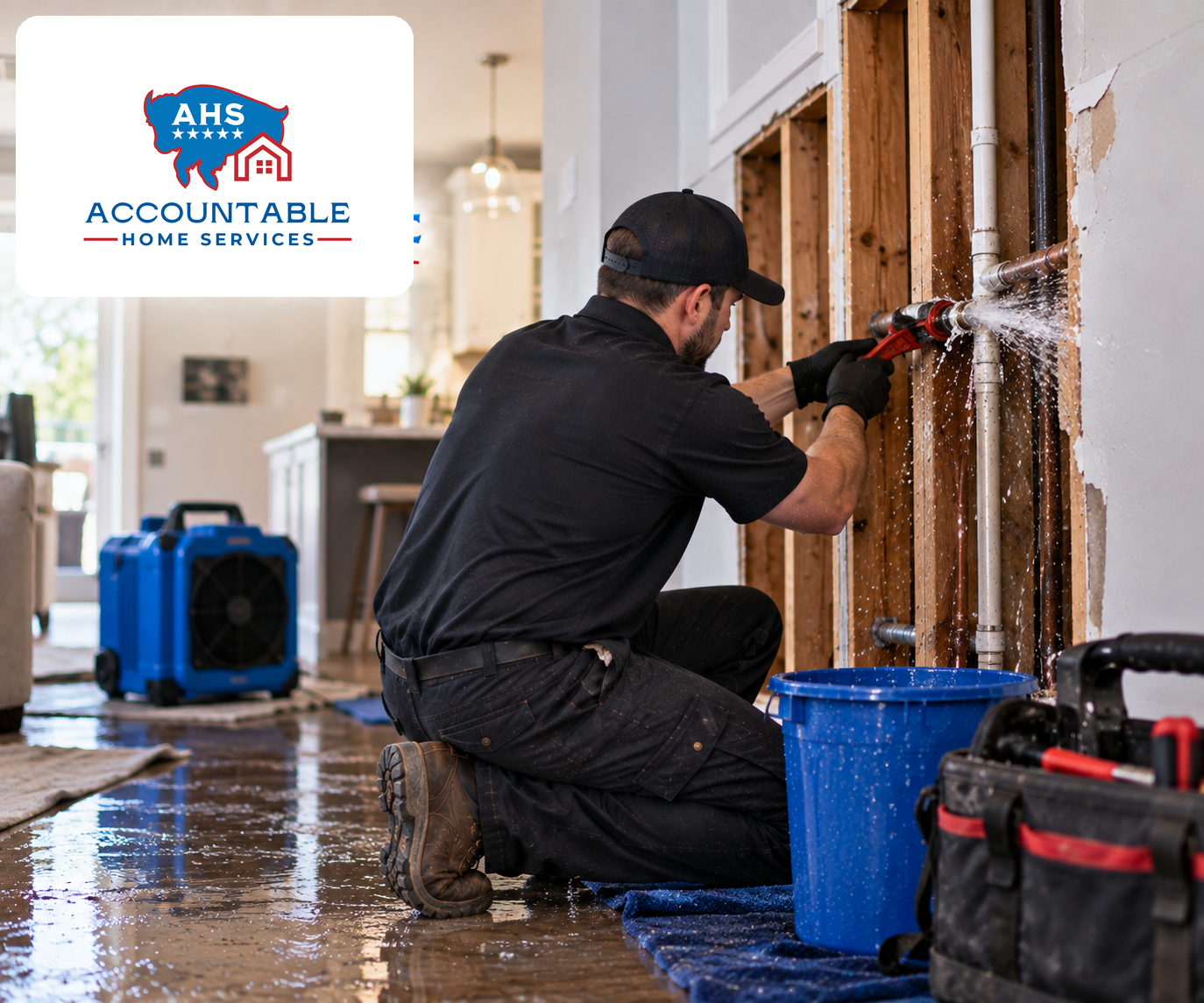
Start with the basics before moving furniture or plugging in equipment. If the water came from a broken supply line, shut off the water. If it came from a roof leak, window well, sewer backup, or exterior flooding, avoid walking through the affected area until you understand whether the water may be contaminated. If electrical outlets, power strips, or appliances are wet, do not use the room until it is safe.
A practical first response looks like this:
- Stop the water source. Call a plumber if the leak is active or if you cannot isolate the problem.
- Protect people first. Keep children, pets, and tenants out of wet areas, especially if the water may contain sewage, soil, or chemicals.
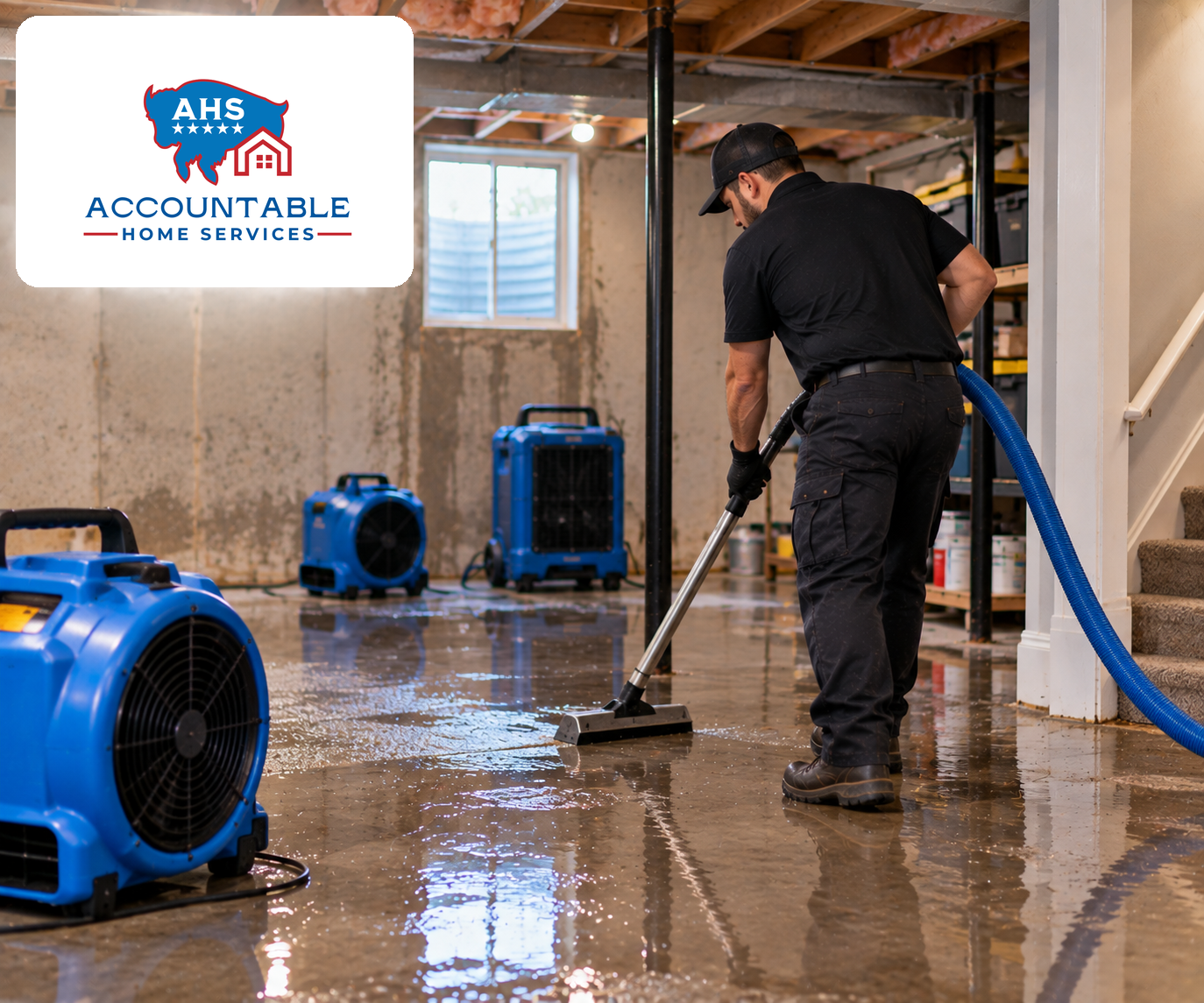
- Remove standing water. Use a wet/dry vacuum or extraction equipment, not a household vacuum.
- Move contents off the carpet. Lift furniture, boxes, rugs, and stored items to reduce staining and improve access.
- Create airflow. Use fans or air movers to move air across the carpet surface, not just around the room.
- Lower humidity. Run dehumidifiers when available, particularly in basements and enclosed rooms.
- Check underneath. If the pad or subfloor remains wet, surface drying is not enough.
This process is the foundation of carpet water removal. It does not guarantee that the carpet can be saved, but it gives the material the best chance and limits avoidable secondary damage.
Can I save this carpet, or does it need to come out?
Whether the carpet can be saved depends on the water source, how long the carpet has been wet, the condition of the pad and subfloor, and whether the entire affected area can be dried completely. Clean water from a recent supply-line leak is very different from floodwater, drain backup, or water that has sat long enough to carry debris and microbial growth. If the wet carpet after leak has soaked the pad, reached wood materials, or remained wet for an extended period, removal of some materials may be necessary even when the carpet face looks acceptable.
The water source matters because it affects health and cleanup decisions. Water from a clean pipe or appliance supply line may be handled differently than water from a toilet overflow, sewage line, storm runoff, or basement seepage. Contaminated water can make flooded carpet cleanup a removal project rather than a drying project.
Duration matters because moisture changes conditions inside the carpet system. The longer carpet, pad, tack strip, drywall, and subfloor stay wet, the more likely you are to see odor, staining, swelling, or microbial concerns. This is why carpet drying after flood events should begin as soon as the area is safe to enter.
The pad and subfloor are often the deciding factors. Carpet pad acts like a sponge, and once it is saturated, it can keep releasing moisture back into the carpet. In many water damage restoration Broomfield situations, the carpet may be lifted, the pad removed, and the subfloor dried before any reinstall decision is made.
Hidden moisture is the main risk
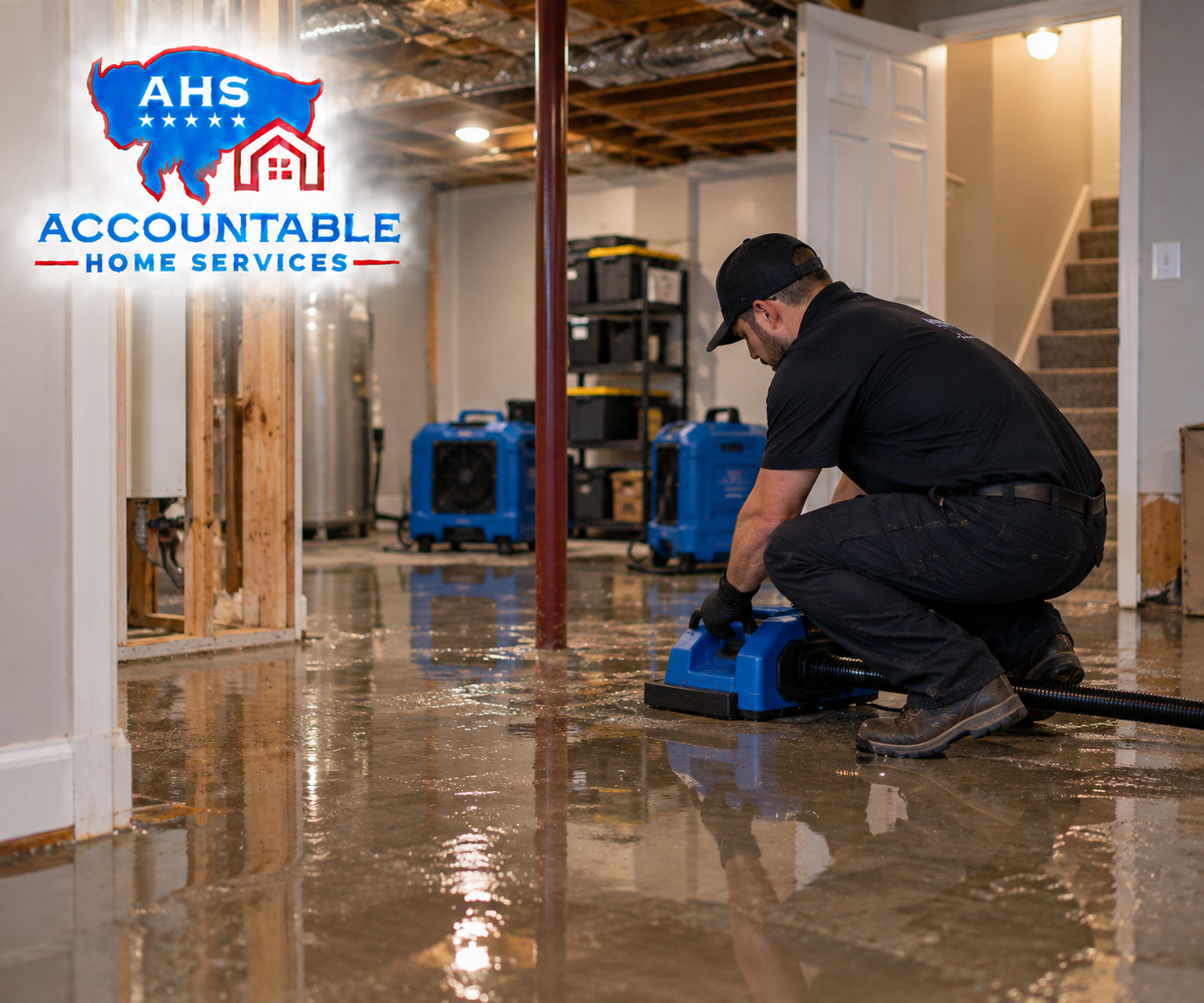
The most common mistake homeowners make is assuming the job is finished when the carpet surface feels dry. Carpet fibers dry faster than padding, wood subflooring, baseboards, drywall edges, and wall cavities. In a basement, basement carpet water damage can be especially deceptive because concrete, lower temperatures, and limited air movement can slow evaporation.
If you can safely access an edge of the carpet, look for signs that moisture has moved below the surface. A restoration professional may pull back a corner near a wall or doorway, inspect the pad, and use moisture meters to determine whether water has spread beyond the obvious wet area. Without that check, a small leak can become a larger odor or mold concern days later.
Watch for warning signs such as:
- A musty smell that returns after fans are turned off
- Carpet that feels cool, damp, or heavy underfoot
- Dark staining near walls, seams, or furniture legs
- Swollen baseboards or soft drywall at floor level
- Rust stains from metal furniture or tack strip
- Condensation on windows or a room that feels humid
- Tenant complaints that the room still smells wet
These signs do not automatically mean there is a serious mold problem, but they do mean the area needs closer evaluation. If you are an insurance agent, plumber, or property manager helping a homeowner or tenant, this is the point where a water mitigation Broomfield referral can prevent confusion and reduce delays.
Tools that help and tools that are not enough
A wet/dry vacuum is one of the most useful DIY tools for early carpet water removal. Make slow passes in multiple directions and empty the tank often so the equipment keeps pulling water efficiently. This step removes bulk water, which is very different from simply blowing air across a soaked floor.
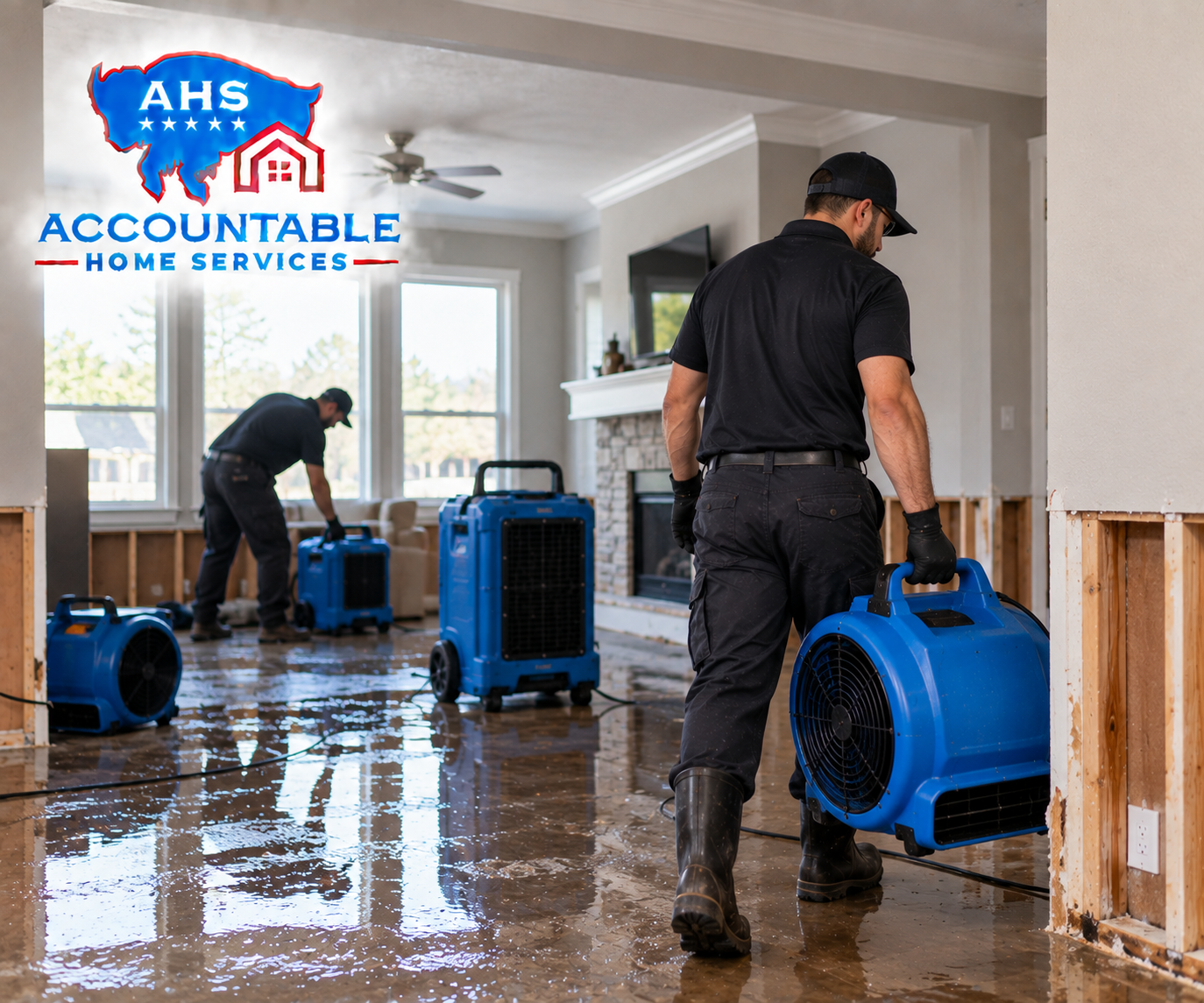
Fans are helpful after extraction, but they need to be used correctly. Aim airflow across the wet carpet surface and, if the carpet has been lifted by a professional, beneath the carpet as well. Box fans may help in minor situations, but professional carpet drying usually uses stronger air movers and dehumidifiers that are set up based on moisture readings.
Dehumidifiers are important because water that evaporates from carpet has to go somewhere. If the room humidity stays high, drying slows down and moisture can settle into other materials. Opening windows may help on a dry, mild Colorado day, but it may hurt the process during rain, snow, or high outdoor humidity.
Some products are useful only as support, not as the main solution. Baking soda can help absorb light residual moisture and odor after extraction, but it cannot dry saturated pad or subfloor. Towels can blot small spills, but they are not enough for a pipe break, failed water heater, sump pump overflow, or storm-related carpet water damage.
Use these general guidelines:
- Small clean-water spill: Blot, extract if needed, increase airflow, and monitor for odor.
- Room-size leak: Extract water, remove wet contents, use fans and dehumidification, and inspect below the carpet.
- Basement flooding: Treat it as a higher-risk event because moisture may spread under walls, into pad, and across concrete.
- Sewage or outside floodwater: Avoid DIY cleanup and call for professional evaluation because contamination changes the cleanup standard.
When professional drying is the better choice
DIY drying can be reasonable for a small, clean-water incident that is addressed immediately. Professional drying is the better choice when water covers a large area, the source is unclear, the carpet pad is saturated, the leak affected walls or cabinets, or the carpet has been wet long enough to create odor. It is also wise when the property is tenant-occupied, when an insurance claim may be involved, or when several parties need clear communication.
Professional water extraction Broomfield services do more than bring bigger fans. A trained restoration team can identify affected areas, remove unsalvageable pad, set drying equipment, monitor moisture over time, and document the process. That documentation can be important because water losses are often judged not only by what happened, but by how quickly reasonable steps were taken to reduce further damage.
Call for help promptly if you see any of the following:
- Water from a sewer, drain, crawlspace, or exterior source
- Wet carpet that extends into multiple rooms
- Damp drywall, baseboards, cabinets, or stair materials
- A basement that stayed wet overnight
- Repeated leaks in the same area
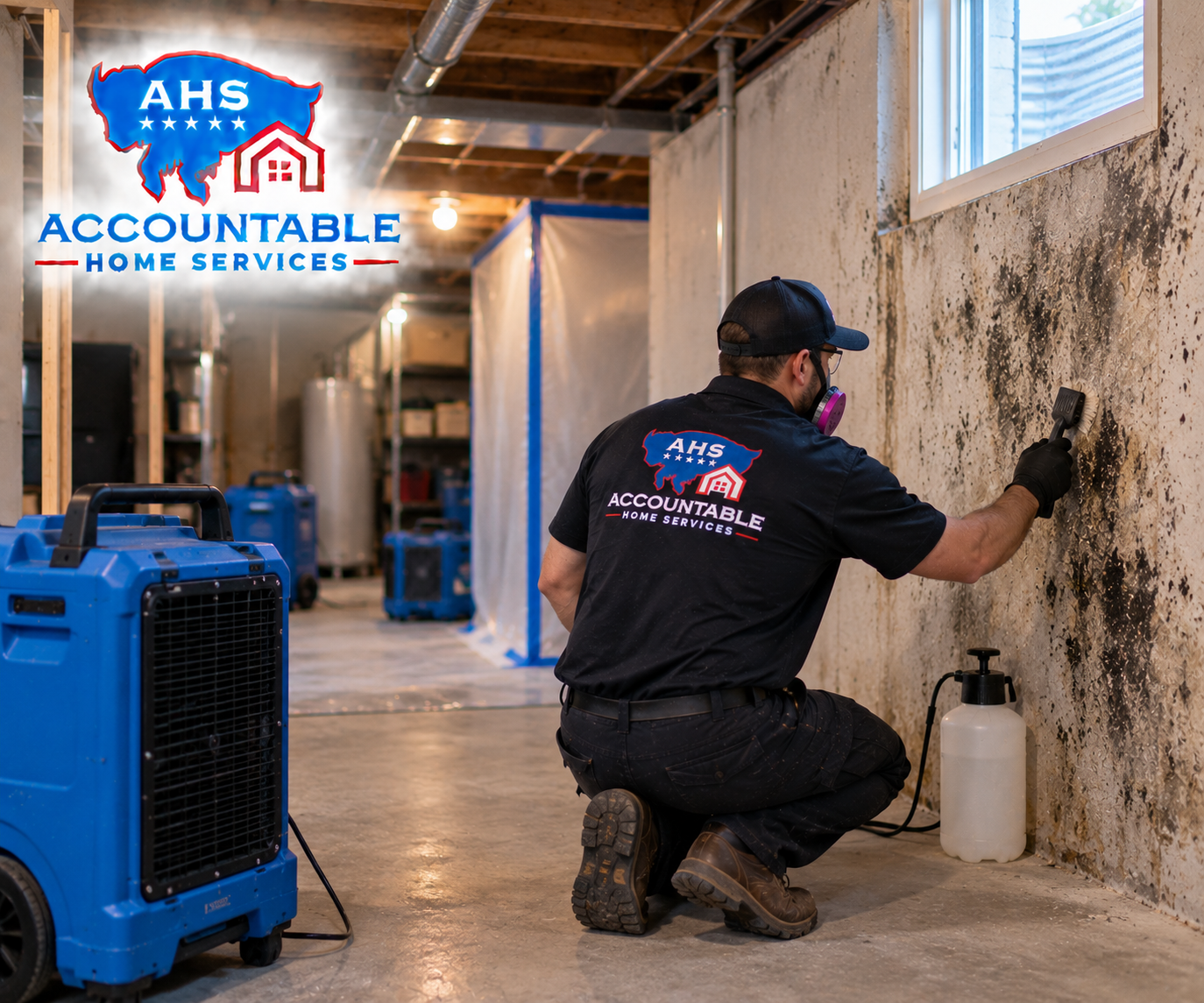
- Visible growth or persistent musty odor
- Tenants, owners, or insurers asking for written documentation
For plumbers, this is where the job often shifts from repairing the cause to protecting the building. For property managers, quick action helps reduce tenant frustration and owner concern. For insurance agents, a restoration partner that communicates clearly can help clients understand the next step without creating unnecessary claim confusion.
Documentation supports better decisions
Before moving too much around, take clear photos and short videos of the affected carpet, the water source, damaged contents, and any visible water lines. Keep notes showing when the leak was discovered, when the source was stopped, who was called, and what drying steps were started. If equipment is placed, document where it was used and when follow-up readings or inspections occurred.
This record is useful even if the situation does not become a formal claim. It helps a contractor understand the timeline, helps a property manager update an owner, and helps an insurance professional see that mitigation steps were taken. Good documentation does not replace the policy language or claim review, but it can reduce uncertainty.
Do not throw away damaged materials until you have photographed them and, when applicable, spoken with the appropriate claim contact. If wet pad, baseboard, or contents are removed for safety or drying, keep the process organized. Clear labeling, photos, and written notes are often more helpful than trying to reconstruct events later.
The practical takeaway for Broomfield homes
Knowing how to dry a wet carpet comes down to acting quickly, removing water thoroughly, controlling humidity, and checking the materials you cannot see from the surface. The biggest risk is not usually the first puddle; it is moisture left behind in the pad, subfloor, drywall, or basement materials after the room appears normal.
If the area is small, clean, and addressed immediately, careful DIY steps may be enough. If water has spread, the pad is wet, odors are developing, or the source may be contaminated, professional carpet drying and water damage restoration Broomfield support are the safer path. A calm, well-documented response gives the carpet the best chance, protects the home, and helps everyone involved make decisions based on conditions rather than guesswork.