Commercial Mold Removal in Denver, CO: What Property Owners and Managers Should Know
Commercial Mold Removal in Denver, CO: What Property Owners and Managers Should Know
Mold in a commercial property is not just a housekeeping issue. For property managers, building owners, office managers, and commercial tenants, it can affect daily operations, tenant confidence, employee comfort, lease obligations, and insurance documentation. The right response is steady and methodical: find the moisture source, control the affected area, remove what cannot be cleaned, dry the structure, document the work, and return the space to use only when it is safe and reasonable to do so.
What should you do first when mold is found in a commercial building?
The first step is to stop treating mold as an isolated surface stain and start looking for the moisture condition that allowed it to grow. A small patch near a ceiling tile, baseboard, sink cabinet, or HVAC register may point to a larger problem behind the finish materials. In a commercial setting, the smartest move is to limit disturbance, notify the appropriate decision-makers, document visible conditions, and arrange a qualified assessment before staff or tenants attempt cleanup.
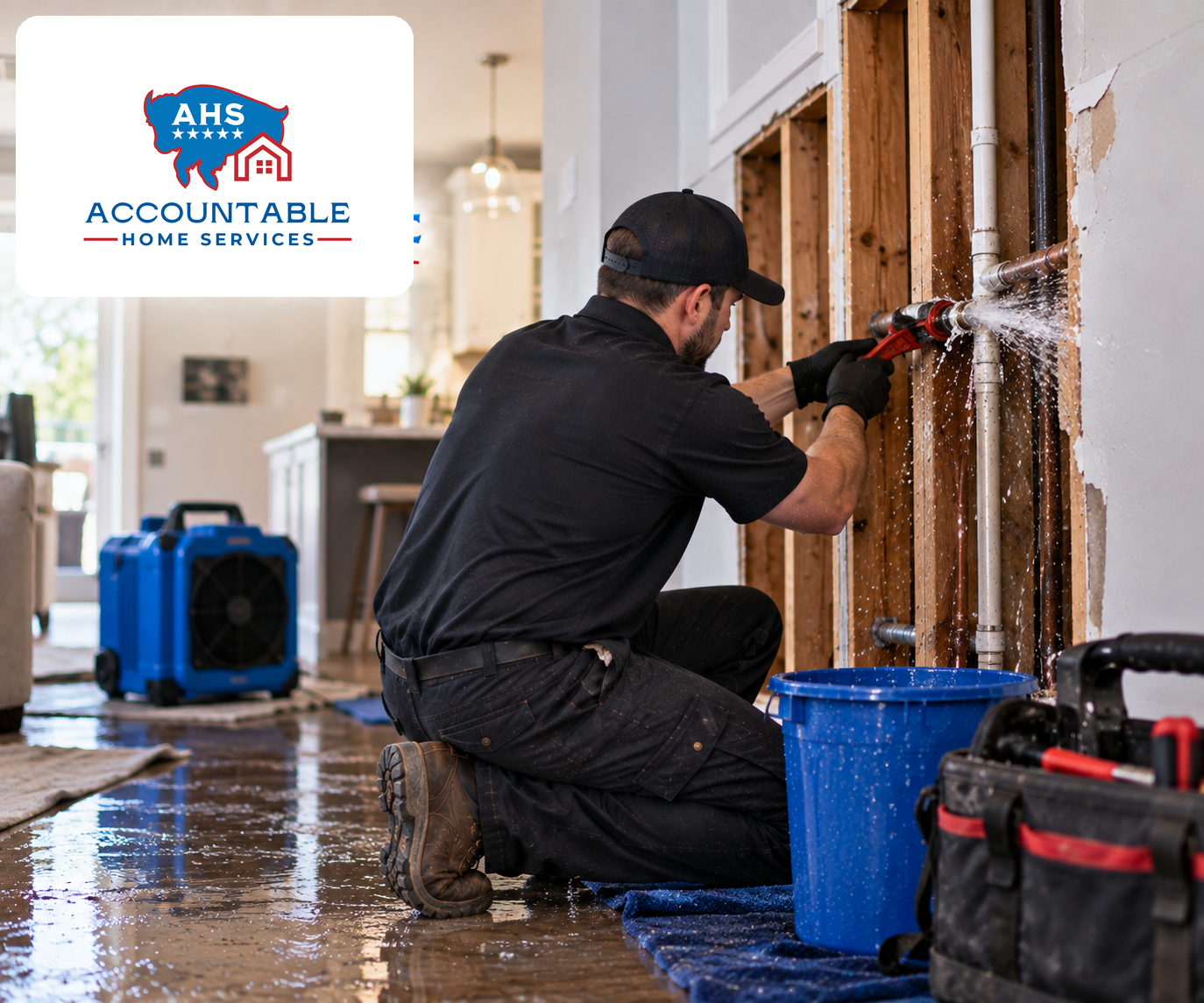
If there is active water intrusion, the immediate priority is to stop or control the water source. That may involve a plumber repairing a supply line, a roofer addressing a leak, maintenance staff shutting down a fixture, or a restoration team extracting water after a flood. Mold removal for businesses works best when the cause is corrected early, because cleaning visible growth without correcting moisture often leads to repeat complaints.
For property managers and office managers, communication also matters in the first hour. Tenants and employees do not need alarmist language, but they do need clear direction about access, safety boundaries, and who is handling the issue. A calm notice that the area is being evaluated, access is being controlled, and professional help has been contacted is usually better than silence or speculation.
Why commercial mold problems need a different response
Commercial mold removal is often more complex than residential cleanup because the building is usually occupied, regulated by leases and operating schedules, and connected to multiple stakeholders. A single moisture source can affect offices, retail suites, mechanical rooms, storage areas, shared walls, or units above and below the original leak. In multifamily buildings, multifamily mold remediation may involve tenants, owners, maintenance teams, insurance representatives, and sometimes temporary access planning across several units.
Denver properties also face practical building challenges. Temperature swings, snowmelt, roof drainage issues, aging plumbing, mechanical condensation, and intermittent humidity conditions can all contribute to hidden moisture commercial building concerns. A wall can look dry from the hallway while moisture remains trapped behind vinyl base, cabinetry, insulation, or layered finish materials.
That is why professional mold removal Denver teams typically look beyond what is visible. The job is not simply to apply a product and make staining disappear. Proper commercial mold remediation Denver work focuses on source control, containment, removal, cleaning, drying, verification, and documentation.
Common signs that a commercial property needs inspection
A mold inspection commercial property visit is appropriate when there are visible stains, musty odors, recurring moisture, or tenant complaints that do not have an obvious explanation. Commercial tenants may report irritated odors in one office, a damp wall after storms, or a storage room where boxes feel soft or smell musty. Building owners may see repeated paint bubbling, ceiling tile discoloration, or flooring that will not stay adhered.
Common warning signs include:
- Persistent odors: A musty smell that returns after cleaning often points to damp porous materials or concealed cavities.
- Recurring stains: Ceiling tiles, drywall, baseboards, and carpet edges that discolor repeatedly may indicate an unresolved leak.
- Recent water damage: Burst pipes, drain backups, roof leaks, appliance failures, and sprinkler line issues can lead to commercial water damage mold if drying is delayed or incomplete.
- Tenant or employee reports: Complaints from a specific room, suite, or floor should be logged and investigated, not dismissed.
- HVAC concerns: Condensation, dirty returns, clogged drain pans, or poor airflow can contribute to moisture imbalance and odor movement.
- Soft or deteriorated materials: Swollen trim, sagging drywall, delaminated flooring, or crumbling substrate may indicate prolonged dampness.
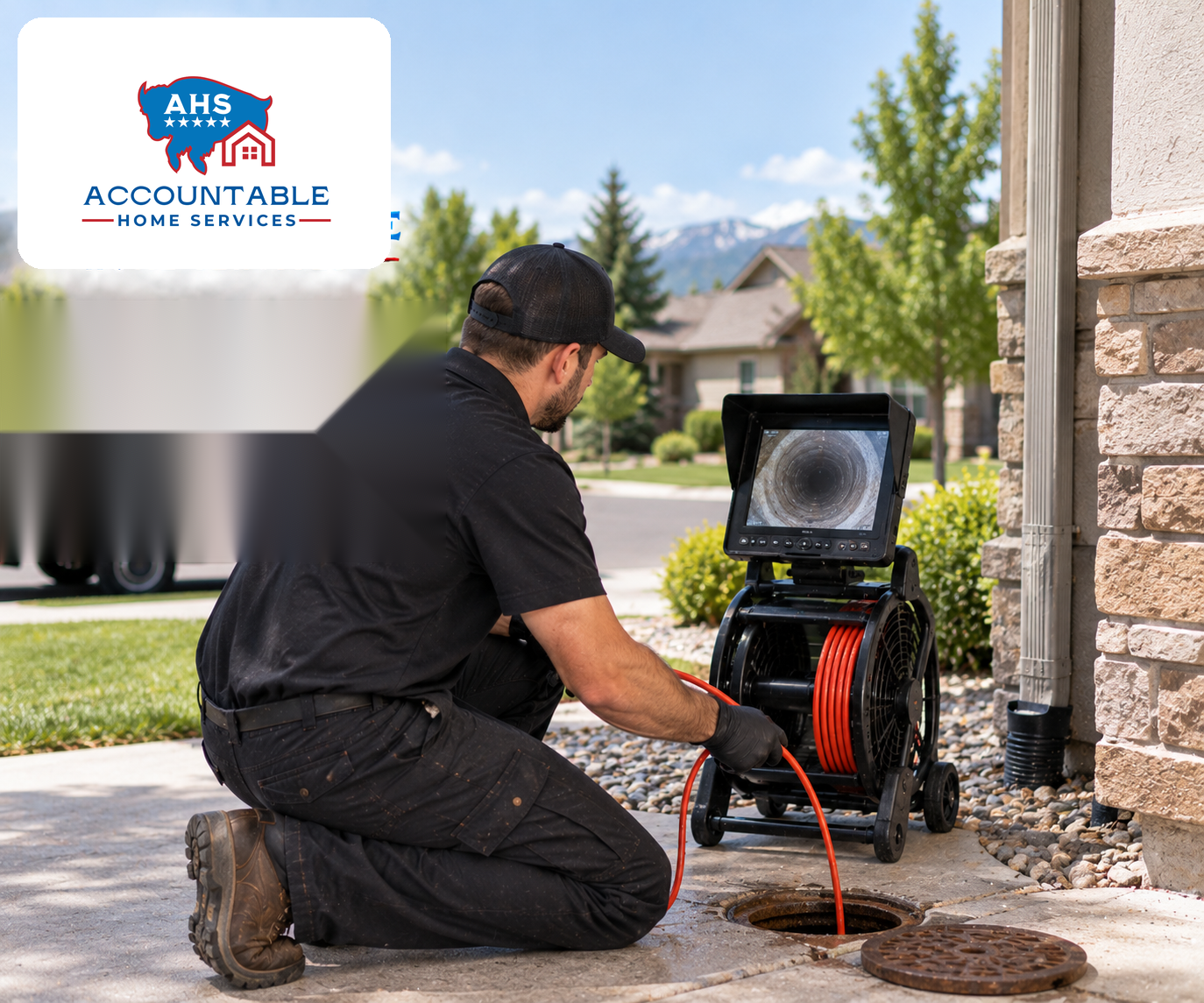
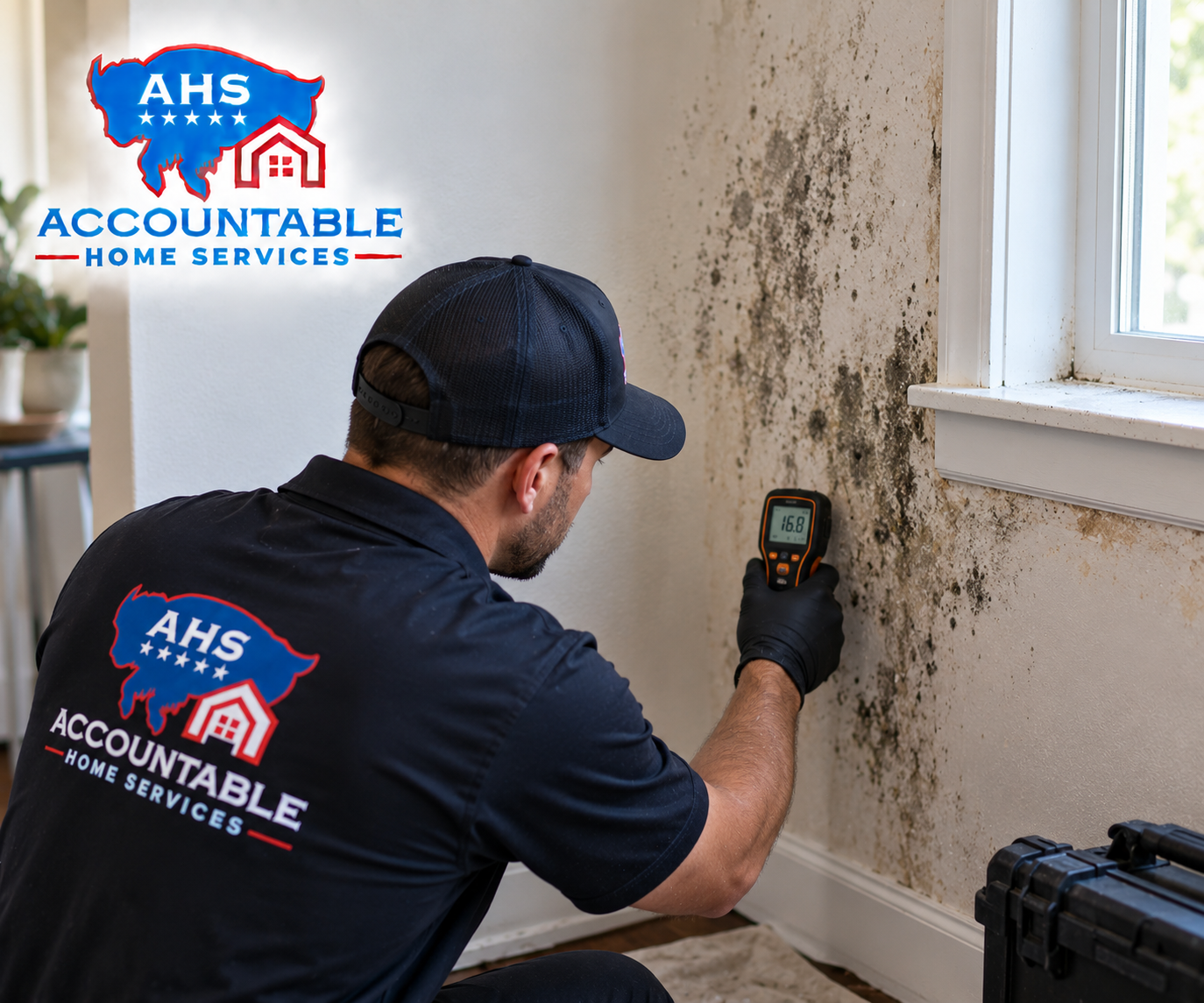
Mold inspection services may include moisture mapping, visual assessment, material evaluation, and recommendations for containment or further testing when needed. Testing is not always required to begin correcting an obvious water and mold issue, but it may be helpful when the scope is unclear, occupants have concerns, or documentation is needed for a claim or dispute.
The commercial mold remediation process
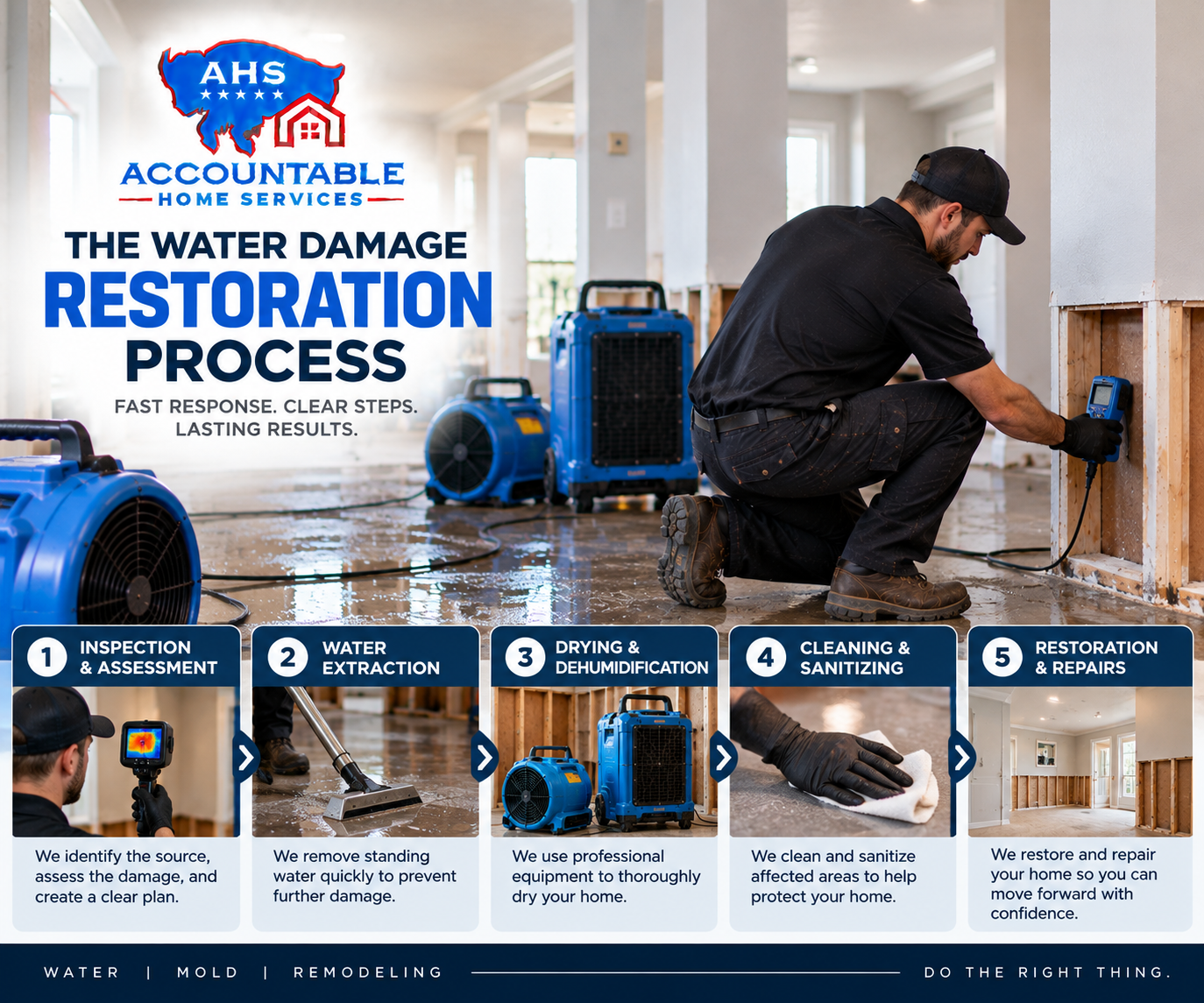
A good remediation plan should be organized enough that the property manager, owner, tenant, plumber, and insurance agent can understand what is happening and why. The exact scope depends on the building, the affected materials, and the moisture source, but most mold remediation services follow a similar sequence.
1. Identify and correct the moisture source
No remediation plan is complete until the water problem is addressed. This may mean repairing a pipe, correcting exterior drainage, replacing failed sealants, servicing HVAC equipment, or addressing roof defects. If the source is still active, containment and removal may be premature because new moisture can keep feeding the problem.
Documentation should begin here. Photos of the leak source, moisture readings, affected rooms, damaged contents, and initial conditions can support internal records and insurance communication. For plumbers who are called first, a quick referral to a restoration partner after the repair can help prevent the customer from assuming the plumbing fix also solved the drying or mold risk.
2. Contain affected areas
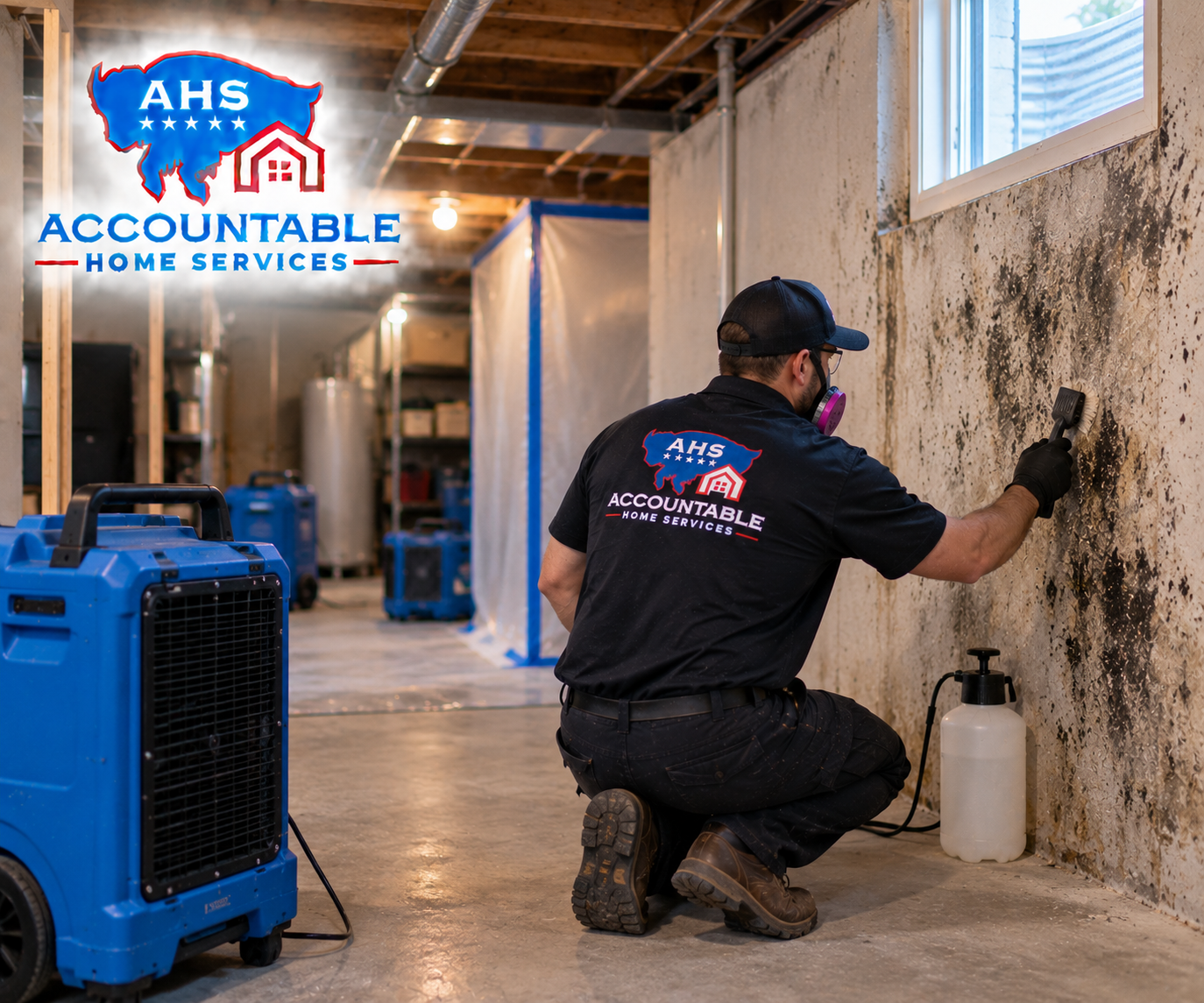
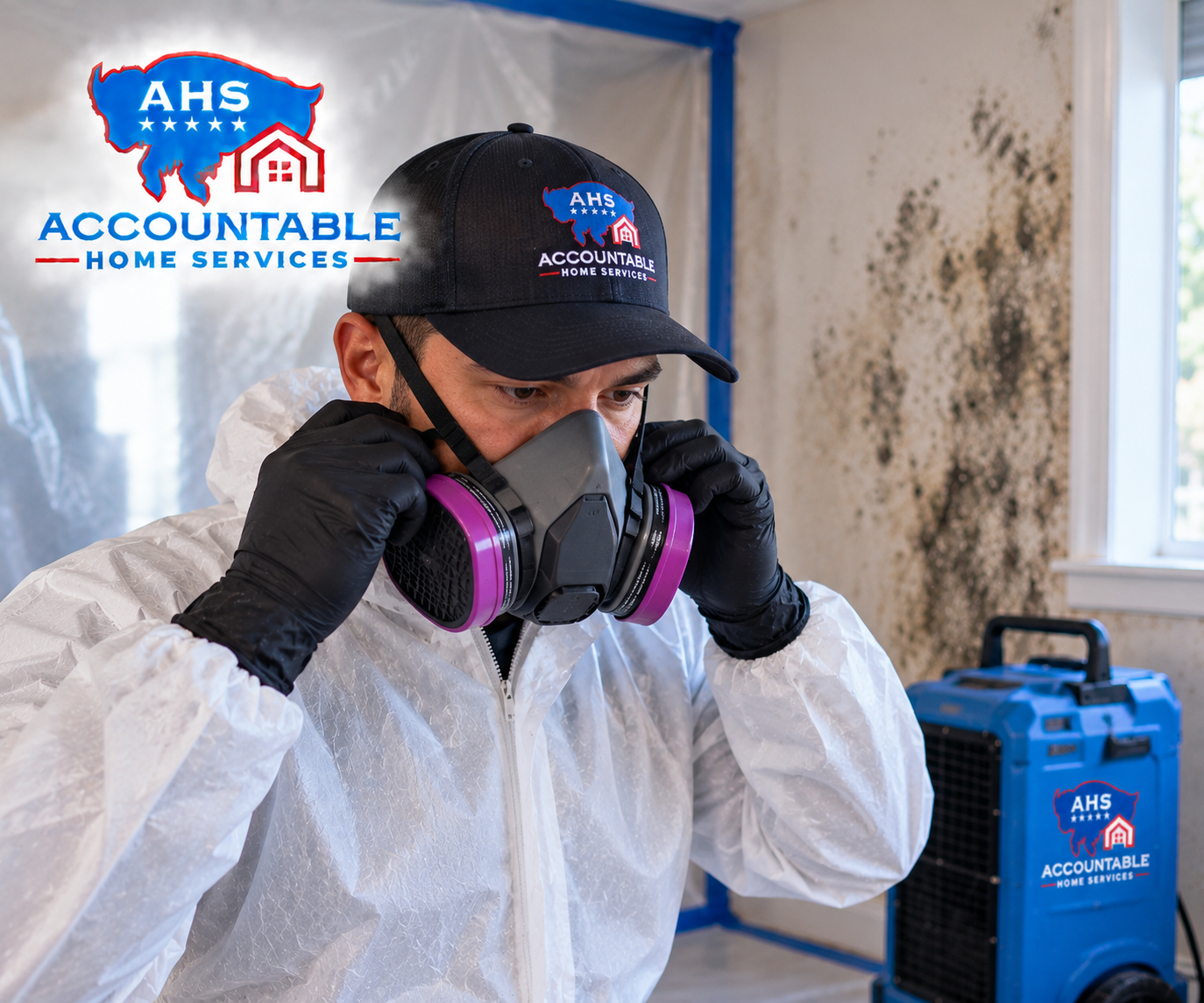
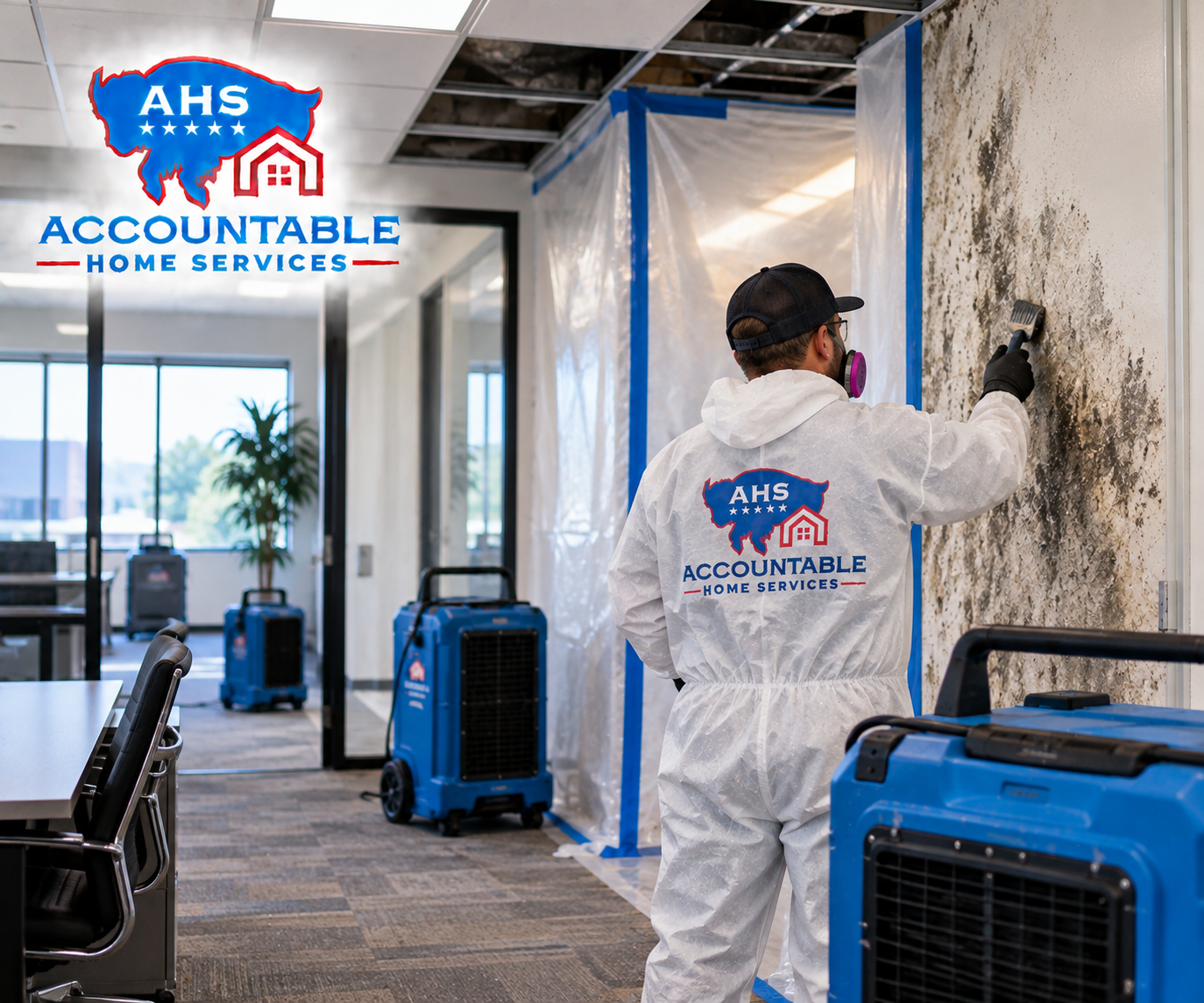
Containment helps keep dust, spores, and debris from moving into clean areas during demolition or cleaning. Depending on the project, this may include plastic barriers, sealed work zones, negative air equipment, controlled entry points, and protection for adjoining spaces. In an office, containment may protect conference rooms or occupied workstations. In multifamily mold remediation, it may protect shared hallways and neighboring units.
Containment is also a communication tool. It shows tenants and employees that access is controlled and that the work is being handled intentionally. Clear signage and access instructions reduce confusion and help property managers avoid unnecessary complaints.
3. Minimize disruption while protecting the building
Business continuity matters, but it should not override proper containment and removal. A commercial restoration Denver team should help plan the work around building access, tenant schedules, security requirements, elevators, loading areas, noise limits, and after-hours needs when practical. Office mold removal may be phased so unaffected spaces remain usable, while higher-risk areas stay closed.
The goal is not to make the job invisible. The goal is to keep the project controlled, documented, and as efficient as the conditions allow. When a property manager can tell an owner or tenant what area is closed, what work is underway, and what the next decision point is, the entire process tends to feel more manageable.
4. Remove contaminated materials
Porous materials with mold growth are often removed rather than cleaned in place. This can include drywall, insulation, carpet pad, ceiling tiles, damaged trim, and some contents. Semi-porous or non-porous materials may be cleaned when they are structurally sound and appropriate for remediation.
This is where black mold removal Denver searches can become confusing. Many people use “black mold” to describe any dark growth, but appearance alone does not confirm the type of mold. The practical question is whether contaminated material can be safely cleaned or should be removed under controlled conditions.
5. Clean surfaces and filter the air
After removal, remaining structural materials may be cleaned using appropriate methods such as HEPA vacuuming, damp wiping, and controlled disposal procedures. Air filtration equipment may be used to reduce airborne particles during the work. The specific method should match the materials, the extent of contamination, and the building use.
Chemical products alone are not a complete remedy. Stain removal may improve appearance, but remediation requires removal or cleaning of contamination and correction of the underlying moisture condition. If a product makes a surface look better while damp materials remain hidden behind it, the building has not truly been restored.
6. Dry the structure
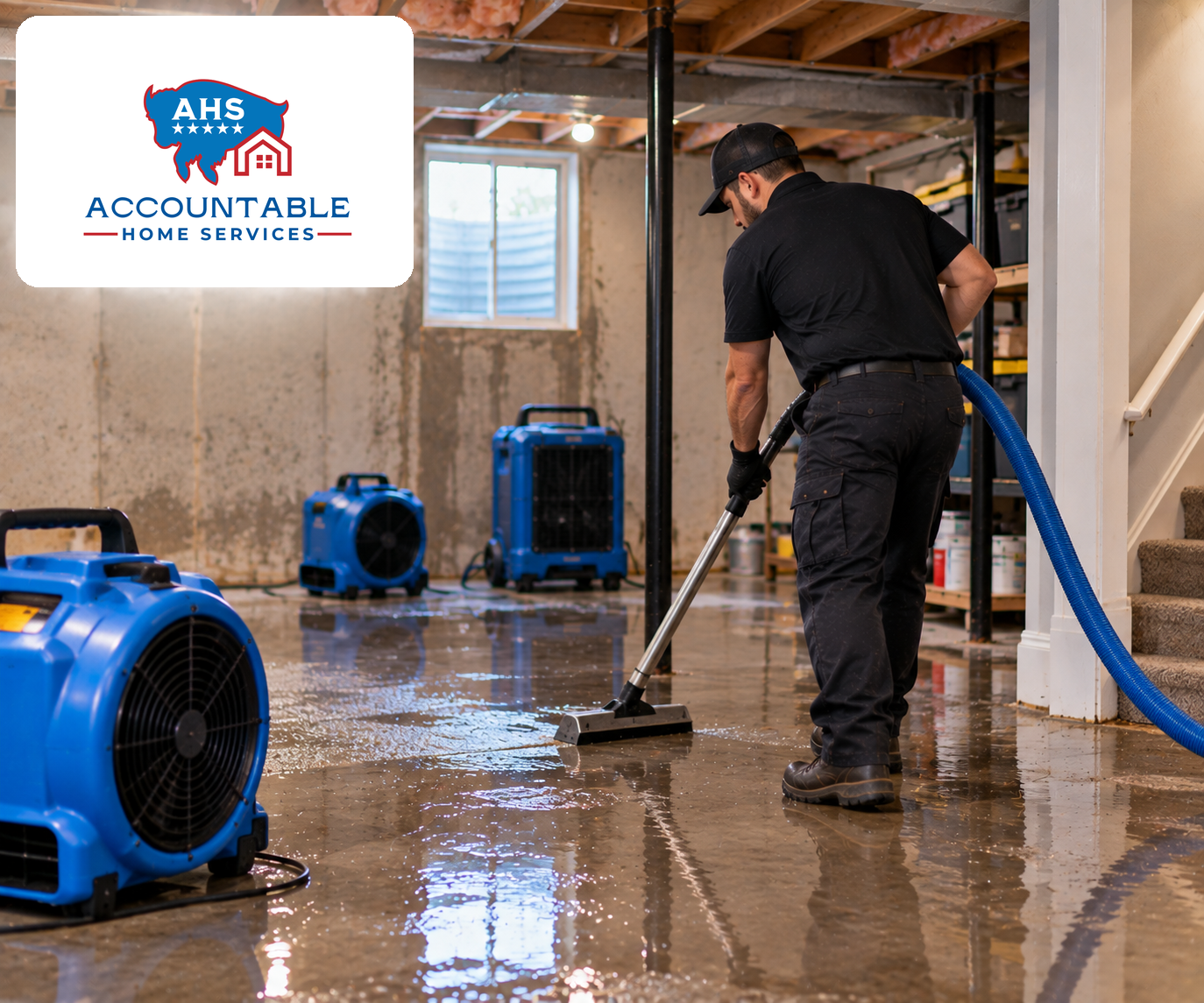
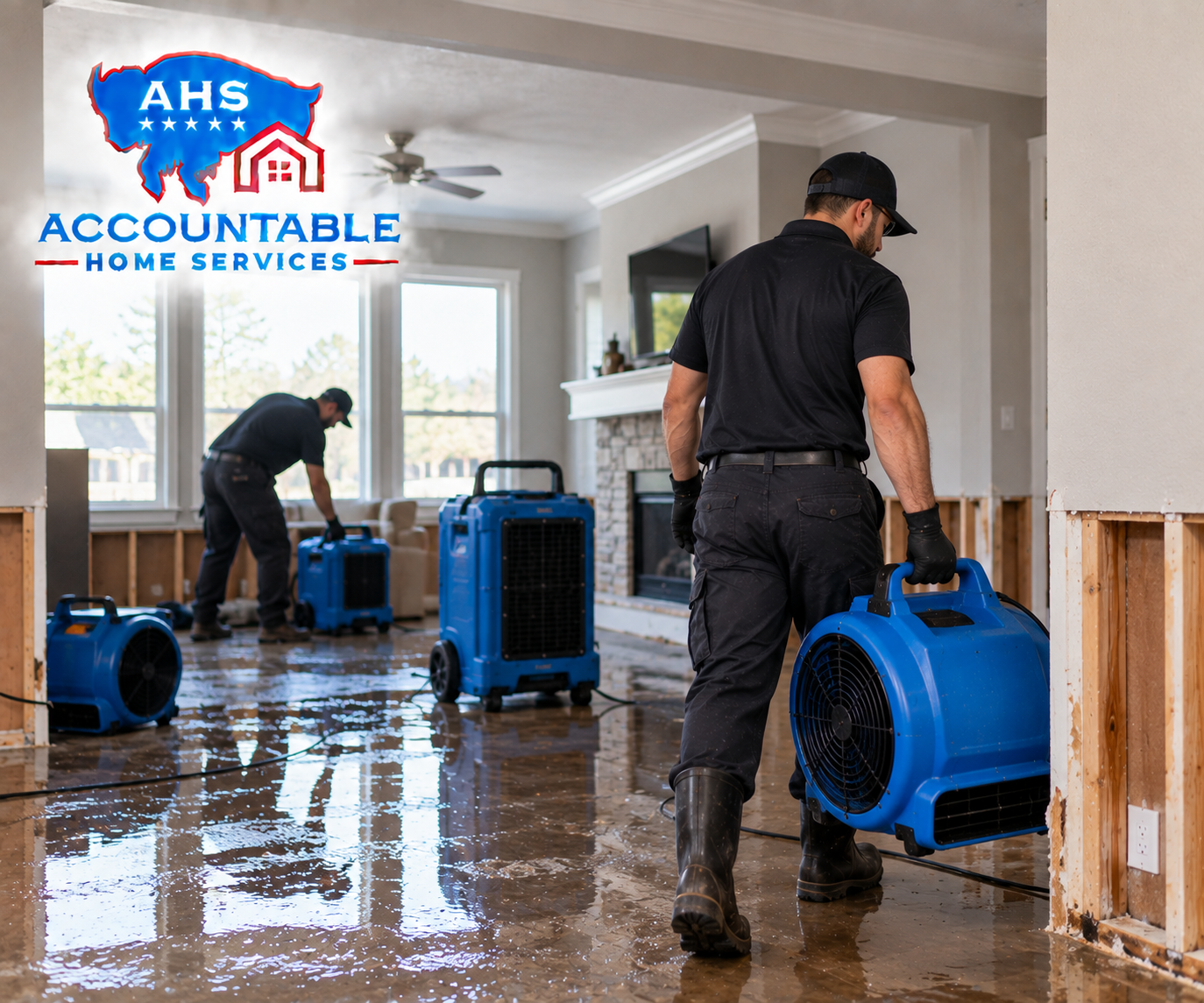
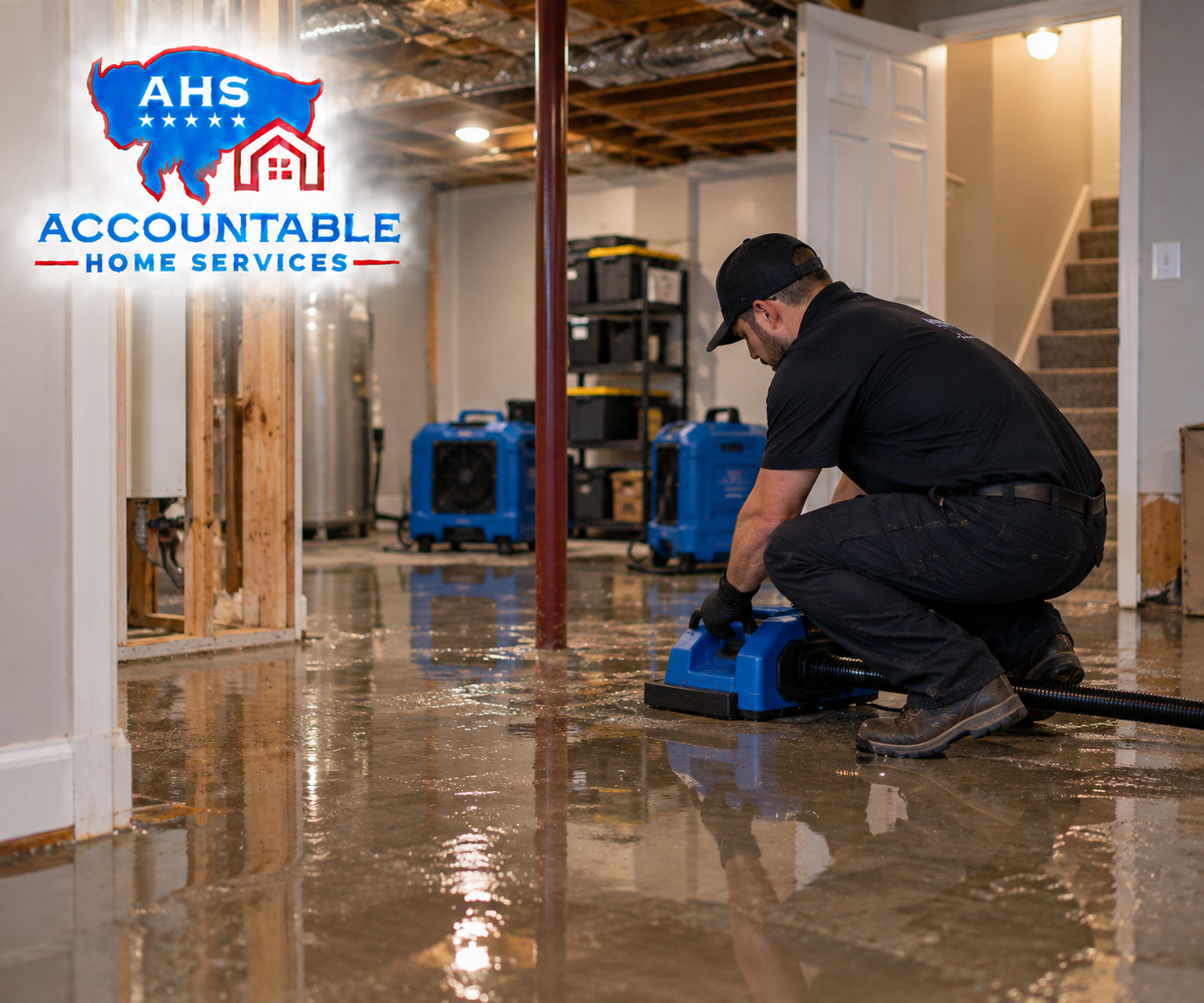
Drying is a critical step in commercial mold removal Denver CO projects, especially after leaks, floods, or drain backups. Restoration teams may use air movement, dehumidification, controlled demolition, and moisture monitoring to bring affected materials back toward normal conditions. Drying should be measured, not guessed.
In commercial spaces, this may involve checking wall cavities, under cabinets, behind baseboards, beneath flooring, and around mechanical penetrations. A hidden moisture commercial building problem can persist long after surfaces appear dry, especially where airflow is limited.
7. Document the work and return the space to use
A well-managed project should create a clear record of what was found, what was removed, how the building was dried, and what areas were restored. This documentation can help building owners, property managers, insurance agents, and tenants understand the basis for decisions. It can also reduce confusion when invoices, claim questions, lease concerns, or repair approvals arise later.
Returning the property to use should happen after the affected materials have been addressed, the source has been corrected, drying goals have been met, and necessary repairs are complete. Depending on the situation, clearance testing or a third-party evaluation may be appropriate before reoccupancy.
Documentation that helps property managers and insurance agents
Insurance claims can become difficult when the timeline is unclear. Property management mold remediation records should show when the issue was reported, who responded, what was observed, what emergency measures were taken, and what changed over time. Good documentation does not guarantee coverage, but it can make the claim easier to understand.
Helpful records include:
- Date and time of the first report
- Photos and video of visible damage before work begins
- Notes from tenants, maintenance staff, plumbers, or office managers
- Moisture readings and affected-area diagrams when available
- Cause-of-loss information, such as a failed supply line or roof leak
- Work authorizations, containment photos, and disposal records
- Drying logs and equipment placement notes
- Repair recommendations and completion photos
For insurance agents, clear restoration documentation protects the client experience. Clients are often stressed, unfamiliar with the claim process, and worried about whether they made the right decisions. A restoration partner that communicates plainly and documents consistently can reduce back-and-forth and help preserve trust.
How should you choose a commercial mold removal company in Denver?
Choose a company that can explain the scope clearly, respond quickly, document conditions, and handle commercial building logistics without creating unnecessary disruption. Look for relevant training, experience with occupied properties, appropriate containment equipment, and a willingness to coordinate with plumbers, property managers, tenants, owners, and insurance representatives. The right provider should be direct about what can be cleaned, what likely needs removal, and what moisture source must be corrected before the job can be considered stable.
When evaluating commercial mold removal or professional mold removal Denver providers, consider these points:
- Commercial experience: Ask whether the company has handled offices, retail spaces, multifamily buildings, warehouses, or other business properties.
- Mold and water damage capability: Mold often follows water damage, so experience with mitigation, drying, and commercial water damage mold conditions matters.
- Containment practices: The company should be able to describe how it will separate affected areas from occupied or clean spaces.
- Documentation habits: Ask what photos, moisture records, reports, and completion documents are typically provided.
- Insurance coordination: The company should understand how to communicate with adjusters without promising coverage or speaking beyond its role.
- Scheduling flexibility: For office mold removal and tenant-occupied properties, after-hours work or phased access may be important.
- Plain communication: You should not need to decode technical language to understand the plan.
Prevention after remediation
After remediation, prevention depends on maintenance discipline. Mold does not need a dramatic flood to return; a slow leak, recurring condensation, or damp storage area can be enough. Building owners and property managers should treat moisture checks as part of normal risk management, not as a one-time reaction.
Practical prevention steps include:
- Inspect roofs, windows, exterior penetrations, and mechanical rooms after storms or freeze events.
- Respond quickly to tenant reports of leaks, odors, stains, or damp flooring.
- Keep HVAC systems serviced, including condensate lines, pans, filters, and airflow issues.
- Avoid storing paper goods, cardboard, or porous contents against exterior walls or damp floors.
- Check under sinks, behind appliances, around water heaters, and near janitorial closets.
- Require documentation when plumbing repairs involve water release inside walls, ceilings, or cabinets.
- Use professional drying after significant water damage instead of relying on fans alone.
Commercial tenants also play a role. Tenants should report moisture promptly, avoid blocking vents, and notify management when they notice odors or staining. Early reporting gives owners and managers a better chance to correct a small issue before it becomes a larger restoration project.
A steady process protects the property and the people using it
Commercial mold problems are easier to manage when the response is organized from the start. Identify the source, contain the affected area, reduce disruption where possible, remove contaminated materials, dry the structure, document the work, and verify that the property is ready to return to use. That sequence protects the building and gives everyone involved a clearer path forward.
For property managers, building owners, office managers, commercial tenants, plumbers, and insurance agents, the best outcome usually comes from early action and clear communication. If you suspect a mold issue in a Denver commercial property, do not rely on appearance alone and do not wait for the problem to spread. Bring in qualified help, keep careful records, and make each decision based on moisture control, safe work practices, and the long-term condition of the building.