Respirator for Mold Removal in Westminster, CO: What Homeowners Should Know
Respirator for Mold Removal in Westminster, CO: What Homeowners Should Know
If you are dealing with mold after water damage in Westminster, CO, it is natural to wonder what kind of mask or respirator you need. A respirator can help reduce what you breathe in, but it does not make a mold problem safe by itself. The bigger picture includes moisture control, containment, protective clothing, gloves, eye protection, careful cleanup decisions, and knowing when the situation should be handled by professional mold remediation.
At The Local Restoration Guide, we talk with Denver metro homeowners, plumbers, property managers, and insurance agents who see this issue often after leaks, drain backups, appliance failures, and roof or window intrusions. The goal here is not to turn mold cleanup into a DIY project. It is to help you understand what a respirator can and cannot do, and when mold remediation Westminster CO support is the safer next step.
What respirator should you use for mold removal?
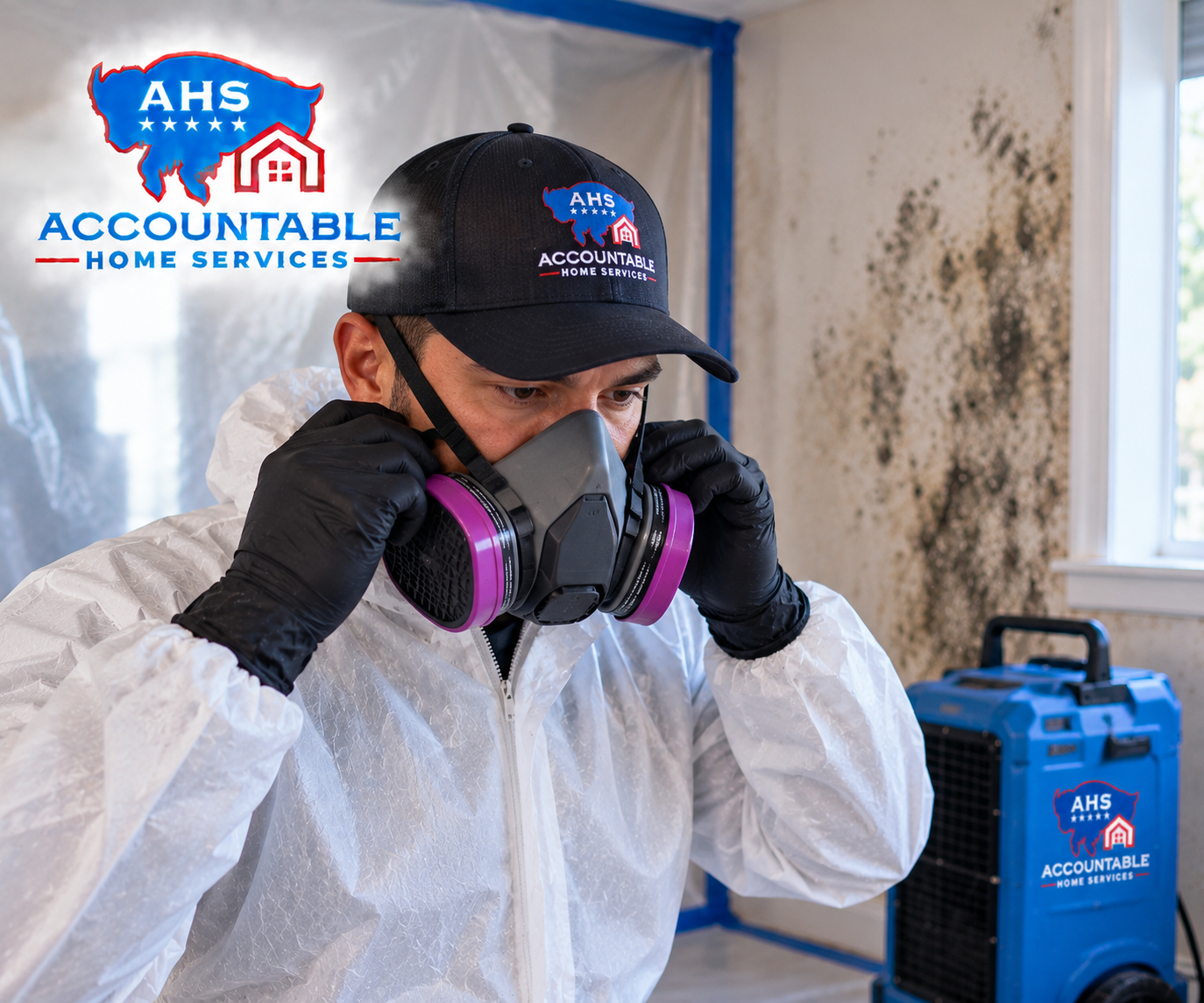
For mold work, a basic dust mask is usually not enough. Many homeowners hear about an N95 for mold, a P100 respirator mold setup, or a black mold respirator and assume the mask is the whole solution. In reality, the right respirator for mold removal depends on the size of the affected area, the type of work being done, whether materials are being disturbed, and whether the respirator fits the person wearing it.
An N95 respirator is designed to filter small airborne particles when it is properly fitted and worn correctly. A P100 respirator offers a higher level of particle filtration and is commonly discussed for heavier mold exposure concerns. Some respirators are disposable, while others are reusable half-face or full-face units with replaceable filters. A simple mold removal mask or general air filter mask may look protective, but if it does not seal to the face and is not rated for the hazard, it can give a false sense of safety.
The important point is simple: a respirator is only one part of mold safety. It may reduce inhalation exposure, but it does not stop mold spores from spreading through the home, protect your eyes or skin, remove the moisture source, or document the damage for an insurance claim.
A respirator does not replace full mold safety
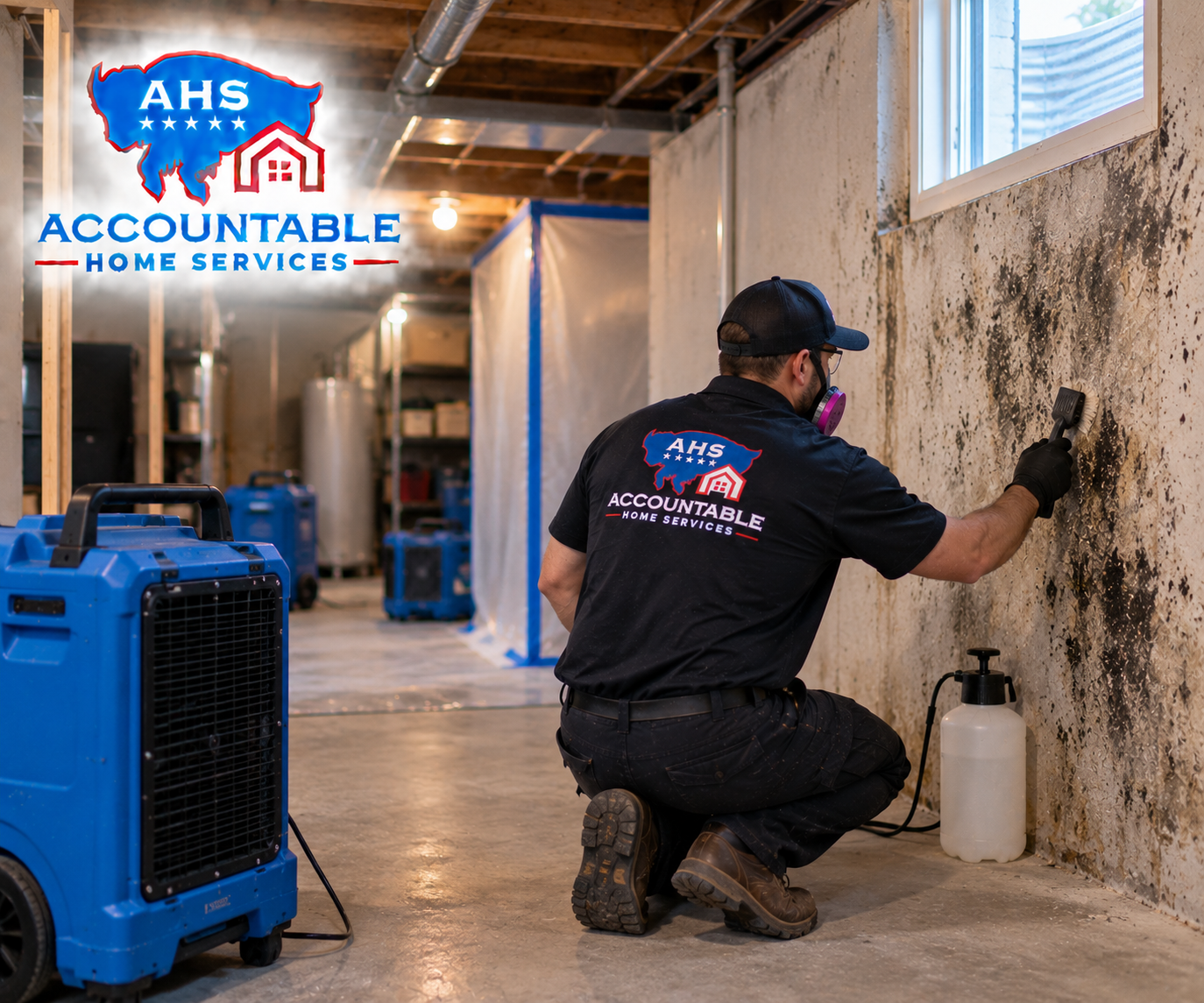
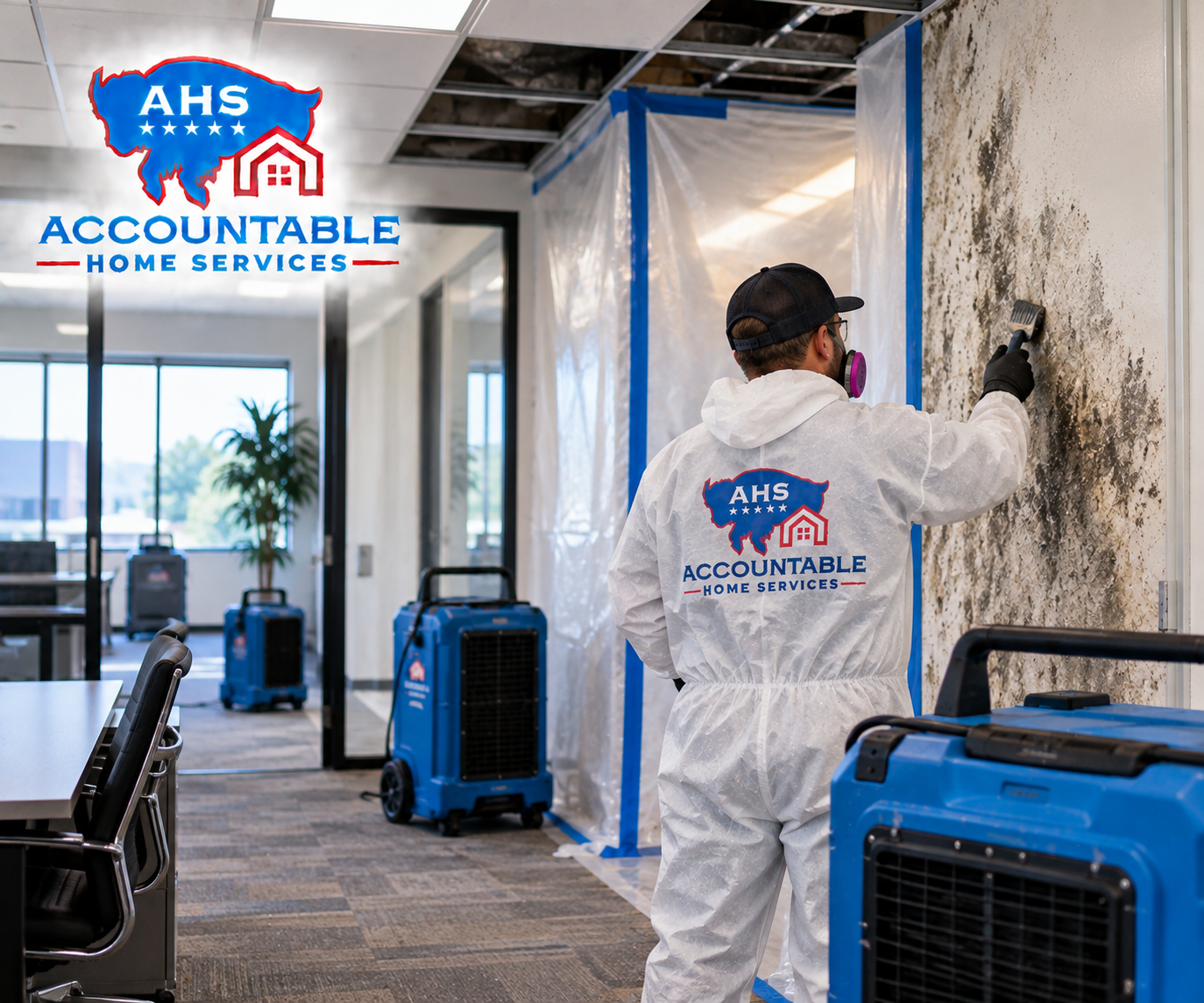
Mold cleanup safety is about controlling the environment, not just covering your mouth and nose. When moldy material is disturbed, particles can become airborne and move into nearby rooms, HVAC systems, closets, and personal belongings. That is why professional mold remediation focuses on isolation, air movement control, removal methods, cleaning, and drying conditions rather than relying on a mold respirator alone.
Key safety elements include:
- Proper containment: Affected areas may need to be isolated so mold particles do not spread into clean spaces.
- Protective clothing: Disposable or washable coveralls can help keep mold from transferring to other rooms, vehicles, or laundry areas.
- Gloves: Mold-damaged materials may be wet, contaminated, or sharp, so hand protection matters.
- Eye protection: Mold particles, dust, and debris can irritate the eyes, especially during removal or demolition.
- Moisture correction: Mold will keep returning if the leak, humidity, condensation, or wet building material is not addressed.
- Knowing when to stop: If the affected area is large, hidden, recurring, or connected to sewage, HVAC, or structural materials, it is time to call a professional.
This is especially important for property managers and plumbers. A plumbing repair may stop the leak, but wet drywall, insulation, flooring, cabinets, and framing may still need drying or evaluation. Referring the customer quickly for mold removal Westminster support can help prevent a small water issue from becoming a larger tenant, owner, or insurance problem.
Why mold after water damage needs quick attention
Mold needs moisture to grow. After a water heater leak, supply line break, sump pump failure, roof leak, or drain backup, building materials can stay damp even when the surface looks dry. Drywall, baseboards, carpet pad, subflooring, insulation, and cabinet toe-kicks can hold moisture out of sight.
This is where homeowners often get stuck. They may clean what they can see, set up fans, and wear a respirator for mold because they want to do something right away. That response is understandable, but surface cleaning does not confirm that the structure is dry. If moisture remains inside materials, mold can continue developing behind walls or under flooring.
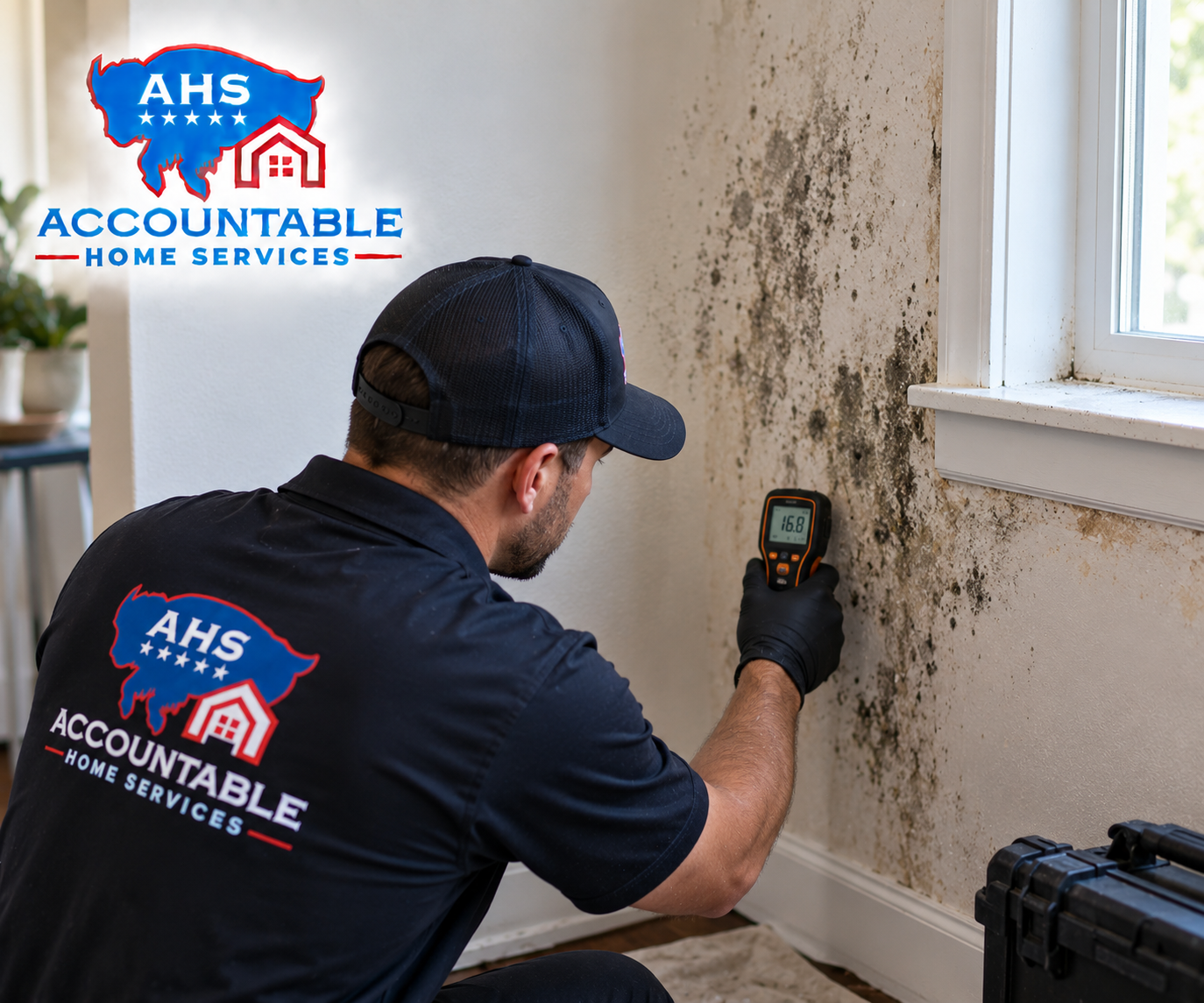
A restoration professional can use moisture readings, visual inspection, and drying knowledge to understand the extent of the problem. That does not mean every small water spot becomes a major project. It means the decision should be based on conditions, not guesswork.
When is a mold removal mask not enough?
A mold removal mask is not enough when mold may be widespread, hidden, repeatedly returning, or connected to ongoing moisture. It is also not enough when cleanup would require tearing out materials, disturbing dusty growth, handling contaminated water damage, or working in tight areas with poor ventilation. In those cases, the concern is not only what you breathe while you are in the room; it is also what gets spread through the property.
Homeowners should be cautious when they see dark staining and start searching for a black mold respirator. Color alone does not confirm the type of mold or the level of risk. Some dark mold may look alarming, and some lighter growth can still be a concern. The safer approach is to focus on conditions: how much material is affected, whether it is wet, whether the source is fixed, and whether disturbance will spread particles.
Professional mold remediation may be appropriate when:
- Mold covers more than a very small, isolated surface area.
- The source of moisture is unknown or not fully repaired.
- Mold is near HVAC returns, ducts, or air movement pathways.
- Wet materials include drywall, insulation, carpet pad, cabinets, or subflooring.
- The property has vulnerable occupants or tenant complaints.
- There is sewage, drain backup, or long-standing moisture.
- The homeowner, agent, plumber, or property manager needs clear documentation.
For insurance agents, this is where communication matters. Clients are often worried, frustrated, and unsure whether mold is covered, excluded, limited, or tied to the original water loss. A restoration partner that documents moisture conditions, affected materials, photos, drying steps, and recommendations can help reduce confusion during the claim process.
How professionals think about mold PPE
Mold PPE is the group of protective equipment used to reduce exposure during assessment, cleanup, and removal. It can include a respirator for mold removal, gloves, eye protection, disposable clothing, shoe covers, and other job-specific gear. The exact setup depends on the conditions and the scope of work.
A respirator for mold must fit correctly. Facial hair, gaps around the nose, loose straps, or the wrong filter can make even a good respirator less effective. Reusable respirators also need proper cartridges or filters, cleaning, storage, and maintenance. This is one reason mold PPE is not as simple as grabbing a mask from a shelf.
Professionals also think about what happens outside the affected room. They look at how workers enter and exit, how debris is bagged, whether dust can escape, and how to keep unaffected areas clean. The respirator protects the worker; containment protects the property.
Containment and moisture correction are the real foundation
If there is one idea to remember, it is this: the respirator is not the foundation of mold safety. Containment and moisture correction are. Without containment, disturbed mold can travel. Without moisture correction, mold can return.
Proper containment may involve separating the affected area from the rest of the property and controlling airflow so particles are not pushed into clean spaces. This is not just for large commercial losses. Even in a home or rental unit, poor handling can spread a localized issue into hallways, bedrooms, or living areas.
Moisture correction means finding and addressing the source. That could involve a plumber repairing a failed line, a roofer addressing an intrusion, or a restoration team drying affected materials. Once the source is fixed, the remaining materials still need to be evaluated. Some materials can be cleaned and dried. Others may need removal because they are damaged, porous, or holding contamination.
Documentation helps homeowners and claim partners
Mold and water damage situations can become stressful because everyone wants clear answers quickly. Homeowners want to know what happened, what is safe, and what it may cost. Insurance agents want their clients guided clearly without unnecessary drama. Property managers need tenant communication, owner updates, and records that show the issue was handled responsibly.
Good documentation may include:
- Photos of the affected areas before work begins.
- Notes about the likely water source and visible damage.
- Moisture readings where appropriate.
- Description of affected materials.
- Containment or protection measures used.
- Drying or removal recommendations.
- Communication records with the homeowner, tenant, manager, plumber, or adjuster.
Documentation does not guarantee claim coverage, and restoration companies do not decide coverage. But clear records can support the conversation and help everyone understand what was found, what was done, and why certain steps were recommended.
Practical takeaways for Westminster homeowners
If you are choosing a respirator for mold, understand that the mask is only one layer of protection. An N95 for mold or a P100 respirator mold option may be discussed depending on exposure, but neither one solves the cause of the problem. Mold safety includes the person, the room, the materials, and the moisture source.
Keep these points in mind:
- Do not rely on a basic dust mask. Look for properly rated respiratory protection, and understand that fit matters.
- Do not disturb large or hidden mold. Cutting, sanding, pulling, or tearing materials can release particles.
- Look for the water source. Mold after water damage usually points back to moisture that must be corrected.
- Think beyond breathing protection. Gloves, eye protection, protective clothing, and containment are critical.
- Call for help when the situation is bigger than it looks. Hidden moisture, recurring growth, tenant concerns, or insurance involvement are good reasons to bring in a professional.
The safest next step
A respirator for mold removal can be useful, but it is not a complete mold safety plan. For Westminster homeowners, the safer path is to understand the role of the respirator, avoid spreading contamination, correct the moisture problem, and bring in professional mold remediation when the scope is unclear or growing.
If you are a homeowner, plumber, property manager, or insurance agent dealing with mold after water damage, clear communication and proper documentation matter from the beginning. The Local Restoration Guide is here to help you make sense of the situation, know when to pause, and choose a responsible next step for mold remediation Westminster CO needs.