How to Test for Black Mold in Louisville, CO: What Homeowners Should Know
How to Test for Black Mold in Louisville, CO: What Homeowners Should Know
If you are worried about black mold in your Louisville, CO home, the first thing to know is this: mold testing is not just about naming the mold. The more important work is finding the moisture source, checking how far the growth has spread, and deciding whether cleanup can be handled safely or needs professional help. The Local Restoration Guide explains how to test for black mold in Louisville, CO in a practical way, without panic or guesswork.
Can you identify black mold by looking at it?
No, you cannot reliably identify black mold by color alone. Many types of mold can look black, dark green, gray, or brown depending on the surface, moisture level, age of the growth, and lighting in the room. When homeowners ask, “Is this black mold?” the honest answer is that visual clues may raise concern, but lab testing is needed to identify the mold type with more confidence.
That said, species identification is not always the first priority. If mold is growing indoors, there is a moisture problem that needs attention. Whether the growth is in a bathroom, basement, wall cavity, or around a window, the main goal is to stop the water source and understand the extent of contamination before repairs cover it back up.
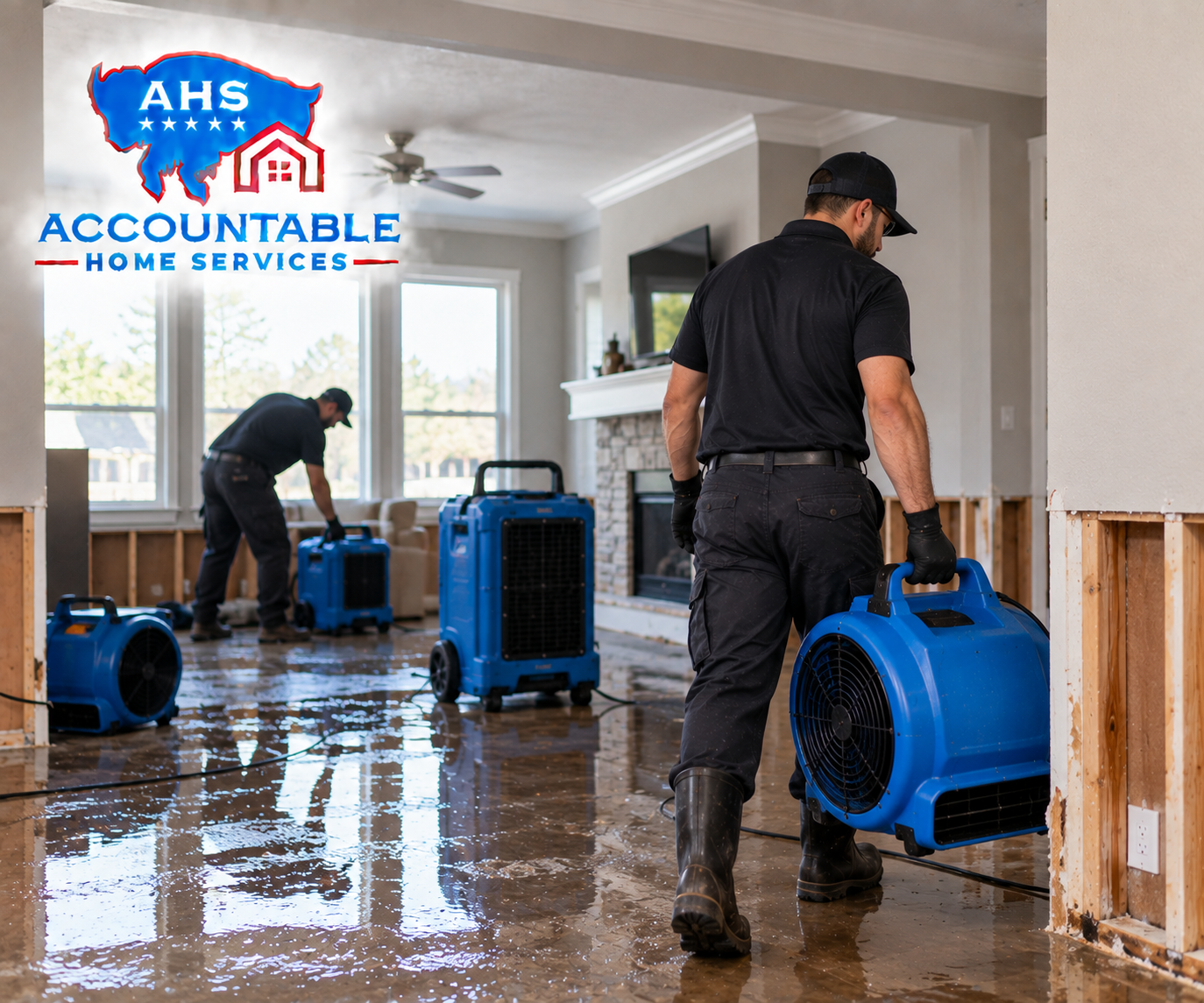
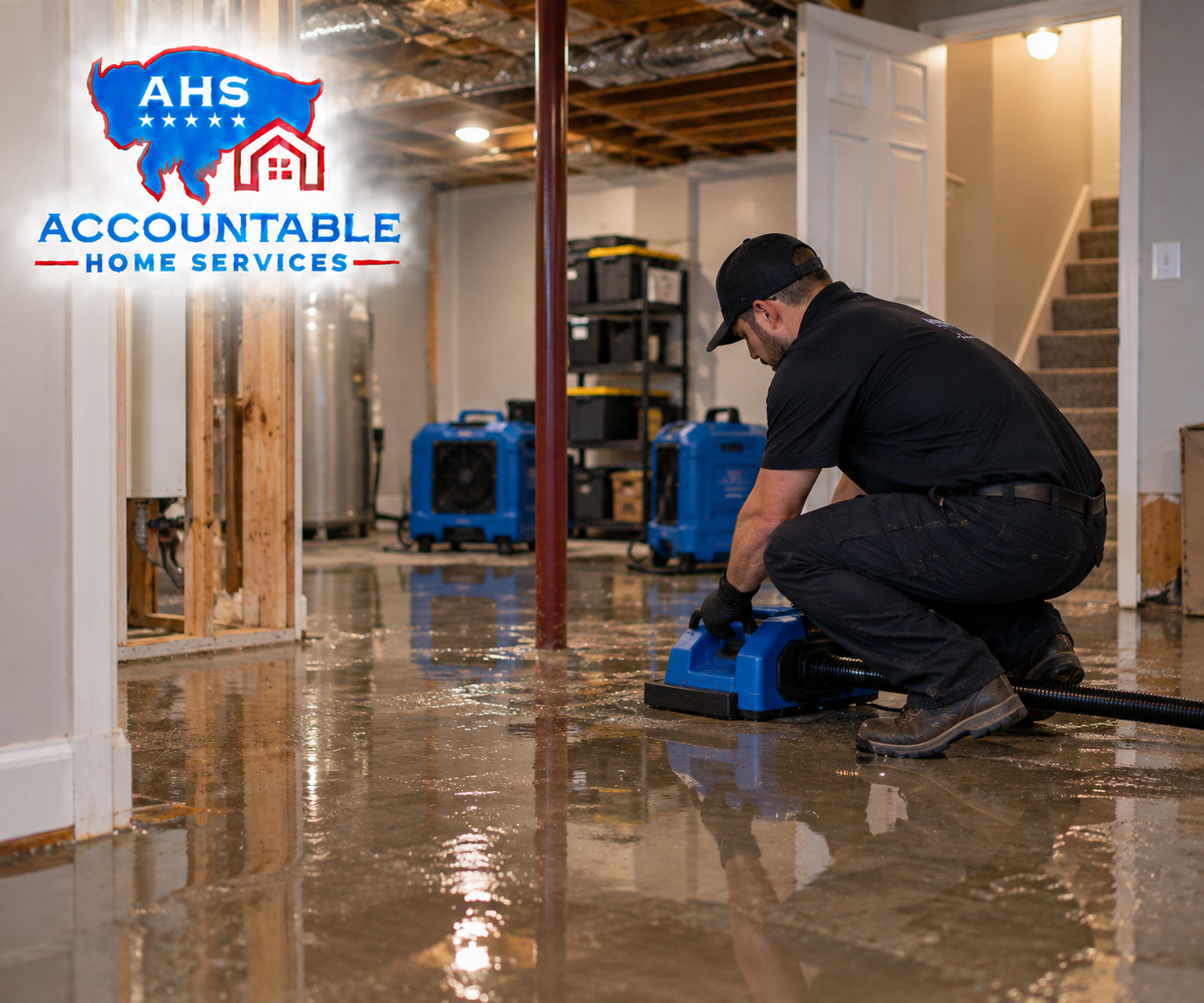
This matters in Louisville homes because leaks, snowmelt, roof issues, sump pump problems, and plumbing failures can all create damp materials. Mold after water damage can start as a small spot, then spread behind drywall, under flooring, or inside cabinets if the area is not dried correctly.
What homeowners should check before testing
Before buying a DIY mold test kit or calling for black mold testing, take a slow walk through the area and look for moisture clues. Mold needs water or high humidity to grow, so the source tells you more than the color does.
Check for:
- Recent leaks from supply lines, drain lines, water heaters, dishwashers, toilets, or washing machines
- Musty odors that get stronger in closed rooms, closets, basements, or cabinets
- Staining, bubbling paint, soft drywall, swollen trim, or warped flooring
- Condensation around windows, exterior walls, crawl spaces, or poorly ventilated bathrooms
- Past water damage that was cleaned up but may not have been fully dried
- Basement seepage, sump pump backup, or damp carpet near foundation walls
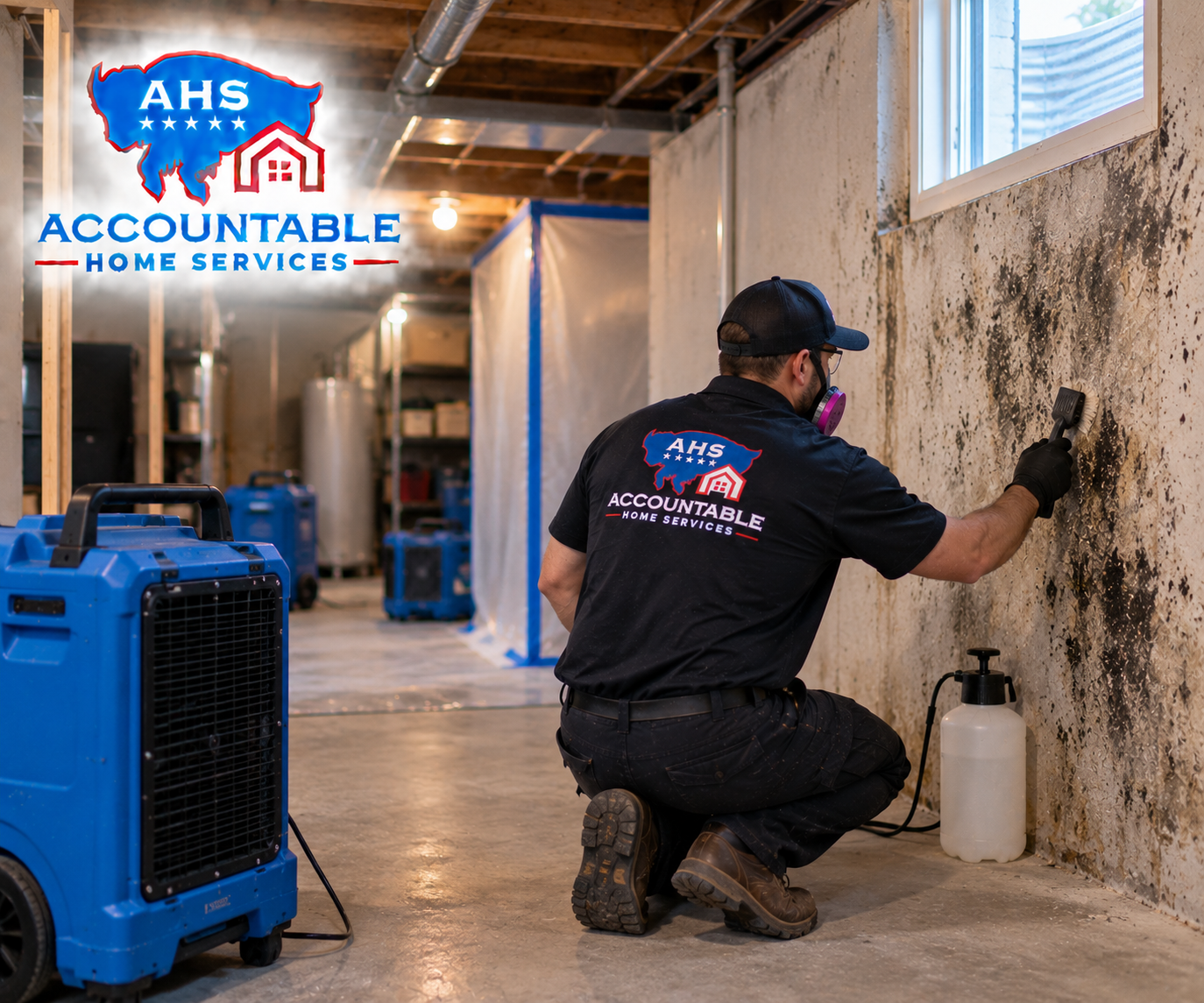
If you see black mold in basement areas, do not assume the visible spot is the full problem. Basements often have hidden moisture paths, especially behind finished walls, under carpet pad, and around baseboards. Hidden mold in walls is common when water travels farther than expected before anyone notices it.
For insurance agents, plumbers, and property managers, this is also the point where clear notes and photos help. Document what was found, when it was discovered, what rooms were affected, and whether an active leak is still present. Good documentation can support an insurance claim and reduce confusion later.
Common ways to test for mold
There are several ways to approach mold testing Louisville CO homeowners may consider. Each option has a different purpose, and none of them replaces fixing the moisture problem.
Visual inspection and moisture checks
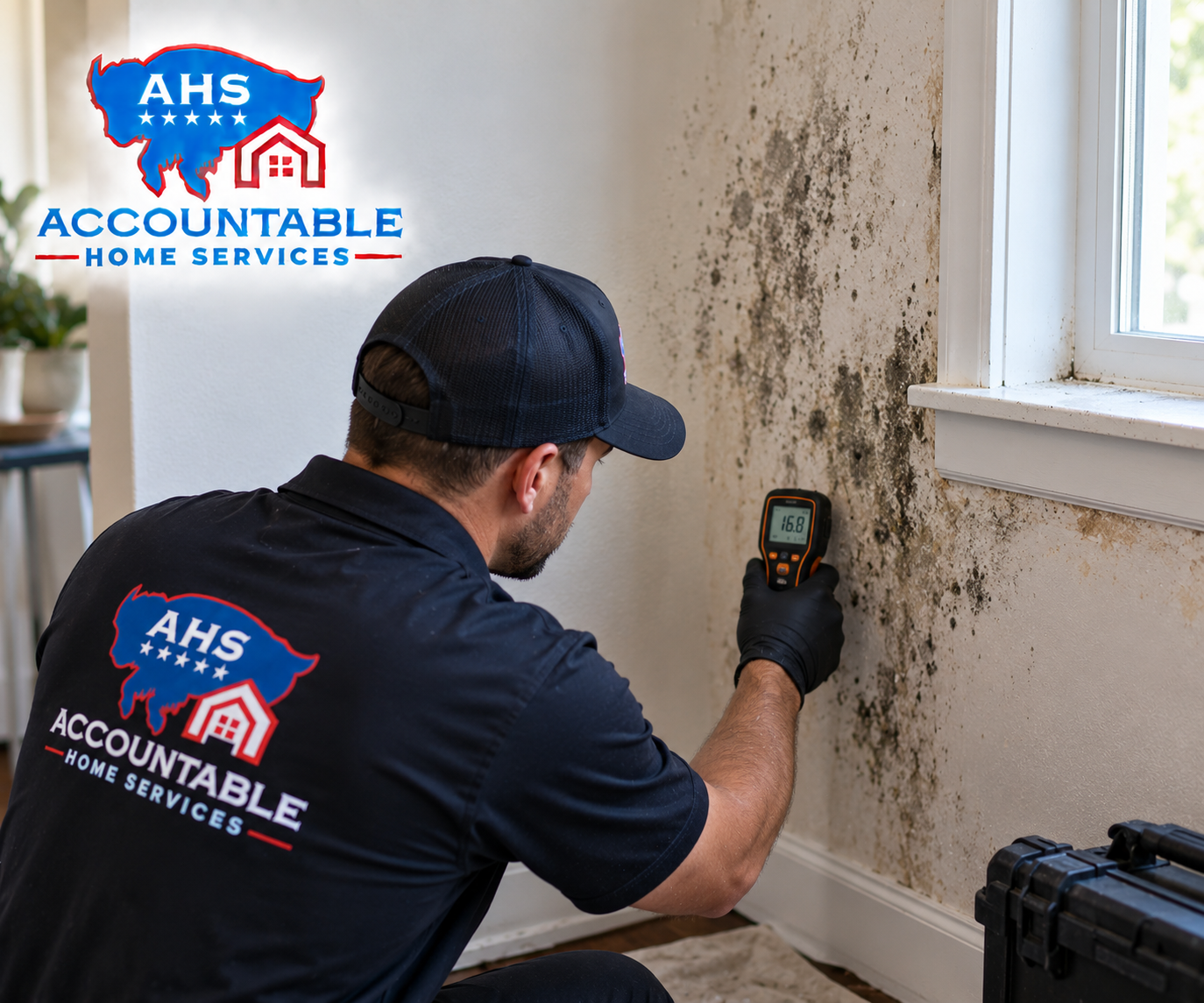
A careful inspection is often the best starting point. A restoration professional or qualified inspector can look for visible growth, water staining, moisture in materials, and conditions that may support mold. Moisture meters, thermal imaging, and controlled inspection openings may help locate damp areas that are not obvious from the room side.
This step is useful because mold testing without moisture assessment can miss the bigger issue. A lab result may tell you what was captured in one sample, but it will not automatically explain where the water came from or how far the damage goes.
Surface sampling
Surface sampling may be used when visible growth needs lab review. A sample is collected from the material and sent to a lab for analysis. This can help identify types of mold present on that specific surface, but it only represents the sampled area.
Surface testing can be helpful before mold remediation, especially when documentation is needed. It can also be useful when there is a dispute about whether staining is mold or something else. Still, a clean result from one area does not prove the entire home is clear.
Air sampling
Air sampling measures mold spores in the air at the time of testing. It is often compared with an outdoor sample or samples from unaffected areas. Air testing may help when there is a musty smell, health concerns, or suspected hidden growth but limited visible mold.
Air samples can change based on weather, HVAC operation, cleaning activity, humidity, and even whether doors and windows were open. That is why results should be interpreted along with inspection findings, not treated as the whole answer.
DIY test kits
A DIY mold test kit may seem like a simple way to answer the question, “Do I have black mold?” These kits usually involve placing a dish, swab, or strip in the area and mailing it to a lab or watching for growth at home.
The limitation is that mold spores are naturally present in most indoor and outdoor air. A kit may grow mold because spores landed on it, not because there is a serious hidden problem. Some kits do not show where the mold is coming from, how much growth exists, whether materials are wet, or whether the affected area needs professional containment.
DIY kits can also be unreliable for accurate mold identification if samples are contaminated, collected incorrectly, or interpreted without a full inspection. They may give a mold name, but they rarely answer the questions that matter most: Where is the moisture? How far did it spread? What needs to be removed, dried, cleaned, or documented?
When is professional mold inspection the better choice?
A professional mold inspection is the better choice when there is visible growth over a larger area, a musty odor with no clear source, mold after water damage, repeated leaks, affected tenants, or possible hidden mold in walls. It is also smart when an insurance claim, property sale, rental unit, or repair decision depends on clear documentation.
For homeowners searching mold inspection Louisville or black mold testing Louisville CO, look for help that focuses on both moisture and mold. Testing should not be sold as a stand-alone answer if the home still has wet materials. The inspection should help identify the source, outline affected areas, and guide the next step.
Professional support is especially helpful when:
- Water damage was not dried quickly or fully. Drywall, insulation, subflooring, and cabinets can hold moisture after the surface looks normal.
- There is mold near HVAC equipment. Air movement can spread spores and dust if the problem is disturbed without care.
- The growth is inside finished spaces. Finished basements, bathrooms, and kitchens can hide damp cavities.
- Tenants, owners, or insurers need clear records. Photos, moisture readings, diagrams, and written scope notes can make the process easier to understand.
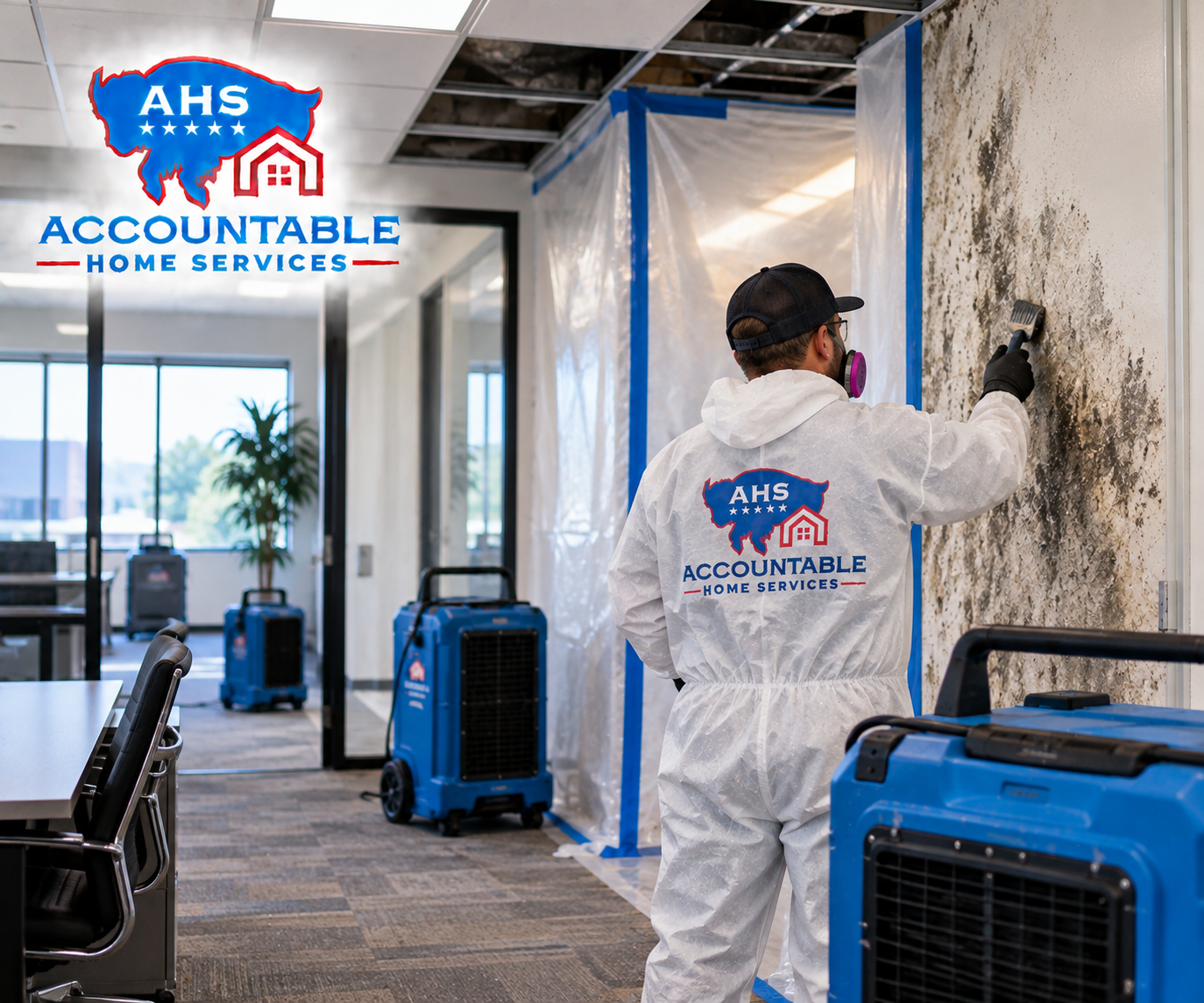
- Cleanup may require containment. Larger or hidden areas often need proper barriers, air filtration, and controlled removal methods.
A plumber may stop the leak, but water mitigation and mold evaluation are different steps. A property manager may need quick communication for tenants and owners. An insurance agent may need a restoration partner who documents damage without creating extra headaches. In all three cases, the right process protects the property and the people involved.
Bathroom and basement mold need careful attention
Bathroom mold testing is common because bathrooms deal with regular moisture, steam, and limited ventilation. Small surface mildew on grout or caulk may be a housekeeping and ventilation issue, but recurring dark growth, soft drywall, peeling paint, or musty cabinet odors suggest a deeper moisture problem.
Look closely around toilets, tubs, shower valves, exhaust fans, vanity cabinets, and walls shared with plumbing lines. If mold keeps coming back after cleaning, the issue is usually not the cleaner. It is often trapped moisture, poor airflow, a slow leak, or wet building material.
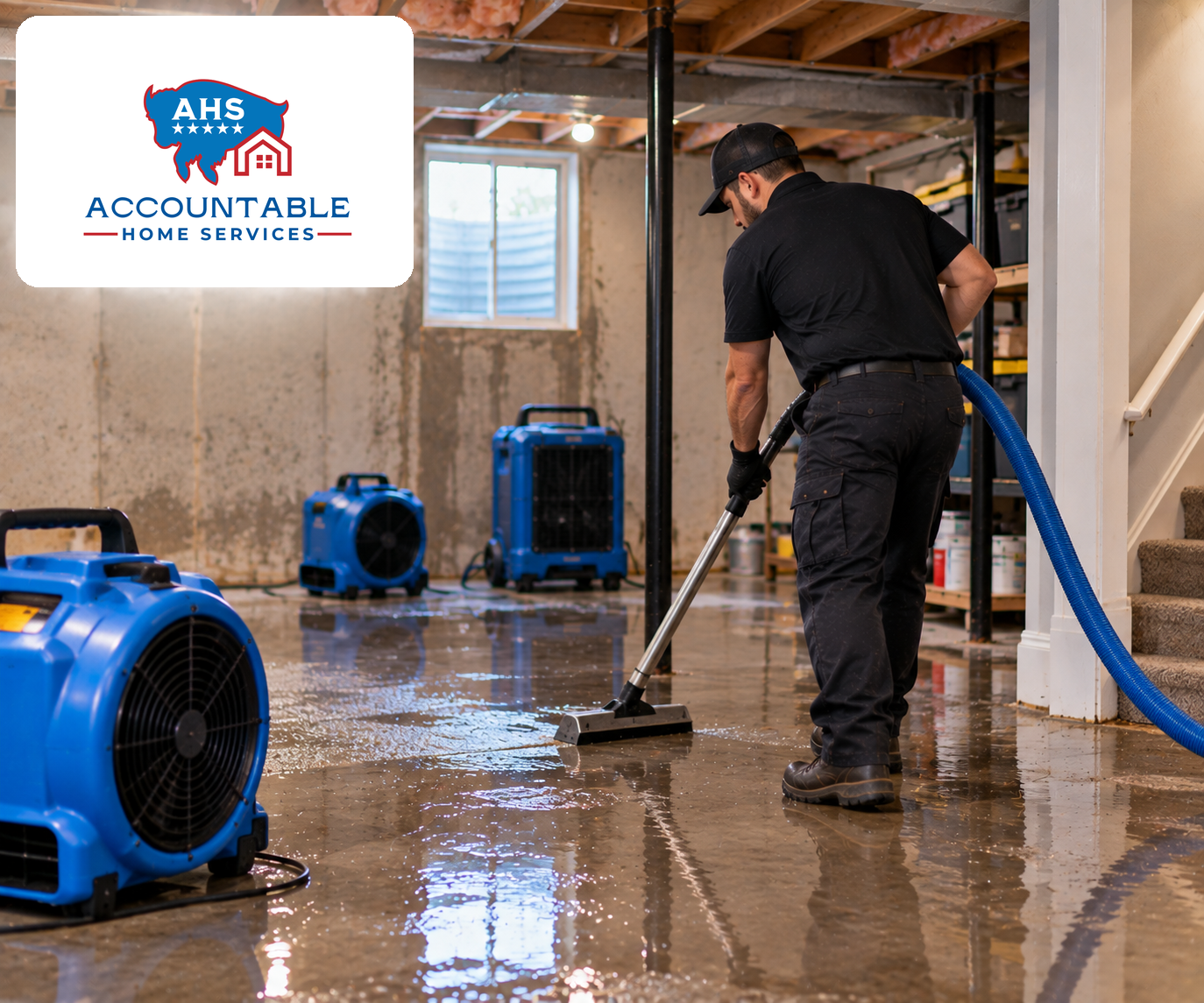
Basements need the same careful approach. Black mold in basement rooms may be tied to foundation moisture, sump pump failure, sewer or drain backup, humid air, or past flooding. Finished basements can be tricky because the visible room may look dry while insulation or framing behind the wall stays damp.
In both bathrooms and basements, avoid aggressive demolition until the situation is understood. Tearing into moldy materials without containment can spread dust and spores to cleaner areas. If the affected area is more than a small, isolated surface spot, professional guidance is usually the safer path.
What to do after testing confirms a problem
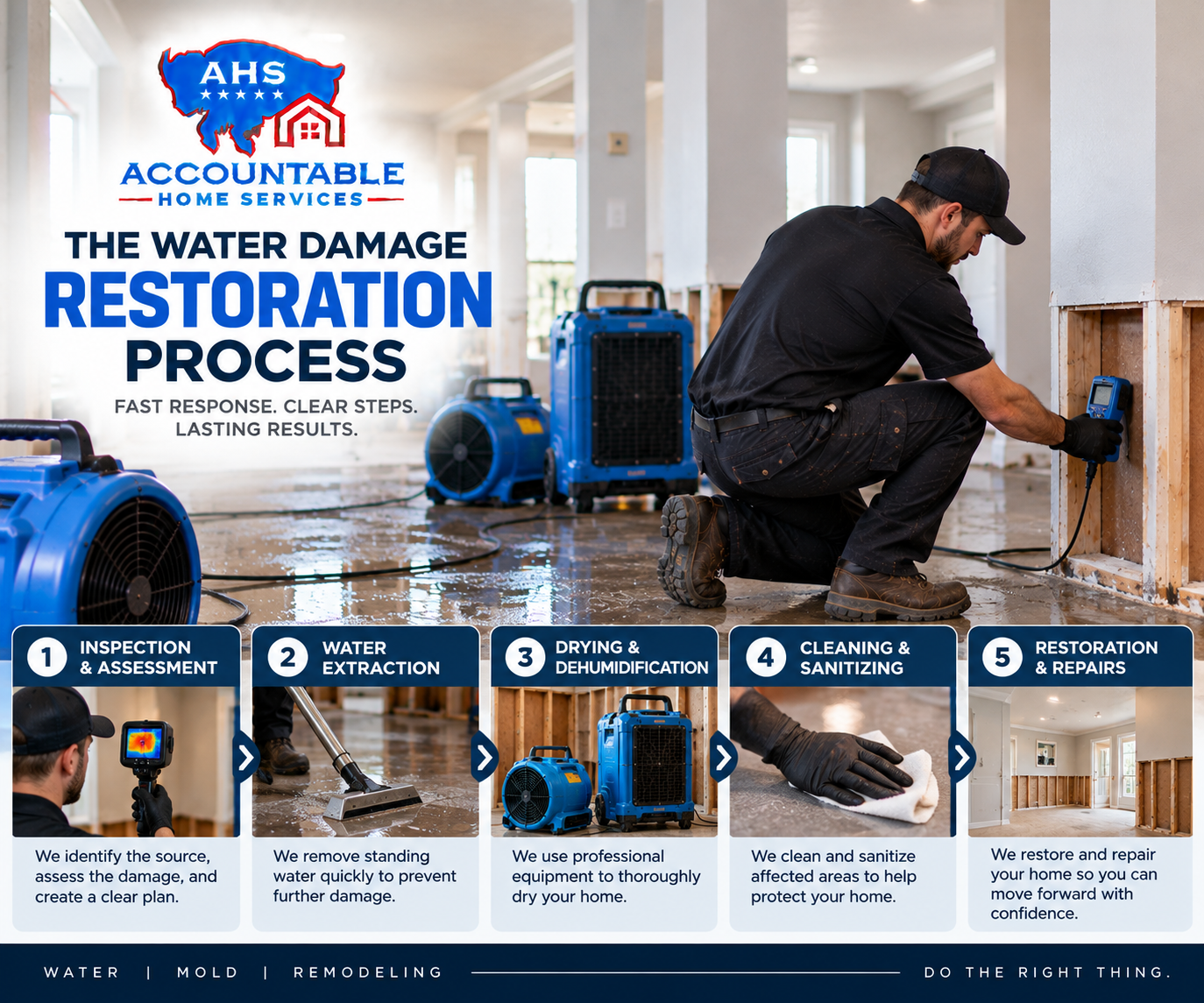
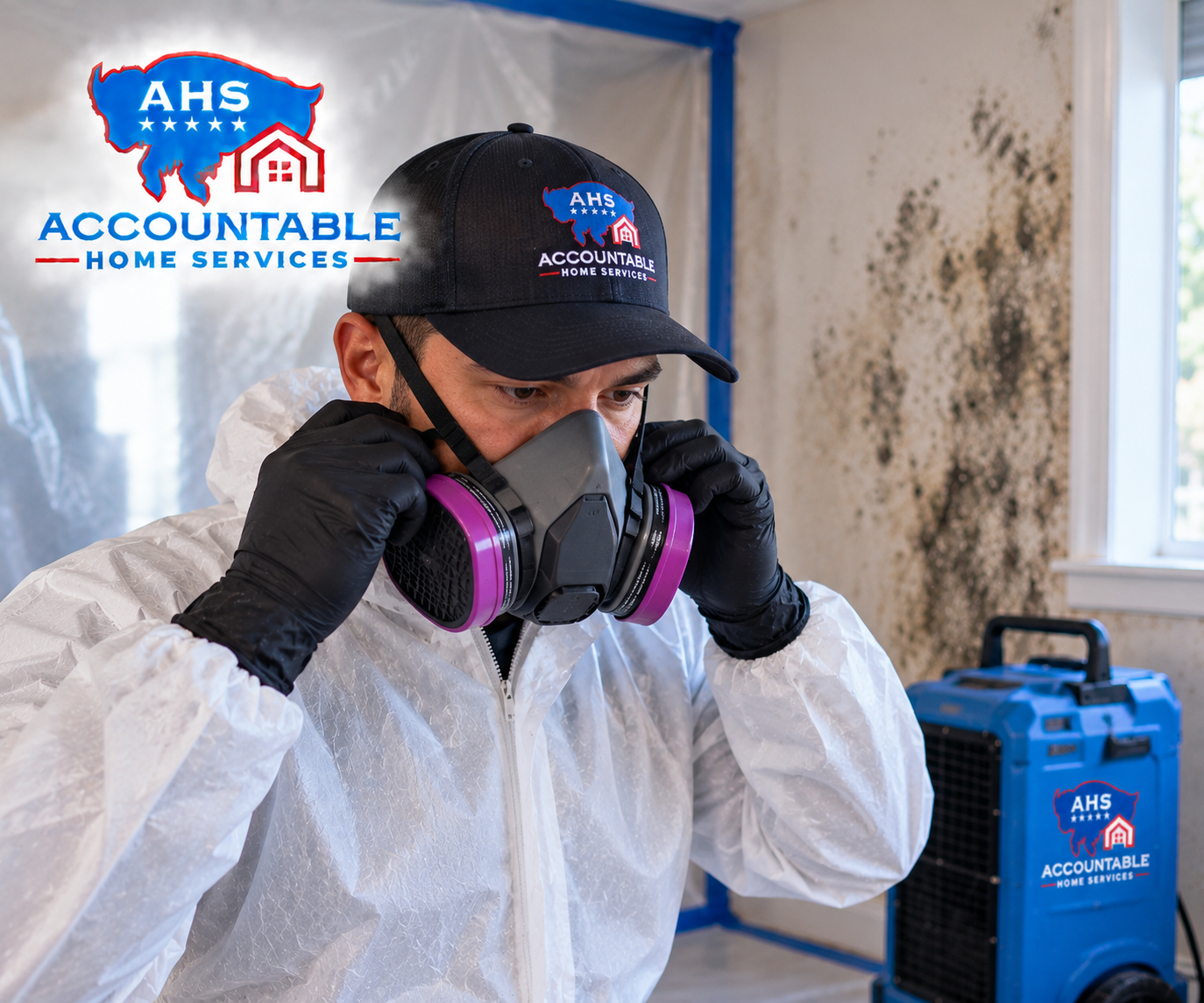
If testing or inspection confirms mold growth, the next step is not simply spraying it and painting over it. Proper mold remediation means correcting the moisture source, setting up controls to limit spread, removing or cleaning affected materials as appropriate, and drying the area so the problem does not return.
A typical response may include:
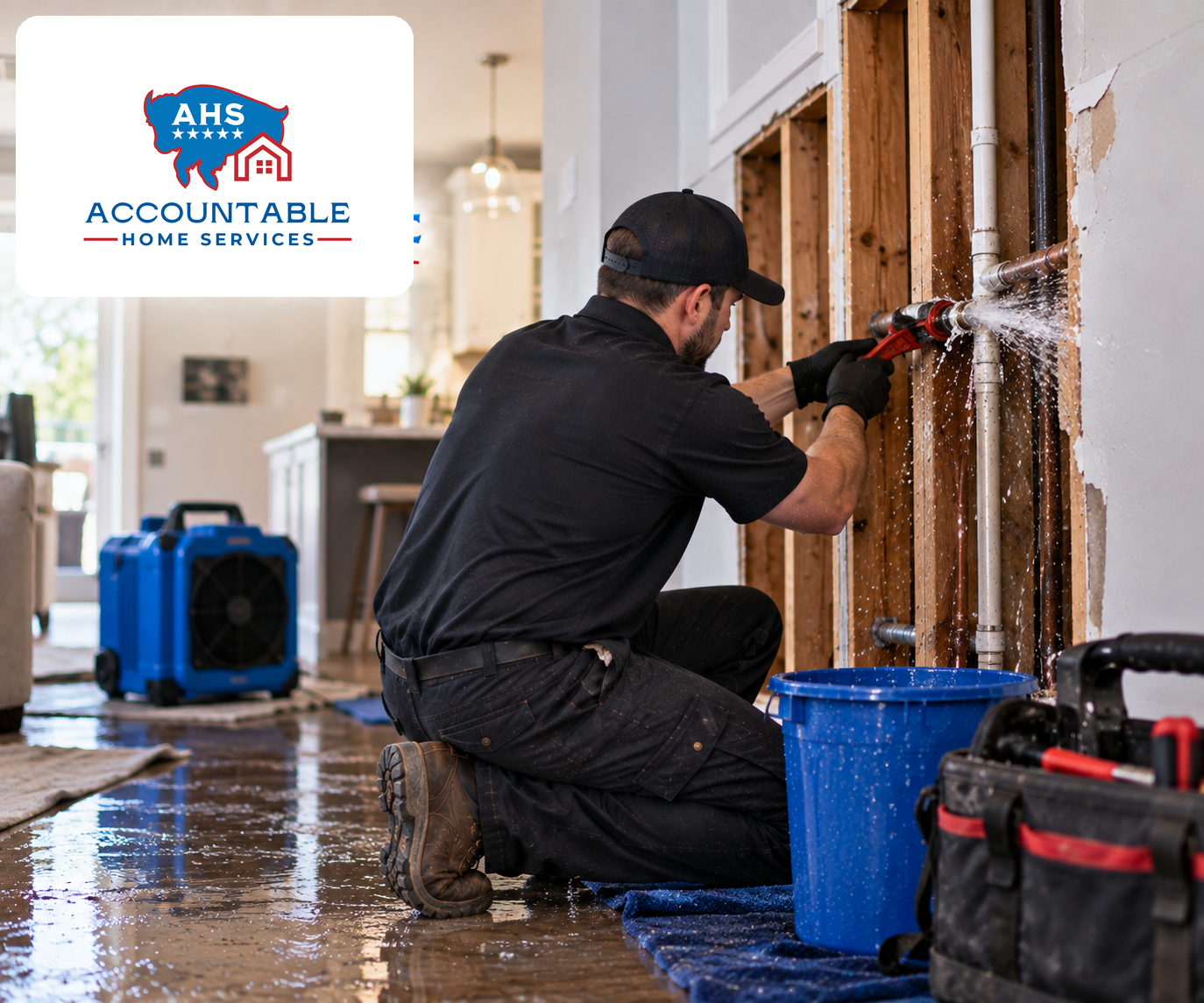
- Stopping the leak or water source before cleanup begins
- Protecting unaffected rooms with containment when needed
- Using air filtration to control airborne particles during removal
- Removing porous materials that cannot be cleaned safely
- Cleaning hard surfaces with appropriate methods
- Drying the structure and confirming moisture levels are acceptable
- Documenting the work with photos, readings, and notes
Homeowners searching mold removal Louisville or mold remediation Louisville should understand the difference between quick cosmetic cleanup and a complete restoration process. Mold removal is often used as a general phrase, but mold remediation is the broader process of controlling the source, removing affected materials, cleaning, drying, and helping prevent recurrence.
If an insurance claim may be involved, do not throw away damaged materials before taking photos and getting guidance. Save invoices, inspection reports, plumber notes, moisture readings, and any lab results. Clear records can help explain what happened, what was affected, and why certain work was needed.
Practical next steps for Louisville homeowners
If you are trying to decide how to test for black mold, start with safety and moisture, not the mold color. Do not ignore visible growth, but do not assume every dark spot means the same thing. The right next step depends on the size of the area, the moisture source, who occupies the home, and whether hidden damage is likely.
Use this simple checklist:
- Take photos before cleaning or moving materials
- Look for active leaks and stop the water source if possible
- Avoid cutting, sanding, or tearing out moldy material without containment
- Improve ventilation only if it will not spread contamination to other areas
- Keep people away from heavily affected rooms when practical
- Call a professional if the mold is widespread, recurring, hidden, or tied to water damage
- Keep written notes for your plumber, property manager, restoration contractor, or insurance representative
Black mold testing can be useful, but it should be part of a bigger plan. A test result alone does not dry wet drywall, repair a leaking pipe, or show how far moisture traveled. A good inspection connects the dots so the cleanup is based on conditions in the home, not fear or guesswork.
For Louisville homeowners, the calmest path is usually the most practical one: find the water, assess the extent, document the damage, and choose the right level of help. If the issue is small and clearly on the surface, you may only need basic cleaning and better moisture control. If there is hidden damage, ongoing odor, recent flooding, or growth in walls, a professional inspection and proper mold remediation can help protect the home and support a cleaner claim process.