Does Baking Soda Kill Mold in Superior, CO? What Homeowners Should Know
Does Baking Soda Kill Mold in Superior, CO? What Homeowners Should Know
“Can I clean this with baking soda and be done?” That is a fair question when you find mold on bathroom walls, around a window, under a sink, or in a basement after a leak. Baking soda may help with some minor surface cleaning, but it does not correct the moisture source, remove hidden mold in walls, or replace professional mold remediation for larger or more complicated affected areas. For homeowners, plumbers, property managers, and insurance agents in Superior, the right next step depends on how much mold you see, what got wet, and whether the area is truly dry.
Does baking soda kill mold?
Baking soda can help clean light mold growth from some hard, non-porous surfaces. It is mildly abrasive, easy to find, and one of the common baking soda uses around the home. Some people also like baking soda for mold because it can help reduce surface staining and odors during small cleanup jobs.
That said, the question “does baking soda kill mold” can be a little misleading. Even if it helps clean visible growth, baking soda does not solve the mold moisture problem that allowed the growth in the first place. Mold after water damage usually means water entered a material, stayed too long, or kept returning from a leak, condensation, poor ventilation, or damp basement conditions.
The main point is simple: baking soda may be useful for a small surface spot, but it is not a complete mold removal Superior CO solution. If water has soaked drywall, insulation, carpet, cabinets, subflooring, or framing, the issue may be behind or inside materials. That is when DIY mold removal can miss the real problem.
What should you check before using baking soda?
Before you clean, check whether the mold is small, surface-level, and tied to a moisture source you can stop. If the area is larger than a small patch, keeps coming back, smells musty, or appeared after a leak or flood, treat it as a bigger moisture problem rather than a simple cleaning task. Basement mold Superior homes experience can be especially tricky because moisture may come from foundation seepage, sump issues, plumbing leaks, or high humidity.
Use this quick pre-cleaning checklist:
- Find the water source. Look for active leaks, past water stains, wet drywall, soft baseboards, condensation, or plumbing repairs that were never followed by drying.
- Check the material. Hard surfaces are easier to clean. Porous materials can hold mold growth below the surface.
- Look for spreading signs. Musty smells, staining on both sides of a wall, swollen trim, peeling paint, or bubbling drywall can point to hidden mold in walls.
- Consider who is affected. If tenants, children, older adults, or people with health sensitivities are involved, be more cautious.
- Think about documentation. If there may be an insurance claim, take photos before disturbing the area.
If you are a plumber called out for a leak, this is the point where the repair and the restoration work split. Fixing the pipe is step one. Drying the structure and checking for mold risk is a separate step.
Steps to handle a small mold spot safely
1. Stop the moisture source first
Do not start with cleaning. Start by stopping the water. Tighten the supply line, shut off the valve, fix the drain leak, improve bathroom ventilation, or address the condensation that caused the growth.
If the moisture source continues, any black mold cleaning or surface cleaning is temporary. The spot may look better for a short time, then return because the conditions never changed. This is one of the most common reasons homeowners feel like mold “came back” after cleaning.
For property managers, this step matters for tenant satisfaction and owner protection. A fast cleanup without moisture control can turn into repeat calls, complaints, and more damage.
2. Document what you see
Before wiping anything down, take clear photos and short notes. Capture the room, the source area, close-up damage, nearby flooring, baseboards, ceilings, cabinets, and any visible water staining. If a plumber found a leak, keep the invoice or repair notes.
Documentation helps everyone stay on the same page. Insurance agents often deal with frustrated clients because the claim timeline, cause of loss, and scope of damage are unclear. Simple photos, dates, and repair records can help support the conversation and reduce confusion.
Do not make guesses in your notes. Write what you know: when the leak was found, what was wet, what was cleaned, and who repaired the source.
3. Protect yourself and keep the area contained
For a small surface spot, wear gloves and avoid aggressive scrubbing that sends debris into the air. Keep children and pets away from the area while you clean. If the mold is near HVAC vents, air returns, or a fan, turn off airflow that could spread particles while you assess the situation.
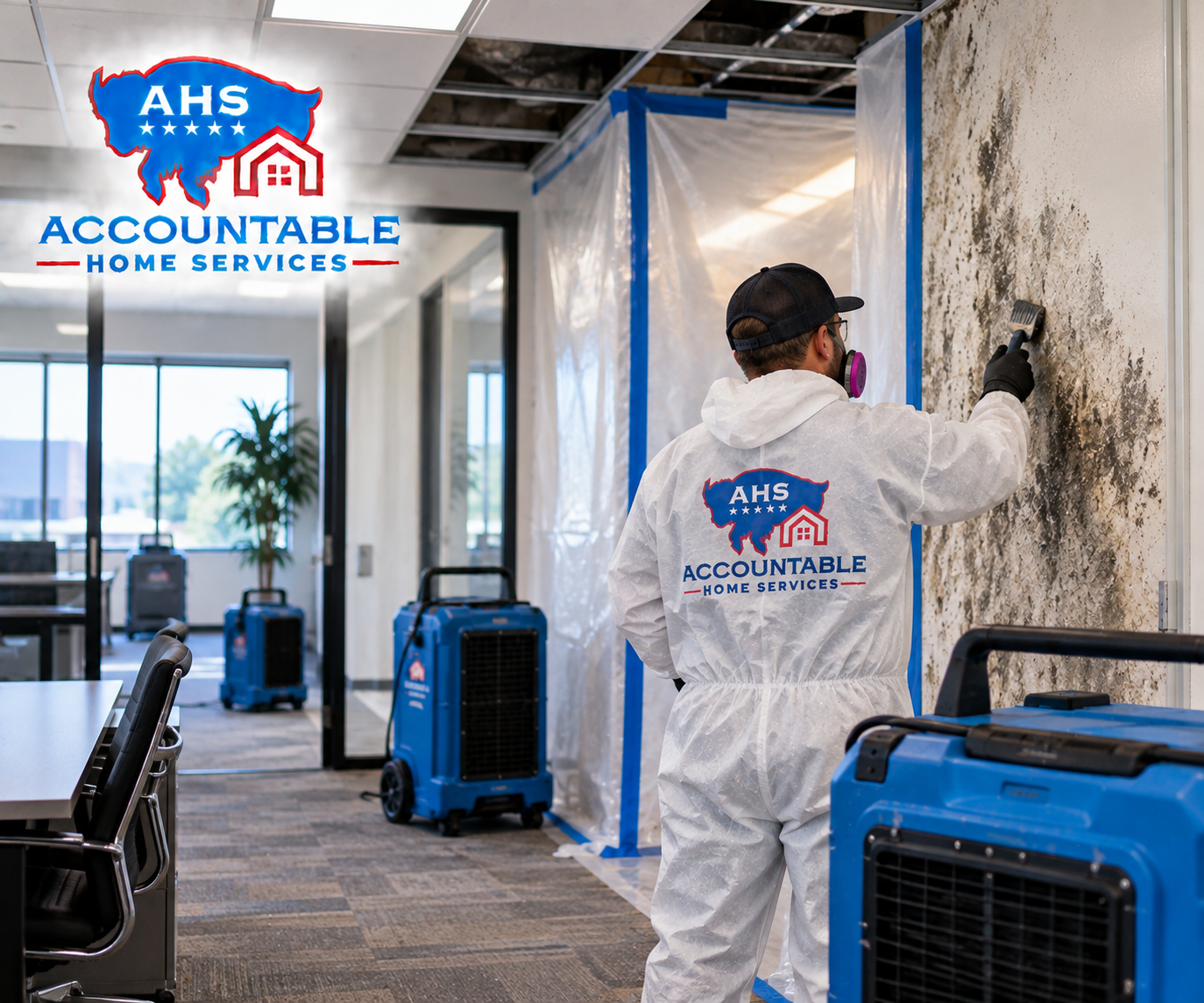
Do not cut open walls or pull out wet materials unless you know how to control dust and protect the rest of the property. Opening a wall can reveal a larger issue, but it can also spread contamination if done casually. This is one reason professional mold remediation uses containment, controlled removal, cleaning, and disposal steps.
If the area smells strongly musty or you feel unsure, pause. A small delay to get guidance is better than spreading a problem through the home.
4. Clean only minor surface growth with baking soda
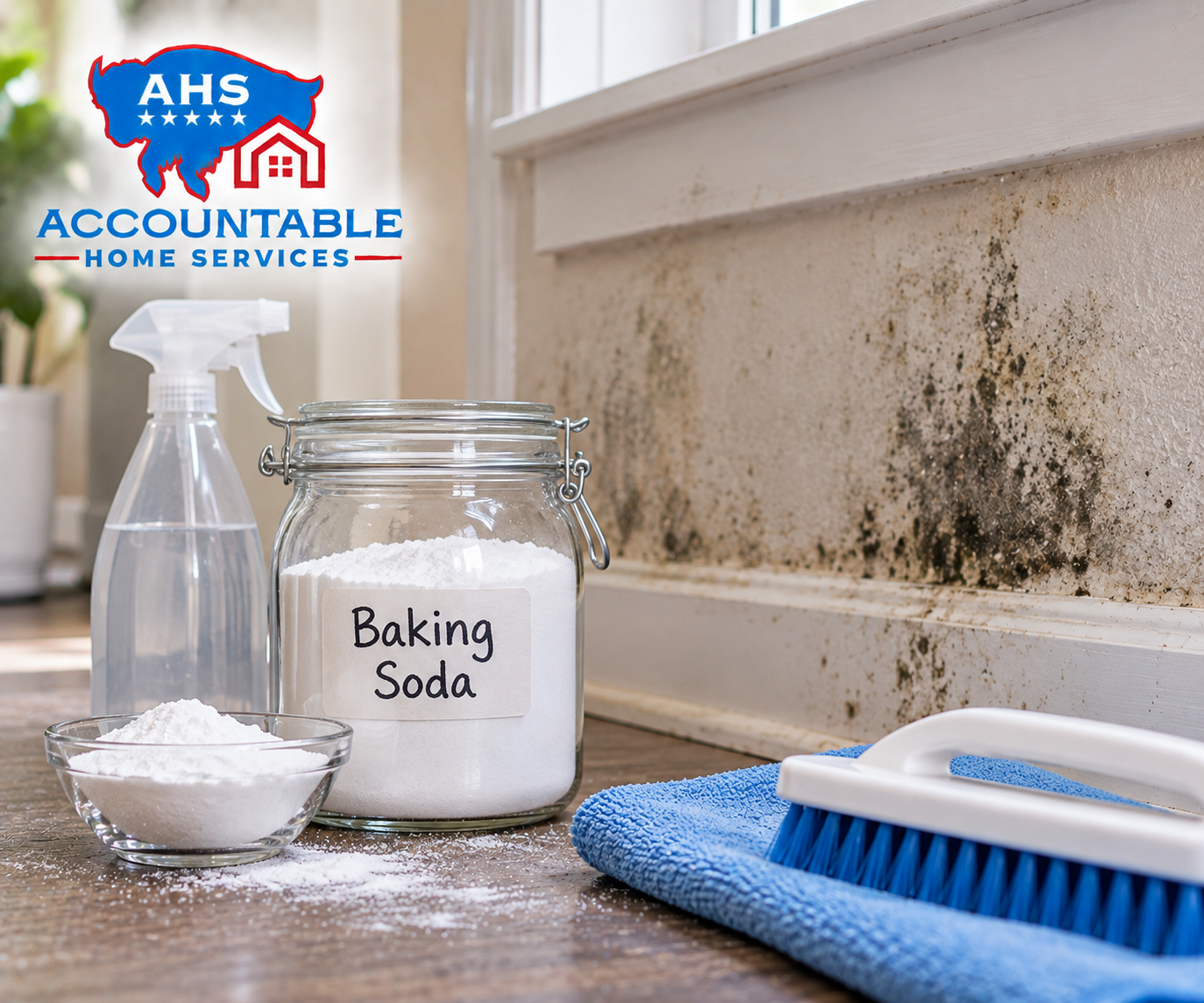
If the spot is small, the surface is hard, and the water source has been stopped, baking soda may be reasonable for minor surface cleaning. Mix baking soda with water to make a light cleaning solution or paste, apply it gently, scrub the surface, wipe away residue, and let the area dry fully. Avoid soaking the surface, especially near drywall seams, wood trim, or painted areas that may absorb water.
The practical baking soda benefits are modest but useful. It is gentle compared with harsher products, helps with light scrubbing, and can reduce odors on some surfaces. Still, baking soda is not a deep treatment for porous building materials.
Do not rely on baking soda for mold in these situations:
- Mold growth covers a large area.
- The material is drywall, insulation, carpet, particleboard, or unfinished wood.
- The mold followed a sewer backup, drain backup, or floodwater event.
- The wall, ceiling, or floor still feels damp.
- The odor remains after cleaning.
- The growth returns after a few days or weeks.
Those signs point toward a moisture and material problem, not a cleaning problem.
5. Dry the area completely
Cleaning is only part of the job. Mold needs moisture, so drying is the step that helps prevent the same issue from continuing. Use ventilation, controlled airflow, and dehumidification when appropriate, but avoid blowing air across visible mold before it is cleaned or contained.
After cleaning, check the area over the next several days. Look for new staining, musty odor, soft drywall, warped baseboards, or moisture under nearby flooring. In Superior, basements and lower levels can stay damp longer than homeowners expect, especially after plumbing leaks, sump problems, or heavy moisture events.
If you have a moisture meter, it can help, but do not rely on touch alone. Materials can feel dry on the outside while still holding moisture inside.
6. Watch for signs of hidden mold
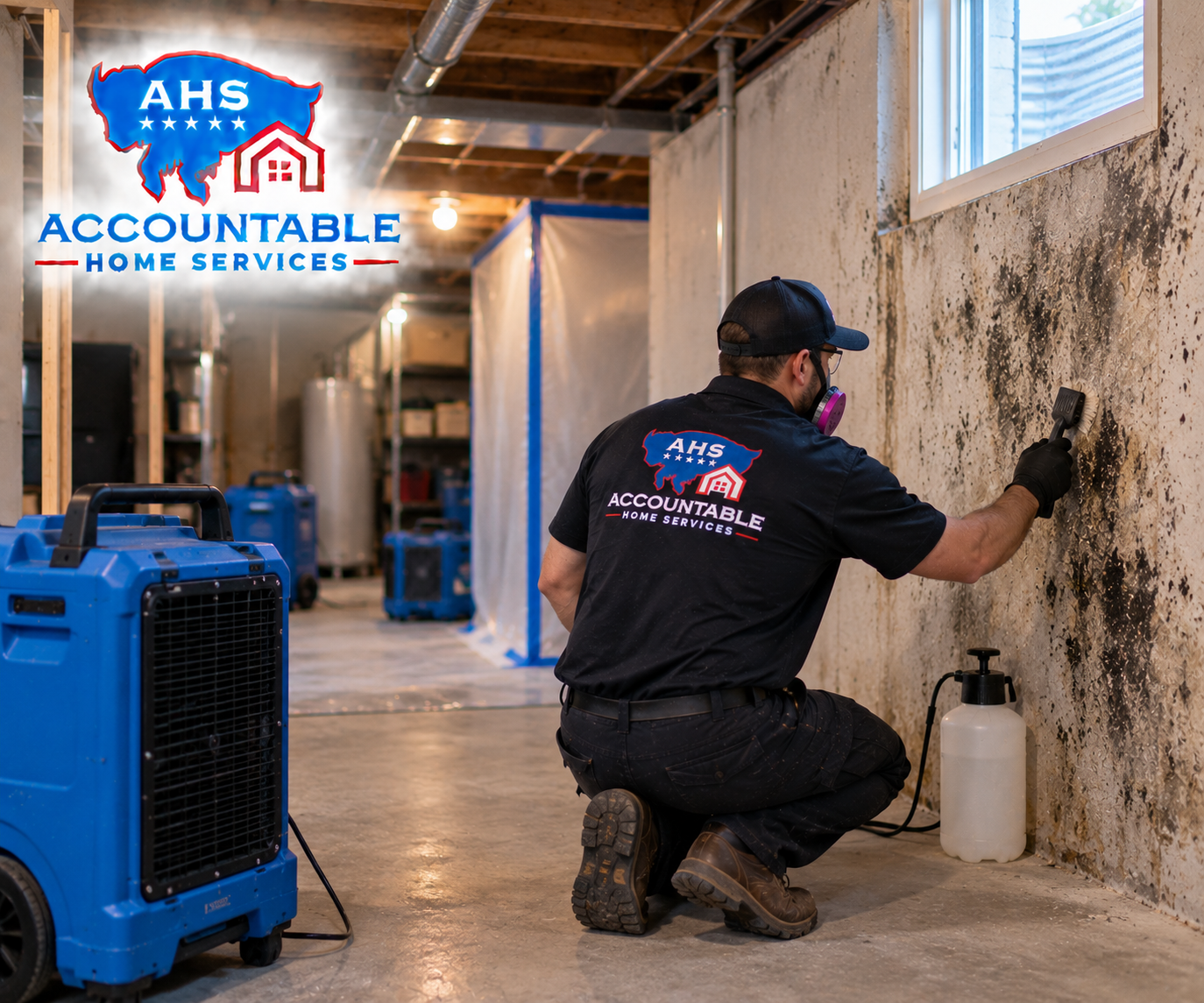
Hidden mold in walls is one of the main reasons baking soda is limited. You can clean what you can see, but you cannot clean the backside of drywall, insulation inside a wall cavity, or wet framing behind a cabinet with a surface cleaner. If the original water damage reached those areas, visible mold may only be the clue.
Common warning signs include:
- A musty smell with little visible growth
- Stains that grow or darken over time
- Paint or wallpaper that bubbles or peels
- Trim that pulls away from the wall
- Flooring that cups, swells, or feels soft
- Mold on both sides of a wall or near a shared plumbing line
When these signs show up, professional inspection and moisture mapping may be the better path. Guessing can lead to unnecessary demolition, but doing nothing can let damage spread.
When should you call for professional mold remediation?
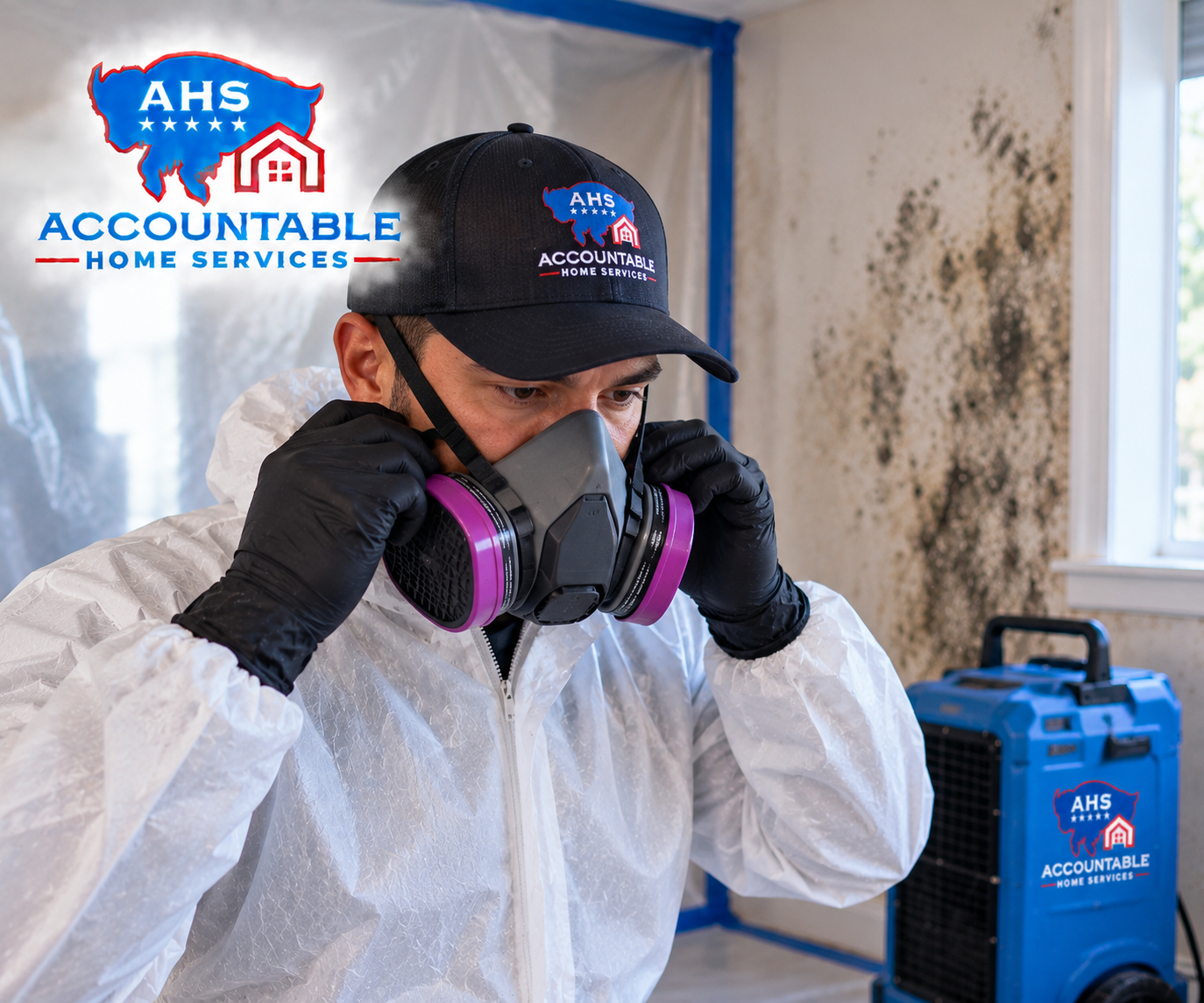
Call for professional mold remediation when the affected area is more than minor surface growth, when mold appears after water damage, when porous materials are involved, or when you suspect the problem is inside walls, ceilings, cabinets, or flooring. Mold remediation Superior homeowners need is not just wiping visible spots. It usually includes finding the moisture source, setting up proper work controls, removing affected materials when needed, cleaning, drying, and documenting the work.
Professional help is especially important for larger or complicated mold problems. That includes basement mold Superior properties develop after ongoing dampness, mold around a failed water heater, growth after a supply line leak, or mold connected to a drain backup. If a tenant is involved, a quick professional response can also help property managers show they took the report seriously.
A good restoration partner should communicate clearly with the homeowner, plumber, property manager, and insurance agent. They should explain what they found, what needs to happen next, and what documentation can support the claim process.
How proper documentation supports the claim process
Mold and water damage claims can become stressful when the timeline is unclear. Helpful documentation does not guarantee coverage, but it can support a cleaner claim review. Photos, moisture readings, repair invoices, drying records, and written scope notes all help explain what happened and what was done to reduce further loss.
For insurance agents, this kind of clear communication protects the client experience. For plumbers, it gives the customer a next step after the leak repair. For property managers, it creates a record for owners, tenants, and insurers.
Before cleanup or remediation, try to gather:
- Date and time the issue was discovered
- Photos of the source and affected materials
- Notes on whether water was clean, drain-related, or unknown
- Plumbing repair details
- Areas that were wet or visibly damaged
- Any steps taken to stop further damage
Keep the information factual. Restoration documentation works best when it is clear, timely, and tied to what can be observed.
The practical answer for Superior homeowners
Baking soda can be part of a small cleanup, but it should not be treated as a full mold solution. If you are dealing with a tiny surface spot caused by bathroom humidity, and the surface is hard and dry, baking soda may help. If you are dealing with mold after water damage, recurring basement mold, hidden moisture, or growth on porous materials, it is time to look deeper.
The safest path is to stop the moisture, document the damage, clean only what is truly minor and surface-level, dry the area completely, and call a professional when the problem is larger than a simple spot. If you are unsure, ask for guidance before opening walls or disturbing materials. A calm, documented approach helps protect the property, supports the claim process, and gives everyone involved a clearer next step.