Mold Removal Near Me in Louisville, CO: What Homeowners Should Know
Mold Removal Near Me in Louisville, CO: What Homeowners Should Know
If you are searching for mold removal near me in Louisville, you are probably dealing with more than an ugly stain. Mold often shows up after a leak, flood, wet basement, roof issue, or bathroom moisture problem, and the right next step depends on how much moisture is involved and whether the mold is only on the surface. The Local Restoration Guide helps Louisville homeowners, insurance agents, plumbers, and property managers understand when cleanup is simple, when professional mold remediation is needed, and how clear documentation can support the claim process.
Who should you call for mold problems in Louisville?
For small surface spots caused by normal humidity, a homeowner may be able to clean the area and correct the moisture source. For larger growth, mold after water damage, recurring odors, or suspected hidden mold in walls, call a qualified restoration company that provides mold inspection Louisville CO support, moisture checks, containment, cleanup, and documentation. If there is an active leak, call a plumber first to stop the water, then bring in mold remediation services if wet materials, odor, staining, or visible growth remain.
A good restoration partner should not jump straight to scare tactics. They should inspect the affected area, look for the moisture source, explain what they found in plain language, and tell you whether the situation calls for professional mold remediation. If insurance may be involved, they should also document moisture readings, affected rooms, photos, source information, and recommended work so the homeowner, agent, or property manager is not left guessing.
Mold problems often start with water damage
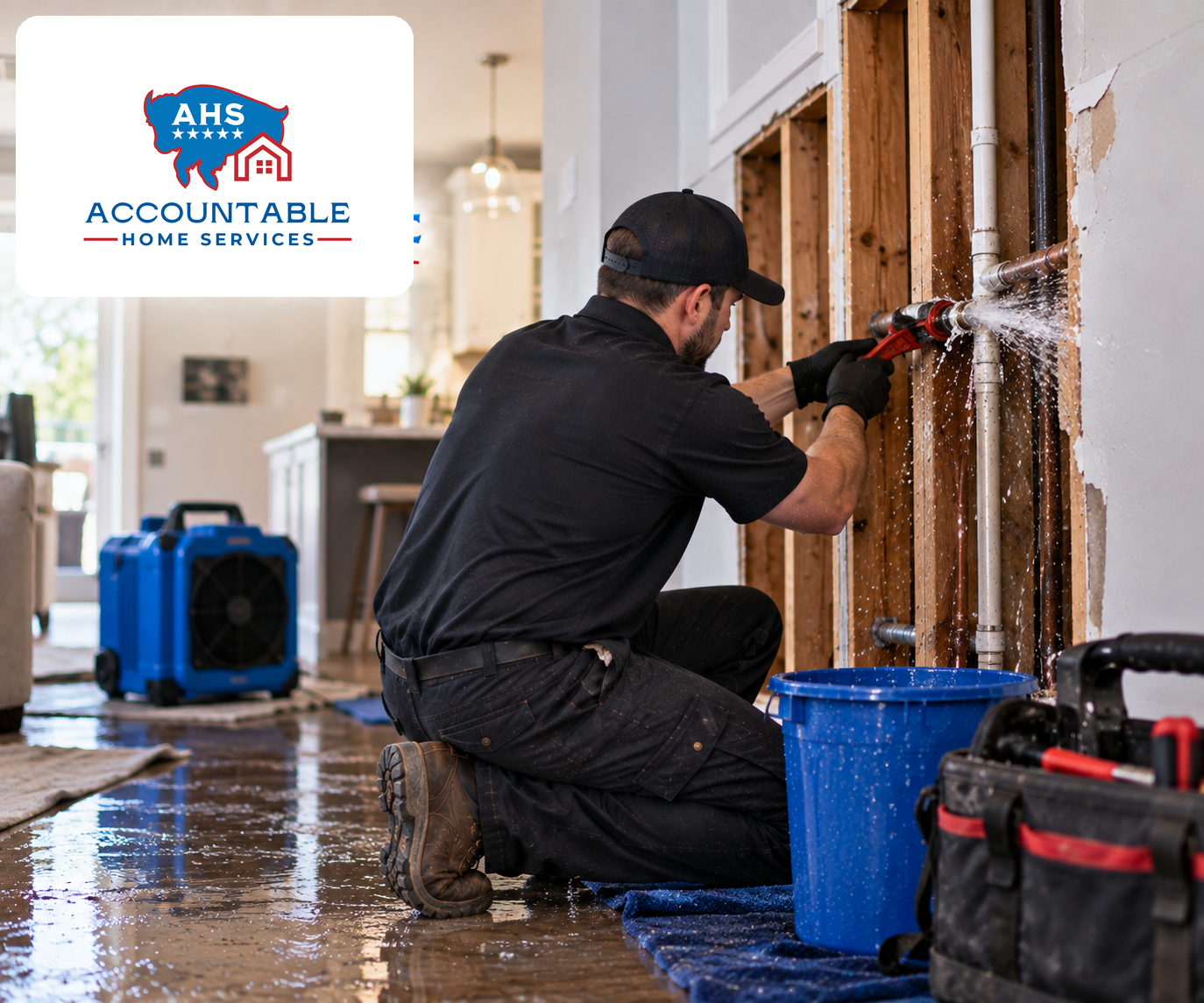
Mold needs moisture to grow, which is why water damage mold is common after plumbing leaks, appliance failures, basement seepage, drain backups, roof leaks, and poor ventilation. In Louisville homes, basements, crawl spaces, bathrooms, laundry rooms, and areas around windows can hold moisture longer than homeowners expect. A small leak under a sink may look harmless at first, but if the cabinet base, drywall, or flooring stays damp, mold can begin behind or beneath the visible surface.
This is why mold removal Louisville CO work should focus on both cleanup and moisture control. Removing stained drywall without drying the structure can leave the same problem ready to return. The practical goal is simple: find the water source, stop it, dry what can be saved, remove materials that cannot be safely cleaned, and verify the area is ready for repairs.
Visible mold and hidden mold are not the same
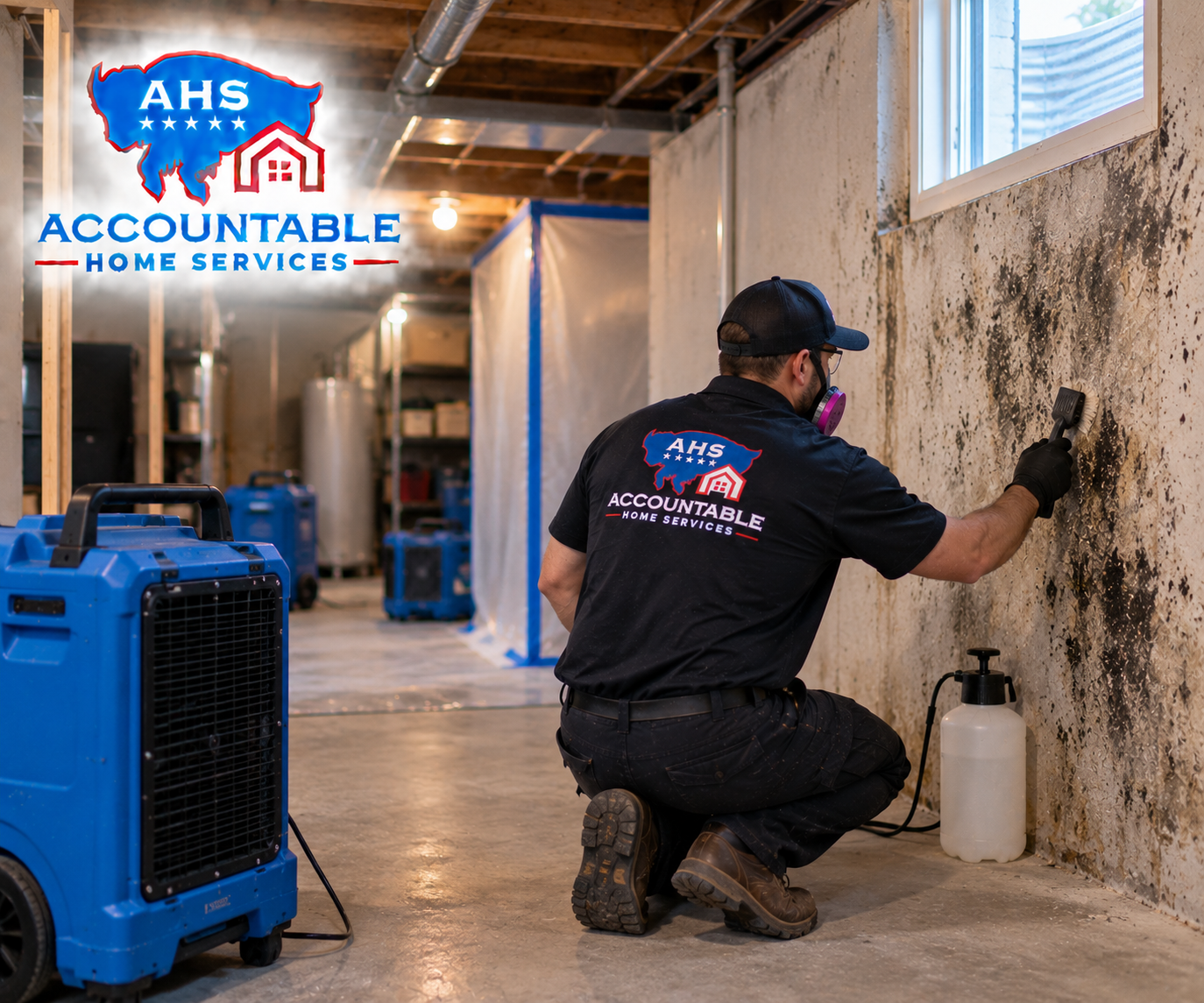
Visible mold is mold you can see on surfaces. It may appear as dark staining, fuzzy spots, green or gray patches, or speckled growth on drywall, trim, grout, wood, insulation facing, or stored contents. Bathroom mold removal often starts with visible mold around showers, tubs, exhaust fans, ceilings, and caulk lines where warm, damp air collects.
Hidden mold is different because it grows where you cannot easily see it. Hidden mold in walls may be behind baseboards, under flooring, inside cabinets, behind shower surrounds, above ceiling materials, or behind drywall after a pipe leak. You may notice a musty smell, bubbling paint, soft drywall, warped flooring, staining that keeps returning, or tenant complaints about odor even when the room looks clean.
The difference matters because visible mold can sometimes be limited and straightforward, while hidden mold usually requires more careful inspection. Cutting into walls without containment can spread spores and dust through the home. A professional can use moisture tools, visual inspection, and controlled removal methods to avoid making the problem bigger.
Signs the mold problem may need professional remediation
Not every mold concern requires a full remediation project. Still, certain signs mean it is time to get help rather than keep wiping the surface and hoping it goes away.
Call for mold remediation Louisville support if you notice:
- Mold covering more than a small isolated area, especially on drywall, wood, insulation, or flooring
- Mold after water damage from a burst pipe, water heater leak, sump pump failure, roof leak, or drain backup
- Musty odor that returns after cleaning or airing out the room
- Staining, swelling, soft drywall, peeling paint, or warped baseboards
- Basement mold Louisville issues after seepage, flooding, or long-term humidity
- Suspected hidden mold in walls, ceilings, cabinets, or behind finished basement materials
- Mold near HVAC components, vents, or areas where air movement may spread contamination
- Black or dark mold growth that keeps expanding or appears on porous materials
- Mold in a rental, managed property, or shared building where documentation and communication are important
The phrase black mold removal Louisville gets searched often, but color alone does not tell the whole story. Many molds can look dark, and homeowners should avoid trying to identify mold type by sight. The more useful questions are: how much material is affected, what caused the moisture, how long has it been wet, and can the material be cleaned safely or does it need removal?
What professional mold remediation includes
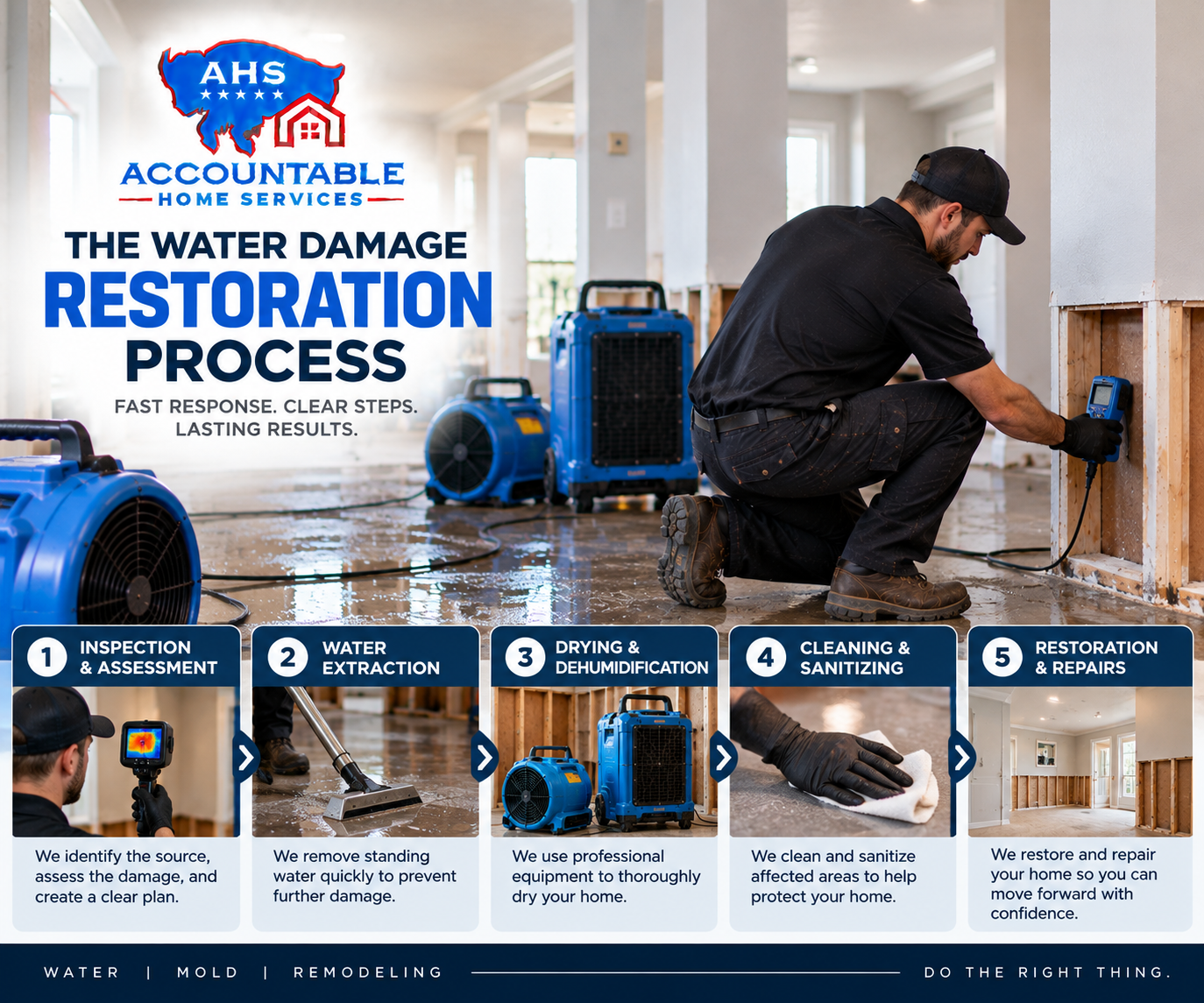
Professional mold remediation is more than spraying a cleaner on a wall. The work should follow a clear process that limits spread, removes affected material when needed, and addresses moisture conditions so the problem does not keep coming back. The exact scope depends on the home, the source, and the affected materials.
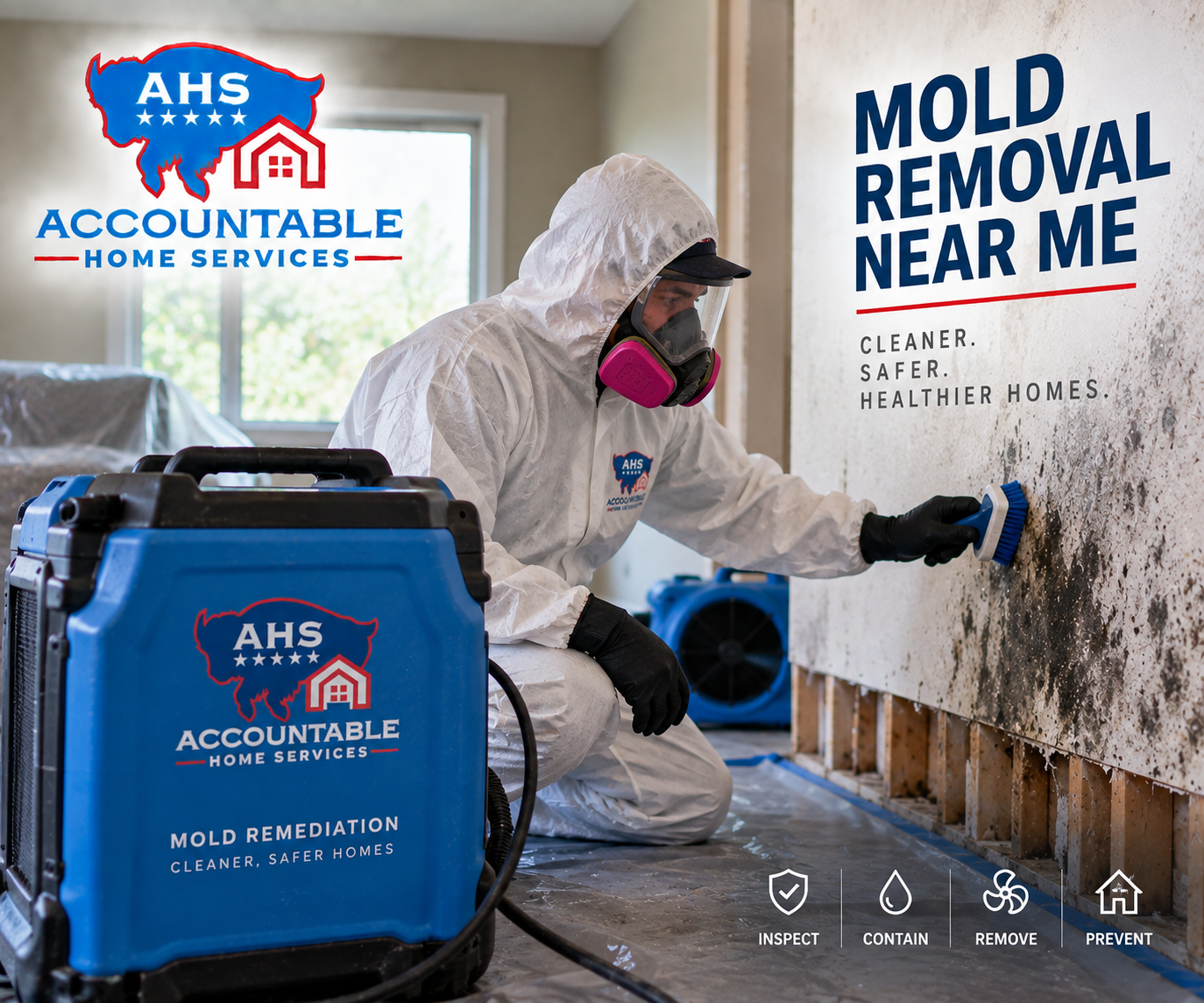
A typical mold cleanup Louisville process may include:
- Initial inspection of the affected rooms, nearby areas, and likely moisture sources
- Moisture readings to check drywall, flooring, trim, cabinets, or framing
- Photos and notes to document conditions before work begins
- Containment to separate the work area from clean areas of the home
- Air filtration when needed to help control airborne particles during removal
- Safe removal of mold-damaged porous materials that cannot be cleaned
- Cleaning of salvageable surfaces using appropriate methods
- Drying and moisture control before rebuild or cosmetic repairs
- Final review of the work area and documentation for the homeowner or claim file
For insurance agents, this kind of documentation matters because it helps reduce confusion. For plumbers, it gives the homeowner a next step after the leak is fixed. For property managers, it creates a clearer record for owners, tenants, and adjusters if questions come up later.
Common mold locations in Louisville homes
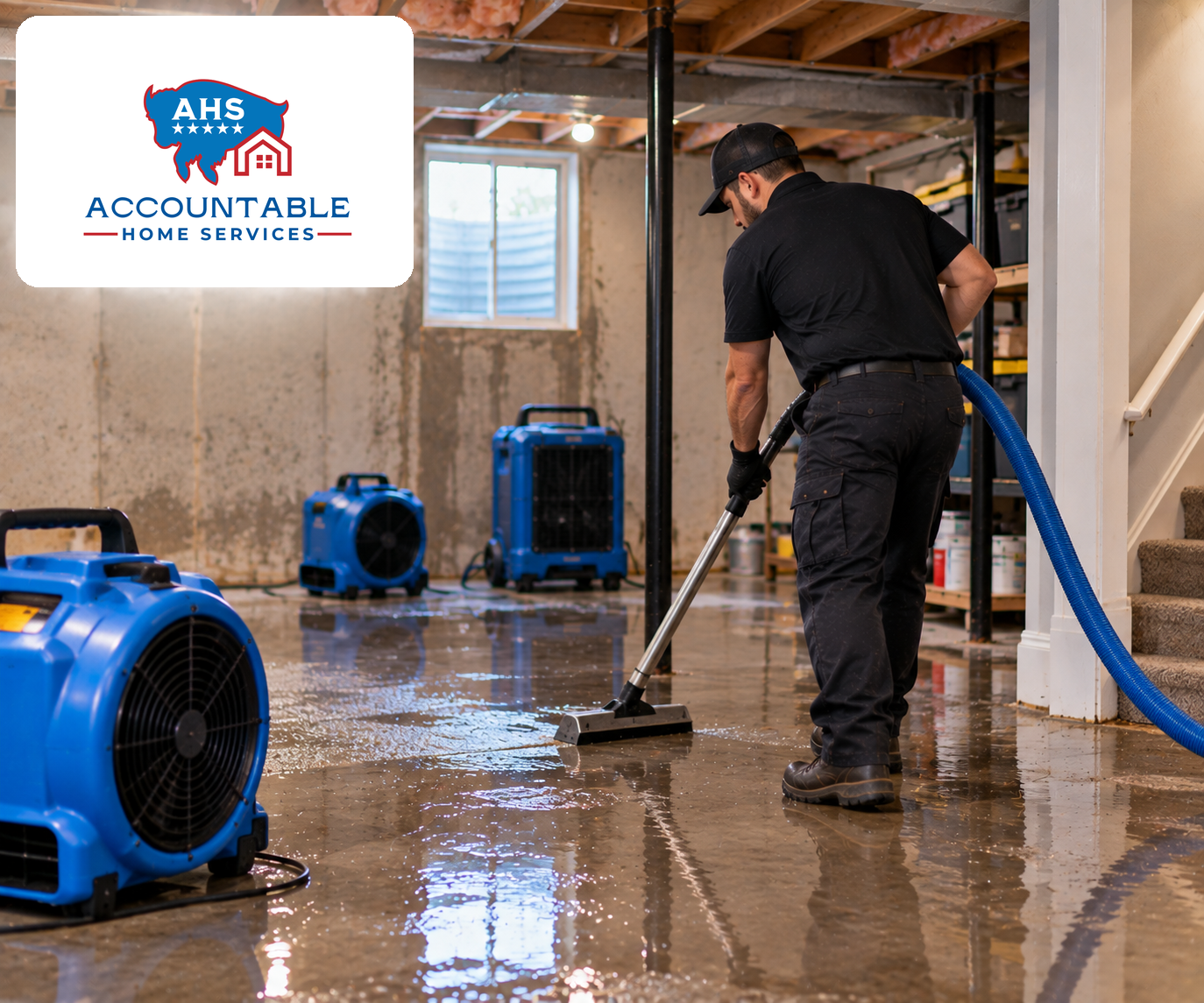
Mold can show up anywhere moisture lingers, but some areas deserve extra attention. Finished basements are a common concern because water can enter from foundation seepage, sump pump trouble, appliance leaks, or plumbing lines hidden behind walls. Basement mold Louisville calls often involve musty odor, damp carpet, stained baseboards, or stored items that have absorbed moisture.
Bathrooms are another frequent trouble spot. Steam, weak ventilation, leaking toilets, loose supply lines, and failed caulk can all lead to bathroom mold removal needs. If mold is only on hard, nonporous surfaces, cleaning and ventilation improvements may solve it. If the wall behind tile, the subfloor around a toilet, or the ceiling below a bathroom is wet, the issue may be larger.
Kitchens, laundry rooms, and utility areas also need quick attention after leaks. Dishwashers, ice maker lines, washing machines, water heaters, and drain lines can release water into cabinets, flooring, and walls. When water travels under finished materials, the visible puddle may be gone while moisture remains trapped underneath.
What homeowners should do first
When you suspect mold, the first priority is to control the moisture source and avoid spreading contamination. You do not need to panic, but you also should not ignore it. A calm, careful response usually leads to a cleaner claim process and a better repair plan.
Start with these steps:
- Stop the water if it is active. Shut off the supply line, call a plumber, or address the leak source as soon as possible.
- Do not disturb large mold areas. Avoid sanding, scraping, or demolition without containment.
- Take photos before cleanup. Photograph the affected room, close-up staining, damaged materials, and the likely source.
- Move dry, unaffected belongings away. Do not carry moldy items through clean areas if they may spread debris.
- Improve ventilation only when appropriate. Running fans across visible mold can spread particles, so get advice first if growth is present.
- Call a mold removal services provider. Ask for inspection, moisture assessment, a written scope, and claim-friendly documentation.
- Notify insurance if a covered water event may be involved. Your agent can explain reporting steps, but the restoration company should support the file with clear records.
These steps are especially helpful when a plumber, insurance agent, or property manager is already involved. Everyone has a clearer role: stop the leak, assess the damage, document the conditions, and move toward safe cleanup.
Clear communication helps everyone involved
Mold situations can become frustrating when homeowners receive vague answers or conflicting advice. One person says to wipe it down, another says to tear everything out, and the insurance process may feel unclear. A reliable restoration partner should slow that down and explain what is known, what still needs investigation, and what the next decision is.
For insurance agents, the right mold remediation services partner can help protect the client experience. That means clear photos, moisture logs when applicable, a practical scope, and communication that does not create extra fear or confusion. For plumbers, it means your customer is not left with wet drywall, cabinet damage, or mold concerns after the plumbing repair is complete. For property managers, it means faster updates for tenants and owners, plus better records if there are questions about timing, access, or damage.
Local help for mold removal in Louisville, CO
If you need mold removal near me in Louisville, CO, look for a restoration professional who treats the source of the problem, not just the stain. Ask whether they handle inspection, containment, removal, drying, cleaning, and documentation. Also ask how they determine whether materials can be cleaned or should be removed.
The Local Restoration Guide approach is straightforward: identify the moisture, explain the level of concern, recommend the right scope, and document the work clearly. Whether the issue is basement mold, bathroom mold, mold after water damage, or suspected hidden mold in walls, the next step should feel organized instead of overwhelming.
If you are a homeowner, insurance agent, plumber, or property manager dealing with possible mold in Louisville, reach out to a trusted local restoration team for an inspection and a clear plan. The sooner the moisture source and affected materials are understood, the easier it is to protect the property, support the claim process, and move toward a clean repair.