Water Damage Restoration in Erie, CO: What Homeowners Should Do First
Water Damage Restoration in Erie, CO: What Homeowners Should Do First
Water in your home moves fast, but the right first steps can keep the damage from spreading. If you are dealing with emergency water damage in Erie, a burst pipe, a ceiling water leak, or a wet basement after a storm, start by stopping the source, protecting people, and calling for help when the cleanup is more than towels and fans can handle. A proper water damage restoration process focuses on removing water, finding hidden moisture, drying materials correctly, preventing mold, and documenting the loss for your records or insurance claim.
What should you do first when you find water damage?
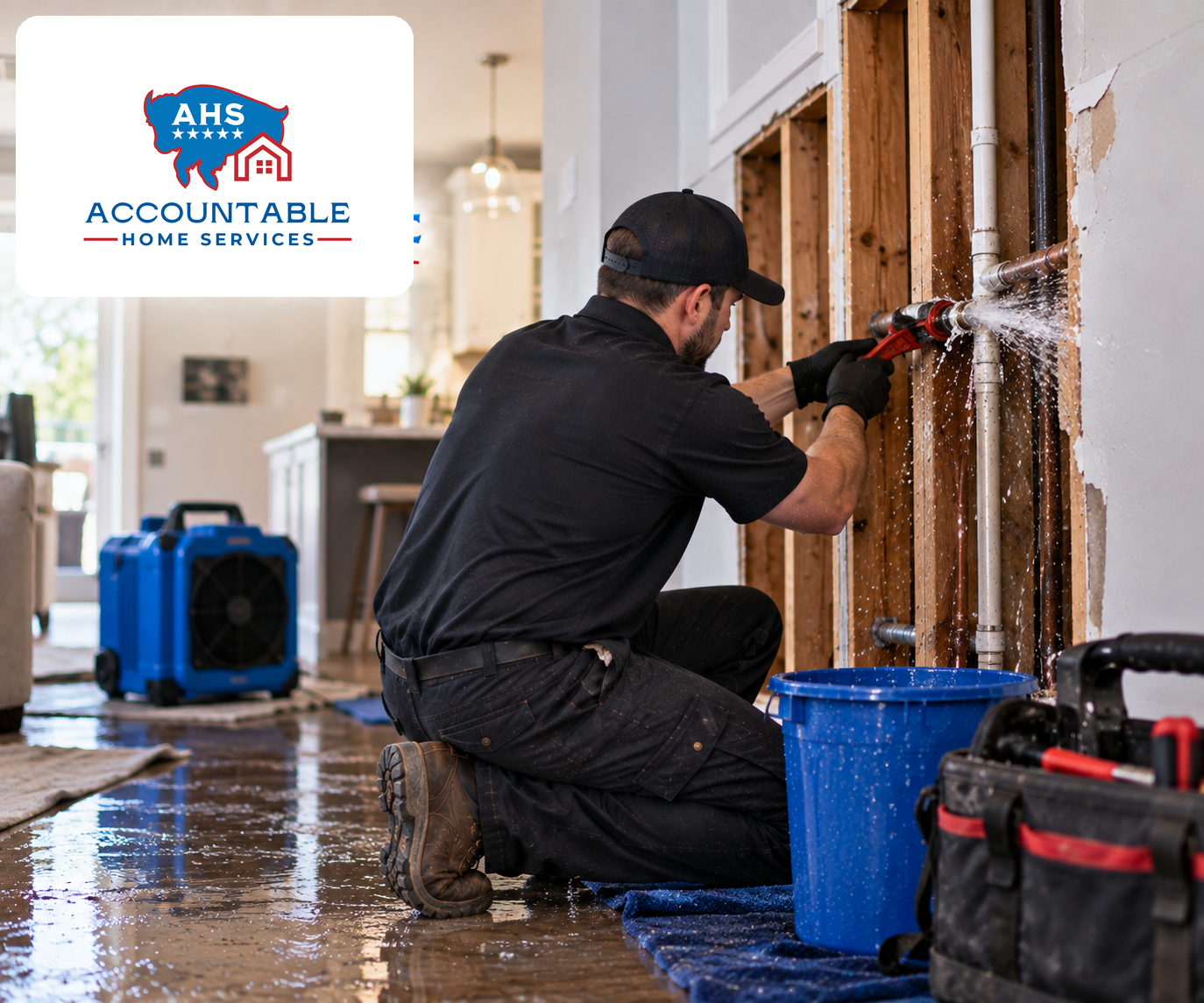
First, make the area safe and stop the water source if you can do so without risk. Shut off the water supply for a burst pipe water damage situation, turn off the fixture if a supply line failed, or call a plumber if the leak is still active and you cannot control it. If water is near electrical outlets, appliances, or a sagging ceiling, stay out of the area and call qualified help before entering.
Once the source is under control, take a few quick photos or videos before moving items, then start limiting further damage. Move dry belongings away from wet flooring, place foil or plastic under furniture legs if it is safe, and avoid running a household vacuum on standing water. For water damage restoration Erie CO homeowners can feel good about, the early goal is simple: stop more water from entering, keep people safe, and get the drying process started the right way.
Stage 1: Stop the source of water
Every water mitigation Erie CO job starts with source control. Cleanup does not work if water is still coming in. Common Erie-area calls include failed water heaters, frozen or broken pipes, toilet overflows, sump pump problems, appliance leaks, roof leaks, and basement seepage during heavy weather.
Depending on the situation, the first step may be:
- Turning off the main water shutoff
- Closing the valve behind a toilet, sink, refrigerator, or washing machine
- Calling a plumber to repair the active leak
- Placing a bucket under a ceiling water leak while waiting for help
- Avoiding rooms where water may be affecting electrical systems
- Not disturbing sewage, drain backup, or contaminated water
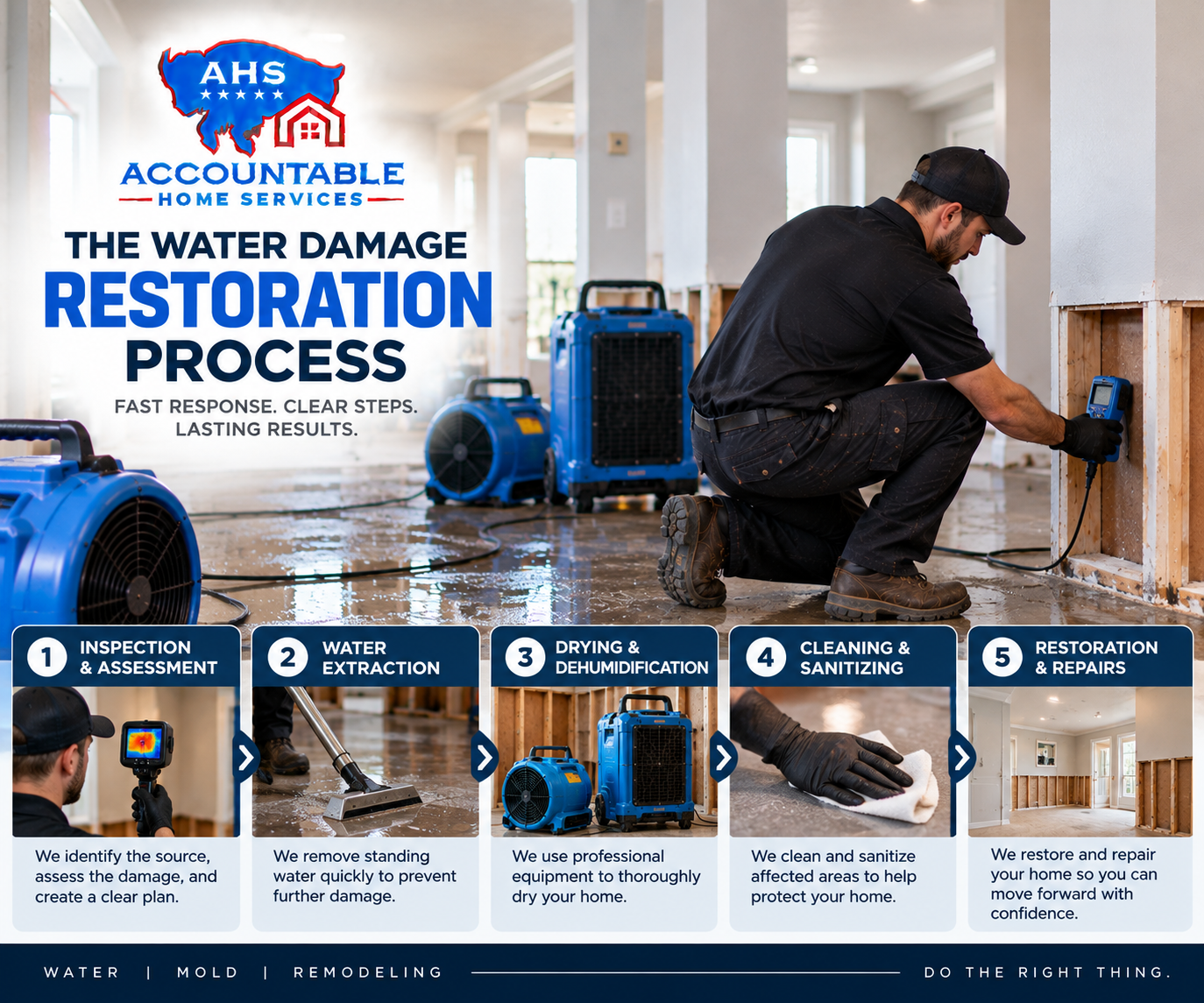
Plumbers often get the first call, and that makes sense. They stop the leak and repair the failed part. When water has soaked flooring, drywall, cabinets, insulation, or basement materials, a restoration team handles the next part: water extraction Erie services, drying, moisture checks, and documentation.
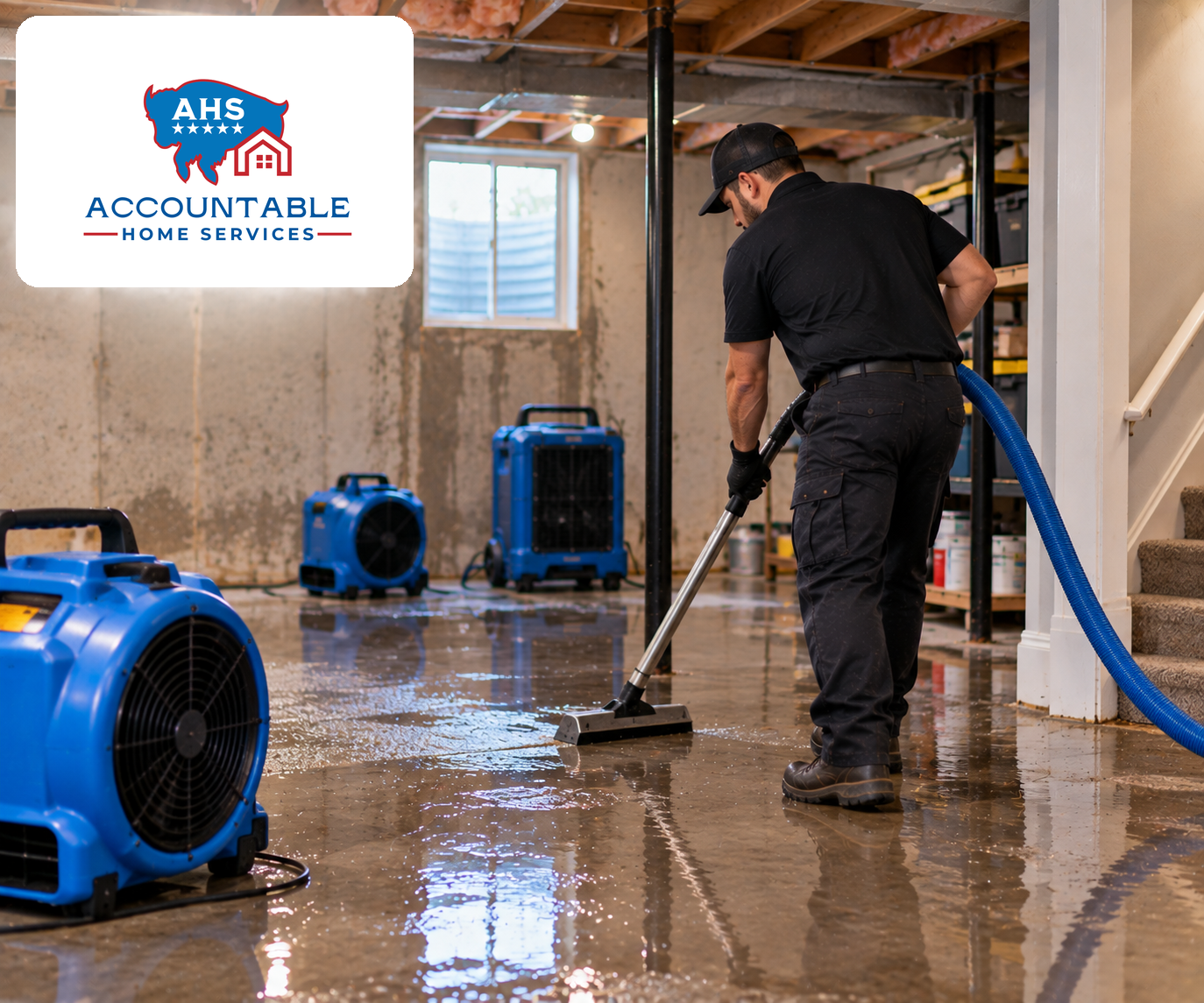
Stage 2: Remove standing water
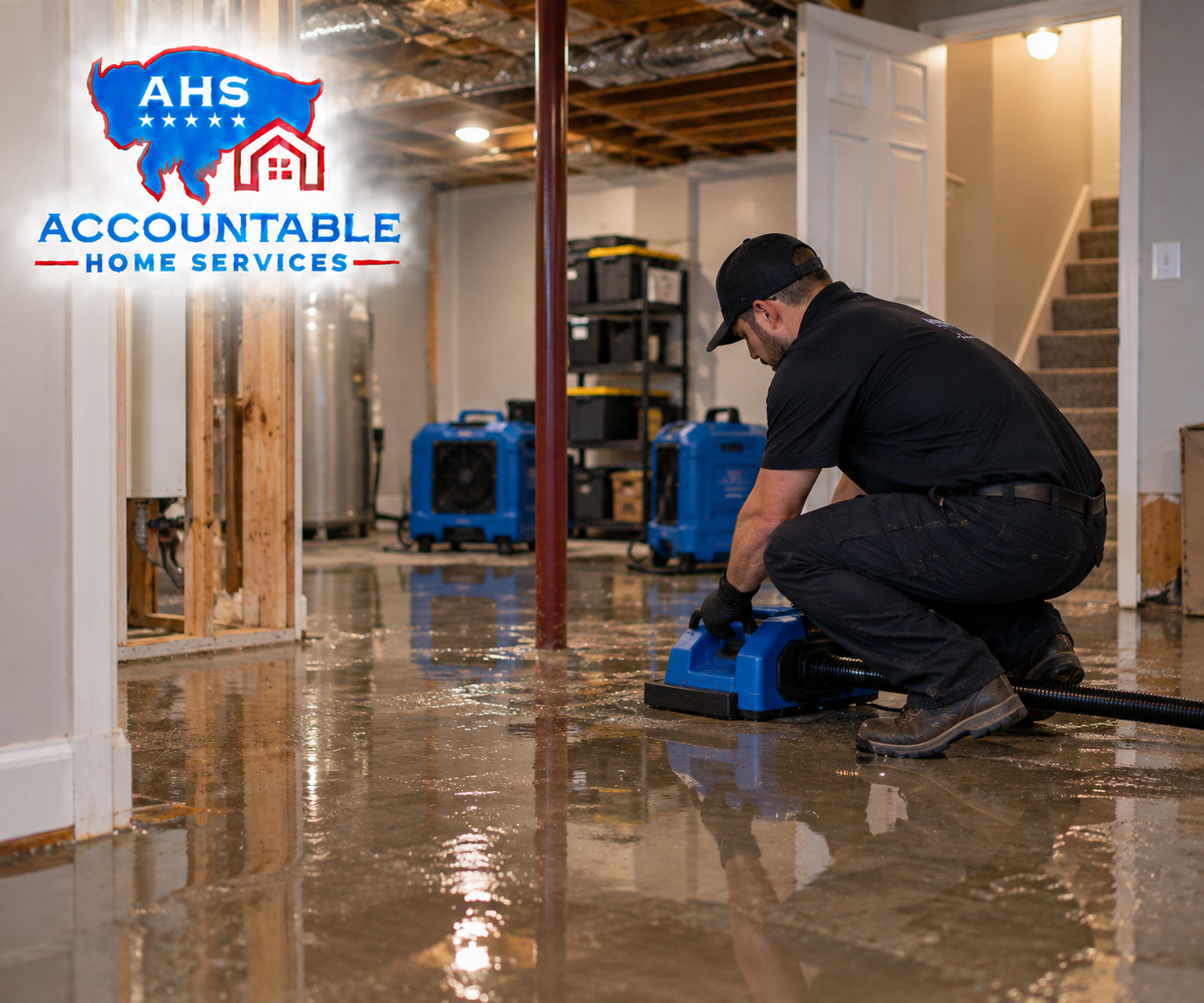
After the source is stopped, standing water needs to be removed quickly. The longer water sits, the more time it has to soak into carpet pad, subflooring, baseboards, drywall, trim, and stored belongings. Flooded basement cleanup Erie jobs are a good example: what looks like water on the floor may also be water under walls, behind finished surfaces, or trapped beneath flooring.
Professional water damage cleanup Erie crews use extraction equipment to remove more water than a mop or shop towel can handle. This matters because drying is much harder when water remains deep in carpet, padding, or cracks in the floor. Removing the bulk water first shortens the drying work and helps reduce the chance of secondary damage.
If the water is clean and limited, homeowners may be able to remove small amounts themselves. If the water covers a large area, affects multiple rooms, comes from a drain backup, or has reached walls or built-in materials, it is time to search for water damage restoration near me and call a qualified local team.
Stage 3: Inspect for hidden moisture
One of the biggest mistakes after water damage is trusting only what looks dry. Hidden moisture can sit behind baseboards, under flooring, inside wall cavities, below cabinets, and in insulation. A surface may feel dry to the touch while the material behind it is still holding water.
Restoration technicians use moisture meters, thermal imaging when appropriate, and hands-on inspection to understand how far the water traveled. This is especially important with a ceiling water leak, because water may run along framing before it shows up as a stain or drip. In basements, moisture can move beneath finished flooring or into lower wall materials before anyone notices.
A careful moisture inspection helps decide what can be dried in place and what may need removal. It also gives insurance agents, property managers, plumbers, and homeowners a clearer picture of the loss. Good documentation at this stage can reduce confusion later because it shows why certain drying steps or material removals were needed.
Stage 4: Dry affected materials
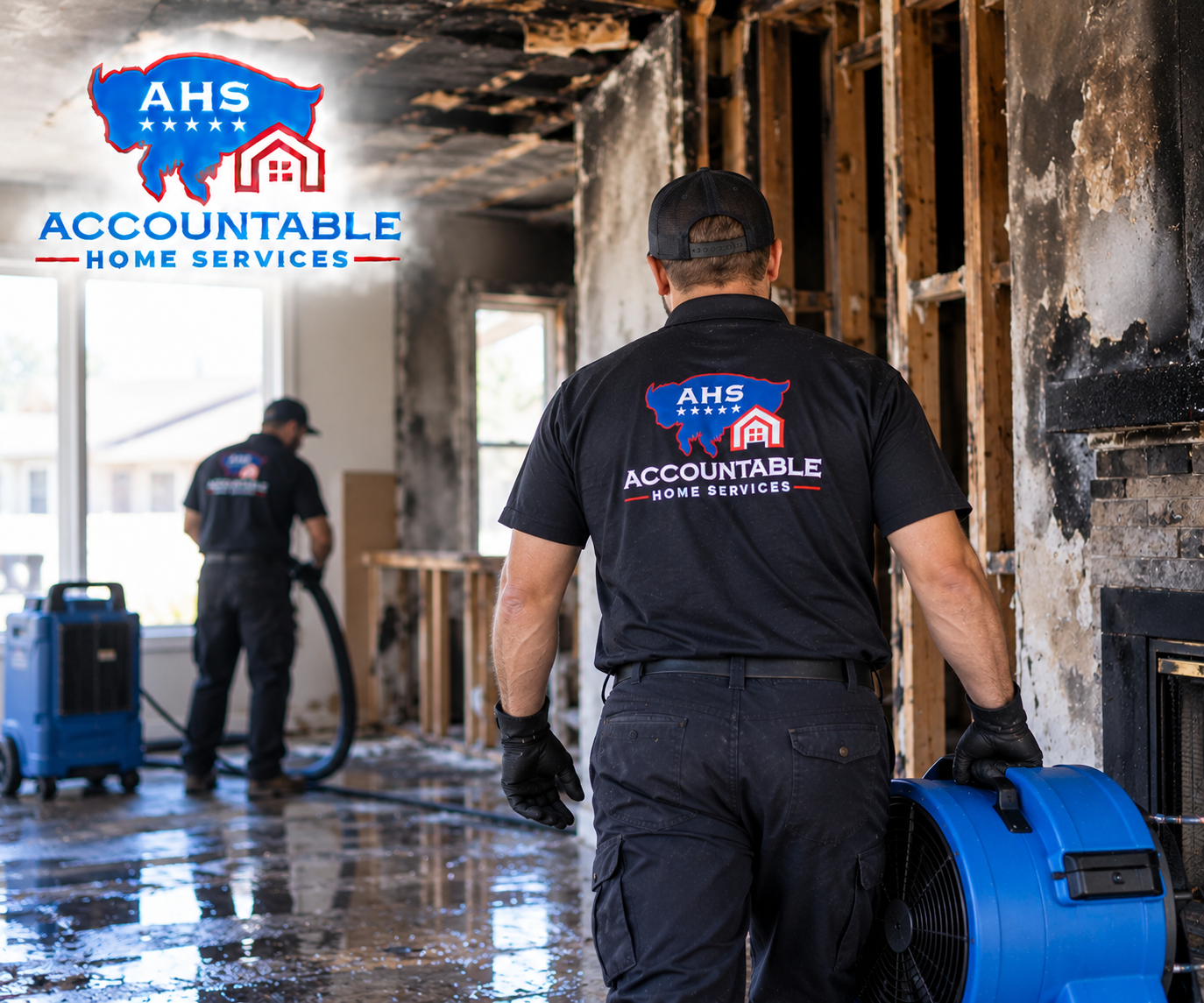
Structural drying is the controlled process of drying the building materials that were affected by water. This may include carpet, subflooring, drywall, framing, cabinets, and other materials, depending on the source and how long the water was present. The goal is not just to make the room feel dry, but to bring materials back to an acceptable dry condition.
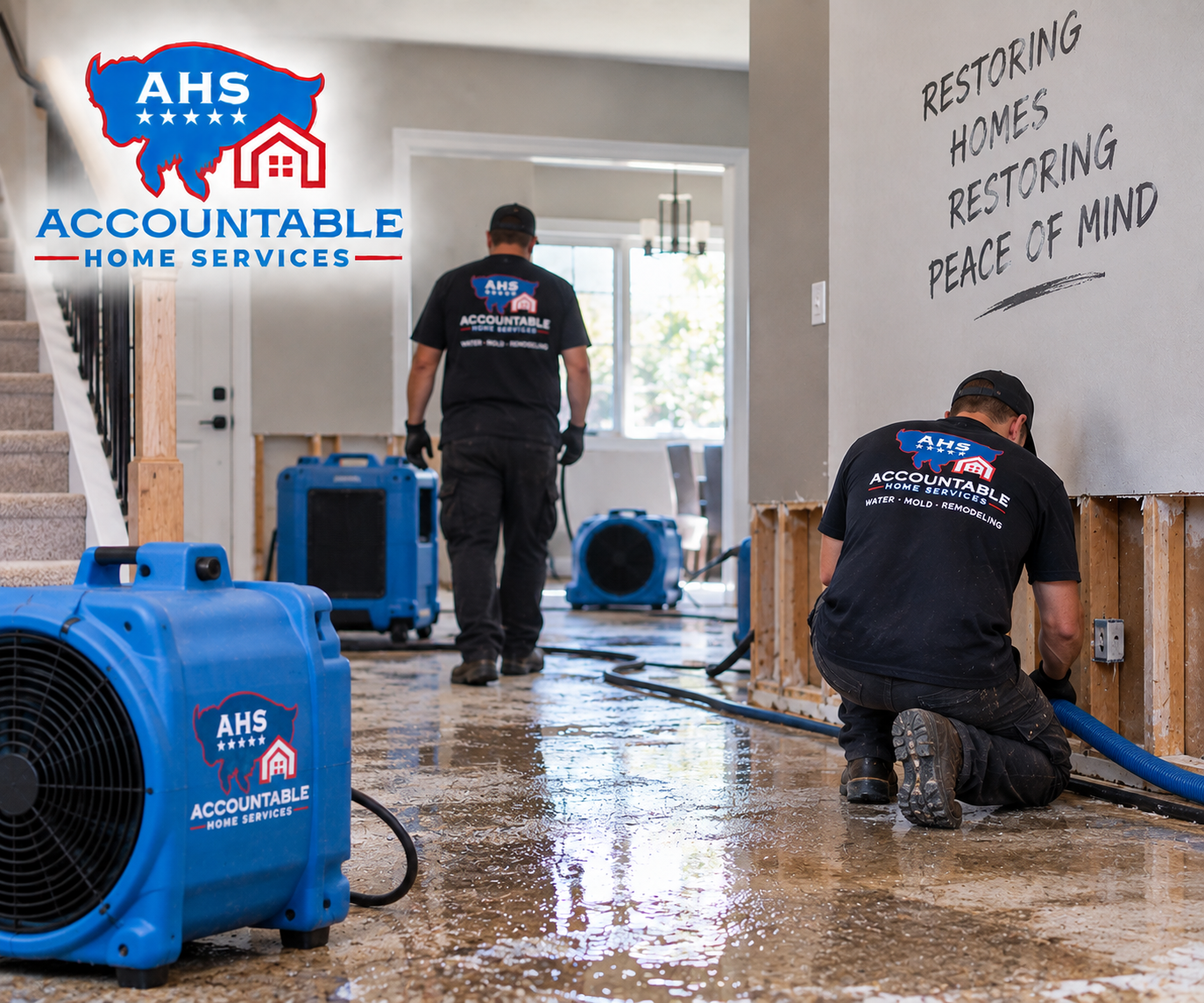
A restoration team may use:
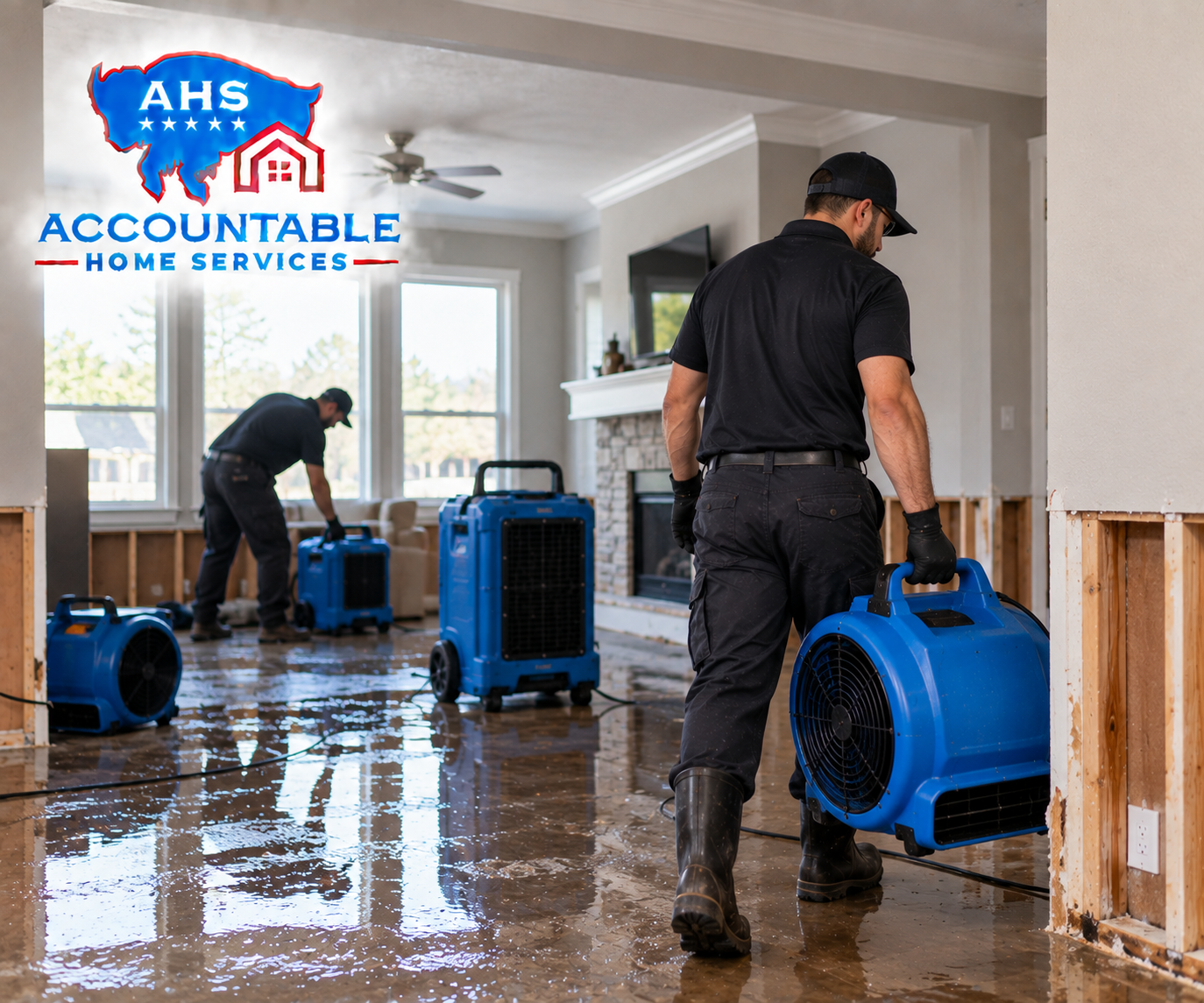
- Air movers to move dry air across wet surfaces
- Dehumidifiers to pull moisture from the air
- Containment to focus drying in affected areas
- Selective removal of wet materials that cannot be saved
- Moisture readings to track whether drying is working
- Adjustments to equipment placement as conditions change
Home fans can help with air movement, but they are not a full drying plan. If moisture remains in wall cavities, flooring layers, or insulation, fans may only dry the surface. Proper drying is measured, adjusted, and verified before repairs begin.
Stage 5: Monitor drying progress
Drying is not a one-time setup. Conditions should be checked over time so the team can confirm progress and make changes if needed. This is where a reliable restoration partner can make the process much easier for homeowners, insurance agents, plumbers, and property managers.
During monitoring visits, technicians typically check moisture readings, equipment performance, humidity, temperature, and the condition of affected materials. If one area is drying slowly, equipment may be moved or additional steps may be recommended. If a material is not responding well, removal may be safer and more practical than trying to save it.
For property managers, this communication is especially important. Tenants want to know what is happening, owners want updates, and delays can create bigger problems. Clear notes, photos, and drying logs help everyone understand the plan without guessing.
Stage 6: Prevent mold after water damage
Mold after water damage is a common concern, and it should be taken seriously without panic. Mold needs moisture to grow, so the best prevention is fast water removal, proper drying, and follow-up monitoring. When materials stay wet too long, the risk increases.
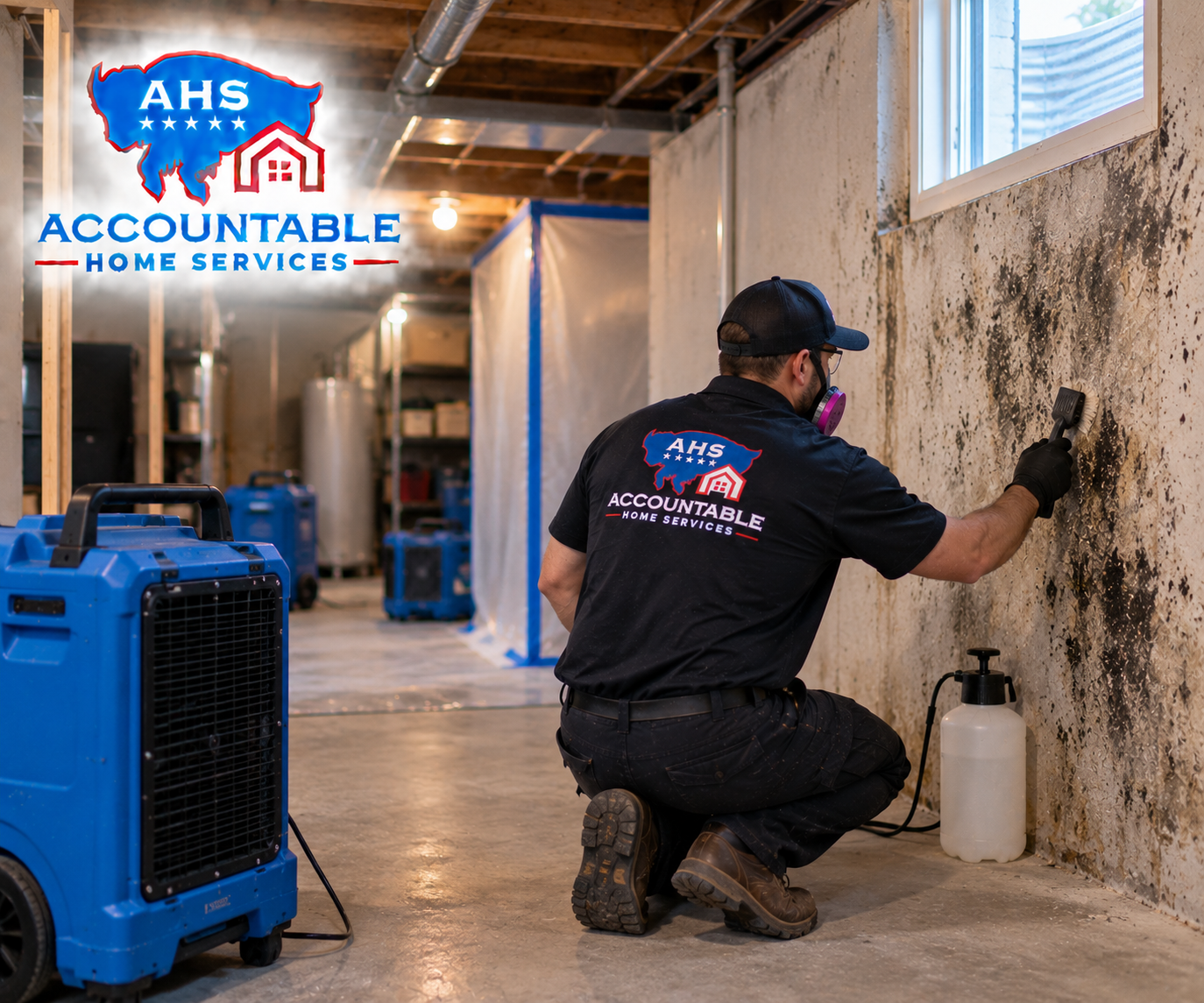
Homeowners should watch for musty odors, new staining, soft drywall, peeling paint, damp carpet, or moisture that keeps returning. These signs do not always mean a major mold problem, but they do mean the area needs a closer look. If visible mold is present or suspected, mold remediation may be needed before repairs are made.
Do not paint over stains, close up wet walls, or install new flooring until moisture has been addressed. Covering a damp area can trap moisture and create a bigger repair later. A calm, step-by-step approach protects the home better than rushing straight to cosmetic fixes.
Stage 7: Document the loss
Good documentation helps homeowners explain what happened and may support a water damage insurance claim Colorado carriers need to review. Documentation should start early, before major cleanup or demolition when possible. It does not need to be complicated, but it should be clear.
Helpful records include:
- Photos and videos of the source, affected rooms, wet materials, and damaged belongings
- The date and approximate time water was discovered
- Notes about what was done to stop the source
- Plumber invoices or repair notes, if a plumbing repair was needed
- Restoration moisture readings, drying logs, and photos
- A list of damaged personal property, if belongings were affected
- Communication records with the insurance company, property manager, or owner
Insurance policies and claim decisions vary, so homeowners should contact their insurance carrier or agent for guidance on coverage. A restoration company should not promise coverage, but it can help by providing organized job documentation and explaining the work performed in plain language.
Stage 8: Proceed to repairs when the home is dry
Repairs should come after mitigation and drying, not before. Once the affected materials are dry and the moisture readings support moving forward, the home can shift from water damage restoration to repair planning. Depending on the loss, repairs may include drywall replacement, trim work, paint, flooring, cabinet work, or other building repairs.
This sequence matters. If repairs begin while hidden moisture remains, the home may look finished but still have a moisture problem inside. That can lead to odor, staining, material damage, or mold concerns later.
A good restoration process gives homeowners a cleaner handoff into repairs. The affected areas are identified, wet materials are handled, drying is documented, and the next contractor or repair team has a clearer starting point.
When professional water damage restoration is the right call
Some water problems are small enough for a homeowner to handle. A minor spill on a hard floor is very different from water spreading under walls or soaking a finished basement. When in doubt, it is better to ask early than to wait until damage is obvious.
Call for professional help if you are dealing with:
- Standing water in a basement, hallway, bathroom, kitchen, or utility room
- Water that reached drywall, carpet, wood flooring, cabinets, or insulation
- A ceiling water leak with staining, bubbling paint, or sagging material
- Burst pipe water damage affecting more than one surface
- Water from a drain backup, toilet overflow, or unknown source
- Musty odor or suspected mold after water damage
- A rental property where tenants need quick communication and safe conditions
- An insurance claim that needs clear photos, notes, and drying records
For plumbers, a restoration referral can help the customer after the leak is fixed. For insurance agents, clear restoration documentation can make the claim process easier to understand. For property managers, quick mitigation can reduce tenant frustration and help protect the property owner’s investment.
Local help for Erie homes and properties
Water damage restoration is part cleanup, part drying science, and part communication. Erie homeowners need fast help, but they also need honest guidance about what is wet, what can be dried, what may need removal, and what should be documented. That is especially true when the situation involves emergency water damage Erie calls, flooded basement cleanup Erie needs, or moisture that is not visible at first glance.
If you discover water damage, start with the basics: stop the source, stay safe, document what you see, and get professional help when water has moved into building materials. A calm, organized response can help protect the home, reduce mold risk, and make the next steps clearer for everyone involved.
If you need water damage restoration, water extraction, structural drying, or mold remediation support in Erie, CO, contact a local restoration professional as soon as possible. The sooner the drying plan starts, the better chance you have of limiting damage and moving toward repairs with confidence.