How to Detox Your Home From Mold in Louisville, CO: What Homeowners Should Know
How to Detox Your Home From Mold in Louisville, CO: What Homeowners Should Know
How do I get mold out of my home and keep it from coming back?
The short answer is: fix the moisture source first, contain the affected area, remove what cannot be safely cleaned, clean what can be saved, dry the structure, and verify the work before rebuilding. For Louisville homeowners, mold often follows a roof leak, plumbing failure, sump issue, humid basement, or past water damage that was never fully dried. If you are dealing with visible growth, musty odors, or suspected hidden mold in walls, a careful mold cleanup plan helps protect the home, supports documentation for an insurance claim, and reduces the chance of the problem returning.
Mold problems in Louisville homes usually start with moisture
Mold is not just a surface stain. It is usually a sign that moisture has been present long enough for materials to support growth. In Louisville, CO, that can happen after snowmelt leaks, basement seepage, appliance supply line failures, drain backups, bathroom ventilation problems, or water damage from a burst pipe.
This is why real mold remediation Louisville homeowners can rely on starts with finding the water source. If the leak, humidity, or condensation problem is still active, cleaning the visible mold is only a temporary fix. The same area can grow back, sometimes behind drywall, under flooring, inside cabinets, or around framing.
Common situations that call for a closer look include:
- Basement mold Louisville homeowners notice after wet weather: damp foundation walls, stored boxes, carpet, or drywall can hold moisture longer than expected.
- Mold after water damage: even a small leak can become a mold concern if the area was not opened, dried, and checked.
- Bathroom mold removal needs: poor ventilation, repeated steam, and failed caulking can keep surfaces damp.
- Hidden mold in walls: musty smells, staining, peeling paint, or a history of leaks can point to growth behind finished materials.
- Black mold cleanup concerns: dark staining should be handled carefully, but color alone does not identify the type of mold or the level of risk.
If you are an insurance agent, plumber, or property manager helping a homeowner or tenant through this, the first useful step is to slow the damage down and get clear documentation. Good photos, moisture readings, affected-area notes, and a plain explanation of the loss can make the next steps much less confusing.
The proper order for mold cleanup
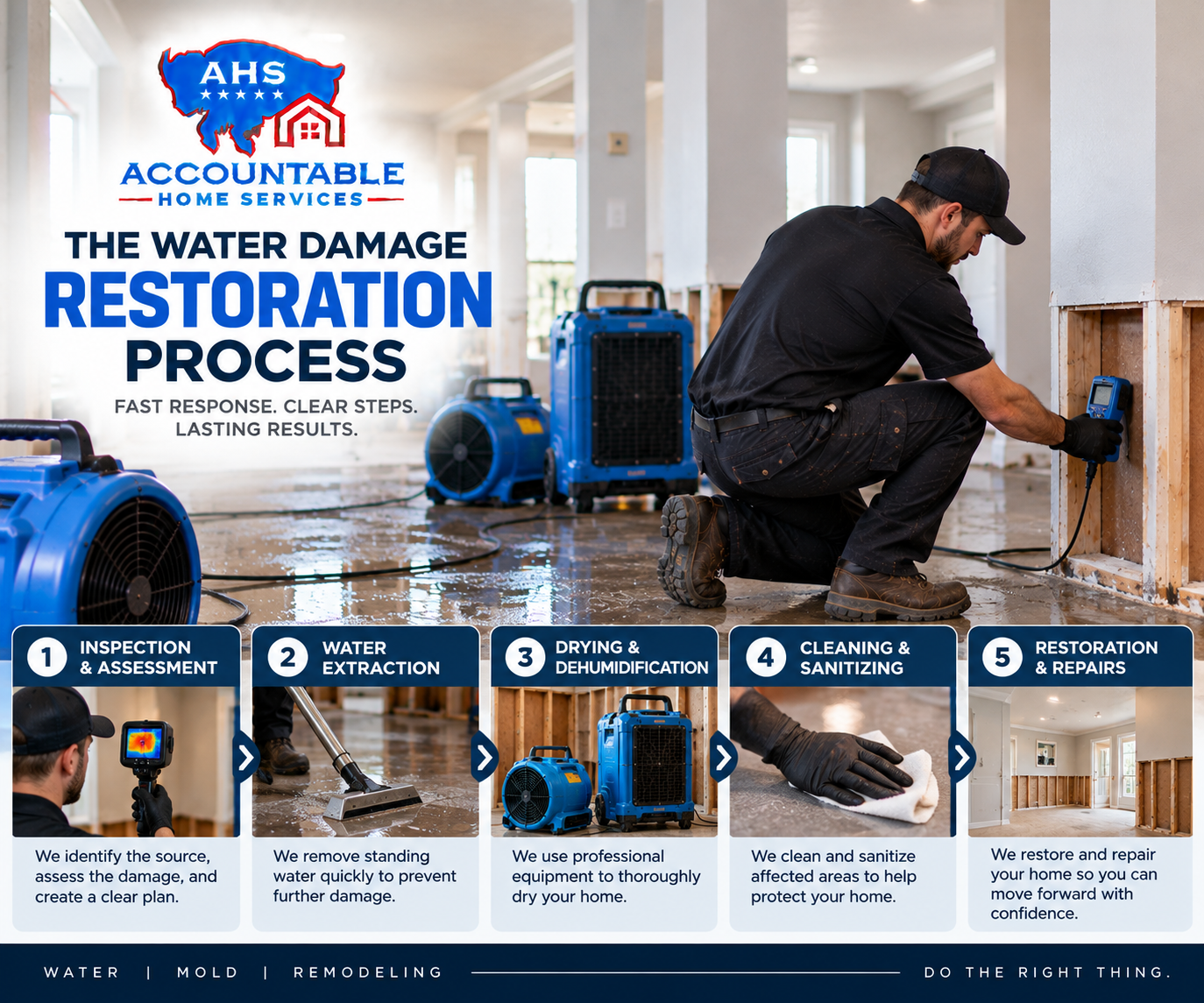
A safe mold cleanup Louisville CO plan follows a sequence. Skipping steps can spread contamination, leave moisture behind, or create problems when repairs begin. The order below is the basic path used in professional mold remediation.
- Source correction
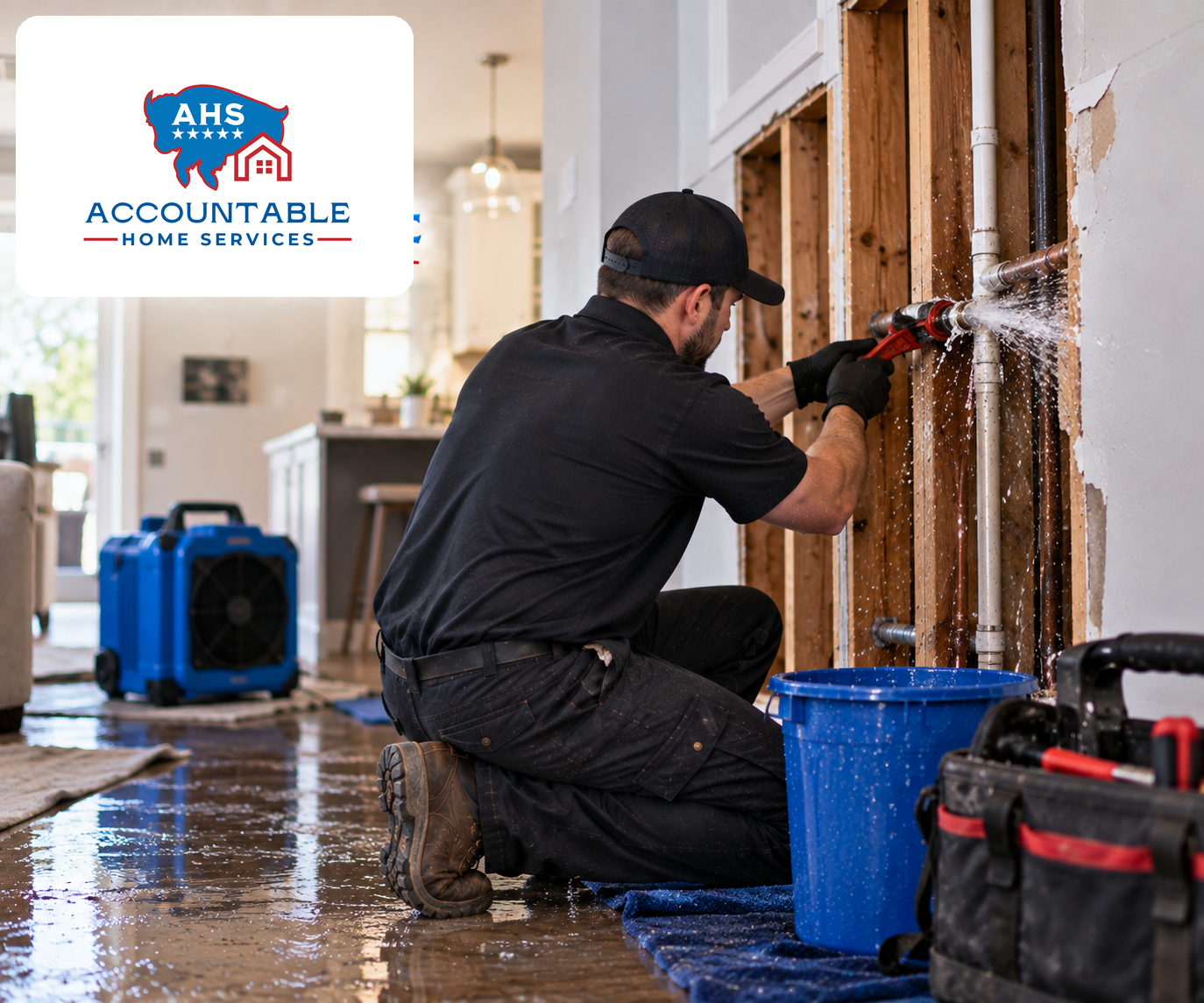
- The moisture problem must be corrected before cleanup is considered complete. That may mean repairing a leaking pipe, improving bathroom ventilation, addressing a roof or window leak, correcting drainage, or stopping basement water intrusion. For plumbers, this is often the point where the plumbing repair is done, but the surrounding building materials still need drying or evaluation.
- Moisture control
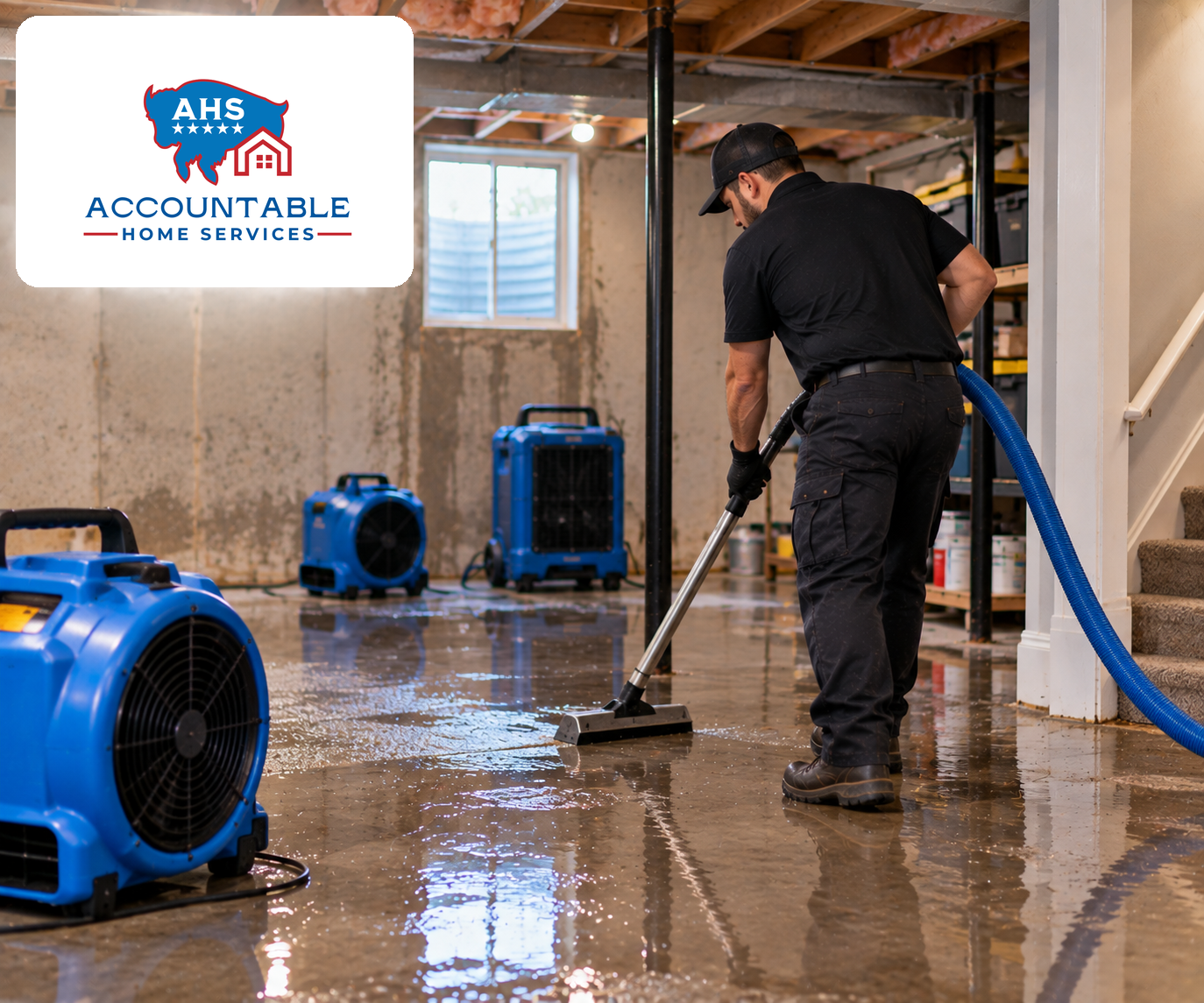
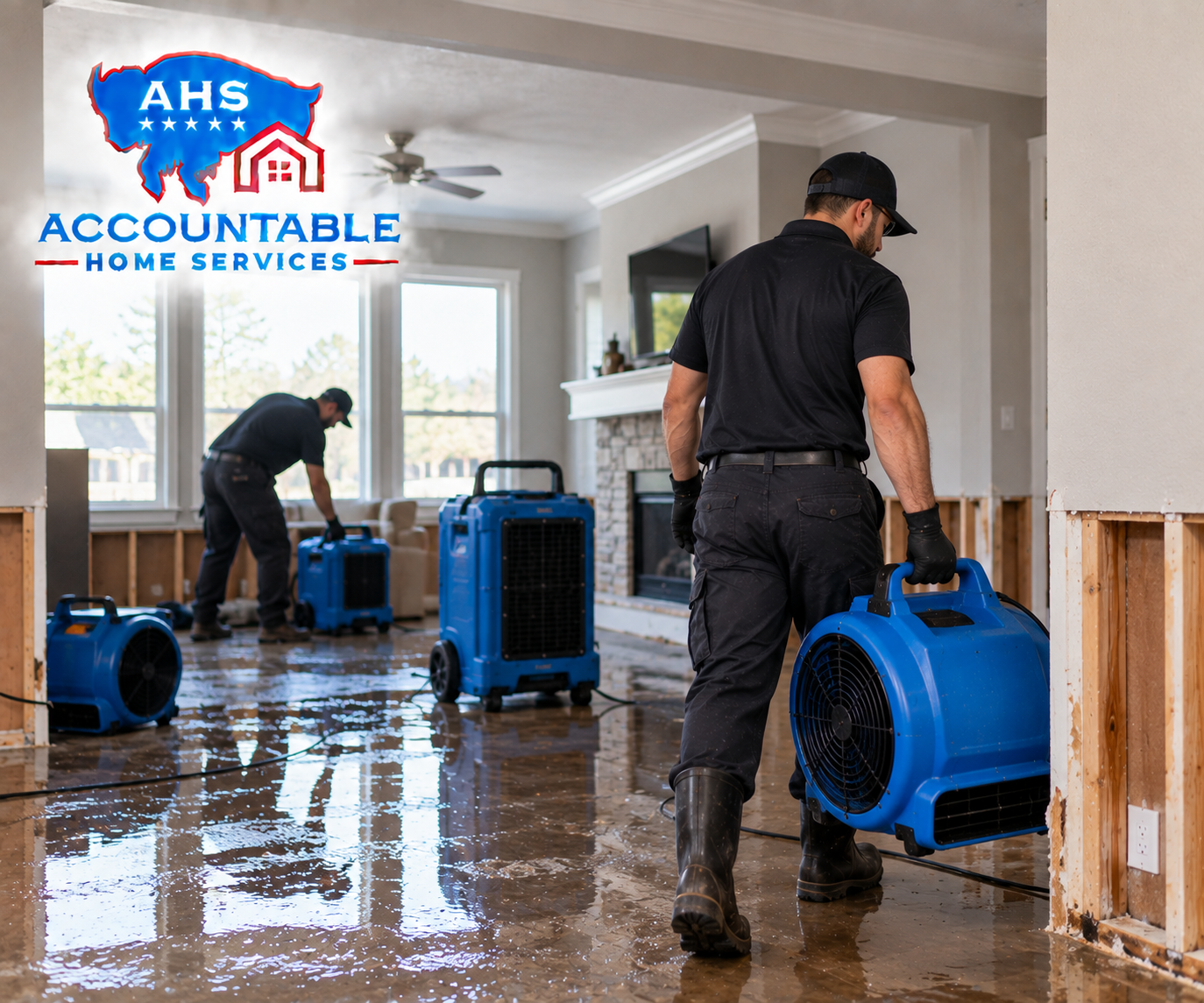
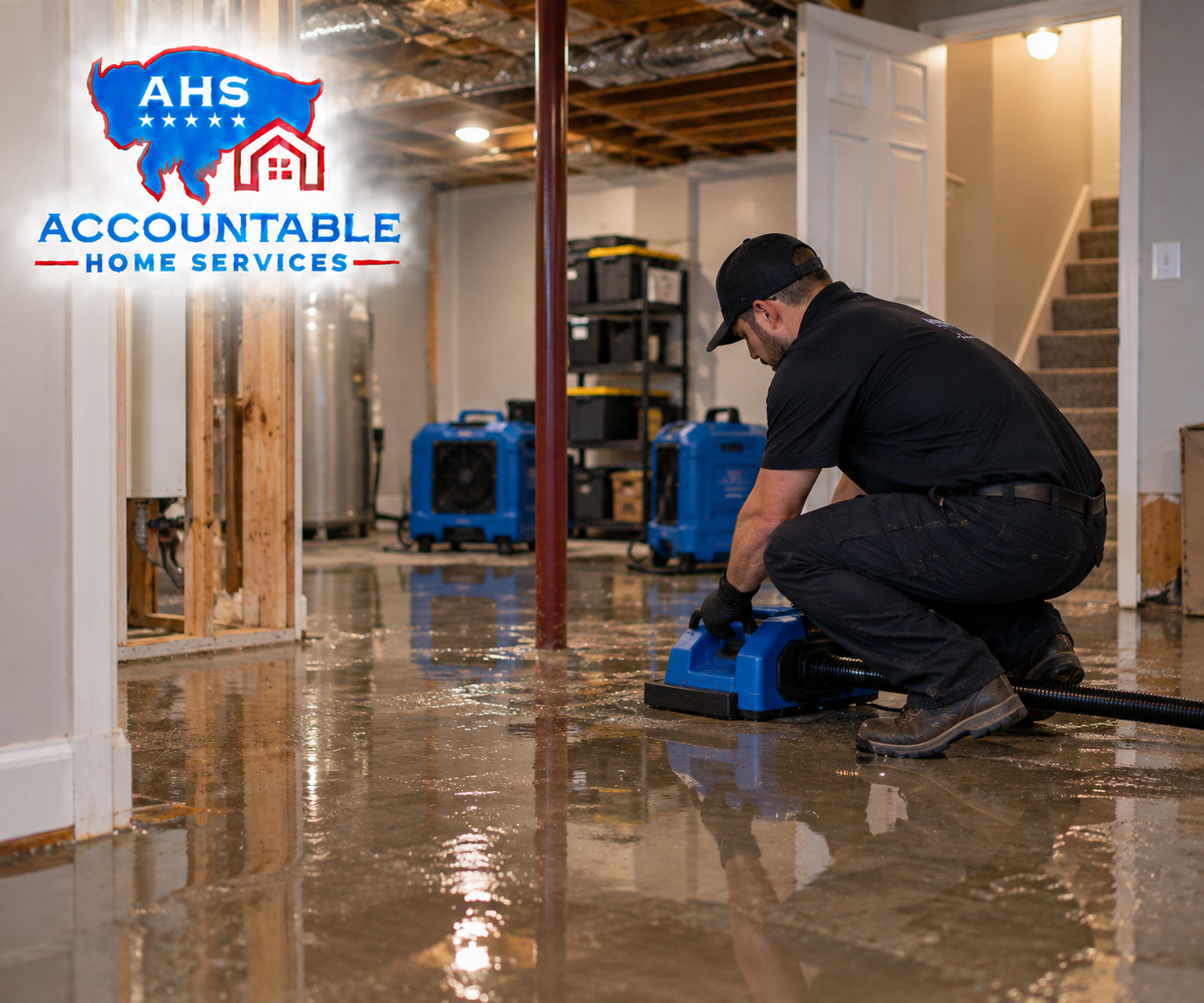
- Mold prevention depends on moisture control. Wet drywall, insulation, wood, subflooring, carpet, and cabinets can stay damp even when the room looks dry. Restoration professionals use drying equipment and moisture measurements to understand what is still holding water. This is especially important after mold after water damage because trapped moisture can keep feeding growth.
- Containment
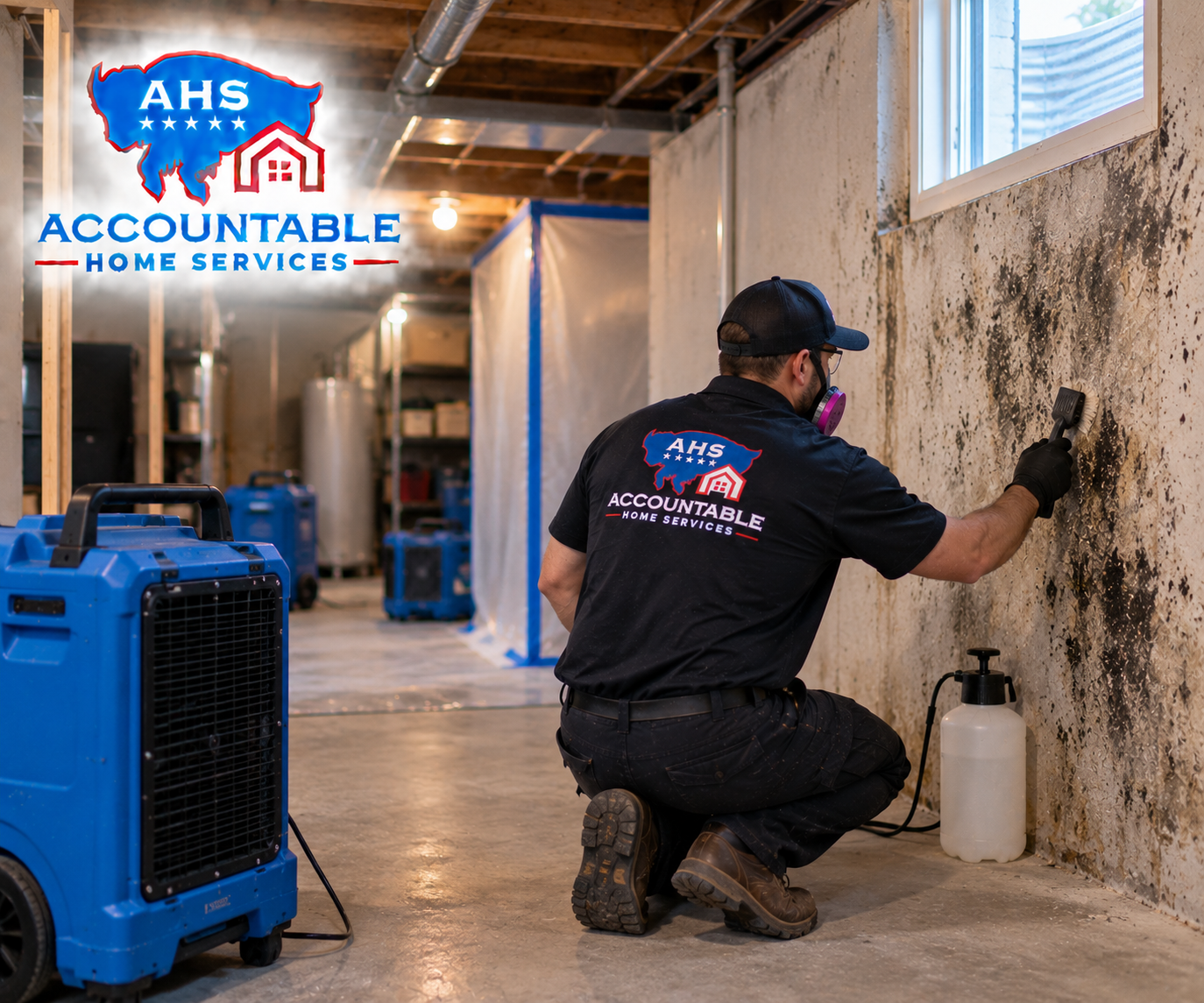
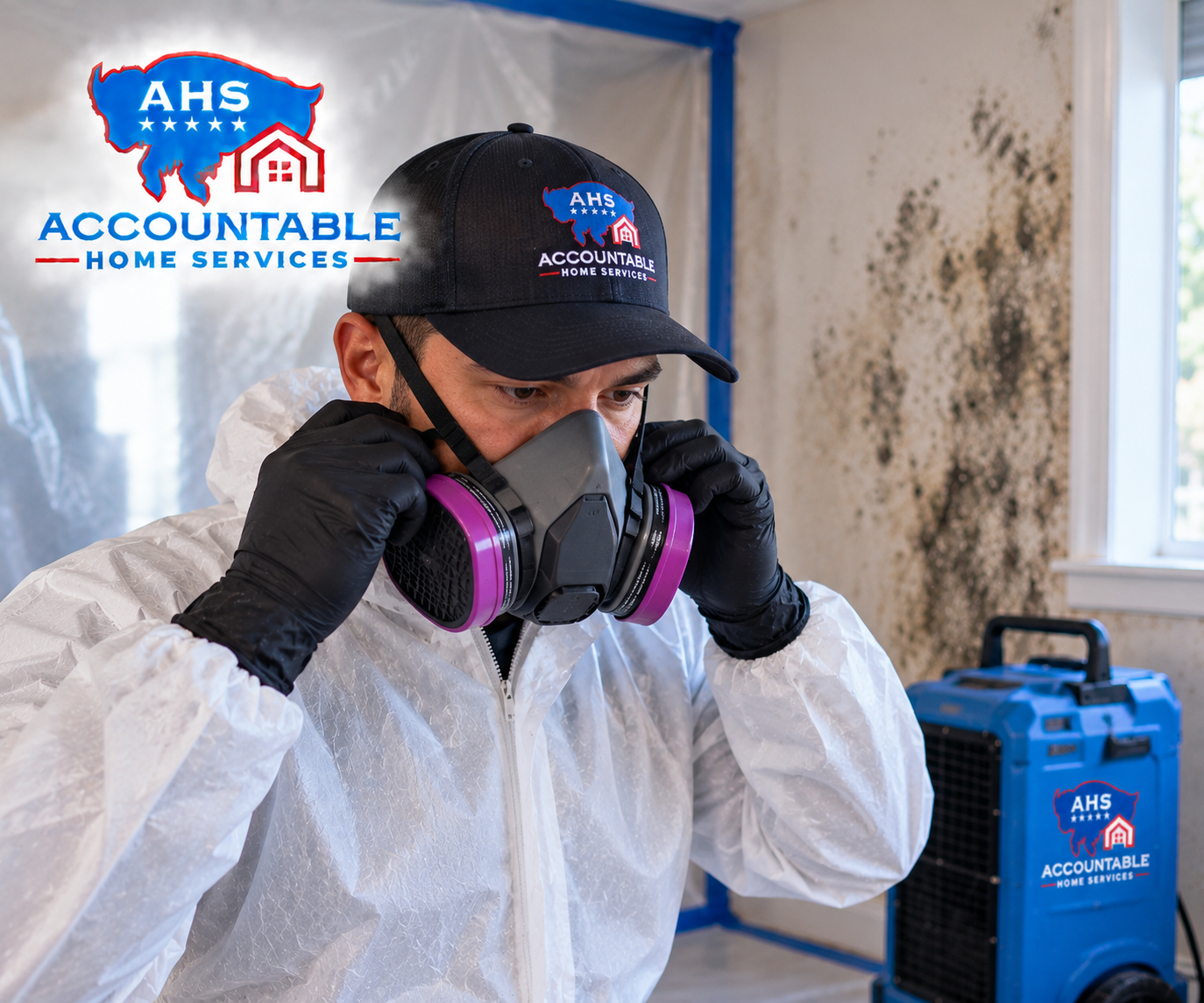
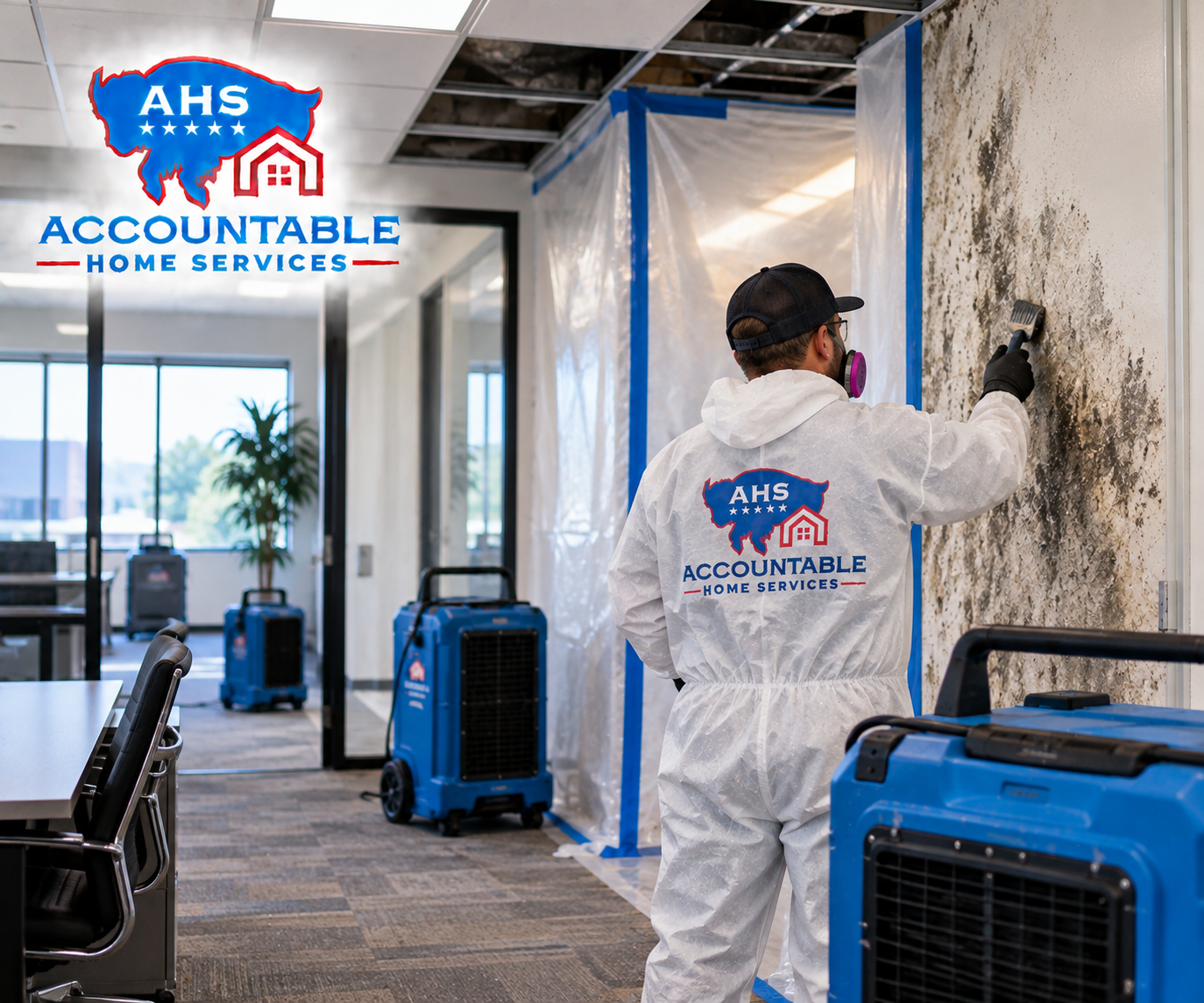
- The affected area should be separated from clean areas before disturbed materials are removed or cleaned. Containment may include plastic barriers, controlled access, and air filtration when appropriate. The goal is simple: keep dust, spores, and debris from spreading into other rooms, HVAC systems, or occupied spaces.
- Removal of affected porous materials when necessary
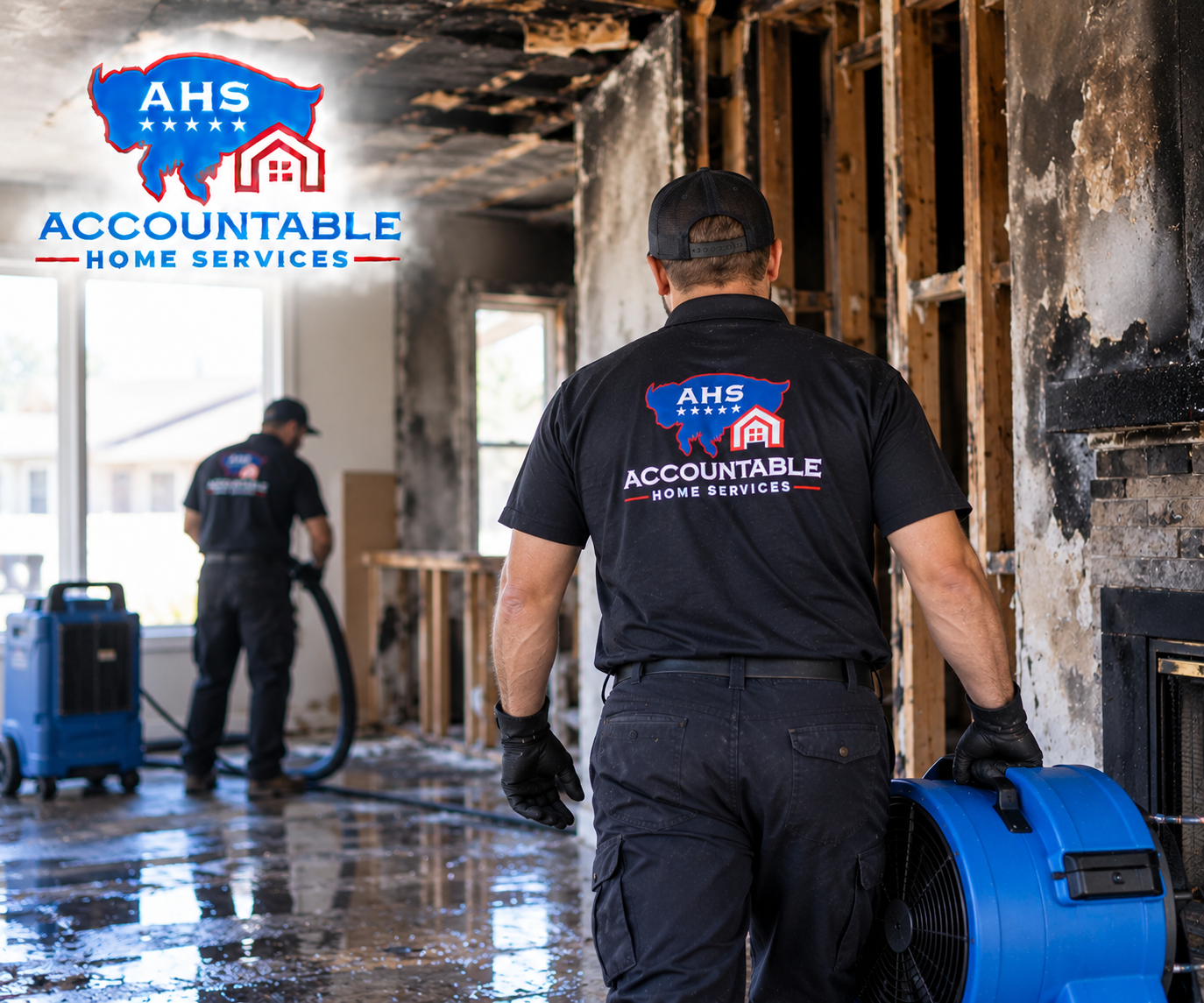
- Some materials cannot be cleaned well once mold has grown into them. Porous items like drywall, insulation, carpet pad, ceiling tile, and heavily contaminated contents may need to be removed. This is not about tearing out more than needed. It is about removing materials that cannot be reliably restored.
- Cleaning
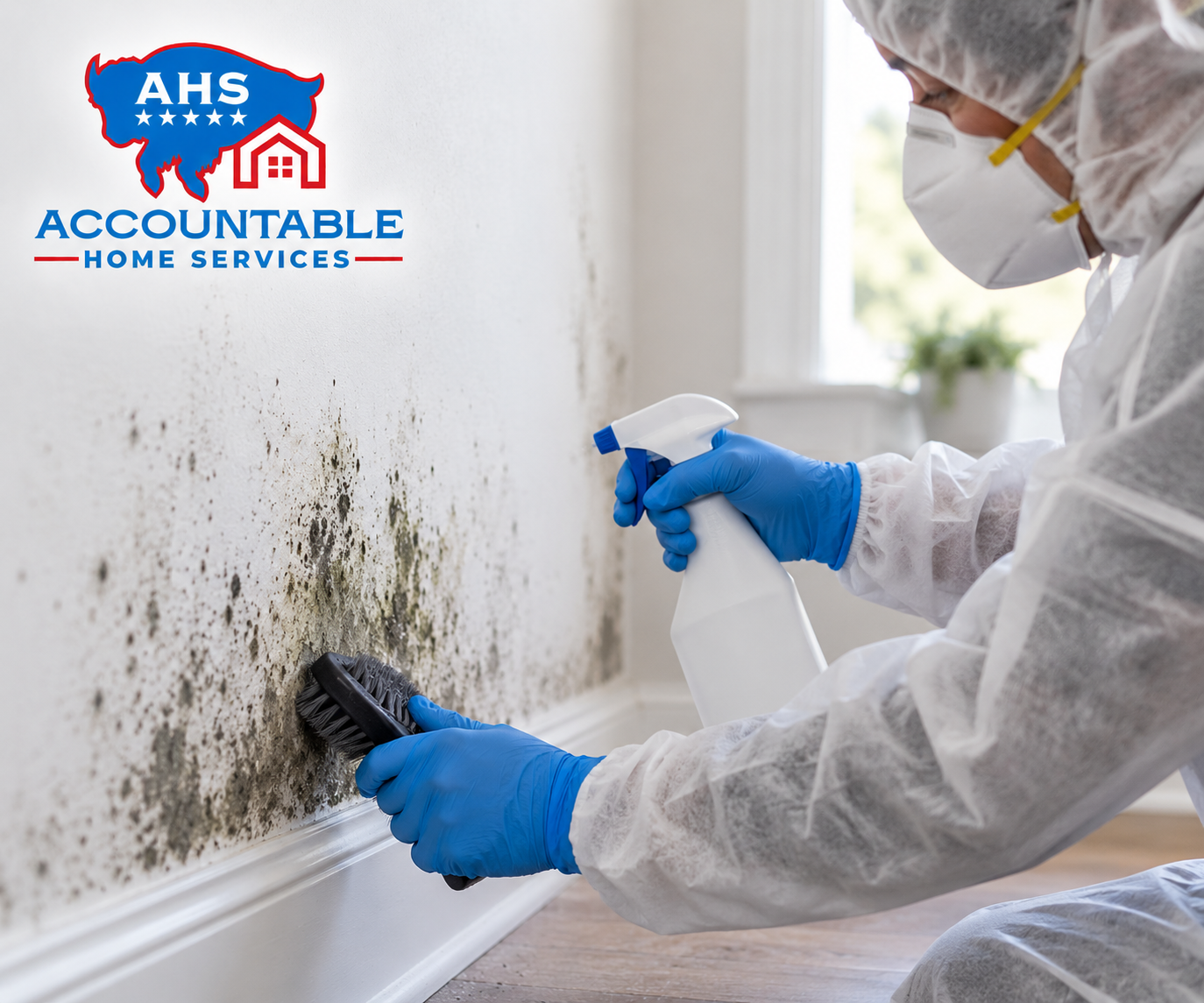
- Remaining surfaces are cleaned using methods matched to the material and condition. That may include HEPA vacuuming, damp wiping, controlled removal of residue, and cleaning of nearby surfaces where settled particles may be present. Mold contamination cleanup should focus on physical removal, not just spraying a product over the area.
- Drying
- After cleaning, the area still needs to be dried to a stable condition. Fans, dehumidifiers, and moisture checks help confirm that materials are no longer holding excess water. Drying matters because a clean but damp area can become a repeat problem.
- Verification
- Before repairs begin, the work should be checked. Verification may include visual inspection, moisture readings, documentation, and, when needed, third-party testing. The point is to confirm the source was corrected, contaminated materials were addressed, and the area is ready for rebuild.
When professional mold remediation is the safer choice
Small surface mildew on a hard bathroom surface may be manageable with routine cleaning and better ventilation. But larger mold growth, recurring odors, water-damaged materials, or suspected hidden mold in walls should be treated more carefully. If the affected area keeps coming back, the real issue is usually moisture or contaminated materials that were never fully addressed.
Professional mold remediation is often the better route when:
- Mold covers more than a small, isolated surface area.
- Growth is on drywall, insulation, carpet, subflooring, or cabinets.
- The home had a leak, flood, sewer backup, or long-term moisture problem.
- Occupants are concerned about mold health effects or have sensitivities.
- There is a musty odor but no obvious visible source.
- A property manager needs tenant-safe communication and documentation.
- An insurance claim may require photos, readings, scope notes, and invoices.
- Cleanup could disturb materials and spread dust through the home.
Mold health effects vary from person to person, and a restoration company should not use scare tactics. The practical concern is that mold contamination can affect indoor conditions, damage building materials, and create stress for the people living in the home. A calm, documented process helps everyone understand what was found, what was removed, what was cleaned, and what still needs repair.
What homeowners can do before help arrives
If you find mold or suspect a moisture problem, your goal is to avoid making it worse. You do not need to diagnose everything on your own. Focus on safety, stopping water if possible, and preserving clear information.
Helpful first steps include:
- Stop the water source if it is safe to do so. Turn off a supply valve, shut down a leaking fixture, or call a plumber for an active leak.
- Avoid disturbing visible mold. Do not scrape, sand, or tear out materials without containment.
- Do not point fans at moldy materials. Air movement can spread particles if the area is contaminated.
- Take photos before moving items. Capture the source, damaged materials, affected rooms, and any visible staining.
- Move clean, dry belongings away from the area. Do this only if you can avoid disturbing moldy materials.
- Limit access to the affected space. Keep children, pets, tenants, or visitors out of the area until it is evaluated.
- Save repair records. Plumbing invoices, leak details, and dates can help explain the cause of loss.
For insurance agents and property managers, this early documentation is especially useful. It helps create a timeline and reduces confusion later. For plumbers, a quick referral after the leak repair can help the homeowner avoid a second problem from moisture left behind.
Local restoration support for Louisville homes and properties
Mold removal Louisville CO work should be practical, contained, and well documented. Homeowners want the mold gone, but they also need to understand why it happened and what prevents it from returning. That means the restoration plan should connect the dots between source correction, moisture control, material removal, cleaning, drying, and verification.
In a real home, that might look like this: a water heater leak is repaired, but the nearby drywall and baseboards are still damp. A restoration team checks moisture, contains the utility area, removes unsalvageable porous materials, cleans exposed framing and hard surfaces, dries the area, and documents the condition before rebuild. That is a very different outcome than simply wiping the wall and hoping the odor goes away.
A clear restoration partner should provide:
- A plain explanation of what was found and why it matters.
- Photos of affected areas before, during, and after cleanup.
- Moisture readings or drying notes when water damage is involved.
- A scope of work that separates mitigation, mold cleanup, and rebuild when needed.
- Communication that homeowners, agents, plumbers, tenants, and owners can follow.
- No unnecessary panic, pressure, or vague claims.
This kind of communication protects the customer experience. It also helps insurance agents feel comfortable making a referral, plumbers know their customer is still being cared for after the repair, and property managers keep owners and tenants informed.
Preventing mold from coming back
Once cleanup is complete, prevention comes down to keeping materials dry and responding quickly when water shows up. Mold does not need a major flood to return. Repeated small leaks, high humidity, condensation, or poor airflow can create the same problem over time.
Good prevention habits include:
- Repair plumbing leaks, roof leaks, and exterior water entry quickly.
- Use bathroom fans during showers and long enough afterward to clear moisture.
- Keep basement humidity controlled, especially in finished or storage areas.
- Avoid storing cardboard directly against basement walls or floors.
- Watch for musty odors after storms, snowmelt, or appliance leaks.
- Dry wet materials promptly after any water damage.
- Ask for moisture checks if walls, floors, or cabinets may still be damp.
If mold returns after cleaning, assume there is still a moisture problem or hidden affected material. That is the time to look deeper, not simply clean the surface again.
Get clear next steps for mold cleanup in Louisville, CO
If you are dealing with basement mold, bathroom mold, black mold cleanup concerns, or mold after water damage, start with a careful assessment. The right help should explain what is happening, document the damage, and guide you through the cleanup in the correct order.
For homeowners, that means less guessing and a safer path back to normal. For insurance agents, plumbers, and property managers, it means your client gets practical guidance from a restoration partner who understands communication, documentation, and the importance of doing the work in the right sequence.
If you suspect mold contamination in a Louisville home or managed property, reach out for a professional evaluation before removing materials or starting repairs. A calm, well-documented plan is the best way to clean up the problem and keep it from coming back.