Emergency Sewer Backup in Littleton, CO: What Homeowners Should Do First
Emergency Sewer Backup in Littleton, CO: What Homeowners Should Do First
When sewer water enters your home, the first few minutes matter. Whether it comes up through a basement floor drain, shower, toilet, or utility sink, a sewer backup should be treated as a serious plumbing and water damage emergency.
For homeowners in Littleton, CO, the goal is simple: stay safe, stop additional damage if you can do so safely, document what happened, and call trained professionals for cleanup and restoration. Sewage water is not the same as a clean water leak. It can contain bacteria, viruses, chemicals, and other contaminants that require proper protective equipment and cleanup procedures.
If you are dealing with an emergency sewer backup in Littleton CO, use the steps below as a plain-spoken guide for what to do first and when to bring in help.
First: Keep People and Pets Away From the Area
If you see sewer water in basement areas, bathrooms, laundry rooms, or anywhere else in the home, keep children, pets, older adults, and anyone with health concerns away from the affected space.
Sewage is often considered black water, which means it may be highly contaminated. Even a small toilet backup cleanup can involve more than visible water. Contamination can spread to flooring, baseboards, drywall, stored belongings, and anything porous nearby.
Do not walk through sewage unless it is absolutely necessary. If you must enter the area, wear:
- Waterproof boots
- Disposable gloves
- Eye protection
- A mask or respirator if available
- Clothing you can wash separately or throw away
Avoid touching your face, phone, light switches, door handles, or clean surfaces after contact with contaminated water.
Do Not Use More Water in the Home
Once you notice a basement sewage backup or a toilet, shower, or drain backing up, stop using water in the house until the problem is identified.
That means avoiding:
- Flushing toilets
- Running sinks
- Starting the dishwasher
- Doing laundry
- Taking showers or baths
Using more water may push additional sewage into the home if the main sewer line is blocked or if there are active sewer line problems. If safe and accessible, you may also shut off the water supply to fixtures that are overflowing. If you are unsure, wait for emergency plumbing services rather than risking contact with contaminated water.
Watch for Electrical Hazards
Water and electricity are a dangerous mix. If sewage water is near outlets, appliances, extension cords, a furnace, water heater, electrical panel, or plugged-in devices, do not enter the area.
Call for professional help right away. If you can safely shut off power from a dry location, do so. If not, stay out and wait for qualified help. Never step into standing water to unplug appliances or move electrical items.
This is especially important in Littleton homes with finished basements, laundry rooms, or utility areas where water may spread quickly across flooring.
Call for Emergency Plumbing and Cleanup Help
A sewer backup usually needs two types of help:
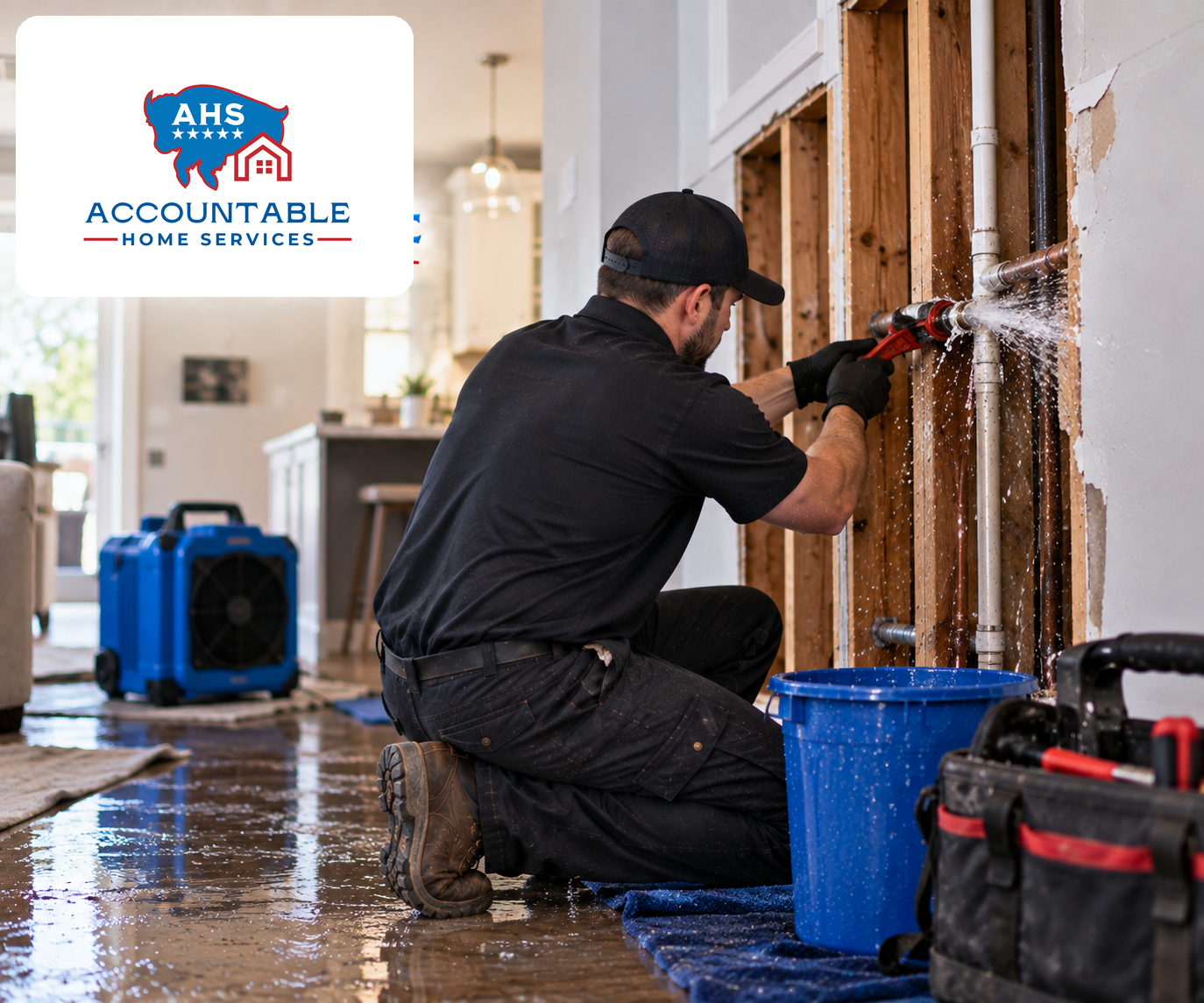
- A plumber to diagnose and address the source of the backup
- A cleanup and restoration team to remove sewage, dry the structure, and reduce contamination risks
Plumbing work focuses on why the backup happened. Restoration work focuses on what the sewage touched and how to return the home to a safer, drier condition.
When calling for help, explain what you are seeing clearly:
- Where the backup is happening
- Whether sewage is still coming in
- Which drains are affected
- Whether the water has reached carpet, drywall, cabinets, or stored items
- Whether there are electrical hazards
- Whether anyone in the home has health concerns
For sewage cleanup Littleton CO and sewer backup cleanup Littleton, choose a team that understands contaminated water cleanup, structural drying, odor control, and proper disposal of affected materials.
Know What Makes Sewage Water Different
A sewer backup is not just messy. It is potentially hazardous.
Sewage water may contain:
- Bacteria and viruses
- Human waste
- Cleaning chemicals
- Soil and debris
- Grease and organic matter
- Contaminants from the sewer line
That is why black water cleanup is handled differently from a small sink leak or clean supply line break. Porous materials may need removal instead of simple cleaning. Carpet, padding, insulation, drywall, trim, and some personal items can absorb contamination quickly.
If sewage has touched an item and you cannot fully clean and disinfect it, ask a restoration professional before keeping it. This is especially important for children’s toys, mattresses, upholstered furniture, cardboard boxes, rugs, and fabric items.
Document the Damage Before Cleanup Begins
If it is safe, take photos and videos before moving or removing anything. This can help with a sewer backup insurance claim Colorado homeowners may need to file.
Document:
- The source of the backup if visible
- Standing water levels
- Affected rooms
- Damaged flooring, walls, cabinets, and belongings
- Any sewage marks or debris
- Cleanup work as it progresses
- Items that must be discarded
Take wide shots of the room and close-ups of specific damage. Keep receipts for emergency services, plumbing visits, cleanup, temporary lodging, equipment rental, replacement materials, and damaged belongings.
Then contact your insurance company as soon as possible. Coverage for sewage backup water damage can vary by policy. Some homeowners have sewer backup coverage as an endorsement, while others may not. Ask your insurer what documentation they need and whether they want an adjuster to inspect the home.
What Professionals Do During Sewer Backup Cleanup
A trained cleanup team will typically begin by evaluating the affected areas and identifying the path of contamination. The exact process depends on the size of the backup, materials affected, and how long the water has been present.
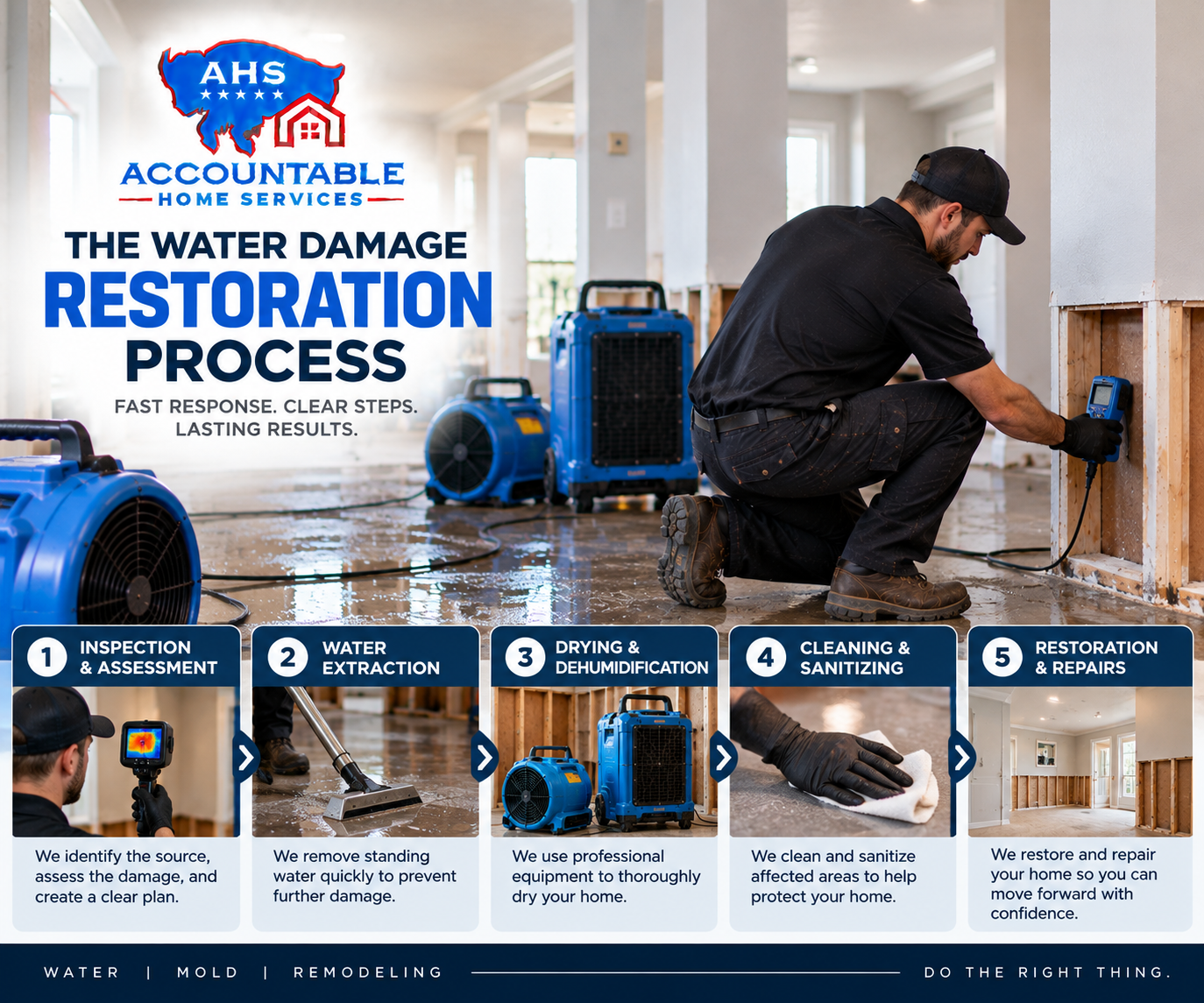
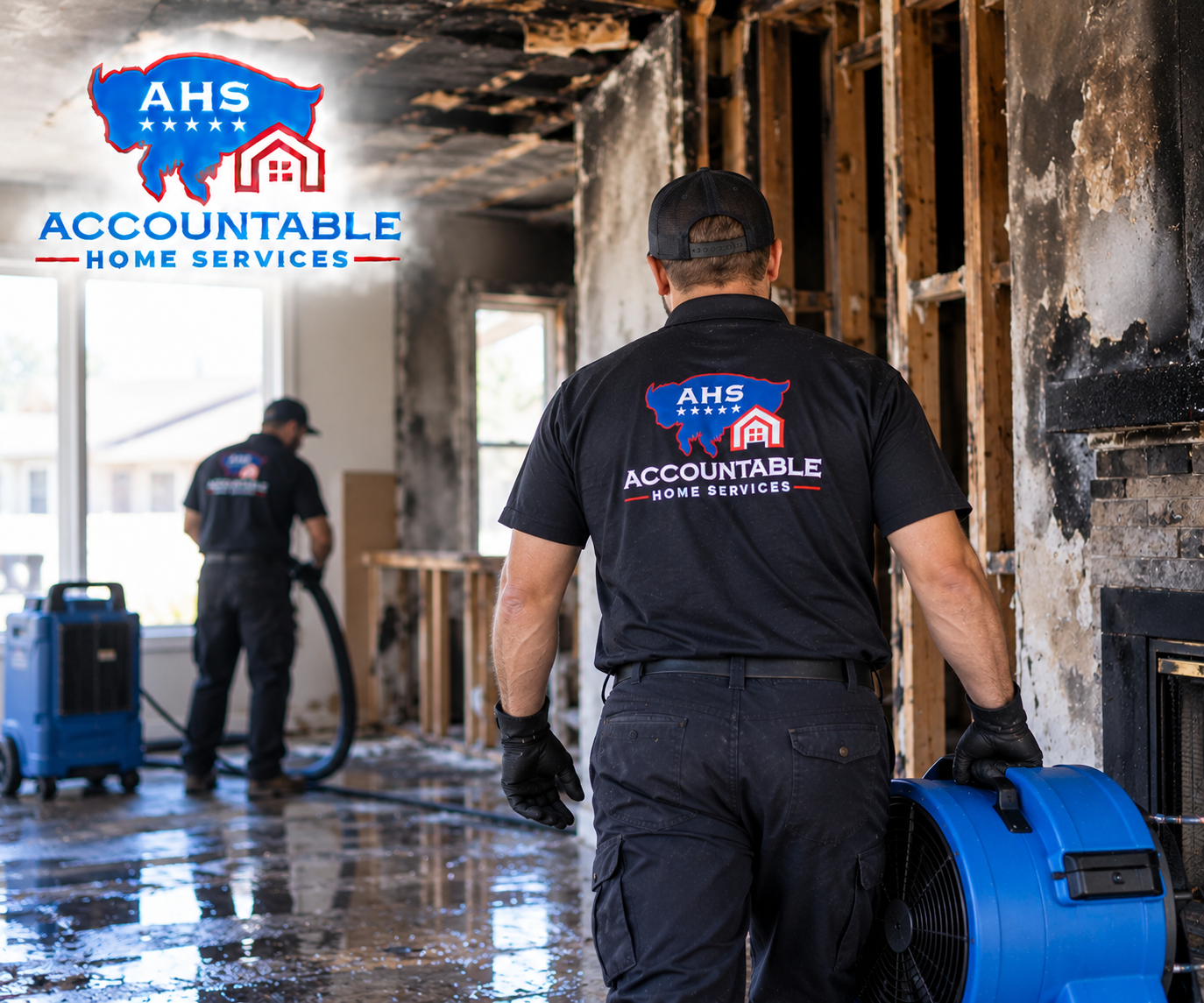
A typical emergency water cleanup Littleton response may include:
- Safety assessment and containment
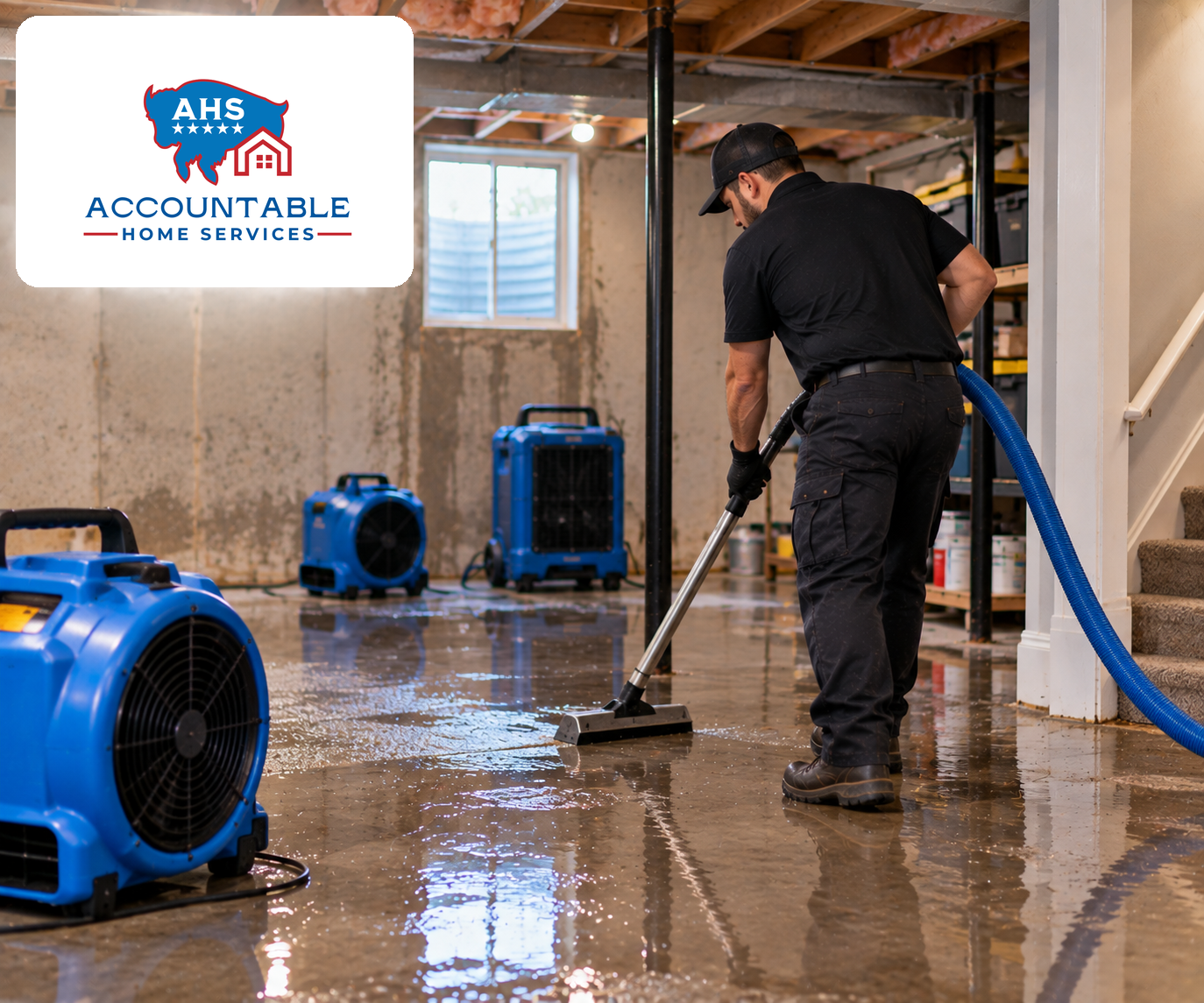
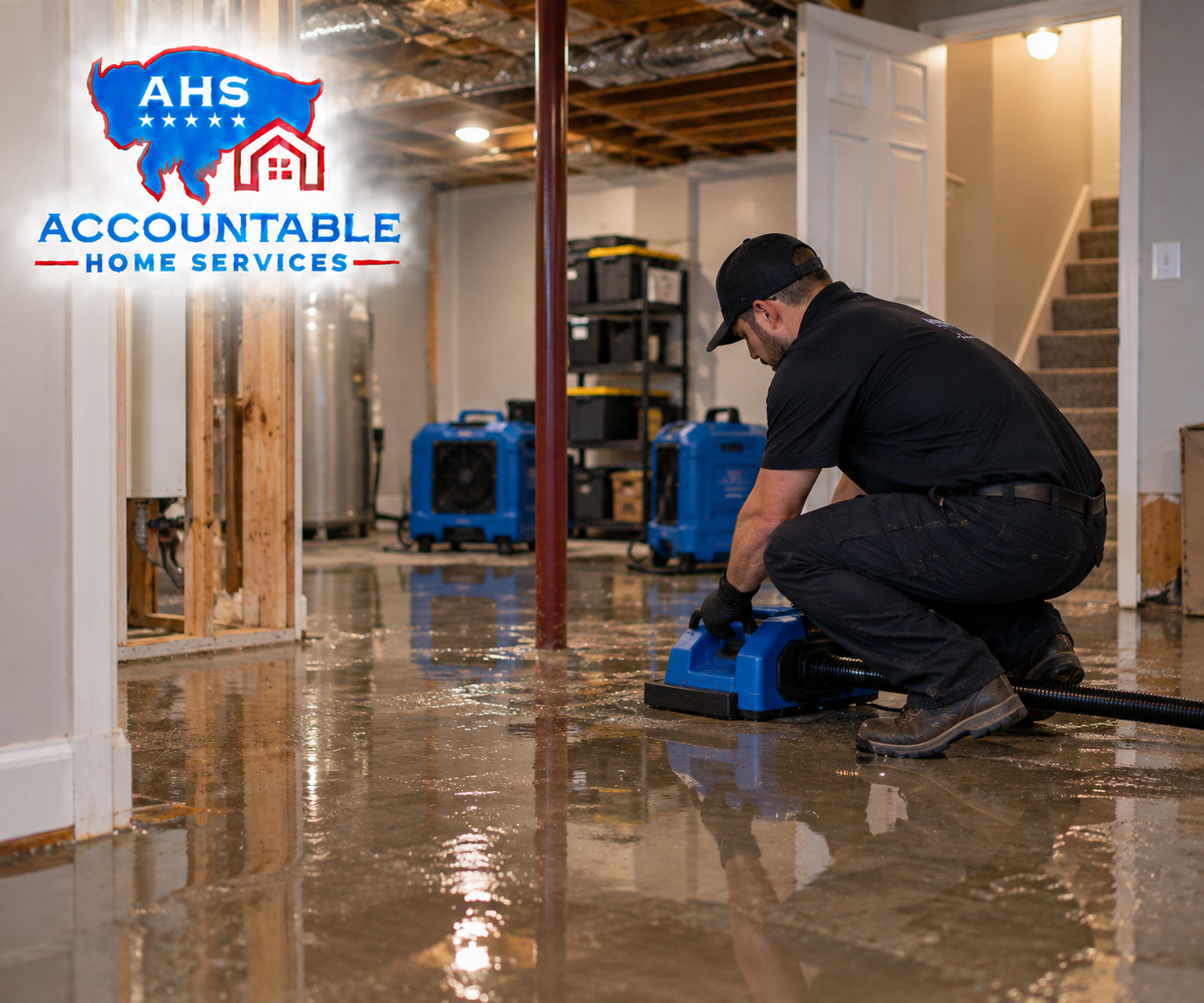
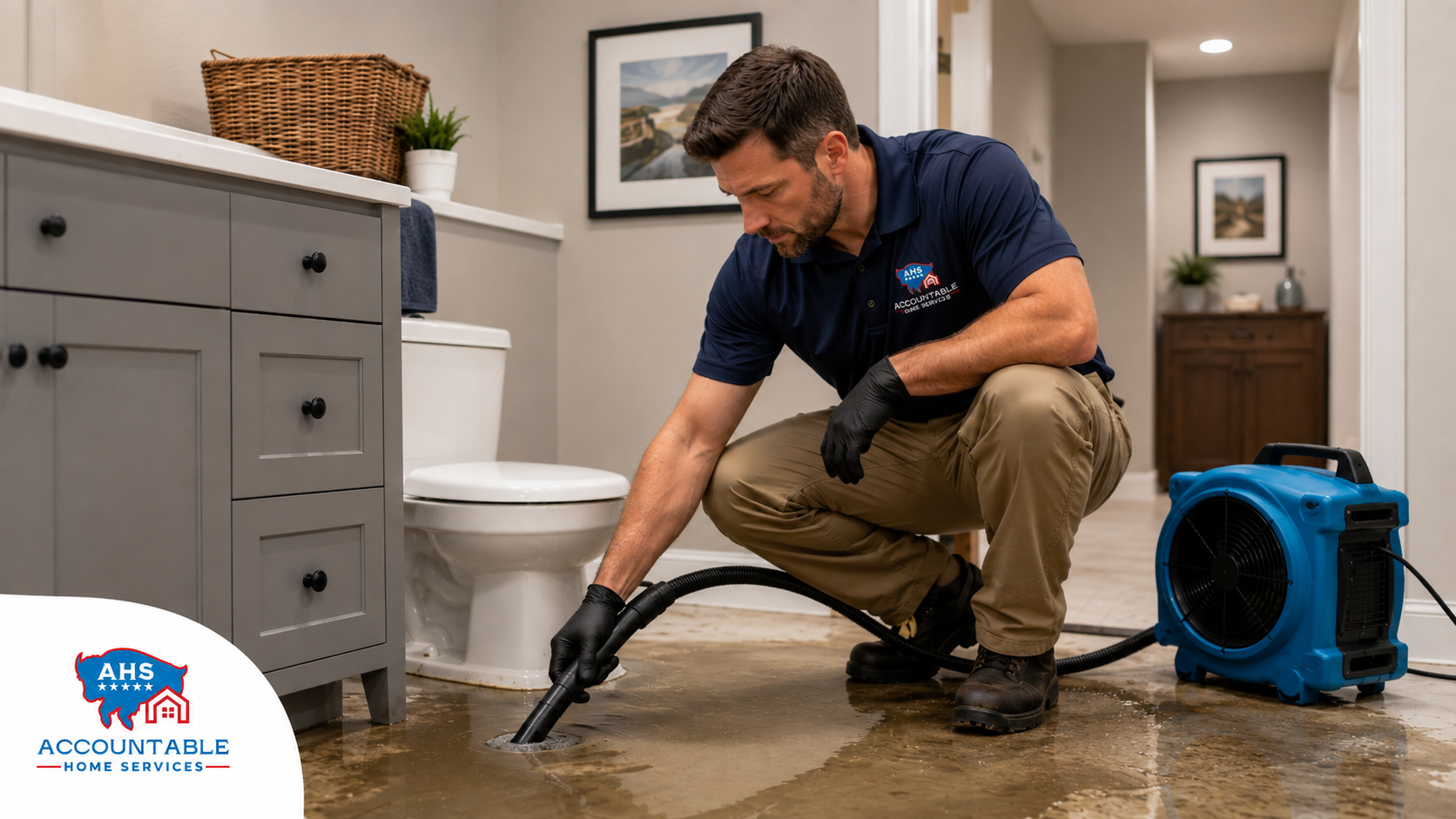
- Removal of standing sewage water
- Safe disposal of contaminated debris
- Removal of unsalvageable porous materials
- Cleaning and disinfection of affected hard surfaces
- Moisture testing in walls, floors, and trim
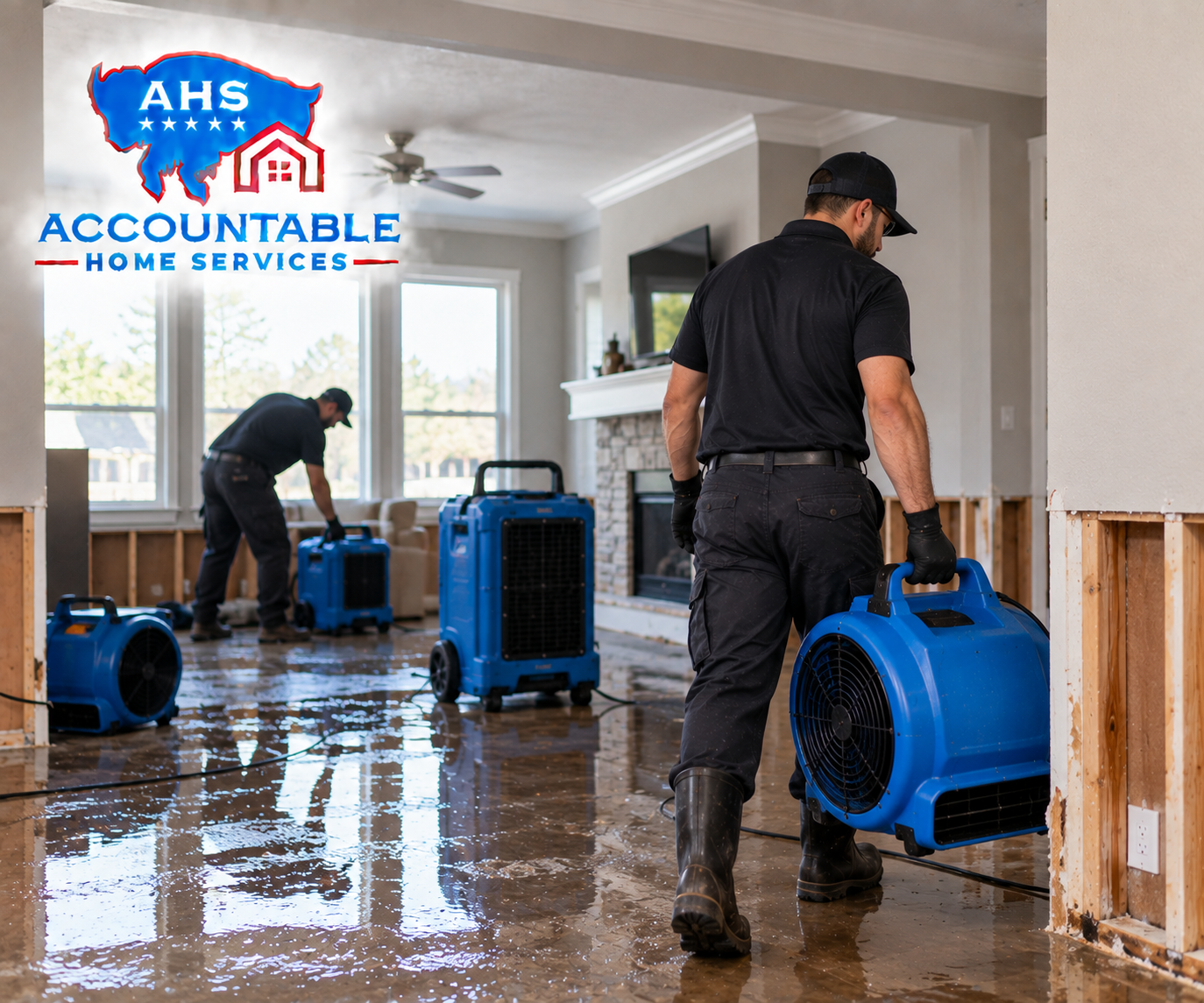
- Structural drying with air movers and dehumidifiers
- Odor control steps
- Follow-up moisture checks
The goal is not just to make the room look clean. The goal is to remove contamination, dry hidden moisture, and reduce the chance of lingering odors or mold growth.
Drying Matters More Than Many Homeowners Realize
After the visible sewage is removed, the home may still be wet behind baseboards, under flooring, inside wall cavities, or beneath cabinets. This hidden moisture can lead to swelling, staining, odor, and mold.
Professional water damage restoration Littleton services use moisture meters and drying equipment to find and dry damp materials. Fans alone are not always enough, especially if contaminated water has moved under finished flooring or into drywall.
Drying should be handled carefully after a sewer backup. Blowing air across contaminated areas before cleaning can spread particles and odors. That is one reason professional sequencing matters: remove contamination first, then clean, disinfect, and dry properly.
Preventing Mold After a Sewer Backup
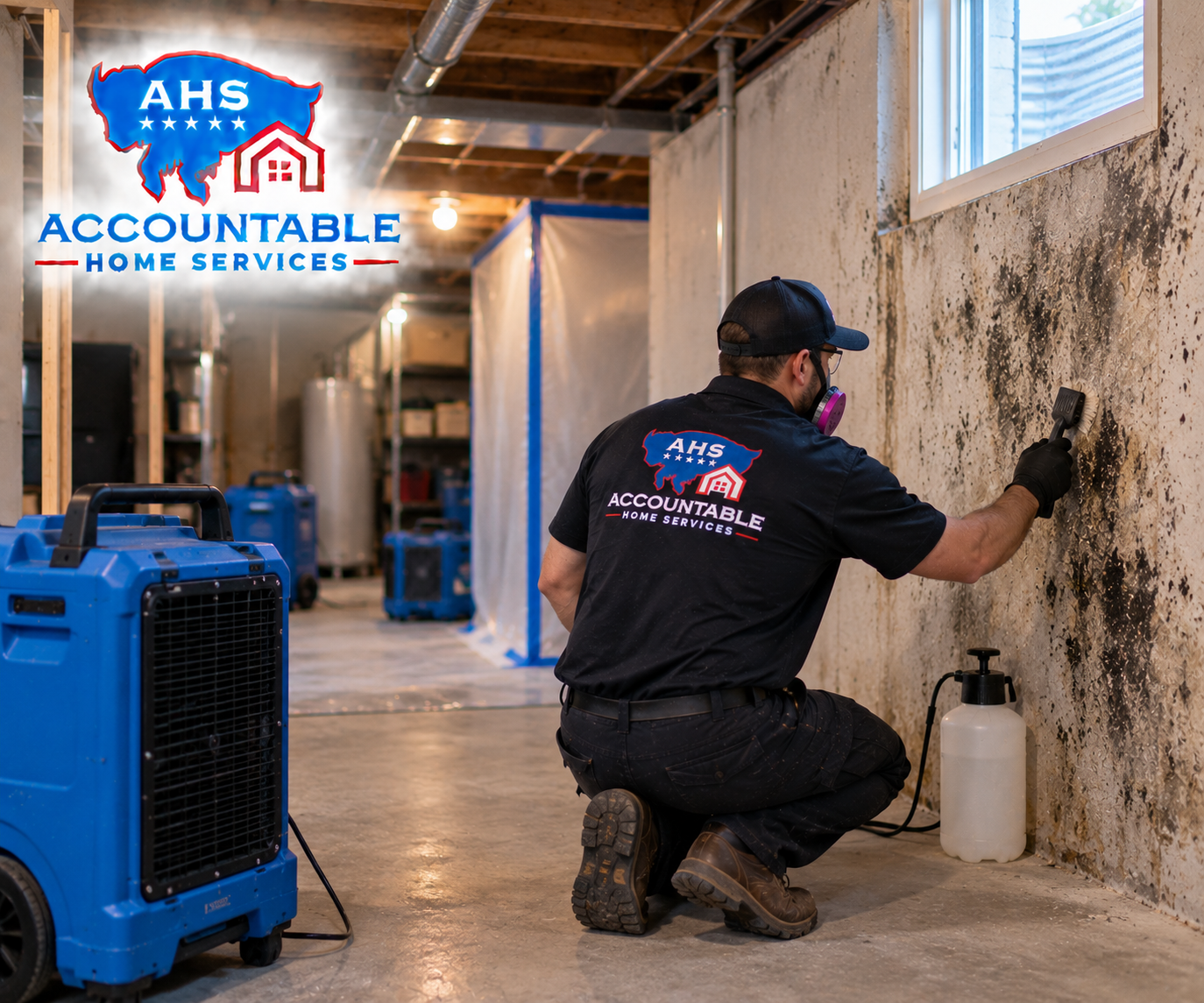
Mold can begin developing when moisture remains in building materials. After a sewer backup, the risk can be higher because the water may carry organic material that supports microbial growth.
To reduce the chance of mold after sewer backup, act quickly:
- Remove standing water as soon as possible
- Do not leave wet carpet or padding in place
- Open affected walls or baseboards only when advised by a professional
- Use proper drying equipment
- Keep humidity under control
- Schedule follow-up moisture checks
- Watch for musty odors after cleanup
If you notice staining, soft drywall, bubbling paint, warped flooring, or persistent odor, the area may still be wet or contaminated. Do not cover damage with new flooring, paint, or trim until the structure has been properly dried and verified.
Common Signs of Sewer Line Problems
Sometimes a backup seems sudden, but the home has been giving warning signs for days, weeks, or longer. If you notice these issues, call a plumber before the next backup happens:
- Multiple drains running slowly at the same time
- Gurgling sounds from toilets or drains
- Sewage odors near drains
- Water backing up in a shower when a toilet is flushed
- Floor drains overflowing during laundry
- Repeated toilet clogs in more than one bathroom
- Wet or sunken areas in the yard near sewer lines
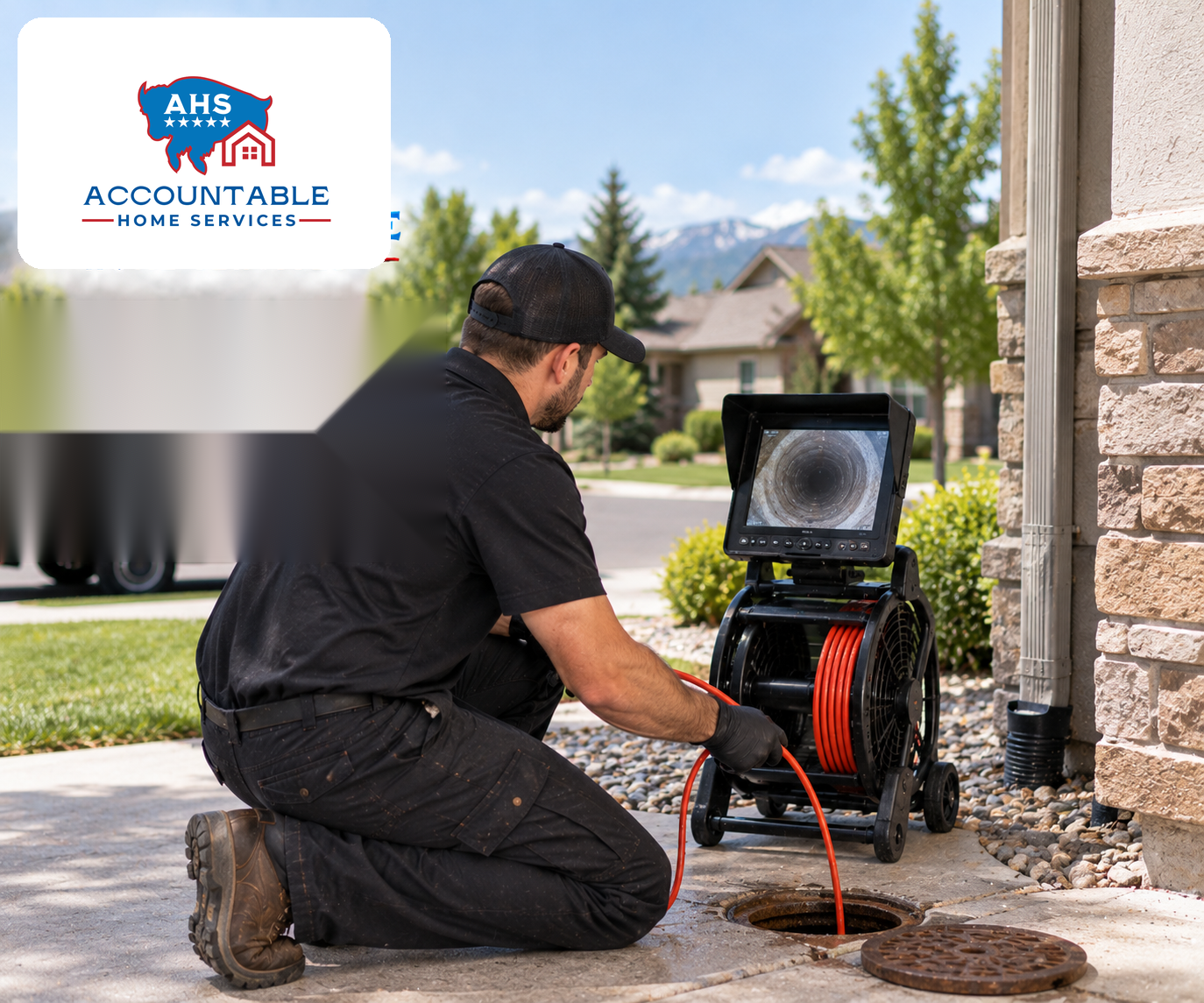
Littleton homes can experience sewer issues for many reasons, including clogs, damaged pipes, grease buildup, root intrusion, aging lines, or problems beyond the home’s plumbing system. A plumber can inspect the line and recommend the right repair path.
What Not to Do During a Sewer Backup
It is natural to want to start cleaning immediately, but some DIY steps can make the situation more dangerous or more expensive.
Avoid these common mistakes:
- Do not use a household vacuum to remove sewage water
- Do not mop and assume the area is safe
- Do not run fans before contamination is addressed
- Do not use bleach as a cure-all for porous materials
- Do not keep contaminated carpet padding
- Do not flush toilets to “test” the drain repeatedly
- Do not ignore sewage odors after the visible water is gone
- Do not throw away damaged items before documenting them for insurance, unless safety requires immediate removal
Small hard-surface areas may look manageable, but contaminated water can travel farther than you think. When in doubt, get an inspection.
Local Help for Littleton Homeowners
A sewer backup disrupts your home fast. You may be dealing with a finished basement, stored family items, laundry equipment, bathroom flooring, or a utility area that needs immediate attention. A local response matters because cleanup is time-sensitive.
If you need contaminated water cleanup, sewer backup cleanup Littleton, or help after a basement sewage backup, contact a professional team that can coordinate cleanup, drying, documentation, and next steps. The sooner the affected areas are addressed, the easier it is to limit damage and reduce the chance of ongoing odor or mold problems.
Call Now for Emergency Sewer Backup Help in Littleton
If sewage is backing up into your Littleton home, do not wait and hope it drains away on its own. Keep people and pets away, stop using water, document the damage if safe, and call for help.
Our team can help with:
- Emergency sewer backup response
- Sewage water extraction
- Black water cleanup
- Toilet backup cleanup
- Basement sewage cleanup
- Structural drying
- Odor control
- Mold prevention steps
- Insurance documentation support
Need help now? Call today for emergency sewer backup cleanup in Littleton, CO. We will walk you through the first steps, explain what to expect, and help you get your home moving toward clean, dry, and safe again.