Flood Cleanup in Westminster, CO: What Homeowners Should Do First
Flood Cleanup in Westminster, CO: What Homeowners Should Do First
When water gets into your home, the first few minutes can feel scattered. You may be looking at wet carpet, a backed-up floor drain, a failed sump pump, or water coming through a basement window after a fast Colorado storm. Start with safety, stop the water source if you can, and get help lined up before the damage spreads.
For homeowners dealing with basement flooding in Westminster, a calm plan matters. Whether you found this page while searching for flood cleanup near me or need immediate water extraction in Westminster CO, the steps below will help you protect your home, document the loss, and understand when professional cleanup is the safer choice.
What to Do First When Your Westminster Home Floods
Before you move boxes, pull up carpet, or start a shop vacuum, slow down and check for hazards. Floodwater can affect electrical systems, drywall, flooring, insulation, furnaces, water heaters, and stored belongings.
Your first steps should be:
- Stay out of standing water if electricity may be involved. If water is near outlets, appliances, the breaker panel, extension cords, or HVAC equipment, keep people and pets away.
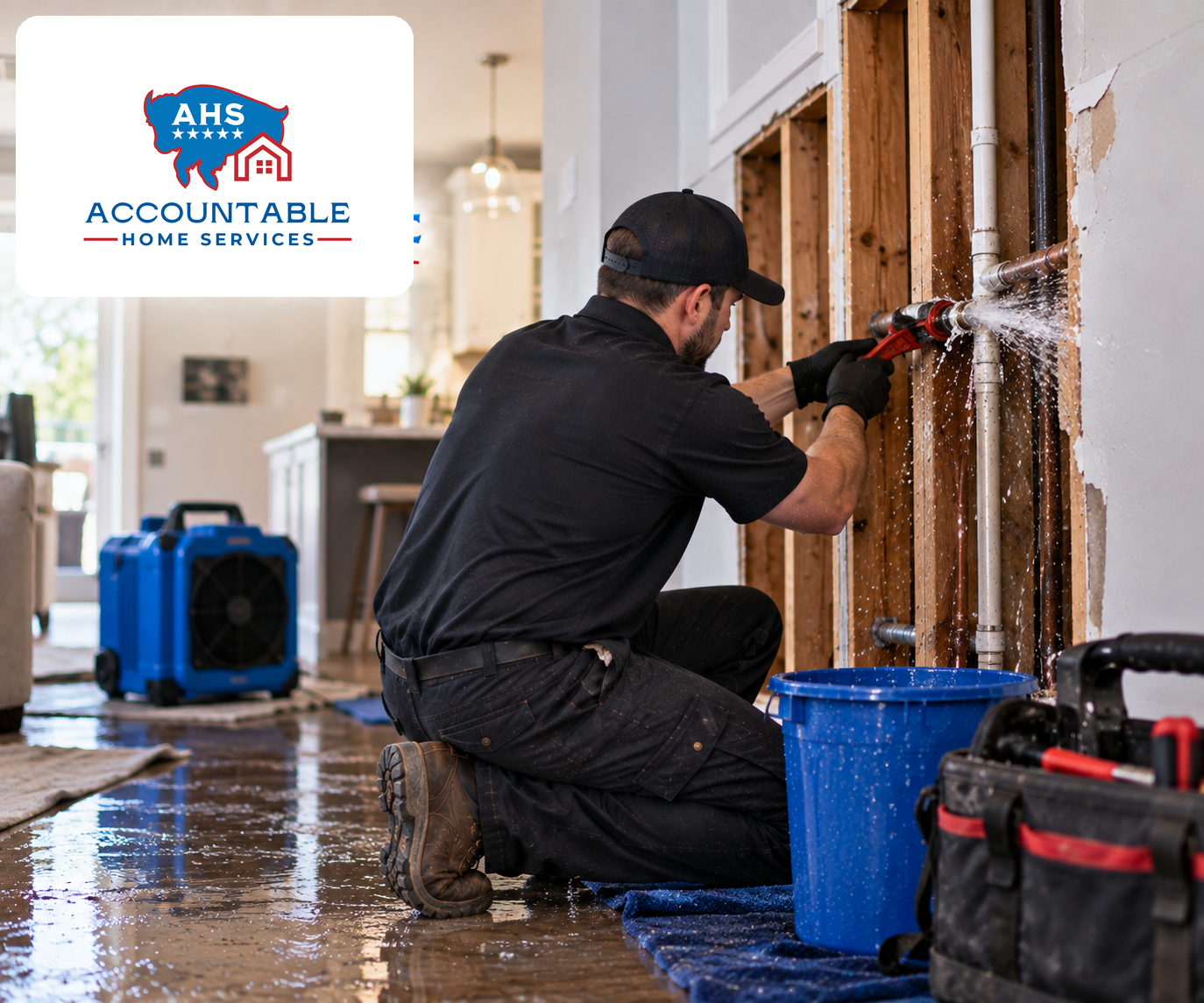
- Stop the water source if it is safe. Turn off the main water valve for a broken supply line, overflowing fixture, or burst pipe. If the problem is storm runoff or seepage, focus on staying safe and keeping more water from entering where possible.
- Move valuables only if the area is safe. Lift dry items off the floor, but do not carry soaked boxes through unsafe water.
- Take photos and video before cleanup. Wide shots and close-ups can help with a water damage insurance claim in Colorado.
- Call for professional water mitigation if water has spread into carpet, walls, finished basement areas, or mechanical rooms.
If the water is more than a small, clean spill, it is usually better to call a trained cleanup team early. Fast water mitigation in Westminster can reduce the amount of demolition needed later and help lower the risk of odor, staining, and microbial growth.
Emergency Flood Cleanup Checklist
Use this checklist while you wait for help or decide what to do next:
- Keep children and pets away from the affected area.
- Avoid walking through water if you cannot see the floor clearly.
- Shut off the water supply if the flooding came from plumbing.
- Do not use a household vacuum on standing water.
- Do not plug in fans, dehumidifiers, or tools in wet areas unless the electrical system is confirmed safe.
- Photograph the water line on walls, furniture, baseboards, and appliances.
- Save damaged materials until your insurer tells you what can be discarded.
- Make a quick list of affected rooms and belongings.
- Call your insurance company or agent to report the loss.
- Schedule emergency water removal if water remains on the floor or inside finished materials.
This is also the time to note the likely source: sump pump failure, storm water, sewer backup, appliance leak, frozen pipe, foundation seepage, or burst pipe water damage. The cause may affect cleanup methods and insurance coverage.
Common Causes of Flooded Basements in Westminster
Westminster homes can face water problems from several directions. Some are weather-related, while others come from plumbing or mechanical failures inside the home.
Common calls for flooded basement cleanup in Westminster include:
- Sump pump failure cleanup after heavy rain, power loss, or a stuck float switch
- Window well overflow during fast-moving storms
- Foundation seepage or grading issues around the home
- Broken or frozen pipes
- Water heater leaks
- Washing machine supply line failures
- Dishwasher, refrigerator, or bathroom fixture leaks
- Storm drain overflow and exterior runoff
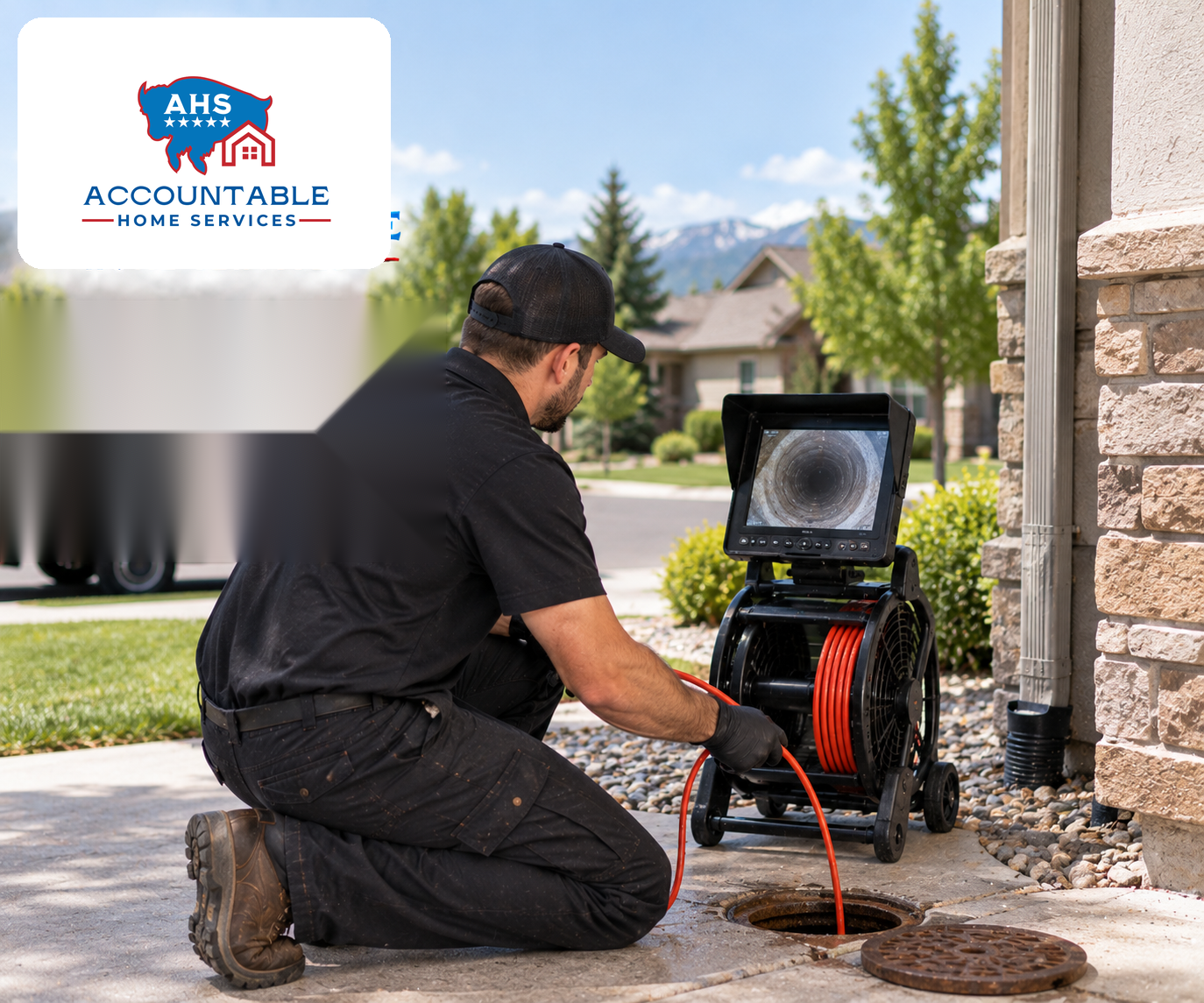
- Sewer or drain backups
A small amount of water can become a larger repair when it travels under flooring, behind baseboards, into drywall, or beneath cabinets. That is why professional water damage restoration in Westminster often starts with moisture mapping, extraction, and drying equipment rather than surface cleanup alone.
When You Can Handle Cleanup Yourself
Some minor water issues can be handled by a homeowner, especially when the water is clean, limited to a small area, and cleaned up right away.
You may be able to manage the cleanup yourself if:
- The water came from a clean source, such as a supply line.
- The affected area is small.
- Water did not reach drywall, insulation, carpet pad, cabinets, or HVAC equipment.
- You can dry the area completely within a short time.
- There is no odor, discoloration, or visible contamination.
Even then, keep checking the area over the next several days. Damp trim, cupped flooring, musty smells, and soft drywall can mean moisture remains below the surface.
When to Call a Professional
Call a professional for flood damage cleanup when water is widespread, contaminated, or trapped in building materials. A trained team has extraction tools, drying equipment, moisture meters, and containment procedures that go beyond towels and fans.
It is time to call for flood damage restoration if:
- Water is standing in a basement, crawl space, or finished room.
- Carpet and pad are soaked.
- Drywall, baseboards, cabinets, or insulation are wet.
- The water came from outside, a drain, or a sewer line.
- You notice a musty odor.
- The home has older materials that may need special handling.
- The flooding affected a furnace, electrical panel, water heater, or other mechanical system.
- You are filing an insurance claim and need documentation.
Professional water damage repair is not just about removing visible water. It is about finding where moisture went, drying the structure correctly, and helping you avoid repeat problems.
Why Fast Water Extraction Matters
Standing water can move quickly into porous materials. Carpet pad acts like a sponge. Drywall can wick moisture upward. Wood framing, subflooring, laminate, and trim can hold moisture even after the surface looks dry.
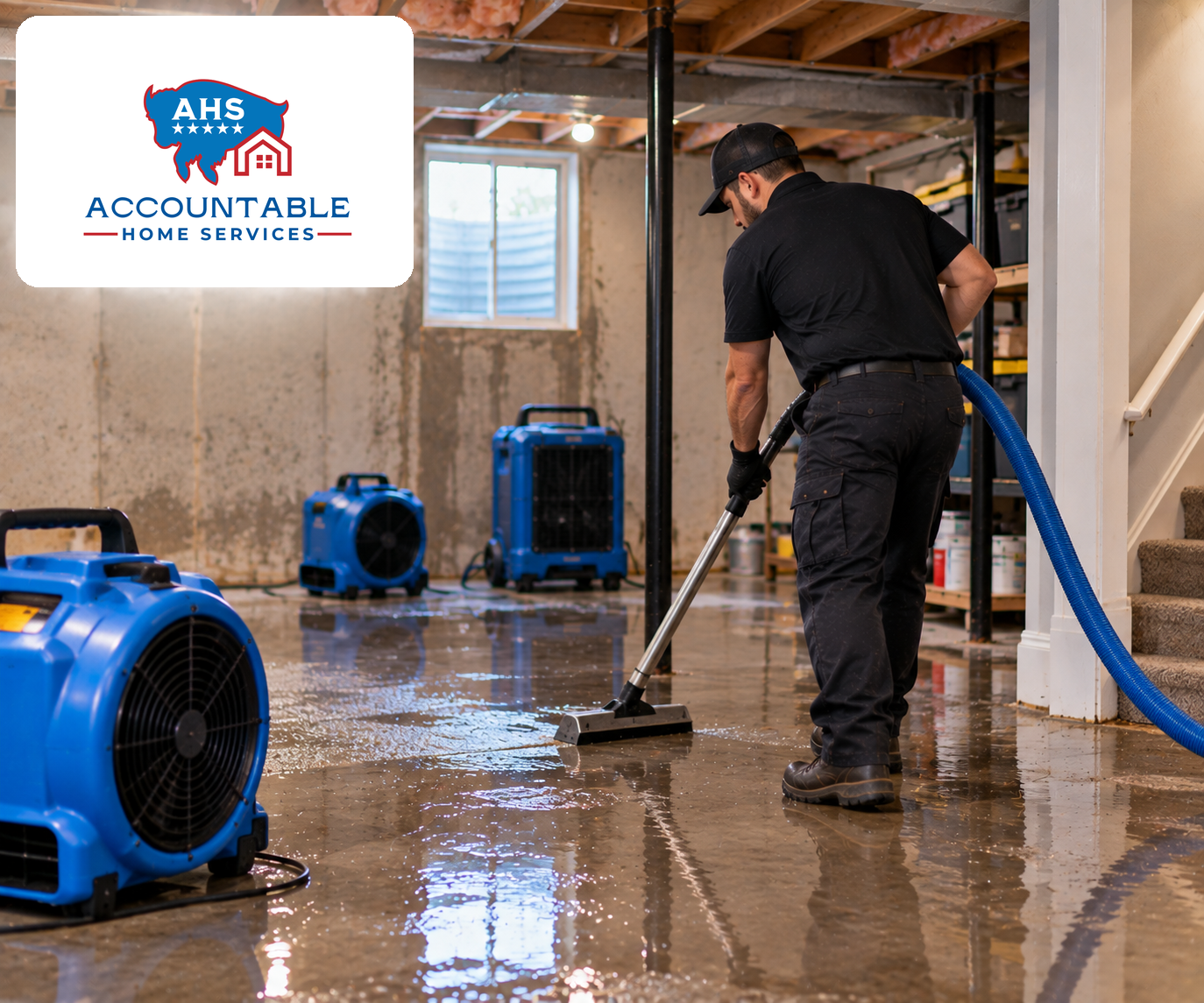
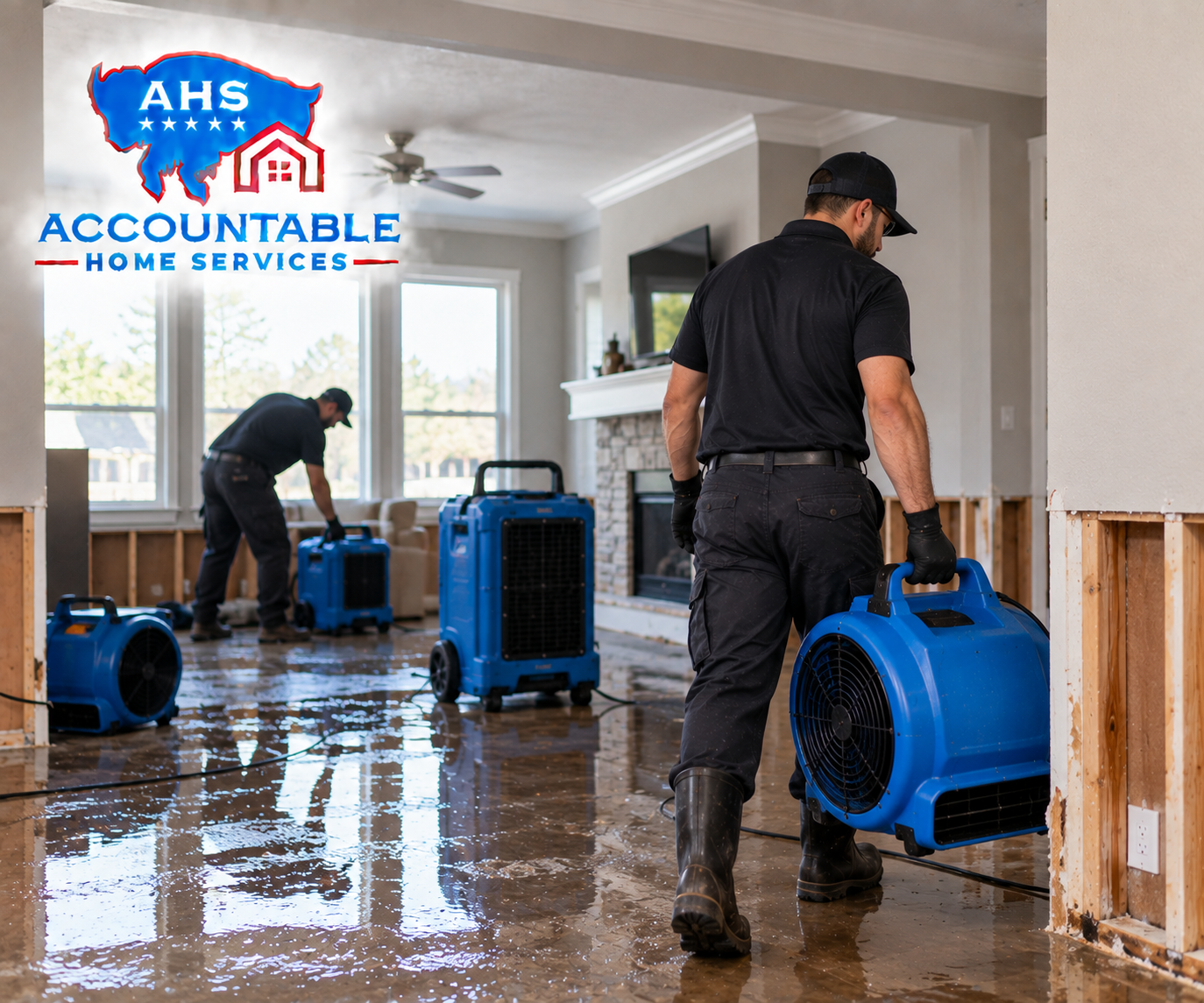
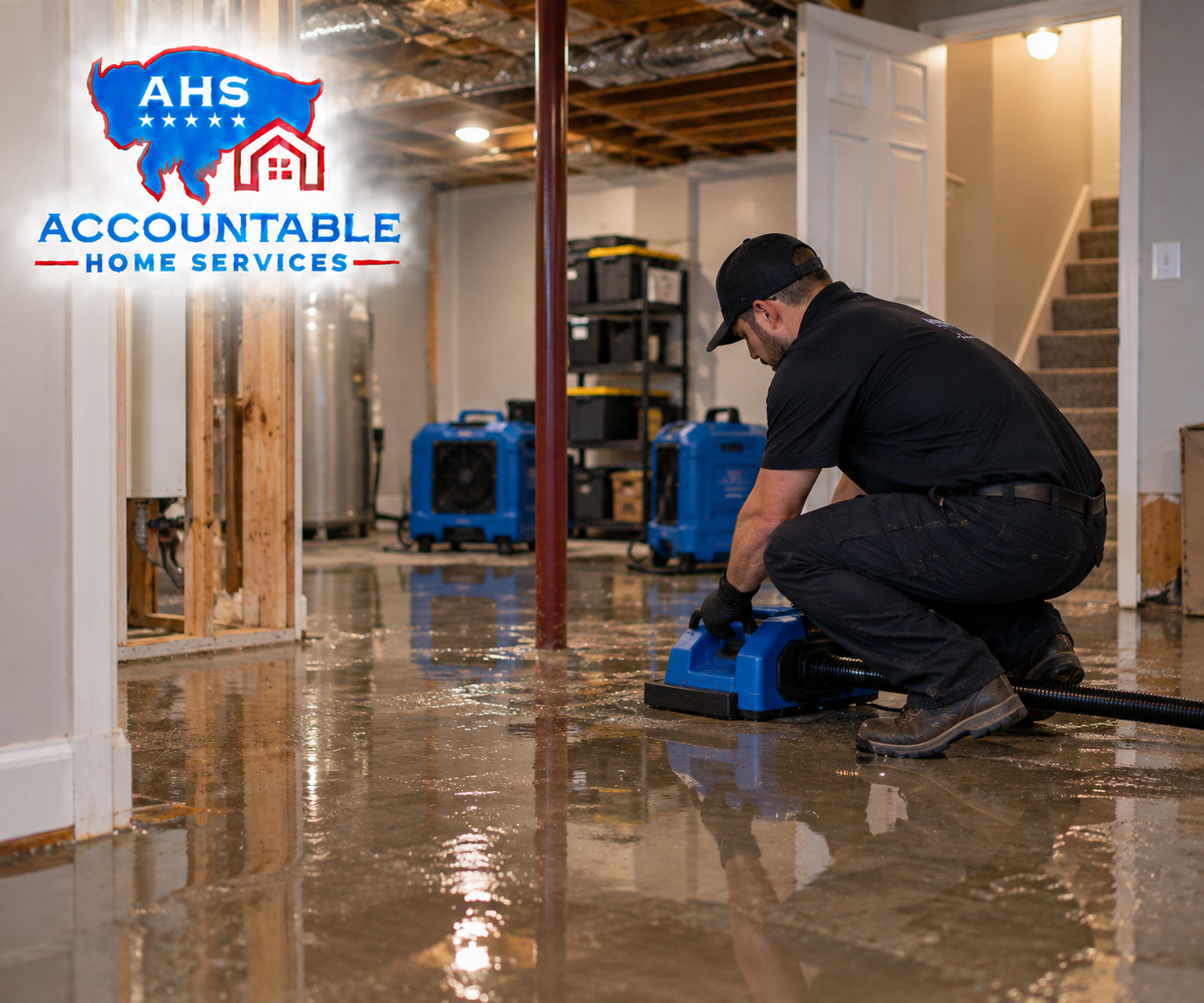
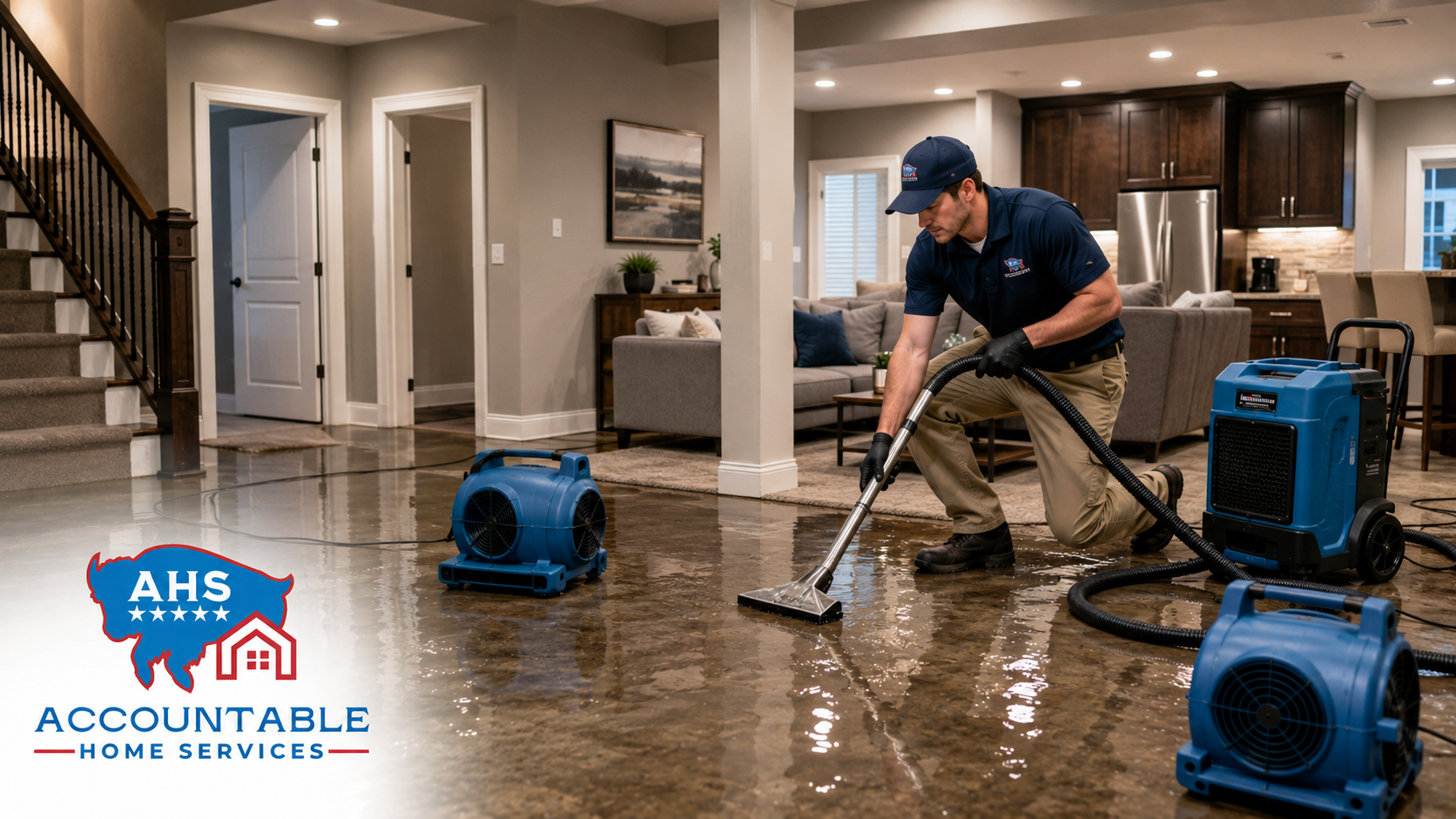
That is why water extraction in Westminster CO is often the first major step in the cleanup process. Removing bulk water helps drying equipment work more efficiently and may limit how much material needs to be removed.
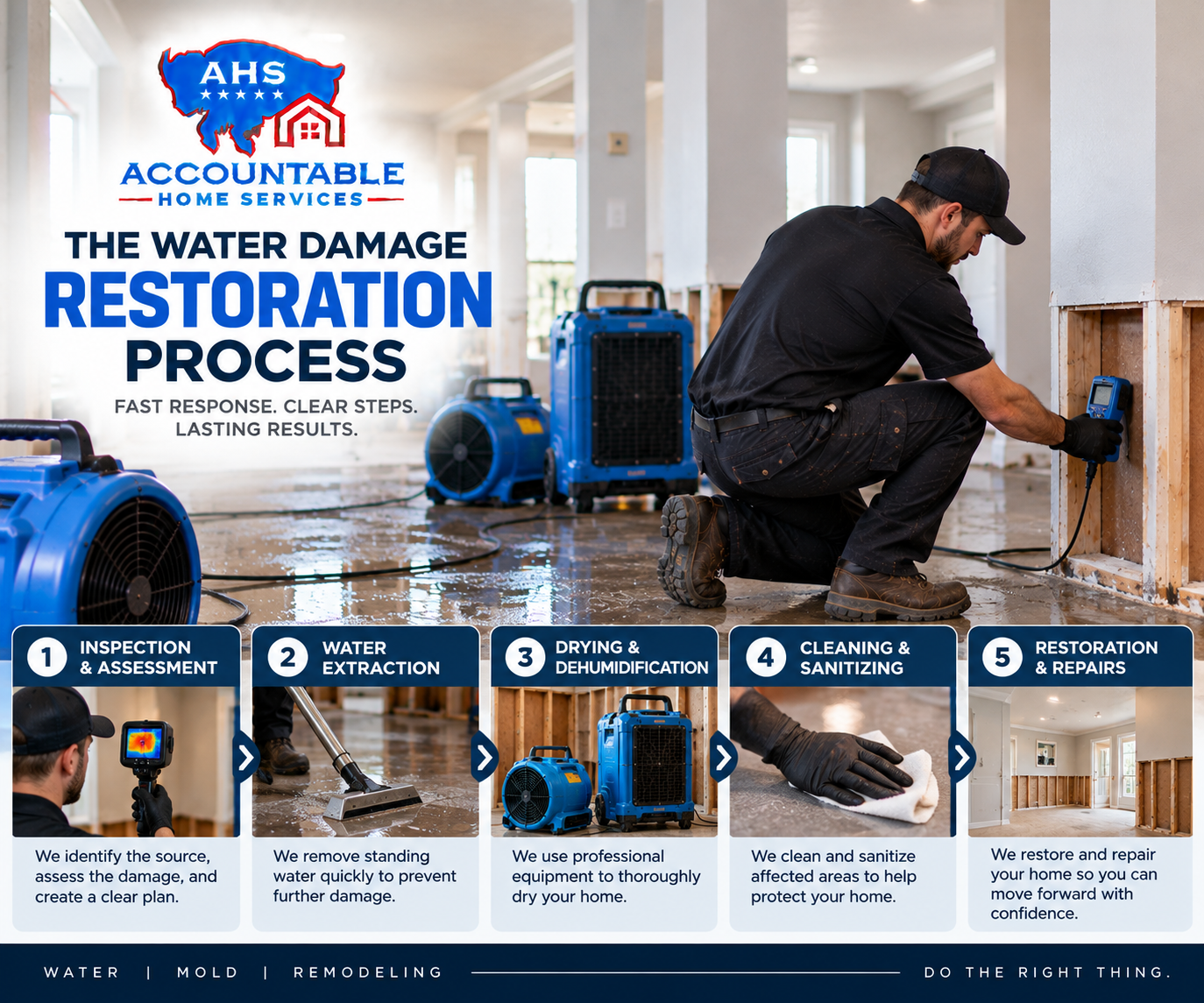
A typical professional cleanup may include:
- Initial safety inspection
- Water source identification
- Standing water extraction
- Removal of unsalvageable wet materials
- Moisture readings and documentation
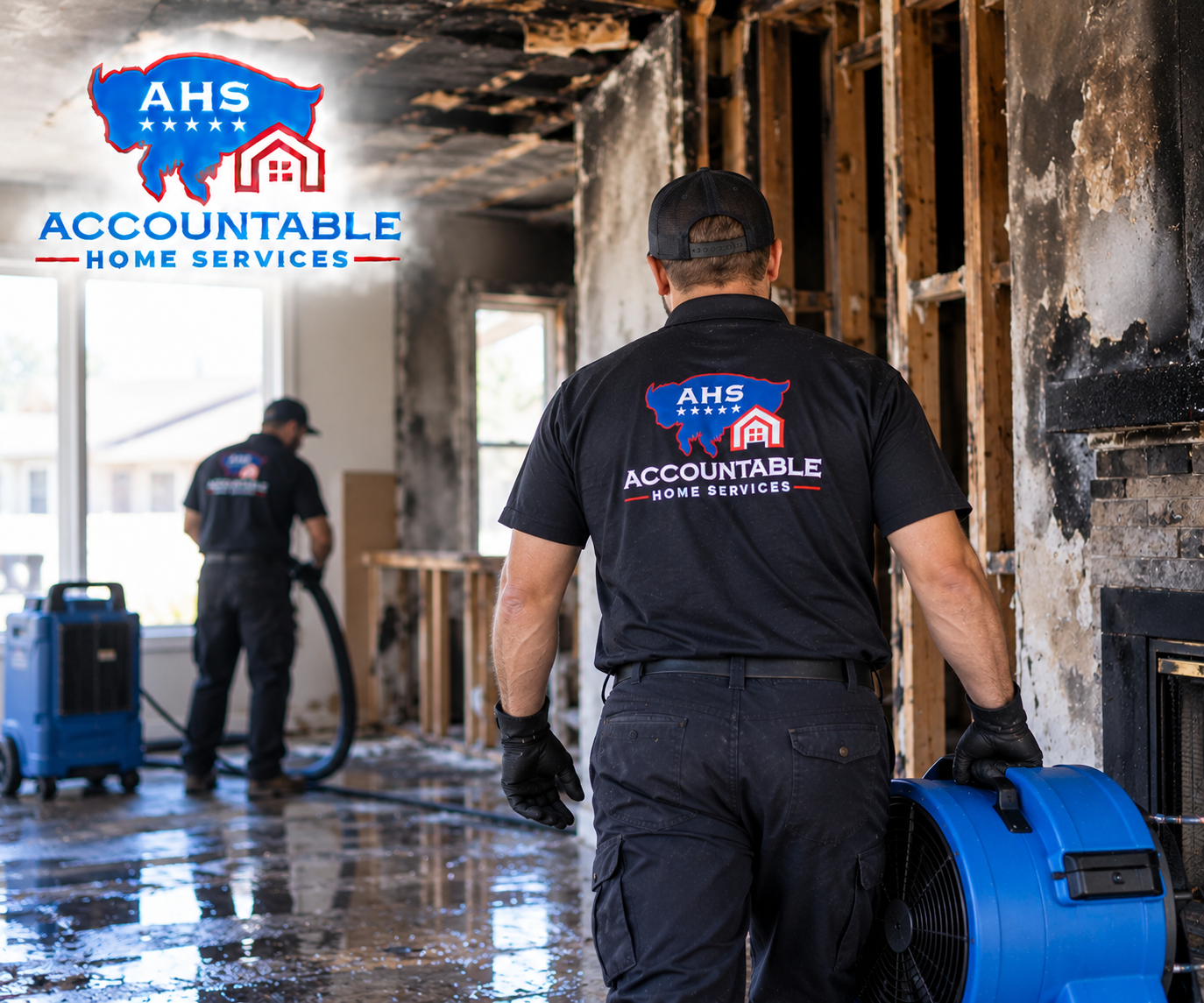
- Commercial drying equipment setup
- Cleaning and sanitizing affected surfaces
- Monitoring until drying goals are met
- Repair planning once the structure is dry
For homeowners searching flood cleanup westminster co, the best provider is usually one that explains the process clearly, documents the job, and helps you understand what is urgent versus what can wait.
Mold After Flooding: What to Watch For
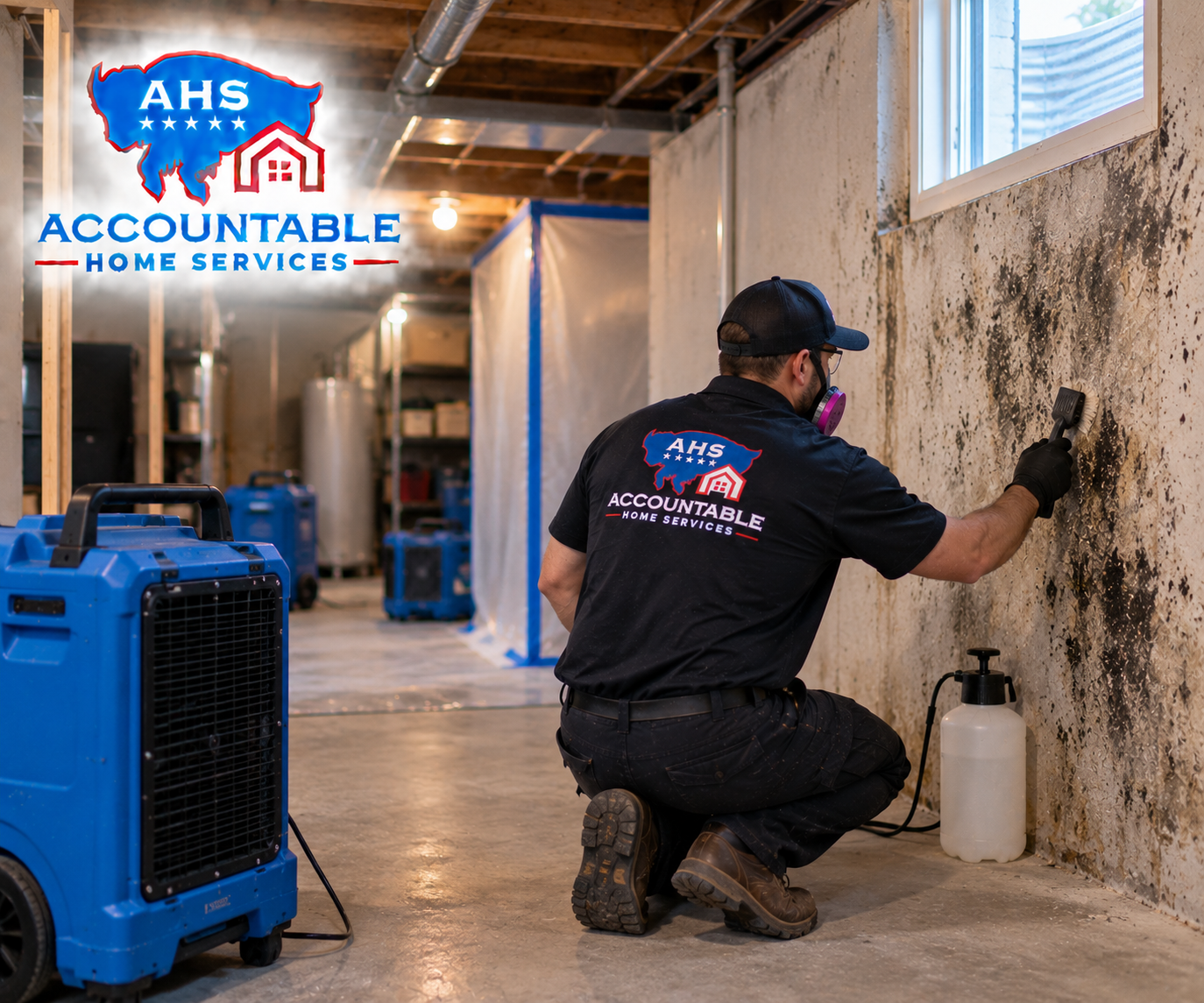
Many homeowners worry about mold after flooding, and it is a reasonable concern. Mold is not always visible right away. It can develop behind walls, under flooring, around tack strips, inside cabinets, or on stored contents if moisture remains.
Watch for:
- Musty or earthy odors
- New staining on drywall or trim
- Peeling paint or bubbling surfaces
- Soft drywall near the baseboard
- Warped flooring
- Increased allergy-like symptoms when spending time in the affected area
The best prevention is prompt drying. If water has been sitting, or if you are not sure how long materials were wet, call a professional before closing up walls or reinstalling flooring.
Storm Water Cleanup Needs Extra Care
Storm water cleanup is different from a clean plumbing leak. Water that enters from outside can carry soil, lawn chemicals, bacteria, debris, and other contaminants. In Westminster, sudden downpours can overwhelm window wells, grading, gutters, or low basement entries.
If storm water entered your home:
- Avoid direct contact with the water when possible.
- Do not assume carpet can be saved.
- Keep affected items separated from dry belongings.
- Photograph the exterior entry point if it is safe.
- Ask the cleanup team whether sanitizing or material removal is recommended.
A careful plan protects both the home and the people living in it.
Insurance Documentation Tips for Colorado Homeowners
Every policy is different, so your insurance company or licensed agent is the best source for coverage decisions. In general, the source of the water matters. The Colorado Division of Insurance has noted that burst pipes and resulting water damage are generally covered under many homeowners and renters policies, while FEMA explains that most homeowners insurance does not cover flood damage from outside flooding and that flood insurance is typically a separate policy. (dora.colorado.gov)
For a water damage insurance claim in Colorado, document early and stay organized:
- Take photos and video before moving or discarding items.
- Capture the suspected source of water.
- Photograph each affected room from multiple angles.
- Make a written inventory of damaged belongings.
- Keep receipts for emergency services, temporary repairs, equipment, lodging, or supplies.
- Save plumber, mitigation, and repair invoices.
- Ask your cleanup provider for moisture readings, drying logs, and work summaries.
- Write down claim numbers, adjuster names, and dates of conversations.
The Colorado Division of Insurance has warned that claims can be delayed when homeowners do not include an inventory of damaged property, and the Division can be contacted by Colorado consumers with insurance questions or claim concerns. (dora.colorado.gov)
One important note: do not guess about the cause of damage when speaking with your insurer. Describe what you observed plainly, such as “water came up near the floor drain,” “the sump pump stopped working,” or “a supply line broke under the sink.” Let qualified professionals and the adjuster determine coverage details.
Local Service for Westminster and Nearby Communities
If you need water damage restoration in Westminster, local response matters. A nearby team understands the urgency of a wet basement, the common issues in Front Range homes, and the need to stabilize the property before repairs begin.
Service is commonly needed in and around:
- Westminster
- North Westminster neighborhoods near newer developments
- South Westminster and established residential areas
- Federal Heights
- Broomfield
- Arvada
- Thornton
- Northglenn
- Superior and nearby communities as available
Whether the call is for basement flooding in Westminster, a failed sump pump, a burst pipe, or emergency extraction after a storm, the goal is the same: remove the water, dry the structure, document the work, and help the homeowner move forward with less stress.
What to Expect When You Call
A good flood cleanup call should feel clear, not confusing. You should be able to explain what happened, ask what to do next, and understand the first steps before anyone arrives.
During the first call, be ready to share:
- Your Westminster address or nearest major cross streets
- When you first noticed the water
- The suspected source
- Whether water is still entering the home
- Which rooms are affected
- Whether electricity, HVAC, or appliances may be involved
- Whether you have already contacted insurance
From there, the team can recommend next steps for emergency water removal, drying, cleaning, and repair planning.
Get Calm, Practical Help After a Flood
A flooded basement is disruptive, but you do not have to figure it out alone. Start with safety, document what you see, stop the source if possible, and call for help when water has reached flooring, walls, contents, or mechanical systems.
If you need flood cleanup in Westminster, CO, request service as soon as it is safe to do so. A professional cleanup team can provide extraction, drying, documentation, and repair guidance while keeping the process straightforward and homeowner-friendly.