Emergency Water Extraction in Highlands Ranch, CO: What Homeowners Should Do First
Emergency Water Extraction in Highlands Ranch, CO: What Homeowners Should Do First
When water is spreading across your floor, soaking into carpet, or collecting in a basement, the first few minutes matter. Whether it’s a burst pipe, water heater leak, appliance overflow, or storm-related seepage, homeowners in Highlands Ranch need a simple plan: stay safe, stop the source if you can, document the damage, and get professional help when the water is more than a small spill.
This guide walks you through what to do first during a water emergency, when to call for emergency water extraction in Highlands Ranch, CO, and how quick action can help reduce damage to flooring, drywall, trim, personal belongings, and indoor air quality.
First: Make Sure It’s Safe to Enter
Before you grab towels or a shop vac, pause and look for safety risks. Water and electricity are a dangerous combination, and flooded areas can hide hazards you can’t see from the doorway.
Do not enter the affected area if:
- Water is near outlets, power strips, appliances, or electrical panels.
- The ceiling is sagging or dripping heavily.
- You smell gas or suspect a gas appliance is involved.
- The water may contain sewage, outdoor runoff, or chemical contaminants.
- The floor feels unstable, soft, or uneven.
- Standing water is deep enough to cover cords or unknown debris.
If you are unsure, stay out and call a qualified professional. No piece of furniture or flooring is worth risking your safety.
Stop the Water Source If You Can
Once it is safe, try to stop more water from entering the home. This step can make a major difference before emergency water cleanup begins.
Common shutoff steps include:
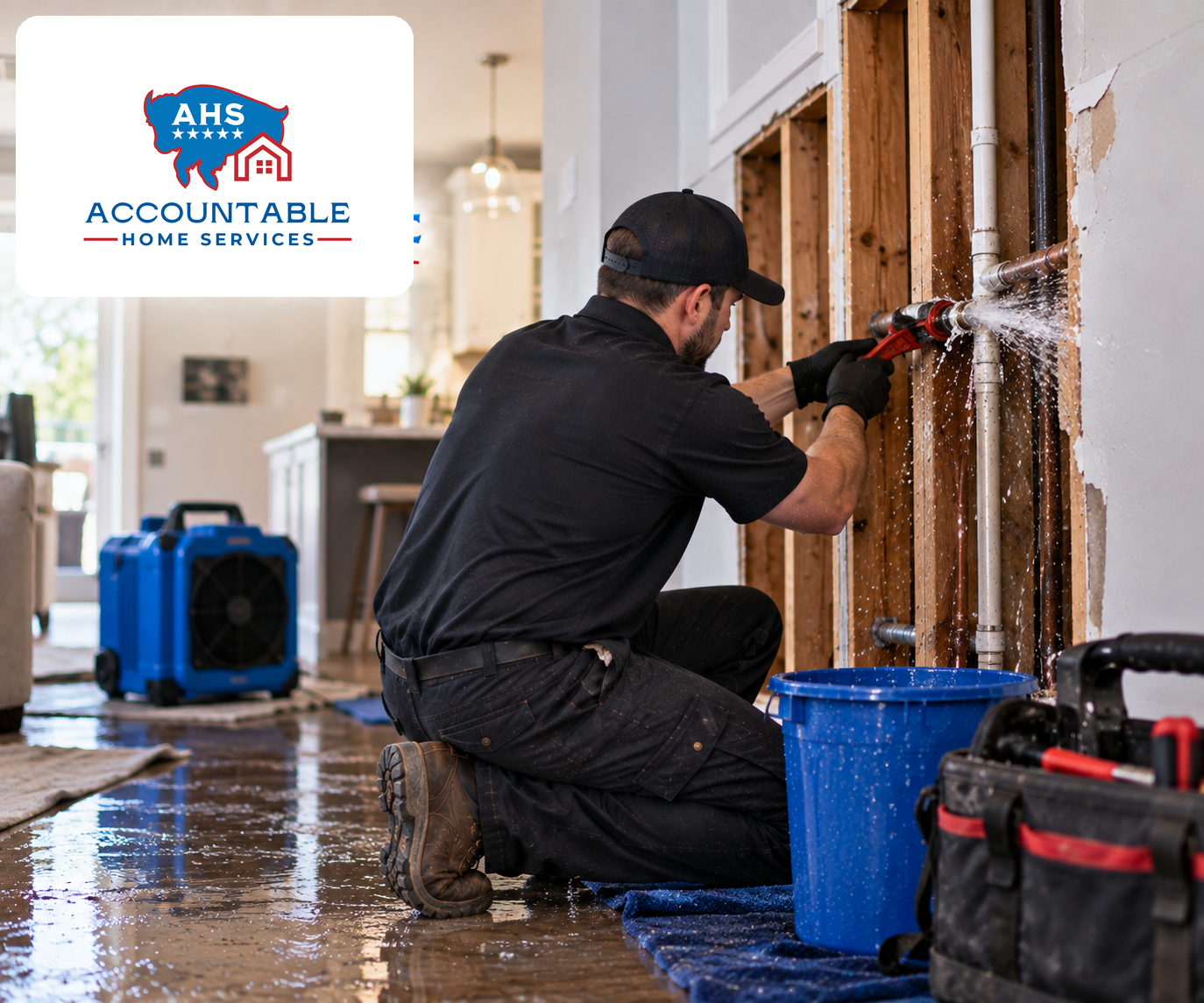
- Burst pipe water damage: Turn off the home’s main water shutoff valve. In many homes, it may be in the basement, utility room, crawl space, or near where the water line enters the house.
- Water heater leak cleanup: Turn off the cold-water supply valve to the water heater. If safe, follow manufacturer guidance for turning off power or gas to the unit.
- Appliance leak water damage: Turn off the appliance supply valve if it is accessible. This may apply to washing machines, dishwashers, refrigerators with ice makers, or humidifiers.
- Overflowing toilet or fixture: Turn the local shutoff valve clockwise if it is safe and the water is clean. If sewage is involved, avoid contact.
- Storm or groundwater intrusion: You may not be able to stop the source immediately. Focus on safety and call for standing water removal as soon as possible.
If you cannot find the shutoff or the water keeps coming, call a plumber or emergency response provider right away.
Turn Off Electricity Only If It’s Safe
If water is near electrical components, do not walk through it to reach a breaker panel. If the panel is in a dry, safe location, turning off power to the affected area may help reduce risk. If the breaker panel is wet, surrounded by water, or you have any doubt, wait for an electrician, fire department guidance, or a qualified professional.
In many Highlands Ranch homes, finished basements include outlets, media equipment, sump systems, and mechanical rooms. That makes safety especially important during flooded basement cleanup in Highlands Ranch.
Document the Damage Before Moving Too Much
Before cleanup begins, take photos and videos for your insurance records. This does not need to be complicated, but it should be thorough.
Try to capture:
- Wide shots of each affected room.
- Close-ups of standing water, wet carpet, warped flooring, and stained drywall.
- The suspected source of the water, such as a failed pipe, leaking appliance, or water heater.
- Damaged furniture, boxes, rugs, electronics, and personal belongings.
- Water lines on walls, baseboards, cabinets, or stored items.
- Any cleanup steps you take, such as towels, buckets, or temporary shutoffs.
Make a quick written note with the date, approximate time discovered, possible cause, and rooms affected. If you speak with a plumber, restoration company, HOA, or insurance representative, write down names, times, and what was discussed.
Good documentation can help your insurance adjuster understand what happened and what steps were taken to limit further damage.
Move Dry, Safe Items Out of the Water Path
If the area is safe and the water appears clean, move dry belongings away from the affected area. Start with items that are easy to lift and likely to absorb water quickly.
Good first moves include:
- Picking up shoes, toys, books, and papers from wet floors.
- Moving small furniture to a dry room.
- Lifting curtains, bedding, or fabric away from wet carpet.
- Removing cardboard boxes from basement floors.
- Placing foil, plastic blocks, or wood-safe barriers under furniture legs if available.
Avoid dragging heavy furniture across wet carpet or wood flooring. This can cause more damage and may not be safe. If items are already saturated, document them first and ask your restoration team how to handle them.
Don’t Wait on Standing Water Removal
Standing water is not just an inconvenience. It can soak into carpet pad, subflooring, drywall, insulation, trim, cabinets, and structural materials. The longer it sits, the more difficult the cleanup can become.
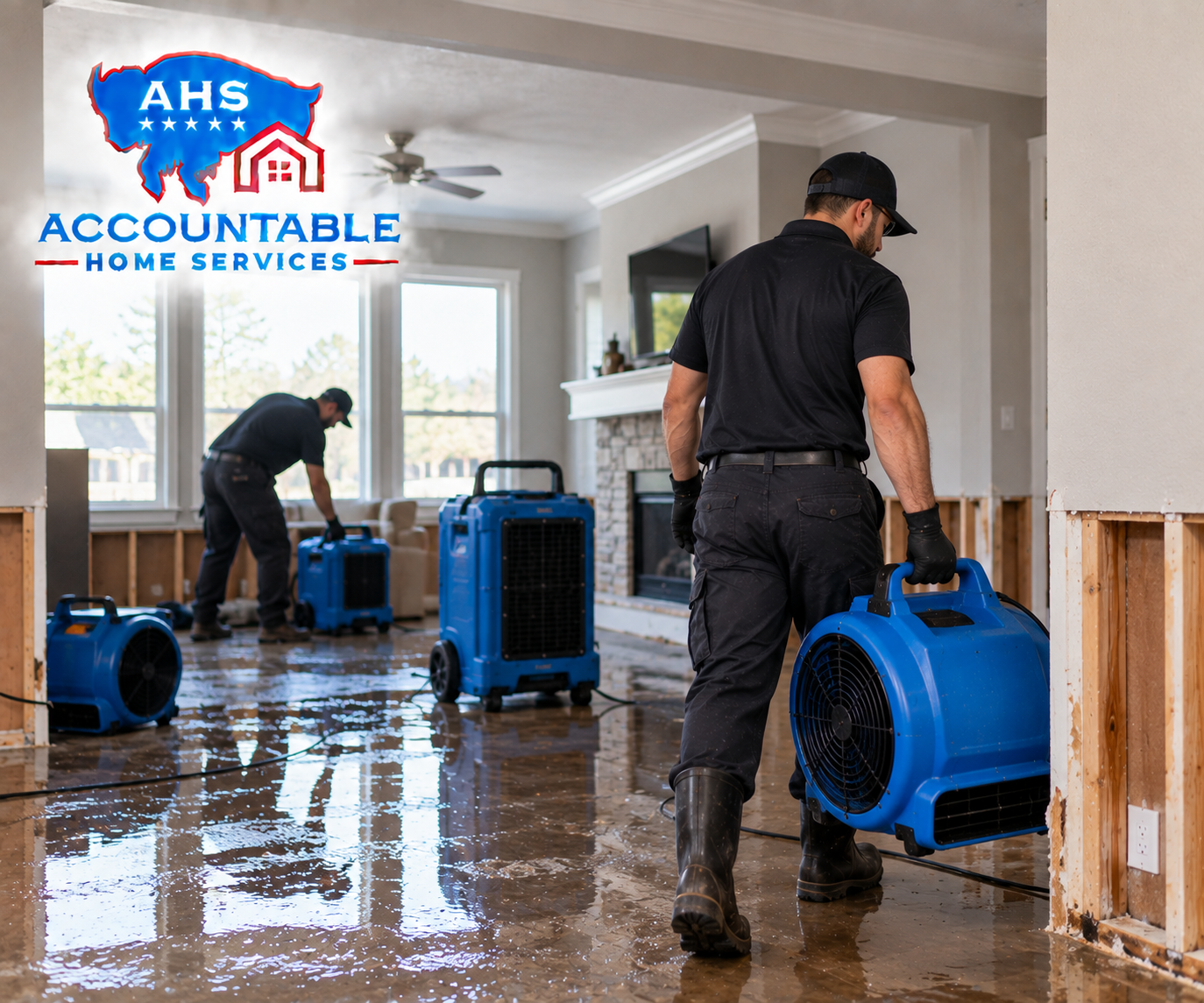
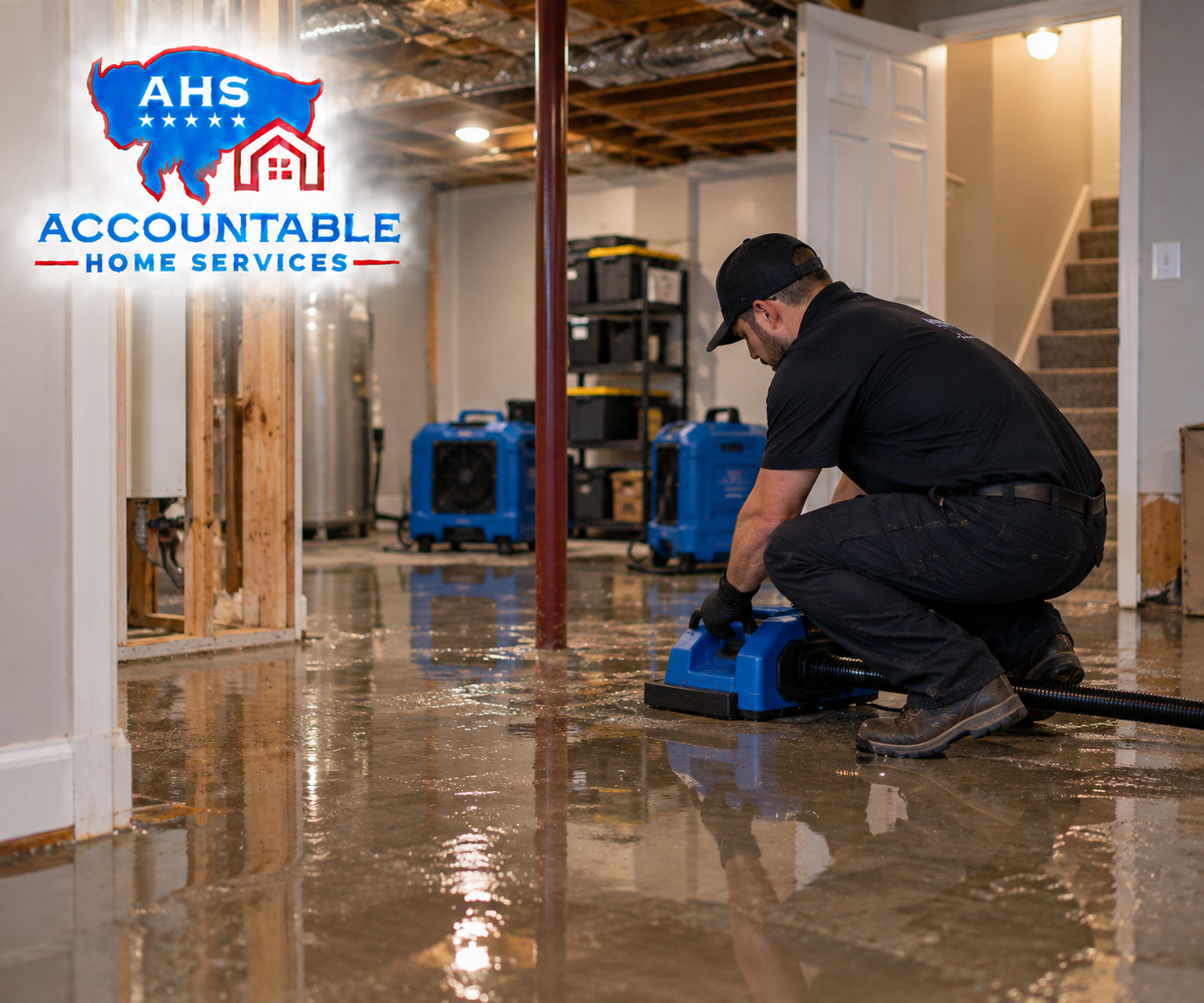
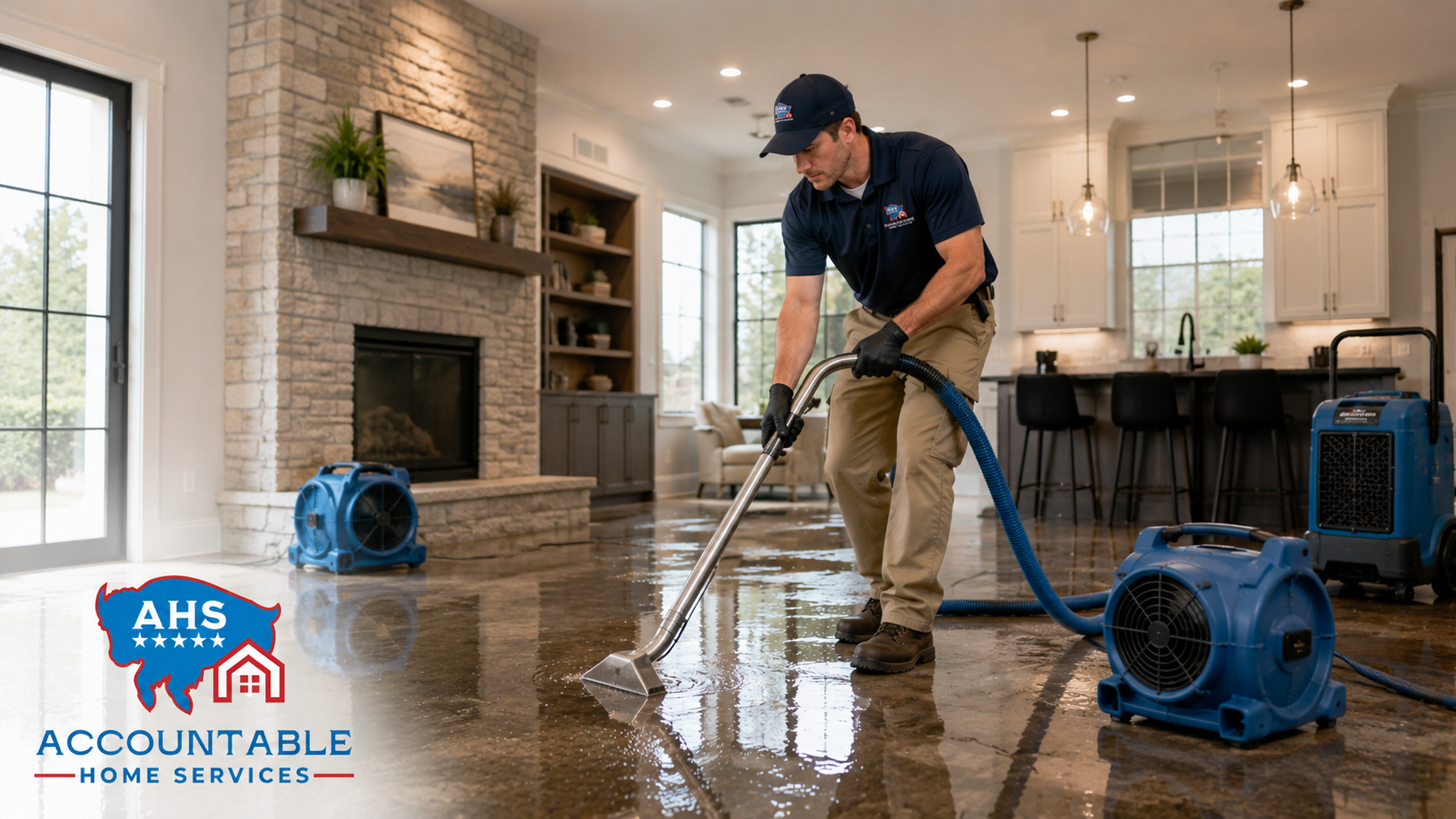
Professional water extraction in Highlands Ranch typically involves more than removing the visible water. A restoration crew may use extraction equipment, moisture meters, air movers, dehumidifiers, and drying plans to address water that has moved below the surface.
You should call for professional water extraction when:
- Water covers more than a small area.
- Carpet and pad are soaked.
- Water has reached walls, baseboards, cabinets, or built-ins.
- A basement has standing water.
- The leak happened while you were away from home.
- Water came from a toilet backup, drain backup, sump issue, or outside source.
- You smell mustiness or see discoloration.
- You are not sure how far the water has traveled.
A mop and fan may help with a minor surface spill, but they are usually not enough for hidden moisture.
What Professional Water Extraction Usually Includes
Every home and loss is different, but a local water mitigation Highlands Ranch team will typically begin with inspection and safety checks. The goal is to remove water, reduce damage, and begin controlled drying.
A professional response may include:
- Identifying the source and category of water.
- Removing standing water from floors, carpet, and hard surfaces.
- Performing carpet water extraction when carpet may be salvageable.
- Checking moisture levels in walls, flooring, cabinets, and trim.
- Removing unsalvageable wet materials when necessary.
- Setting drying equipment in affected rooms.
- Monitoring moisture until materials reach appropriate drying goals.
- Helping document the process for insurance.
The best restoration work is not just about speed. It is about making informed decisions so the home is dried properly and unnecessary demolition is avoided when possible.
Common Water Emergencies in Highlands Ranch Homes
Highlands Ranch homes can experience water damage from many sources. Some are sudden and obvious. Others build slowly behind walls, under appliances, or around mechanical systems.
Burst Pipes
Cold snaps, aging plumbing, pressure issues, or accidental damage can lead to burst pipe water damage. Water can move quickly through ceilings, wall cavities, finished basements, and flooring layers. After shutting off the main water supply, call for cleanup and plumbing repair as soon as possible.
Water Heater Leaks
A leaking water heater can release a large amount of water into a utility room, basement, garage, or finished space. Water heater leak cleanup often requires extraction around concrete, drywall, baseboards, and nearby stored belongings. If the water heater is gas or electric, take extra care around utilities.
Appliance Leaks
Dishwashers, washing machines, refrigerators, and supply lines can all cause appliance leak water damage. These leaks often spread under cabinets, hardwood, laminate, or tile before homeowners notice. Even if the visible puddle looks small, moisture may be trapped underneath.
Basement Water
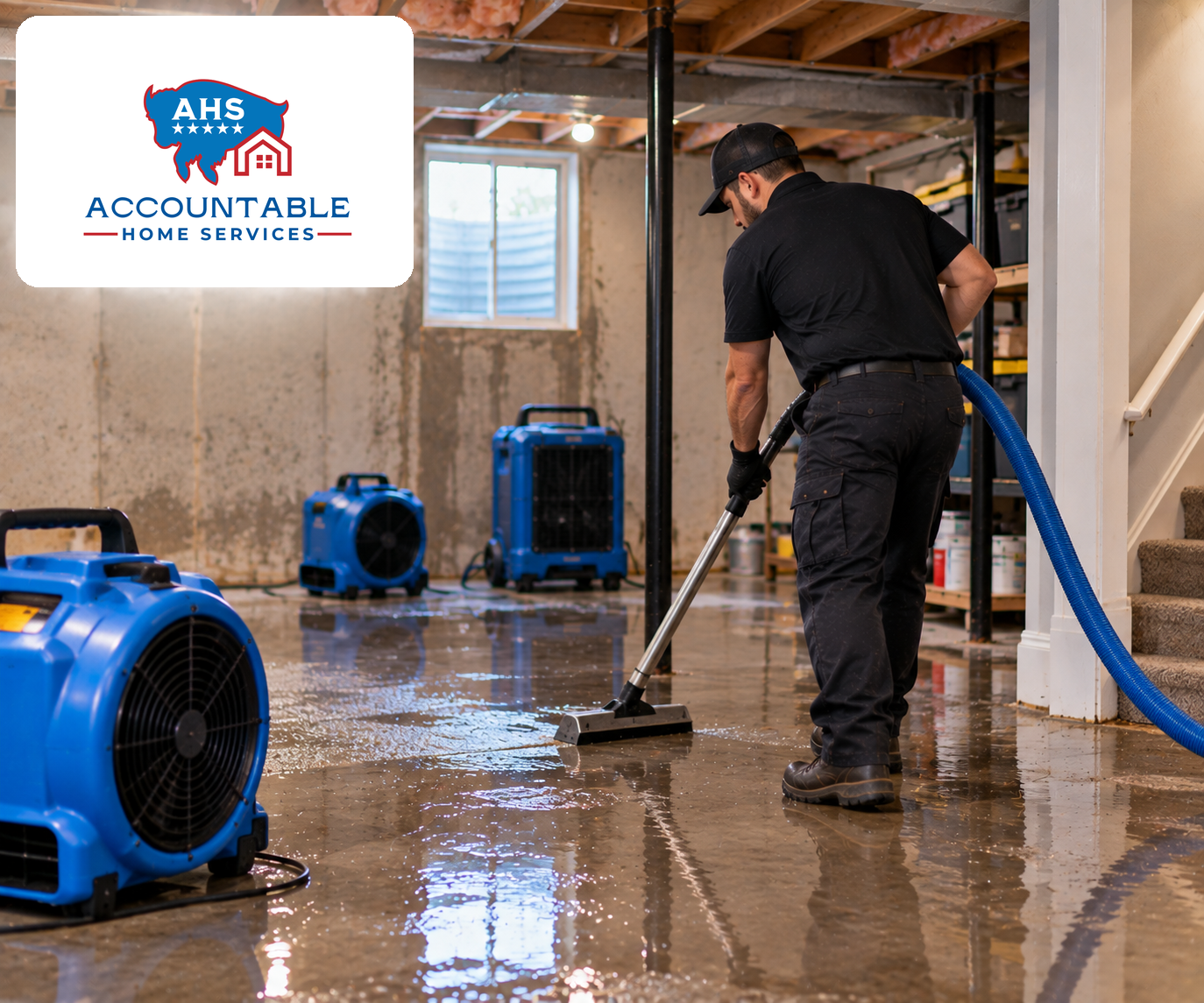
For flooded basement cleanup in Highlands Ranch, fast action is especially important. Finished basements can include carpet, drywall, insulation, wood framing, electronics, and stored keepsakes. Unfinished basements still need proper drying to help protect structural materials and prevent lingering moisture issues.
Overflowing Fixtures
A tub, sink, or toilet overflow can move quickly into hallways and rooms below. If the water is clean and the overflow is caught immediately, cleanup may be simpler. If sewage or drain backup is involved, avoid contact and call a professional.
Mold Prevention After Water Damage
One of the main reasons to act quickly is mold prevention after water damage. Mold needs moisture and organic material to grow, and many building materials can hold moisture after the surface looks dry.
To help reduce mold risk:
- Remove standing water quickly.
- Do not rely only on household fans for soaked materials.
- Keep affected areas ventilated if outdoor conditions allow.
- Remove wet cardboard, papers, and porous clutter.
- Have moisture checked behind baseboards and under flooring.
- Follow professional drying recommendations.
- Watch for musty odors after cleanup.
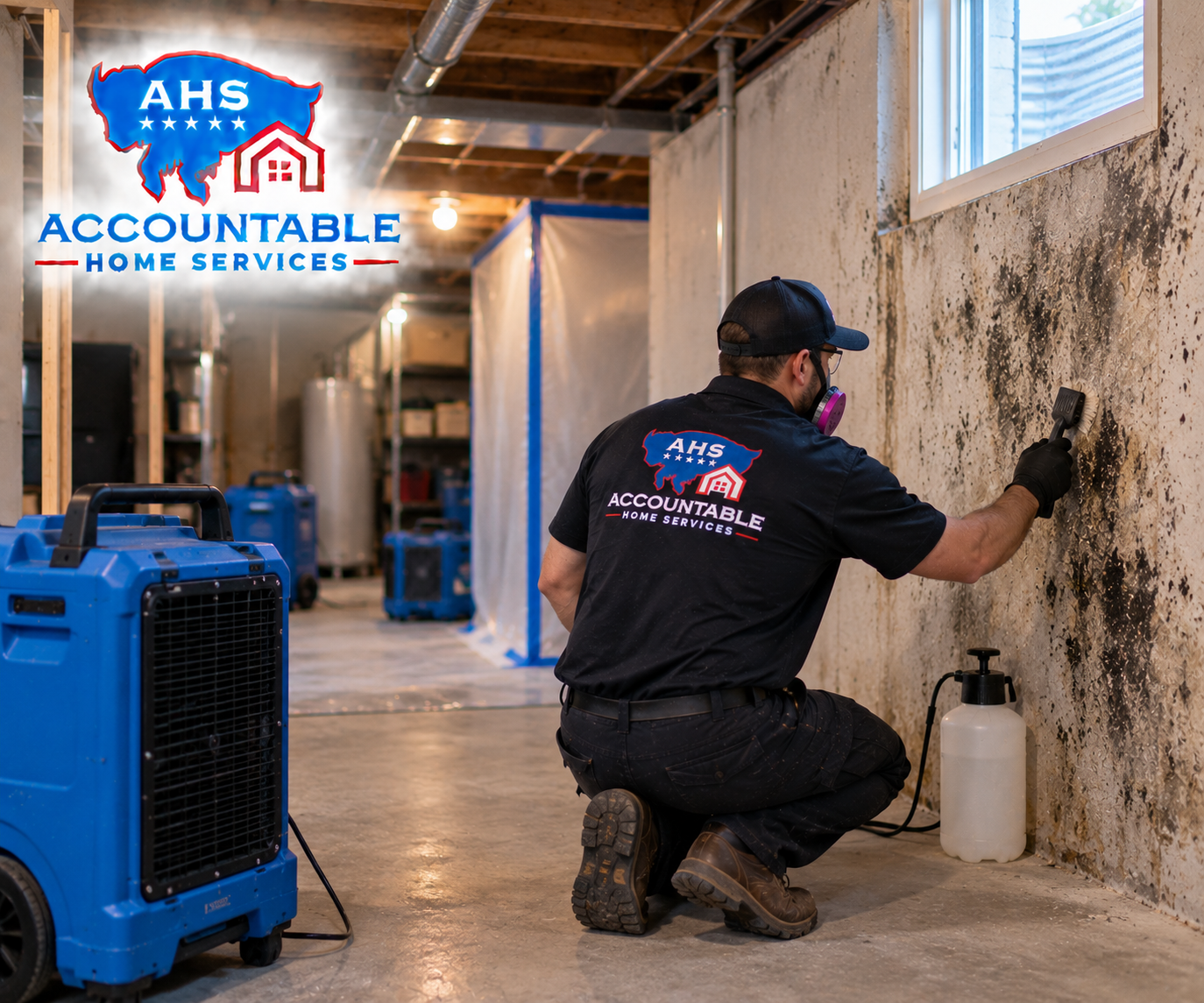
If you already see visible mold or smell a persistent musty odor, mention that when you call. Mold concerns may require different containment, cleaning, or referral steps than a clean-water extraction.
What Homeowners Should Avoid Doing
It is natural to want to fix the problem immediately, but some cleanup steps can make things harder or less safe.
Avoid these common mistakes:
- Do not use a household vacuum on water.
- Do not enter water that may be electrically charged.
- Do not remove glued-down flooring or drywall without documenting damage first.
- Do not assume carpet pad will dry on its own.
- Do not leave wet boxes or rugs in place.
- Do not turn on HVAC systems if water may have affected ducts or equipment.
- Do not treat sewage or contaminated water as a DIY cleanup.
- Do not wait several days to see if the smell goes away.
A calm, careful approach is better than rushing into unsafe cleanup.
Insurance: What to Have Ready When You Call
If you plan to file a claim, your insurance company may ask for basic information about the water loss. Having details ready can make the conversation easier.
Prepare the following if available:
- Your policy number.
- The date and time the damage was discovered.
- The suspected source of water.
- Rooms or levels affected.
- Photos and videos.
- Any emergency steps taken to stop the water.
- Names of professionals contacted.
- Receipts for emergency services or temporary repairs.
Many policies require homeowners to take reasonable steps to prevent additional damage. Calling for emergency water removal and documenting your actions may help show that you responded promptly.
Coverage varies by policy and cause of loss, so speak directly with your insurance provider for claim guidance.
When a DIY Cleanup May Be Enough
Not every spill requires a restoration crew. A small, clean-water spill on a hard surface may be manageable if it is caught immediately and fully dried.
DIY cleanup may be reasonable when:
- The water is clean.
- The area is small.
- No carpet pad, drywall, cabinets, or subflooring are affected.
- The water did not run under walls or into another room.
- You can dry the area completely and quickly.
- There is no odor, staining, or recurring moisture.
If any of those points are uncertain, it is better to ask for an inspection. Water often travels farther than it appears, especially under flooring and behind trim.
Why Local Response Matters
A Highlands Ranch water emergency is not the time to wait on a far-away crew or guess your way through cleanup. Local knowledge matters because Denver-metro homes often include finished basements, mechanical rooms, sump systems, mixed flooring types, and seasonal temperature swings that can affect plumbing and drying conditions.
A local water damage restoration Highlands Ranch team understands the practical concerns homeowners face, from protecting basement living space to coordinating with plumbers and insurance adjusters. The goal is straightforward: remove the water, find the hidden moisture, dry the structure, and help you get your home back to normal.
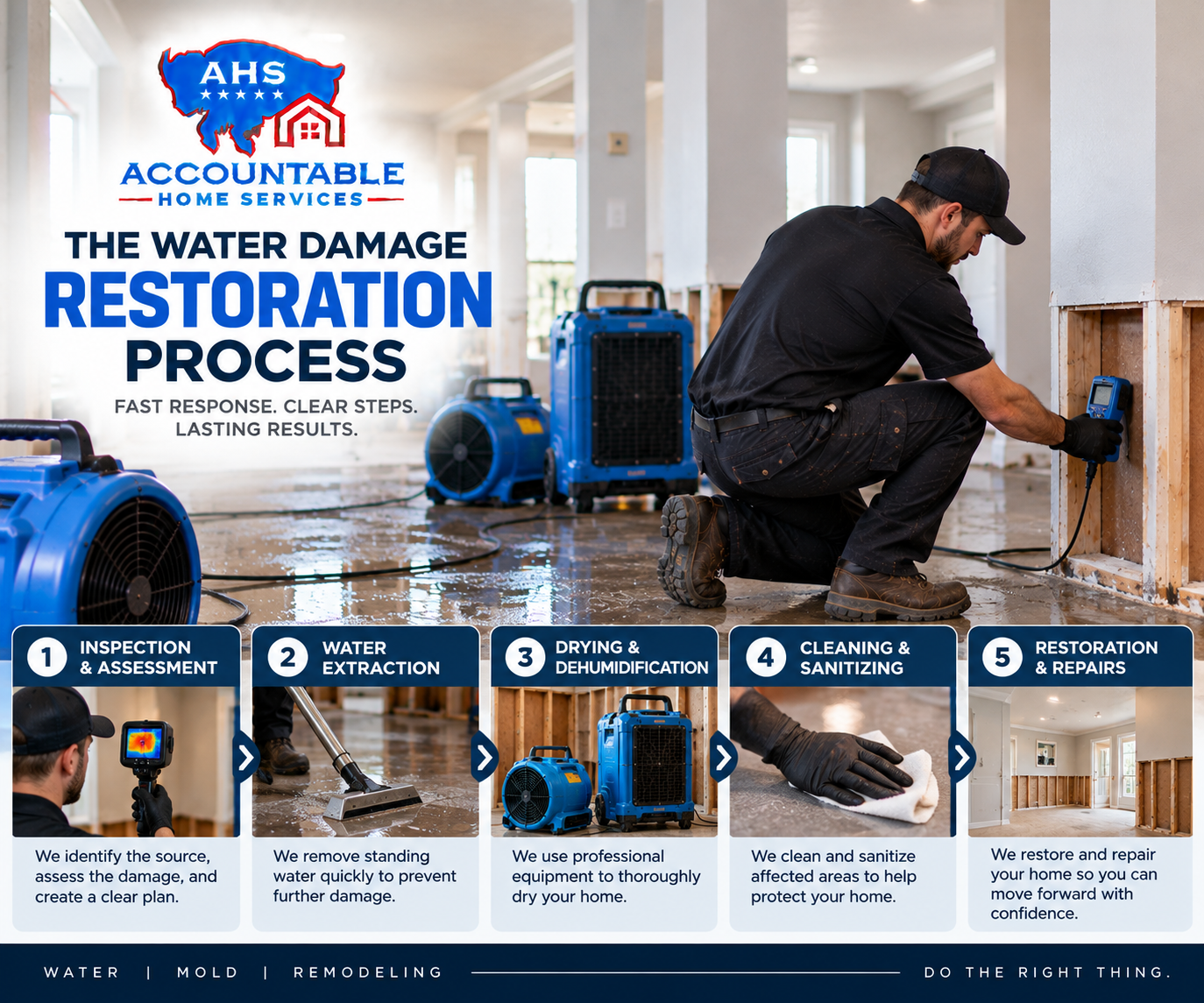
Our Plain-Spoken Water Extraction Process
If you call for emergency water extraction Highlands Ranch CO, you should know what to expect. A good service provider will explain the process clearly and answer your questions without pressure.
A typical service visit includes:
- Initial call and safety questions You describe what happened, where the water is, and whether any electrical or contamination concerns are present.
- On-site inspection The team checks affected areas, identifies the water source if possible, and looks for hidden moisture.
- Water extraction Standing water is removed from floors, carpet, and accessible surfaces using professional equipment.
- Damage assessment Materials are evaluated to determine what can be dried and what may need removal.
- Drying setup Air movers, dehumidifiers, and other drying equipment may be placed based on moisture readings.
- Monitoring Moisture levels are checked to confirm progress and adjust equipment as needed.
- Repair planning If the home needs water damage repair, the next steps can be discussed after drying and mitigation are complete.
This approach keeps the focus where it belongs: practical action, clear communication, and careful drying.
Signs Water Has Spread Behind the Surface
Visible water is only part of the story. You may need water damage restoration even after puddles are gone if moisture has moved into building materials.
Watch for:
- Baseboards pulling away from walls.
- Bubbling paint or soft drywall.
- Cupping, crowning, or buckling wood floors.
- Damp carpet edges near walls.
- Musty odors in closets or basement rooms.
- Stains on ceilings below bathrooms or laundry rooms.
- Swollen cabinet bases near sinks or dishwashers.
- Persistent humidity in one area of the home.
These signs do not always mean major repairs are needed, but they do mean the area should be checked.
Call Before Small Damage Becomes a Bigger Project
Water damage is stressful, but the first steps are manageable when you know what to do. Start with safety. Stop the water if you can. Take photos. Move dry belongings out of harm’s way. Then call for help when the water is more than a small surface spill.
For emergency water cleanup, standing water removal, carpet water extraction, and water mitigation in Highlands Ranch, a professional team can help protect your home and guide you through the next steps.
If you are dealing with a burst pipe, flooded basement, leaking water heater, appliance leak, or wet carpet, reach out for local water extraction support as soon as it is safe. A calm, prompt response can make cleanup clearer, safer, and more manageable from the start.