Pipe Breaks in Greenwood Village, CO: What Homeowners Should Do First
Pipe Breaks in Greenwood Village, CO: What Homeowners Should Do First
A Calm First Plan for a Broken Pipe at Home
A pipe break can turn an ordinary day into a stressful one fast. Water may be coming through a ceiling, pooling under a vanity, soaking carpet in a lower level, or spreading across a finished basement. If you live in Greenwood Village, you may be dealing with older plumbing, freezing winter temperatures, irrigation-related leaks, or a sudden supply line failure.
The good news is that the first few minutes are about simple, practical steps. You do not need to solve everything at once. Your priorities are to stop the water if you can, stay safe, protect your home from additional damage, and get the right help for cleanup, drying, and repairs.
If you are facing pipe breaks Greenwood Village CO homeowners often experience, use the guide below as a clear starting point.
What to Do First After a Pipe Break
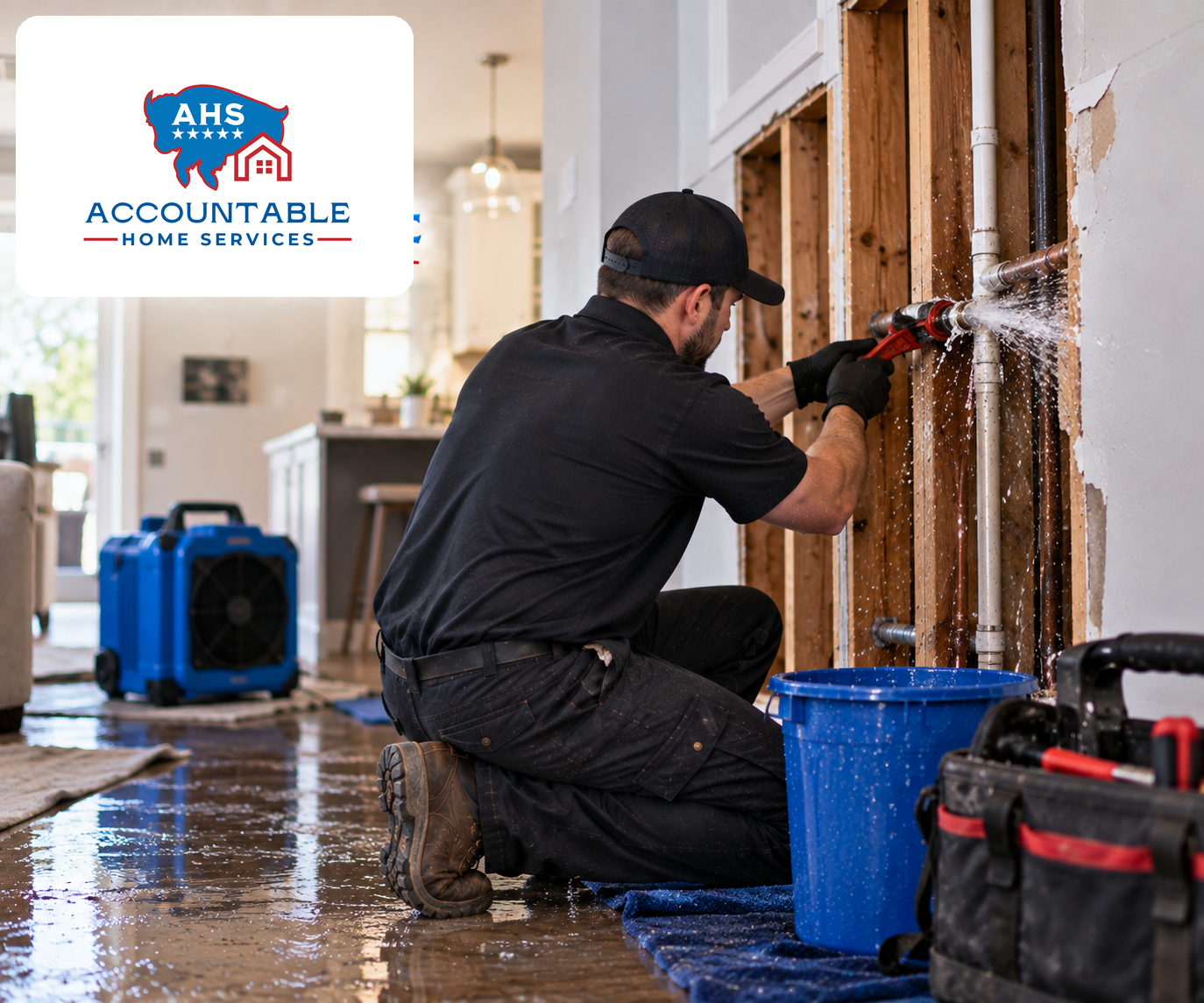
1. Shut Off the Water
If water is actively flowing, turn off the closest shutoff valve first. This may be under a sink, behind a toilet, near a washing machine, or near a water heater. If you cannot find the local shutoff, turn off the main water supply to the home.
The main shutoff is often located in a basement, crawl space, mechanical room, garage, or near where the water line enters the house. If you are not sure where it is, this is a good thing to locate and label before the next emergency.
After the water is off, open a faucet at the lowest level of the home to help relieve pressure in the lines.
2. Avoid Electrical Hazards
Water and electricity do not mix. If water is near outlets, appliances, a breaker panel, extension cords, or ceiling fixtures, do not step into the area until it is safe.
If you can safely access the breaker panel without walking through water, shut off power to the affected area. If you cannot do so safely, stay out and call a qualified professional. This is especially important with a ceiling water leak, where water may be traveling through light fixtures, insulation, or wall cavities.
3. Move Valuables Out of the Wet Area
Once it is safe, move furniture, rugs, electronics, paperwork, family photos, and other belongings away from the water. Place foil, plastic, or wood blocks under furniture legs if items are too heavy to move.
Do not spend too much time sorting everything during an active leak. Focus on items that are valuable, sentimental, or likely to be damaged quickly.
4. Start Basic Water Removal if It Is Safe
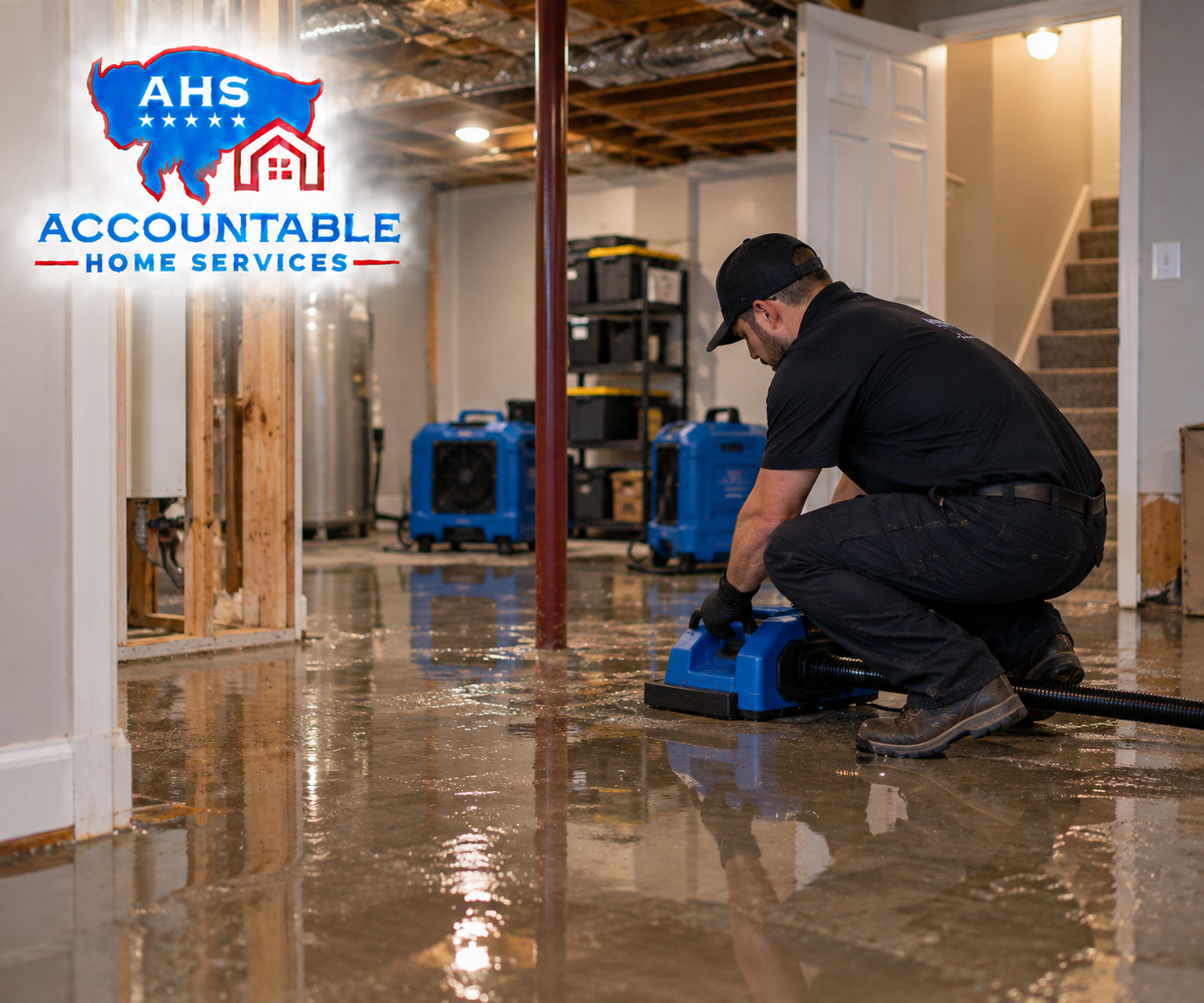
For small, clean-water leaks, you may be able to use towels, a mop, or a wet-dry vacuum to remove standing water. For larger areas, soaked carpet, water in a basement, or water that has spread under flooring, professional water extraction Greenwood Village service may be needed.
Standing water should not be left in place. The longer materials stay wet, the more likely they are to swell, stain, weaken, or develop odor.
5. Call for Professional Help When Needed
A plumber may be needed for pipe burst repair or other pipe repair services. A water damage company may be needed for pipe leak cleanup, drying, moisture testing, and repairs to damaged building materials.
In many cases, you need both: a plumber to stop and repair the source, and a restoration team to handle the broken pipe water damage left behind.
When a Pipe Break Becomes a Water Damage Emergency
Some leaks are small and contained. Others require immediate emergency water damage Greenwood Village support. Call for help promptly if you notice:
- Water spreading across multiple rooms
- A flooded basement cleanup situation
- Water coming through ceilings or walls
- Wet insulation, drywall, carpet, or wood flooring
- Water near electrical systems
- A leak that continued for hours while you were away
- A burst pipe in a finished area of the home
- Dampness under cabinets, behind baseboards, or below flooring
- Musty smells after cleanup
- Visible staining, bubbling paint, or sagging drywall
Burst pipe water damage can be deceptive. The visible water may be only part of the problem. Moisture can move under luxury vinyl plank, hardwood, tile assemblies, carpet pad, cabinets, and trim. It can also travel down wall cavities and collect in lower levels.
That is why moisture detection matters. A surface may feel dry while the material behind it remains wet.
Common Causes of Pipe Breaks in Greenwood Village Homes
Homeowners in Greenwood Village can experience pipe breaks for several reasons. Some are sudden, while others develop slowly over time.
Common causes include:
- Freezing temperatures that cause water inside pipes to expand
- Aging copper, galvanized, or plastic supply lines
- Corrosion around fittings or valves
- High water pressure
- Appliance supply line failures
- Water heater connection leaks
- Irrigation or exterior hose bib issues
- Improperly insulated pipes in exterior walls, crawl spaces, or garages
- Construction defects or previous repair issues
- Accidental nail or screw punctures during remodeling
Even a small pipe leak can become a major cleanup issue if it is hidden behind a wall or under flooring. If you discover staining, soft drywall, cupped flooring, or recurring dampness, it is worth having the area checked.
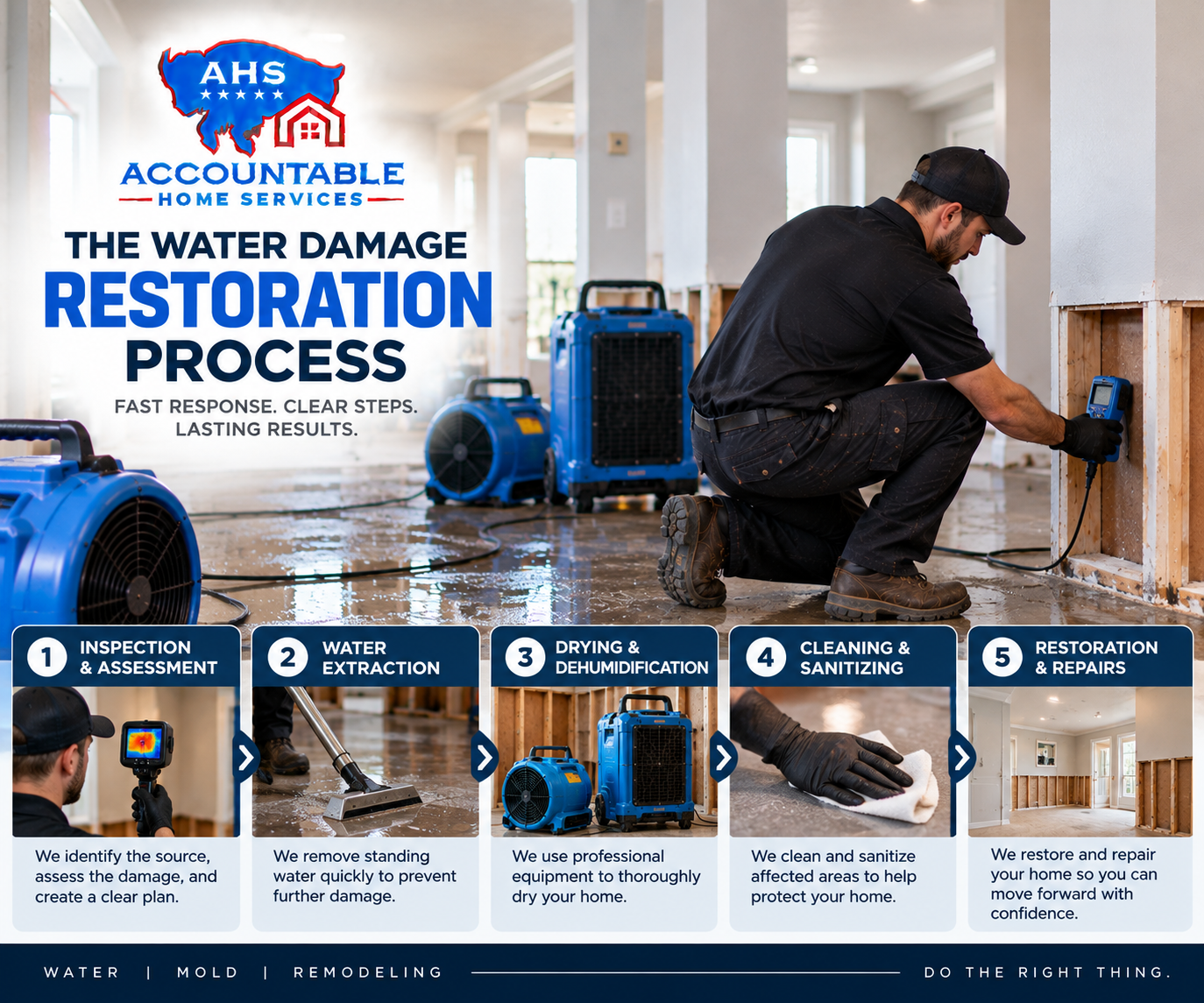
What Professional Water Mitigation Includes
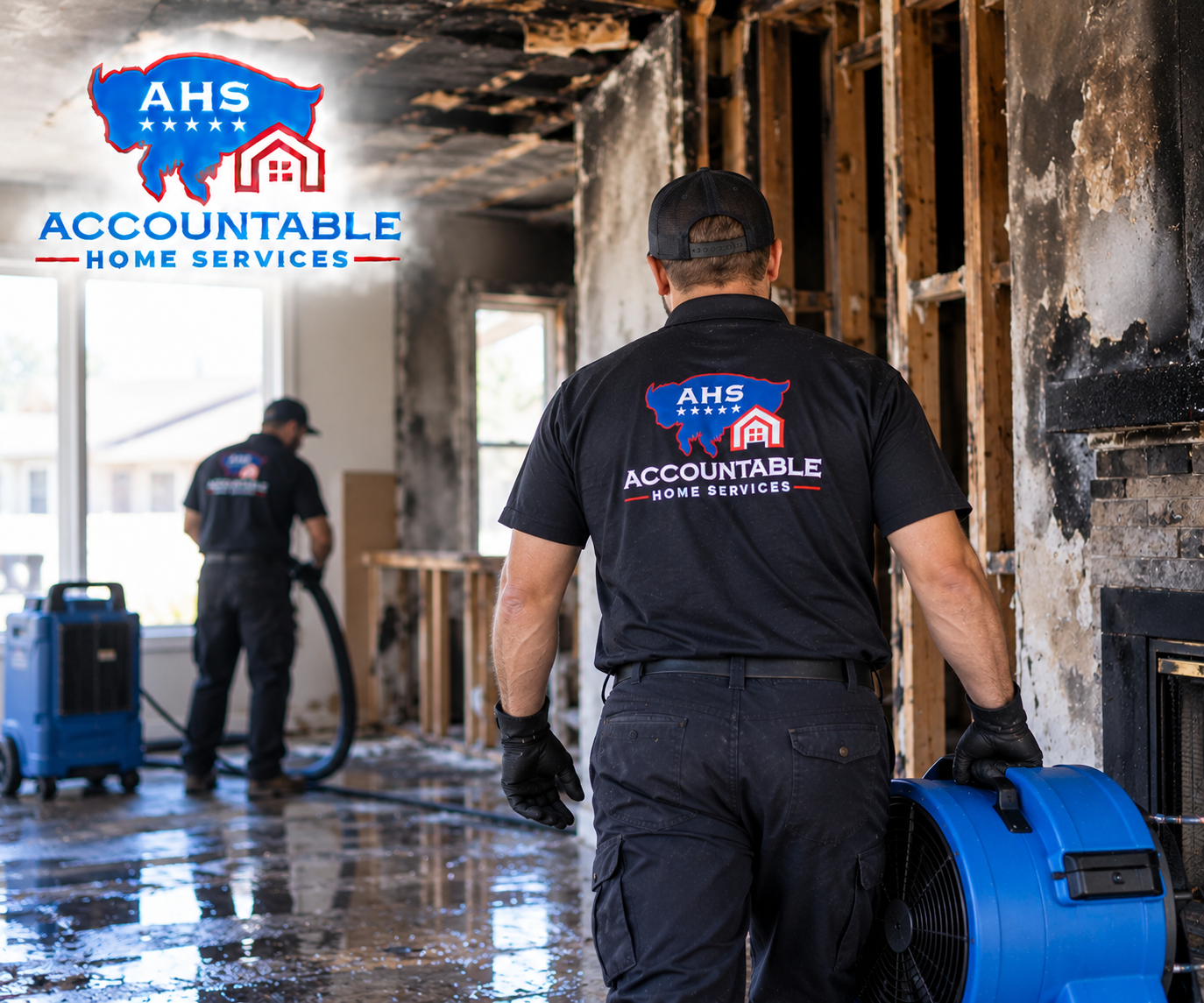
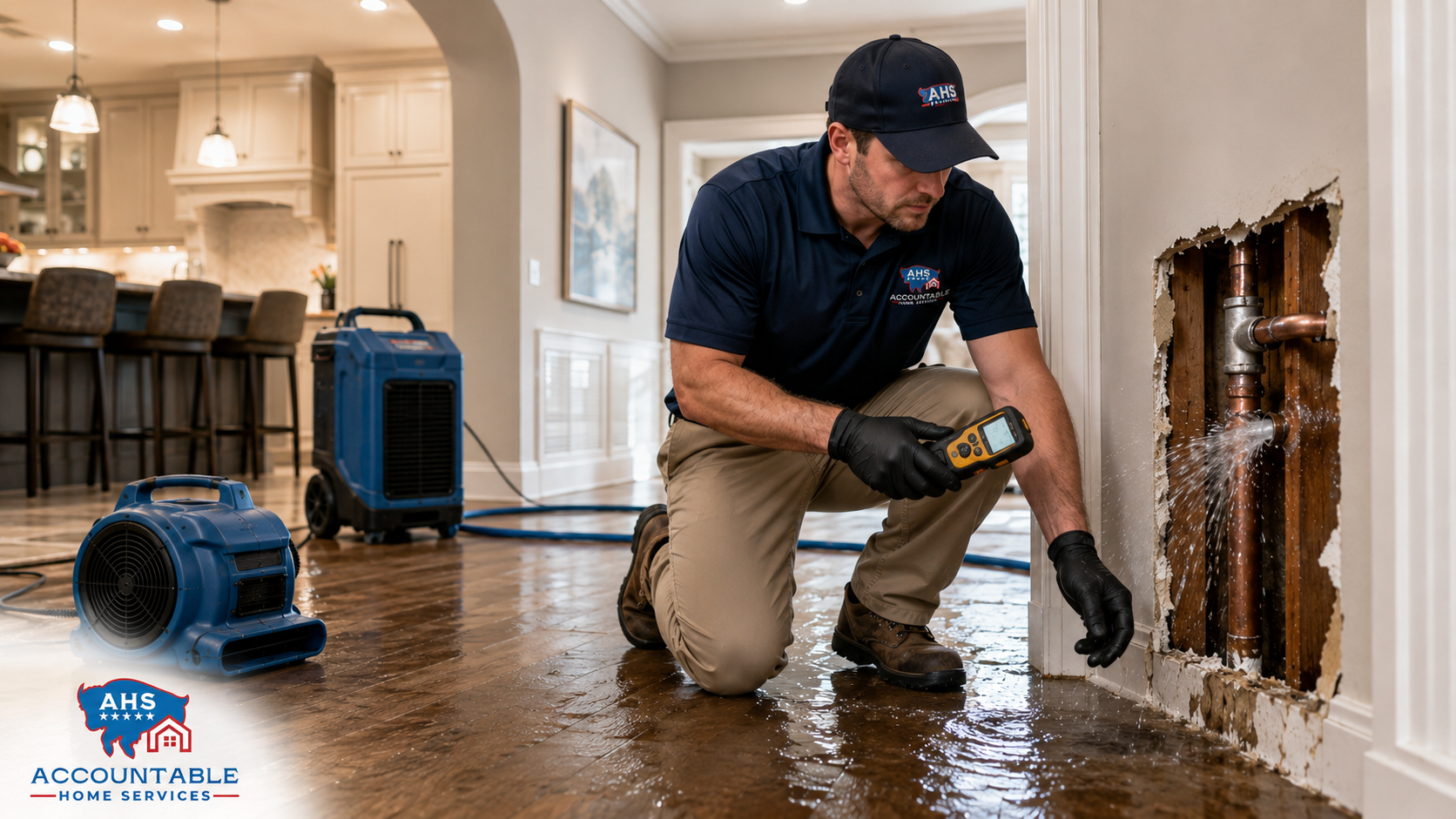
Water mitigation Greenwood Village services focus on limiting additional damage after a leak or pipe break. Mitigation is different from full reconstruction. It comes first and is meant to stabilize the home.
A typical water mitigation process may include:
- Inspection of affected rooms and nearby areas
- Identification of the water source if it has not already been found
- Moisture readings in walls, floors, ceilings, and trim
- Water extraction from floors, carpets, and hard surfaces
- Removal of unsalvageable wet materials when necessary
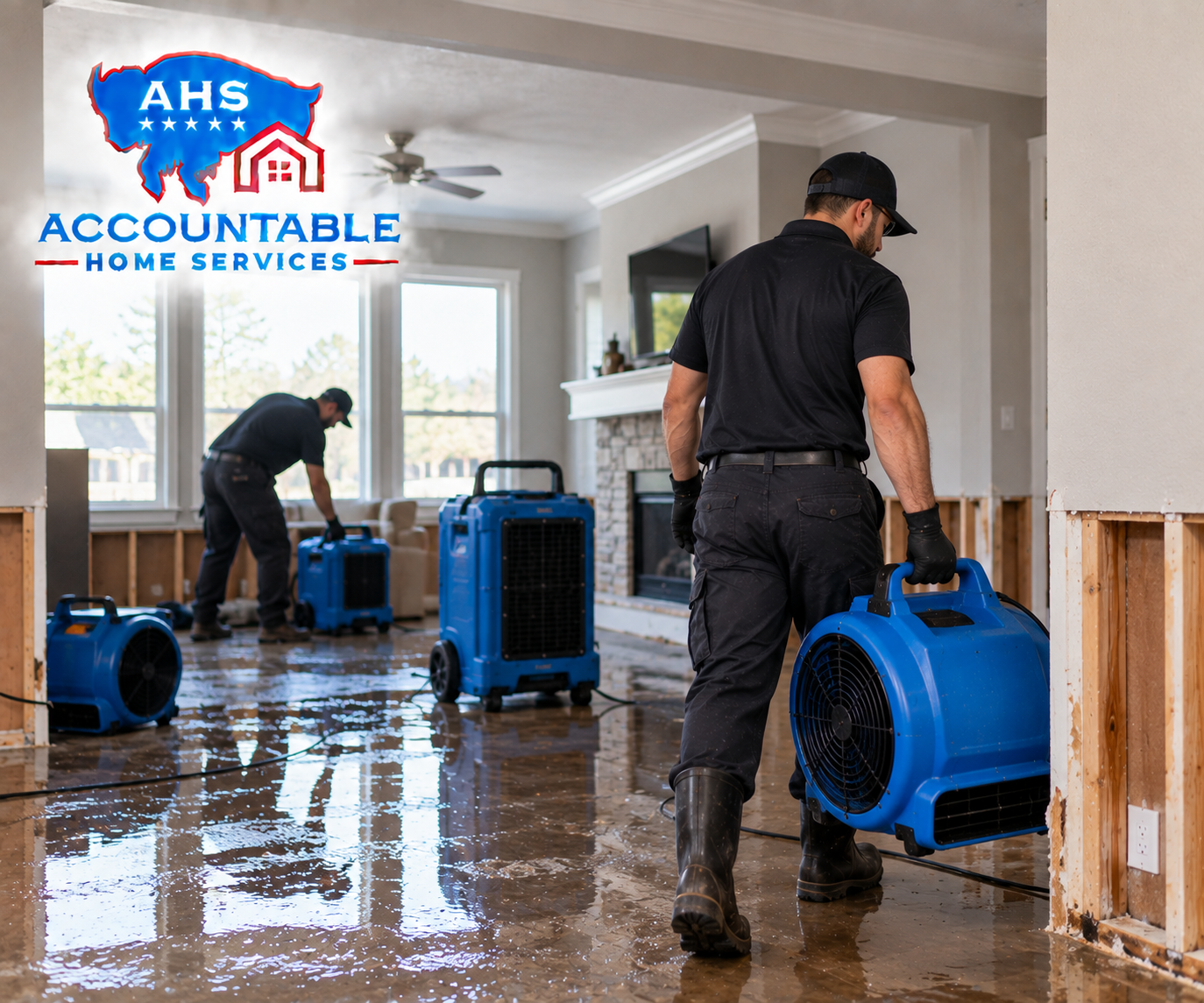
- Setting up air movers and dehumidifiers
- Monitoring drying progress over several days
- Cleaning and sanitizing affected surfaces when appropriate
- Documentation for your records or insurance claim
The goal is to dry the structure properly, not simply make it look dry. This matters because trapped moisture can lead to warped flooring, damaged drywall, odors, and mold after water damage.
Should You Remove Wet Drywall or Flooring Yourself?
It depends on the size of the leak, the type of water, and how long materials have been wet.
For a very small, recent, clean-water leak, careful cleanup may be enough. However, if drywall is soft, insulation is wet, carpet pad is soaked, or water has been sitting for more than a short time, professional evaluation is usually the safer route.
Avoid cutting into walls or removing flooring if you are not sure what is behind the material. Plumbing, electrical wiring, and HVAC lines may be hidden nearby. A restoration technician can use moisture meters and other tools to determine what needs to be removed and what can be dried in place.
Mold Concerns After a Pipe Break
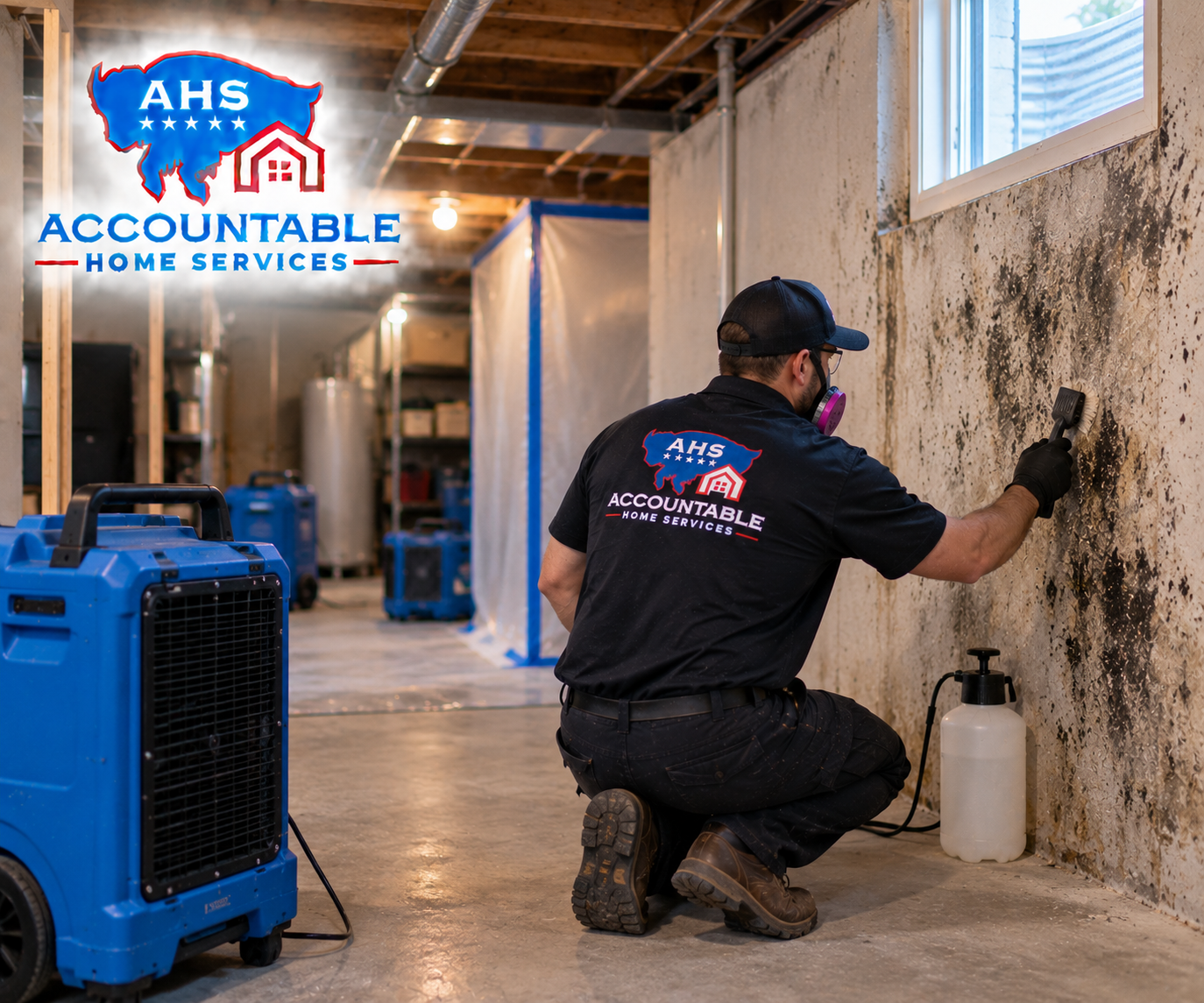
Not every pipe break results in mold. Fast action makes a big difference. The risk increases when water sits, humidity remains high, or damp materials are enclosed inside walls, cabinets, and flooring.
Watch for signs such as:
- Musty or earthy odors
- Dark spotting on drywall, trim, or contents
- Persistent dampness
- Allergy-like symptoms that seem worse in one area of the home
- Staining that returns after cleaning
If you are concerned about mold after water damage, do not paint over stains or cover damp areas with new flooring. The underlying moisture problem needs to be addressed first. Proper drying, ventilation, removal of damaged materials, and documentation can help prevent a small issue from turning into a larger repair.
Handling a Ceiling Water Leak
A ceiling water leak can be especially stressful because the source is often above the visible stain. It may come from an upstairs bathroom, a supply line, a refrigerator line, a laundry room, or a pipe running through the ceiling cavity.
If water is dripping from a ceiling:
- Stay away from sagging drywall or bulging paint.
- Move furniture and belongings out of the area.
- Place a bucket below active drips if it is safe.
- Shut off the water supply.
- Avoid turning on lights or ceiling fans in the affected area.
- Call a plumber or restoration professional to inspect the source and hidden moisture.
A ceiling may hold water above the drywall before it releases. If the surface is sagging, do not stand underneath it.
Documenting Damage for Insurance
If you plan to file a water damage insurance claim Colorado homeowners should begin documenting as early as possible. You do not need perfect paperwork before you start emergency cleanup, but you should create a clear record.
Helpful documentation includes:
- Photos and videos of the source of the leak, if visible
- Photos of standing water and affected rooms
- Close-up images of damaged flooring, walls, ceilings, cabinets, and contents
- Notes about when you discovered the leak
- Notes about what you did first, such as shutting off the water
- Receipts for emergency plumbing, cleanup, equipment, or temporary repairs
- A list of damaged belongings
- Moisture reports or drying logs from a restoration company, if available
Most insurance policies expect homeowners to take reasonable steps to limit additional damage. This may include shutting off the water, calling for emergency service, and beginning drying efforts. Your insurance company or agent can explain what your specific policy does and does not cover.
Do not throw away damaged materials or belongings too quickly unless they create a safety concern. If removal is necessary, take photos first.
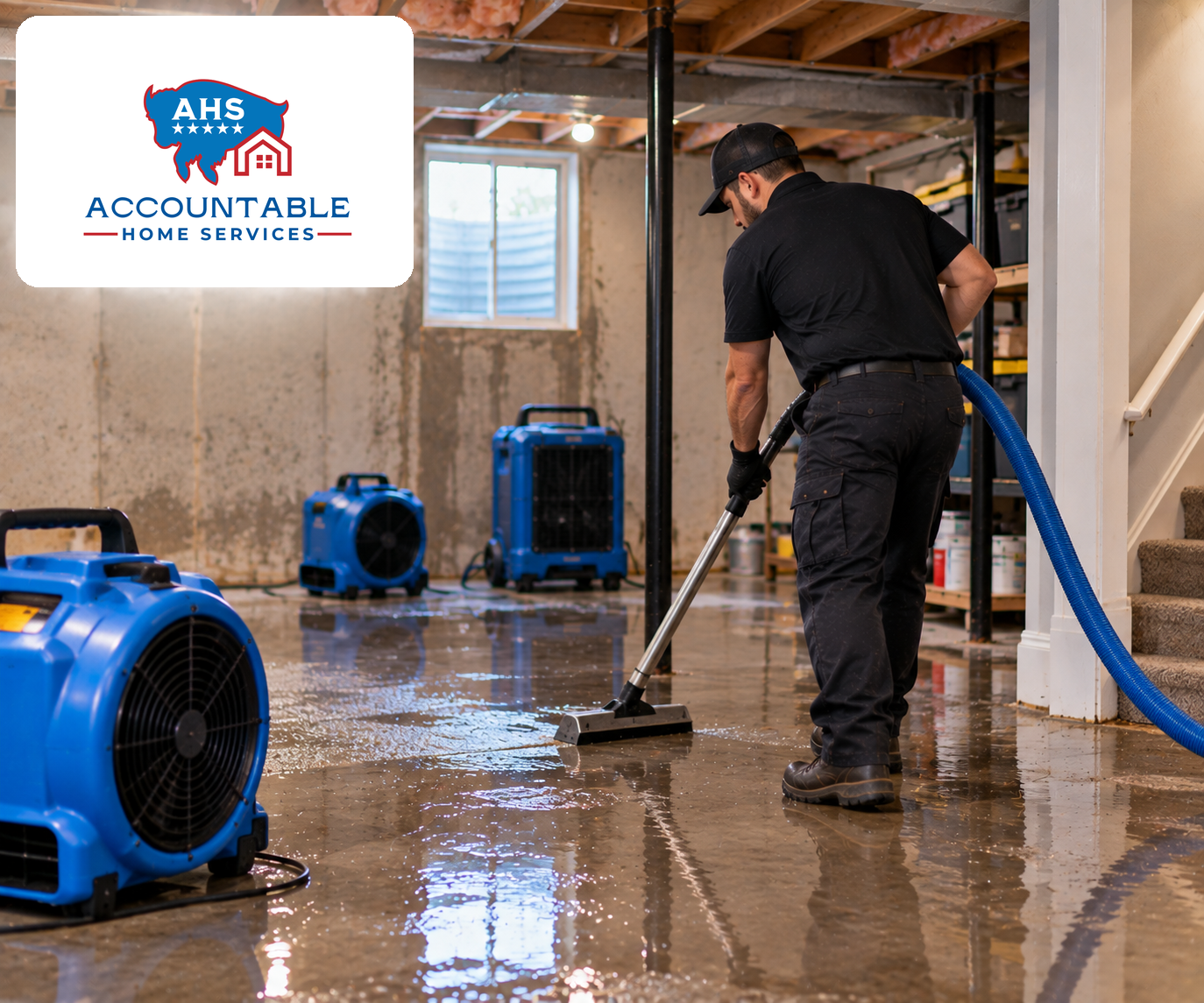
Why Fast Water Extraction Matters
Water extraction Greenwood Village service is often one of the first professional steps after a major leak. Removing water quickly helps reduce the amount absorbed into flooring, baseboards, drywall, and framing.
This is particularly important for:
- Finished basements
- Carpet and carpet pad
- Hardwood floors
- Laminate and engineered flooring
- Built-in cabinets
- Drywall and insulation
- Multi-level leaks where water traveled downward
A shop vacuum can help with minor surface water, but it may not remove moisture from carpet pad, seams, cracks, and hidden layers. Professional extraction equipment is designed to pull more water out of affected materials before drying equipment is placed.
Local Help for Greenwood Village Homeowners
Water damage restoration Greenwood Village services are designed to help homeowners move from the first emergency steps to a dry, safe, repair-ready home. A local team understands the kinds of homes in the area, the impact of Colorado temperature swings, and the need to act quickly without creating unnecessary demolition.
Whether you are dealing with a burst pipe, a slow leak behind a wall, a flooded lower level, or water coming through a ceiling, the right response can help protect your home and simplify the recovery process.
Professional pipe leak cleanup may include both immediate water removal and careful monitoring to confirm that affected materials are drying as expected. If repairs are needed after drying, your contractor can help identify the next steps.
What to Have Ready When You Call
When you contact a plumber, restoration company, or insurance provider, be ready to share a few basic details:
- Your location in or near Greenwood Village
- Where the leak appears to be coming from
- Whether the water has been shut off
- How long the area may have been wet
- Which rooms or levels are affected
- Whether water is near electrical outlets or fixtures
- Whether flooring, drywall, ceilings, or cabinets are wet
- Whether you have already contacted your insurance company
You do not need to know the exact cause before calling. A clear description of what you see is enough to begin.
Simple Steps to Reduce Future Pipe Break Risk
After the immediate cleanup is handled, consider a few preventive measures:
- Learn where your main water shutoff is located.
- Label shutoff valves for sinks, toilets, appliances, and the main line.
- Disconnect garden hoses before freezing weather.
- Insulate vulnerable pipes in garages, crawl spaces, and exterior walls.
- Replace aging supply lines to washing machines, refrigerators, and fixtures.
- Watch for corrosion, mineral buildup, or moisture around valves.
- Address low-level leaks before they spread.
- Consider a water leak detection device in high-risk areas.
Prevention cannot stop every break, but it can reduce the chances of severe damage and help you respond faster.
Ready for Help With Broken Pipe Water Damage?
If a pipe has burst or leaked in your Greenwood Village home, start with safety, shut off the water if you can, document the damage, and call for help when the water has spread beyond a small, contained area.
From flooded basement cleanup to pipe burst repair coordination, water extraction, drying, and restoration planning, a professional team can help you take the next right step without guesswork.
For emergency water damage Greenwood Village support, reach out as soon as the area is safe. The sooner the cleanup and drying process begins, the easier it is to protect your home and move forward with confidence.