Fire Cleanup in Arvada, CO: What Homeowners Should Do After a House Fire
Fire Cleanup in Arvada, CO: What Homeowners Should Do After a House Fire
A house fire does not feel “over” when the flames are out. For many Arvada homeowners, that is the moment the questions start: Is it safe to go inside, what can be saved, who should be called, and how do you handle the insurance claim? This guide explains the first steps after a fire, why smoke, soot, odors, and firefighting water need careful attention, and when to bring in a professional for fire damage restoration.
The fire is out—what happens now?
Once the fire department leaves, your first job is not cleaning. Your first job is safety, documentation, and preventing further damage. A home can look stable from the outside while still having electrical hazards, weak floors, contaminated debris, wet insulation, hidden moisture, and smoke residue on surfaces throughout the property.
Start by following the instructions from the fire department. If they say the home is not safe to enter, do not go in to grab belongings. Even a small fire can leave behind unhealthy soot, damaged wiring, broken glass, exposed nails, and water-soaked materials that are not obvious at first glance.
If you are allowed to enter briefly, keep it short. Take photos and videos from safe areas, collect essential documents only if they are easy to reach, and avoid moving damaged items around. What feels helpful in the moment can sometimes make smoke damage cleanup harder or affect documentation for a fire damage insurance claim Colorado homeowners may need to file.
First steps homeowners should take after a fire
After a fire, it helps to move in a clear order. That can lower stress and make the cleanup and claim process easier to manage.
Use this basic checklist:
- Confirm the property is safe to enter. Wait for clearance from the fire department or local authorities.
- Call your insurance carrier or agent. Report the loss, ask about next steps, and request claim instructions.
- Take photos and video before moving items. Capture wide shots of rooms, close-ups of damage, and any visible water damage after fire suppression.
- Secure the property if needed. Broken windows, damaged doors, or roof openings may need board-up or temporary protection.
- Avoid DIY cleaning on soot-covered surfaces. Using the wrong product can smear soot or set stains deeper.
- Contact a qualified restoration company Arvada homeowners can reach quickly. Emergency fire cleanup is often time-sensitive, especially when water, soot, and odor are involved.
If you are an insurance agent, plumber, or property manager helping a homeowner through this, clear communication matters. The homeowner may be overwhelmed. A calm referral to a fire and smoke restoration team that documents conditions properly can help protect the client experience and reduce confusion during the claim.
Soot and smoke residue keep causing damage
One of the biggest surprises after a fire is that damage can continue after the flames are gone. Soot is not just “dirty dust.” It is a mix of fine particles, oils, acids, burned plastics, wood residue, fabric residue, and other materials created during combustion. Because the particles are so small, soot can settle into tiny cracks, pores, seams, vents, cabinets, electronics, and textured surfaces.
Smoke residue can also be chemically active. Depending on what burned, soot may be acidic or oily. Acidic residue can discolor painted walls, tarnish metal, stain countertops, etch glass, and yellow plastics. Oily residue can cling to surfaces and attract more dust, making rooms feel grimy even after light wiping.
This is why fire clean up is not the same as ordinary house cleaning. If soot is wiped with the wrong sponge, cleaner, or motion, it can smear across walls and push deeper into porous materials. For example, scrubbing a smoke-stained ceiling may spread the residue instead of removing it. That can turn a cleanable surface into one that needs more extensive fire damage repair.
Professional soot cleanup Arvada services typically focus on identifying the type of residue before cleaning. Dry soot, wet soot, protein residue from kitchen fires, and oily smoke from synthetic materials may each require a different approach. The right process helps reduce staining, protect salvageable materials, and prepare the home for repairs.
Smoke odors are stubborn for a reason
Smoke odor can linger long after visible soot is removed because odor particles travel wherever air travels. They can move into wall cavities, insulation, attic spaces, HVAC ducts, carpet padding, upholstery, unfinished wood, and stored belongings. Warm air during a fire can also open pores in some materials, allowing odor to penetrate more deeply.
Another reason odor removal after fire can be difficult is that smoke residue is not always visible. A room may look mostly clean but still hold odor in fabrics, dust, porous framing, or hidden cavities. When the home warms up later, those materials can release trapped odors again.
Air fresheners and candles do not solve this problem. They only cover the smell for a short time. Real odor removal usually requires removing contaminated debris, cleaning affected surfaces, addressing HVAC pathways, drying wet materials, and using professional deodorization methods when appropriate.
For homeowners, the practical takeaway is simple: if the smoke smell returns after airing out the home, there is probably residue somewhere that has not been properly cleaned or removed. That is a strong sign that house fire cleanup should be handled by a trained restoration team rather than a surface-level cleaning crew.
Firefighting water can create secondary damage
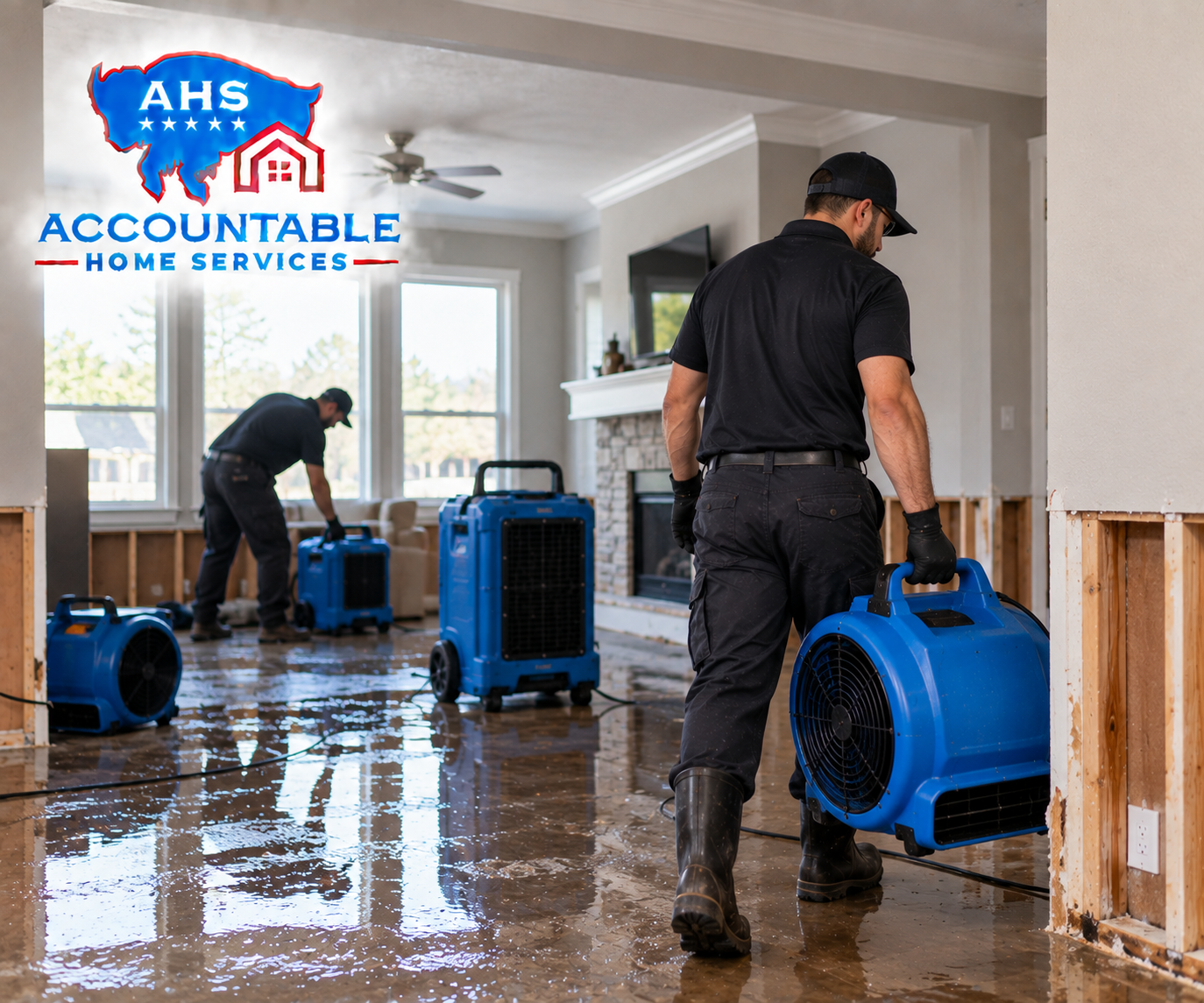
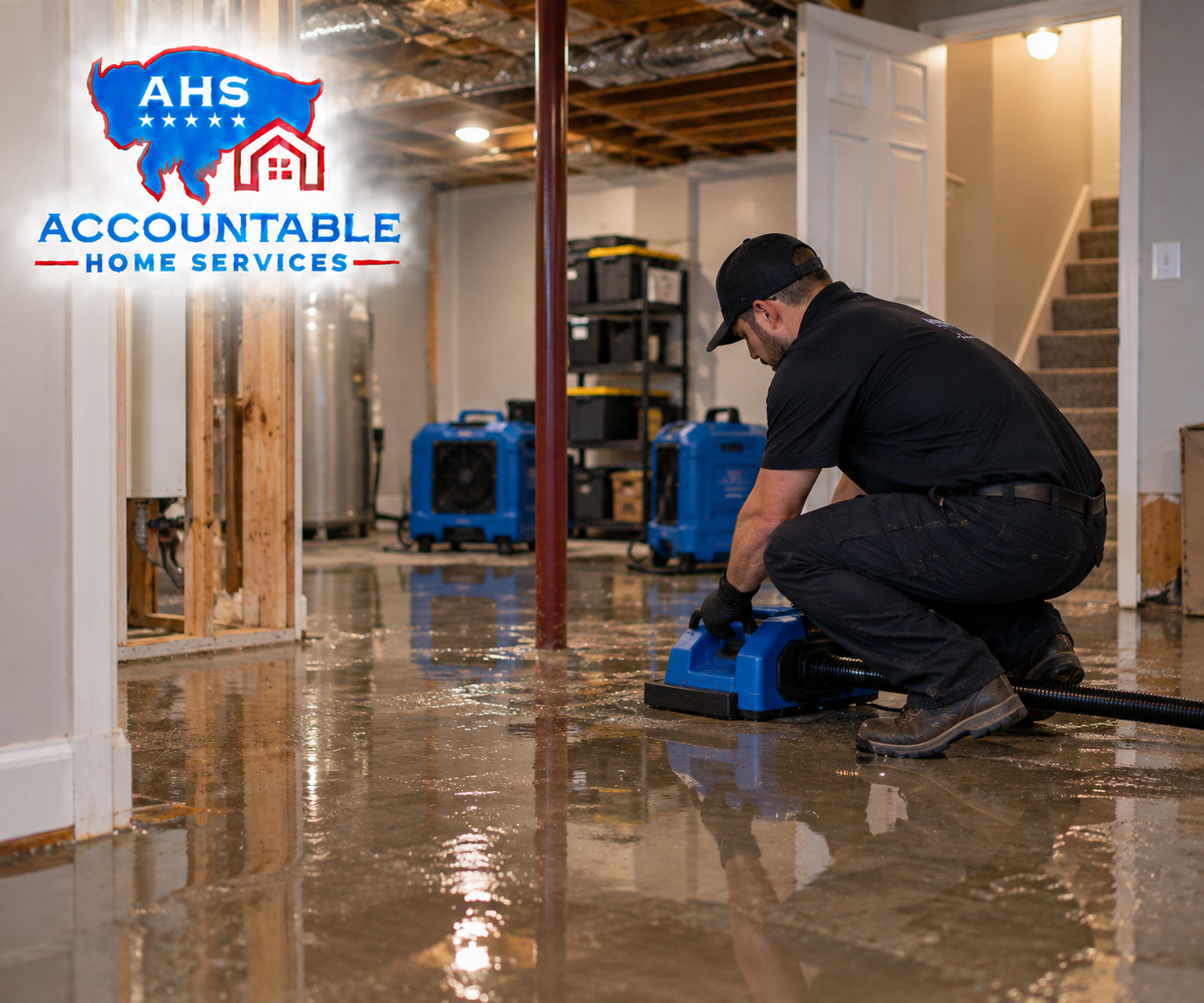
Water saves homes from worse fire damage, but it can also create another layer of problems. Fire hoses, sprinkler systems, and suppression efforts may leave water inside wall cavities, ceilings, flooring, insulation, cabinets, and basements. This water does not always drain or dry on its own.
Common types of water damage after fire include:
- Saturated drywall and insulation, which can lose strength and hold moisture.
- Warped flooring or subflooring, especially wood, laminate, and some engineered products.
- Ceiling damage, including sagging materials where water collected overhead.
- Electrical hazards, especially if outlets, panels, or wiring were exposed to heat and water.
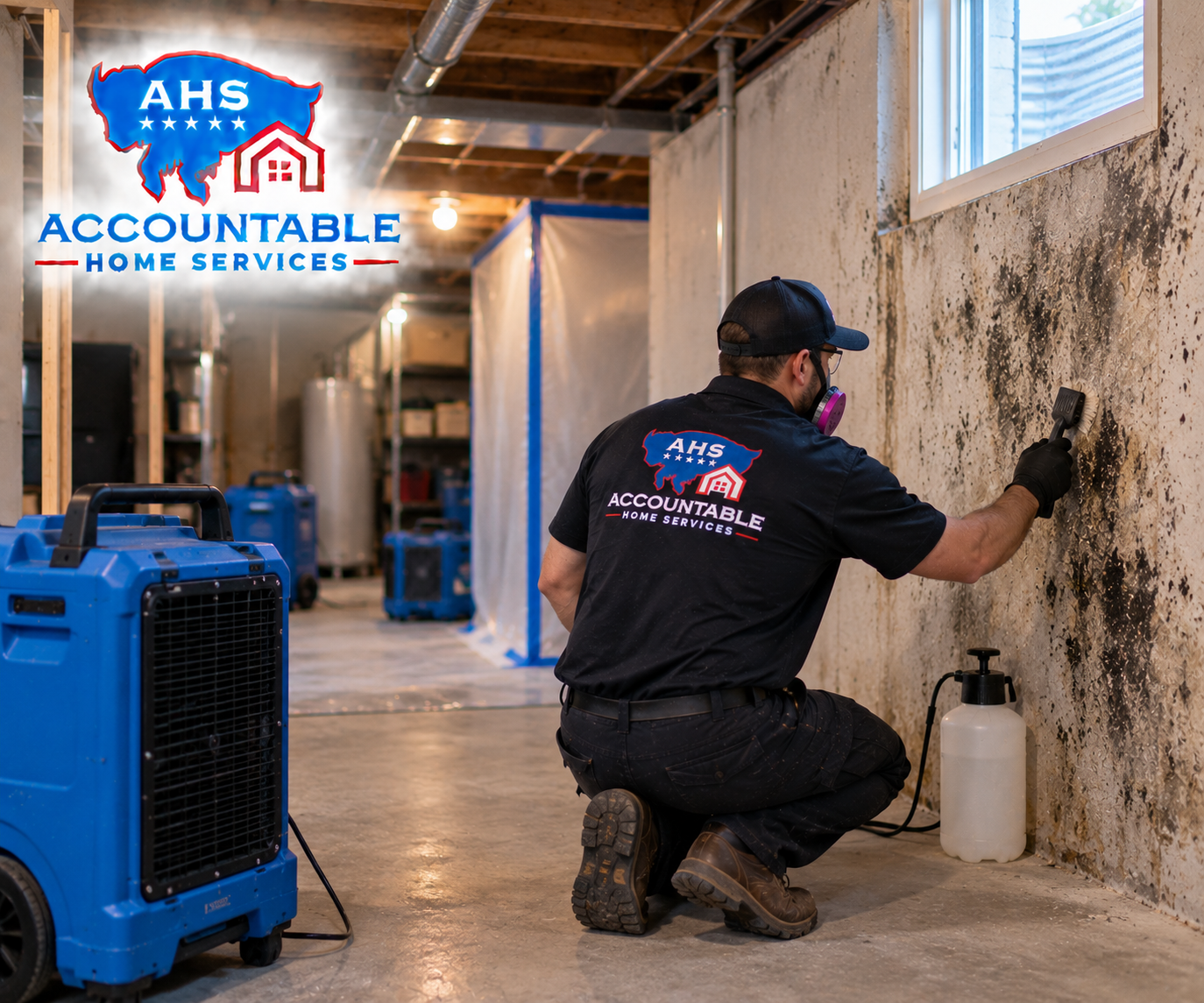
- Mold risk, particularly when wet materials sit for too long in hidden areas.
- Odor problems, because wet soot can create a stronger, messier residue.
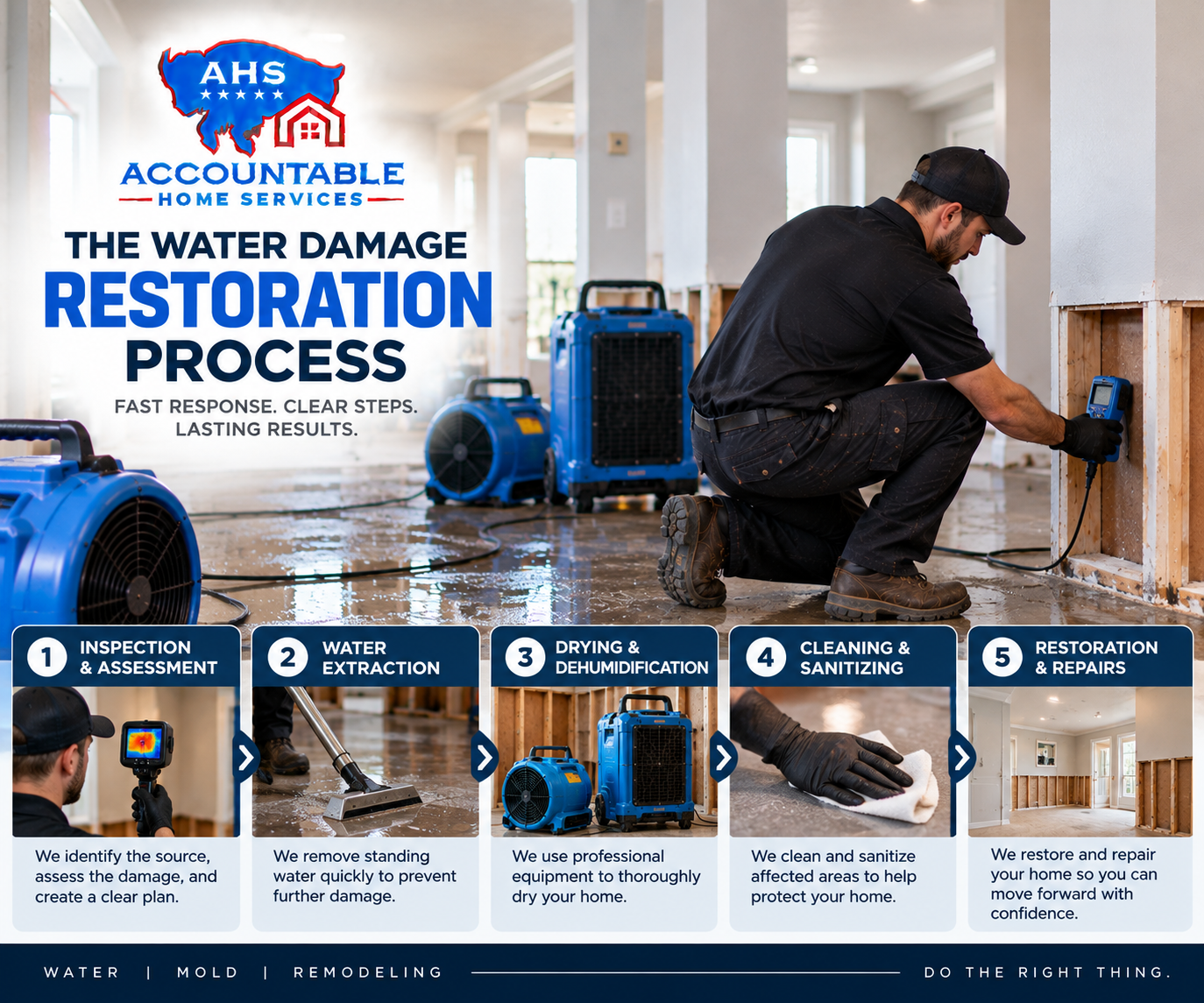
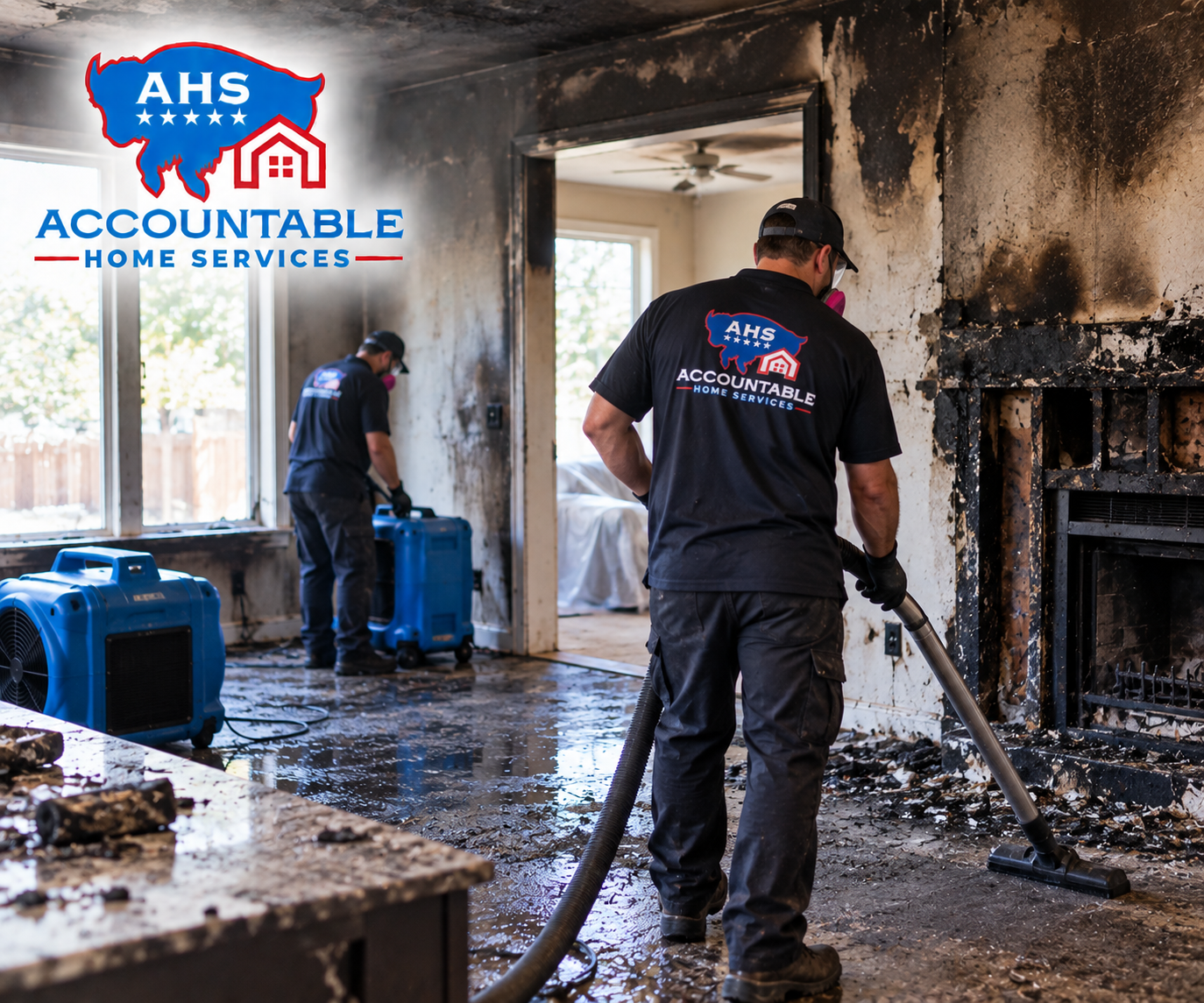
This is where fire damage restoration and water mitigation often overlap. A good restoration plan looks at both the burned materials and the wet materials. Drying equipment, moisture readings, selective removal, and ongoing documentation may all be needed to show what was affected and why certain repairs were necessary.
For property managers, this part is especially important. A unit may seem “smoky but stable,” while water is sitting under flooring or inside shared walls. Quick inspection and drying can reduce tenant complaints, owner frustration, and later repair problems.
What homeowners should avoid touching after a fire
It is natural to want to start sorting, wiping, and saving personal items right away. Still, there are several things homeowners should not touch until the property has been checked and documented.
Avoid handling these items or areas:
- Electrical panels, outlets, appliances, and cords. Heat, water, and damaged wiring can create shock or fire risks.
- Sagging ceilings or soft floors. Water and fire can weaken building materials.
- Soot-covered walls, ceilings, cabinets, and trim. Touching or wiping can smear residue and make cleaning harder.
- Food, medicine, and cosmetics exposed to smoke, heat, or soot. Contamination may not be visible.
- Upholstered furniture, mattresses, rugs, and clothing. Moving these items can spread soot into cleaner areas.
- HVAC systems and filters. Turning the system on may circulate smoke particles through the home.
- Charred structural materials. Burned framing, stairs, railings, or supports may not be safe.
If you must retrieve essential items, wear appropriate protection, limit your time inside, and avoid walking through heavily damaged areas. When in doubt, wait. No keepsake is worth an injury or exposure to unsafe conditions.
When is professional cleanup and documentation needed?
Professional cleanup and documentation are needed when there is visible soot, strong smoke odor, damaged building materials, firefighting water, affected electrical systems, or an active insurance claim. Even a smaller kitchen or garage fire can spread smoke far beyond the burn area, and proper documentation helps explain the scope of damage before repairs begin.
A restoration company can help by photographing damage, recording moisture readings, listing affected areas, separating salvageable and non-salvageable materials, and explaining the cleanup plan in plain language. This does not replace your insurance adjuster, but it can support a more organized claim conversation.
You should consider professional fire cleanup Arvada CO help if you notice:
- Smoke odor in rooms away from the fire.
- Soot on ceilings, walls, vents, or personal belongings.
- Wet drywall, flooring, cabinets, or insulation.
- Staining that gets worse when touched.
- Debris, broken windows, or openings that need temporary protection.
- Concern about mold after firefighting water.
- Confusion about what to document for insurance.
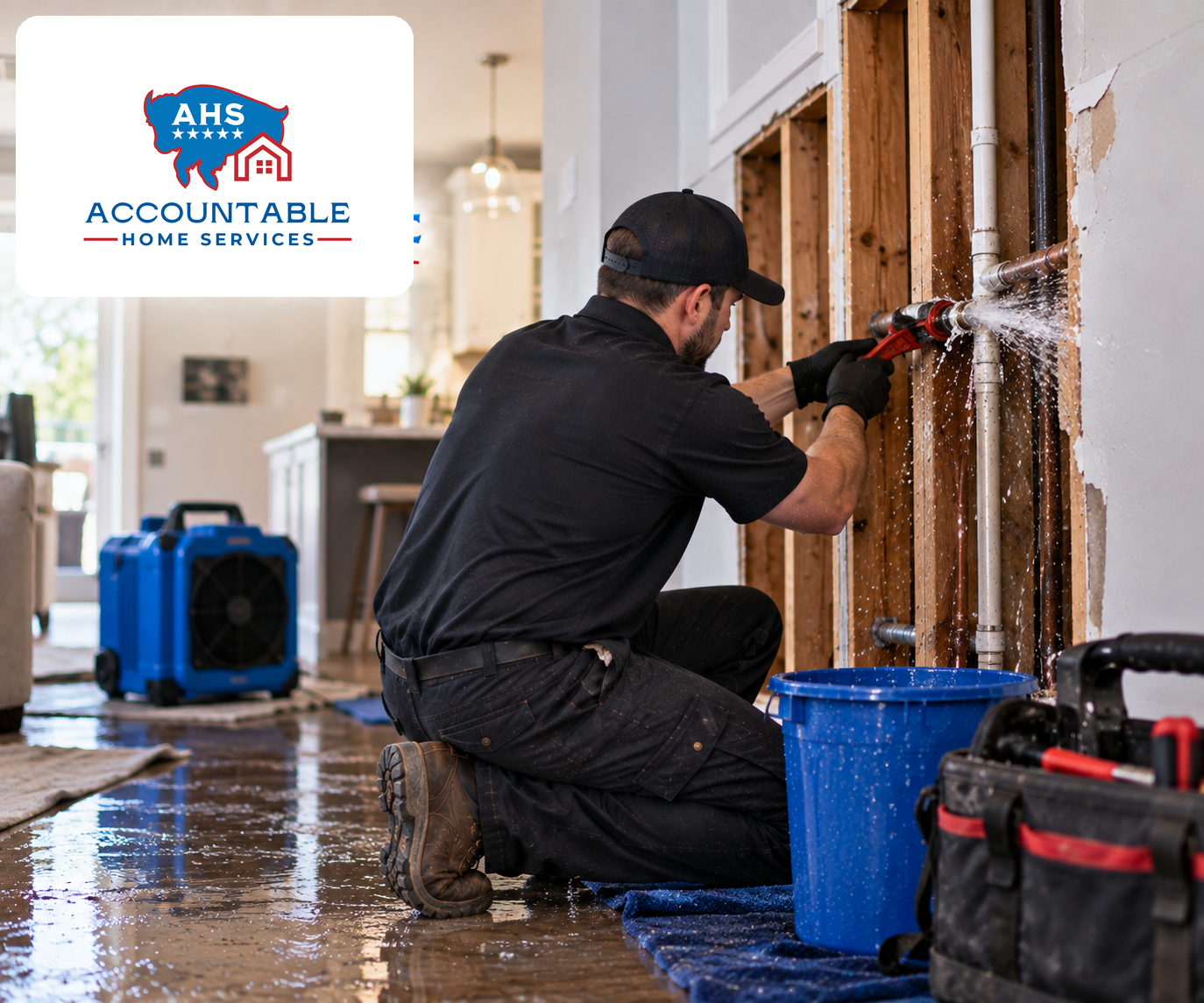
For plumbers who are called after a fire because of damaged supply lines, water heaters, or drainage issues, this is where a restoration partner can take the next step. The plumbing repair may stop one problem, but mitigation, drying, smoke cleaning, and insurance documentation are usually separate needs.
What professional fire restoration may include
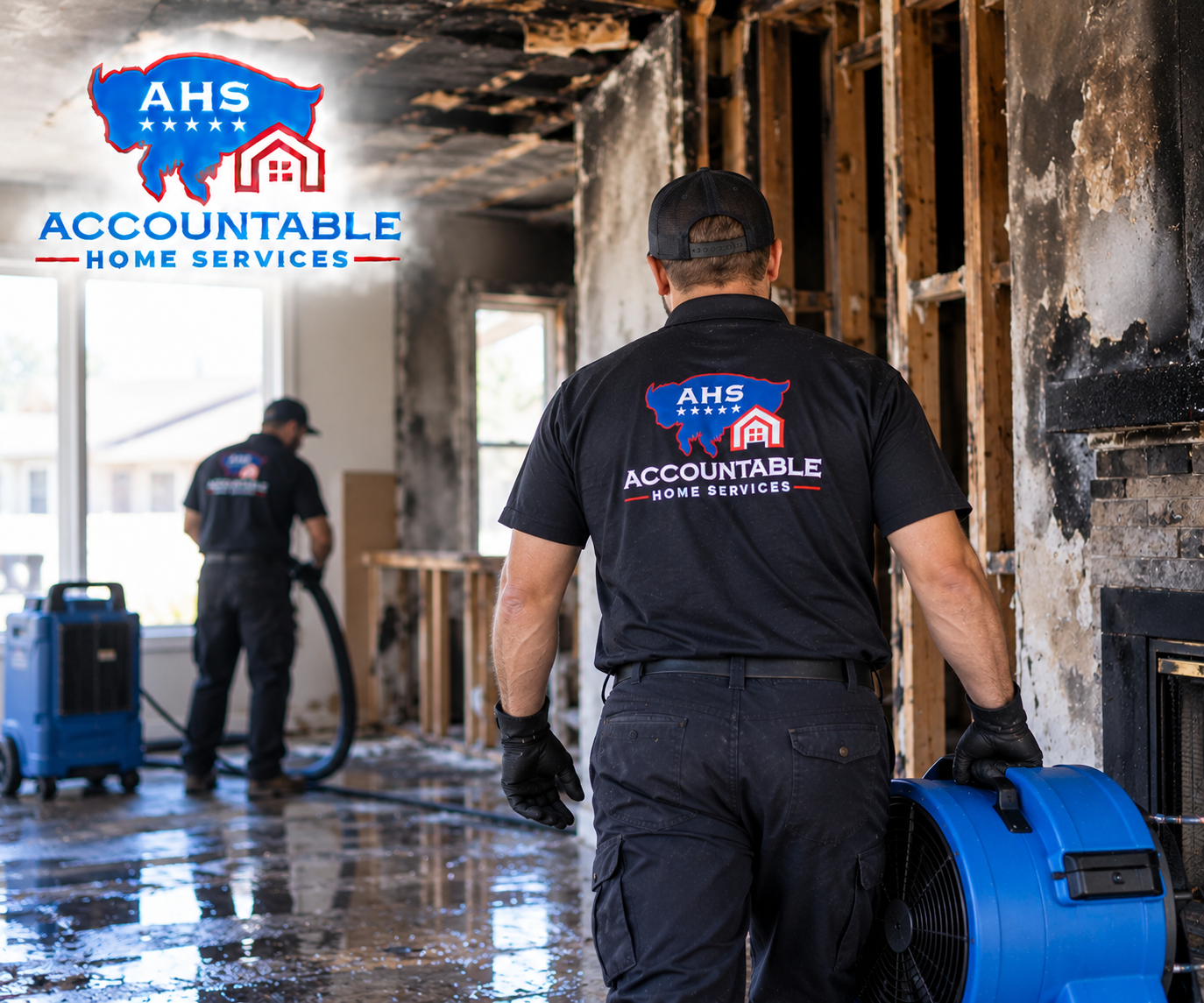
Fire damage repair Arvada projects vary depending on the size of the fire, what burned, and how much water was used. Some homes need limited smoke cleaning. Others need board-up, debris removal, demolition, structural drying, odor treatment, and reconstruction.
A typical fire damage restoration Arvada process may include:
- Inspection and safety review. The team identifies affected rooms, hazards, moisture, and visible contamination.
- Emergency protection. Board-up, roof tarping, or temporary barriers may help prevent weather damage or unauthorized entry.
- Documentation. Photos, notes, moisture readings, and material lists help support communication with the homeowner and insurer.
- Debris removal. Burned and unsalvageable materials are removed safely.
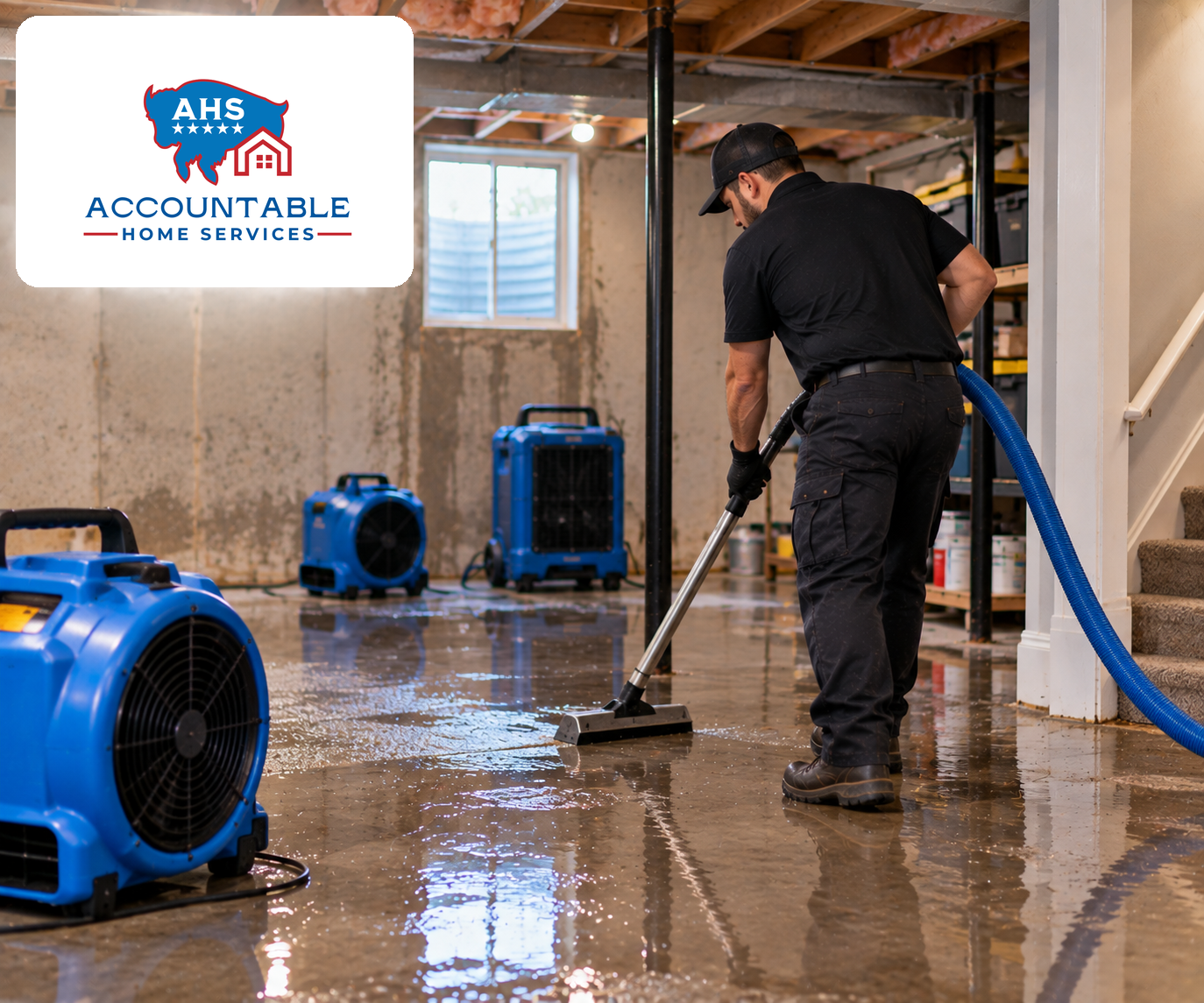
- Water extraction and drying. Wet areas are addressed to reduce secondary damage.
- Soot and smoke cleaning. Surfaces and contents are cleaned using methods matched to the residue type.
- Odor treatment. Deodorization is performed after the source of odor is removed or cleaned.
- Repairs and rebuilding. Damaged materials are repaired or replaced based on the approved scope.
The best fire damage repair process is not rushed blindly. It is organized. Each step should connect to safety, cleanup quality, claim clarity, or getting the home ready for repair.
Clear communication makes the claim process easier
After a fire, homeowners often have to speak with the fire department, insurance agent, adjuster, restoration contractor, repair contractor, and sometimes a property manager or mortgage company. That is a lot of information to track while dealing with a stressful loss.
Good documentation helps everyone stay on the same page. Photos taken before cleanup, notes about affected rooms, moisture readings, lists of damaged contents, and clear explanations of required work can all reduce confusion. For a fire damage insurance claim Colorado homeowners are preparing, organized records can make conversations more productive and less emotional.
Homeowners should keep copies of emails, estimates, invoices, receipts for temporary housing or emergency supplies, and any instructions from the insurance carrier. If something changes during cleanup, such as hidden wet insulation or smoke odor inside a wall cavity, ask that it be documented before additional work continues.
Local help matters after an Arvada house fire
A local restoration team understands that Arvada homes can vary widely, from older houses with unique materials to newer builds with connected HVAC systems and finished basements. The cleanup plan should fit the actual home, not a one-size-fits-all checklist.
When choosing a restoration company Arvada homeowners can trust, look for clear communication, careful documentation, practical explanations, and a willingness to coordinate with your insurance process. You do not need scare tactics. You need someone who can explain what is damaged, what can wait, what cannot wait, and what steps help protect the home.
The fire may be out, but the next few days matter. Safe entry, strong documentation, timely fire clean up, smoke damage cleanup, drying, odor removal, and proper repairs can help move the home from emergency mode toward recovery. If you are unsure what to do next, start with safety, call your insurance contact, and bring in a qualified fire and smoke restoration professional before cleaning or moving damaged materials.