Fire Damage Restoration Experts in Boulder, CO: What Homeowners Should Know
Fire Damage Restoration Experts in Boulder, CO: What Homeowners Should Know
When the fire trucks leave, most Boulder homeowners are left with the same hard question: what now? A true fire restoration expert helps handle the damage that remains after the fire is out, including smoke, soot, odor, water from firefighting, damaged materials, cleanup planning, documentation, and coordination around repairs. The right restoration company Boulder homeowners call should explain the process clearly, protect the property from further damage, and help create the records your insurance carrier may need.
This guide is written for homeowners, insurance agents, plumbers, and property managers who want a plain-language look at what fire damage restoration experts actually do after a fire. Whether the loss is a small kitchen fire, smoke damage from a nearby unit, or a larger structural event, the next steps matter.
What does a true fire restoration expert actually handle after the fire is out?
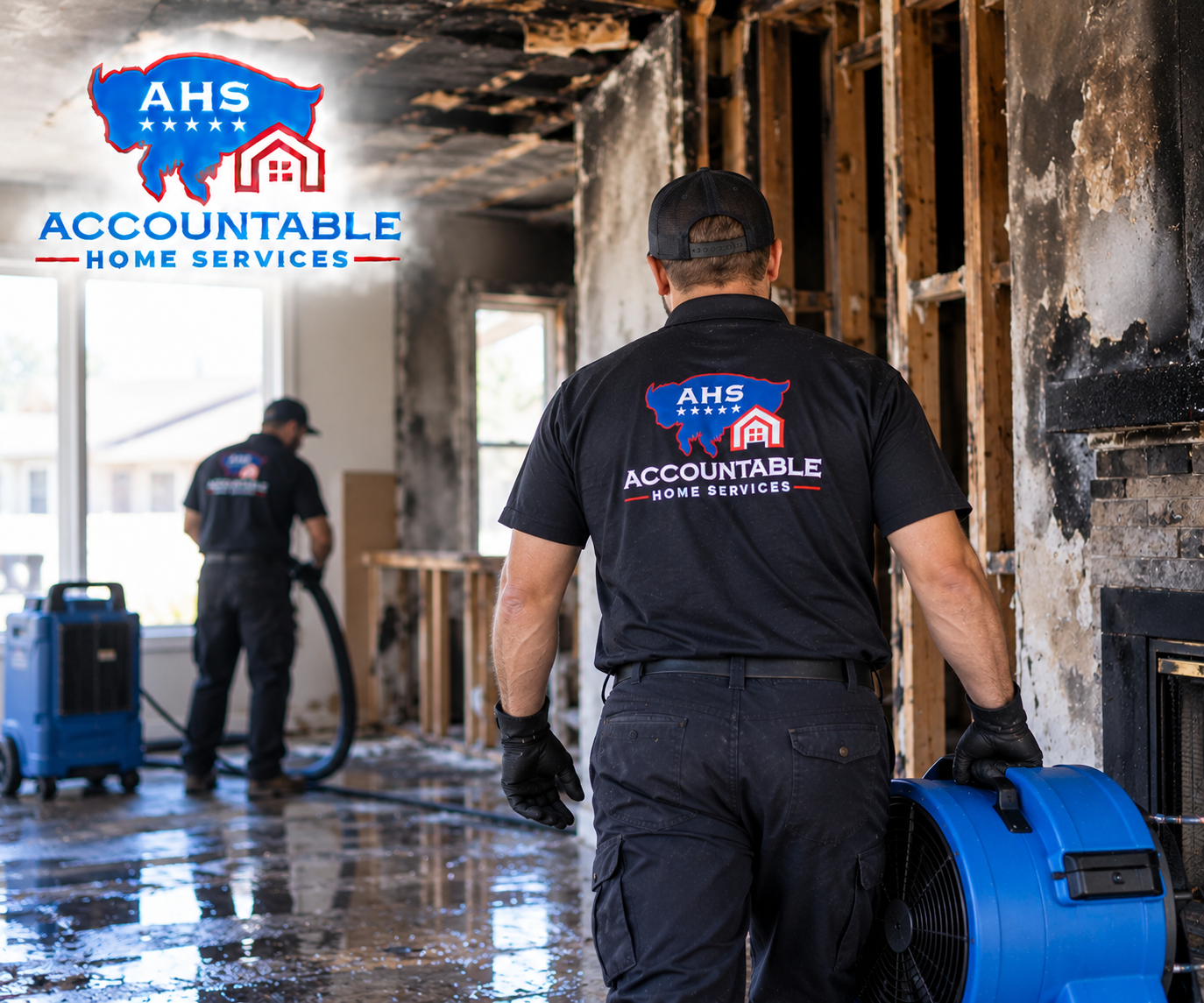
A true fire restoration expert handles more than basic fire cleanup Boulder homeowners can see on the surface. After the fire is extinguished, the property may still have smoke residue, acidic soot, lingering odors, wet building materials, unsafe debris, damaged contents, and openings that expose the home to weather or trespass. Fire and smoke restoration is about stabilizing the property, cleaning what can be cleaned, removing what cannot be saved, and preparing the home for proper fire damage repair.
For a homeowner, that means you are not expected to sort all of this out alone. A qualified restoration team should inspect the affected areas, explain what they found, outline the immediate priorities, and document the condition before major cleanup begins. That documentation can be important for a fire damage insurance claim Colorado homeowners may need to file, especially when damage extends beyond the room where the fire started.
A proper emergency fire restoration response often includes:
- Safety review: Checking for obvious hazards, unstable materials, electrical concerns, wet surfaces, and areas that should not be entered.
- Board-up or temporary protection: Covering broken windows, damaged doors, roof openings, or other entry points when needed.
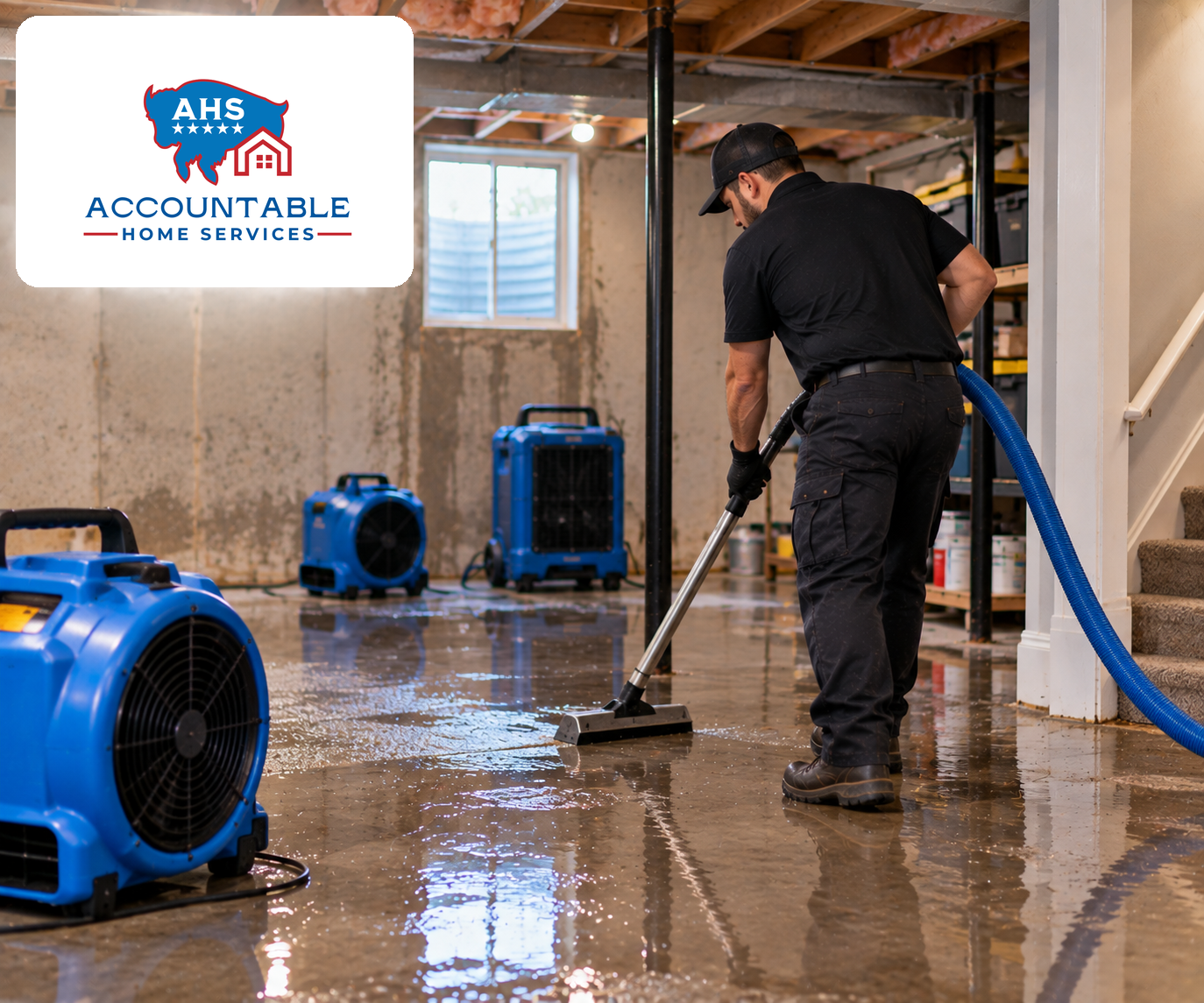
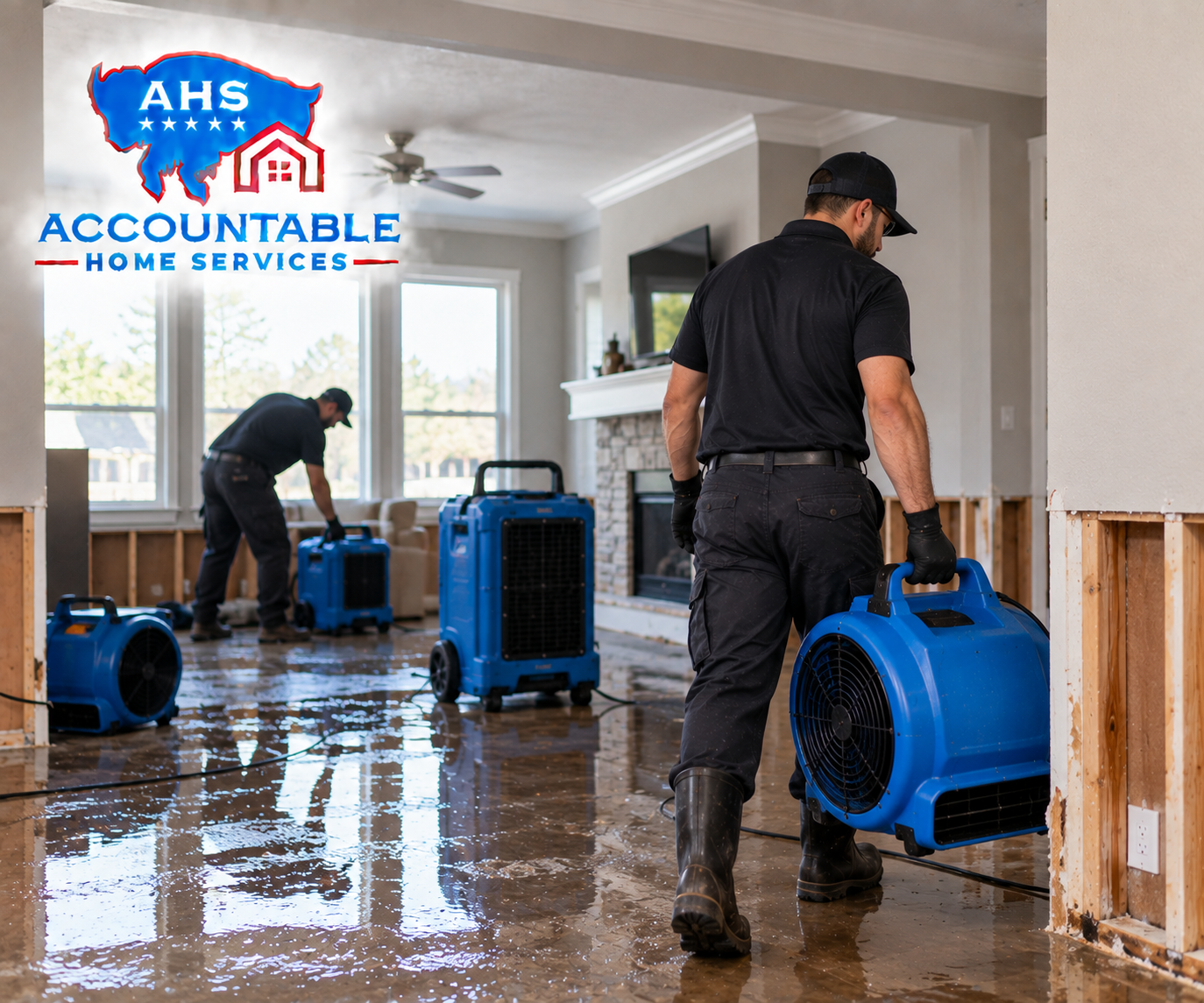
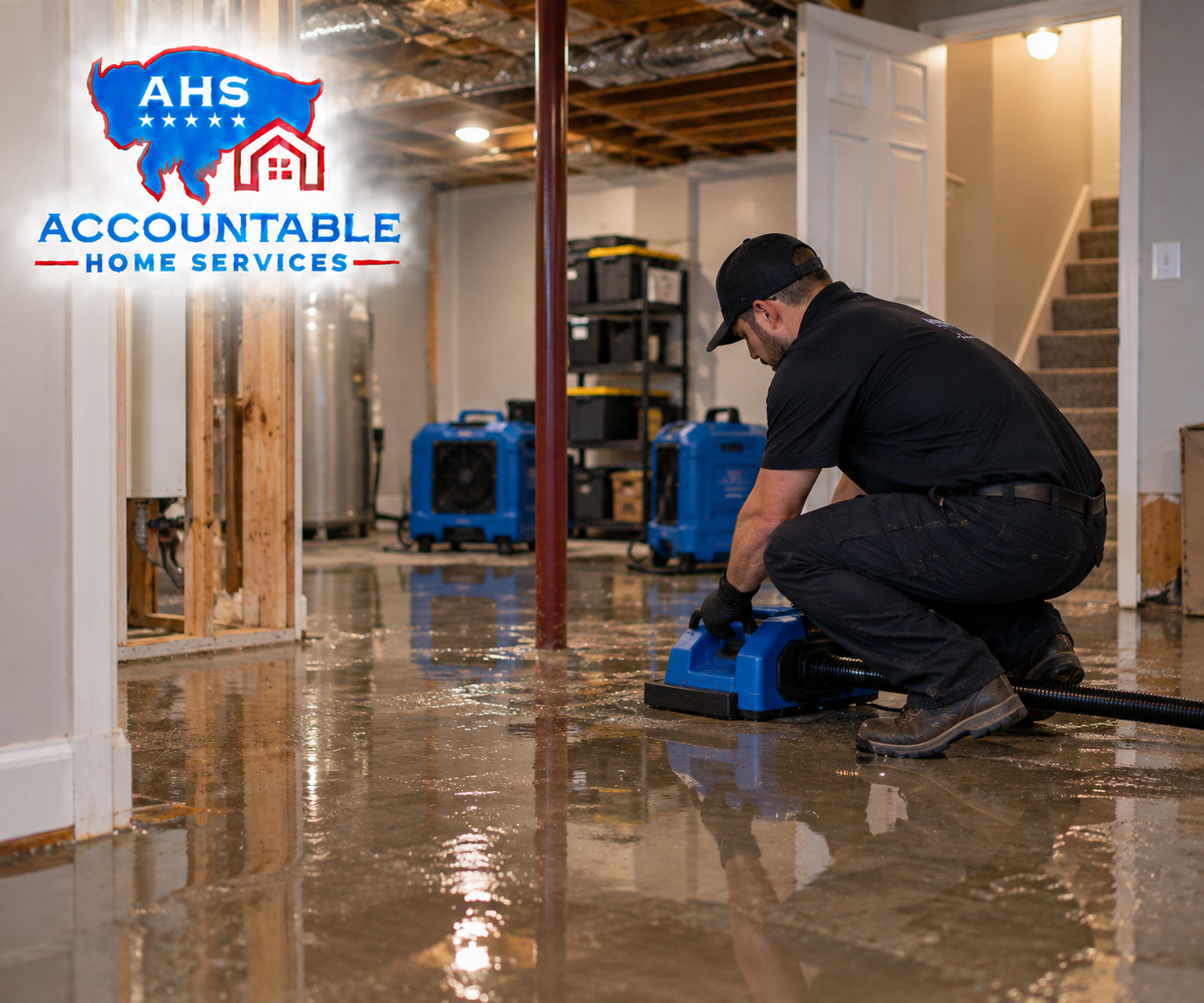
- Water extraction and drying: Addressing water damage after fire caused by hoses, sprinkler systems, or burst lines.
- Smoke and soot assessment: Identifying where residues traveled, including walls, ceilings, cabinets, HVAC pathways, and contents.
- Soot removal Boulder service planning: Choosing cleaning methods based on the surface, residue type, and severity of the damage.
- Odor control: Treating the source of smoke odor instead of only masking it.
- Damage documentation: Photos, moisture readings when relevant, written notes, and repair scopes that help support the claim process.
- Coordination with repairs: Preparing the property for fire damage repair Boulder homeowners may need after cleanup and demolition.
The first priorities after a fire in a Boulder home
The first priority is safety. Do not walk through the property until the fire department or the proper authority says it is safe to enter. Even if the fire looked small, smoke, soot, water, and damaged electrical or structural components can create risks that are not obvious at the front door.
Once entry is allowed, avoid touching walls, furniture, ceilings, or personal items more than necessary. Soot can smear into porous surfaces, and movement through the home can track residue into cleaner areas. It is understandable to want to start wiping things down right away, but the wrong cleaning product or method can make smoke damage cleanup harder.
Homeowners should focus on simple, practical steps:
- Call your insurance company or agent. Report the loss and ask what information they need right away.
- Take photos before moving items. Capture wide shots and close-ups if it is safe to do so.
- Protect urgent needs. Secure temporary housing, medications, pet needs, and essential documents.
- Call a restoration company. Ask for help with emergency fire restoration, moisture concerns, smoke damage cleanup, and documentation.
- Do not throw away damaged items too soon. Your insurer may need to review or document them.
- Avoid running the HVAC system. Smoke and soot can spread through ducts and into unaffected rooms.
These steps are especially important in Boulder homes where weather can change quickly. If windows, roofing, siding, or doors were damaged, temporary protection may be needed to prevent snow, rain, wind, or animals from causing additional loss.
Smoke and soot cleanup requires the right process
Smoke and soot are not just dirt. They are residues left behind after materials burn, and they can behave differently depending on what burned, how hot the fire was, how long it burned, and where the smoke traveled. A plastic-heavy fire in a kitchen can leave a different residue than a wood, paper, or fabric fire. That is why soot removal Boulder homeowners need should start with inspection, not guesswork.
Soot can settle on flat surfaces, cling to walls and ceilings, collect inside cabinets, move behind trim, and travel through air currents. Smoke can also affect rooms far from the flame source. A bedroom door may have been closed, but smoke odor can still enter through gaps, ducts, or shared air movement.
Professional smoke and soot cleanup may include:
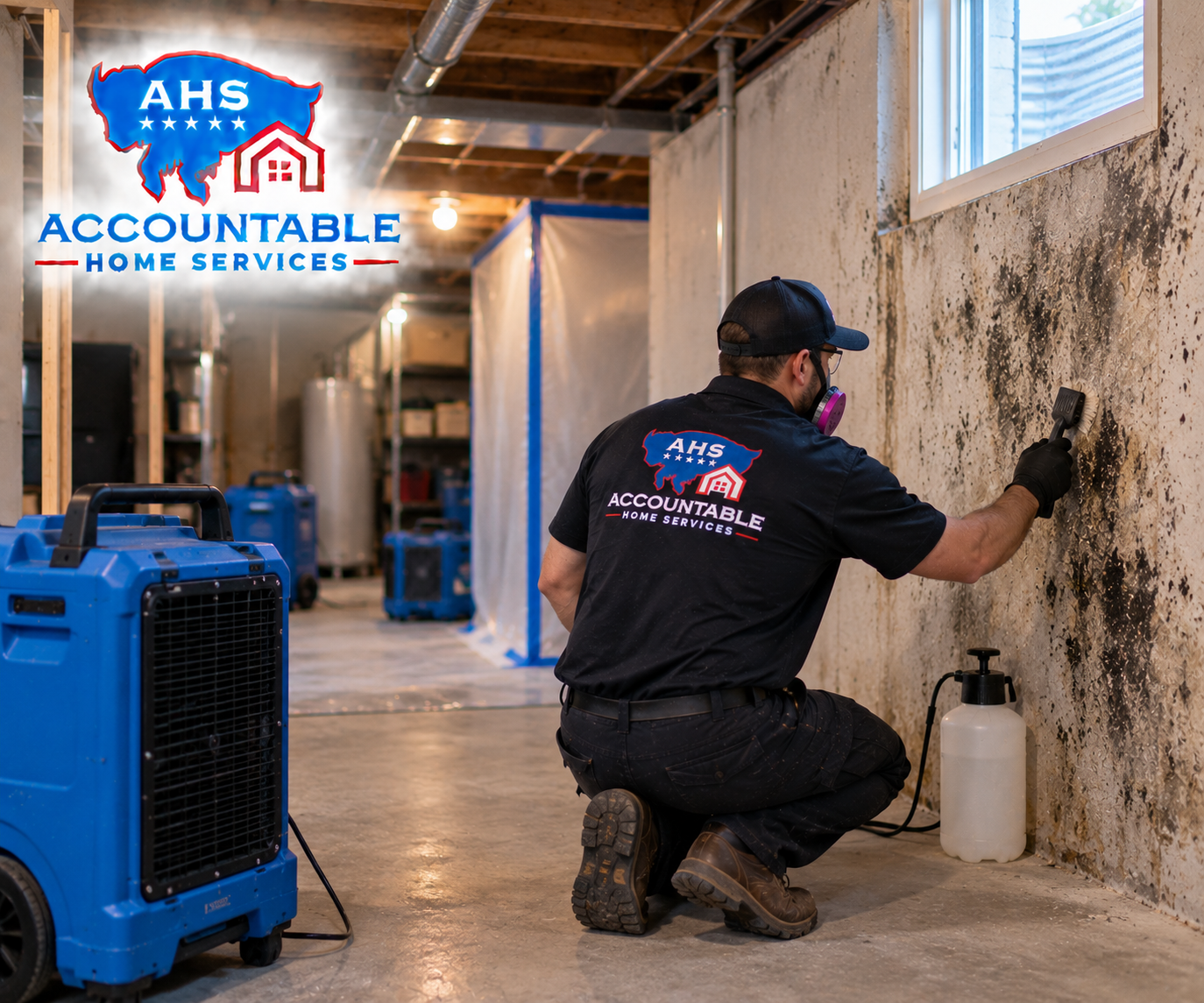
- Dry cleaning methods: Using dry sponges or specialty tools to lift loose soot before moisture is introduced.
- HEPA vacuuming: Removing fine particles from surfaces where appropriate without grinding residue in.
- Surface-specific cleaning: Matching cleaners to painted drywall, finished wood, metal, glass, stone, cabinets, appliances, and flooring.
- Controlled demolition: Removing materials that are too damaged, contaminated, or odor-impacted to restore.
- Contents cleaning: Sorting, inventorying, and cleaning salvageable belongings when possible.
- Air filtration: Using equipment to help reduce airborne particles during cleanup.
- HVAC evaluation: Checking whether smoke moved into returns, filters, ducts, or mechanical spaces.
The order matters. If wet cleaning is used too early on the wrong soot, it can smear and stain. If odor treatment happens before contaminated materials are removed, the smell may return. Fire and smoke restoration works best when cleanup, demolition, drying, and odor control are handled as connected parts of one plan.
Odor removal after fire starts with the source
Smoke odor can be one of the most frustrating parts of a fire loss. A room may look cleaner after surface wiping, but the smell can remain in porous materials, insulation, unfinished wood, fabrics, carpet, and HVAC pathways. Candles, sprays, and air fresheners may cover the odor for a short time, but they do not solve the source.
Odor removal after fire usually begins with removing burned debris, heavily contaminated materials, and soot-covered items that cannot be cleaned. After that, the restoration team can clean surfaces, improve air movement, use filtration, and apply odor treatment methods that match the situation. In some cases, sealing exposed framing or other materials may be part of the repair plan after cleaning is complete.
Homeowners should ask how the restoration company plans to address odor at each stage. A clear answer should include source removal, cleaning, air control, and follow-up evaluation. If the plan is only to deodorize the air, it may not be enough.
Water damage after fire needs quick attention
Many homeowners are surprised by how much water damage after fire can be present. Fire hoses, sprinkler systems, burst plumbing, and firefighting efforts can leave floors, walls, ceilings, insulation, cabinets, and crawlspace areas wet. That moisture can create a second problem if it is not handled quickly.
Fire damage restoration experts should check for water in visible and hidden areas. In Boulder homes, that may include basements, garden-level rooms, wall cavities, hardwood flooring, subfloors, and areas beneath kitchens or bathrooms. The goal is to remove standing water, dry affected materials when they can be saved, and identify materials that need to be removed because of fire, smoke, or moisture damage.
A practical drying response may include:
- Extracting standing water from floors or low areas.
- Removing wet debris and unsalvageable porous materials.
- Setting drying equipment where appropriate.
- Taking moisture readings to track progress.
- Watching for conditions that could lead to mold growth.
- Documenting water-related damage separately from direct fire damage.
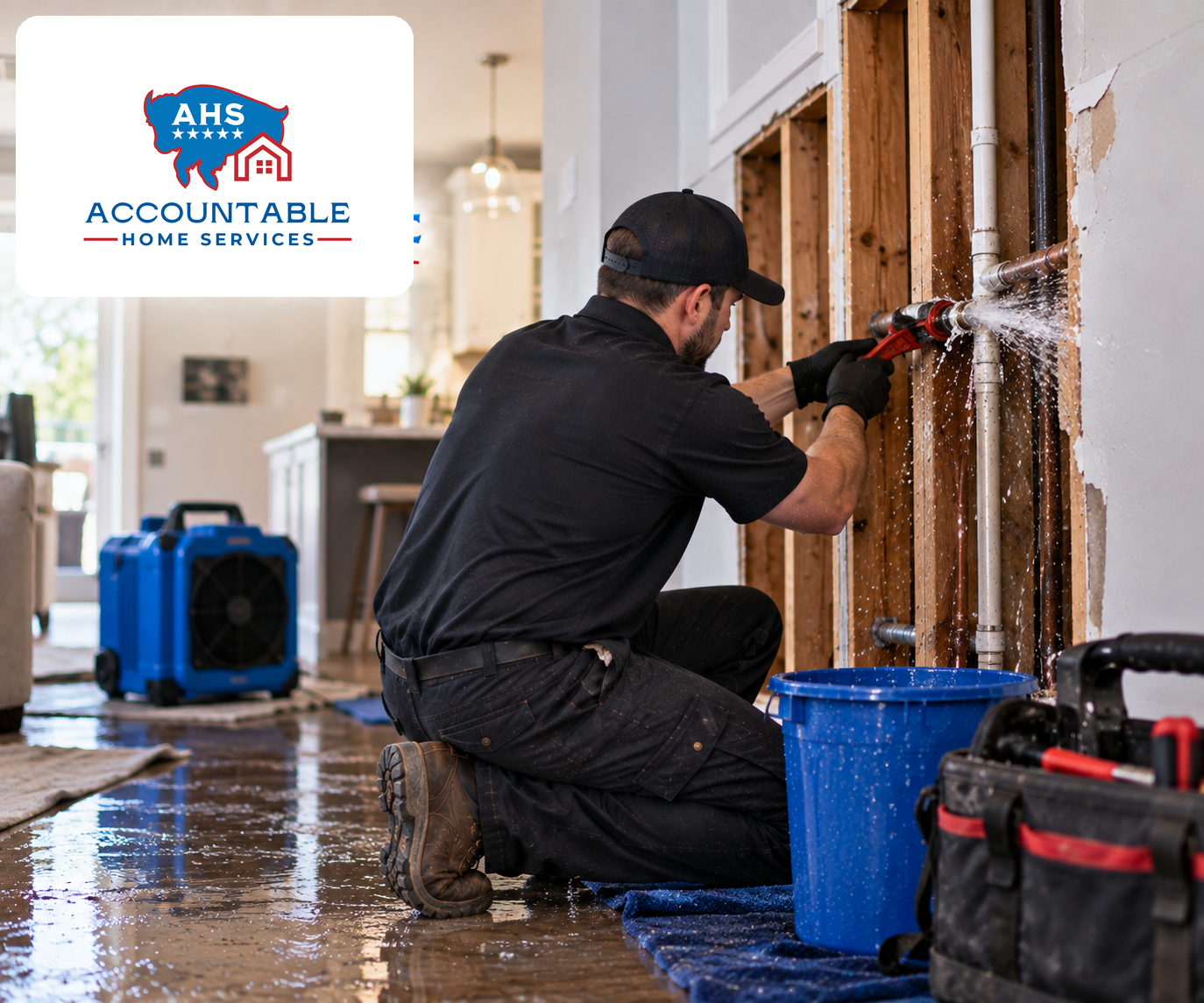
This is one area where plumbers and restoration teams often work side by side. A plumber may repair a damaged line, water heater, or fixture, while the restoration company handles mitigation, drying, cleanup, and documentation.
Documentation supports the insurance claim process
A fire damage insurance claim Colorado homeowners file can involve many moving parts. The insurance company may need photos, inventories, repair estimates, moisture readings, invoices, and notes about what was removed and why. Good documentation does not guarantee coverage or a specific claim outcome, but it can make the process clearer and easier to follow.
A restoration company should document conditions before cleanup, during mitigation, and after affected materials are removed. This helps show the path from initial damage to stabilization. It also helps insurance agents answer client questions without having to guess what happened at the property.
Useful documentation may include:
- Photos of affected rooms and materials before work starts.
- Notes showing where smoke, soot, and water damage were found.
- Moisture readings when water damage is present.
- Lists of removed materials, such as drywall, insulation, flooring, or cabinets.
- Contents inventory support when belongings are affected.
- Equipment logs for drying or air filtration.
- Communication notes with the homeowner, adjuster, property manager, or agent.
For homeowners, the best habit is simple: keep everything. Save emails, claim numbers, receipts, hotel records, emergency purchases, and written updates from contractors. If you are unsure whether something matters, keep it and ask your adjuster or agent later.
Fire damage repair comes after cleanup and stabilization
Fire damage repair should not be rushed before the property is cleaned, dried, and properly assessed. If smoke residue remains behind new materials, odors can continue. If wet areas are covered too soon, moisture problems can remain hidden. Restoration is the bridge between the emergency and the rebuild.
Depending on the loss, fire damage repair may involve drywall, insulation, paint, flooring, cabinets, trim, roofing, electrical work, plumbing, or structural components. Some restoration companies handle both mitigation and repairs, while others focus on cleanup and coordinate with separate contractors. Either approach can work if communication is clear and the scope is documented.
Before repairs begin, homeowners should understand:
- Which materials were cleaned and saved.
- Which materials were removed and why.
- Whether the affected areas are dry.
- Whether odor concerns have been addressed.
- What repairs are included in the estimate.
- Who is responsible for permits, specialty trades, and scheduling.
- How changes will be communicated if hidden damage is found.
This is where a clear restoration partner can protect the homeowner experience. It also helps insurance agents, plumbers, and property managers avoid confusion when several parties are involved.
Local considerations for Boulder properties
Fire damage restoration Boulder CO homeowners need can vary by property type. A single-family home near the foothills may have different concerns than a condo, rental unit, townhome, or older home near downtown. Shared walls, HOA rules, tenant communication, parking limits, and access for equipment can all affect the restoration plan.
Boulder weather also matters. If the fire damages windows, roofing, or exterior walls, the property may need temporary protection before the next storm or freeze. In winter, firefighting water can create slick surfaces and cold-weather drying challenges. In warmer months, smoke odor and moisture can become more noticeable as indoor temperatures rise.
Property managers should have a plan for tenant updates, access coordination, owner communication, and documentation. Plumbers should know who to call when a fire-related plumbing issue also creates water damage. Insurance agents need restoration partners who communicate plainly and do not leave clients wondering what happens next.
Signs you should call a restoration company right away
Some fire losses look manageable at first, especially when the flames were contained quickly. Still, smoke and soot can create damage beyond what a homeowner sees. Calling a restoration company Boulder residents trust is a smart step when there is any doubt about residue, odor, moisture, or safety.
You should consider professional fire damage restoration experts if you notice:
- Smoke odor in rooms away from the fire source.
- Soot on walls, ceilings, cabinets, vents, or contents.
- Water on floors, under cabinets, or near baseboards.
- Staining around outlets, fixtures, or HVAC returns.
- Charred materials, melted plastics, or damaged insulation.
- Wet drywall, bubbling paint, warped flooring, or swollen trim.
- A need for claim photos, written documentation, or repair scope support.
- A rental, condo, or managed property where communication needs to be organized.
If you are an insurance agent, plumber, or property manager, early referral can help the homeowner avoid missteps. The goal is not to make the loss bigger. The goal is to identify the real damage, prevent avoidable secondary problems, and keep the process moving.
A clear restoration process helps homeowners feel in control
After a fire, homeowners often feel like every decision is urgent. A calm process helps. The restoration team should explain what needs to happen now, what can wait, what should be documented, and what questions belong with the insurance adjuster.
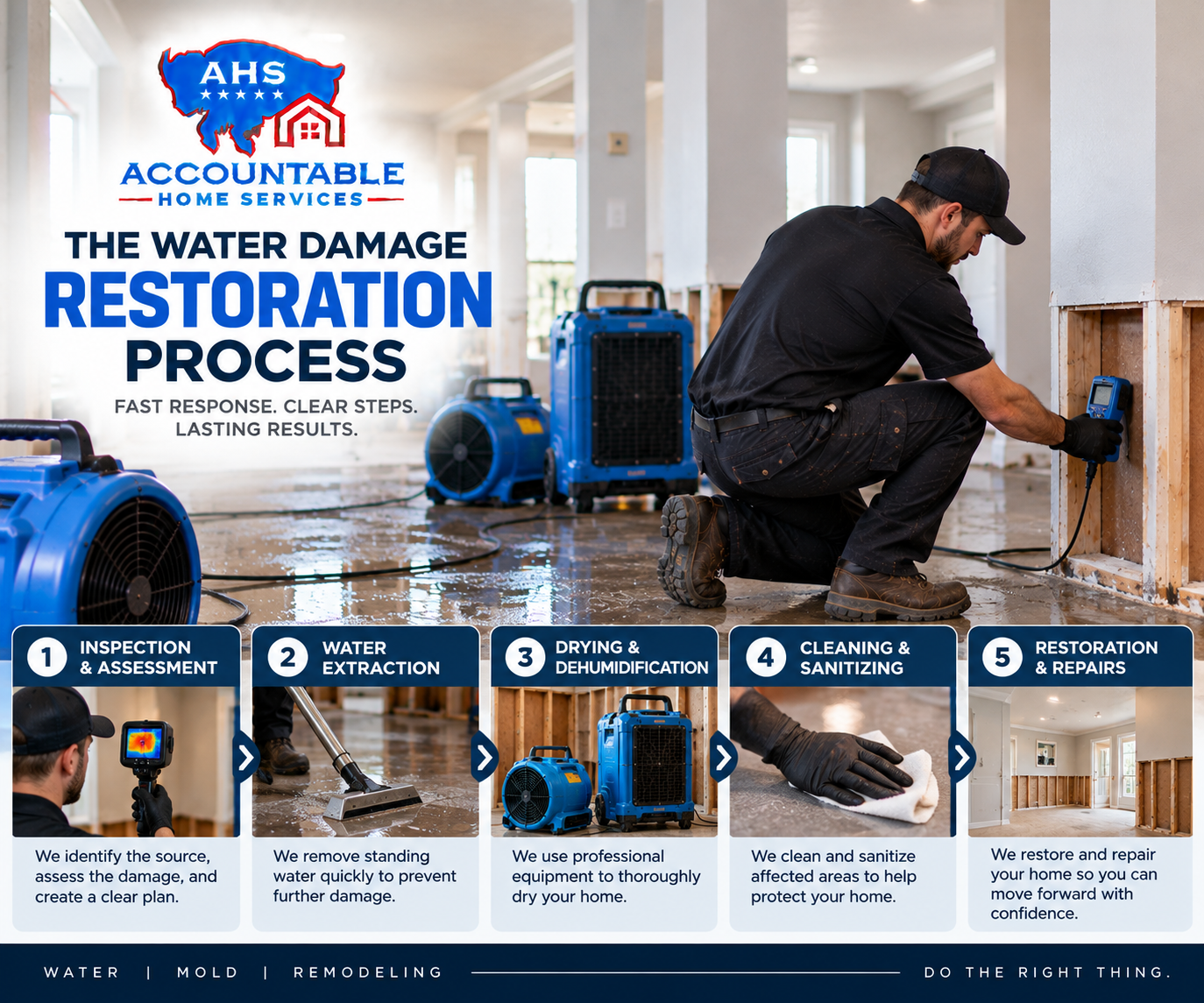
A simple fire cleanup Boulder workflow often looks like this:
- Initial call and safety discussion: The team gathers basic details and explains what to avoid before help arrives.
- Site inspection: Technicians review fire, smoke, soot, odor, and water damage.
- Emergency protection: Openings are secured and urgent hazards are addressed when needed.
- Mitigation and cleanup: Water extraction, drying, debris removal, soot cleaning, and air filtration begin.
- Contents review: Belongings are sorted for cleaning, disposal documentation, or further evaluation.
- Odor treatment: Source removal and cleaning are followed by odor control steps.
- Repair planning: The cleaned and stabilized space is prepared for fire damage repair.
- Ongoing communication: Homeowners, agents, adjusters, and property managers receive updates as the job moves forward.
That kind of structure matters because fire losses are emotional. When everyone understands the next step, there is less confusion and fewer surprises.
Get help from local fire restoration professionals
If you are dealing with smoke, soot, odor, water, or structural damage after a fire, do not wait and hope it clears up on its own. Fire damage restoration Boulder CO work should start with a careful inspection, a clear plan, and honest communication about what can be cleaned, what needs removal, and what may be part of the insurance claim.
For homeowners, the right next step is to contact a local restoration company and describe what happened, when the fire occurred, whether water was used, and what areas smell smoky or show soot. For insurance agents, plumbers, and property managers, having a dependable referral option can make a stressful situation easier for the client. A good restoration partner helps stabilize the property, documents the damage, and guides the next steps without adding confusion to an already difficult day.