How to Get a Free Mold Inspection in Thornton, CO: What Homeowners Should Know
How to Get a Free Mold Inspection in Thornton, CO: What Homeowners Should Know
Mold concerns usually start with a simple question: is there a real problem, or am I just seeing a stain, smell, or leftover moisture from a leak? A free mold inspection can help Thornton homeowners understand what is visible, where moisture may be hiding, and whether the next step should be drying, testing, cleanup, or a more detailed evaluation. The Local Restoration Guide explains what to expect, how to ask the right questions, and how to protect your home, tenants, customers, or insurance claim from avoidable confusion.
How do you get a free mold inspection in Thornton, CO?
To get a free mold inspection in Thornton, CO, contact a local restoration company and ask whether they offer a no-cost visual mold and moisture check before any paid work begins. Be clear about what happened, when the moisture started, what areas are affected, and whether you need help documenting damage for an insurance claim. If you are searching online for “how to get a free mold inspection” or “free mold inspection Thornton CO,” look for a provider that explains what is included, what is not included, and when paid mold testing may be recommended.
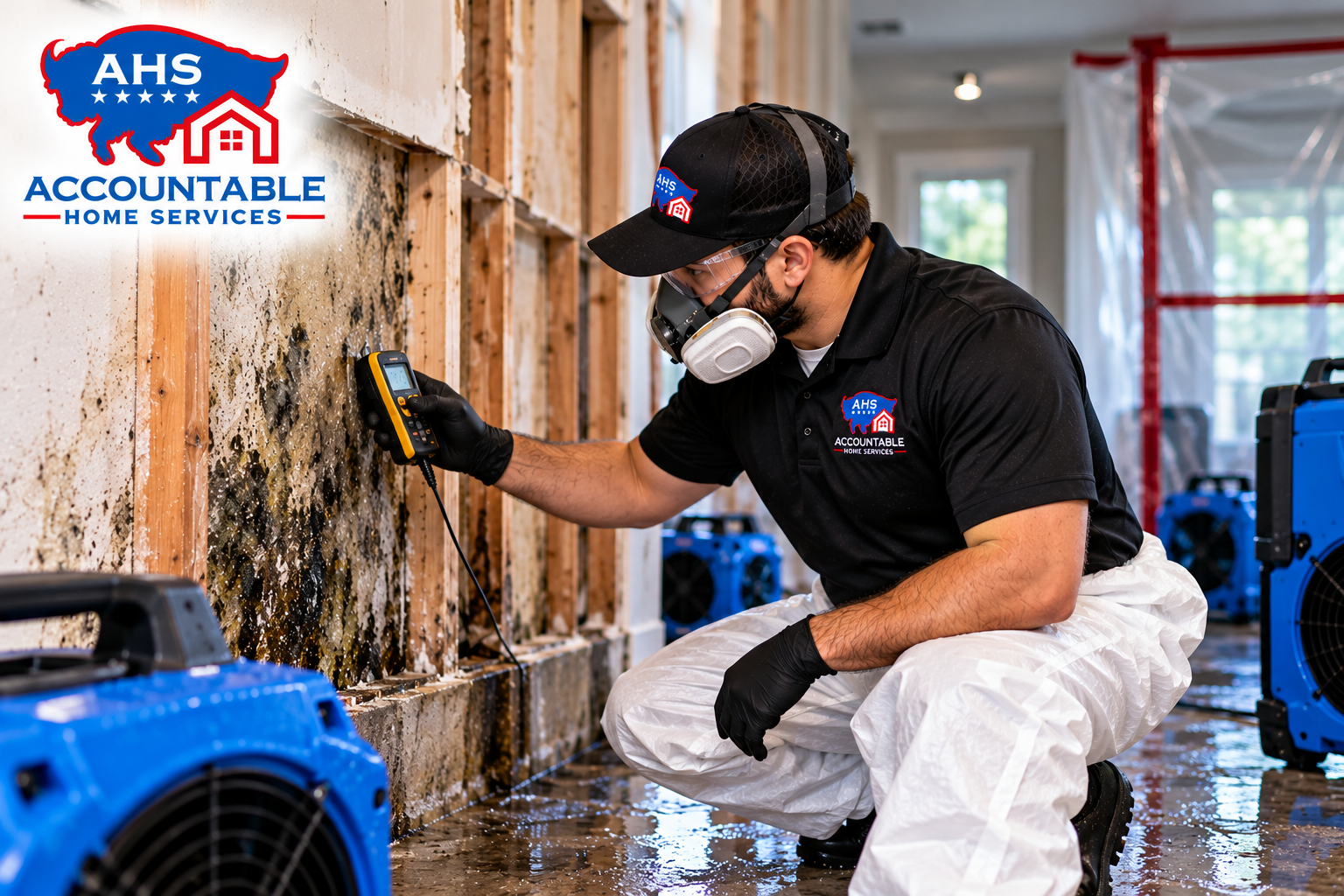
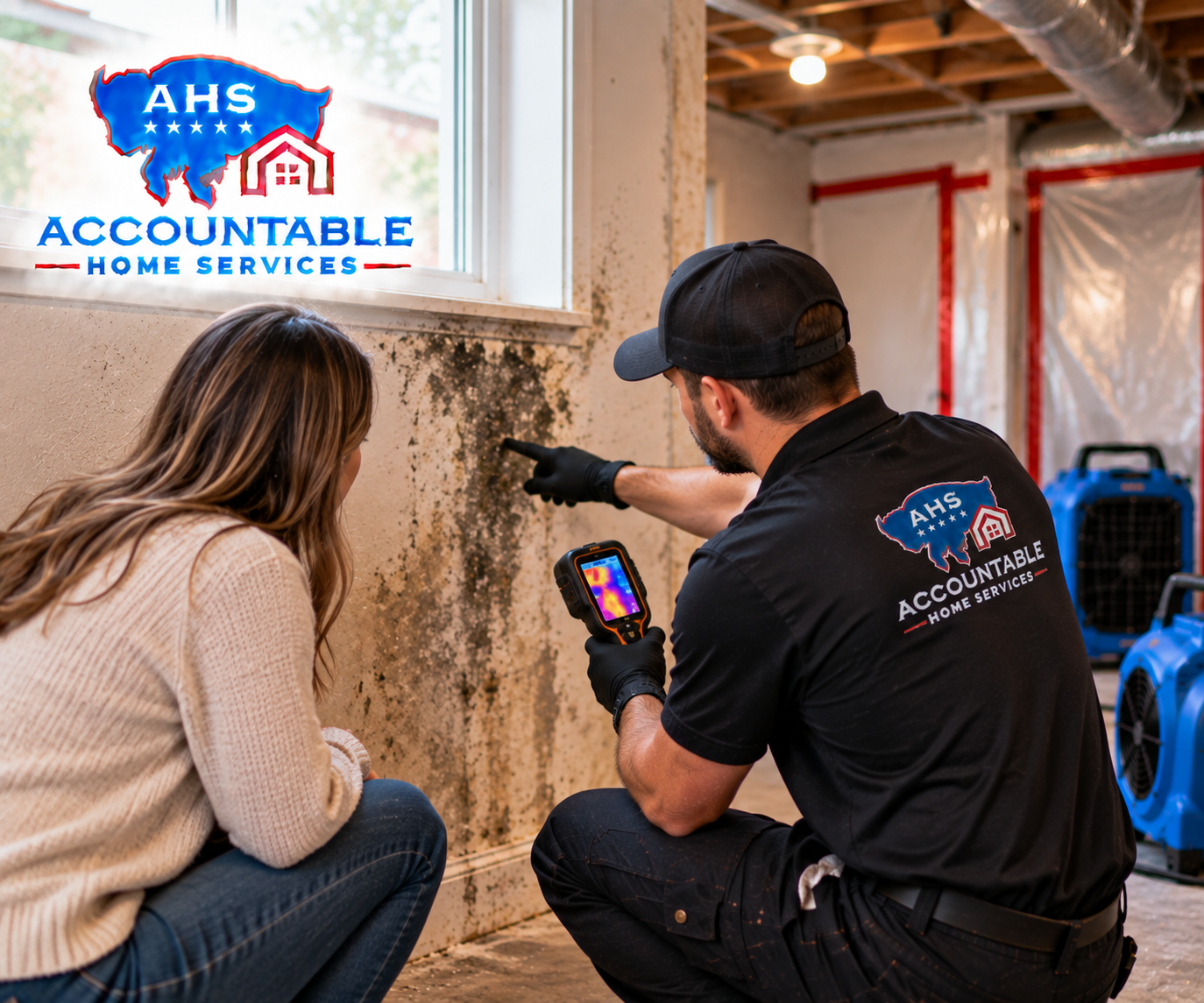
A free inspection is usually a starting point, not a full scientific investigation. In many cases, a trained technician can look for visible growth, moisture patterns, water stains, musty odors, and conditions that may support mold growth. They may also use moisture meters or thermal imaging as part of a moisture inspection Thornton homeowners can request after leaks, floods, or plumbing failures.
The key is to ask direct questions before scheduling. You want to know whether the visit includes a visual inspection only, whether photos will be taken, whether moisture readings will be documented, and whether written findings are available. That helps you avoid surprises and gives you clearer information if an insurance agent, plumber, property manager, or adjuster becomes part of the conversation.
What a free mold inspection usually includes
Most free mold inspection visits are designed to help determine whether there is an obvious concern and what the next best step should be. The inspector may walk the affected area, ask about recent leaks, check nearby materials, and look for signs of moisture behind baseboards, under flooring, around cabinets, near windows, or in mechanical rooms.
A typical visit may include:
- A visual review of affected areas: This may include walls, ceilings, flooring, trim, cabinets, closets, utility rooms, crawl spaces, or other accessible areas.
- Basic moisture checks: Moisture meters can help identify wet materials that may not look wet from the surface.
- Questions about the source: The inspector will usually ask whether the issue came from a plumbing leak, roof leak, appliance failure, drain backup, sump pump problem, or previous water damage.
- Photos and notes: Good documentation can help homeowners, landlords, plumbers, insurance agents, and adjusters understand what was found.
- Next-step guidance: The company may explain whether drying, mold testing Thornton services, containment, or professional cleanup should be considered.
It is also fair to ask what the inspection does not include. For example, a free visit may not include lab samples, invasive wall openings, full indoor air quality reports, or written clearance documents after cleanup. Those services can require extra time, equipment, third-party labs, or licensed specialists, so they are often separate from a no-cost inspection.
Mold after water damage needs quick attention
Mold after water damage is common because mold needs moisture, a food source, and the right conditions to grow. Drywall, wood framing, insulation, carpet padding, and dust can all support growth when moisture stays trapped. That is why a small leak can become a bigger restoration issue if the wet materials are not dried properly.
Homeowners often notice the leak first, then the smell later. A plumber may stop the pipe leak, replace a failed water heater, or clear the drain backup, but that does not always mean the building materials are dry. Water can travel under flooring, behind cabinets, into wall cavities, and down into lower levels.
This is where restoration work and plumbing work often overlap. The plumber handles the source. A restoration professional checks the structure, documents the moisture, and helps prevent secondary damage. For plumbers in the Denver metro area, having a reliable referral partner for mold inspection services can help customers get full support after the repair is made.
Hidden mold inspection and moisture checks
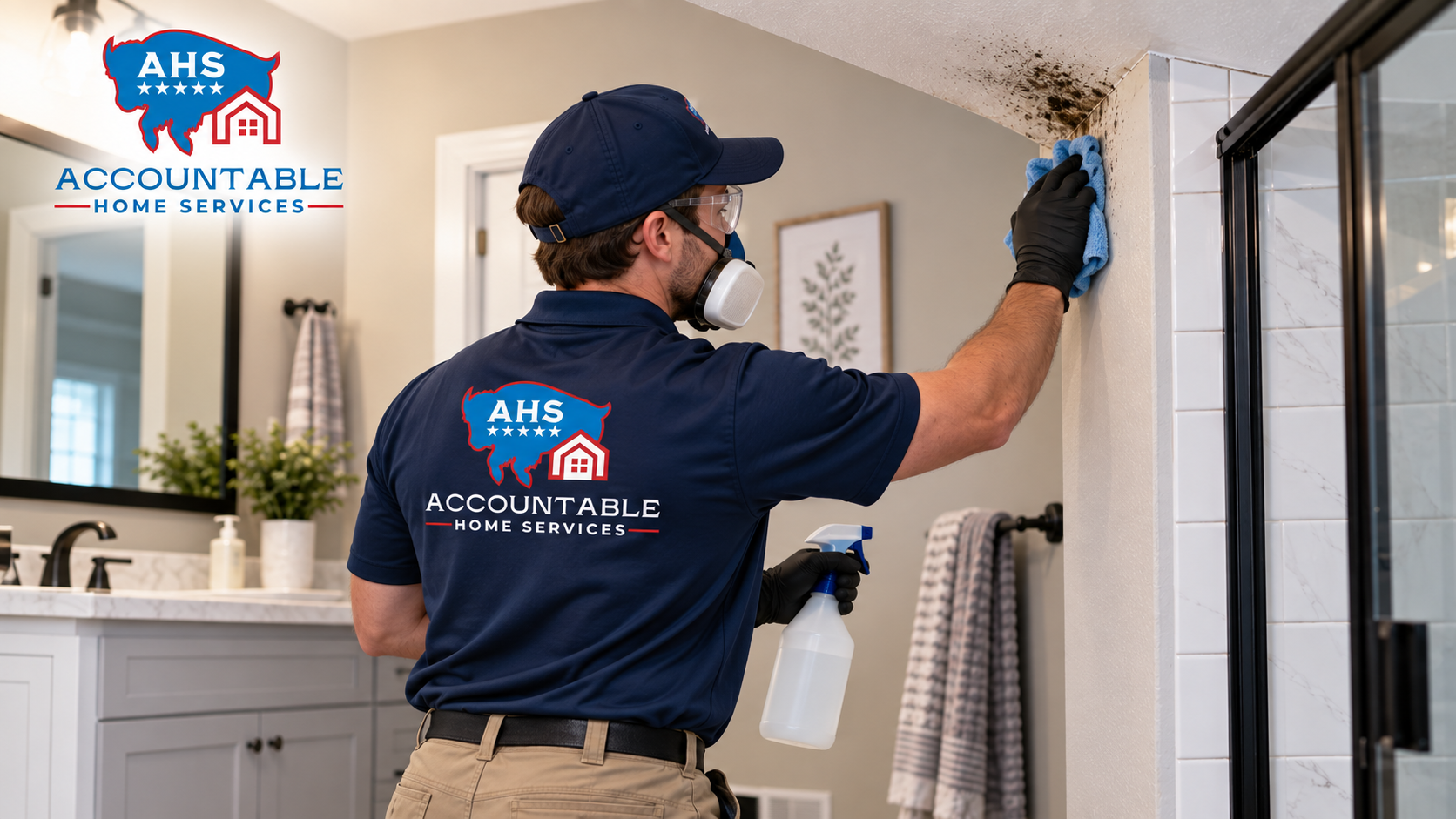
A hidden mold inspection is useful when there is a musty smell, past water damage, or unexplained staining but no obvious growth on the surface. Hidden mold does not always mean a dramatic problem behind every wall. It means moisture may have reached an area that is hard to see, and the home needs a careful, practical review.
Common places to check include:
- Behind baseboards and lower drywall after supply line leaks, toilet overflows, or sink cabinet leaks.
- Under laminate, vinyl, or engineered flooring where water can spread sideways and stay trapped.
- Inside sink cabinets and vanities where slow drips may go unnoticed.
- Around windows and exterior walls where condensation or drainage issues may appear.
- Near HVAC equipment, water heaters, and sump pumps where moisture is often present.
- Basements and crawl spaces where humidity, seepage, or previous flooding can create ongoing concerns.
A good mold inspector Thornton CO homeowners call should not jump straight to worst-case conclusions. The goal is to identify moisture, document what is visible, and recommend a reasonable next step. Sometimes that means drying and monitoring. Sometimes it means opening a small area for inspection. Sometimes it means professional mold testing or remediation.
Do you need mold testing or just an inspection?
You may not need mold testing if visible mold is already present and the moisture source is clear, but testing can be helpful when the source is unclear, symptoms are being reported, a real estate transaction is involved, or documentation is needed for a property owner, tenant, or claim file. A mold inspection Thornton visit usually focuses on what can be seen, smelled, measured, and documented. Mold testing involves collecting air or surface samples and sending them to a lab for analysis.
The difference matters because homeowners sometimes expect one service and receive another. Inspection helps answer, “Where is the concern, and what should we do next?” Testing helps answer, “What types or levels of mold were detected in the sampled areas?” Both can be useful, but they are not the same thing.
For insurance agents and property managers, this distinction can reduce confusion. A client may say they need a black mold inspection because they saw dark staining. The color alone does not confirm the type of mold or the risk level. A calm explanation, supported by photos, moisture readings, and professional recommendations, helps everyone stay focused on the facts instead of fear.
Signs it is time to call a mold inspector
Some mold concerns are easy to spot. Others show up slowly after a leak, storm, appliance issue, or tenant complaint. If you are unsure, it is better to ask for guidance early than wait until materials are more damaged.
Consider scheduling a mold inspection if you notice:
- A musty odor that keeps coming back
- Staining on drywall, ceilings, trim, or flooring
- Past water damage that was never professionally dried
- Soft, swollen, or warped building materials
- Condensation around windows or exterior walls
- Visible dark, green, gray, or fuzzy growth
- Damp carpet, padding, or baseboards after a leak
- Tenant reports of moisture or recurring odors
- Recent plumbing repairs where surrounding materials stayed wet
For property managers, fast response matters because a small complaint can quickly become an owner, tenant, and insurance issue. A prompt inspection creates a record of what was reported, what was checked, and what actions were recommended. That kind of communication helps protect the property and the relationship.
What happens if mold is found
If mold is found, the first priority is to stop the moisture source. Mold cleanup without moisture control is usually a temporary fix. Once the source is handled, the next steps depend on the size of the affected area, the materials involved, and whether moisture is still present.
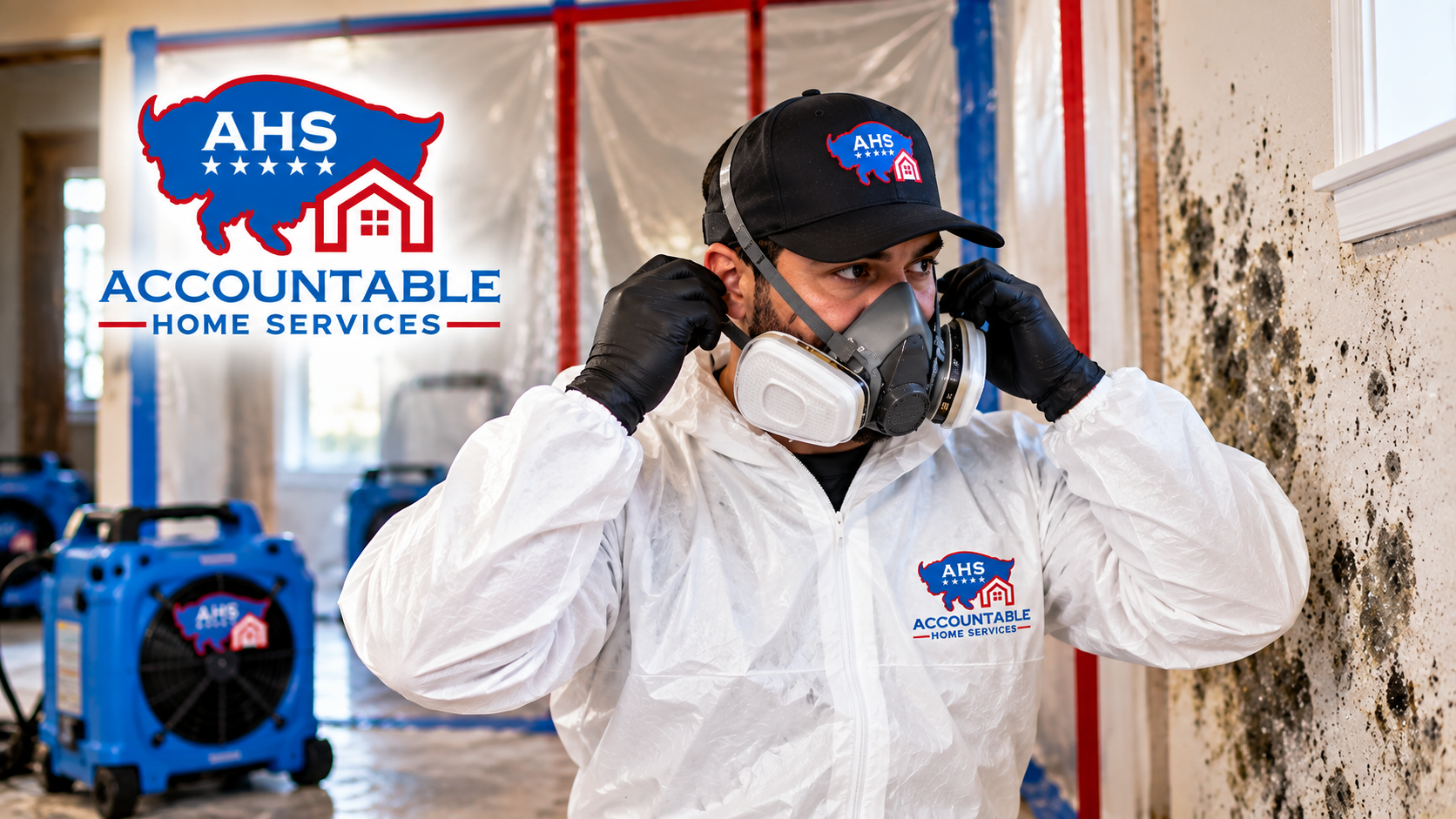
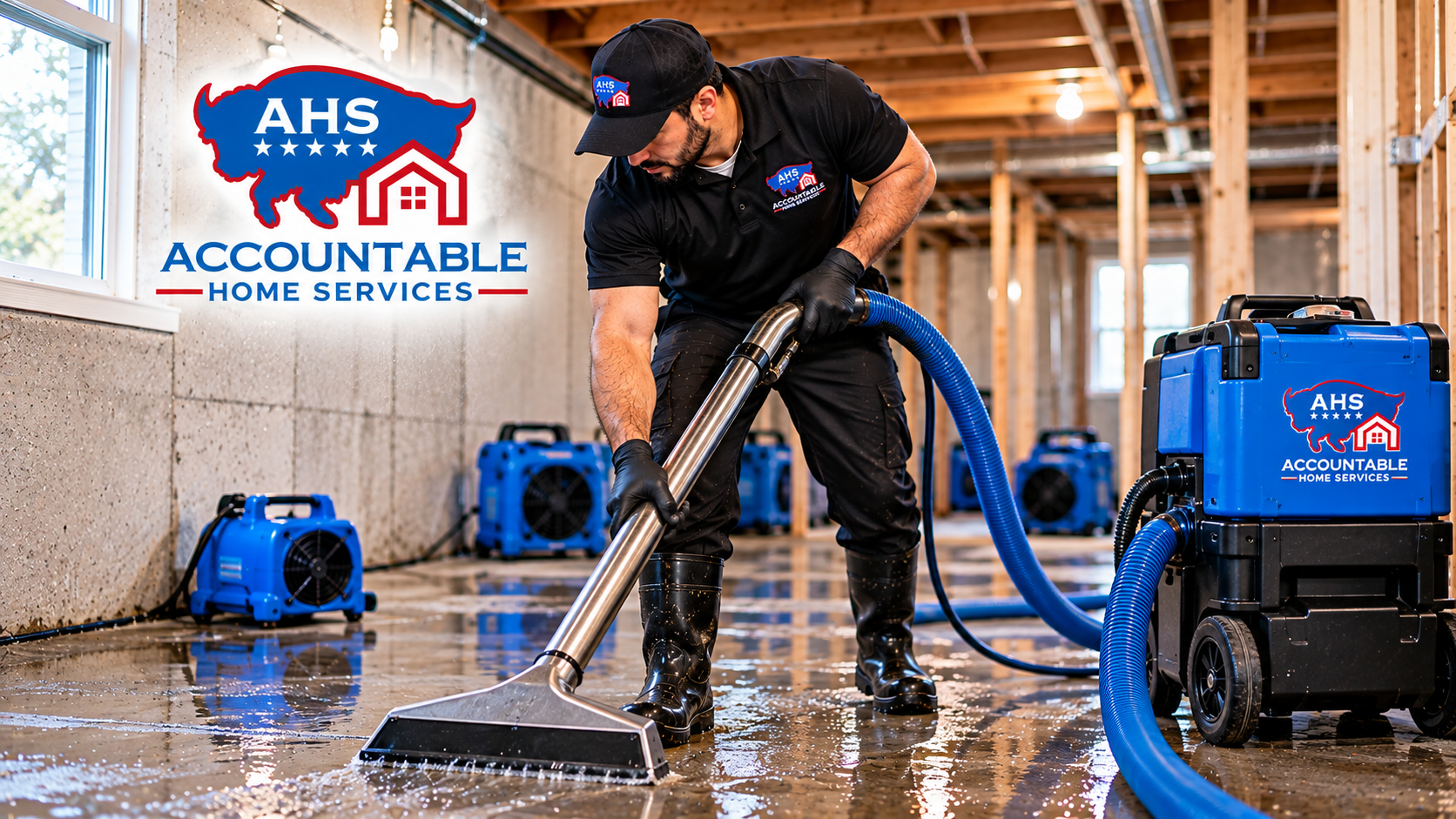
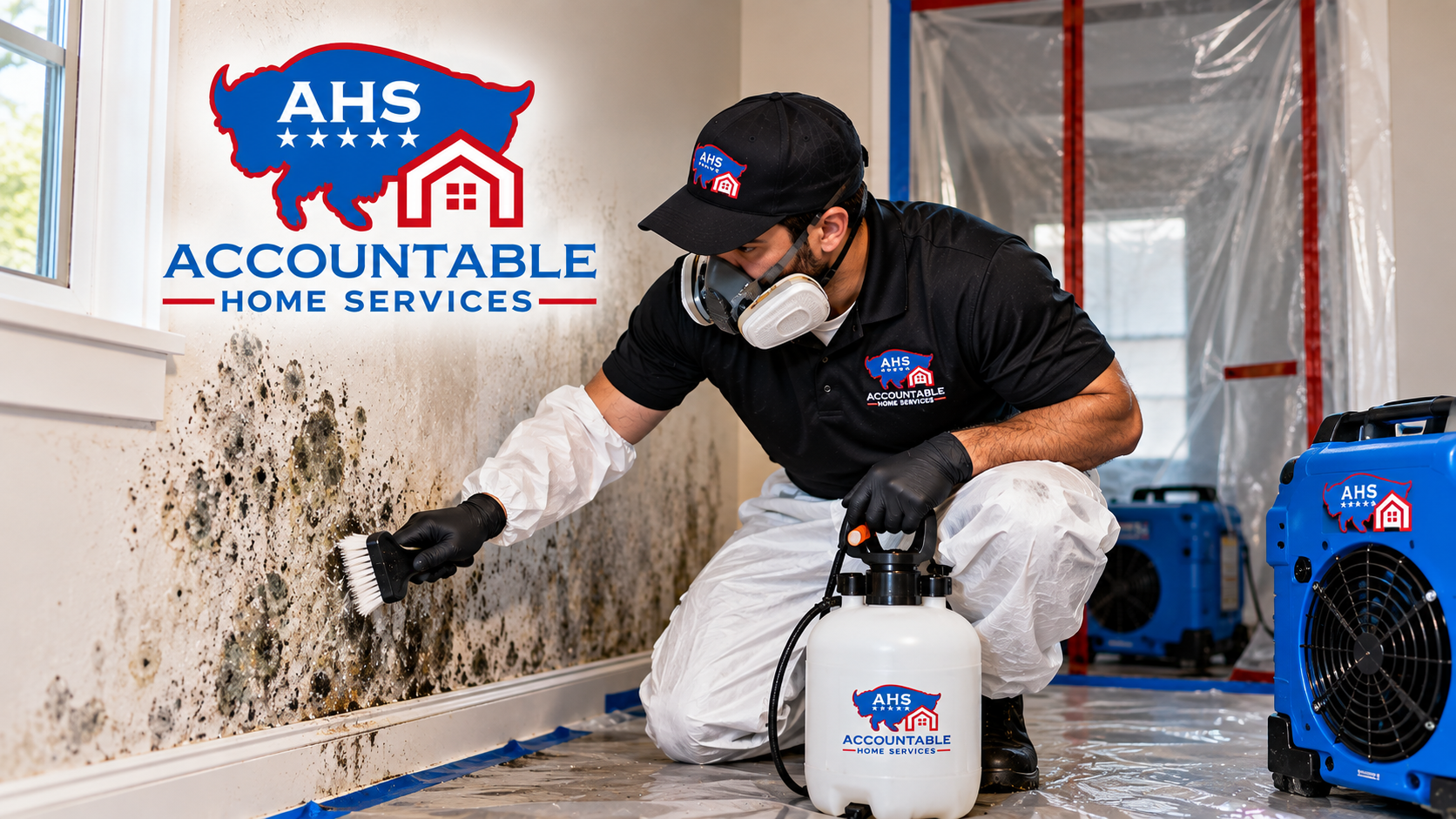
A restoration professional may recommend containment to keep disturbed particles from spreading during cleanup. Porous materials such as drywall, insulation, and carpet pad may need to be removed if they are contaminated or cannot be properly cleaned. Hard surfaces may be cleaned using appropriate methods, and drying equipment may be used when materials can be saved.
This is where mold remediation Thornton and mold removal Thornton services come into the conversation. “Removal” is the word many homeowners use, but “remediation” is often the broader process: finding the moisture, containing the area, removing affected materials when needed, cleaning, drying, and documenting the work. The right plan should be based on the actual conditions in the home, not a one-size-fits-all sales pitch.
Documentation can support an insurance claim
Not every mold situation is covered by insurance, and coverage depends on the policy, the cause of loss, timing, and other claim details. Still, clear documentation is helpful in almost every water damage or mold-related situation. It gives the homeowner, agent, adjuster, and restoration team a shared record of what happened.
Useful documentation may include:
- Photos of the source, affected rooms, and damaged materials
- Moisture readings from walls, floors, ceilings, and cabinets
- Notes about when the loss was discovered
- Details about plumbing repairs or emergency services
- Drying logs, equipment notes, and daily updates when mitigation is performed
- Lab results if mold testing was completed
- Written recommendations for cleanup or remediation
For insurance agents, this kind of organized information can reduce back-and-forth and help clients feel less lost. For plumbers, it shows where the plumbing repair ends and the building damage begins. For property managers, it creates a timeline that can be shared with owners, tenants, and claim contacts.
How to choose a local mold inspection company
Choosing the right company is not just about finding the first result for “mold inspection services.” You want someone who communicates clearly, shows up prepared, and explains the process without pressure. A good local provider should be comfortable answering basic questions before they visit.
Ask these questions before scheduling:
- Is the initial inspection free, and what does it include?
- Do you provide moisture readings and photos?
- Do you handle water damage drying as well as mold concerns?
- When do you recommend lab testing?
- Can you explain findings in plain language for homeowners, tenants, agents, or adjusters?
- Do you provide written documentation if repairs or remediation are needed?
- How quickly can someone respond in Thornton or nearby Denver metro areas?
The best fit is usually a company that treats the inspection as a fact-finding visit. They should explain what they know, what they do not know yet, and what options make sense. That is especially important when emotions are high and the homeowner is worried about cost, health concerns, or insurance coverage.
A practical next step for Thornton homeowners
If you suspect mold, start by looking for moisture. Check recent leak areas, smell for musty odors, and avoid cutting into walls or disturbing visible growth on your own. If the issue followed a leak, burst pipe, failed appliance, or backup, call the plumber if the source is still active and then request a restoration evaluation for the affected materials.
A free mold inspection can give you a clearer starting point. It can help you decide whether the concern is minor, whether drying is needed, whether mold testing Thornton services make sense, or whether professional cleanup should be scheduled. It can also create early documentation that may be useful if a claim, rental property issue, or repair dispute develops.
The Local Restoration Guide’s advice is simple: do not panic, but do not ignore moisture. Ask clear questions, document what you can, and bring in a qualified local professional when the situation is beyond a quick surface cleanup. With the right inspection and honest guidance, Thornton homeowners, agents, plumbers, and property managers can make better decisions and avoid unnecessary headaches.