Mold Inspector Near Me in Arvada, CO: What Homeowners Should Know
Mold Inspector Near Me in Arvada, CO: What Homeowners Should Know
When a home has a musty smell, recent leak, or visible staining, a professional mold inspection can help separate guesswork from facts. For Arvada homeowners, the goal is not to create alarm; it is to understand where moisture is coming from, whether mold is present, how far the issue extends, and what documentation may be needed for cleanup, repairs, or an insurance claim.
Mold concerns often begin with uncertainty. A plumber may have stopped the leak, a tenant may have reported an odor, or a buyer may have questions during a real estate transaction. A careful inspection gives everyone a clearer path forward.
When do you need a mold inspector near me?
You should consider a mold inspector near me when there are signs of moisture, visible growth, persistent odors, unexplained indoor air complaints, or mold after water damage. Mold needs moisture to grow, so the inspection is really two investigations at once: where mold may be present and why the building conditions allowed it to develop.
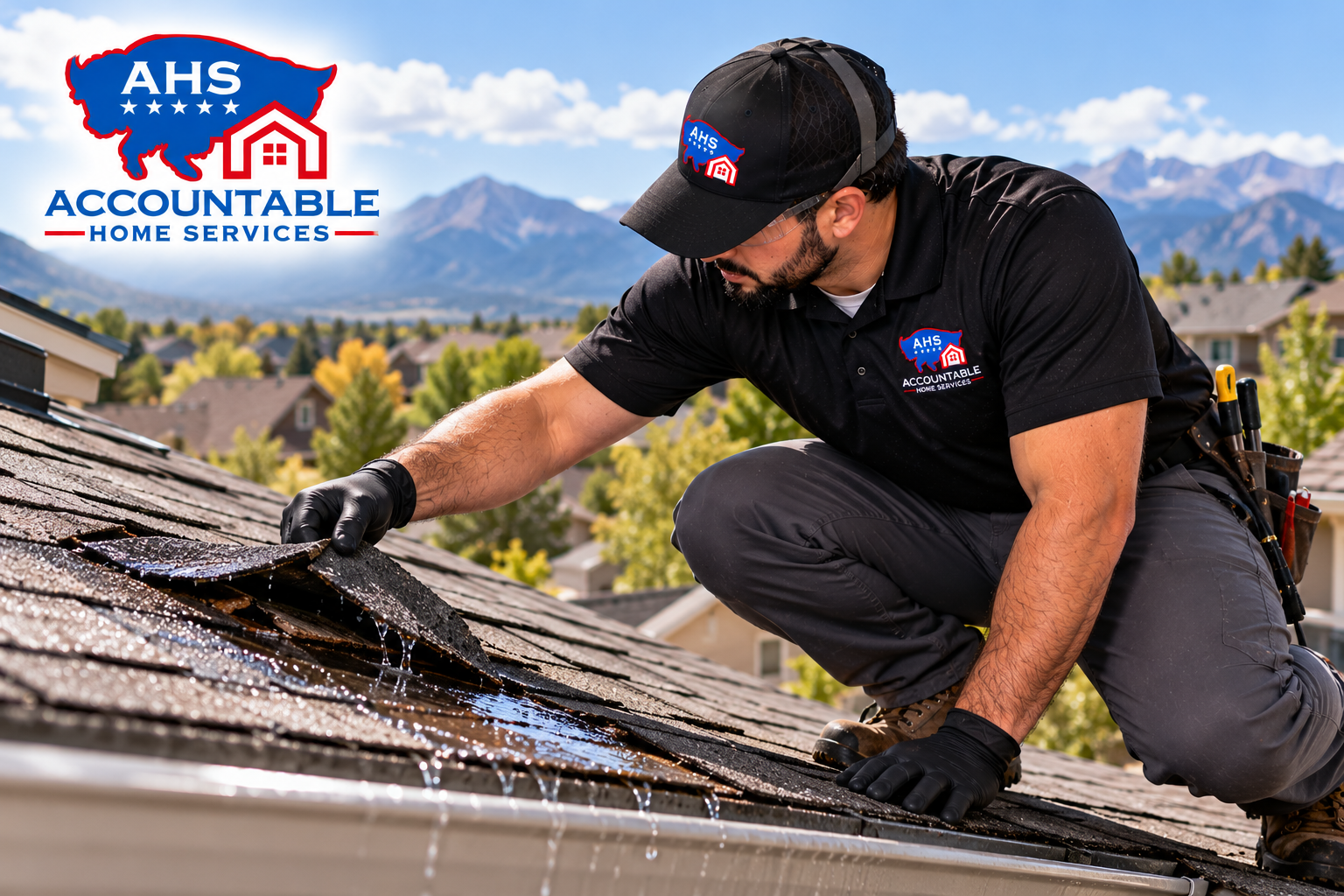
In Arvada homes, common triggers include plumbing leaks, wet basements, roof or window leaks, failed appliances, sump pump problems, and damp areas that were dried too slowly. A small stain does not always mean a large mold problem, but it should not be ignored when the material is soft, the odor is strong, or the surrounding area has been wet for more than a short period.
Watch for these warning signs:
- Musty or earthy odors that return after cleaning or ventilation.
- Visible spotting or fuzzy growth on drywall, framing, trim, stored contents, or basement surfaces.
- Recent water damage from a burst pipe, drain backup, roof leak, or water heater failure.
- Condensation or chronic humidity around windows, crawl spaces, bathrooms, laundry rooms, and mechanical rooms.
- Allergy-like symptoms indoors that seem stronger in certain rooms or after the HVAC system runs.
- Real estate or rental concerns where documentation is needed before purchase, lease turnover, or repairs.
For property managers, the timing matters. A tenant report of odor or visible growth should be documented promptly, even if the cause is not yet obvious. For insurance agents and plumbers, an early referral for mold inspection services can help the homeowner avoid confusion between the plumbing repair, the drying work, and any later mold remediation Arvada may require.
What a professional mold inspection includes
A professional mold inspection usually starts with a conversation about the property history: leaks, floods, prior repairs, odors, occupant concerns, and areas that have been wet. Good inspectors do not begin by assuming the worst. They use the history of the loss, building materials, moisture readings, and visual evidence to decide where further testing or invasive investigation may be justified.
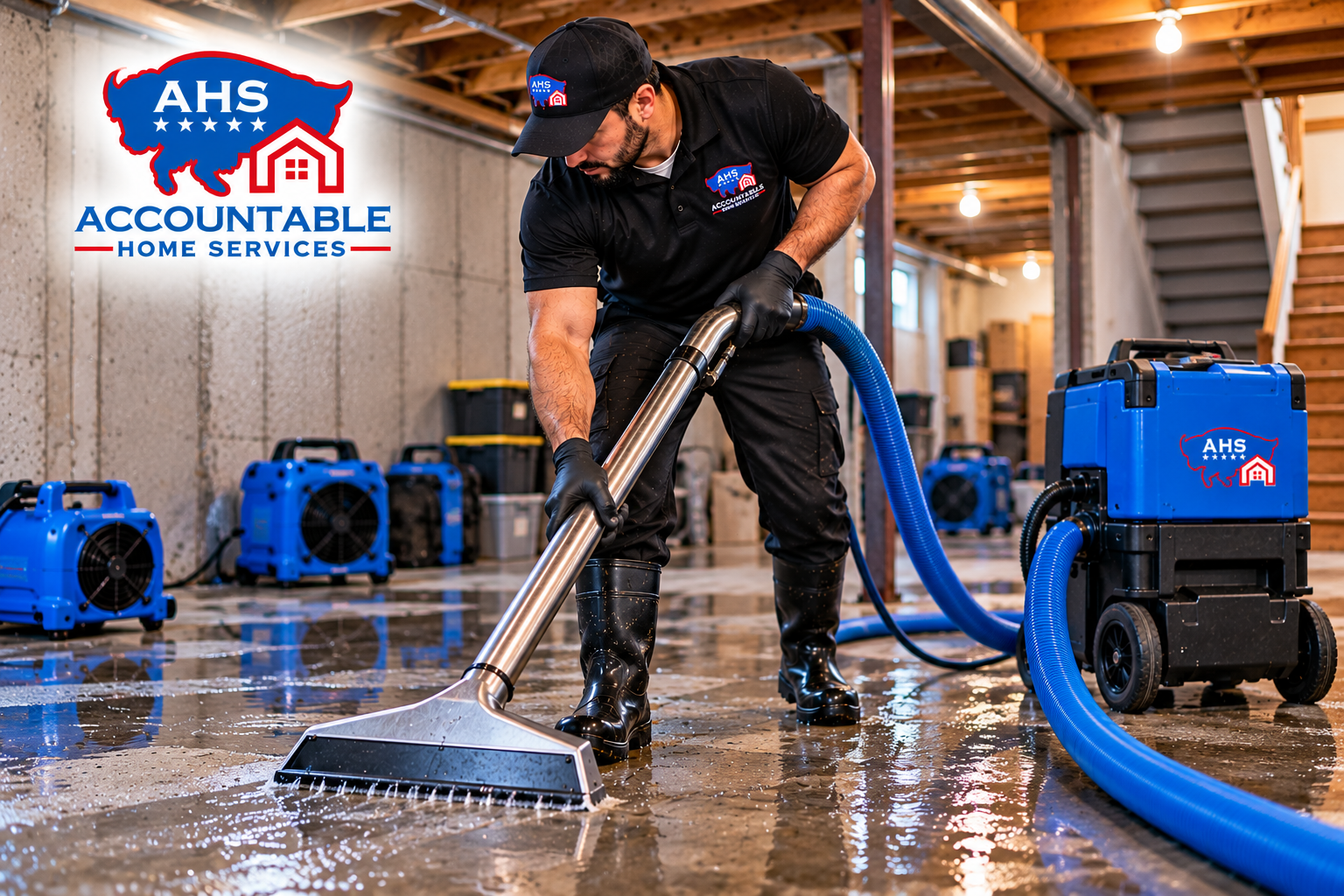
The visual assessment is the foundation. The inspector looks for staining, deterioration, damaged finishes, condensation patterns, poor ventilation, suspect growth, and water pathways. In a basement, this might include foundation walls, carpet tack strips, stored cardboard, baseboards, and the back side of finished walls when accessible. Basement mold Arvada concerns are common because below-grade spaces can hide slow leaks, seepage, and humidity problems.
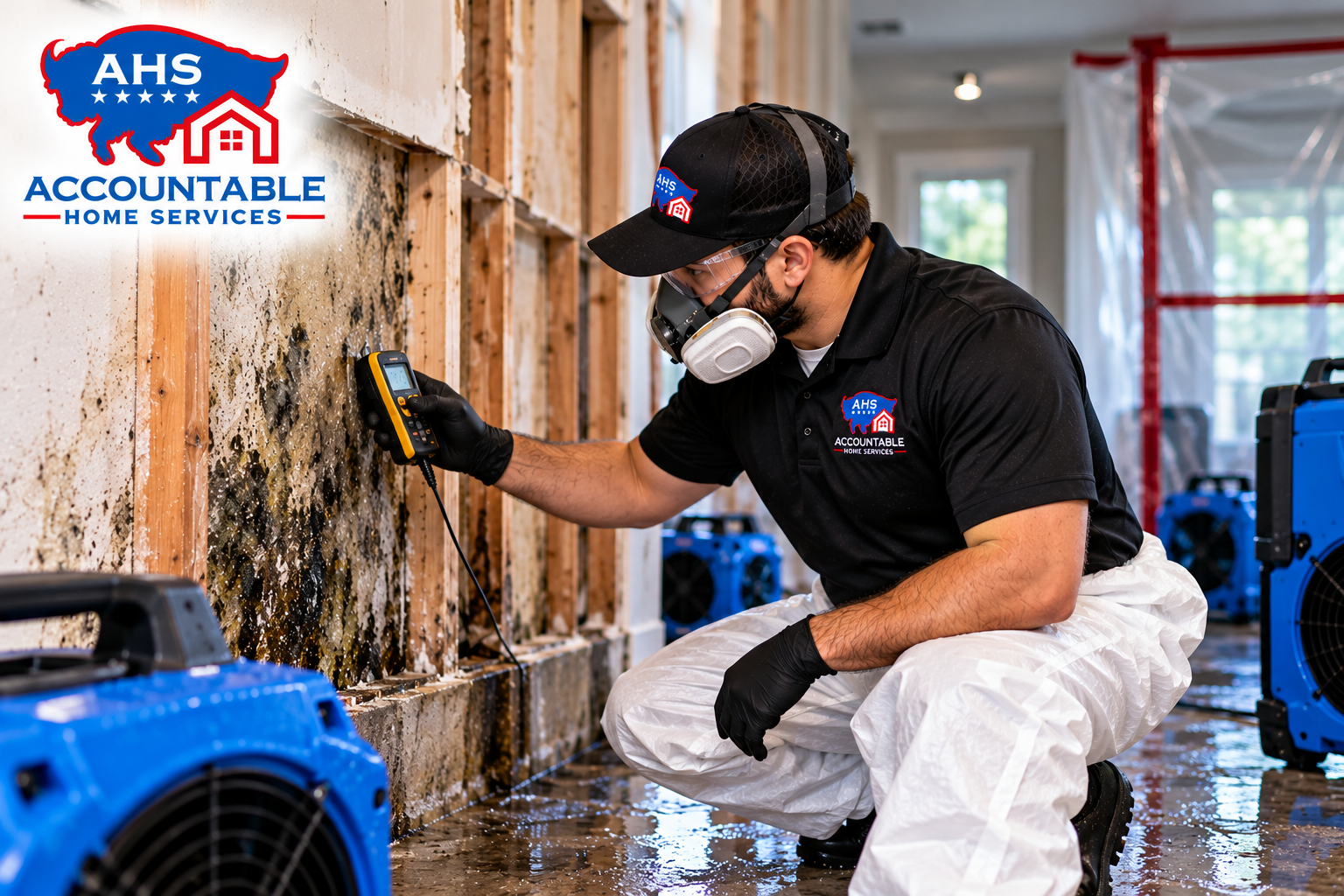
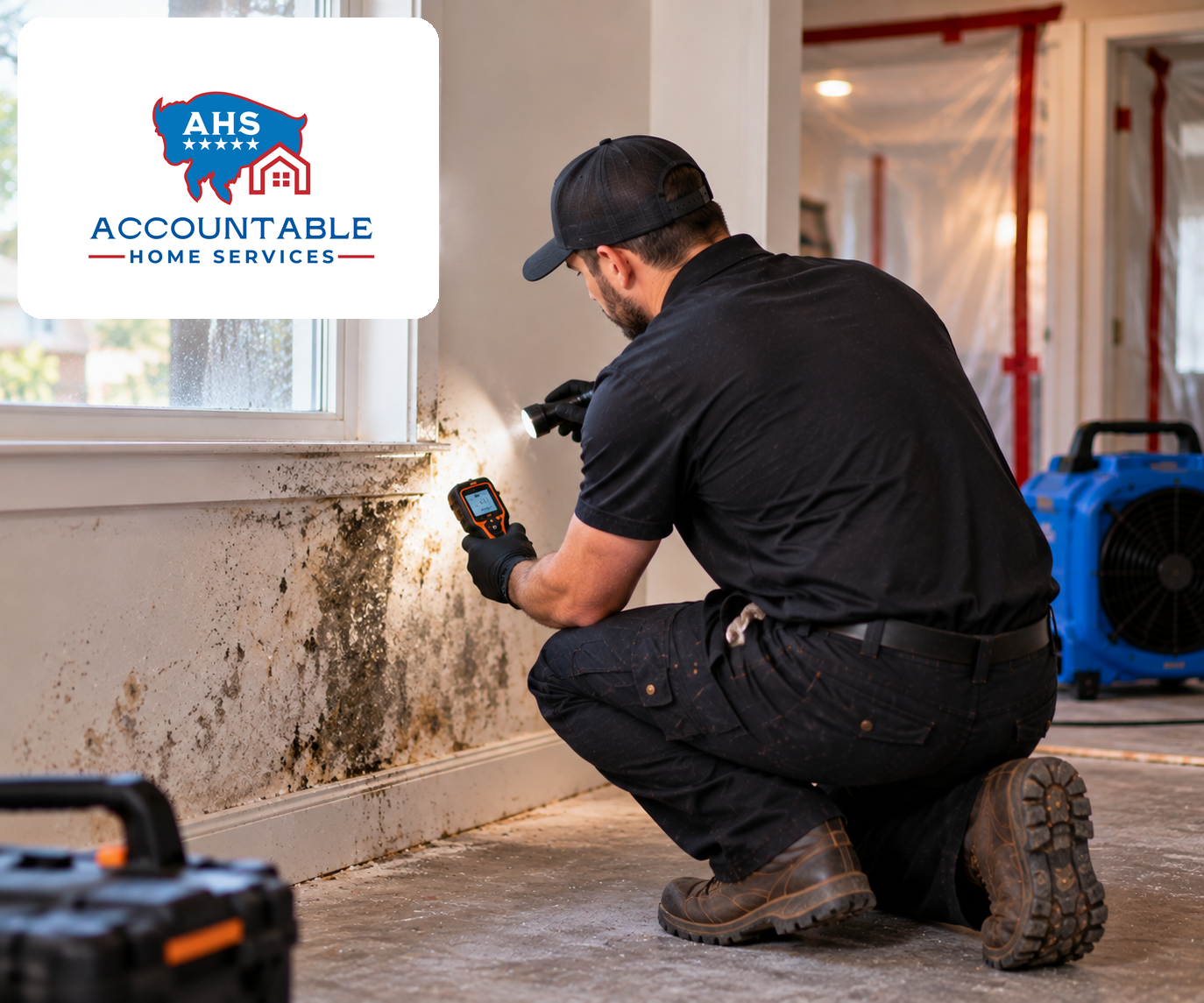
A moisture inspection Arvada homeowners can rely on should also include moisture meters and, when appropriate, thermal imaging. These tools do not “see mold,” but they help locate temperature differences and moisture conditions that may point to wet building materials behind walls, ceilings, or floors. This is especially useful when the surface looks normal but there has been a recent leak above or behind it.
Sampling may be recommended when visual findings are unclear, when occupants need confirmation, when a real estate transaction requires documentation, or when post-cleanup verification is needed. Air and surface samples can be sent to a laboratory to help identify mold types and relative concentration. If you are searching for mold testing near me, ask whether testing is being used to answer a specific question, not simply added as a routine upsell.
A good final report should be understandable. It should explain observed conditions, moisture findings, sample locations if testing was performed, lab results, photos, and practical recommendations. For homeowners working through an insurance claim, clear documentation can help distinguish the cause of the loss, the affected materials, and the recommended next steps.
Hidden mold inspection and black mold inspection concerns
A hidden mold inspection is appropriate when the strongest evidence is indirect: odor, moisture readings, prior leaks, or symptoms in a specific area with little visible growth. Hidden mold can occur behind baseboards, under flooring, inside wall cavities, above ceilings, around tubs and showers, behind cabinets, or near HVAC components. The key is to locate the moisture source before opening walls unnecessarily.
Homeowners often ask about black mold inspection because dark growth looks alarming. Color alone does not prove species or toxicity. Many molds can appear black, gray, brown, or green depending on the material and growth conditions. The more useful question is whether mold is present, what materials are affected, whether the source of moisture has been corrected, and what containment and removal methods are appropriate.
Be cautious about anyone who identifies a mold species by sight alone or uses frightening language before the inspection is complete. Mold can be serious, especially for sensitive occupants, but decisions should be based on evidence. If testing is needed, mold testing Arvada CO should involve proper sample collection, lab analysis, and a written explanation of what the results mean in the context of the home.
For plumbers, this distinction is important. You may repair the failed supply line or drain, but if surrounding drywall, cabinets, or flooring stayed wet, the homeowner may still need evaluation for microbial growth. Referring the homeowner for a professional mold inspection helps define whether drying, demolition, or remediation is needed beyond the plumbing scope.
How inspection connects to remediation and removal
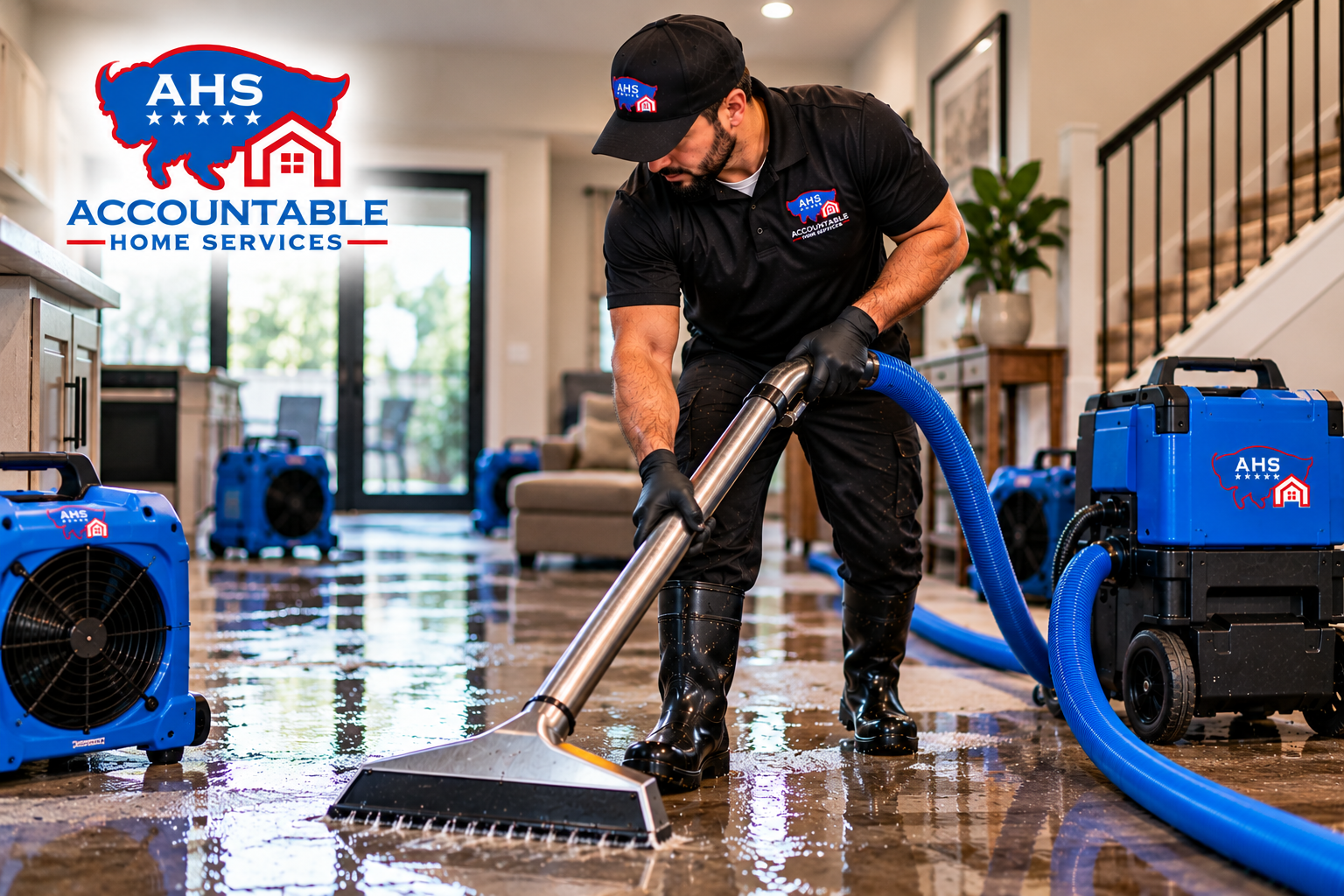
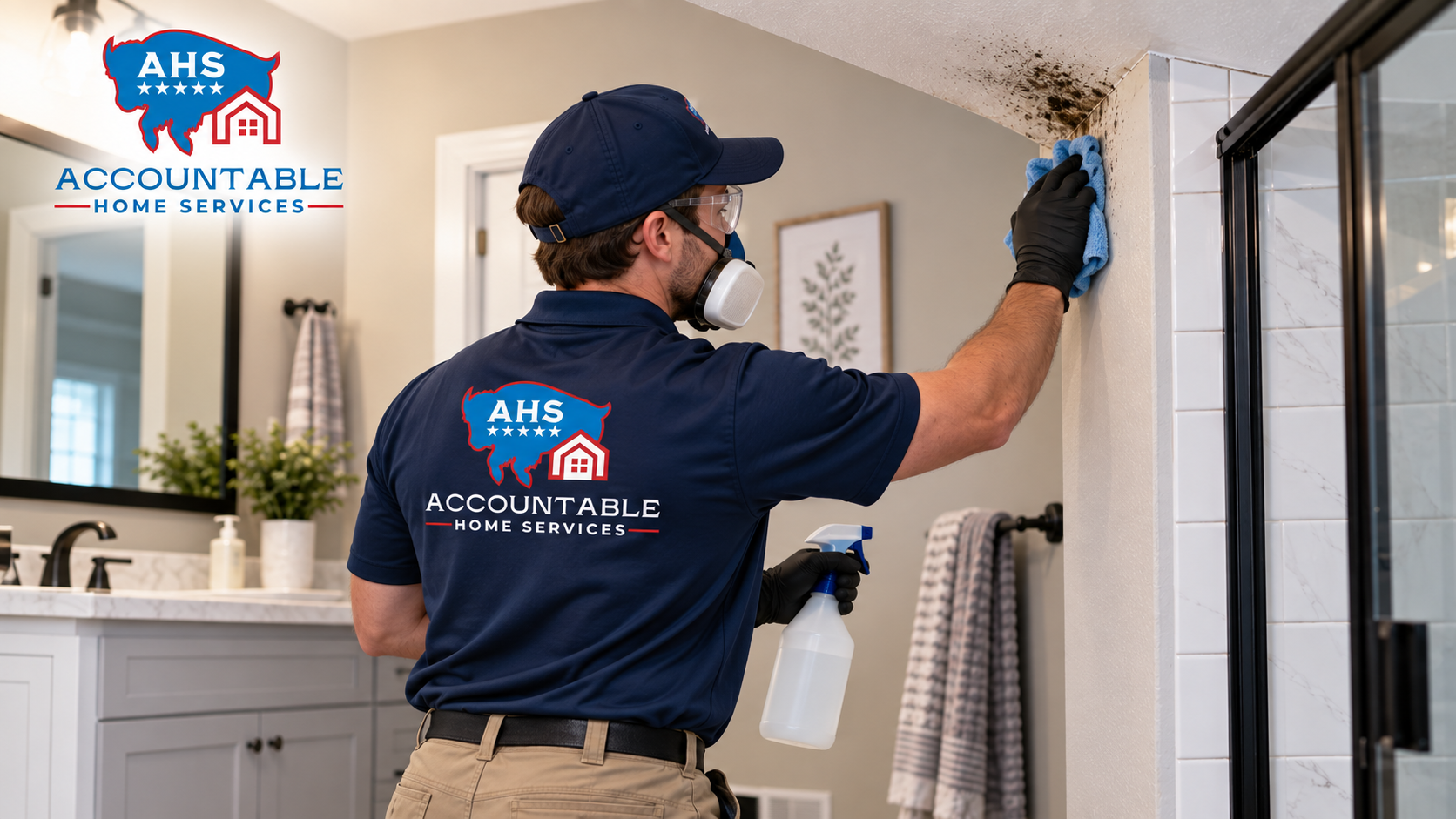
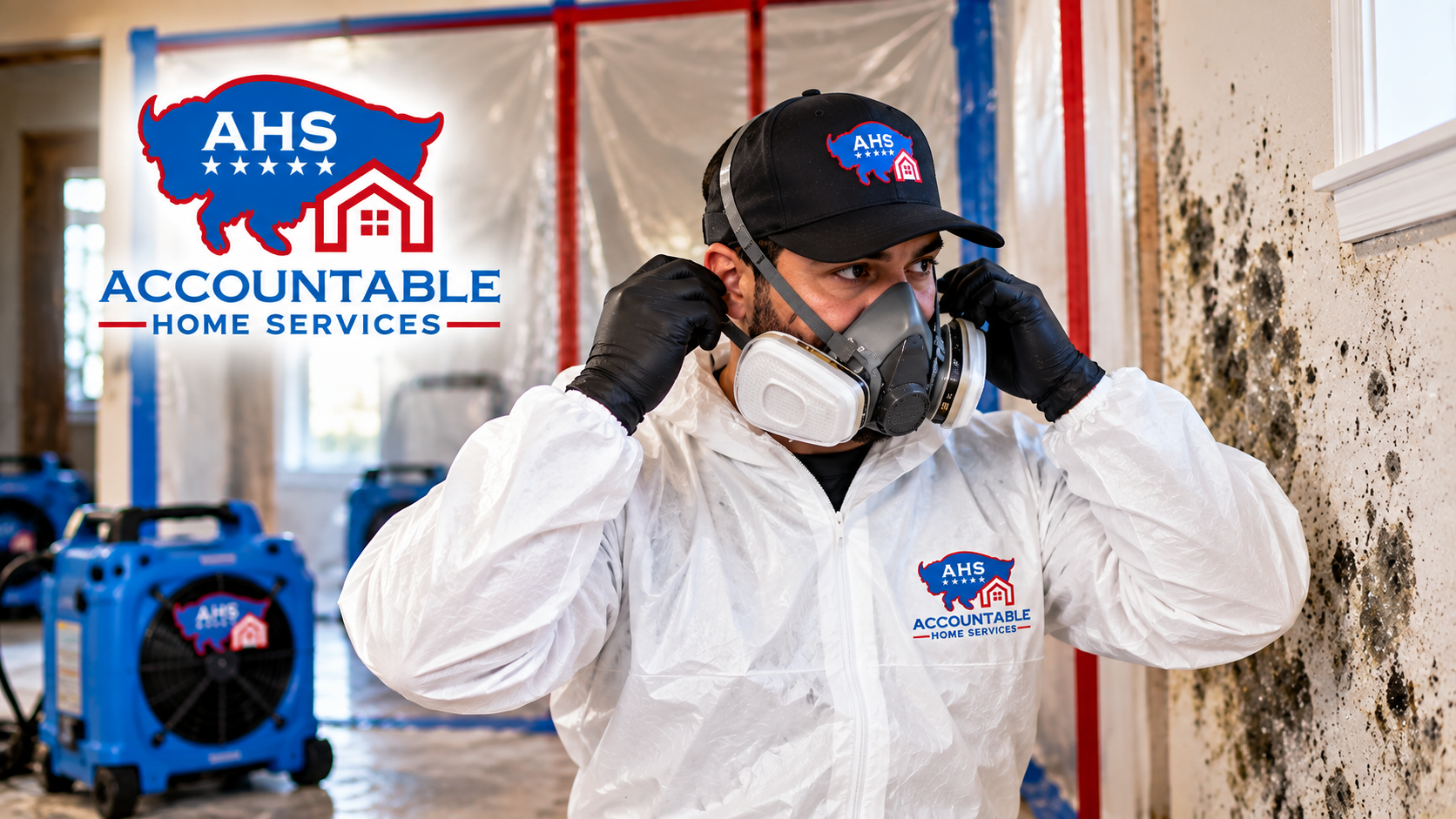
Inspection and remediation are related, but they are not the same service. Inspection determines what is happening and where. Remediation addresses the contamination through containment, removal of affected porous materials when required, cleaning, filtration, and correction of moisture conditions. Mold removal Arvada work should be guided by the actual extent of contamination, not guesswork.
Many homeowners feel more comfortable when the inspector is independent from the remediation contractor. An independent inspector who does not profit from cleanup can reduce the perceived conflict of interest and provide a clearer scope for bids. That does not mean every combined service provider is unreliable, but it does mean homeowners should ask direct questions about roles, recommendations, and documentation.
After remediation, clearance testing may be appropriate. This step checks whether the work area appears clean, dry, and consistent with the agreed scope. For landlords, property managers, and insurance professionals, clearance documentation can be valuable because it shows that the response was handled methodically rather than casually.
A practical process often looks like this:
- Stop the water source. Repair the leak, stop intrusion, or control the humidity problem.
- Document conditions. Take photos, keep repair invoices, and record dates of discovery and response.
- Inspect for moisture and mold. Use visual review, moisture tools, and testing when appropriate.
- Define the affected area. Separate confirmed damage from unaffected areas to avoid unnecessary demolition.
- Remediate correctly. Use containment, removal, cleaning, drying, and filtration based on the scope.
- Verify completion. Consider post-remediation review or clearance testing before rebuilding.
This sequence protects the home and reduces confusion among the homeowner, plumber, restoration contractor, property manager, and insurance carrier.
Choosing a mold inspector Arvada CO homeowners can trust
Choosing a mold inspector Arvada CO homeowners can trust starts with independence, clear communication, and disciplined documentation. The right inspector should be willing to explain what they are testing, why they are testing it, and how the findings will influence next steps.
Ask practical questions before scheduling:
- Do you perform inspections only, remediation only, or both? Understand any potential conflict of interest.
- What tools do you use? Moisture meters, thermal imaging, photos, and sample documentation are common parts of a serious inspection.
- When do you recommend lab testing? Testing should serve a purpose, such as confirming suspect growth or supporting clearance.
- What will the report include? Look for photos, moisture readings, findings, sample locations, lab results if applicable, and recommendations.
- How do you communicate with other parties? This matters when an insurance agent, plumber, property manager, tenant, or adjuster is involved.
- How is pricing determined? Cost may vary based on property size, number of samples, complexity, accessibility, and whether indoor air quality testing or additional documentation is needed.
Avoid choosing only on the lowest price. A rushed inspection that misses the moisture source can lead to repeated cleanup, tenant dissatisfaction, or disputed repairs. At the same time, be wary of recommendations that jump immediately to major demolition without explaining the evidence.
Preparing for a mold inspection in Arvada
A little preparation helps the inspector work efficiently and improves the quality of the report. You do not need to clean everything before the appointment, and you should not paint over stains or remove suspect materials before they are documented. The goal is to preserve useful evidence while making the affected areas accessible.
Before the appointment:
- Clear reasonable access to basements, utility rooms, sinks, water heaters, crawl space entries, and affected walls.
- Write down the timeline of leaks, odors, repairs, drying attempts, and prior claims.
- Gather plumber invoices, mitigation records, photos, and any correspondence with tenants, owners, or insurance contacts.
- Point out areas where odors are strongest or symptoms seem to occur.
- Avoid running fans directly on suspect mold, because air movement can disturb settled material.
- If there is active water, address the source before focusing on mold testing.
For insurance agents, this preparation can make the claim conversation more orderly. For property managers, it can also help show owners and tenants that the issue is being handled with a documented, professional process.
What to do after the report
After receiving the inspection report, read it for three things: moisture source, affected materials, and recommended next steps. If the report includes lab results, do not focus only on the mold names. The practical meaning comes from how the results match the home conditions, sample locations, visual findings, and moisture evidence.
If remediation is recommended, share the report with qualified contractors and ask for a written scope. The scope should explain containment, removal, cleaning, drying, disposal, and reconstruction boundaries. If insurance may be involved, keep communication organized and provide documentation promptly. Your policy, cause of loss, timing, and coverage details will influence how the claim is evaluated, so avoid assuming that every mold-related item will be handled the same way.
After the work is done, continue monitoring the area. Mold returns when the moisture problem returns. Check humidity, confirm drainage is working, inspect under sinks, watch basement corners, and respond quickly to future leaks.
Clear information leads to better decisions
A mold concern in an Arvada home does not have to become a confusing or adversarial process. The best first step is a calm evaluation that identifies moisture, documents conditions, and explains whether professional cleanup is needed.
Whether you are a homeowner, insurance agent, plumber, or property manager, reliable mold inspection Arvada guidance helps everyone make decisions based on evidence instead of fear. When the inspection is thorough and the communication is clear, the path from concern to resolution becomes much easier to manage.