Mold Test in Broomfield, CO: What Homeowners Should Know
Mold Test in Broomfield, CO: What Homeowners Should Know
If you are worried about mold in a Broomfield home, the first step is not panic. It is understanding whether you need a mold test, a full mold inspection, moisture investigation, or help planning mold remediation. The Local Restoration Guide helps homeowners, insurance agents, plumbers, and property managers think through the next step clearly, especially after leaks, flooding, or suspicious indoor odors.
When does a mold test make sense?
A mold test makes sense when there is a reasonable concern about hidden mold, unclear air quality, or mold after water damage, but the source is not obvious. Professional mold testing can help document conditions inside the home and support better decisions about cleanup, repair, or a possible insurance claim. It is most useful when testing is paired with a real inspection, not used as a stand-alone answer.
A mold test may be helpful when:
- You smell a musty odor but cannot see visible mold.
- A basement, crawlspace, bathroom, or utility area has had repeated moisture problems.
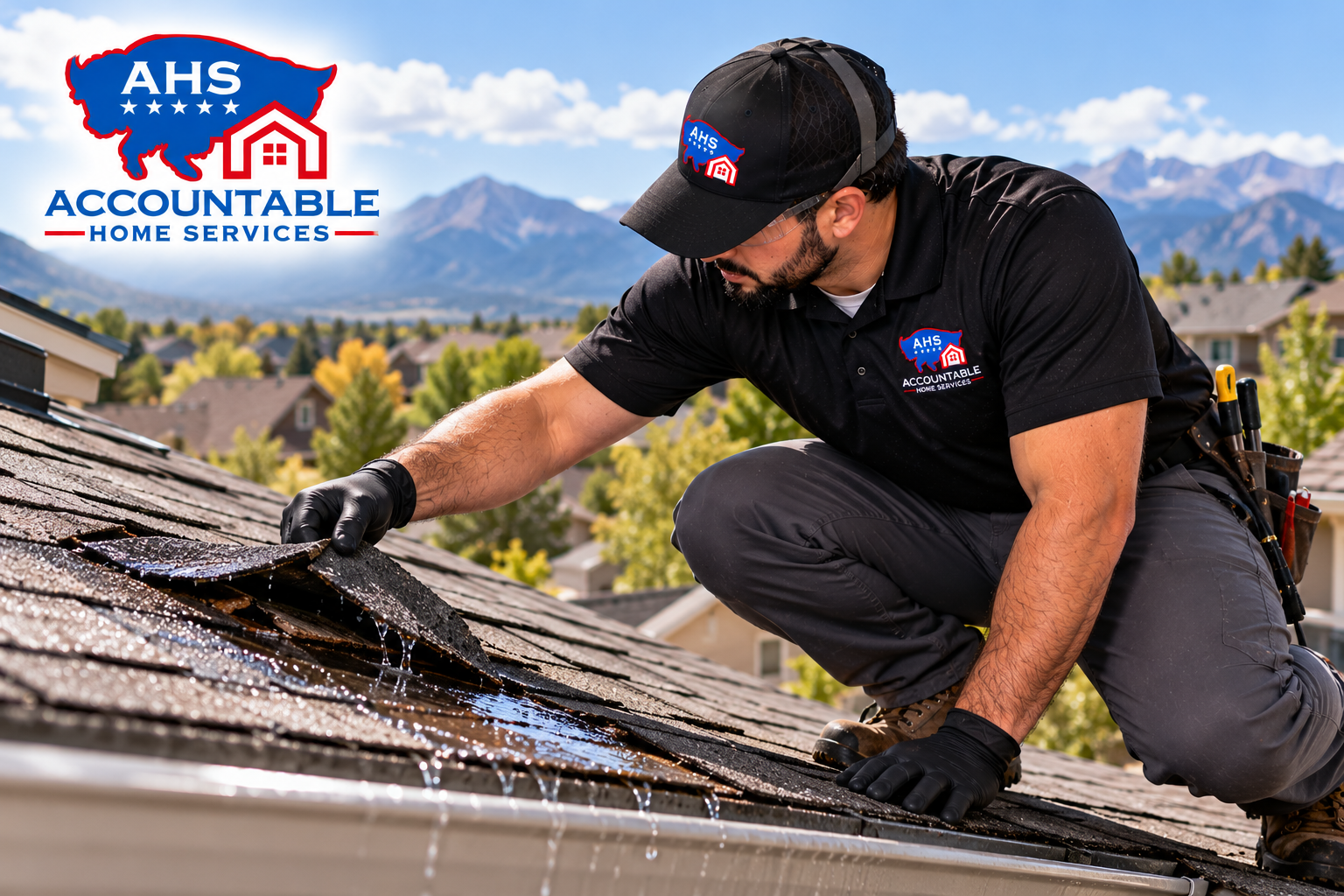
- There was a roof leak, plumbing leak, sump pump issue, drain backup, or water heater failure.
- You need an air quality mold test because occupants are concerned about indoor conditions.
- A landlord, buyer, seller, insurance adjuster, or property manager needs documentation.
- You are trying to understand whether staining is likely mold or another material.
- You need mold sampling Broomfield homeowners can use to guide the next step.
Testing is not always the first or best move. If there is visible mold growth on wet drywall, a clear active leak, or damp building materials after water damage, the priority is usually to stop the water, dry the area, and remove damaged materials properly. In those cases, identifying and fixing the moisture problem may matter more than spending time on a black mold test before any action is taken.
Mold testing, inspection, and remediation are different services
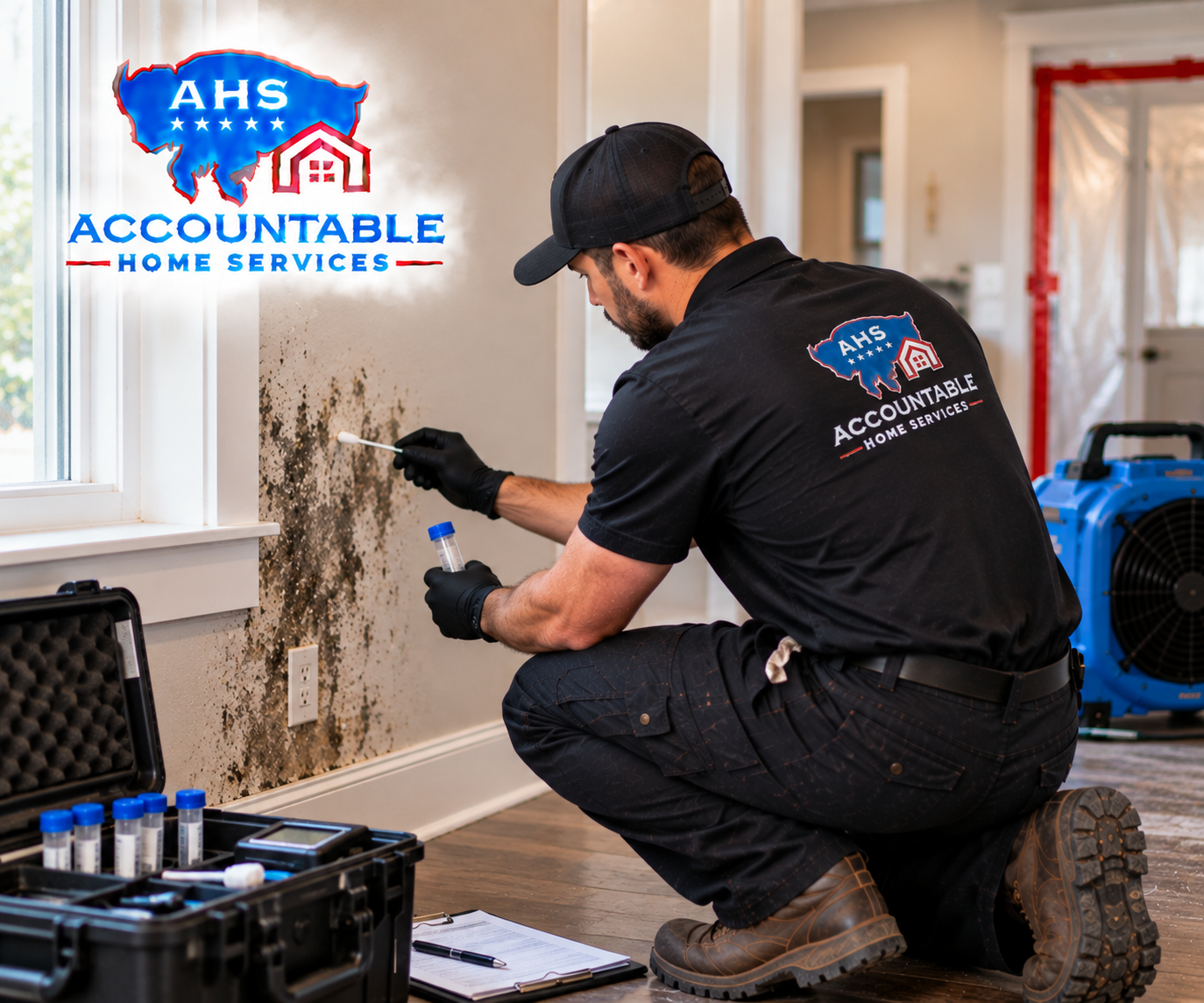
A mold test collects samples to gather information about mold presence, mold types, or mold levels in a specific area. This may include air samples, surface samples, or samples from suspect materials. A mold test Broomfield CO homeowners request can provide useful documentation, but it does not automatically explain why mold is present or how far moisture has traveled.
A mold inspection is the larger evaluation of the property. During a mold inspection Broomfield CO homeowners can expect a professional to look for visible growth, water staining, damp materials, musty odors, leak history, poor ventilation, and conditions that allow mold to grow. A good mold inspector Broomfield residents can trust will not just ask, “Is mold here?” They will also ask, “Where is the moisture coming from, and is it still active?”
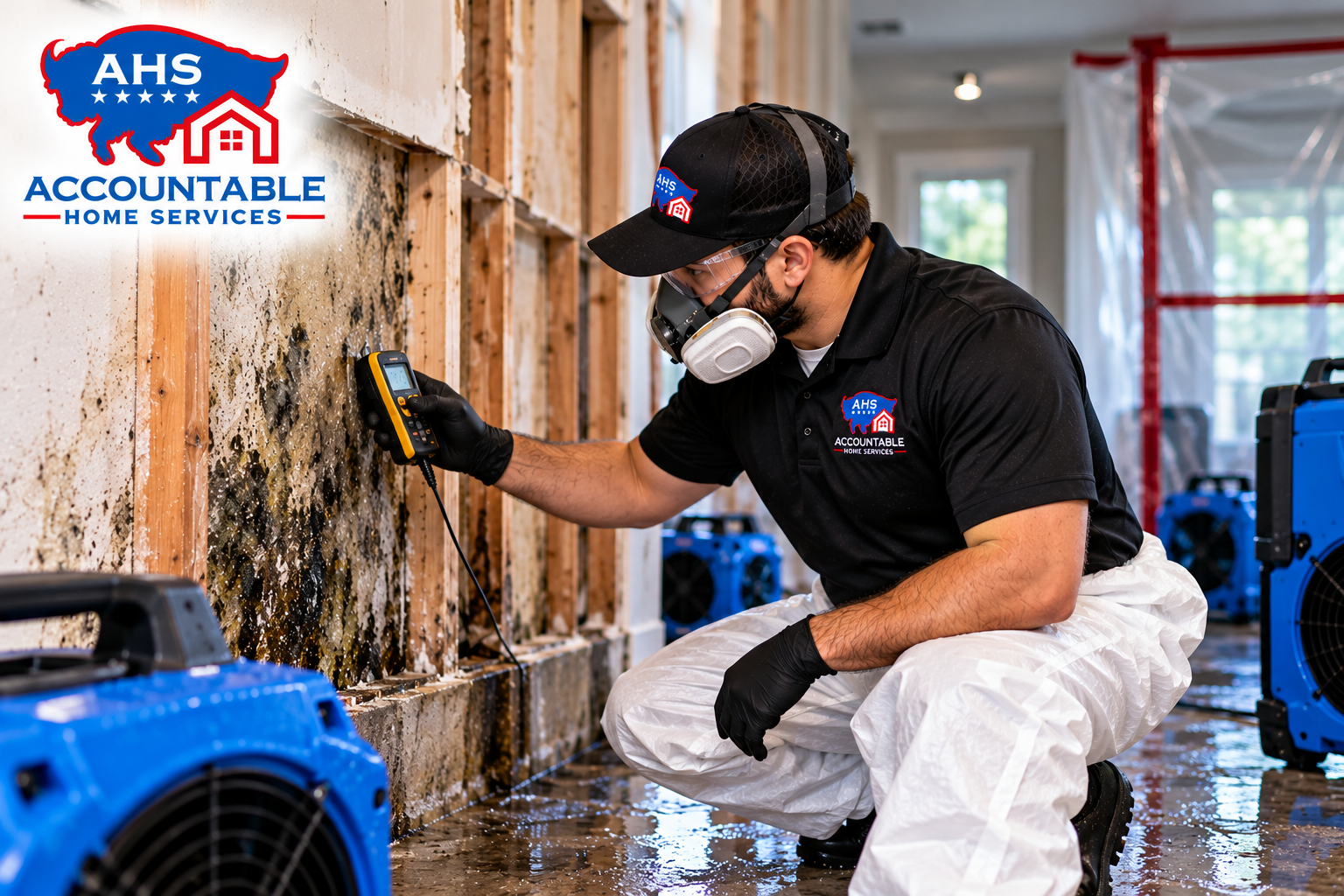
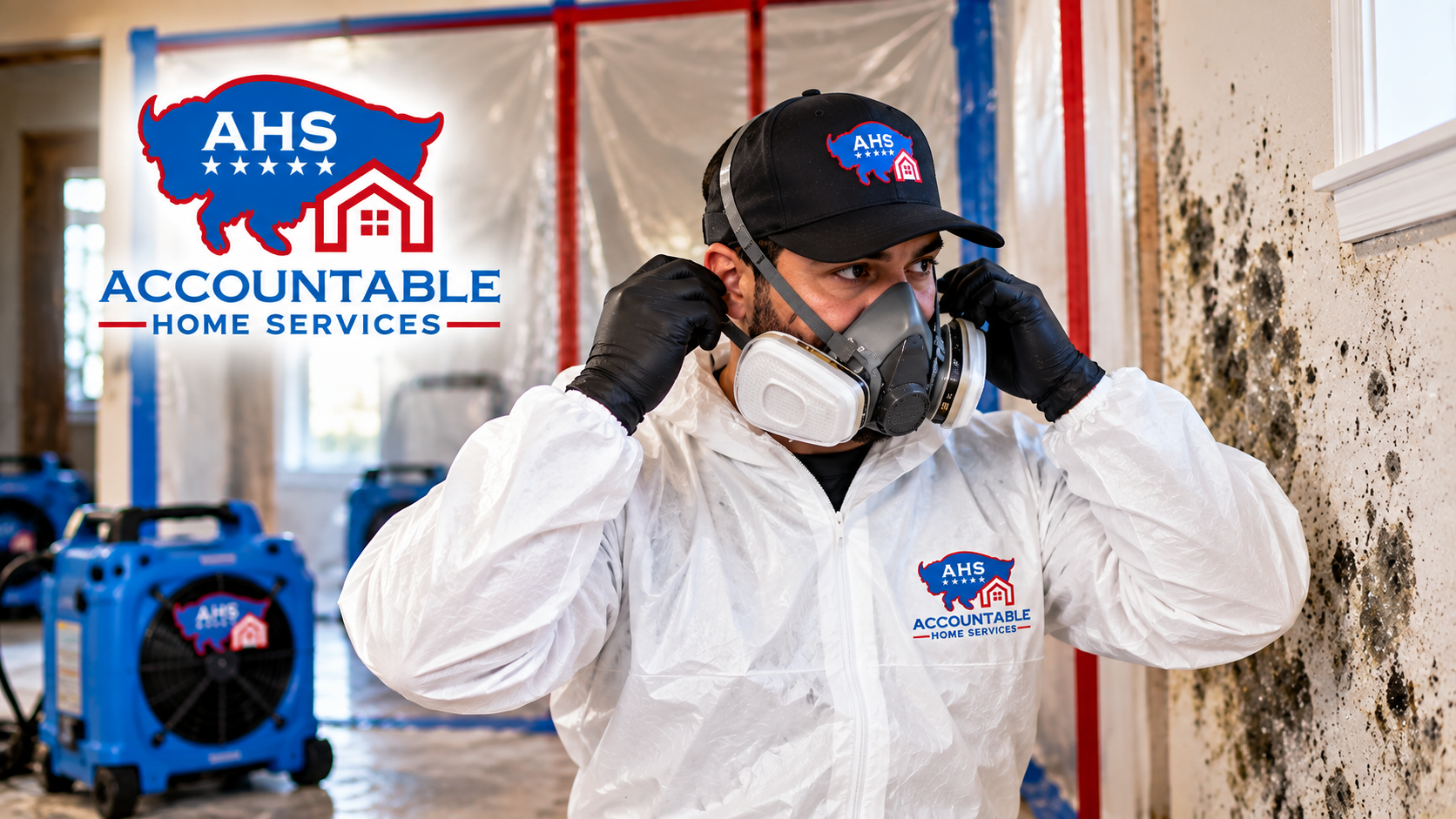
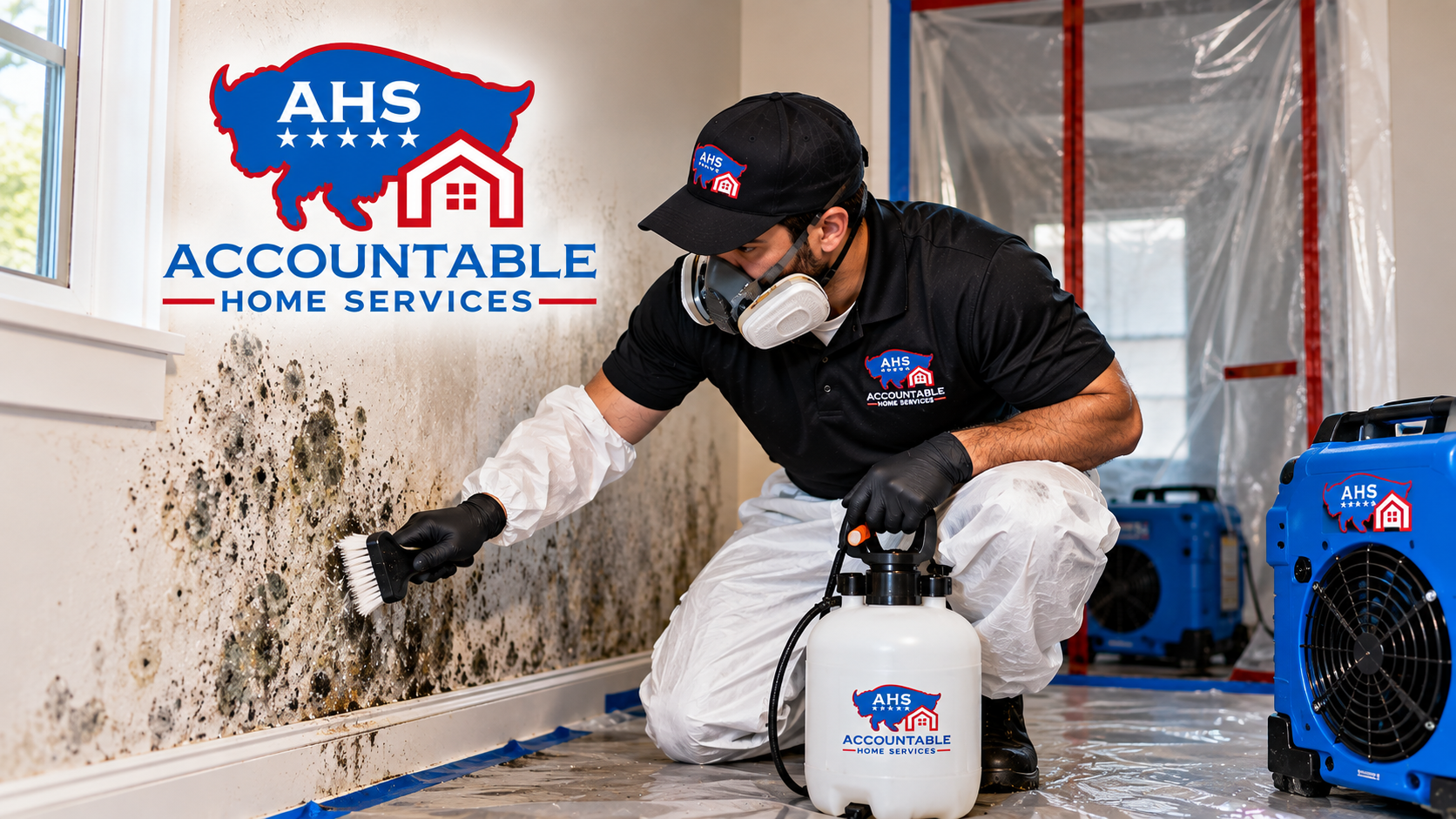
Mold remediation is the controlled cleanup process used when mold growth needs to be removed. Mold remediation may include containment, removal of affected materials, cleaning, HEPA vacuuming, air filtration, and steps to help prevent cross-contamination. Mold removal Broomfield CO homeowners search for should be connected to a moisture solution, because removing mold without fixing the water source can lead to the same problem coming back.
What professional mold testing can include
Professional mold testing should be selected based on the home, the complaint, and the visible conditions. Not every property needs every type of sample. The goal is to collect information that actually helps the homeowner make a practical decision.
Common testing and inspection steps include:
- Visual inspection: Looking for staining, discoloration, damaged drywall, warped trim, damp carpet, or signs of past water movement.
- Moisture readings: Checking materials such as drywall, flooring, baseboards, and cabinets for elevated moisture.
- Air sampling: Comparing indoor air samples with an outdoor control sample to help understand airborne mold conditions.
- Surface sampling: Swabbing or tape-lifting a suspect area to help identify whether mold is present on that surface.
- Cavity or hidden area review: Evaluating areas behind baseboards, under sinks, near shower surrounds, around windows, or near previous leak points when conditions justify it.
- Documentation: Photos, sample locations, moisture readings, and written notes that can help homeowners, property managers, plumbers, and insurance agents understand what was found.
This is where hidden mold testing can be useful, especially after a leak that dried on the surface but may have affected wall cavities or flooring layers. Still, testing should be focused. Random sampling without a moisture story often creates confusion instead of clarity.
What mold sampling can and cannot tell you
Mold sampling can reveal whether mold spores or mold growth indicators were found in the collected sample. Depending on the sample type, it may also identify general mold categories, compare indoor and outdoor airborne levels, or confirm whether a visible stain contains mold-like growth. This can be helpful for home mold testing when the problem is not obvious or when documentation is needed before repairs move forward.
Mold sampling has limits. A sample only represents the exact time and place where it was collected. Airborne mold levels can change with weather, ventilation, cleaning, HVAC use, and whether doors or windows were recently opened. A clean sample in one room does not prove there is no mold anywhere else in the home.
Sampling also does not fix the problem. It cannot, by itself, tell you the full extent of hidden damage inside a wall, prove when mold started, or determine whether an insurance policy will cover the loss. For that reason, professional mold testing should be paired with moisture investigation, photos, site notes, and a clear plan for what happens next.
Moisture investigation is the part homeowners should not skip
Mold needs moisture to grow. That is why moisture investigation is often more important than the sample result alone. If a bathroom has poor ventilation, a basement wall is damp, or a pipe has been leaking slowly under a cabinet, a mold test may confirm a concern, but the moisture source explains why the concern exists.
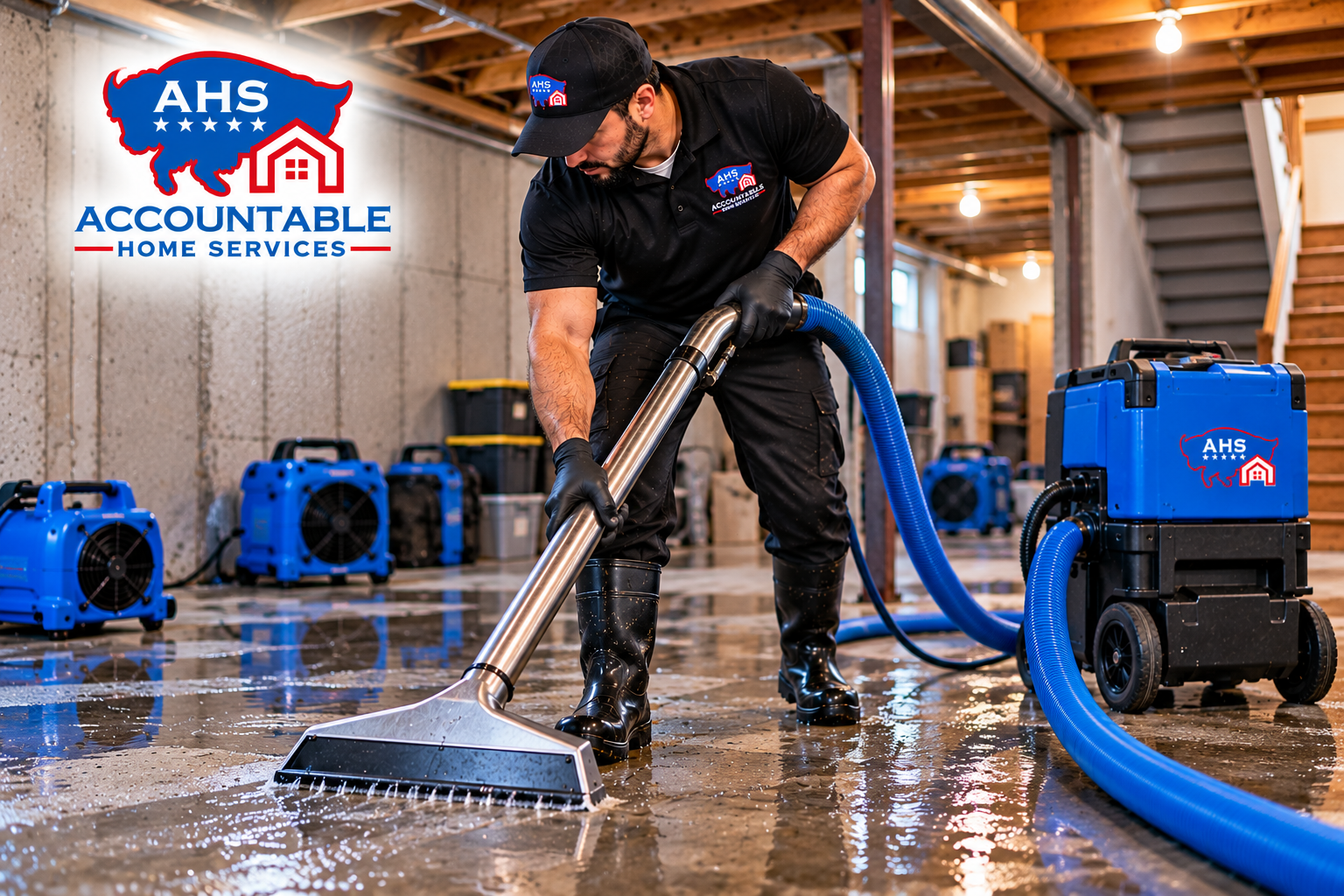
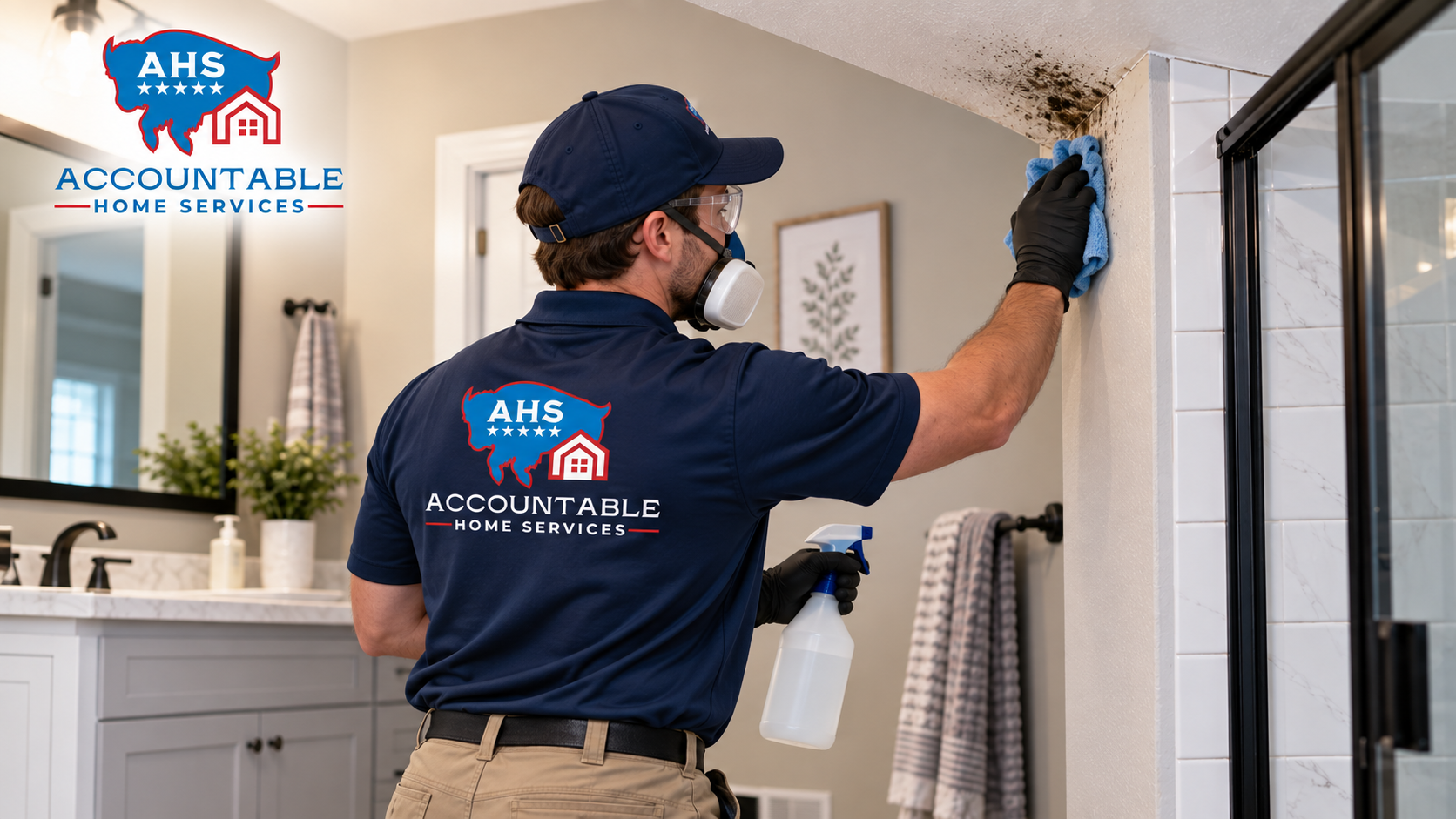
For Broomfield homes, common moisture sources include plumbing leaks, finished basement water intrusion, window condensation, roof leaks, failed appliance supply lines, damp carpet pads, and bathroom exhaust problems. Basement mold Broomfield homeowners notice may start with a foundation seep, humidity issue, sump pump concern, or past flooding that was never fully dried. Bathroom mold testing may point to surface growth, but the real fix could involve ventilation, caulking failure, shower leaks, or wet backing materials.
Moisture presence matters because active dampness can mean the problem is still developing. Moisture absence also matters because it may suggest an old, dry condition that still needs cleaning but may not require the same response as an active leak. A clear moisture assessment helps avoid overreacting, underreacting, or repairing cosmetic surfaces while damp materials remain hidden.
Situations in Broomfield homes that deserve attention
Some mold concerns are minor and can be handled with routine cleaning and moisture control. Others deserve a closer look from a mold inspector, especially when water damage, hidden materials, or tenant concerns are involved.
Call for mold inspection or testing when you notice:
- Musty odors that return after cleaning.
- New stains near ceilings, windows, baseboards, or cabinets.
- Mold-like growth after a pipe leak, roof leak, or appliance overflow.
- Damp drywall, swelling trim, soft flooring, or peeling paint.
- Repeated bathroom growth despite regular cleaning.
- Finished basement odors after snowmelt, storms, or sump pump problems.
- Tenant reports of mold, moisture, or indoor air concerns.
- A need for written documentation before mold remediation Broomfield work begins.
If the affected area is small, the moisture source is obvious, and the material can be cleaned or removed safely, testing may not be necessary. If the problem involves hidden wall cavities, repeated leaks, unclear air quality, or multiple parties who need documentation, testing and inspection can reduce confusion.
What to expect from a clear restoration process
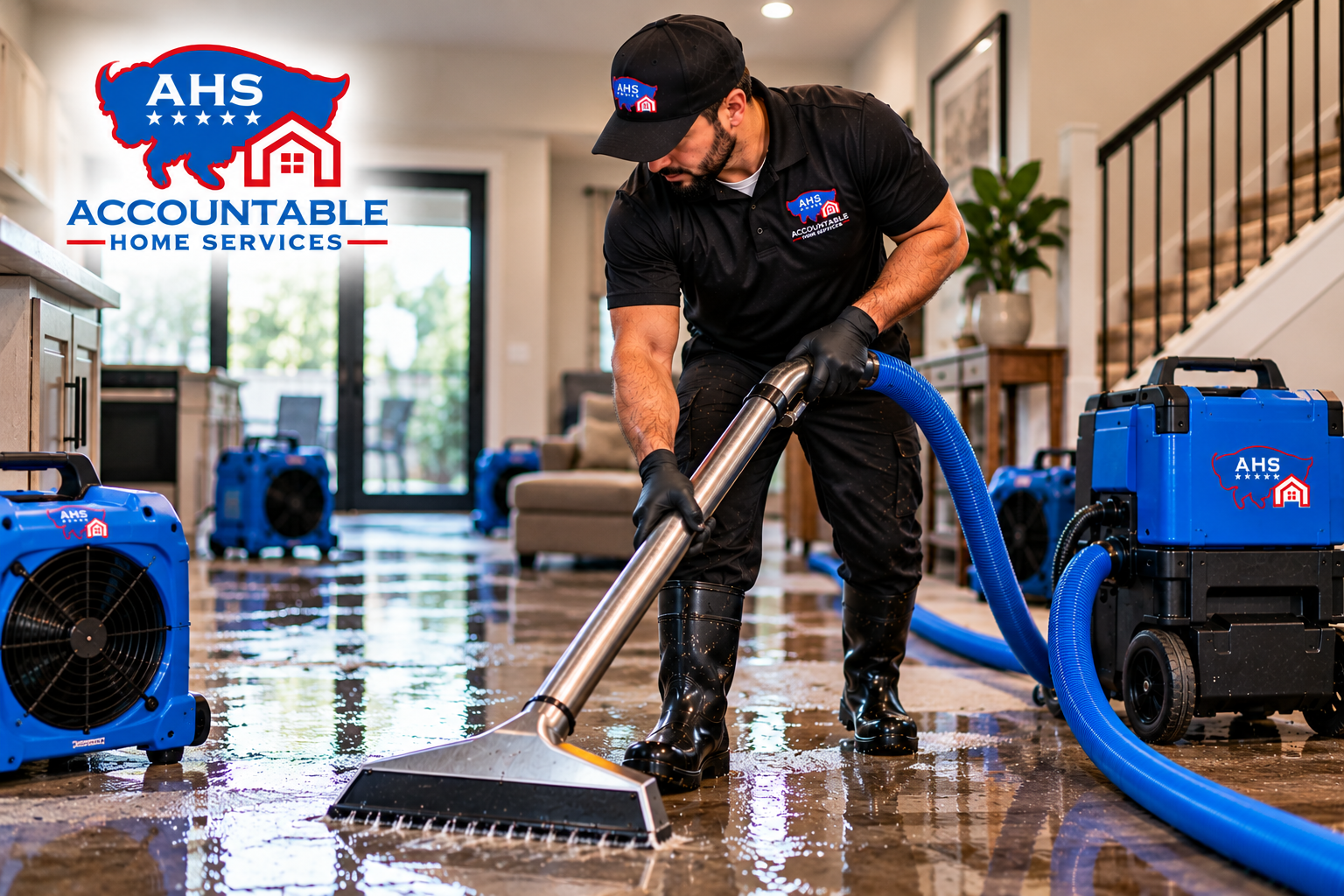
A good restoration process should feel organized, not dramatic. The first priority is safety and stopping the source of water when water is involved. After that, the focus shifts to documenting conditions, checking moisture, deciding whether testing is useful, and building a cleanup plan that fits the actual damage.
A practical process often looks like this:
- Initial call: Share what happened, when it happened, what areas are affected, and whether water is still active.
- Site evaluation: A professional reviews visible damage, moisture conditions, odors, and areas that may need further investigation.
- Testing decision: If a mold test is useful, sample locations are selected based on the concern, not guesswork.
- Documentation: Photos, readings, sample notes, and affected areas are recorded in plain language.
- Next-step plan: The homeowner receives guidance on drying, repair, cleaning, mold remediation, or further evaluation.
- Communication: If an insurance agent, plumber, property manager, or adjuster is involved, clear documentation helps everyone stay on the same page.
This is especially important after mold after water damage, because timing, moisture readings, and photos can matter. Proper documentation does not guarantee claim coverage, but it can help explain the loss clearly and reduce avoidable back-and-forth.
Support for homeowners, agents, plumbers, and property managers
Homeowners need straight answers. Insurance agents need a referral partner who communicates clearly and does not create extra headaches for the client. Plumbers need someone they can call when the pipe is fixed but the water damage, drying, or mold concern is outside their scope. Property managers need fast, calm communication so tenants, owners, and vendors know what is happening.
The Local Restoration Guide approach is simple: identify the concern, look for moisture, document what is found, and recommend the next step without scare tactics. Sometimes that means an air quality mold test or surface sample. Sometimes it means skipping testing and moving straight to fixing the leak, drying the structure, and planning proper cleanup.
If you are dealing with a possible mold issue in Broomfield, start with the facts you can gather now: where the concern is, when it appeared, whether there was recent water damage, and whether materials are still damp. Then reach out for professional mold inspection, mold sampling, or remediation guidance based on what the home actually needs.