How Does Mold Remediation Work in Lone Tree, CO? What Homeowners Should Know
How Does Mold Remediation Work in Lone Tree, CO? What Homeowners Should Know
A Homeowner-Friendly Guide to Mold Remediation in Lone Tree
Finding mold in your home can feel unsettling, especially when you’re not sure how long it has been there or how far it has spread. Whether you’ve noticed a musty smell in the basement, staining near a bathroom vent, or mold after water damage, the most important first step is understanding what happens next.
So, how does mold remediation work? In simple terms, professional mold remediation is the process of finding the source of moisture, containing affected areas, safely removing contaminated materials when needed, cleaning and treating surfaces, and helping restore your home to a healthier condition.
For homeowners in Lone Tree, CO, mold concerns often show up in places where moisture can linger: basements, bathrooms, laundry rooms, crawl spaces, around windows, behind drywall, and near plumbing or appliance leaks. If you suspect a problem, scheduling a mold inspection Lone Tree homeowners can rely on is a smart way to get clear answers before the issue gets worse.
Why Mold Happens in Lone Tree Homes
Mold needs moisture, organic material, and time. Once water enters a home or humidity stays elevated, mold can begin growing on drywall, wood, insulation, carpet backing, ceiling materials, and other porous surfaces.
Common causes of household mold include:
- Plumbing leaks under sinks or behind walls
- Roof or window leaks
- Basement seepage or foundation moisture
- Poor bathroom ventilation
- Appliance leaks from water heaters, dishwashers, or washing machines
- Condensation around windows or exterior walls
- Flooding or water intrusion after storms
- Incomplete drying after water damage
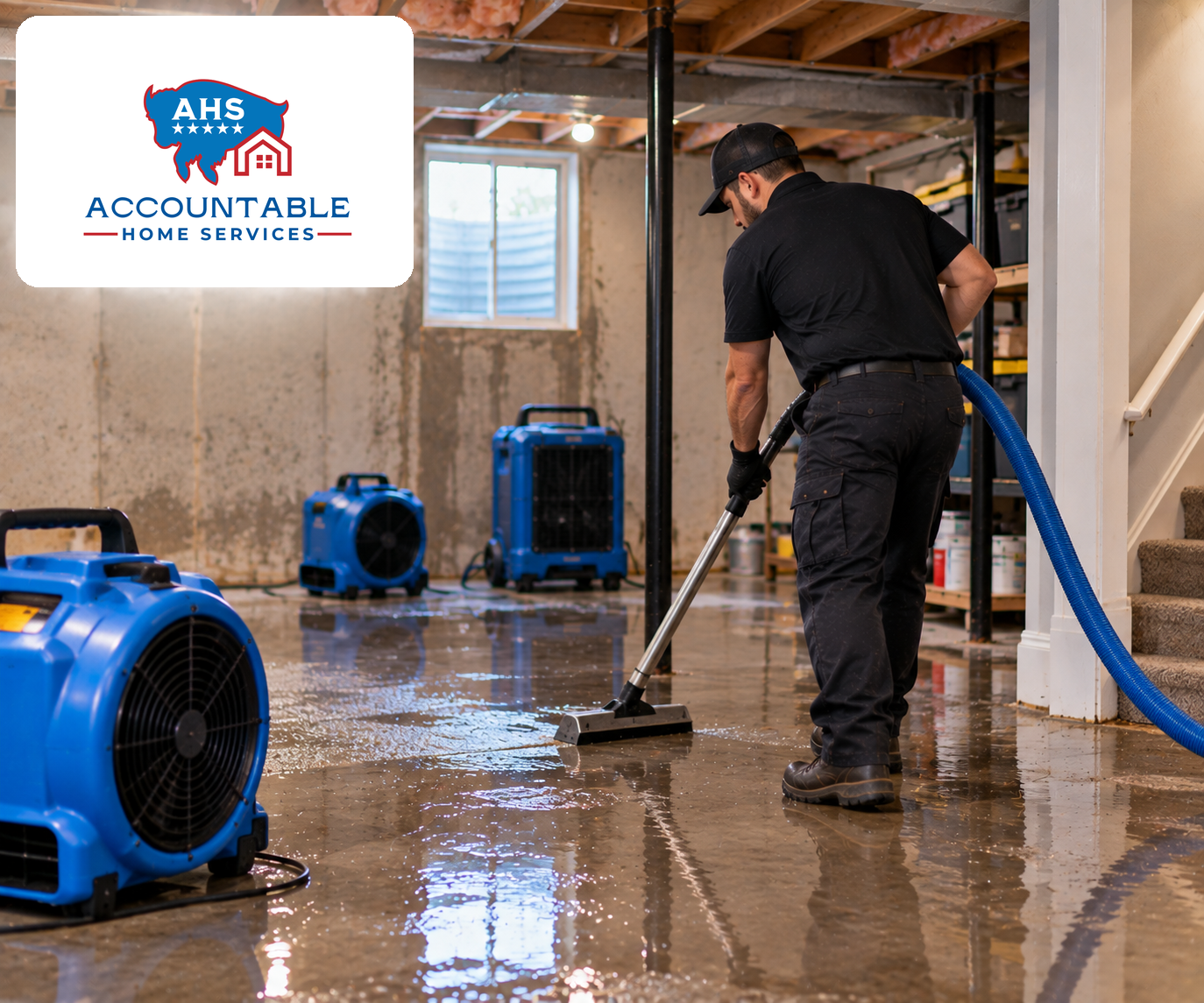
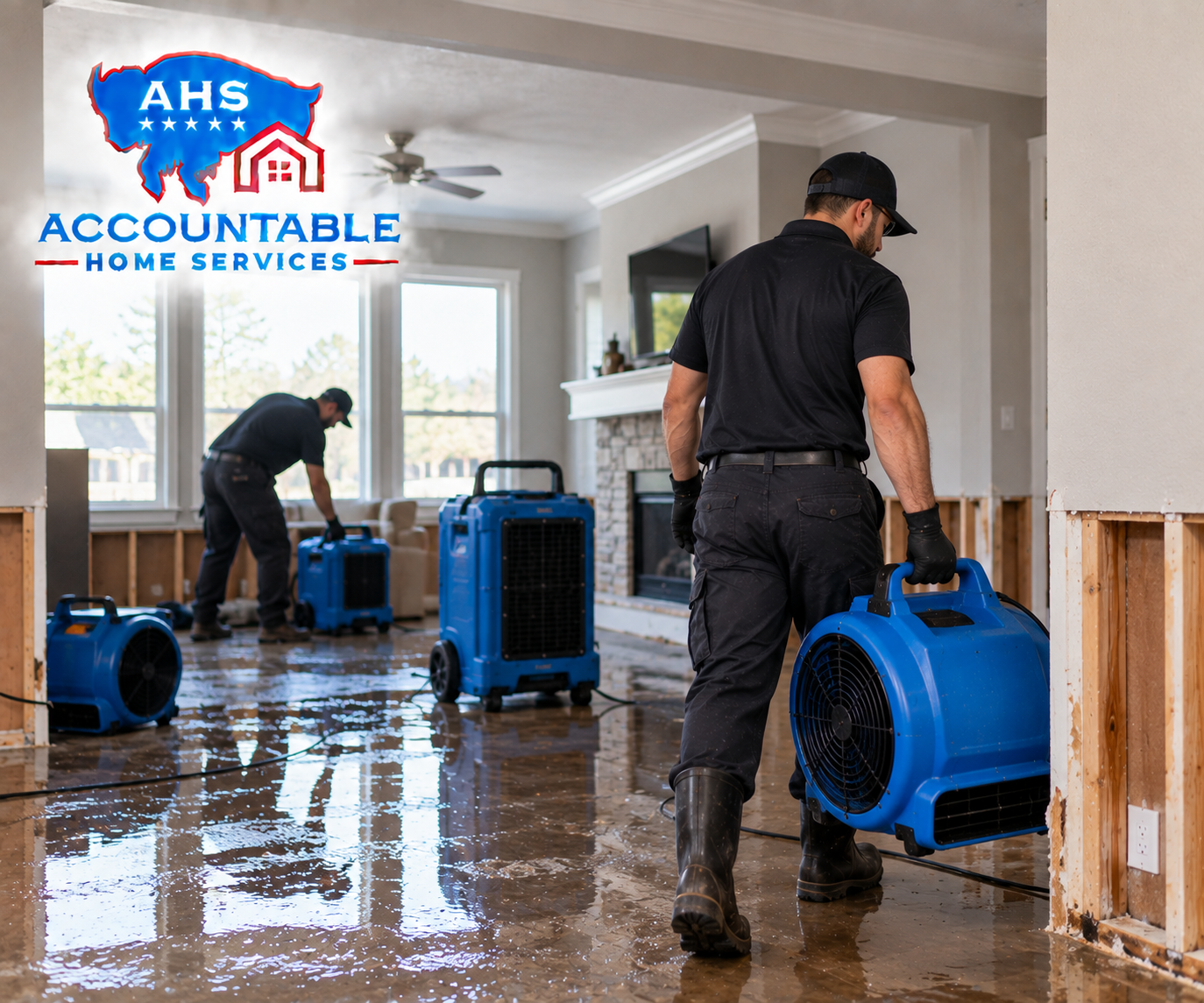
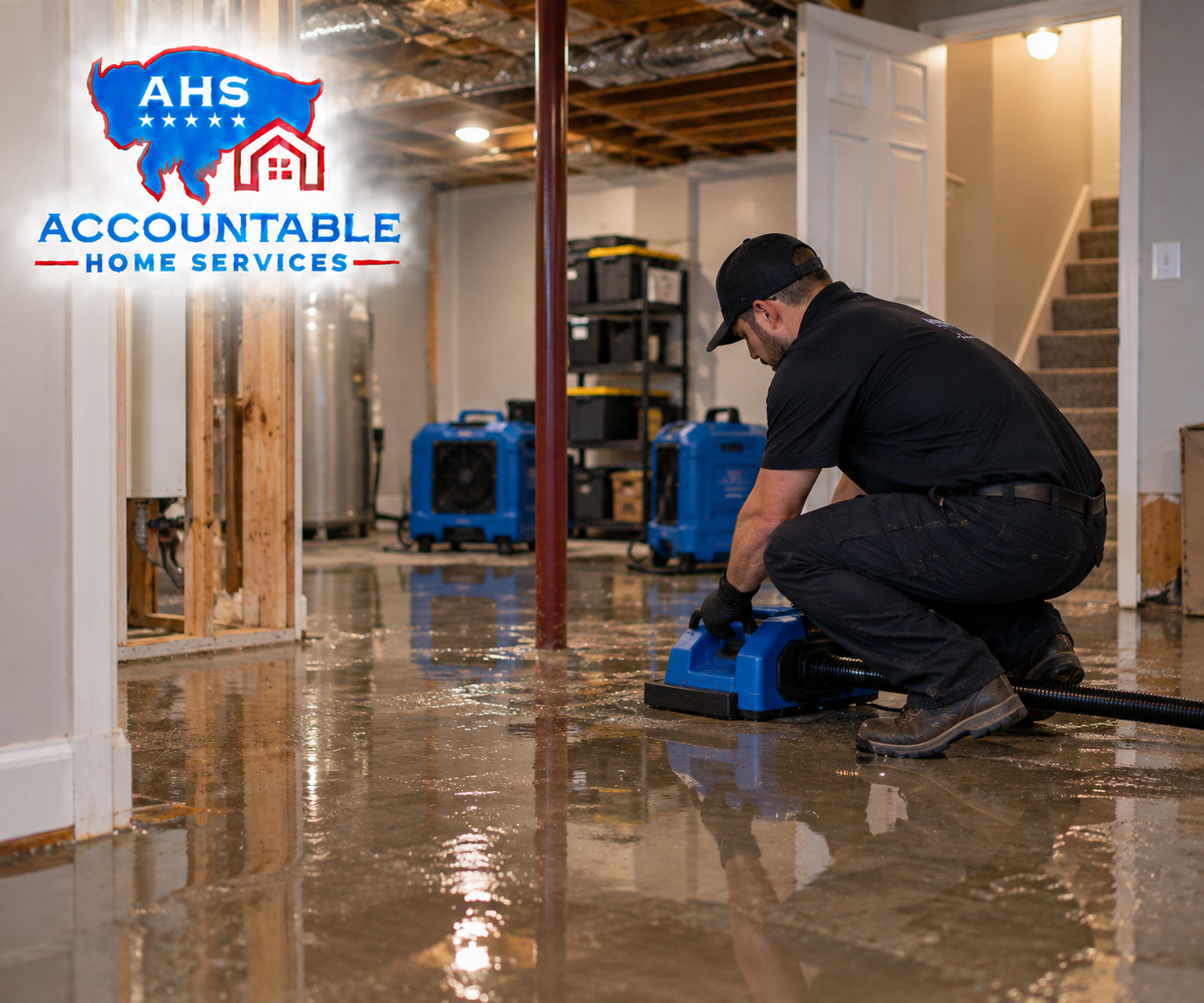
One of the most common situations homeowners face is water damage mold. If a leak, flood, or overflow is not dried quickly and thoroughly, mold can develop in hidden areas. That’s why mold after water damage should always be taken seriously, even if the visible water appears to be gone.
Signs You May Need Mold Remediation
Mold is not always obvious. Sometimes it appears as visible spots on walls or ceilings. Other times, it hides behind materials and only leaves behind clues.
You may need professional help if you notice:
- A persistent musty or earthy odor
- Dark, green, gray, or white spotting on surfaces
- Staining around baseboards, ceilings, or windows
- Peeling paint or bubbling drywall
- Damp carpet or recurring basement moisture
- Mold growth around showers, tubs, or toilets
- Allergy-like symptoms that seem worse indoors
- Past leaks that were never professionally dried
- Warped flooring or soft drywall
If you suspect hidden mold in walls, it’s best not to cut into drywall or disturb materials on your own. Opening contaminated areas without proper containment can spread spores into other rooms. A professional can inspect the space, identify moisture patterns, and recommend the right mold removal process based on the condition of your home.
Step 1: Mold Inspection and Moisture Assessment
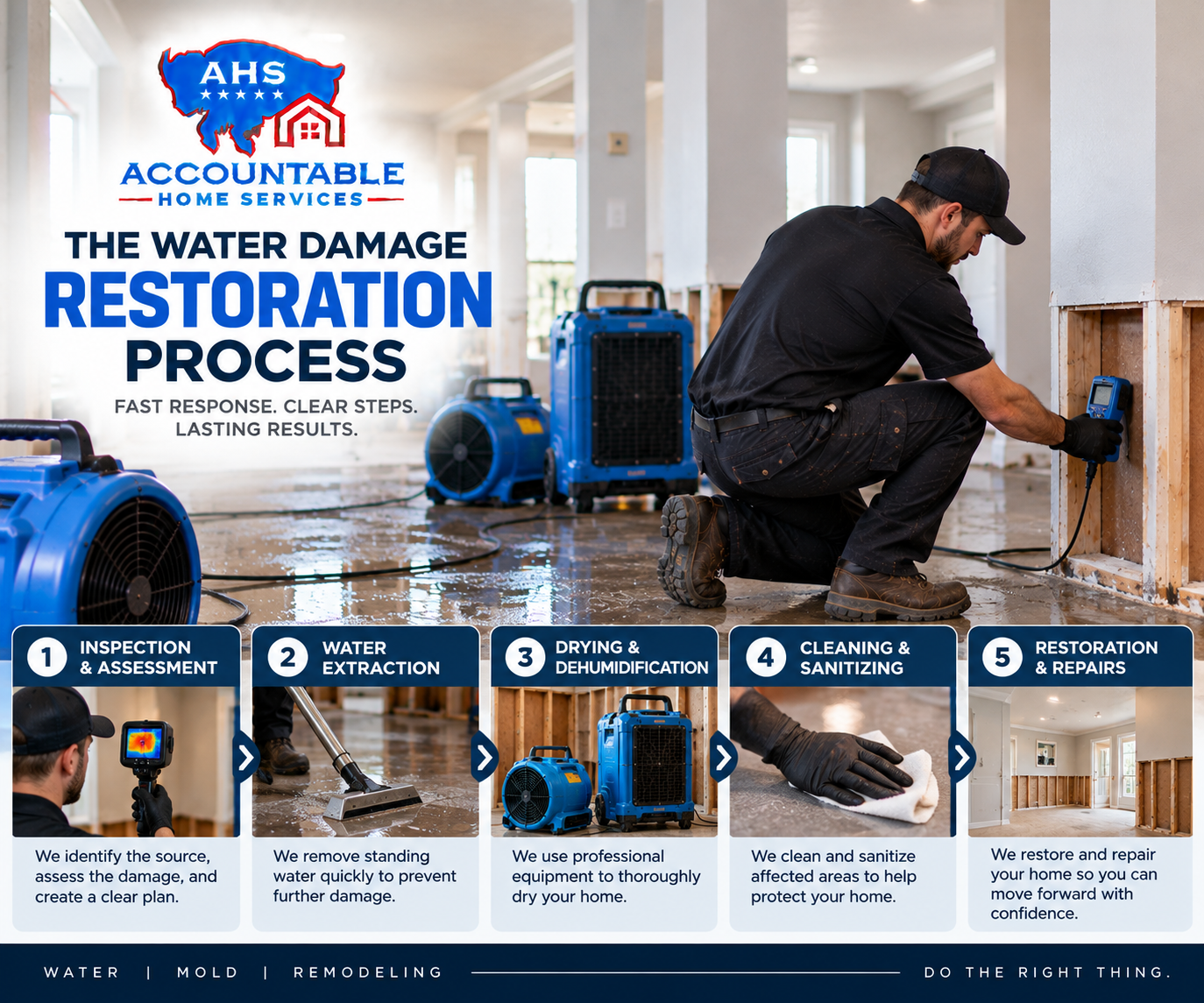
The mold remediation process begins with an inspection. This step is designed to understand where mold may be growing, what caused it, and what materials may be affected.
During a typical inspection, a remediation professional may look at:
- Visible mold growth
- Moisture readings in walls, floors, and ceilings
- Previous leak or water damage areas
- Basement humidity levels
- Bathroom ventilation issues
- Attic or crawl space conditions
- Odors or signs of concealed moisture
For basement mold Lone Tree homeowners often discover the issue after noticing a musty smell, damp storage boxes, or staining near foundation walls. Basements can hold moisture because they are below grade and may have limited airflow. A careful inspection helps determine whether the issue is surface-level or connected to a larger water intrusion problem.
A quality inspection does more than confirm mold is present. It helps answer the most important question: why did the mold grow in the first place? Without addressing the source of moisture, mold can return.
Step 2: Creating a Remediation Plan
Once the affected areas are identified, the next step is creating a clear plan. Not every mold problem requires the same approach. Small areas of bathroom surface mold may need a different solution than widespread contamination after a basement leak.
A remediation plan may include:
- Which rooms or areas need work
- What materials can be cleaned
- What materials may need removal
- How the area will be contained
- What drying or dehumidification is needed
- How contaminated debris will be handled
- What steps are recommended to prevent recurrence
This is where professional mold remediation matters. The goal is not simply to wipe away what you can see. The goal is to control the environment, remove contamination safely, and reduce the chance of mold spreading during the work.
Step 3: Mold Containment
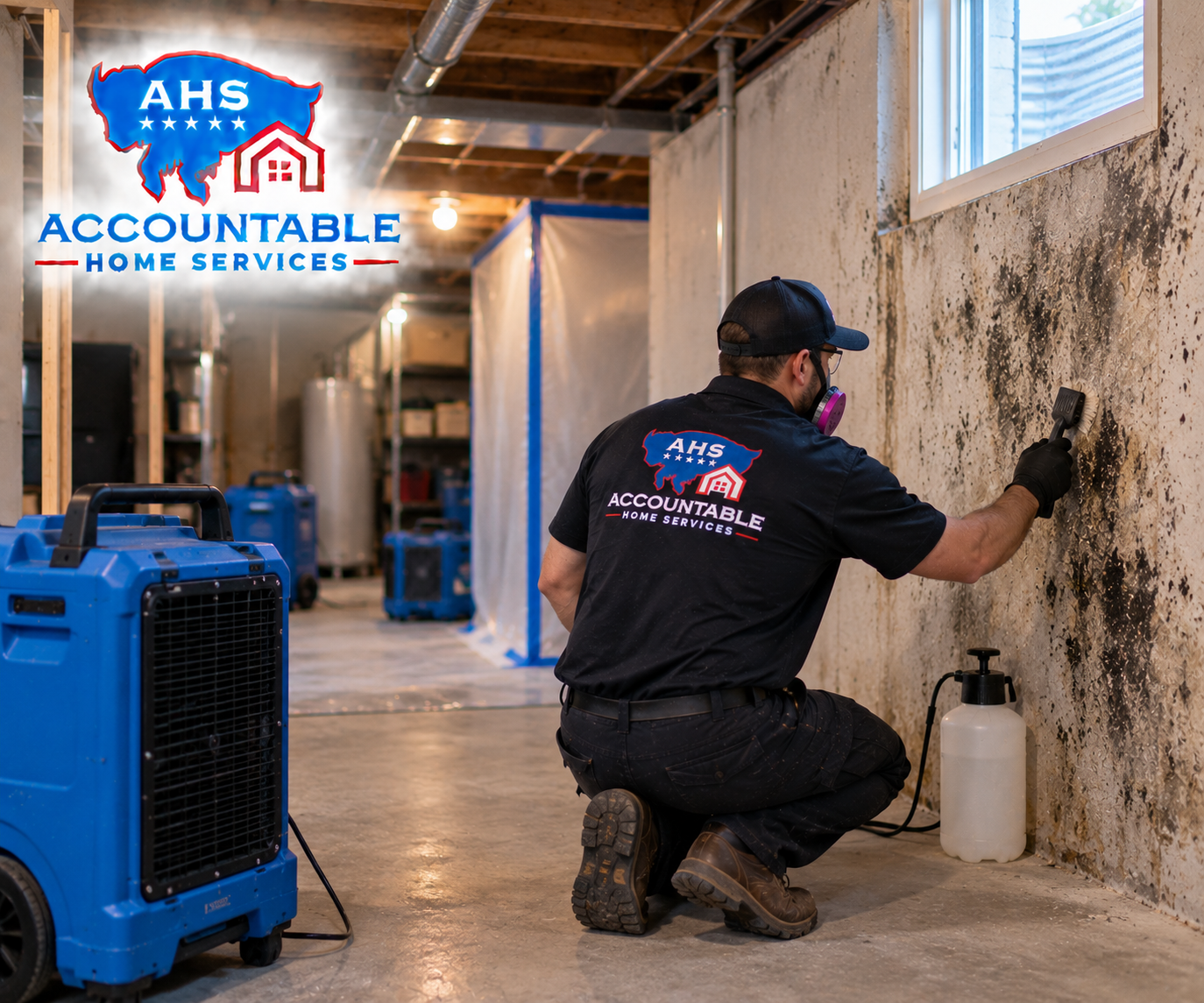
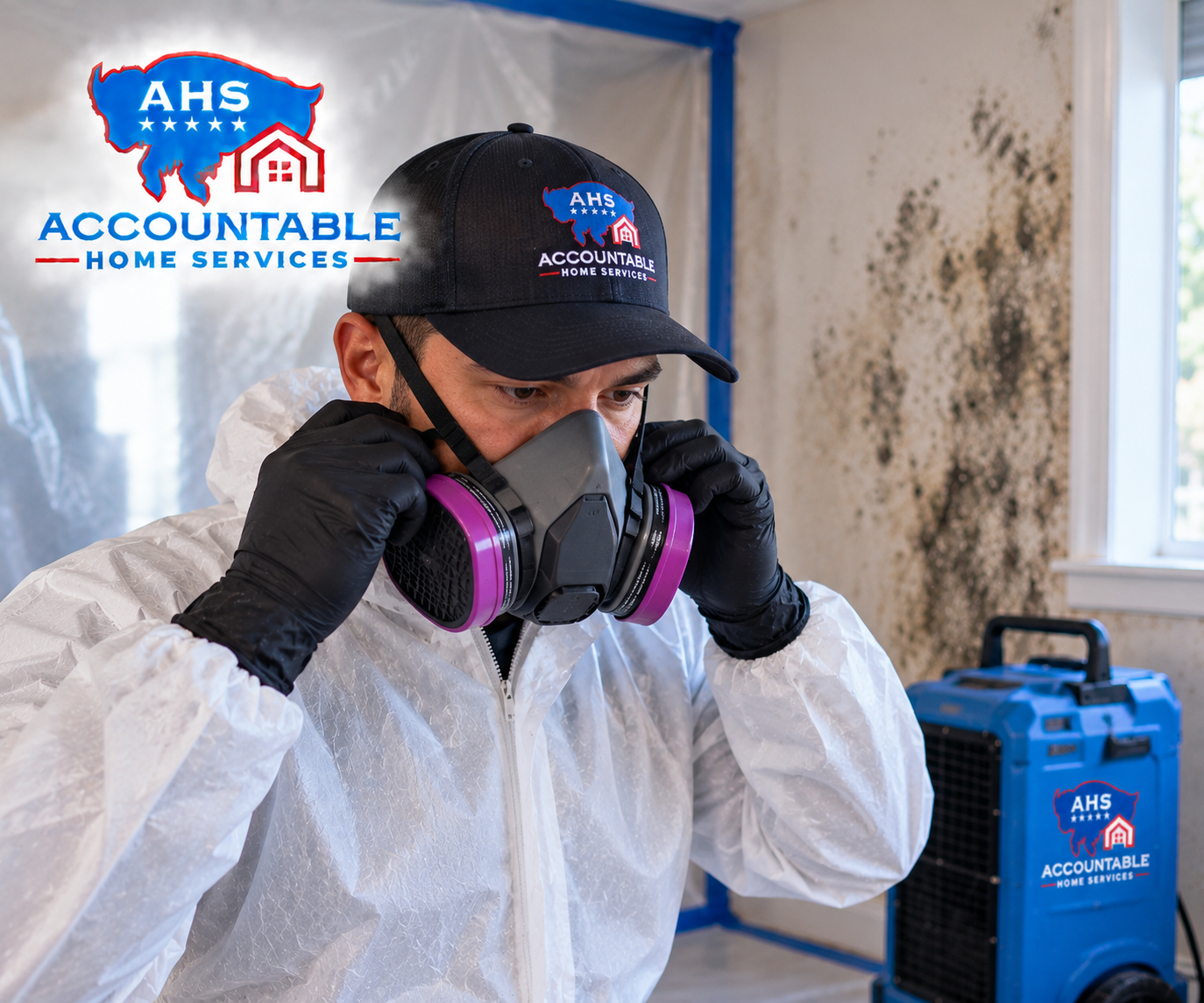
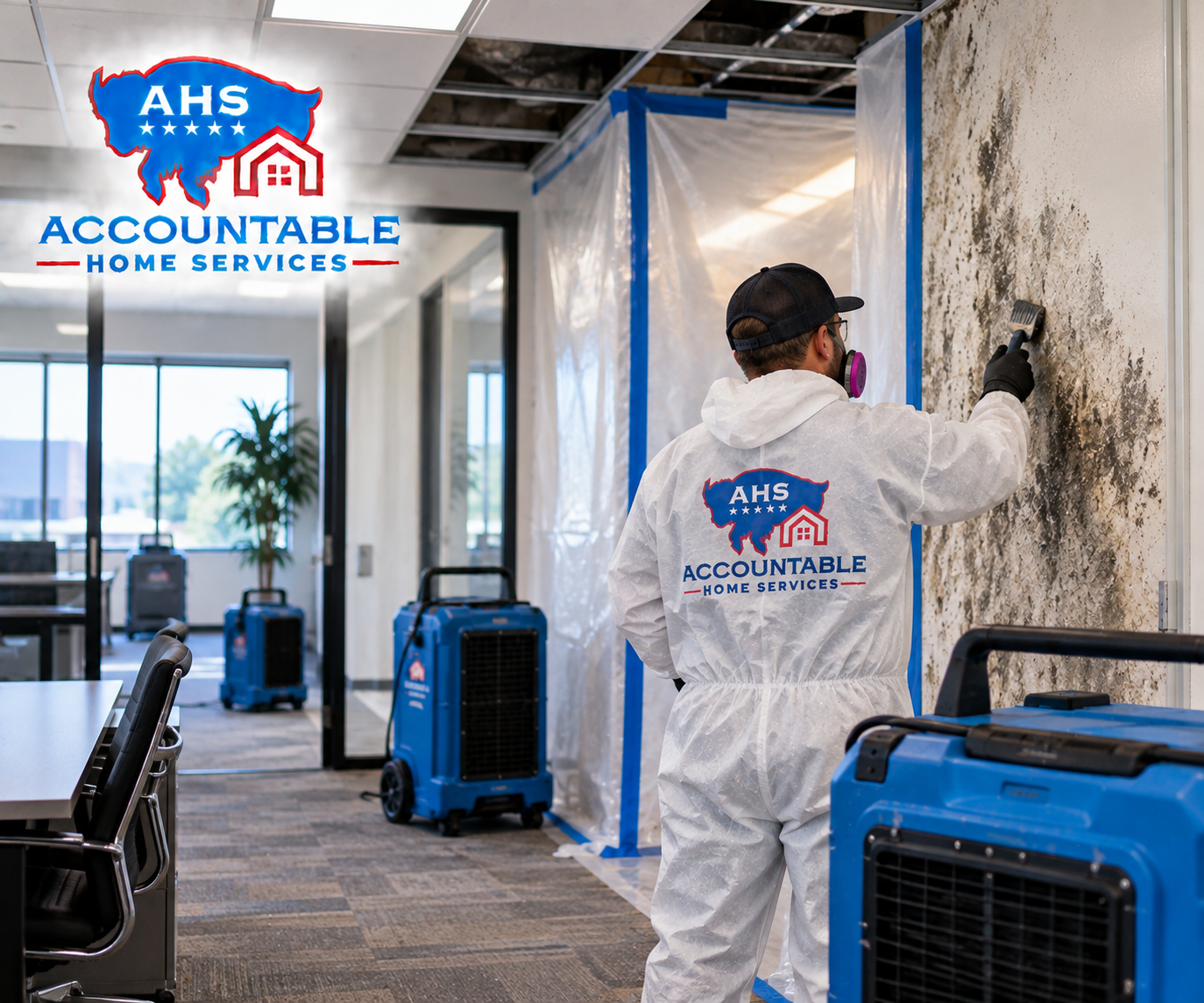
One of the most important parts of remediation is mold containment. Mold spores can become airborne when materials are disturbed. Without containment, a cleanup project in one room can spread particles into hallways, HVAC systems, or nearby living spaces.
Containment may involve:
- Sealing off the affected area with plastic barriers
- Closing vents or protecting HVAC openings
- Using negative air pressure when appropriate
- Setting up air filtration equipment
- Creating controlled entry and exit points
- Protecting clean areas of the home
Containment is especially important for larger projects, black mold remediation, and situations involving hidden contamination behind drywall or under flooring. Homeowners should avoid running fans over suspected mold, sanding affected surfaces, or tearing out materials before containment is in place.
Step 4: Removing Damaged or Contaminated Materials
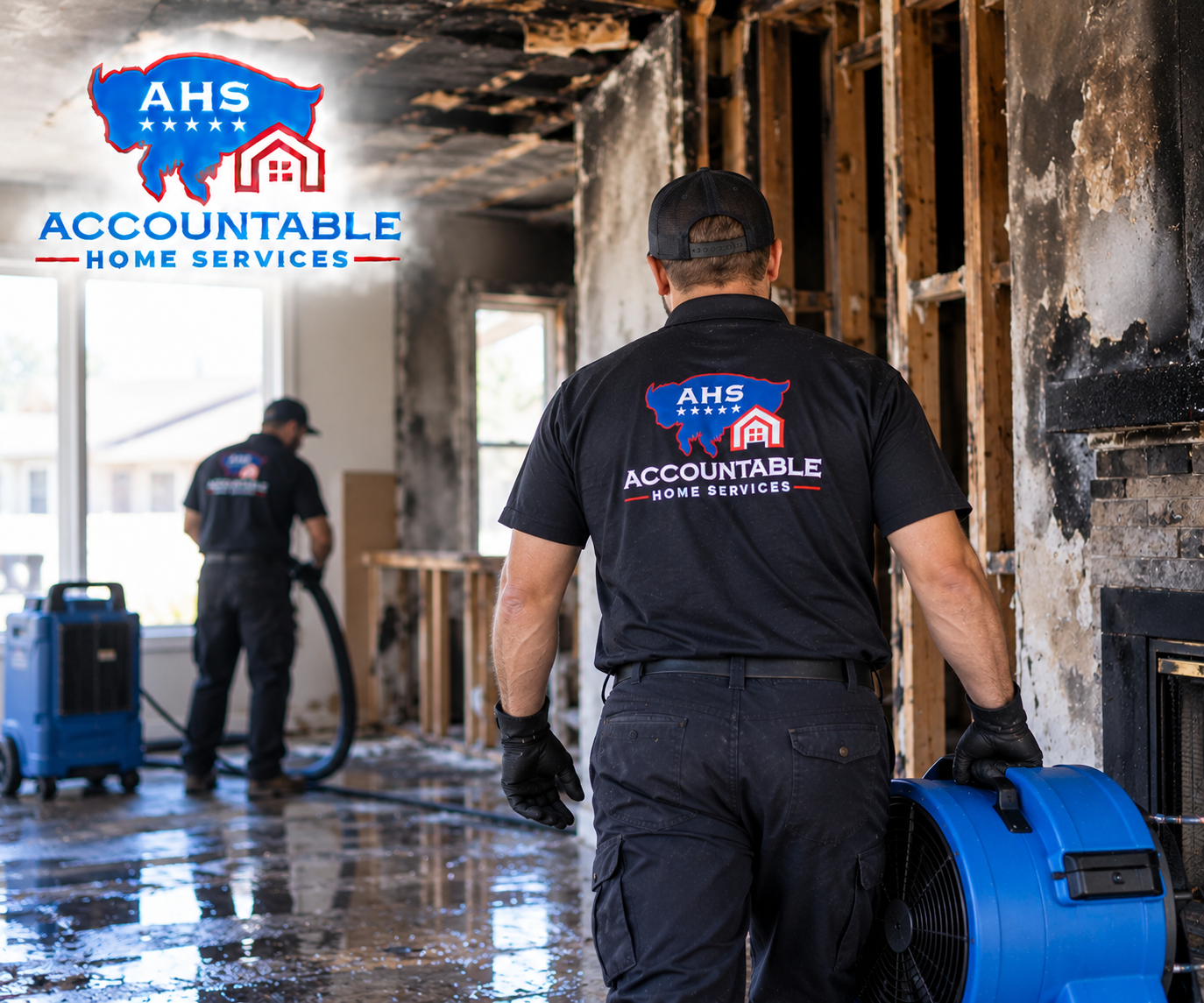
After containment is established, the team can begin removing materials that cannot be safely cleaned. Porous materials often absorb moisture and mold growth more deeply than hard surfaces.
Depending on the situation, removal may include:
- Wet or moldy drywall
- Damaged insulation
- Contaminated carpet or padding
- Water-damaged baseboards or trim
- Severely affected ceiling materials
- Soft or deteriorated wood components
For mold damage restoration Lone Tree homeowners may need after a leak or flood, this step can be one of the most important. Removing damaged materials allows the structure to be cleaned, dried, and prepared for repairs.
The goal is to remove what cannot be restored while preserving what can be safely cleaned. A professional should explain what needs to come out and why, so you feel confident about the work being done in your home.
Step 5: Cleaning, HEPA Vacuuming, and Treatment
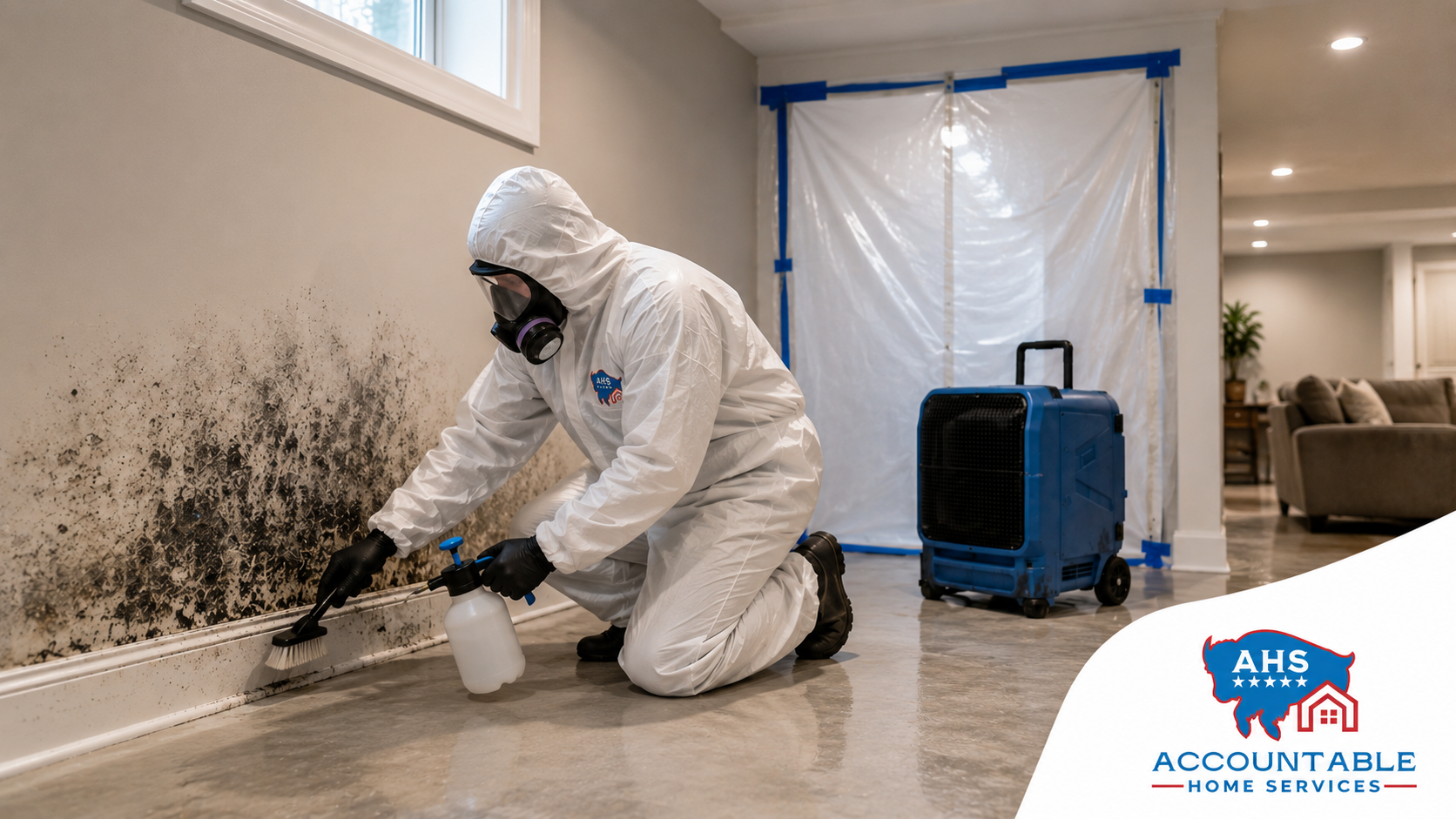
Once damaged materials are removed, the remaining surfaces are cleaned. This may include HEPA vacuuming, damp wiping, scrubbing, and applying appropriate cleaning or antimicrobial products based on the material and condition.
Hard, non-porous surfaces are often easier to clean than porous surfaces. Framing, subflooring, and other structural components may require detailed cleaning and drying before repairs can begin.
This stage of mold removal Lone Tree CO services is detail-oriented. The visible mold is only part of the issue. Dust, settled spores, and contaminated debris must also be addressed inside the contained area.
Step 6: Drying and Moisture Control
Mold remediation is not complete unless the moisture problem is addressed. If materials remain damp or humidity stays high, mold can return.
Drying and prevention steps may include:
- Using dehumidifiers or air movers when appropriate
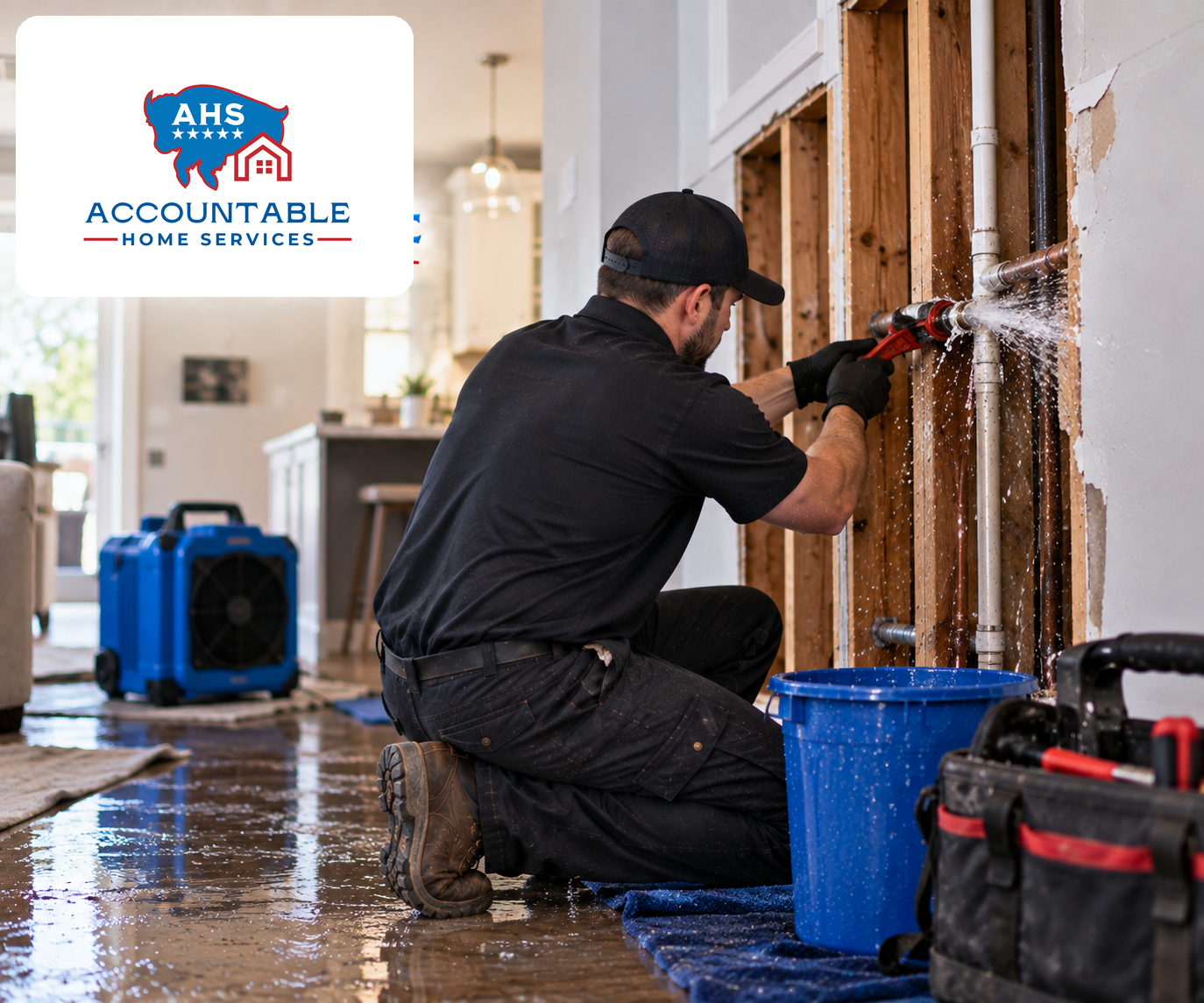
- Repairing leaks or coordinating plumbing repairs
- Improving ventilation in bathrooms or laundry rooms
- Sealing gaps around windows or exterior openings
- Addressing drainage or foundation moisture concerns
- Removing wet storage items from basement areas
- Monitoring humidity levels
For homeowners dealing with bathroom mold removal, moisture control is especially important. Bathrooms need good ventilation and regular drying because steam, condensation, and small leaks can create the perfect environment for mold growth.
Step 7: Verification and Restoration
After cleanup and drying, the area should be reviewed to confirm the work is complete. Depending on the size and scope of the project, this may include a visual inspection, moisture checks, and recommendations for repair.
Restoration may involve replacing drywall, installing new insulation, repainting, repairing trim, or restoring flooring. In some cases, the remediation company may handle both cleanup and restoration. In others, repairs may be completed by a separate contractor.
If you are searching for mold remediation Lone Tree CO, ask what is included in the service. Some companies focus on remediation only, while others offer broader restoration support.
What About Black Mold?
The phrase “black mold” can be scary, but not all dark-colored mold is the same species. That said, any suspected mold growth should be handled carefully, especially when it covers a large area, follows water damage, or appears in hidden spaces.
Black mold remediation usually follows the same core principles as other remediation work: inspection, containment, removal of affected materials, cleaning, drying, and prevention. The key is not guessing at the type of mold based only on appearance. A professional evaluation can help determine the safest and most practical next steps.
Can Homeowners Remove Mold Themselves?
Small areas of surface mold on non-porous materials may sometimes be cleaned by homeowners using proper precautions. However, DIY cleanup is not recommended when:
- The affected area is large
- Mold is inside walls, ceilings, or flooring
- The mold followed flooding or significant water damage
- The home has recurring moisture problems
- You smell mold but cannot see it
- HVAC components may be involved
- Anyone in the home has health sensitivities
- Materials are soft, crumbling, or heavily stained
If the problem involves hidden mold in walls, ongoing leaks, or water damage mold, professional help is the safer choice. Disturbing contaminated materials without containment can make the problem harder and more expensive to fix.
How to Prepare for a Mold Remediation Visit
Before your appointment, you can make the process smoother by taking a few simple steps:
- Make a list of leaks, floods, or moisture issues you know about
- Note when you first noticed odors or visible growth
- Avoid touching or cleaning suspected mold before inspection
- Keep children and pets away from affected areas
- Do not run fans across moldy materials
- Move clean personal items away if it is safe to do so
- Take photos if conditions change before the visit
You do not need to diagnose the problem yourself. A good remediation professional will walk you through what they find, explain the likely source, and outline the next steps clearly.
Choosing Mold Remediation Services in Lone Tree, CO
When comparing local providers, look for a company that communicates clearly and treats your home with care. The right team should be willing to explain the process, answer questions, and help you understand both cleanup and prevention.
Helpful questions to ask include:
- Do you provide a moisture assessment before remediation?
- How will you contain the affected area?
- What materials may need to be removed?
- How do you help prevent spores from spreading?
- Will you identify the source of moisture?
- Do you offer restoration after remediation?
- What should I do before and after the appointment?
Choosing a local company for mold removal Lone Tree CO can also help because local teams are familiar with common home layouts, basement moisture concerns, and seasonal conditions in the area.
Preventing Mold From Coming Back
After remediation, prevention becomes the priority. Mold needs moisture, so keeping your home dry is the best long-term strategy.
Simple prevention tips include:
- Fix leaks promptly
- Use bathroom exhaust fans during and after showers
- Keep basement humidity under control
- Dry water spills quickly
- Avoid storing cardboard boxes directly on basement floors
- Check under sinks and around appliances regularly
- Clean gutters and direct water away from the foundation
- Watch for condensation around windows
- Schedule an inspection after major water damage
If your home has had repeated moisture issues, a follow-up inspection may be worthwhile. Prevention is often easier and less disruptive than another remediation project.
Get Help With Mold Concerns in Lone Tree
Mold can feel overwhelming, but the right plan makes it manageable. Whether you’re dealing with bathroom mold, basement odors, staining after a leak, or suspected mold inside walls, professional guidance can help you protect your home and make informed decisions.
If you need mold remediation Lone Tree CO services, start with an inspection. A local professional can evaluate the source, explain the mold remediation process, provide options for cleanup, and help you move toward a safer, drier home.
Have questions about mold removal Lone Tree CO or need help after water damage? Reach out today to schedule a mold inspection and get clear next steps for your home.