Mold Inspector Near Me in Broomfield, CO: What Homeowners Should Know
Mold Inspector Near Me in Broomfield, CO: What Homeowners Should Know
When you search for a mold inspector near me, you’re usually not browsing casually. You may have noticed a musty smell, found staining near a window, dealt with a leak, or started wondering if your home’s air feels heavier than it should. For Broomfield homeowners, mold concerns are especially important because moisture can hide in basements, attics, wall cavities, crawl spaces, and areas affected by snowmelt, plumbing leaks, roof issues, or past water intrusion.
A careful, professional mold inspection can help you understand what’s happening inside your home before small moisture problems turn into larger repair needs. Whether you’re worried about hidden mold in walls, need mold testing Broomfield CO residents can rely on, or want guidance after recent water damage, knowing what to expect makes the process less stressful.
Why Mold Inspections Matter for Broomfield Homes
Mold needs moisture, organic material, and the right conditions to grow. Unfortunately, most homes provide plenty of surfaces mold can live on, including drywall, wood framing, insulation, carpet backing, cardboard, and dust. The missing ingredient is usually excess moisture.
That moisture may come from obvious events, such as a burst pipe or flooded basement. It can also come from less visible problems, including condensation, poor ventilation, slow roof leaks, leaking appliances, foundation seepage, or humidity buildup. That is why water damage mold often appears in places homeowners do not immediately check.
A mold inspector Broomfield CO homeowners contact should look beyond surface spots. The goal is to identify signs of moisture, evaluate areas where mold may be present, and recommend next steps based on what is actually found.
Common Reasons to Schedule a Mold Inspection
You do not always need to see mold to have a reason for concern. Many homeowners schedule mold inspection Broomfield services because something feels off, smells unusual, or follows a recent home issue.
Common reasons include:
- A persistent musty odor in one room or throughout the home
- Past or recent leaks from plumbing, roofing, windows, or appliances
- Water stains on ceilings, walls, trim, or flooring
- Damp carpet, warped flooring, or soft drywall
- Visible black, green, gray, or white spotting on surfaces
- Allergy-like symptoms that seem worse indoors
- Condensation on windows or exterior walls
- Concerns before buying or selling a home
- Moisture issues in a basement, attic, crawl space, or bathroom
- A need to document conditions after water damage
If your home has experienced mold after water damage, it is especially important to act quickly. Moisture that is not fully dried can create conditions where mold begins developing behind surfaces, under flooring, or inside wall cavities.
What a Professional Mold Inspection Usually Includes
A reliable mold inspection is not just a quick look around the room. It is a systematic review of moisture-prone areas, visible conditions, and potential sources of growth.
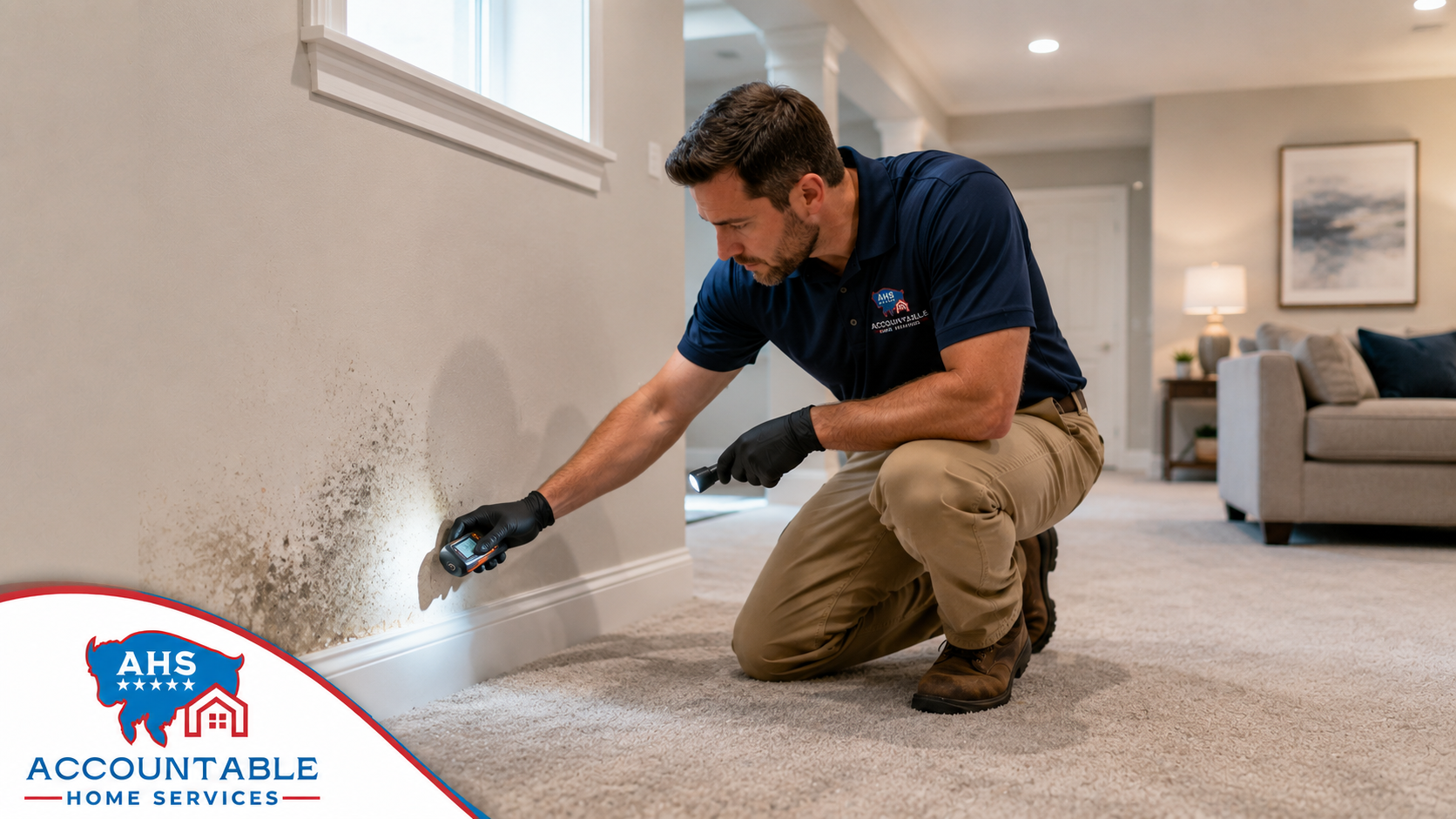
Depending on the home and the concern, a professional mold inspection may include:
- A homeowner interview about leaks, odors, health concerns, and property history
- Visual inspection of suspect areas
- Moisture readings in walls, floors, ceilings, or trim
- Inspection of basements, attics, bathrooms, laundry rooms, kitchens, and utility areas
- Evaluation of ventilation and humidity concerns
- Identification of visible fungal growth or staining
- Recommendations for mold testing Broomfield CO homeowners may need
- Guidance on whether cleaning, repair, or remediation should be considered
The best inspections help you understand the source of the problem, not just the appearance of the surface. Mold often returns when the underlying moisture issue is ignored.
Mold Testing: When Is It Helpful?
Not every situation requires laboratory testing. If visible mold is present and the moisture source is clear, a qualified inspector may be able to recommend next steps without sampling. However, testing can be useful when growth is hidden, the source is unclear, odors are present without visible signs, or documentation is needed.
Common testing options may include:
- Indoor air samples to compare with outdoor baseline conditions
- Surface samples from visible growth
- Tape lifts or swabs from suspect materials
- Samples from specific rooms where symptoms or odors are reported
Testing can help support decisions about mold removal Broomfield CO homeowners may need, but it should be paired with a physical inspection. Air samples alone do not always tell the full story. A strong inspection combines observations, moisture data, property history, and testing when appropriate.
Where Mold Commonly Hides in Broomfield Homes
Mold is not always visible on the surface. In many cases, the most concerning growth develops in areas that stay damp but are rarely inspected.
Basements
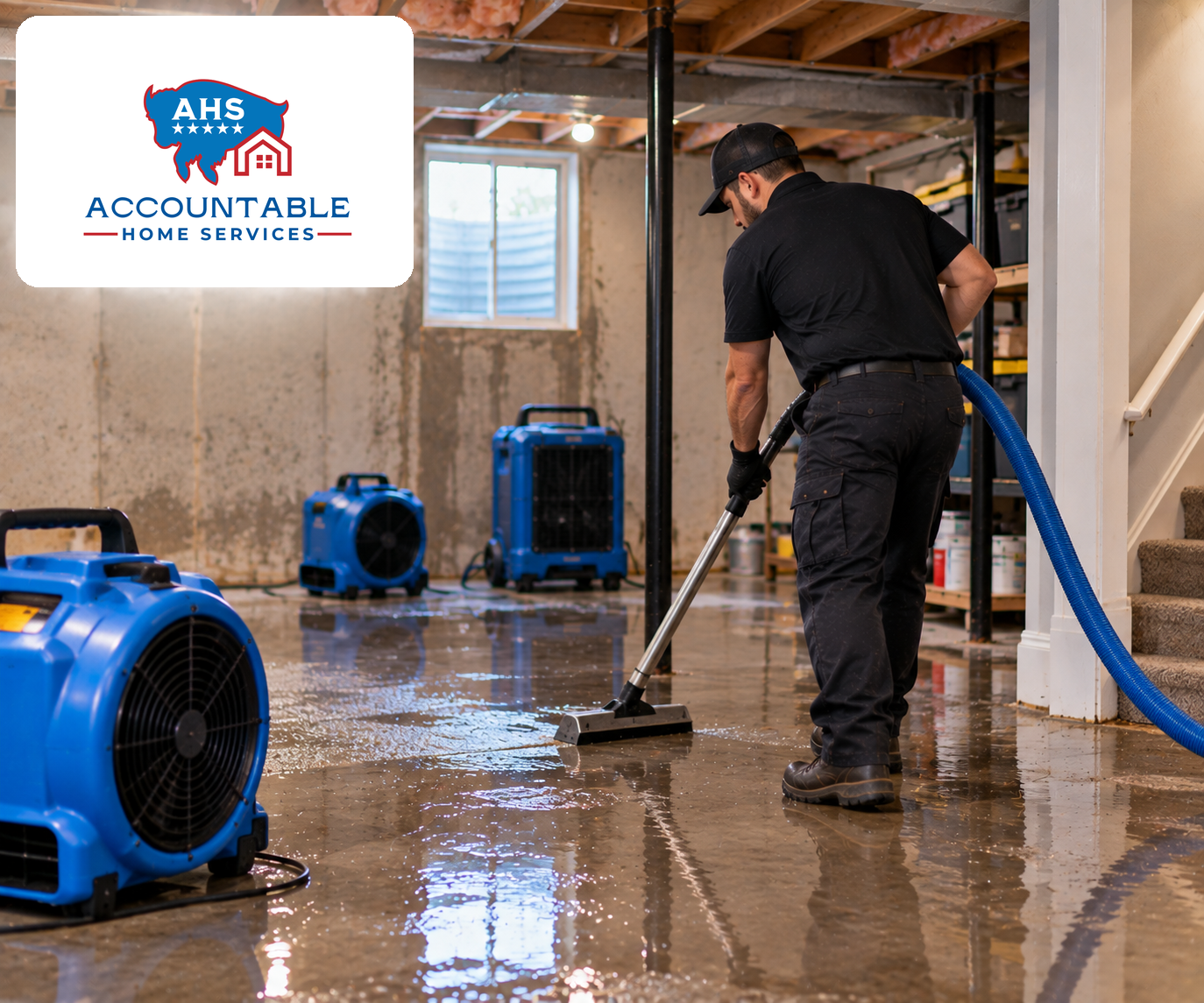
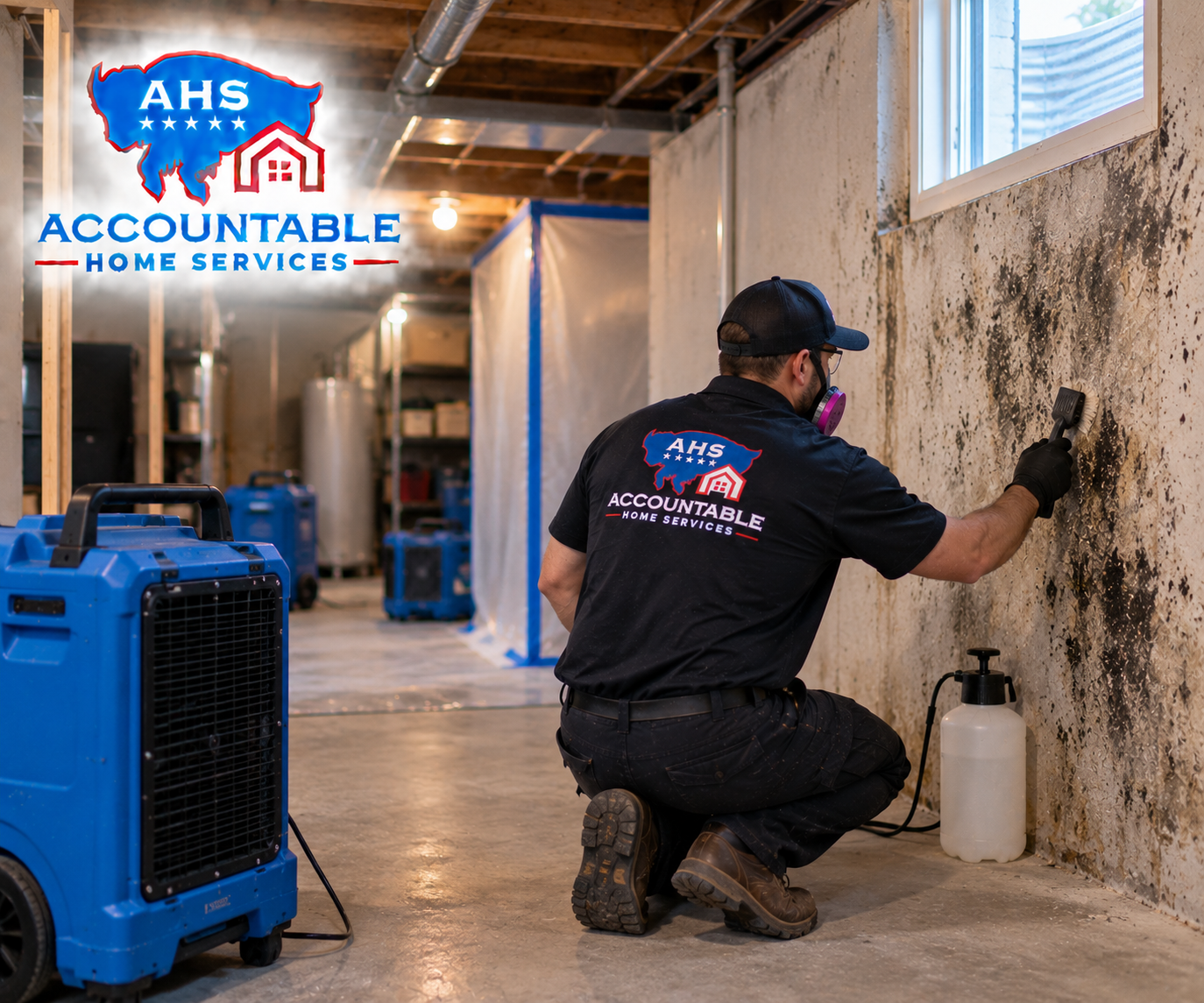
A basement mold inspection is common in Broomfield because lower levels can be vulnerable to foundation moisture, sump issues, poor air circulation, and plumbing leaks. Finished basements may hide moisture behind drywall, under carpet, or near baseboards.
Signs of basement moisture can include musty odors, efflorescence on concrete, peeling paint, rust on metal fixtures, or damp storage boxes. Even if the basement looks clean, moisture readings may reveal areas worth investigating.
Attics
An attic mold inspection can uncover issues related to roof leaks, bathroom fan ventilation, blocked soffit vents, or poor air movement. Mold in attics is often found on roof sheathing, framing, or around penetrations where warm indoor air meets cold surfaces.
If you see dark staining on attic wood, that does not automatically confirm active mold growth, but it should be evaluated. Ventilation and moisture source correction are key to preventing ongoing attic problems.
Wall Cavities
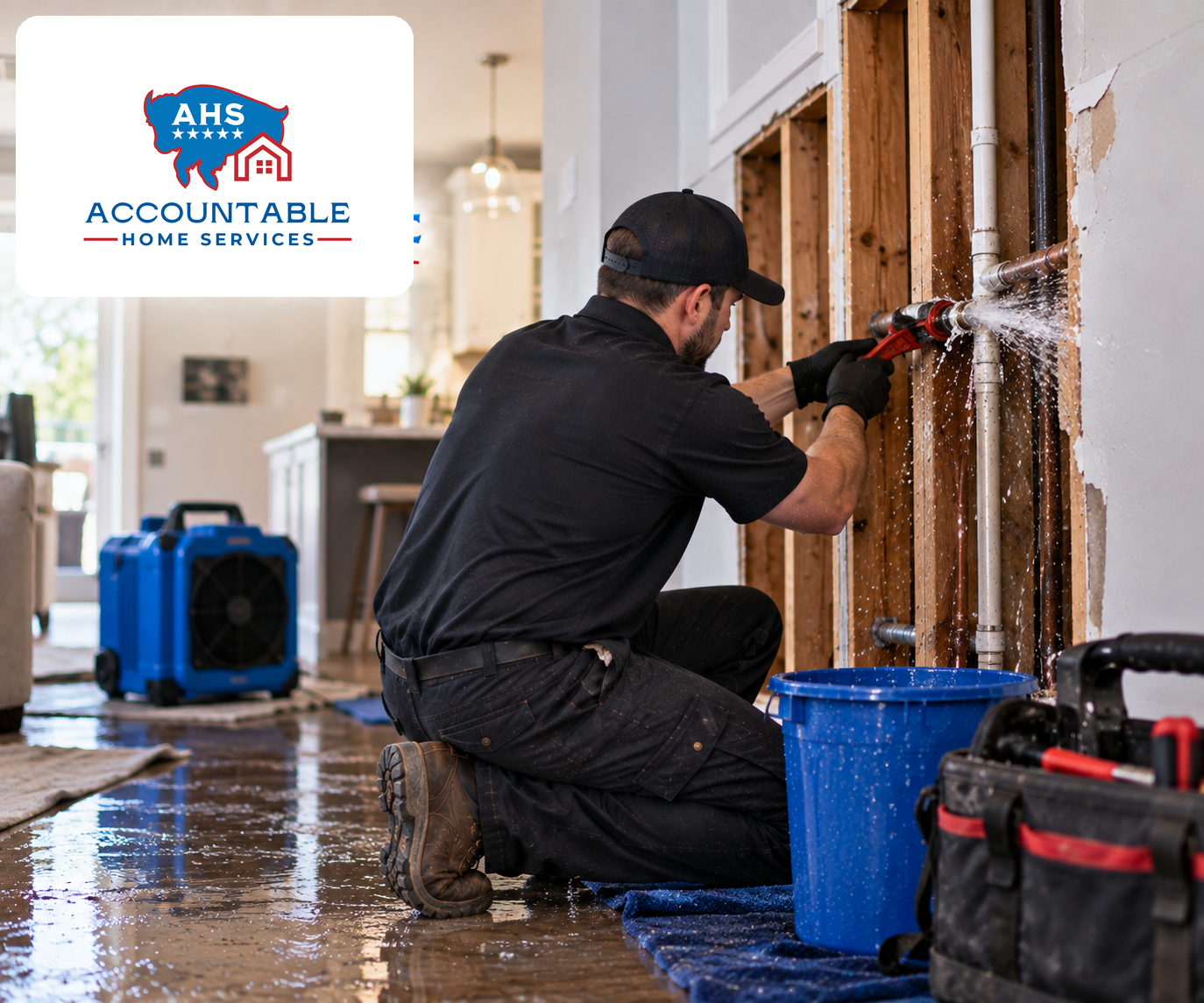
Hidden mold in walls can develop after plumbing leaks, window leaks, exterior drainage issues, or water intrusion from storms. Because drywall can appear normal from the outside, homeowners may only notice odor, bubbling paint, soft material, or recurring stains.
Inspectors may use moisture meters and other non-invasive tools to identify areas that need closer review. In some cases, limited exploratory work may be recommended by the appropriate professional.
Bathrooms and Laundry Areas
Bathrooms and laundry rooms experience routine humidity and frequent water use. Mold may grow around tubs, showers, vanities, washing machines, supply lines, and exhaust fans. Surface mildew is common, but recurring growth may point to ventilation or hidden leakage problems.
Kitchens and Appliances
Dishwashers, refrigerator supply lines, sinks, and ice makers can leak slowly for weeks or months before a homeowner notices. Cabinet bases, flooring, and adjacent walls should be inspected if staining, odors, or soft materials appear.
Black Mold Inspection: What Homeowners Should Understand
Many homeowners ask for a black mold inspection after seeing dark staining. While some molds are dark in color, appearance alone cannot confirm the type of mold. Laboratory analysis is typically needed to identify specific mold types.
The bigger concern is not just color. Any mold growth inside a home should be taken seriously because it indicates a moisture problem and potential indoor air quality concern. A qualified inspector can help determine whether the dark material is consistent with mold growth, whether testing is appropriate, and what steps should follow.
Mold After Water Damage: Why Timing Matters
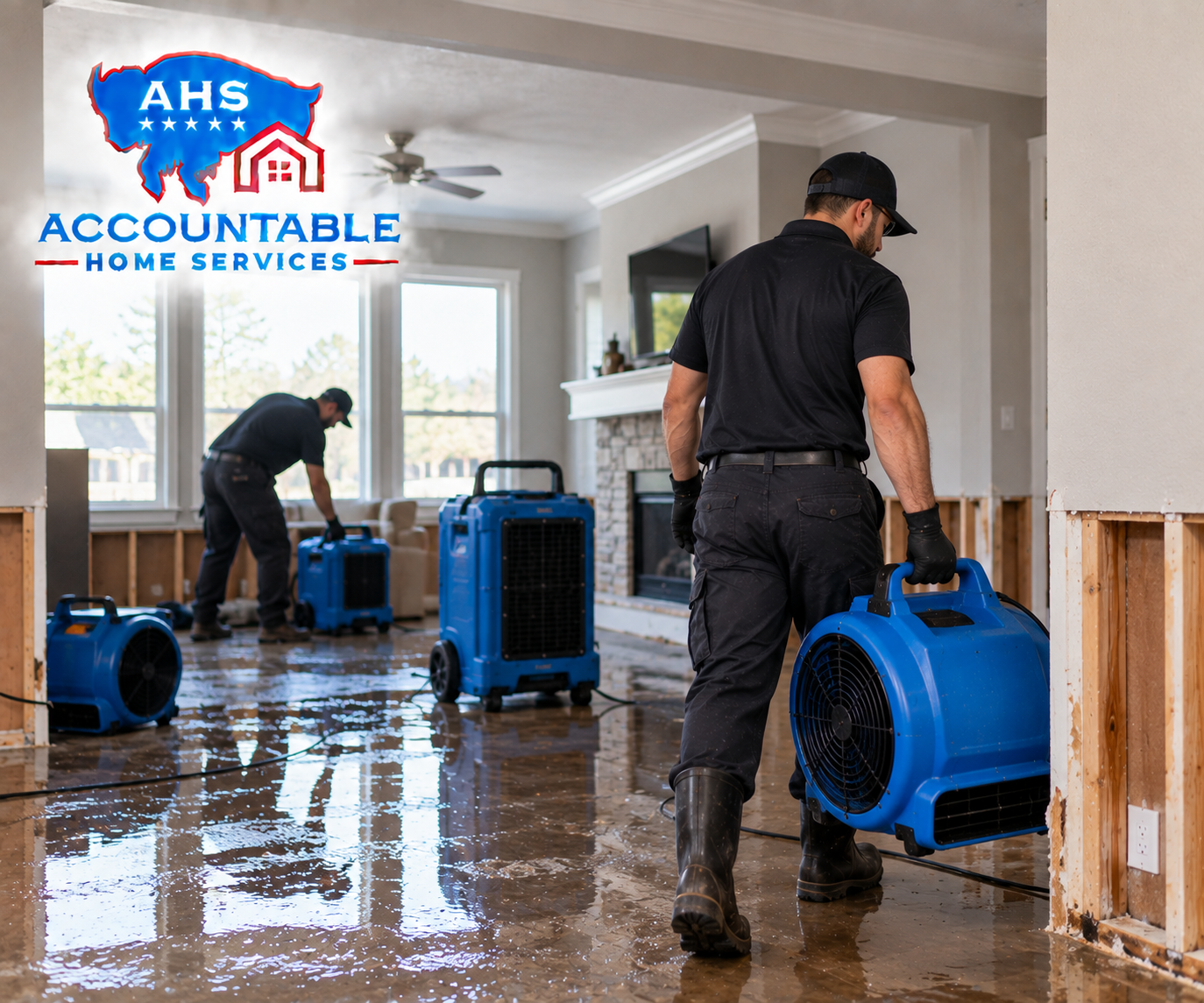
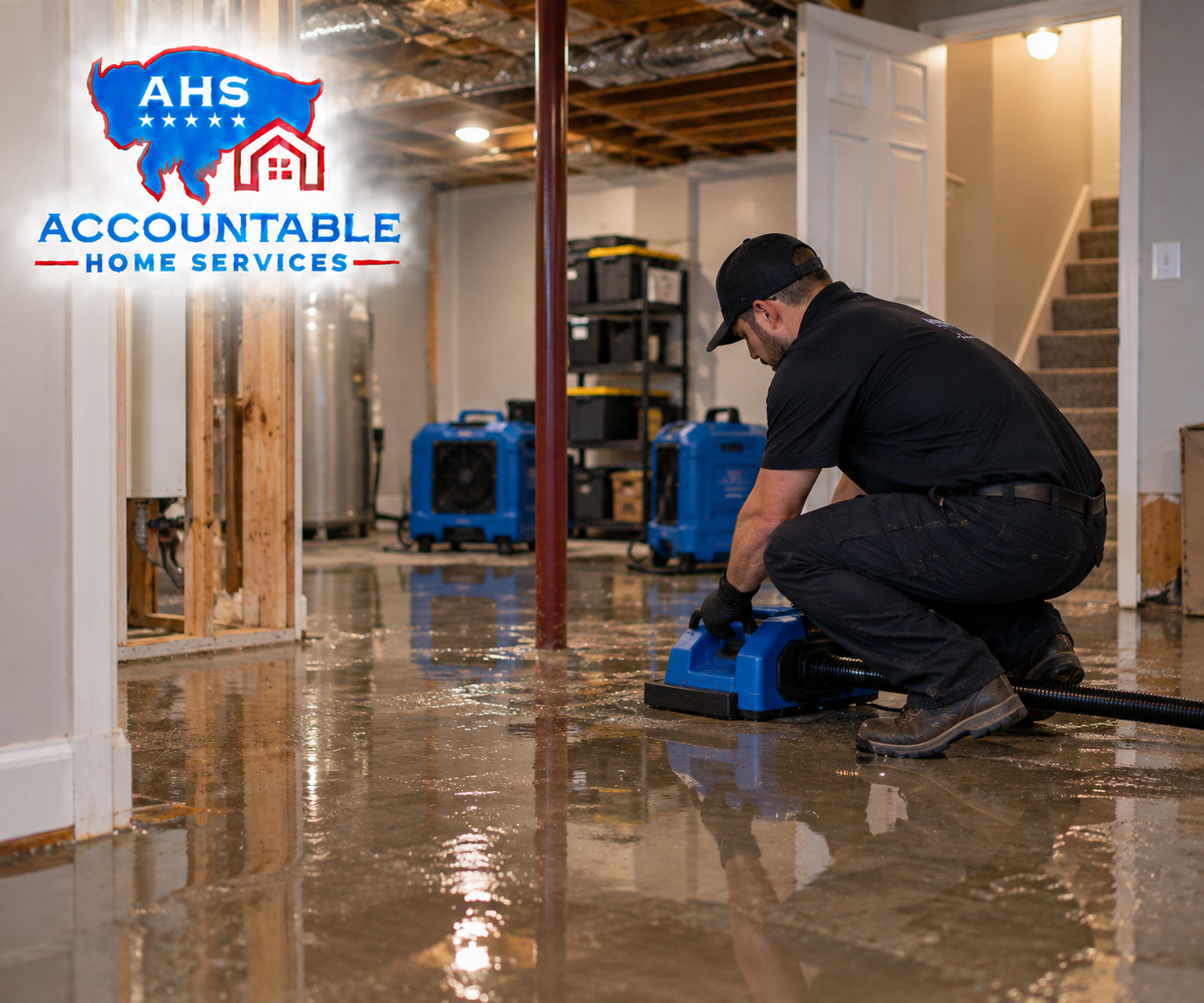
If your home has had a leak, flood, overflow, or roof intrusion, mold prevention starts with drying. Mold after water damage can become an issue when wet materials are not fully dried, removed, or monitored.
Common water damage situations that may lead to mold include:
- Burst pipes inside walls or ceilings
- Water heater failures
- Dishwasher or washing machine leaks
- Toilet overflows
- Basement seepage
- Roof leaks after storms or snow
- Window or door flashing failures
- HVAC condensation issues
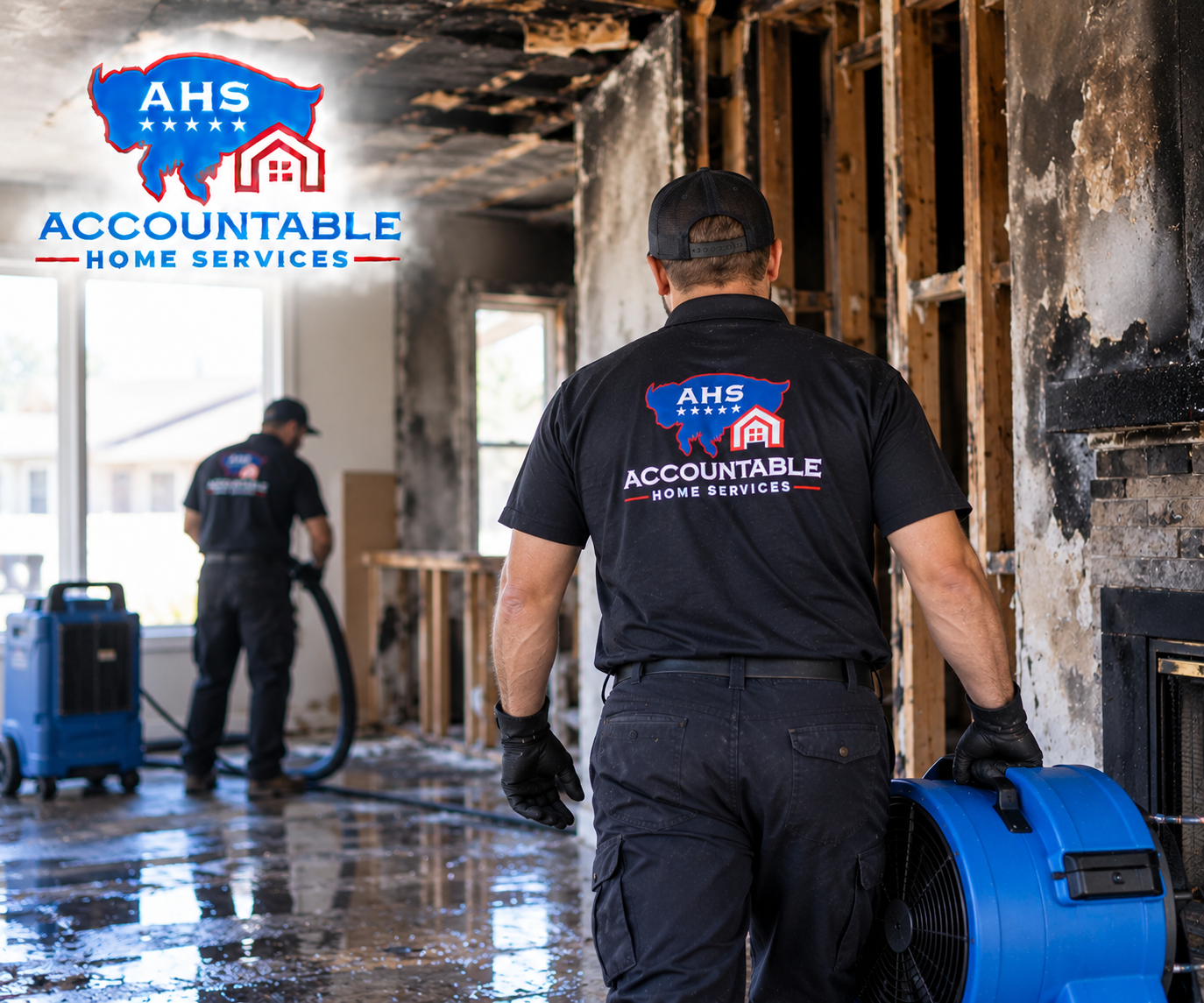
If you suspect water damage mold, do not rely only on what looks dry at the surface. Drywall, insulation, subflooring, and framing may retain moisture after the visible water is gone. A moisture-focused inspection can help determine whether additional drying, removal, or mold damage restoration Broomfield services may be needed.
Mold Remediation vs. Mold Inspection
Homeowners often use terms like inspection, testing, removal, and remediation interchangeably, but they are not the same.
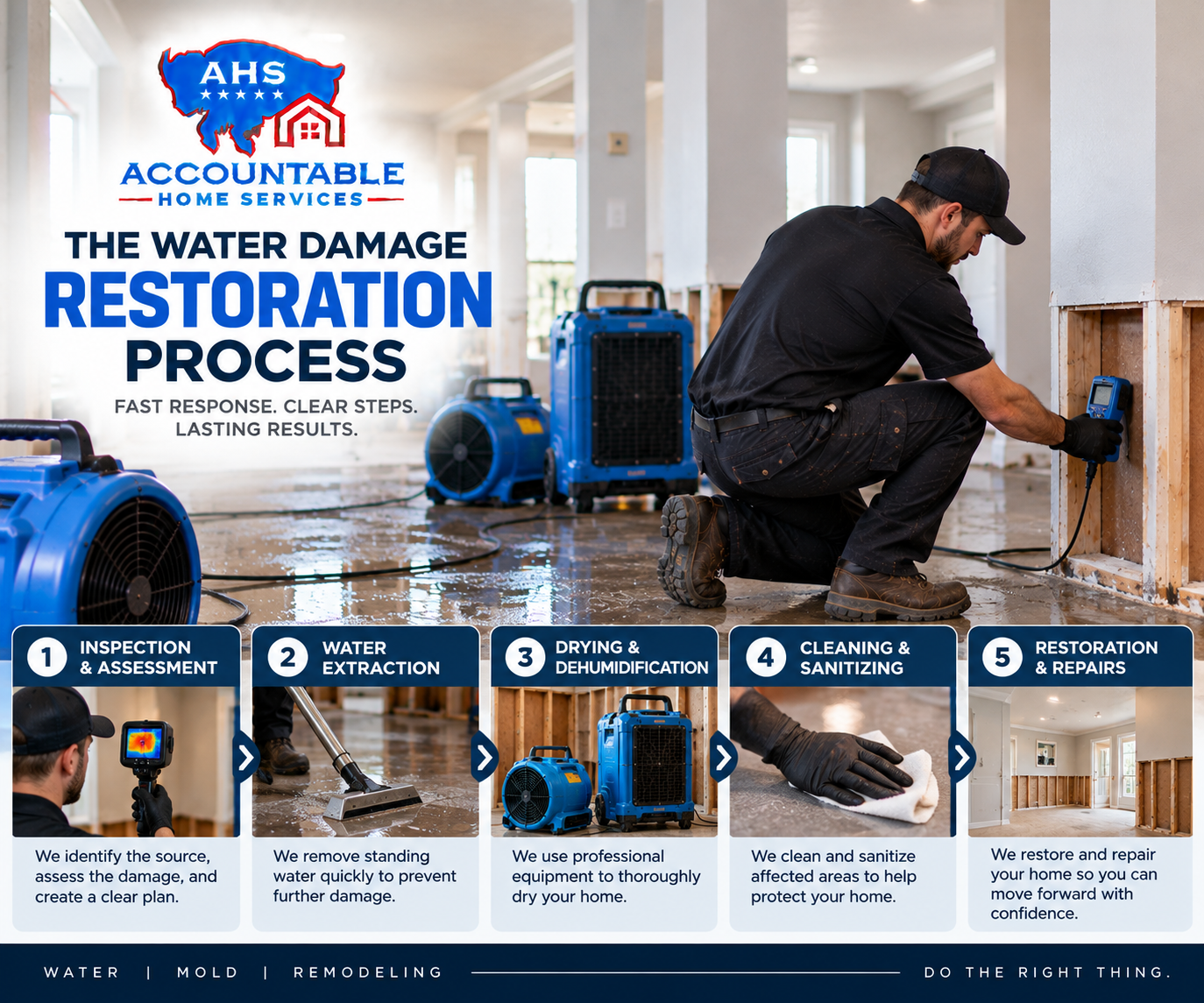
A mold inspection identifies signs of mold, moisture, and conditions that may support growth. Mold testing collects samples for laboratory review when needed. Mold remediation Broomfield services focus on containing, removing, cleaning, and correcting affected areas according to the scope of work.
In many cases, the inspection comes first. Once the extent of the issue is better understood, homeowners can make informed decisions about repair and remediation. If removal is needed, the work may involve containment, air filtration, removal of damaged porous materials, cleaning of affected surfaces, and moisture source correction.
How Mold Can Affect Indoor Air Quality
Many homeowners start thinking about Broomfield air quality when they notice recurring odors, dustiness, allergy-like irritation, or a stale feeling indoors. Mold is only one possible contributor to indoor air concerns, but it can be an important one when moisture is present.
Poor indoor air quality may be influenced by:
- Mold growth or elevated mold spores
- High indoor humidity
- Poor ventilation
- Dust and debris in HVAC systems
- Damp building materials
- Pet dander, pollen, and household contaminants
- Combustion appliances or garage air transfer
A mold inspection can help determine whether moisture and suspected microbial growth may be part of the problem. If concerns go beyond mold, additional indoor air quality evaluation may be recommended.
What to Do Before a Mold Inspector Arrives
You do not need to prepare extensively, but a few simple steps can help the inspection go smoothly.
Before the appointment:
- Make a list of odors, stains, leaks, or rooms of concern
- Note when you first noticed the issue
- Gather information about recent water damage or repairs
- Avoid painting over stains before the inspection
- Do not spray bleach or chemicals on suspected growth right before testing
- Keep access open to attics, basements, crawl spaces, mechanical rooms, and utility areas if possible
- Share any real estate, insurance, or renovation deadlines upfront
Try not to disturb suspected mold, especially if the affected area is large or on porous material. Disturbing materials can release particles into the air and make conditions harder to assess.
Choosing a Mold Inspector in Broomfield, CO
When searching for a mold inspector near me, look for more than convenience. Mold concerns can affect repairs, real estate decisions, family comfort, and long-term home maintenance. You want an inspector who communicates clearly and focuses on the source of the problem.
Consider asking:
- What does the inspection include?
- Do you inspect basements, attics, crawl spaces, and moisture-prone areas?
- Is mold testing available if needed?
- How are samples analyzed?
- Will I receive a written summary or report?
- Do you help explain next steps after inspection?
- Can you identify likely moisture sources?
- Do you provide or coordinate with remediation professionals?
A good inspection should leave you with practical information, not confusion. You should understand what was found, what remains uncertain, and what actions are recommended.
When Mold Removal May Be Needed
If the inspection confirms visible growth, moisture-damaged materials, or elevated concerns, mold removal Broomfield CO services may be the next step. Removal needs depend on the location, material type, moisture source, and extent of contamination.
For example, non-porous surfaces may sometimes be cleaned when the affected area is limited and the moisture issue is corrected. Porous materials such as drywall, insulation, ceiling tiles, and carpet may need removal if they are mold-contaminated or water-damaged.
Professional remediation is commonly recommended when:
- Mold covers a large area
- Growth is inside walls, ceilings, attics, or HVAC-adjacent areas
- Water damage involves contaminated water
- Occupants have health sensitivities
- The home is part of a real estate transaction
- Previous cleaning attempts failed
- The moisture source is ongoing or unclear
The goal is not just to make mold disappear visually. Proper remediation should address containment, removal, cleaning, drying, and prevention.
Local Homeowner Guidance: Prevention After Inspection
After a mold inspection or remediation project, prevention becomes the priority. Keeping a home dry and well-ventilated is the best long-term strategy.
Helpful prevention steps include:
- Repair plumbing, roof, and window leaks promptly
- Keep indoor humidity under control
- Use bathroom and kitchen exhaust fans
- Make sure dryer vents exhaust outdoors
- Maintain gutters and downspouts
- Improve grading where water drains toward the foundation
- Check under sinks and around appliances regularly
- Do not ignore musty odors in closed rooms or storage areas
- Use dehumidification in damp basements when needed
- Inspect attics periodically for roof leaks or ventilation problems
Small maintenance habits can reduce the chance of future mold growth and help protect your home’s structure and indoor environment.
Get Clarity Before Mold Becomes a Bigger Problem
If you are unsure whether that stain, odor, leak, or damp area is a mold issue, scheduling a mold inspection Broomfield homeowners can trust is a smart next step. A thorough inspection can help you understand whether you need testing, drying, repairs, mold remediation Broomfield services, or simply better moisture control.
Whether your concern is basement mold inspection, attic mold inspection, black mold inspection, or possible mold damage restoration Broomfield needs after a leak, the right guidance can save time and reduce uncertainty.
When in doubt, do not wait for the problem to spread. Contact a local mold inspection professional in Broomfield, CO to discuss your concerns, schedule an evaluation, and take the next step toward a cleaner, drier, healthier home environment.