Water Damage Insurance Claim Tips for Thornton, CO Homeowners
Water Damage Insurance Claim Tips for Thornton, CO Homeowners
Water damage is stressful, especially when you are trying to stop the leak, protect your home, and figure out what your insurance company needs from you. For Thornton homeowners, the best first steps are simple: stay safe, document the damage, report the loss promptly, and begin reasonable mitigation so the damage does not get worse. This guide explains practical water damage insurance claim tips in plain language, including what to photograph, what records to save, when to call for help, and how Accountable Home Services supports homeowners, agents, plumbers, and property managers across the Denver metro area.
What should you do first after water damage?
First, make sure the area is safe, stop the source of water if you can do so safely, take photos and videos before major cleanup begins, and contact your insurance company promptly to report the loss. Do not wait days to start water removal or drying just because an adjuster has not arrived yet. Most homeowners are expected to take reasonable steps to reduce further damage, and clear water damage documentation can help show what happened and what was done.
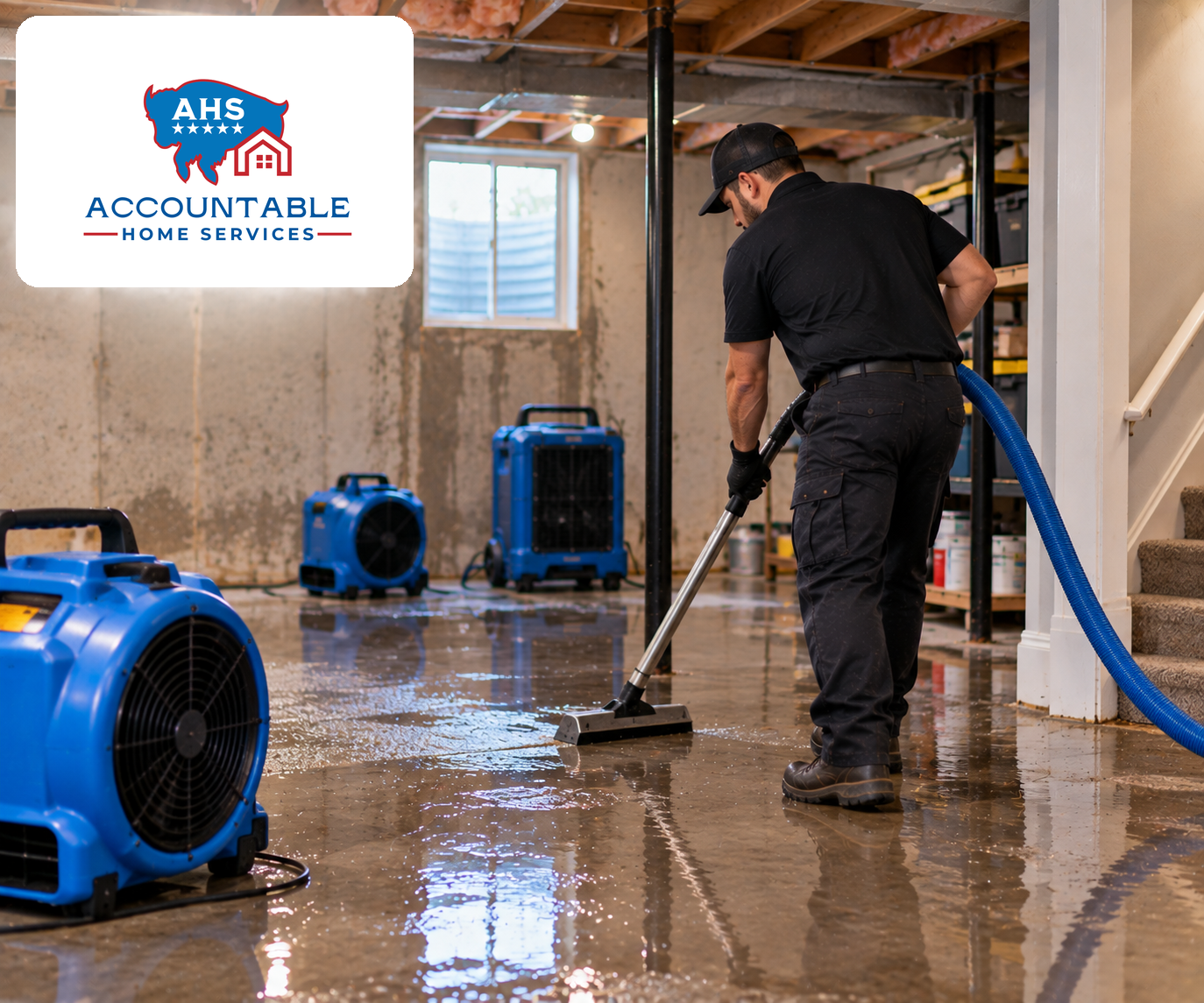
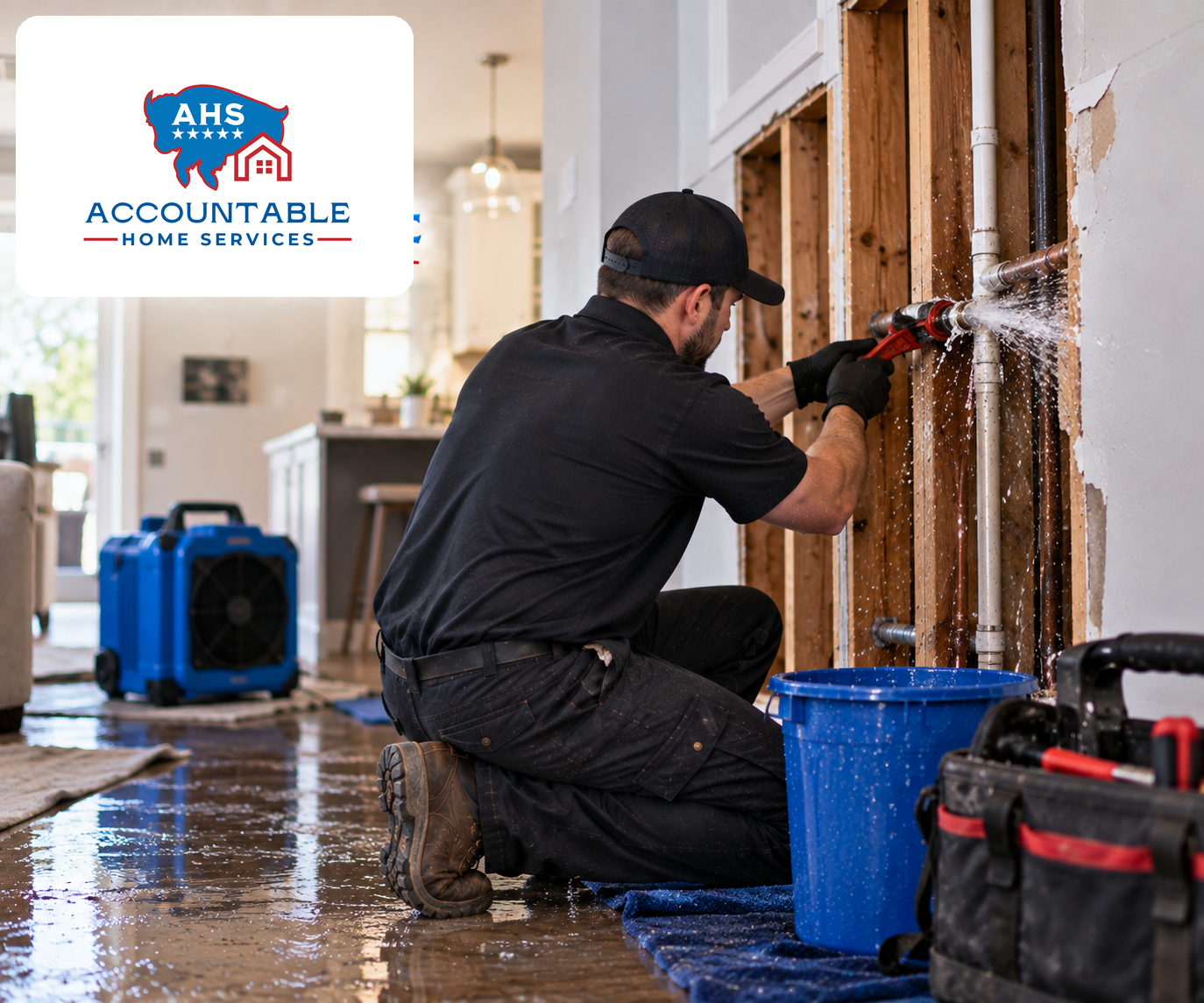
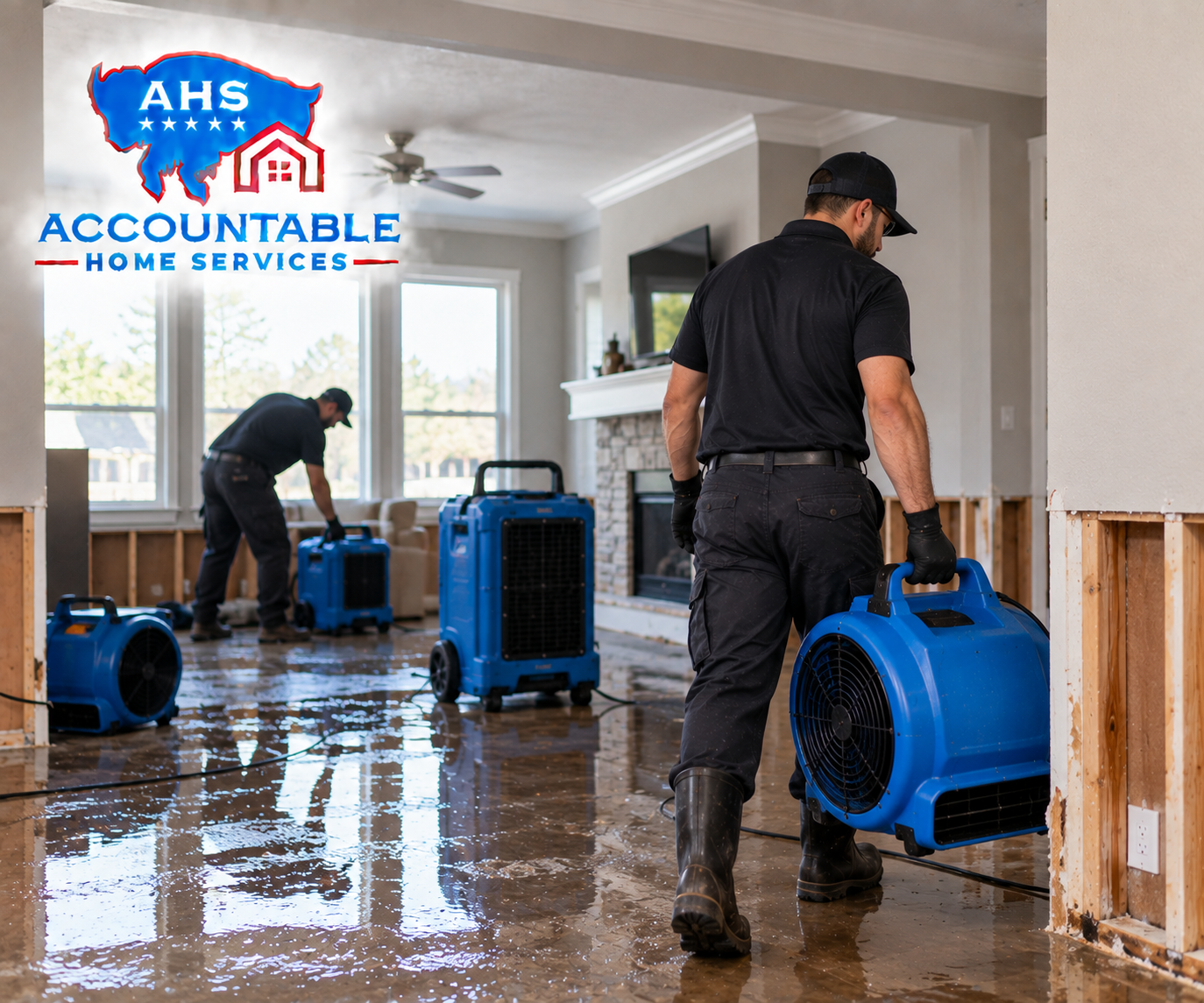
If there is standing water near outlets, electrical panels, appliances, or a sagging ceiling, keep people out of the area and call the right professionals. A plumber may be needed to repair a burst pipe, failed water heater, or active leak. A restoration company Thornton CO homeowners trust can handle emergency water cleanup Thornton, water extraction, drying, moisture checks, and documentation for the claim file.
Coverage depends on your specific policy
Water damage claims are not all treated the same. Coverage depends on your own insurance policy, endorsements, exclusions, deductibles, and the cause of the damage. A burst pipe insurance claim may be handled differently than a drain backup, seepage issue, roof leak, or flooded basement insurance claim.
That means nobody should promise that insurance will or will not cover a loss without reviewing the policy and claim details. A restoration company can document damage, explain the mitigation process, and provide records, but your insurance carrier makes the coverage decision. If you are unsure, ask your agent or adjuster to explain the policy language in plain terms.
For a water damage insurance claim Thornton CO homeowners should be ready to explain:
- When the damage was first discovered
- Where the water appeared
- The likely source of the water, if known
- What emergency steps were taken
- Which rooms, materials, and belongings were affected
- Whether plumbing, appliances, roof areas, sump systems, or drains were involved
- Which professionals were contacted and when
This information helps create a clearer timeline. It also helps your insurance agent, adjuster, plumber, and mitigation team understand the situation without guessing.
Photos and videos should come before major cleanup
Before you move soaked items, tear out materials, or begin major cleanup, take photos and videos of the damage. This does not mean you should leave water sitting for hours while you create a perfect photo album. It means you should quickly capture the condition of the home before the scene changes.
Good water damage photos for insurance show the full story, not just close-ups of wet spots. Start with wide photos of each affected room, then take closer photos of specific damage. If you know the water source, document that too. For example, photograph the burst pipe, leaking supply line, overflowing toilet, failed water heater, sump pump area, ceiling leak, appliance connection, or window well where water entered.
Be sure to photograph and video all affected areas and items, including:
- Floors, carpet, rugs, hardwood, laminate, tile, and baseboards
- Walls, drywall staining, bubbling paint, trim, and insulation exposure
- Ceilings, ceiling stains, sagging areas, light fixtures, and attic access areas
- Cabinets, vanities, toe kicks, shelving, and built-ins
- Belongings such as furniture, boxes, clothing, electronics, stored items, and personal property
- Utility areas, mechanical rooms, crawlspaces, and unfinished basement spaces
- Any visible water line, staining, mold-like growth, or debris pattern
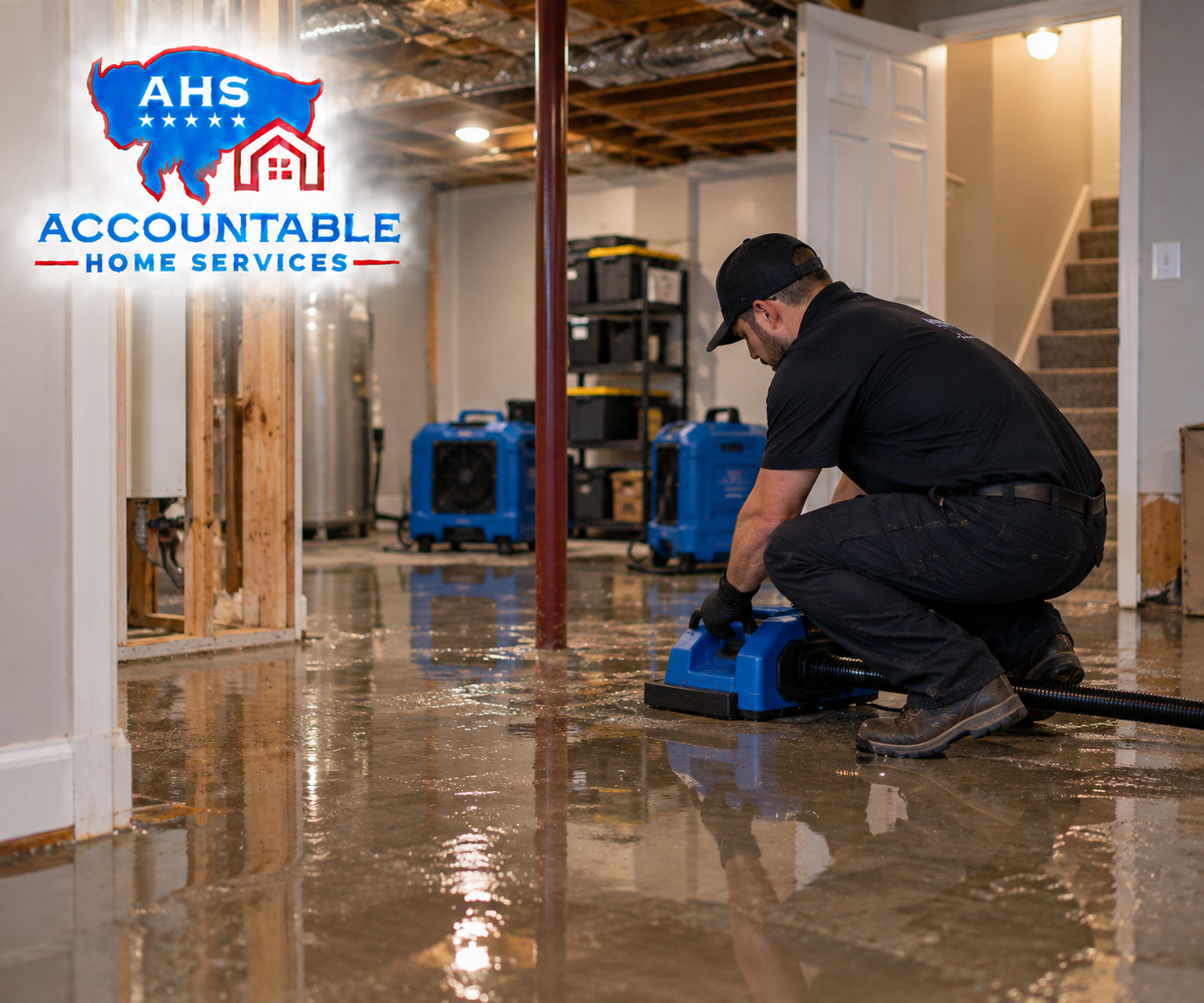
For a ceiling leak insurance claim, include photos from below and, if safe and accessible, the area above the leak. For a flooded basement insurance claim, capture the water depth, affected walls, flooring, stored belongings, sump area, floor drains, and any visible exterior drainage issue. Videos are useful because they show the layout and help connect one damaged area to the next.
Reasonable mitigation protects the home and the claim
Mitigation means taking reasonable action to prevent additional damage. In plain language, it means you should not let wet materials sit when safe steps can be taken to reduce the loss. Water can move behind baseboards, under flooring, into cabinets, and through ceiling cavities, so fast action matters.
Reasonable steps may include:
- Shutting off the water supply if a pipe, toilet, appliance, or fixture is leaking.
- Moving small valuables, documents, and dry belongings away from the affected area.
- Placing buckets or towels for an active drip, if it is safe.
- Avoiding unsafe electrical areas and not walking under a sagging ceiling.
- Calling a plumber to stop an active plumbing leak.
- Calling a water mitigation Thornton CO professional for extraction, drying, and moisture checks.
The key is to avoid causing unnecessary harm. Do not start ripping out walls, cutting carpet, or throwing away damaged belongings before they are documented unless there is an immediate safety concern. Also, do not use household fans on potentially contaminated water, sewage backups, or areas that may involve mold. When in doubt, pause and call a qualified professional.
Do you need to wait for the adjuster before drying?
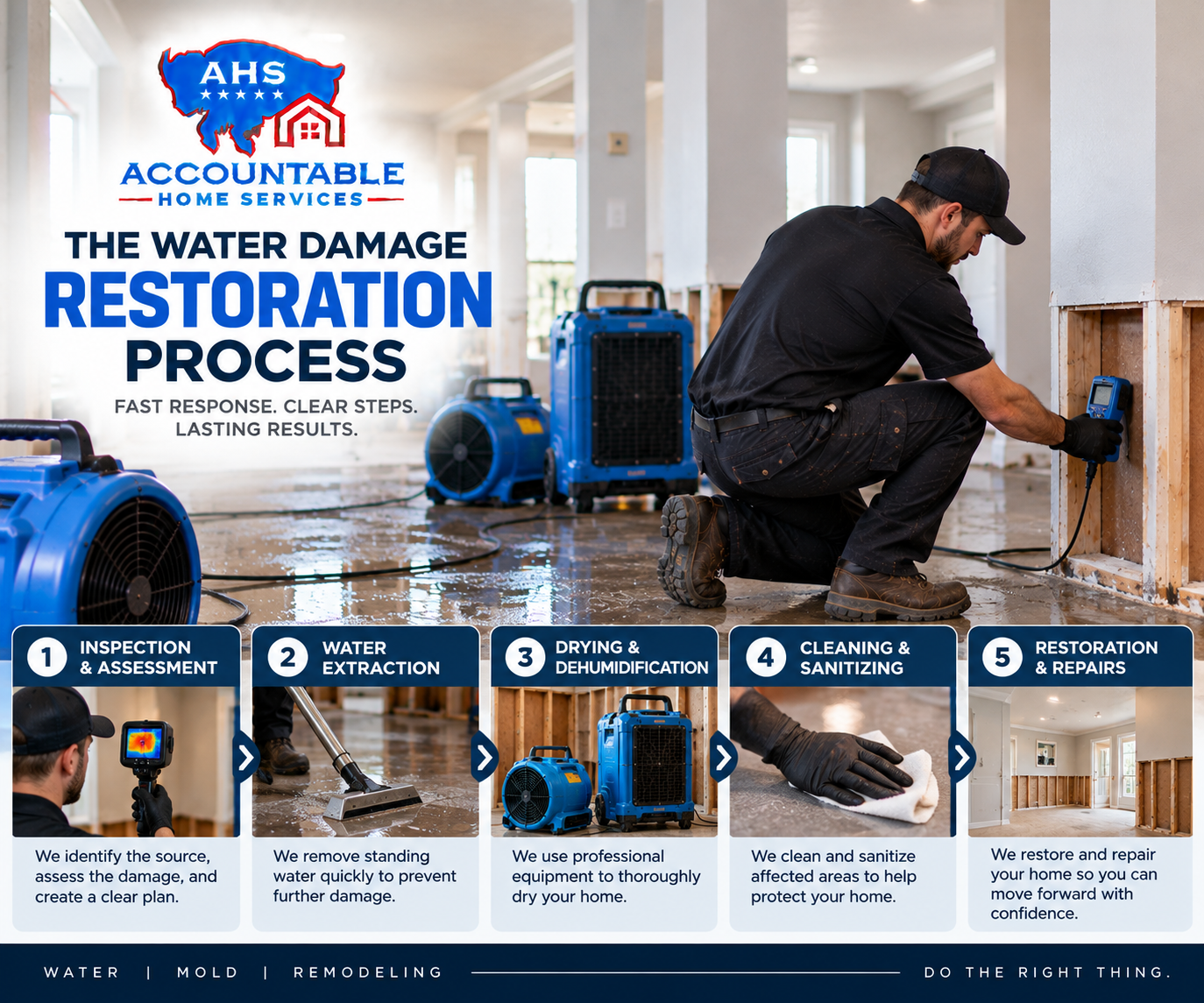
No, you should not unreasonably delay water extraction and drying while waiting for an insurance adjuster to arrive. After you take initial photos and videos, the priority is to reduce further damage. A professional water damage restoration Thornton team can document the conditions before and during mitigation, including moisture readings, affected materials, equipment placement, and work performed.
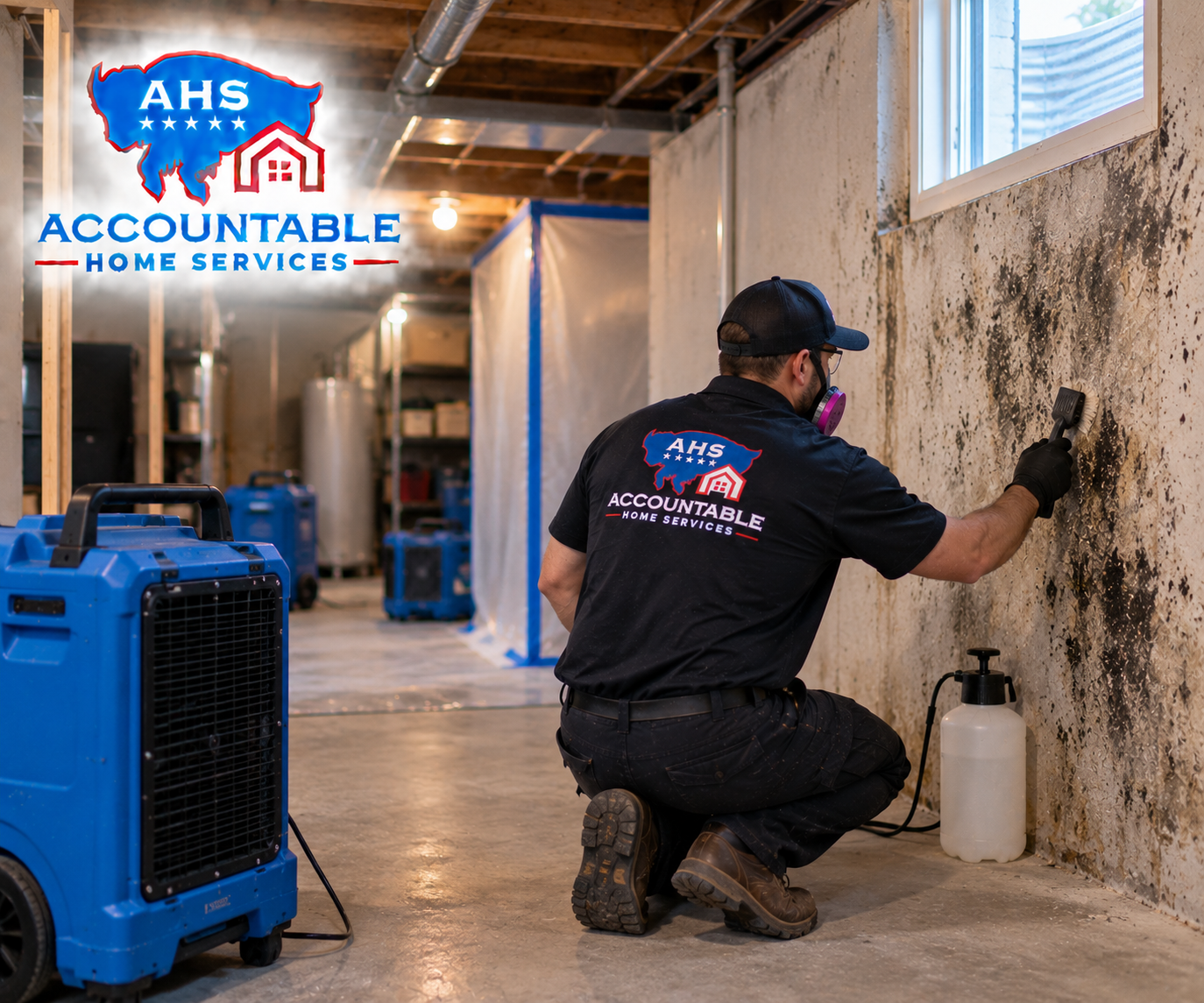
Waiting too long can make a small problem larger. Wet drywall, flooring, cabinets, and insulation can deteriorate. Moisture can also create conditions where mold concerns become more likely. Your insurance company may still need to inspect the damage, but good documentation helps preserve the record of what the property looked like before drying began.
This is where communication matters. Tell your insurer that emergency mitigation is underway, ask for a claim number if available, and keep all invoices, notes, photos, and service records together. If your restoration company communicates clearly, your agent and adjuster have a cleaner file to review.
Organize records from mitigation through reconstruction
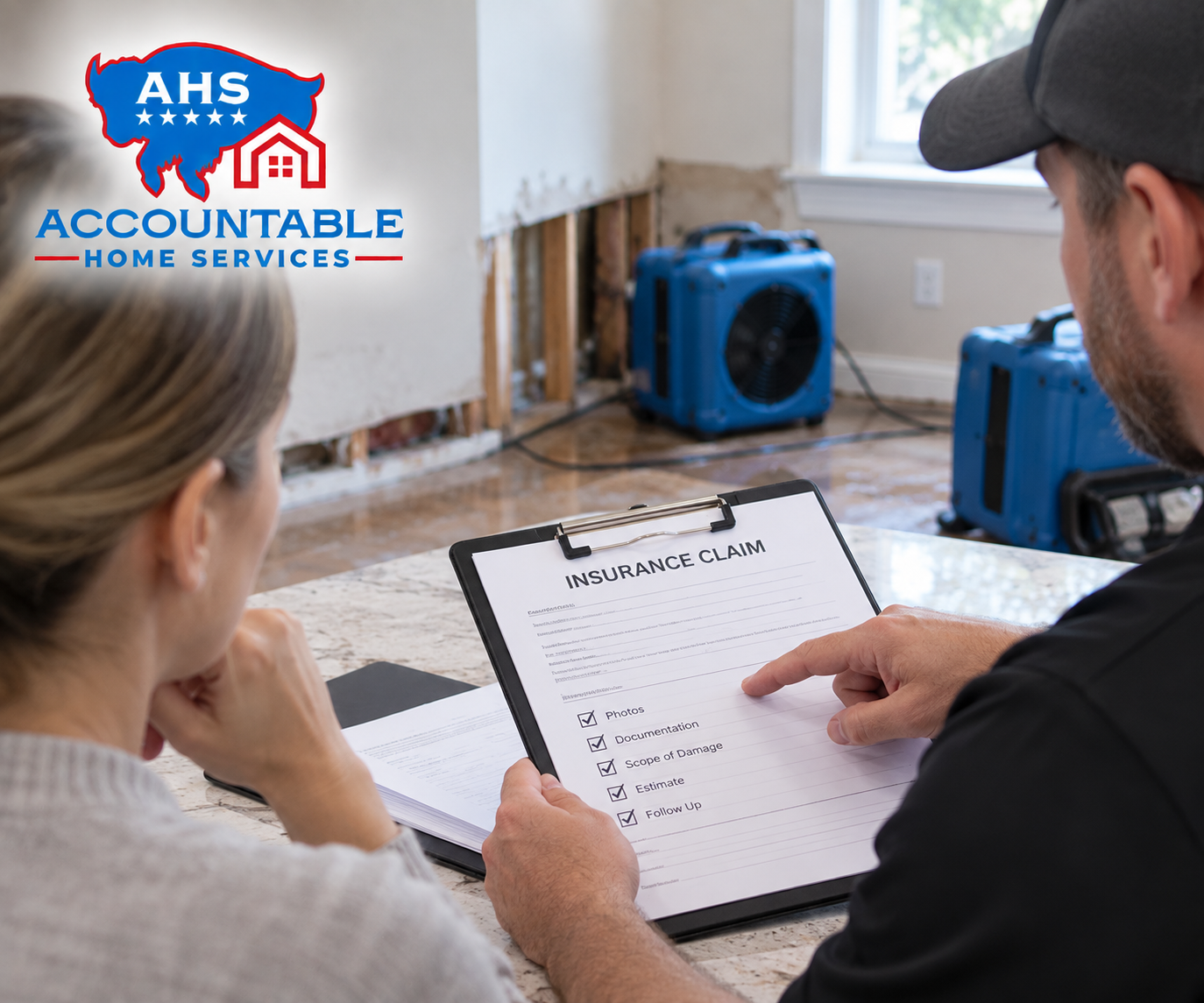
An insurance water damage claim often involves more paperwork than homeowners expect. The file may include photos, videos, plumber invoices, restoration estimates, drying logs, contents lists, repair bids, adjuster notes, and receipts. Keeping it organized from the beginning saves time and reduces frustration.
Create one digital folder and one physical folder if possible. Name files by date and topic, such as “basement photos before cleanup,” “plumber invoice,” “drying equipment,” or “cabinet damage.” Save emails and text messages related to appointments, claim instructions, emergency services, and repair approvals.
Keep records for both mitigation and reconstruction, including:
- Insurance claim number and adjuster contact information
- Notes from calls with the insurance company
- Photos and videos taken before cleanup
- Photos and videos during water extraction and drying
- Moisture readings and drying records, if provided
- Plumber invoices and repair notes
- Restoration company invoices and estimates
- Receipts for cleanup supplies, temporary repairs, hotel stays, storage, or other related costs
- Reconstruction estimates, material selections, and completion records
Save all receipts and financial records connected to cleanup and repairs. Even small purchases can matter when the claim is reviewed. Good organization does not guarantee coverage, but it can help the claim process move with fewer missing pieces.
When to call professionals for emergency cleanup
Some small spills can be handled by a homeowner. But when water spreads beyond a small surface area, affects building materials, comes from a questionable source, or reaches lower levels of the home, it is time to call for help. Emergency water cleanup Thornton services are especially important when speed, safety, and documentation all matter.
Call a plumber first when the water is still actively coming from a pipe, fixture, water heater, appliance line, or drain. Call a restoration company when water has reached flooring, drywall, ceilings, cabinets, insulation, or multiple rooms. In many cases, you need both. The plumber stops the source, and the mitigation team dries and documents the structure.
Property managers should also act quickly when tenants report water. Delayed response can lead to tenant complaints, owner frustration, and more complicated water damage claims. Insurance agents and plumbers can help clients by referring them to a restoration partner that communicates clearly and understands documentation needs.
Common mistakes to avoid after water damage
Many claim problems start in the first few hours after the loss. Homeowners are overwhelmed, so it is easy to skip photos, delay calls, or throw things away too soon. A calmer process starts with avoiding these common mistakes.
- Waiting too long to report the loss: Contact your insurance company promptly. Even if you do not have every detail yet, early reporting creates a record and lets you ask what the carrier needs.
- Cleaning up before taking photos: Take photos and videos before major cleanup begins. Capture the source, affected rooms, wet materials, and damaged belongings.
- Delaying drying for the adjuster: Do not let water sit unnecessarily. Document first, then begin reasonable mitigation.
- Assuming everything is covered: Review your own policy. Coverage varies, and no contractor should guarantee the claim outcome.
- Throwing away damaged items too soon: Photograph belongings first and ask your insurer what they need before disposal, unless safety requires immediate removal.
- Forgetting hidden moisture: Dry-looking surfaces can still hold moisture behind walls, under flooring, or inside cabinets.
- Losing receipts and invoices: Keep all cleanup, mitigation, plumbing, and repair records organized.
- Using the wrong equipment: Household fans and shop vacs may not be enough for soaked building materials or contaminated water.
Practical checklist for Thornton homeowners
Use this checklist after water damage to stay focused and protect the home while supporting the claim process:
- Make sure the area is safe and avoid electrical hazards.
- Stop the water source if you can do so safely.
- Call a plumber for active plumbing leaks or backups.
- Take photos and videos before major cleanup begins.
- Document the water source if known.
- Photograph floors, walls, ceilings, cabinets, belongings, and all affected rooms.
- Report the loss promptly to your insurance company.
- Ask for the claim number and adjuster contact information.
- Begin reasonable water extraction and drying without unnecessary delay.
- Save receipts, invoices, estimates, and service records.
- Keep mitigation and reconstruction documents organized in one place.
- Call a local restoration professional if water has spread into building materials or multiple areas.
This checklist is useful for a water damage claim Thornton homeowners, property managers, agents, and plumbers are trying to keep on track. It gives everyone a shared starting point.
How Accountable Home Services supports the claim process
Accountable Home Services helps homeowners in Thornton and the Denver metro area by combining professional mitigation with organized documentation. That combination matters because water damage is not only a drying problem. It is also a communication and recordkeeping problem, especially when an insurance claim is involved.
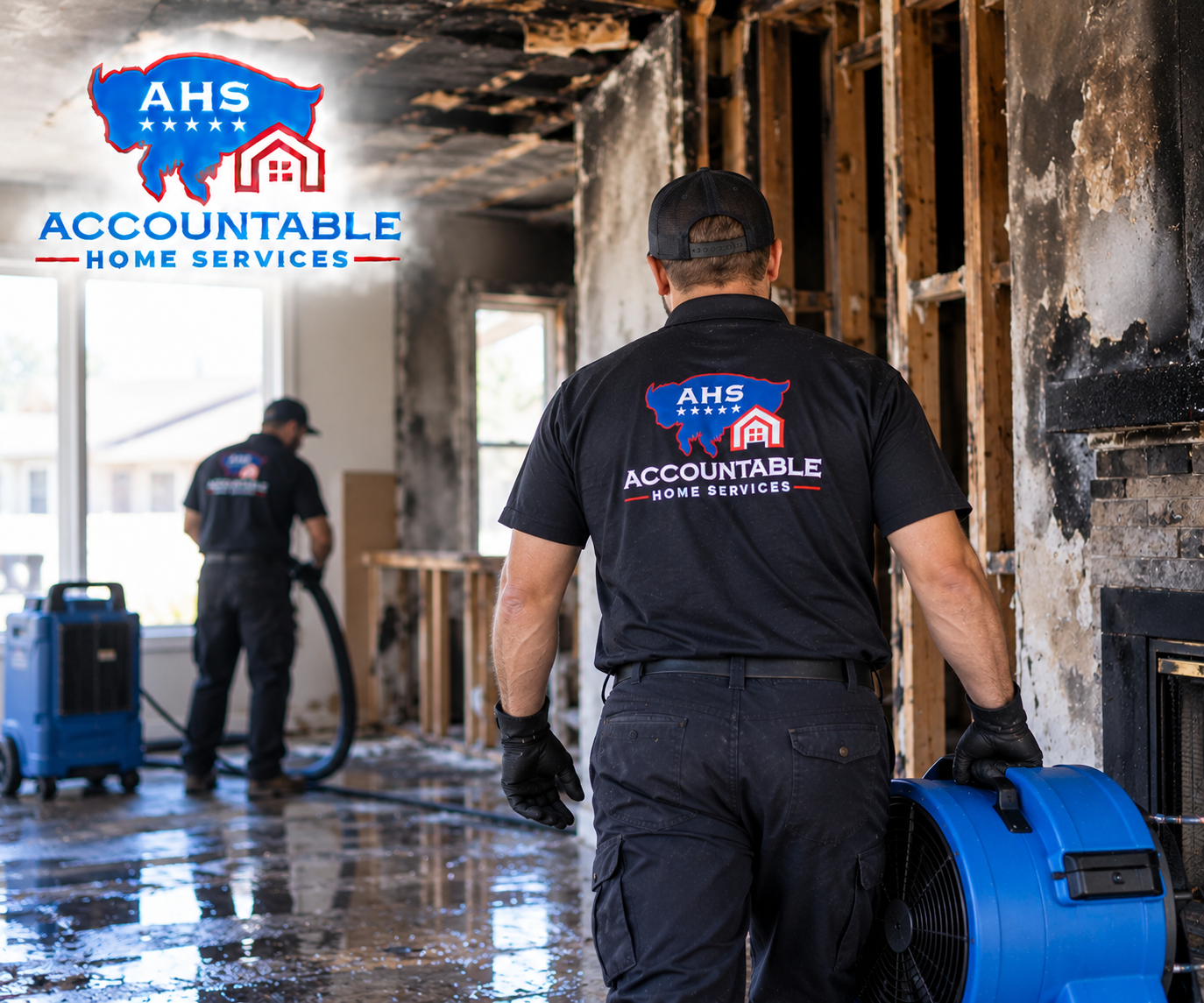
AHS can help identify affected areas, begin water extraction and drying, monitor moisture, and document the work performed. Their approach supports homeowners who need clear information, insurance agents who want clients treated well, plumbers who need a reliable restoration partner after the leak is repaired, and property managers who need fast response and clean communication.
The goal is not to promise what insurance will pay. The goal is to help you understand the damage, document conditions properly, dry the property, organize the information, and reduce avoidable confusion. That kind of support can make a difficult water damage insurance claim feel more manageable from the first call through the next steps.