Mold Inspection Cost in Superior, CO: What Homeowners Should Expect
Mold Inspection Cost in Superior, CO: What Homeowners Should Expect
If you are trying to understand mold inspection cost in Superior, CO, the most important thing to know is that the price usually depends on the situation, not a single flat rate. A small, visible concern near a sink is very different from a hidden mold inspection after a roof leak, finished basement flood, or long-term plumbing issue. The Local Restoration Guide helps homeowners, property managers, plumbers, and insurance agents understand what affects cost, what an inspection includes, and when testing or remediation may be needed.
How much does a mold inspection cost in Superior, CO?
A mold inspection cost varies based on the size of the property, the number of problem areas, whether moisture investigation is needed, how accessible the spaces are, and whether samples must be collected and sent to a lab. Instead of thinking in terms of one standard price, it is better to ask what the inspector needs to investigate and document. A professional mold inspection should help identify visible concerns, likely moisture sources, risk areas, and the next reasonable step.
For many homeowners, the cost question comes up after water damage. Maybe a water heater leaked, a bathroom fan failed, a basement wall feels damp, or a tenant reported a musty smell. In those cases, the inspection may need to look beyond what is visible on the surface. That can take more time, more tools, and sometimes testing.
A clear estimate should explain what is included. It should also separate inspection fees from mold testing cost, lab fees, and any later mold remediation Superior work. If someone gives one quick number without asking questions about the property, the moisture history, or the affected areas, that estimate may not reflect the real scope.
Mold inspection, mold testing, and mold remediation are different services
A mold inspection is the investigation. Mold testing is the collection and lab analysis of samples. Mold remediation is the physical process of addressing confirmed mold growth and the moisture conditions that allowed it to grow. Keeping these separate helps homeowners avoid confusion and helps insurance agents, plumbers, and property managers communicate clearly.
Mold inspection
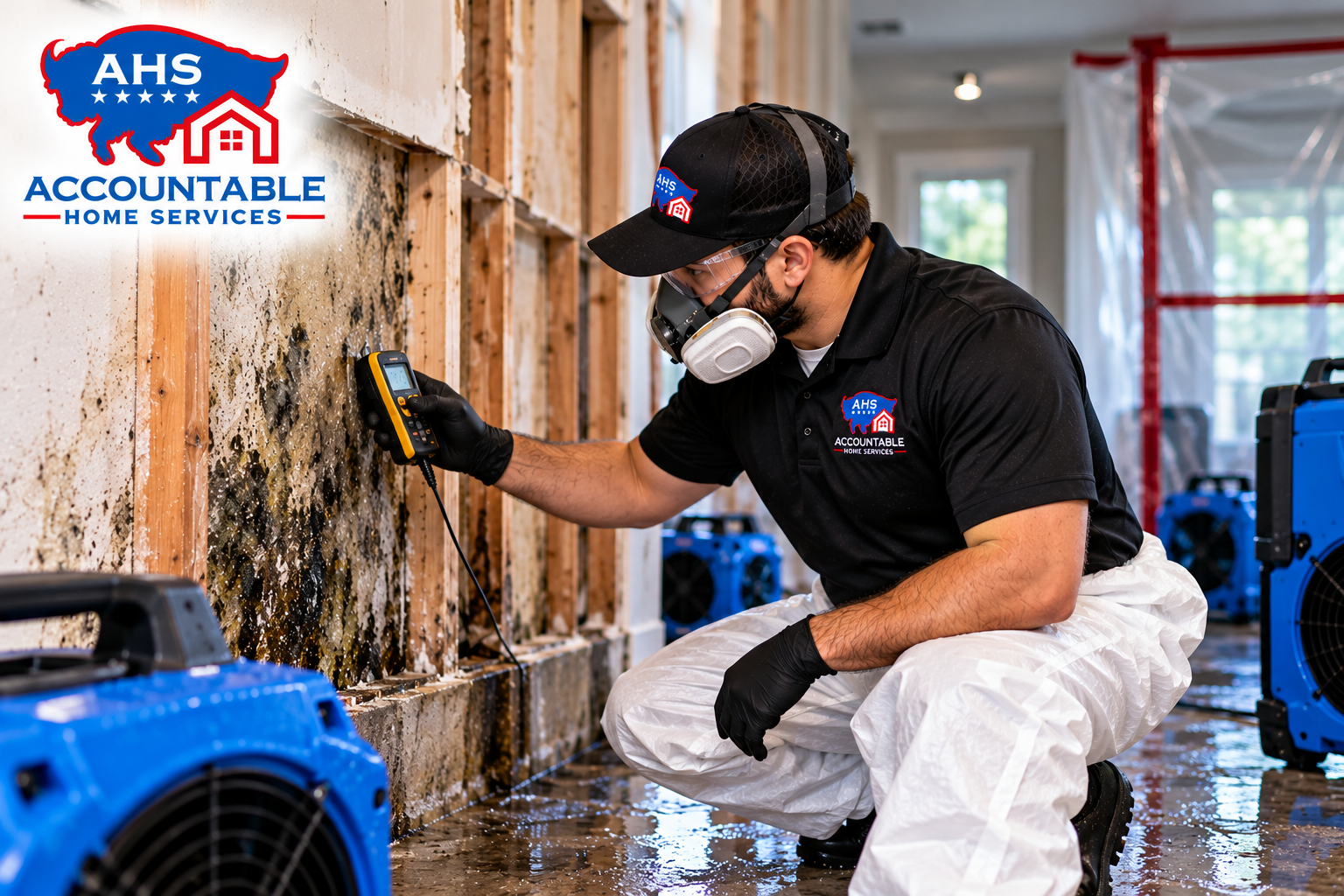
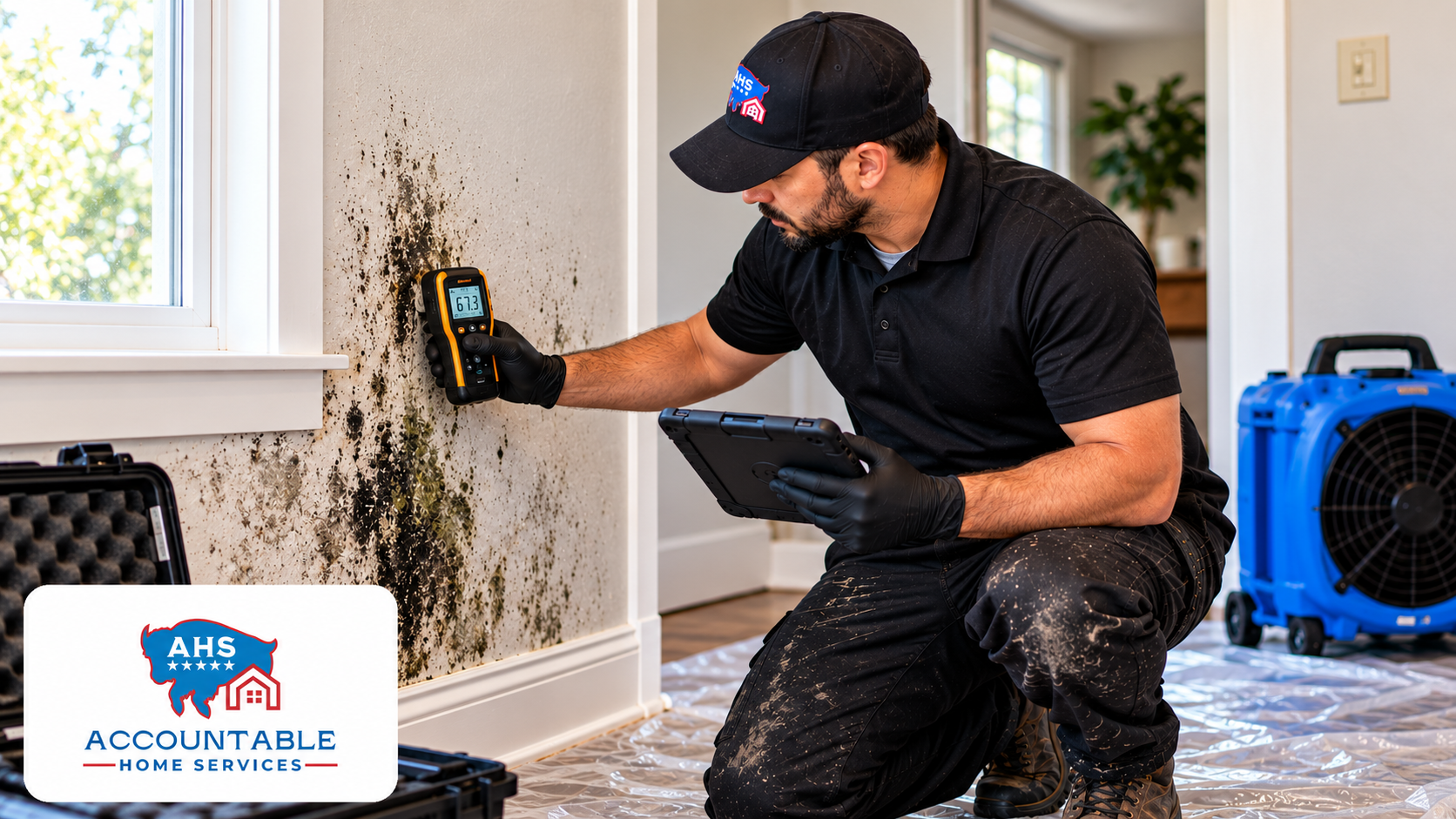
A home mold inspection looks for signs of mold growth, moisture problems, water damage, odors, staining, and building conditions that may support mold. The inspector may use moisture meters, thermal imaging, visual checks, and questions about recent leaks or past repairs. The goal is to understand what is happening and why.
A mold inspector Superior homeowners call should not only look at the obvious spot. They should also consider nearby materials, hidden cavities, adjacent rooms, and possible water pathways. For example, a leak under an upstairs bathroom may show up as staining on a lower ceiling, but moisture may also affect insulation, drywall edges, trim, or flooring.
Mold testing
Mold testing Superior CO services may include air samples, surface samples, or other sample types depending on the concern. Testing can help when growth is suspected but not visible, when documentation is needed, or when the source of an odor is unclear. Samples are typically sent to a laboratory, which adds cost and time.
Testing is not always necessary. If mold growth and the moisture source are visible and obvious, testing may not change the next step. For example, if a cabinet has visible mold after a slow sink leak, the priority is usually to stop the leak, define the affected materials, and plan safe cleanup or removal.
Mold remediation
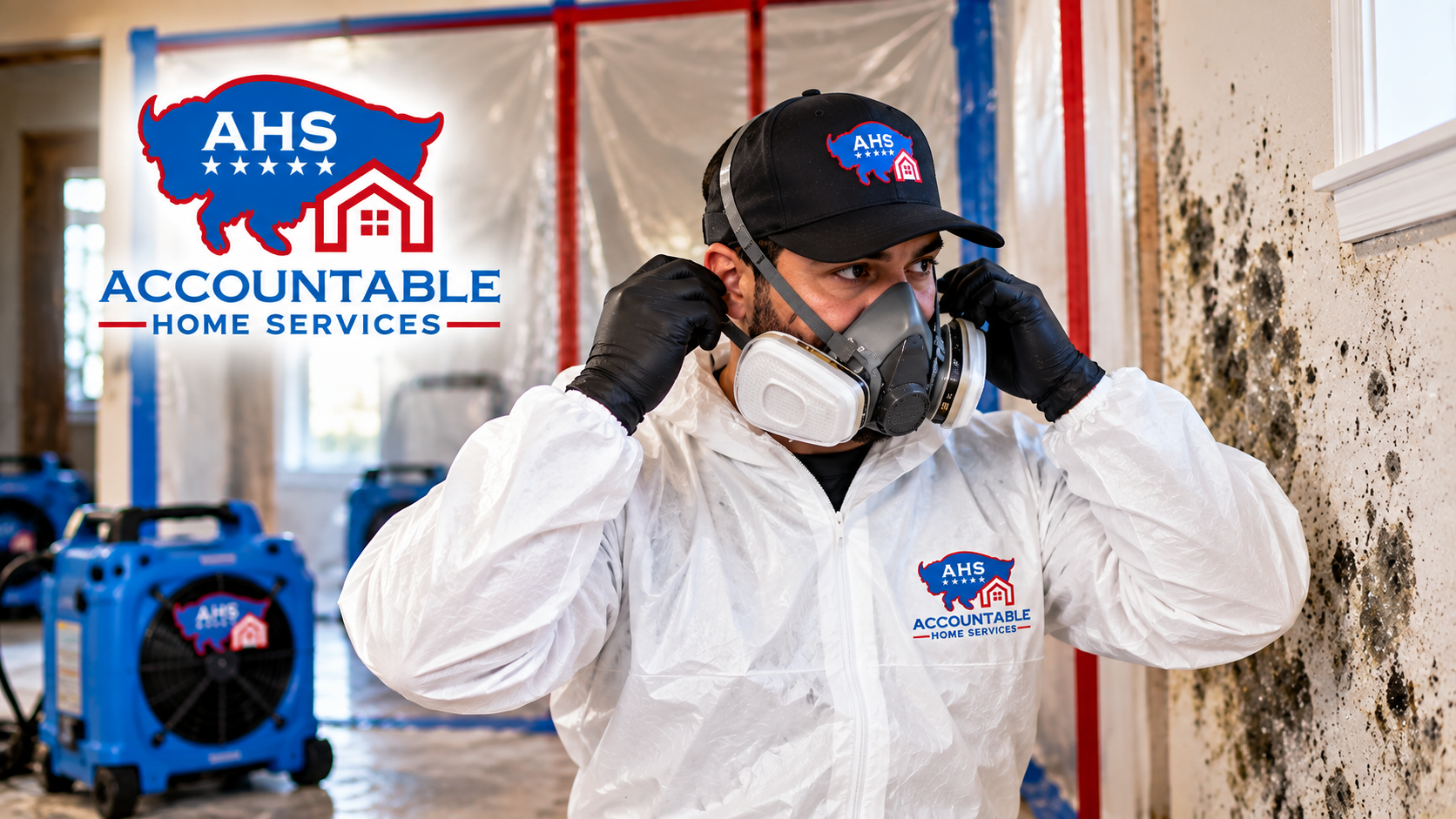
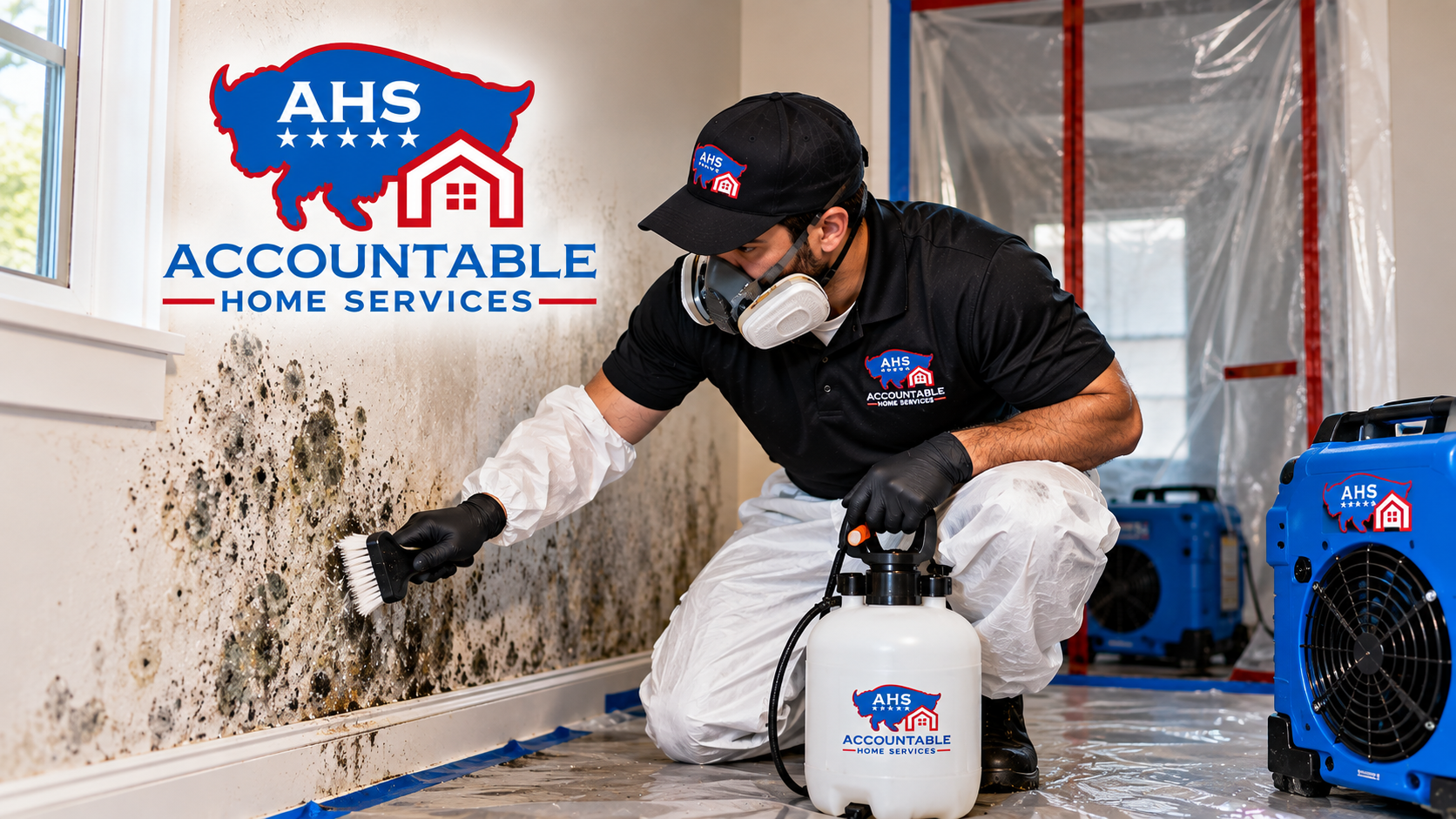
Mold remediation Superior services are separate from inspection and testing. Remediation may involve containment, removal of affected porous materials, cleaning, drying, and steps to prevent cross-contamination. Mold removal Superior CO searches often lead homeowners to companies that do remediation, but the first step should still be understanding the source and extent of the problem.
A good inspection helps avoid guessing. It can help confirm whether the issue is small and localized or whether a larger remediation plan is needed.
Main factors that affect the cost
The cost of a mold inspection changes because each property and moisture problem is different. These are the main items that influence the total.
- Size of the property: Larger homes, multi-unit properties, and bigger commercial spaces usually take more time to inspect. More rooms, mechanical areas, basements, crawl spaces, bathrooms, and attic areas mean more places to check. A larger property may also require more documentation.
- Number of suspected areas: One musty closet is simpler than three bathrooms, a basement, and an attic. Each suspected area adds time because the inspector must look for moisture sources, affected materials, and possible spread.
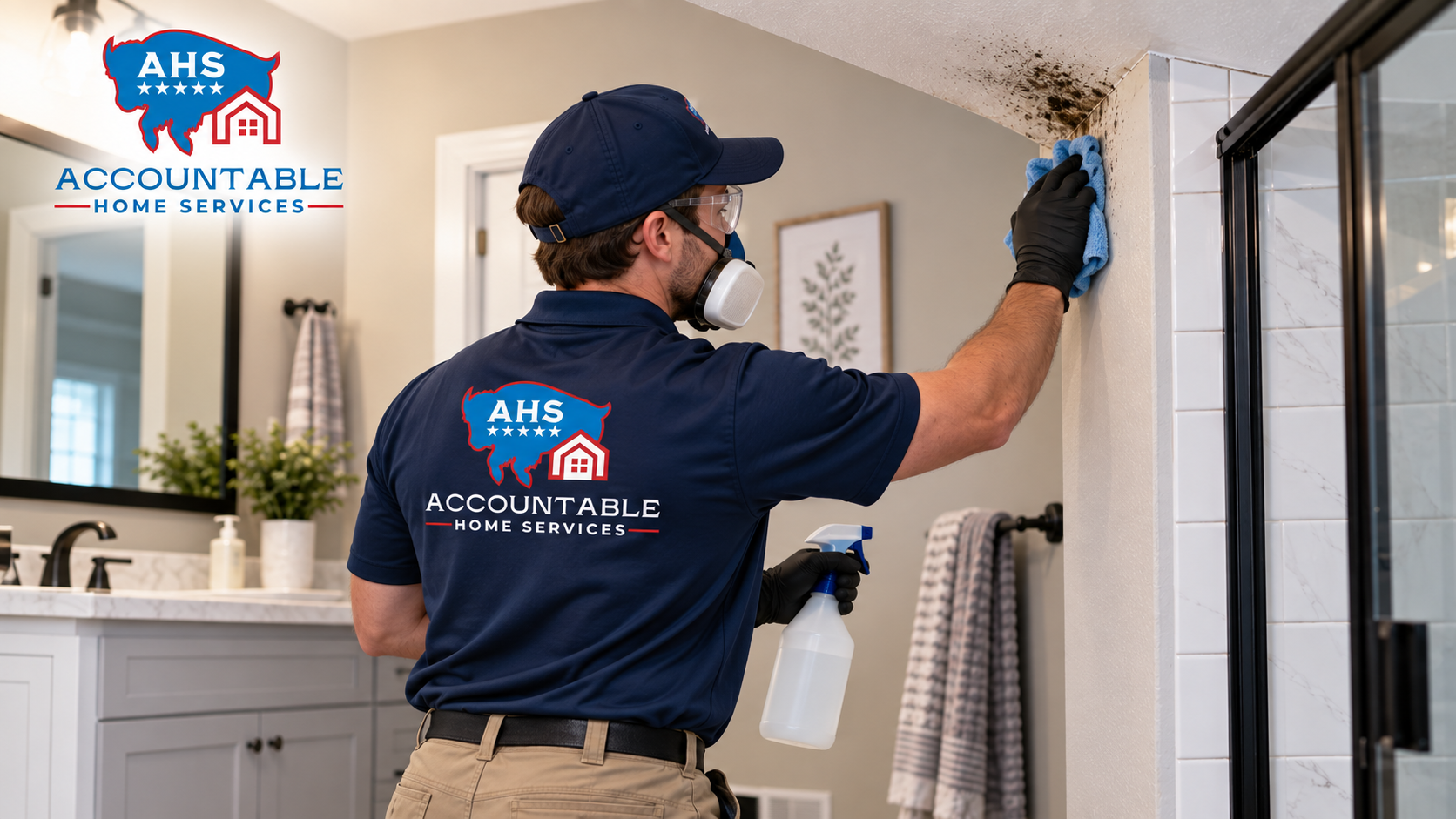
- Moisture investigation: A moisture inspection Superior homeowners request after a leak can involve meters, thermal imaging, and careful mapping of affected materials. This matters because mold is usually connected to moisture. Finding the source is often more valuable than simply confirming that mold is present.
- Accessibility: Easy-to-reach drywall, baseboards, and cabinets are faster to inspect than crawl spaces, tight attic areas, behind built-ins, or areas blocked by furniture or stored items. Limited access can add time and may limit what can be confirmed during the first visit.
- Sampling: If the inspector collects air or surface samples, the visit becomes more involved. The inspector must decide where to sample, avoid cross-contamination, label samples properly, and explain what the samples can and cannot prove.
- Laboratory testing: Lab analysis is separate from the visual inspection. The number of samples, type of samples, and turnaround time can all influence mold testing cost. Faster results or multiple samples usually cost more than a simple visual assessment.
- Scope of the inspection: A limited inspection of one bathroom costs less than a whole-property inspection after a major water event. A black mold inspection, hidden mold inspection, or inspection tied to an insurance claim may require more detailed notes, photos, moisture readings, and written recommendations.
These factors are also why two neighbors in Superior may receive very different estimates. One home may have a small visible issue around a window. Another may have mold after water damage that affected multiple rooms before anyone noticed.
When testing is helpful and when it may be unnecessary
Testing is helpful when the inspection needs lab information to support a decision, but it is not required for every mold situation. If the mold is visible, the material is water-damaged, and the leak source is known, testing may only confirm what is already clear. In that case, the better use of time and money may be defining the affected area and planning proper cleanup.
Testing may be useful when:
- There is a strong musty odor but no visible growth. Air or surface sampling may help determine whether hidden mold is likely.
- There are health-sensitive occupants. Some homeowners want more documentation before deciding how to proceed.
- A property manager needs clear records. Written findings and test results can help communicate with owners and tenants.
- An insurance claim needs support. Photos, moisture readings, and lab results may help clarify the damage, though coverage depends on the policy and cause of loss.
- A prior cleanup needs verification. Post-remediation testing may be used in some situations to help confirm whether cleanup goals were met.
Testing may be unnecessary when visible mold is already present on materials affected by a known leak. For instance, if a burst pipe soaked drywall and mold growth is now visible, the key questions are how far the moisture traveled, which materials are affected, and what removal or drying steps are needed. A professional can explain whether testing would add useful information or only add expense.
What a professional inspection should include
A professional mold inspection should feel organized, not rushed or vague. The inspector should ask about the history of the issue, including leaks, plumbing repairs, roof problems, drainage concerns, humidity, prior water damage, and when odors or stains first appeared. This background helps connect the visible symptoms to the likely source.
The inspection should usually include a visual review of the reported area and nearby spaces. In Superior homes, this might include finished basements, bathrooms, laundry rooms, utility rooms, attics, window areas, and places where snowmelt, rain, or plumbing leaks may have caused moisture. The inspector may also check moisture levels in drywall, trim, flooring, and other materials.
Good documentation matters. For homeowners, it creates a clearer path forward. For insurance agents, it can reduce confusion during a claim. For plumbers, it helps define whether the issue extends beyond the pipe repair. For property managers, it helps show owners and tenants that the concern was handled promptly and professionally.
A useful inspection report may include:
- Photos of visible staining, growth, damage, or affected materials
- Moisture readings or notes on dry versus wet areas
- Suspected source of moisture, if it can be identified
- Areas inspected and any areas that could not be accessed
- Whether mold testing was performed or recommended
- Practical next steps, such as drying, repair, further evaluation, or remediation
Cost expectations after water damage
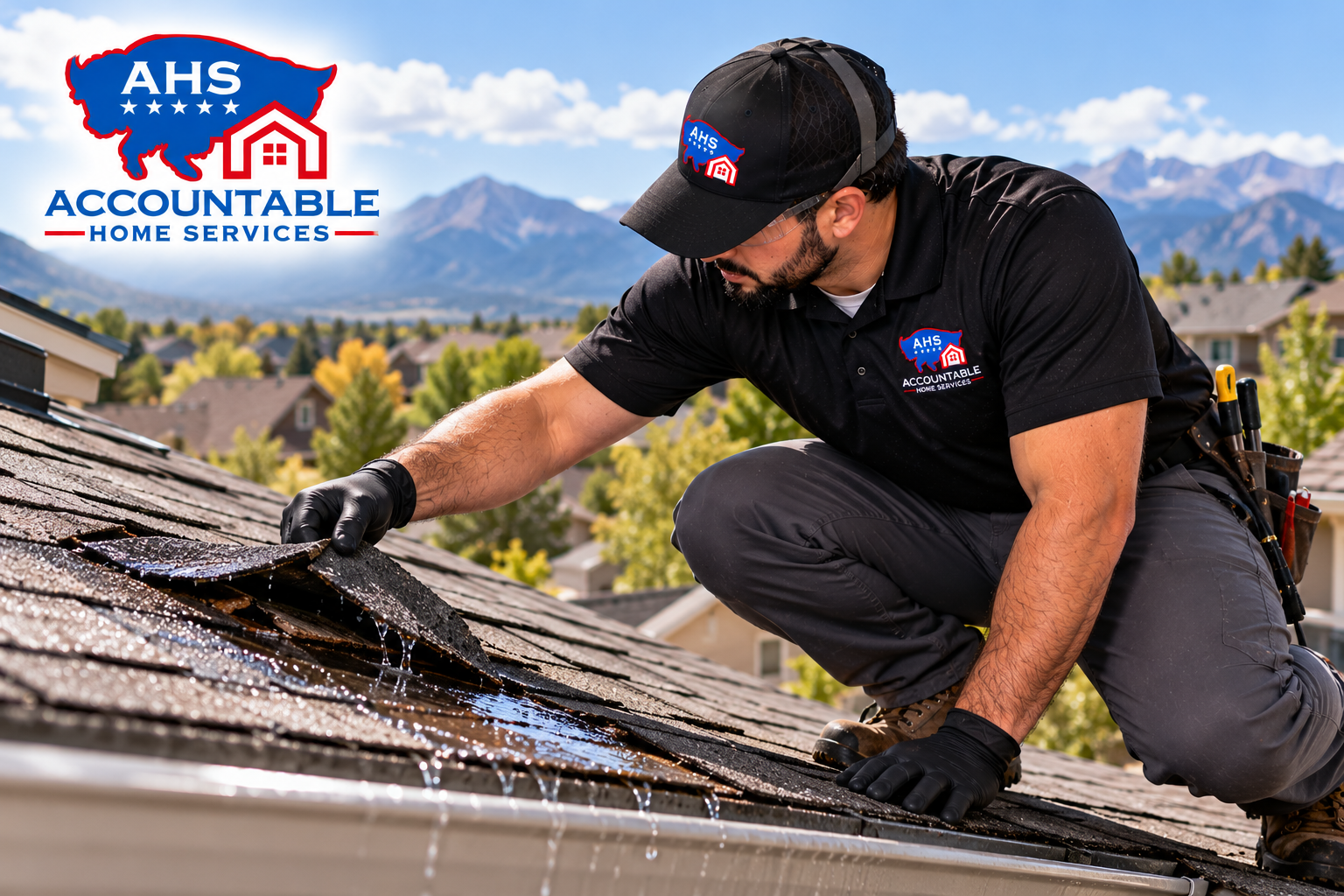
Mold after water damage can change the inspection scope because the concern is not only what is visible today. Water can move under flooring, behind baseboards, into wall cavities, and through ceiling materials. If the original leak was not dried properly, mold may develop in hidden spaces.
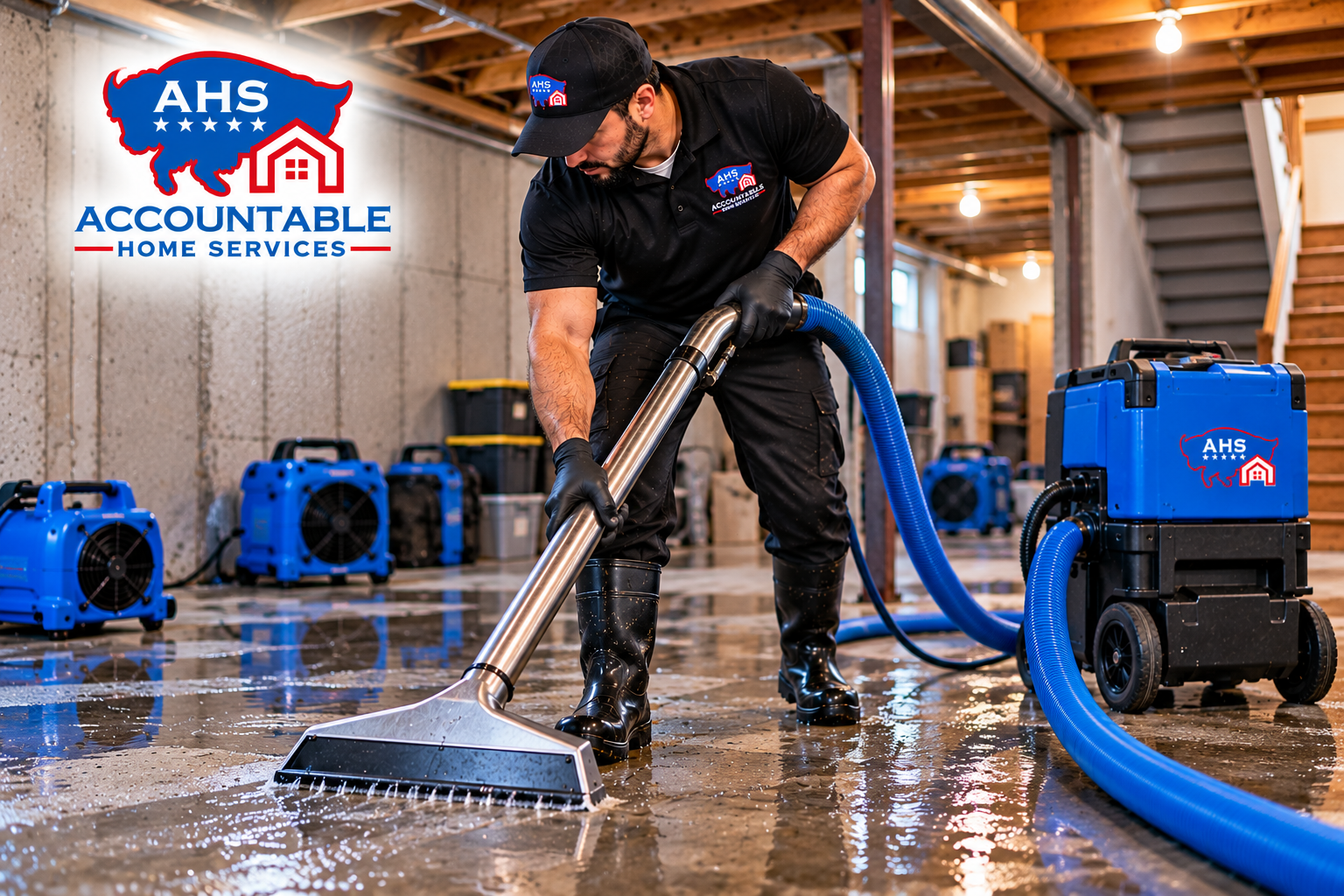
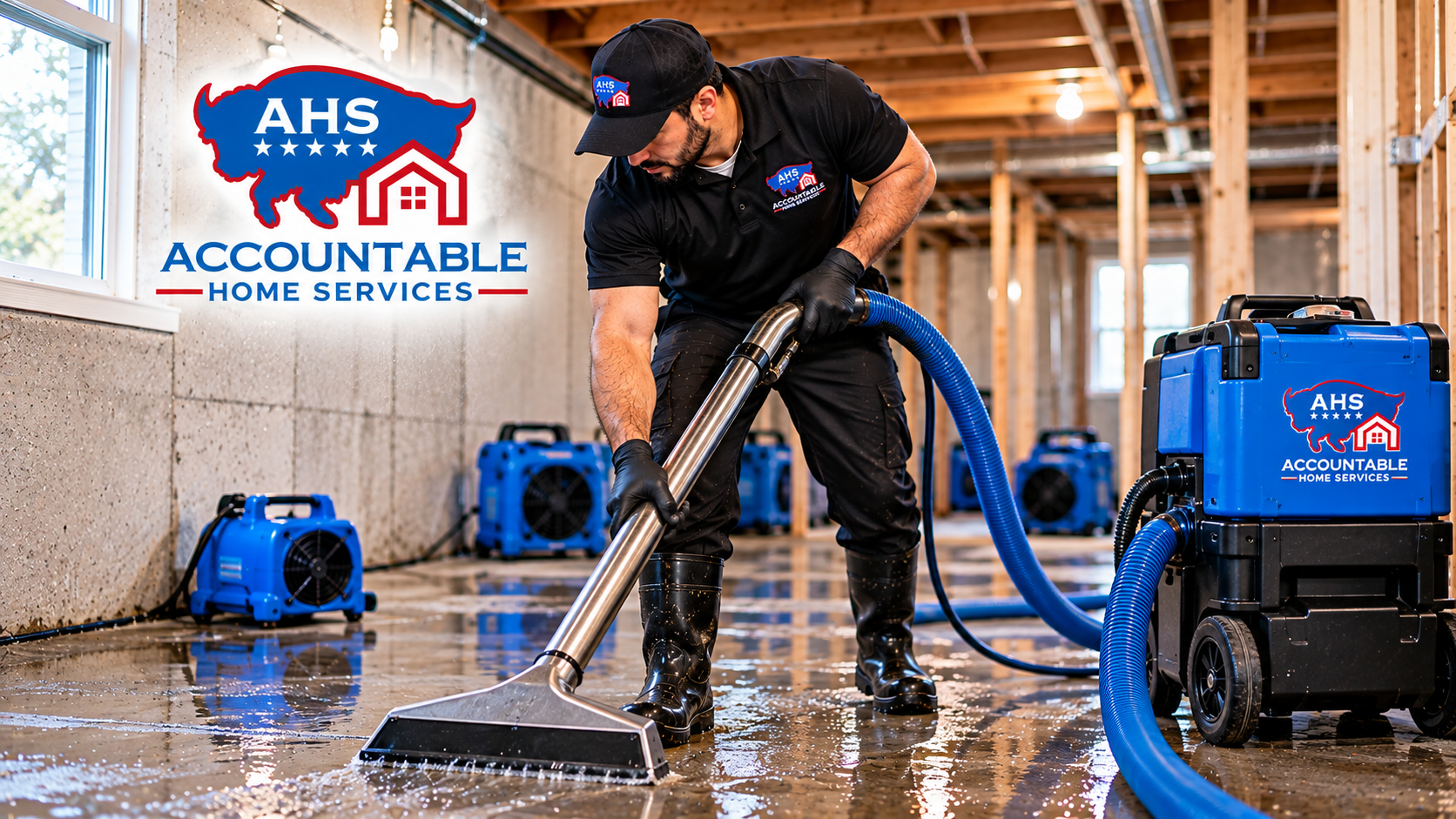
A moisture-focused inspection may take longer because the inspector is trying to map the path of the water. That is especially important after burst pipes, appliance leaks, sump pump failures, drain backups, roof leaks, or slow plumbing leaks. The inspection may need to determine whether materials are dry, still damp, or already showing signs of microbial growth.
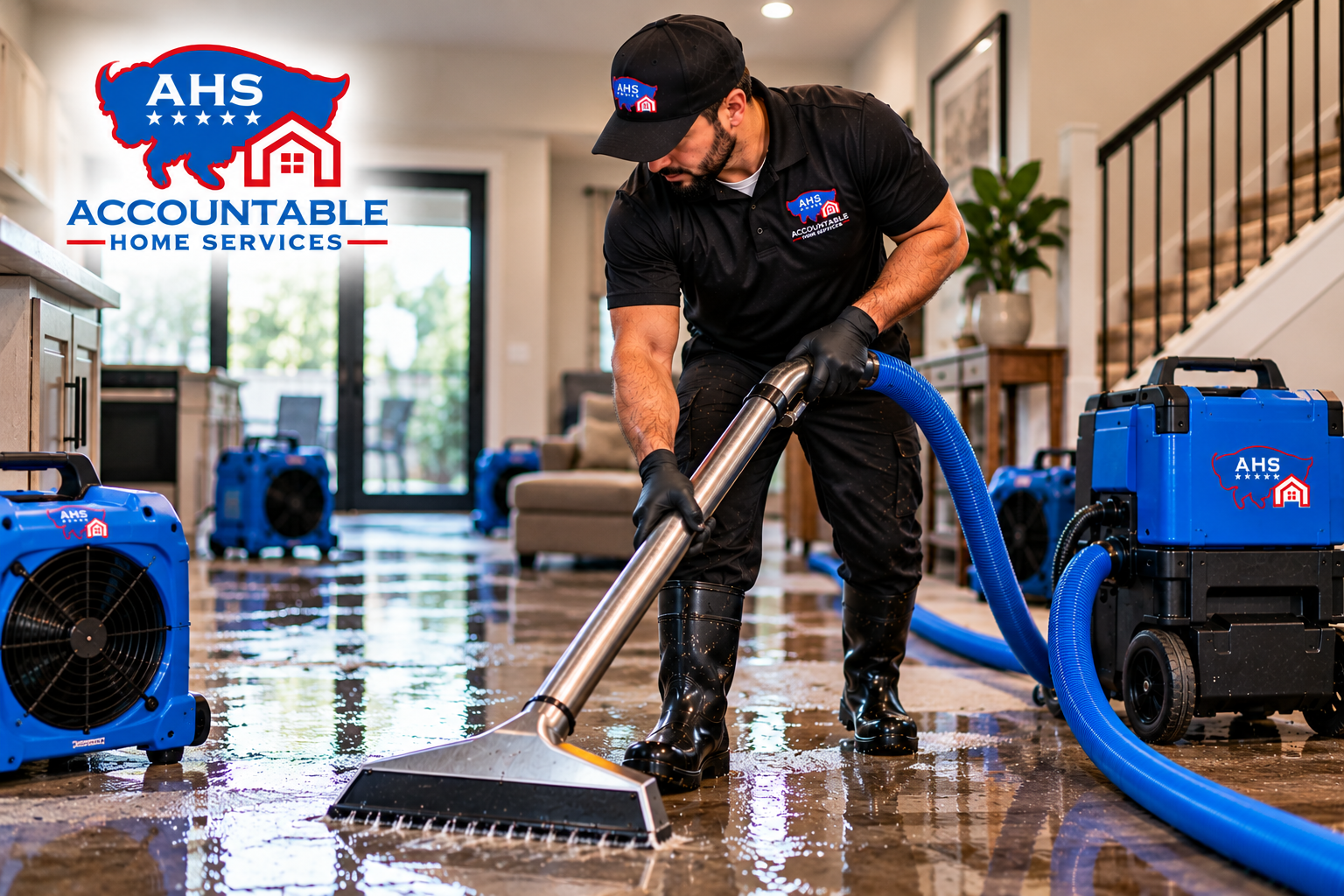
This is also where proper timing matters. If water damage is recent, fast drying can reduce the chance of mold growth. If the damage is older, the inspection may need to focus more on hidden areas, damaged materials, and whether containment or remediation is needed.
How to compare mold inspection estimates
The lowest estimate is not always the best estimate, especially if it leaves out testing, documentation, or moisture investigation that your situation actually needs. At the same time, a higher estimate should be explained clearly. You should know what you are paying for before the visit begins.
Use this checklist when comparing options:
- Does the estimate say whether it includes visual inspection only or moisture readings too?
- Does it explain whether sampling is included or separate?
- Are laboratory fees included, optional, or billed separately?
- Will you receive photos, notes, or a written report?
- Does the inspector explain when testing is useful and when it is not?
- Can they identify likely moisture sources, not just visible mold?
- If remediation is needed, is that quoted separately from the inspection?
- Do they communicate clearly enough for a homeowner, tenant, plumber, property manager, or insurance adjuster to understand?
If you are working through an insurance claim, ask for documentation that is factual and easy to follow. Restoration documentation should not exaggerate the problem, but it should clearly show what was observed, what areas were affected, and what steps were recommended.
Practical next steps for Superior homeowners
If you suspect mold, start by looking for moisture. Check for recent leaks, damp drywall, swollen trim, musty smells, condensation, stained ceilings, or flooring that feels soft or warped. If the issue came from an active leak, call the right trade to stop the water source first.
Then decide whether you need a professional inspection. A small surface issue caused by simple condensation may not require the same response as mold after water damage inside a wall or under flooring. If the area is growing, smells musty, affects multiple rooms, or involves a tenant, claim, or recent water event, it is usually wise to bring in a professional.
For plumbers and property managers, referring early can help prevent a plumbing repair from turning into a larger mold complaint. For insurance agents, clear guidance can help clients feel less overwhelmed and better prepared for the claim process. For homeowners, the right inspection can separate guesswork from a plan.
The main takeaway
Mold inspection cost Superior CO homeowners see on an estimate should reflect the actual inspection scope, not a one-size-fits-all number. Property size, suspected areas, moisture investigation, accessibility, sampling, laboratory testing, and documentation all affect the total. Testing can be valuable, but it is not always needed when visible mold and the moisture source are already clear.
The best next step is to request a clear, written explanation of what the inspection includes and what would cost extra. A calm, well-documented mold inspection Superior property owners can understand makes it easier to decide whether drying, repair, testing, or mold remediation is truly needed.