Mold Inspection Services Near Me in Littleton, CO: What Homeowners Should Know
Mold Inspection Services Near Me in Littleton, CO: What Homeowners Should Know
If you own a home in Littleton, CO and suspect mold, the safest first step is a careful moisture and visual inspection before anyone starts tearing out materials. The Local Restoration Guide helps homeowners, property managers, plumbers, and insurance agents understand where mold may be coming from, what needs to be documented, and when mold remediation is the right next step. Whether the concern is a musty basement, bathroom mold, or mold after water damage, a professional mold inspection can help you make a clear plan instead of guessing.
Do you need a mold inspection or mold removal first?
Most Littleton homeowners should start with a professional mold inspection before scheduling mold removal services, unless there is already obvious contamination that needs immediate containment. Mold is usually a symptom of a moisture problem, so removing visible growth without finding the source can lead to the same issue coming back. A mold inspector in Littleton can look for moisture patterns, check affected materials, and help determine whether the next step is cleaning, drying, repairs, or full mold remediation.
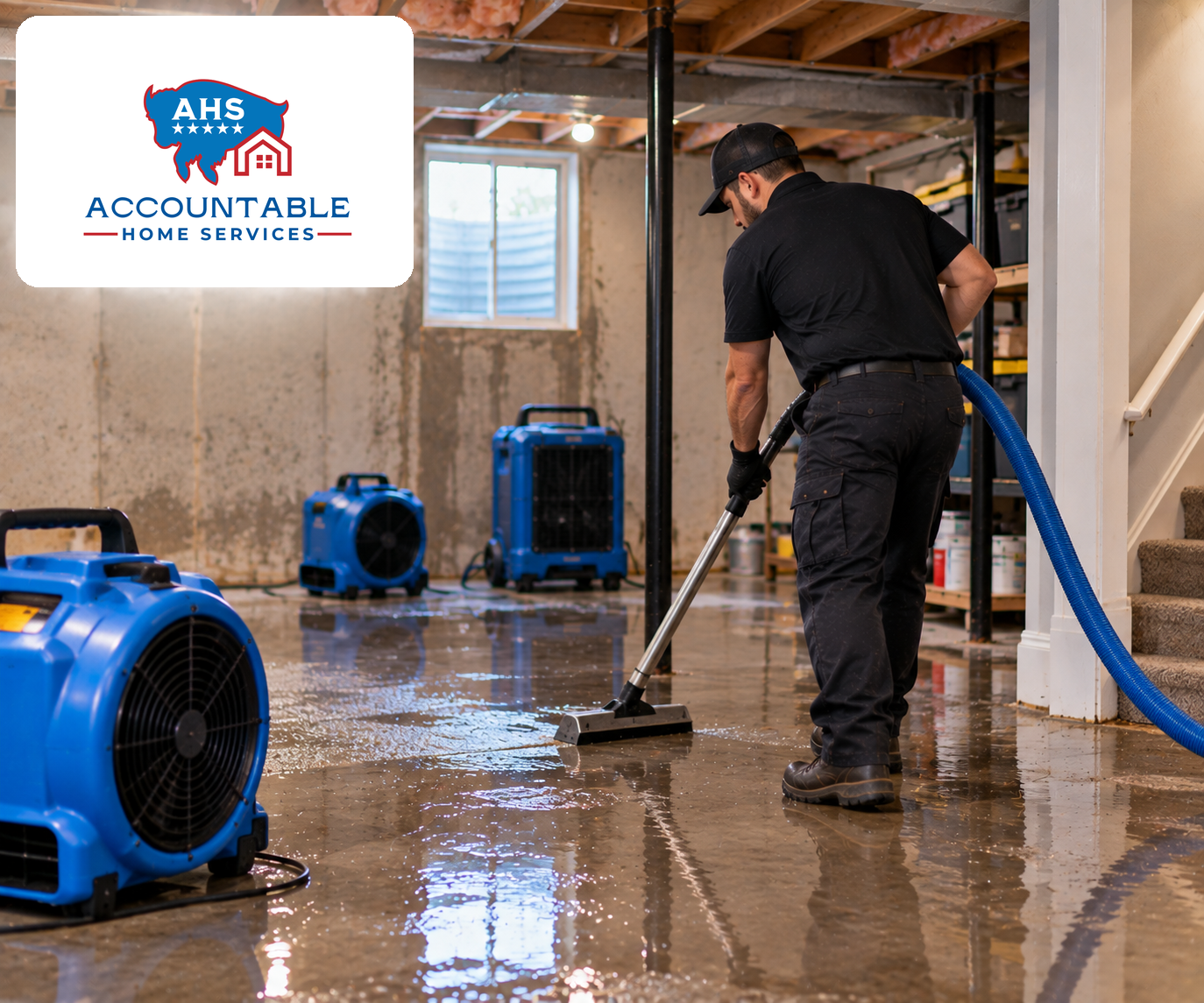
This is especially important after a plumbing leak, roof leak, sump pump problem, drain backup, or appliance failure. Drywall, insulation, baseboards, flooring, and cabinets can hold moisture even when the surface looks dry. A moisture inspection in Littleton gives you a clearer picture of what happened and helps support better decisions for repairs and insurance documentation.
Local mold concerns in Littleton homes
Homes in Littleton can see mold problems in many of the same places found across the Denver metro area: basements, bathrooms, laundry rooms, crawl spaces, utility rooms, kitchens, and areas around older windows or exterior walls. The issue is not always dramatic. Sometimes it starts with a small stain, a musty smell, or a tenant saying a room feels damp.
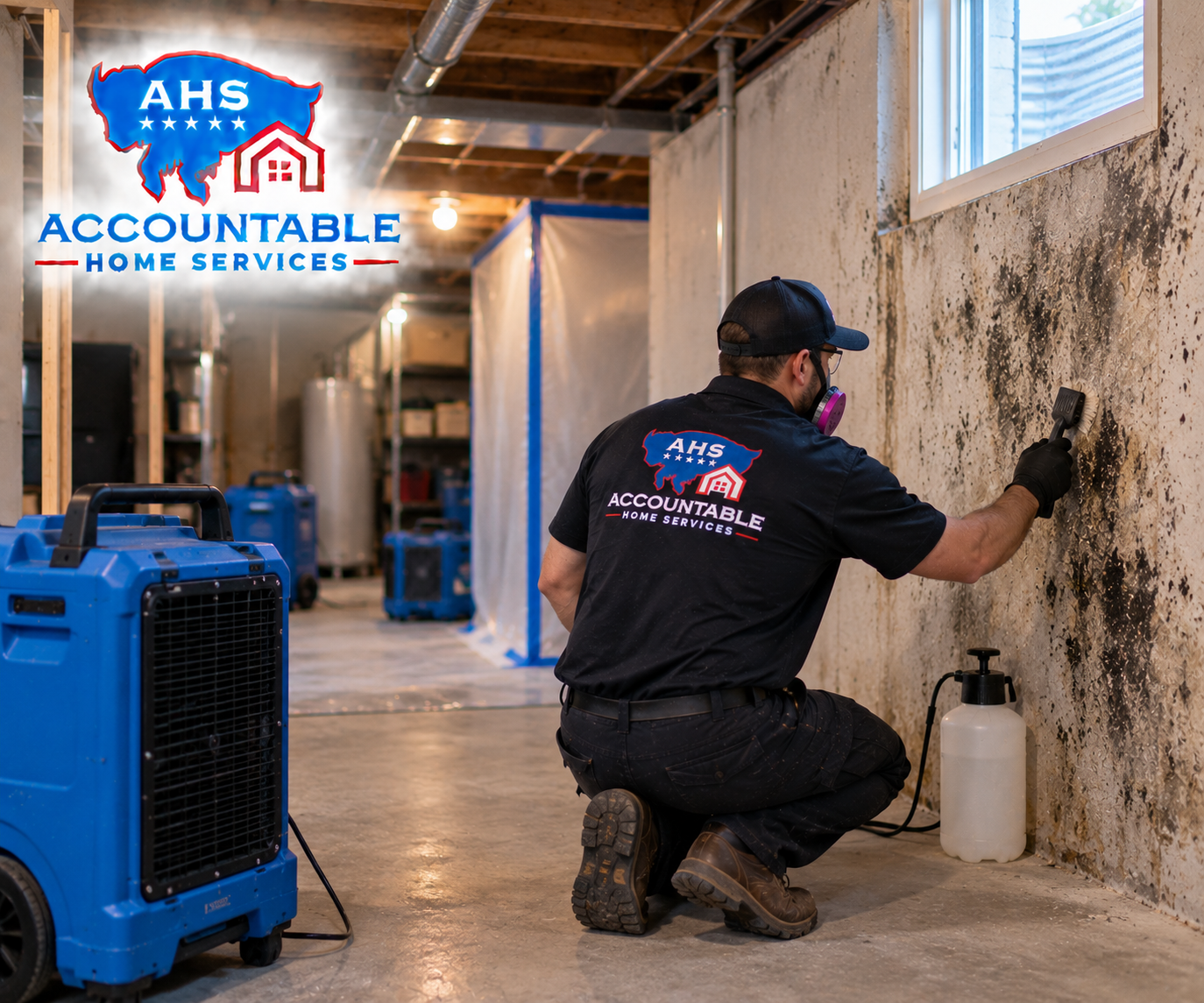
Basement mold in Littleton homes often begins after seepage, a foundation moisture issue, a failed sump pump, or unfinished materials staying damp too long. Bathrooms are another common trouble spot because warm air, poor ventilation, and repeated condensation can create the right conditions for growth. A bathroom mold inspection can help separate normal surface mildew from a deeper moisture problem behind tile, drywall, trim, or a vanity.
Hidden mold inspection is also important when there has been a past leak that was cleaned up quickly but not fully dried. Mold can develop behind cabinets, under flooring, inside wall cavities, or around insulation. You do not need to panic, but you do need a calm process that finds the moisture source and documents the affected area.
Signs it is time to call a mold inspector in Littleton
Some mold concerns can be handled with basic cleaning and better ventilation. Others need a trained eye because the visible spot may only be part of the problem. If you are unsure, it is better to ask for guidance early than wait until damage spreads.
Call for mold inspection Littleton CO services when you notice:
- A musty odor that returns after cleaning or airing out the room
- Staining, spotting, or fuzzy growth on drywall, trim, ceilings, or stored items
- Recent water damage from a pipe, water heater, appliance, roof, or drain backup
- Damp carpet, swollen baseboards, soft drywall, or bubbling paint
- Basement humidity, seepage, or repeated moisture near foundation walls
- Bathroom mold that keeps coming back after normal cleaning
- Dark growth that raises concern and may require black mold inspection
- Moisture complaints from tenants, buyers, sellers, or insurance clients
A black mold inspection does not mean assuming the worst. Many molds can look dark, and appearance alone does not confirm the species. The practical goal is to find the moisture, evaluate affected materials, and decide whether sampling, cleaning, removal, or containment is needed.
What a professional mold inspection includes
A professional mold inspection should be organized, careful, and easy for the homeowner to understand. The inspection is not just a quick glance at a wall. It should connect the visible concern to the likely moisture source, the materials involved, and the next step needed to reduce further damage.
Depending on the situation, an inspection may include:
- A walkthrough of the affected rooms and nearby areas
- Questions about recent leaks, repairs, storms, plumbing work, or odors
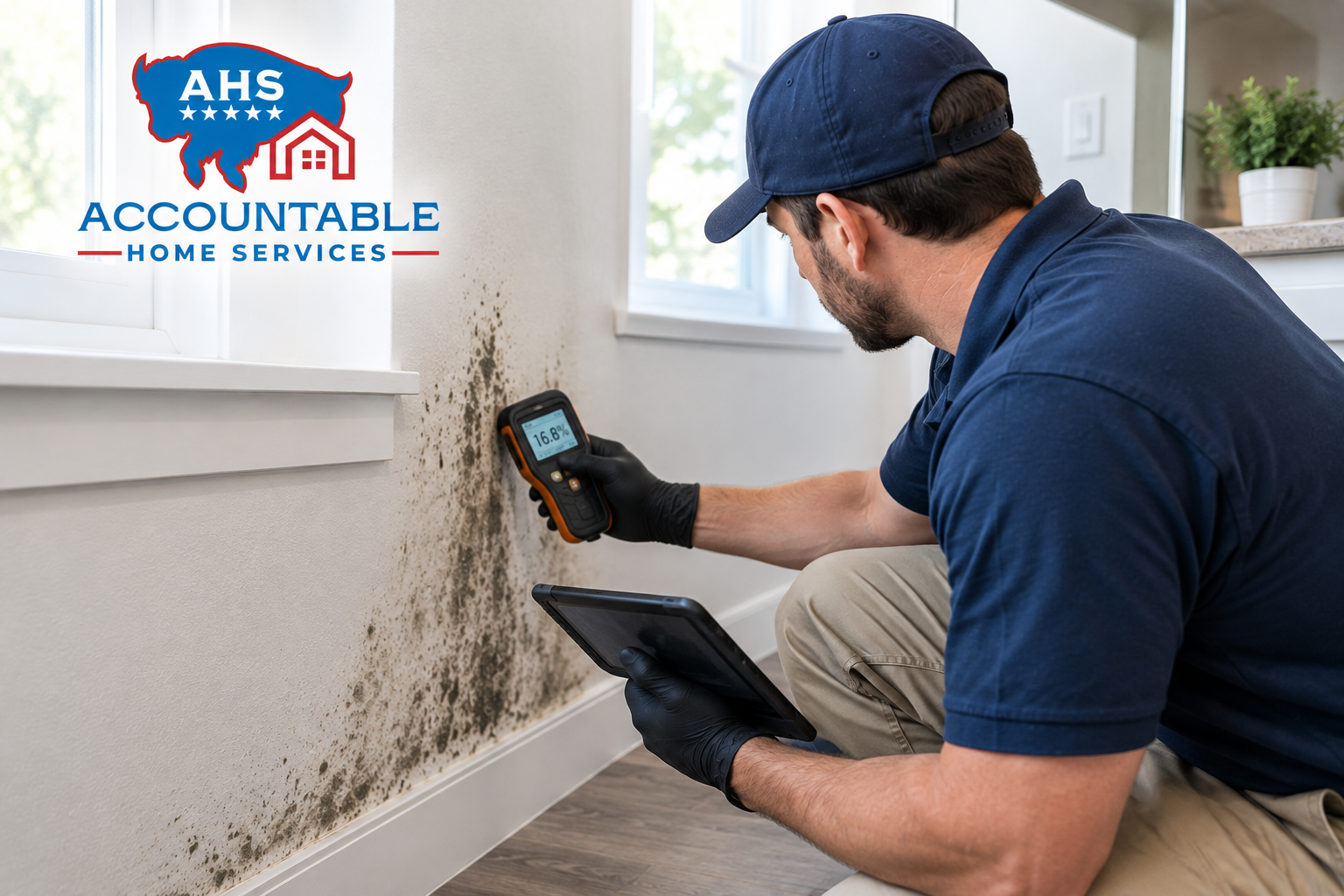
- Moisture readings on walls, flooring, trim, cabinets, or ceilings
- Visual checks around plumbing fixtures, windows, exterior walls, and utility areas
- Review of conditions that may contribute to mold, such as poor ventilation or trapped humidity
- Photos and written notes that can help explain the damage
- Guidance on whether drying, cleaning, mold removal, or mold remediation is recommended
- Discussion of whether additional testing is useful for the situation
For insurance agents, plumbers, and property managers, this documentation matters. A homeowner may be stressed, unsure what is covered, and worried about making the wrong decision. Clear notes, photos, and a plain-language explanation can help everyone understand what was found and what should happen next.
Mold after water damage should be handled quickly
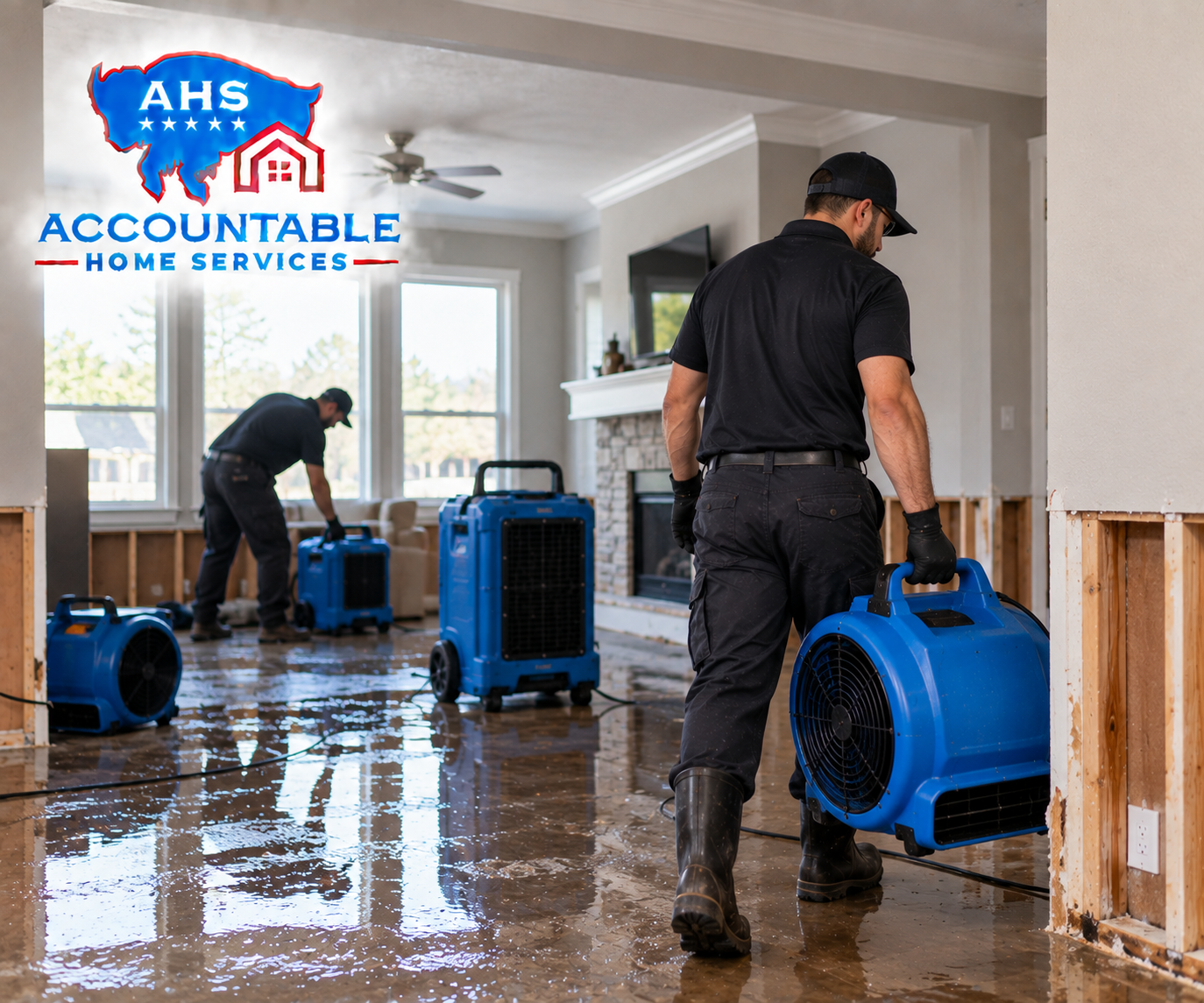
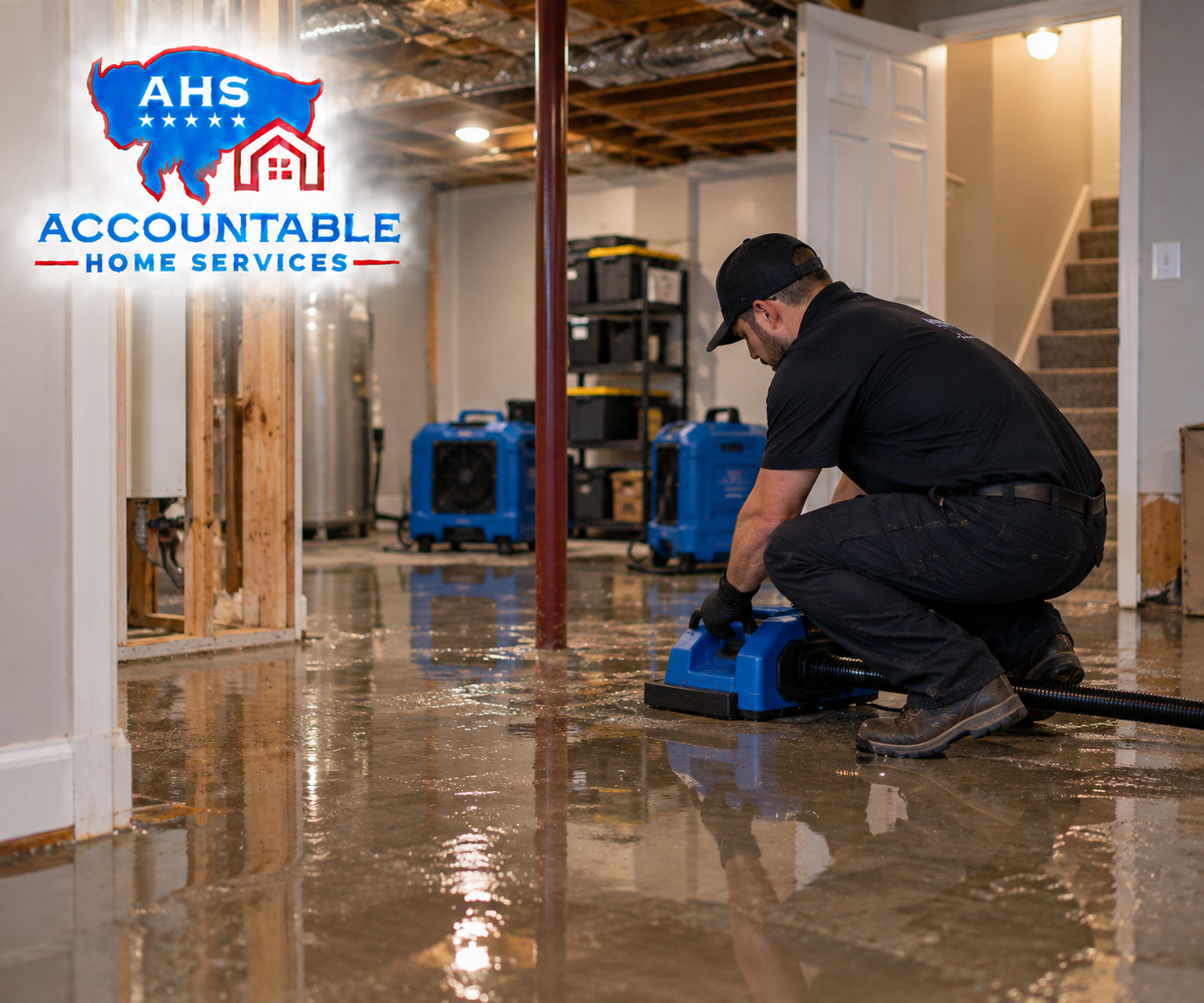
Mold after water damage is one of the most common reasons homeowners search for mold inspection services near me. A leak may be repaired by a plumber, but wet building materials can remain in place. If drying does not happen correctly, moisture can stay behind walls, under flooring, or inside cabinets.
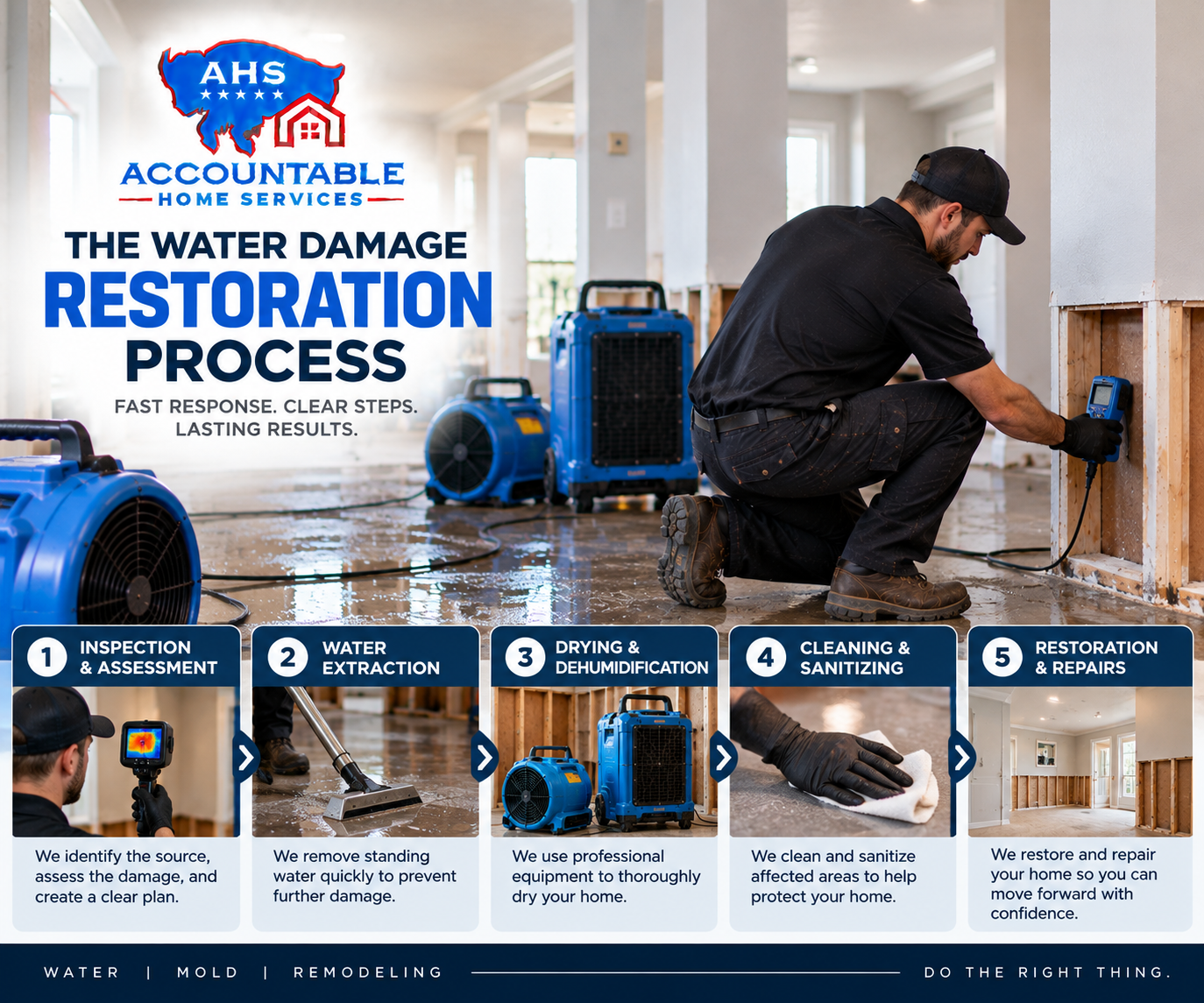
That is where a restoration-focused inspection helps. The plumbing repair stops the source, but the restoration process looks at the building materials affected by the water. If materials are still damp, the priority may be mitigation and drying. If mold growth is already present, the plan may shift toward containment, removal of affected porous materials, cleaning, and verification that the moisture source has been corrected.
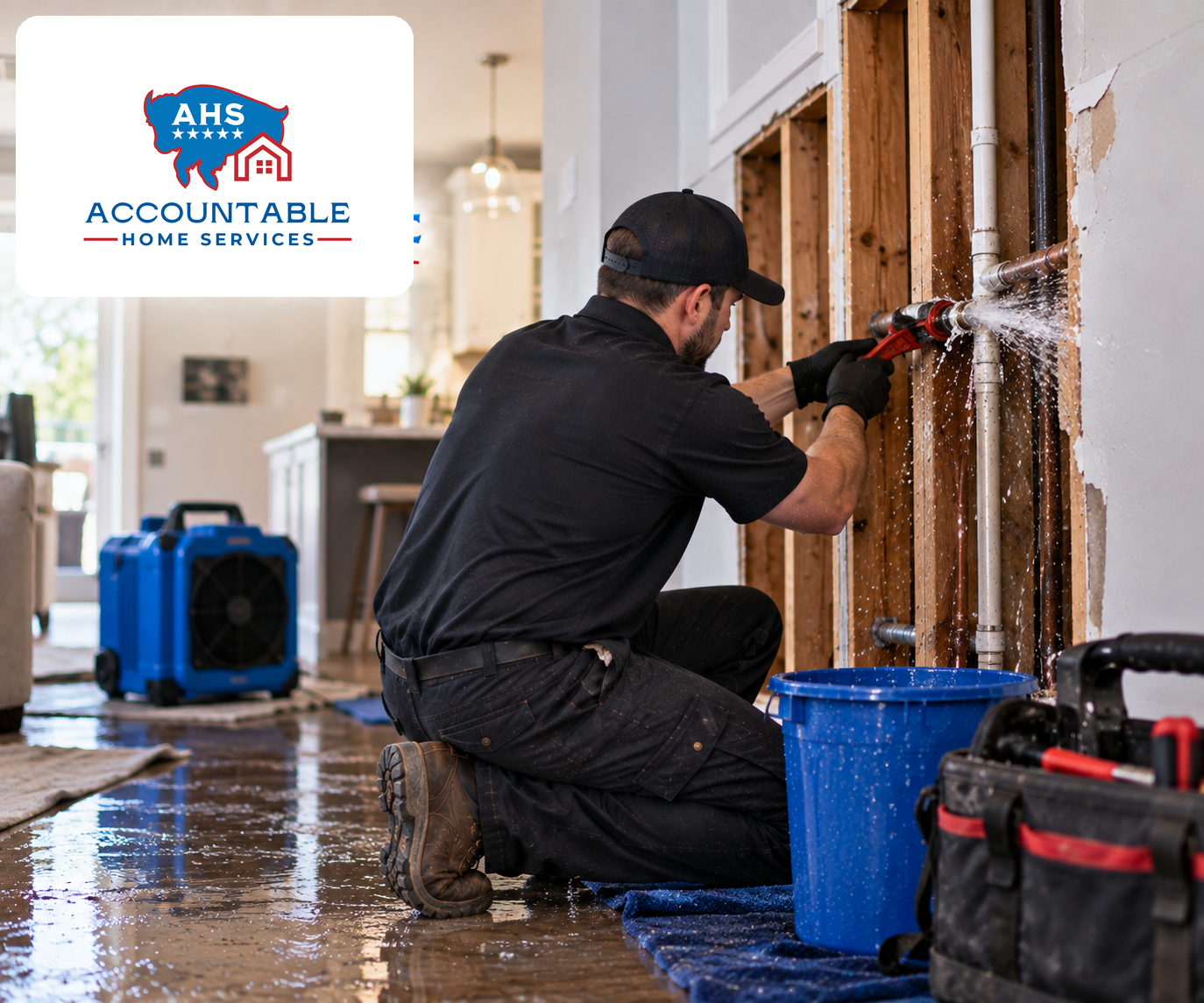
For plumbers, this is the handoff point where a reliable restoration partner protects the customer relationship. You fix the leak; the inspection helps identify whether the surrounding area needs drying, documentation, or mold remediation Littleton support.
Mold inspection cost depends on the situation
Mold inspection cost can vary because every home and moisture problem is different. A small bathroom concern is not the same as a finished basement affected by a water heater leak. The size of the area, accessibility, number of rooms, need for moisture mapping, and whether sampling is requested can all affect the overall cost.
The best approach is to ask what is included before scheduling. Homeowners should understand whether the visit includes moisture readings, photos, written findings, recommendations, and any optional testing. Be cautious with anyone who gives a one-size-fits-all answer without asking about the home, the leak history, or the visible conditions.
A good inspection should help you avoid unnecessary work as much as it helps identify needed repairs. If the issue is limited, you should know that. If the damage is larger than it looks, you should have a clear explanation and documentation to support the next step.
How the inspection supports insurance and repair decisions
When mold concerns are tied to water damage, documentation can make the claim process less confusing. Insurance coverage depends on the policy and cause of loss, so no restoration company should promise coverage. What a good inspection can do is provide organized information that helps the homeowner, adjuster, insurance agent, plumber, or property manager understand the condition of the home.
Helpful documentation may include photos of affected areas, moisture readings, notes about visible damage, suspected source information, and recommended next steps. This does not replace the insurance company’s decision, but it can reduce guesswork. It also helps prevent the common problem of repairs starting before anyone records what was damaged.
For property managers, this is especially useful. When an owner or tenant asks what happened, you need more than “someone looked at it.” You need clear communication, practical next steps, and a record showing that the issue was addressed responsibly.
What homeowners can do before the appointment
You do not need to solve the problem before calling. In fact, heavy cleaning, demolition, or painting over stains can make it harder to understand what happened. A few simple steps can make the inspection more useful.
Before your appointment:
- Stop the water source if it is safe to do so, or call a plumber if the leak is active.
- Avoid disturbing suspected mold, especially on drywall, insulation, carpet, or stored items.
- Take a few photos of the area as you found it.
- Move small personal items away from the affected area if they are not contaminated.
- Write down when you first noticed the issue and any recent leaks or repairs.
- Keep receipts, plumber notes, and insurance claim information together.
- Do not run fans directly on suspected mold growth, because that may spread particles.
These steps help protect the home and preserve useful information. If the area is unsafe, heavily contaminated, or connected to sewage or a major water loss, wait for professional guidance before entering or moving materials.
Mold removal and remediation in Littleton
Mold removal Littleton CO searches often come from homeowners who want the problem gone quickly. That is understandable. Still, proper mold removal services should focus on the source, containment, affected materials, cleaning methods, and moisture correction rather than just wiping the visible surface.
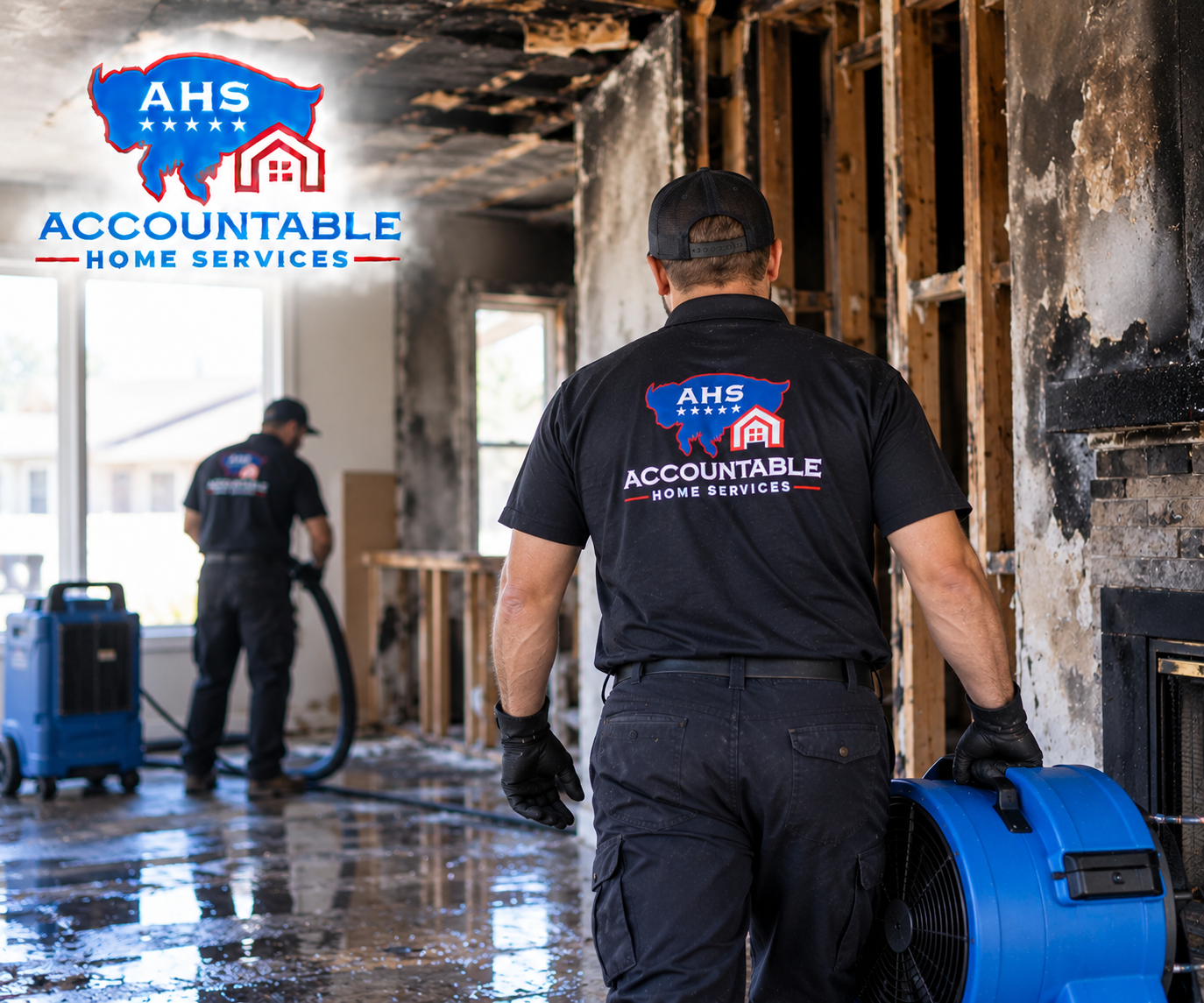
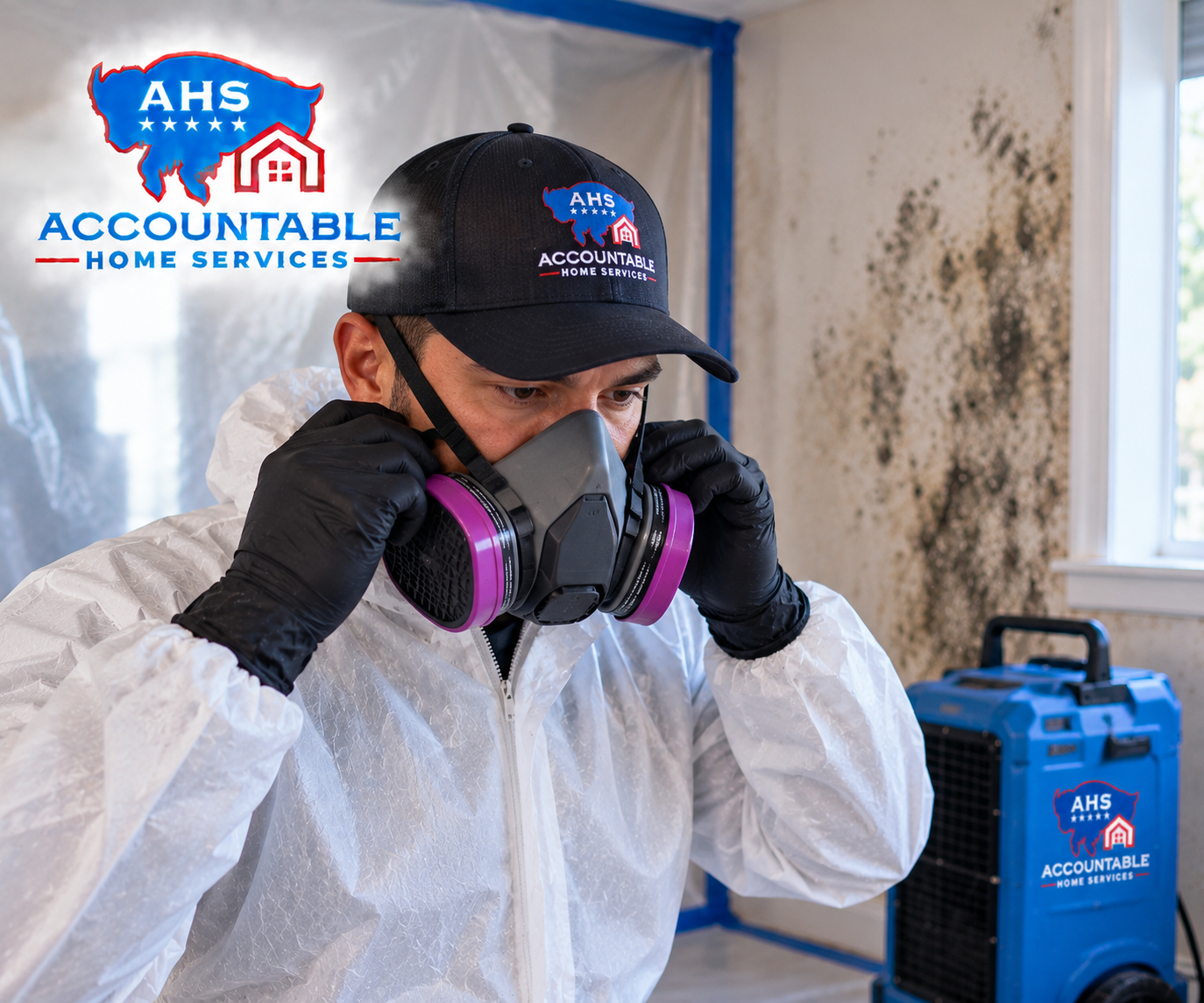
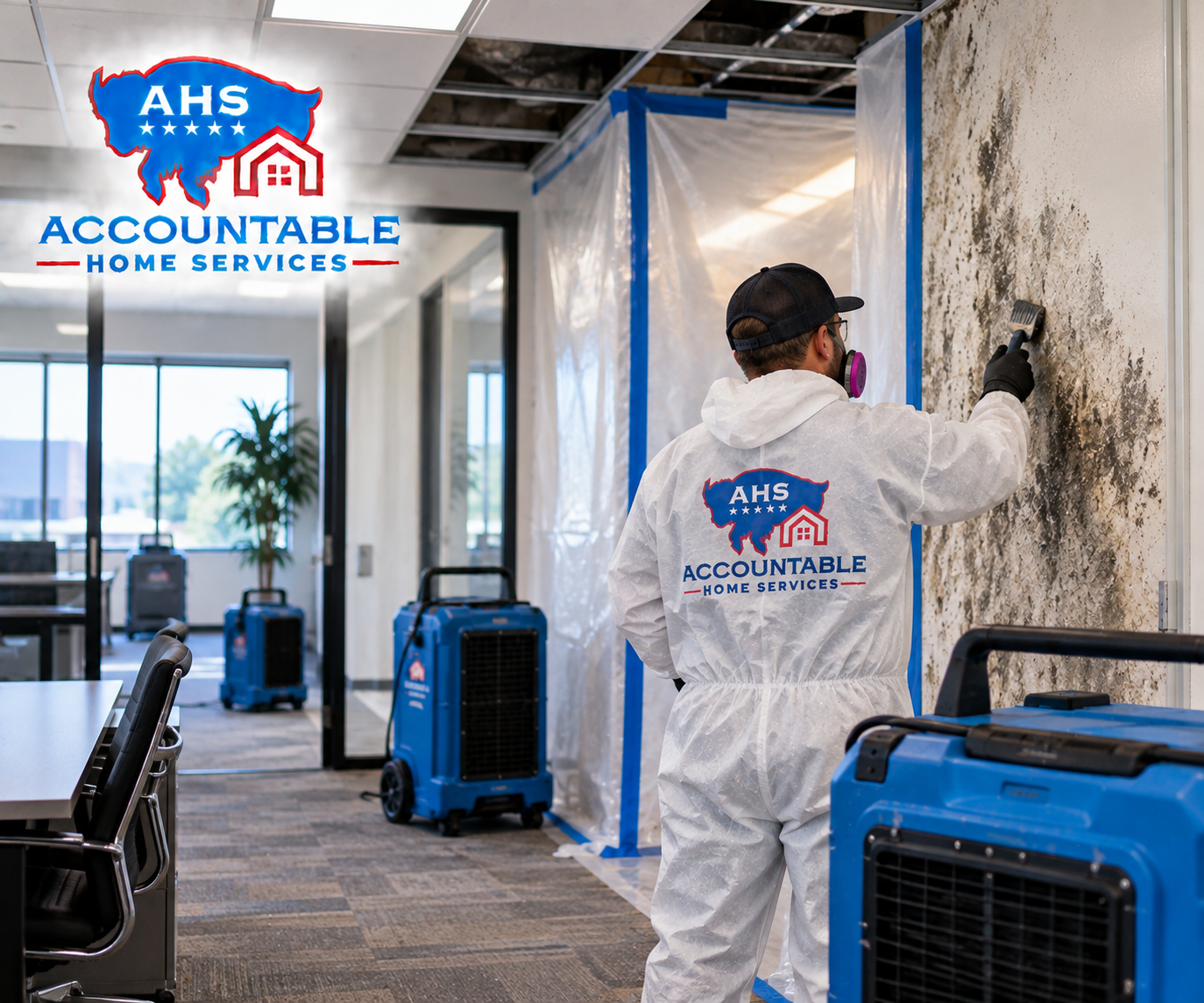
Mold remediation in Littleton may involve setting containment, using air filtration, removing damaged porous materials, cleaning salvageable surfaces, and confirming that the moisture issue has been addressed. The exact scope depends on the inspection findings. A small, isolated area may call for a limited response, while a larger basement or multi-room water loss may require a more structured remediation plan.
The Local Restoration Guide approach is simple: explain what is visible, check for moisture, document the conditions, and recommend the next practical step. No scare tactics. No unnecessary mystery. Just clear guidance for homeowners who need to protect their property and move forward.
Schedule a local mold inspection in Littleton
If you are searching for mold inspection services near me, start with a local team that understands water damage, documentation, and the stress homeowners feel when mold is possible. The Local Restoration Guide can help Littleton homeowners, insurance agents, plumbers, and property managers take the right first step after leaks, moisture concerns, basement odors, or visible growth.
Reach out to discuss what you are seeing, where the moisture may have started, and whether a professional mold inspection is appropriate. With clear communication and careful documentation, you can make a better decision about drying, repair, mold removal, or mold remediation without guessing your way through it.