Water Removal in Greenwood Village, CO: What Homeowners Should Do First
Water Removal in Greenwood Village, CO: What Homeowners Should Do First
When water gets into a home, the first few decisions matter. Whether you are dealing with a flooded basement cleanup, a leaking appliance, a burst pipe, or water in a crawl space, the goal is simple: stop the source if it is safe, protect people and belongings, document the damage, and start water removal before hidden moisture spreads.
The Local Restoration Guide helps Greenwood Village homeowners, insurance agents, plumbers, and property managers understand what to do next when water damage is active, confusing, or already becoming a bigger problem. If you need water removal Greenwood Village CO support, professional water extraction and drying can help reduce further damage and support a cleaner insurance claim process.
What should you do first after water damage?
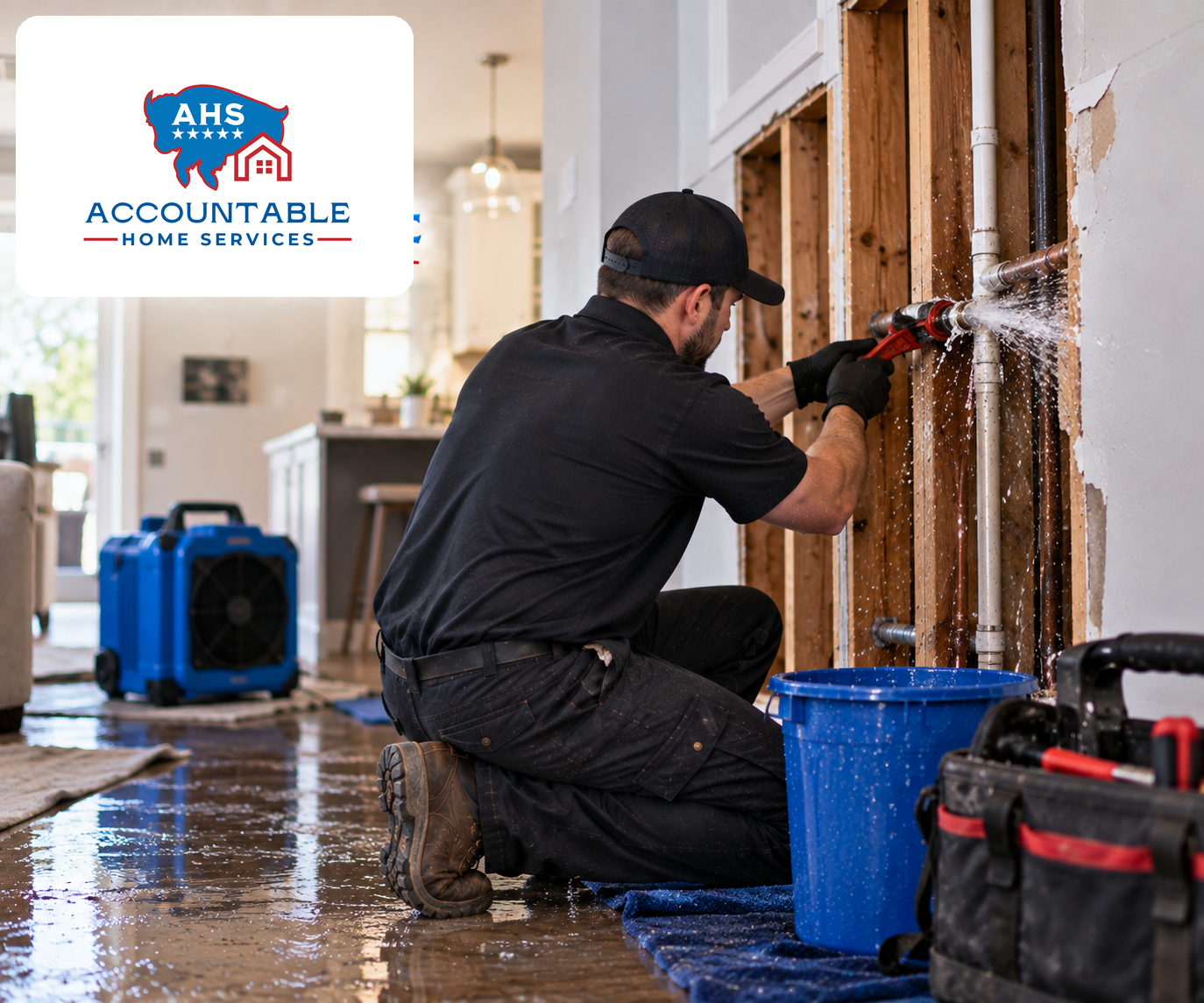
First, make sure the area is safe. If water is near outlets, electrical panels, appliances, or sagging ceilings, stay out of the affected space and call for help. If you can safely reach the water source, shut it off, then contact the right professional for the cause, such as a plumber for a supply line leak or a restoration team for emergency water removal and water mitigation.
Once the immediate hazard is handled, take photos and videos before moving items or removing materials. This helps show the condition of the property at the start of the loss. Then begin standing water removal as soon as possible, because water can move under flooring, behind baseboards, into drywall, and into lower areas that are easy to miss.
A good first response usually includes:
- Turning off the water source if it is safe to do so
- Avoiding rooms with electrical hazards or possible structural issues
- Taking photos and videos of water, damaged materials, and affected belongings
- Moving small valuables away from wet areas when safe
- Calling a plumber if the leak source still needs repair
- Calling a restoration professional for water extraction, drying, and documentation
- Contacting the insurance carrier or agent for claim guidance
This is not about panic. It is about order. When the response is calm and documented, the homeowner, agent, plumber, property manager, and restoration team can all work from the same facts.
Fast water removal helps limit secondary damage
Water damage rarely stays in one obvious puddle. A water heater leak may look like a small laundry room issue while moisture is already spreading under nearby flooring. A sink supply line can soak cabinet bases, drywall, and trim before anyone notices. A basement backup may leave visible water on the slab, while hidden moisture remains inside wall cavities.
That is why water cleanup should include more than towels and a fan. Professional water extraction removes bulk water first, then drying equipment and moisture checks help locate wet areas that are not visible. This matters in Greenwood Village homes with finished basements, crawl spaces, built-in cabinetry, wood flooring, and rooms where water can travel under walls.
Water mitigation Greenwood Village service is meant to reduce additional loss. It does not replace plumbing repair, rebuilding, or insurance review. It focuses on stopping the spread, removing water, drying affected materials when possible, and keeping clear records of what was found and what was done.
Common water problems in Greenwood Village homes
Every water loss is different, but many calls start with the same few causes. The source affects the cleanup plan, the urgency, and the type of documentation needed.
Common situations include:
- Burst pipe water damage: A broken supply line can release a large amount of water quickly, especially if no one is home when it happens.
- Appliance leak cleanup: Dishwashers, refrigerators, washing machines, and water heaters can leak slowly or suddenly, often affecting floors, cabinets, and nearby rooms.
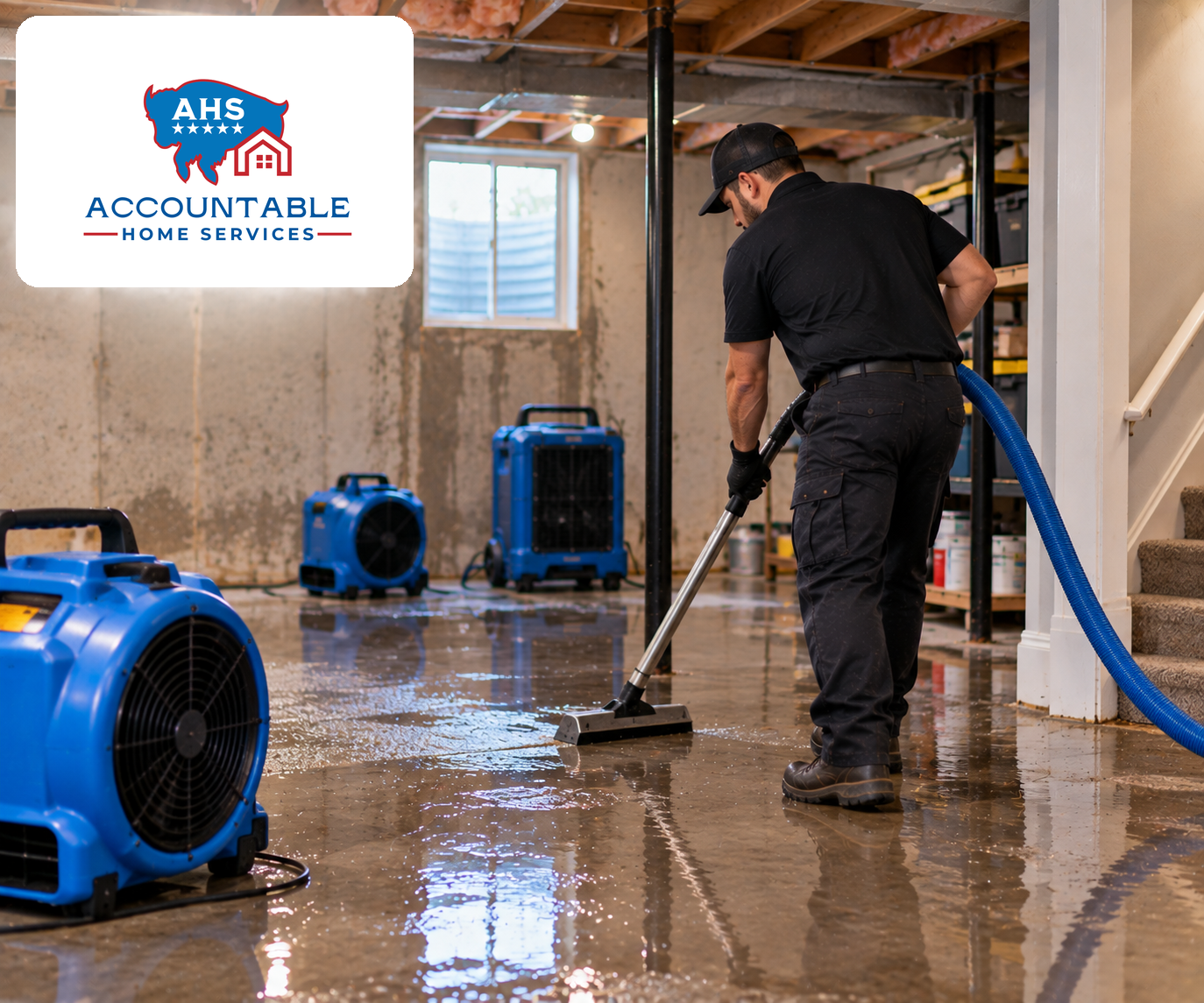
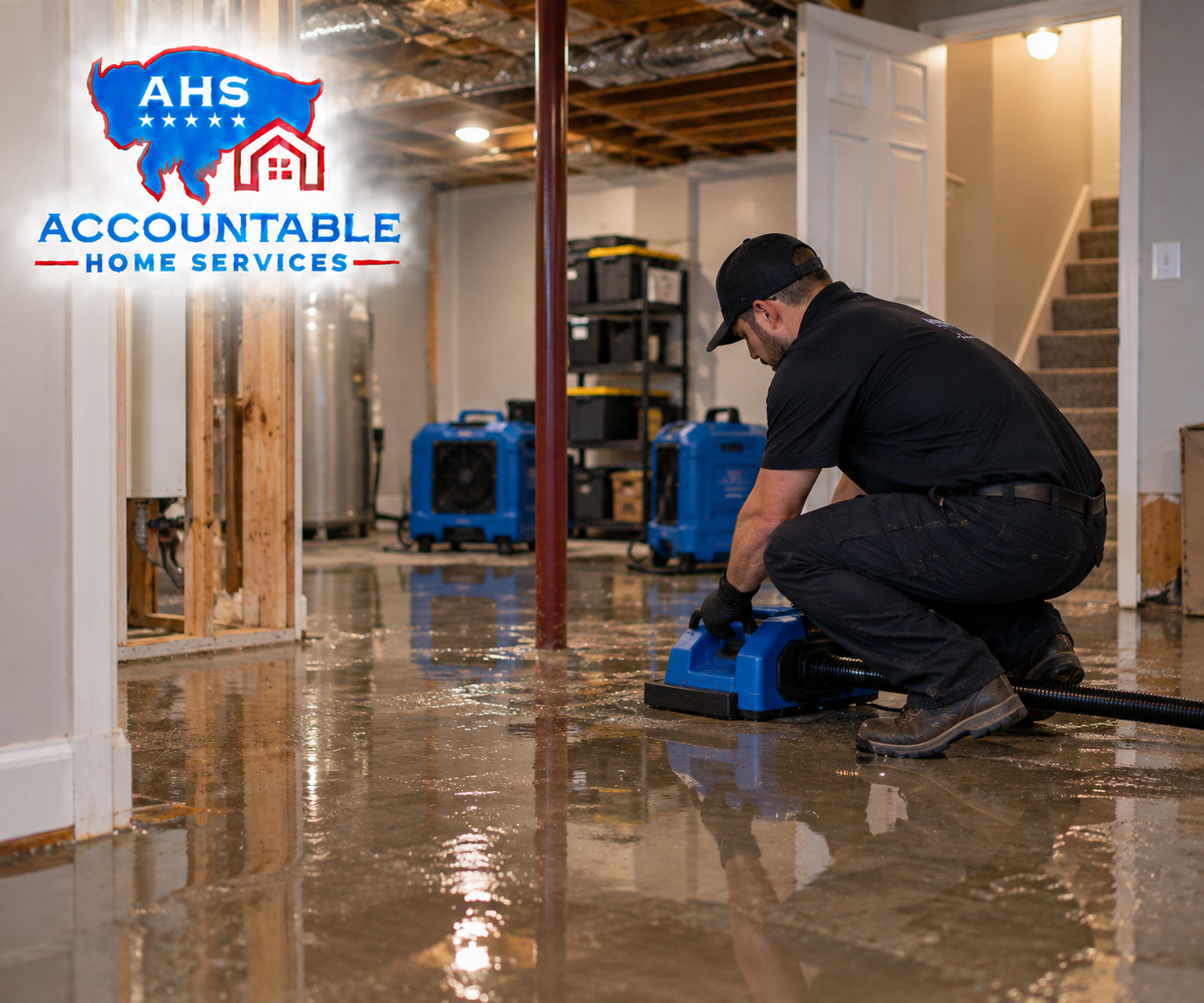
- Flooded basement cleanup: Finished basements can hold water behind baseboards, under carpet pad, inside drywall, and around stored contents.
- Crawl space water removal: Water below the home can create damp conditions, odors, and moisture concerns that may not be obvious from the living area.
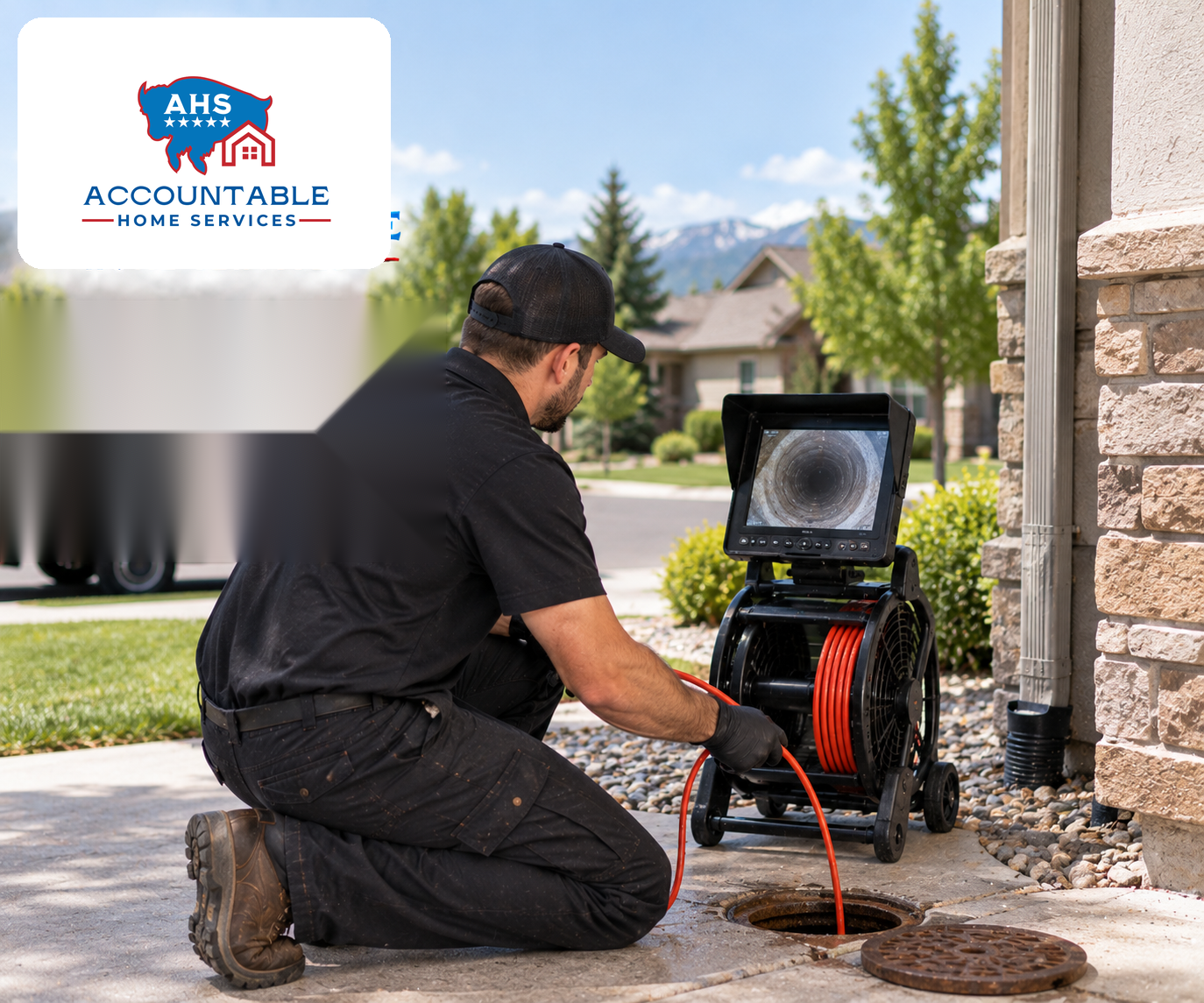
- Sump pump or drain issues: When a pump fails or water backs up, cleanup may involve contamination concerns and more careful handling.
- Roof or exterior water entry: Storm-related water can enter through openings, windows, foundations, or roof areas and may require both mitigation and repair planning.
The right response depends on the water source, how long the materials have been wet, and where the water traveled. A restoration technician should explain these findings in plain language so the homeowner is not left guessing.
Hidden moisture is the part homeowners often miss
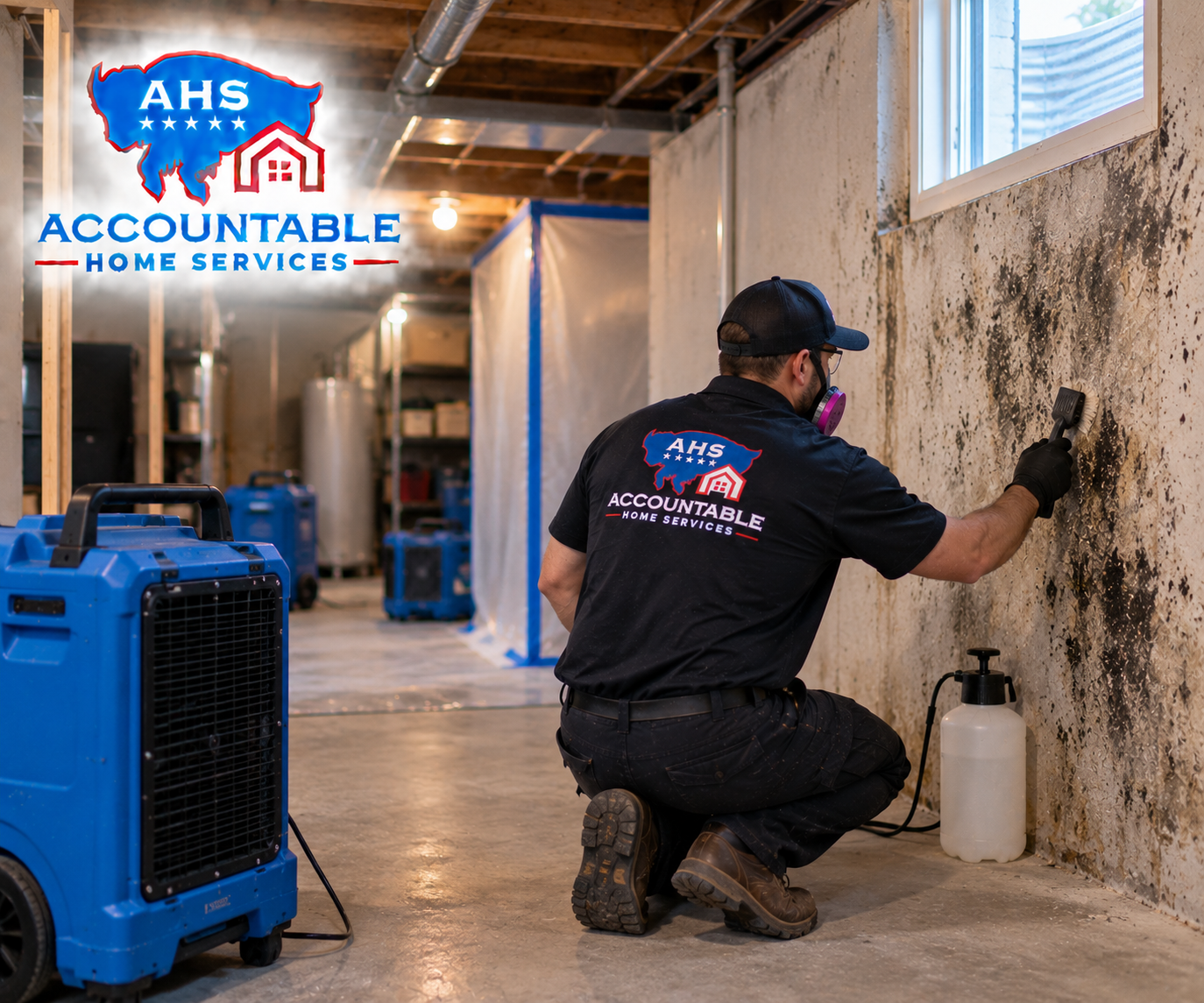
The visible water is only part of the problem. Hidden moisture can stay under flooring, behind trim, inside insulation, and in wall cavities after the surface looks dry. This is one reason DIY flood cleanup can feel successful at first and then lead to odor, staining, warped materials, or mold concerns later.
Moisture inspection helps answer practical questions. Is the drywall wet above the baseboard? Did water run under the plank flooring? Is the carpet pad holding moisture? Did the leak reach the next room or the ceiling below? These details shape the drying plan and help avoid unnecessary demolition.
Mold prevention after water damage starts with controlling moisture early. That does not mean every wet area turns into a mold problem, and it does not mean every material must be removed. It means the affected areas should be checked, dried, and documented so decisions are based on conditions, not guesswork.
What professional water extraction includes
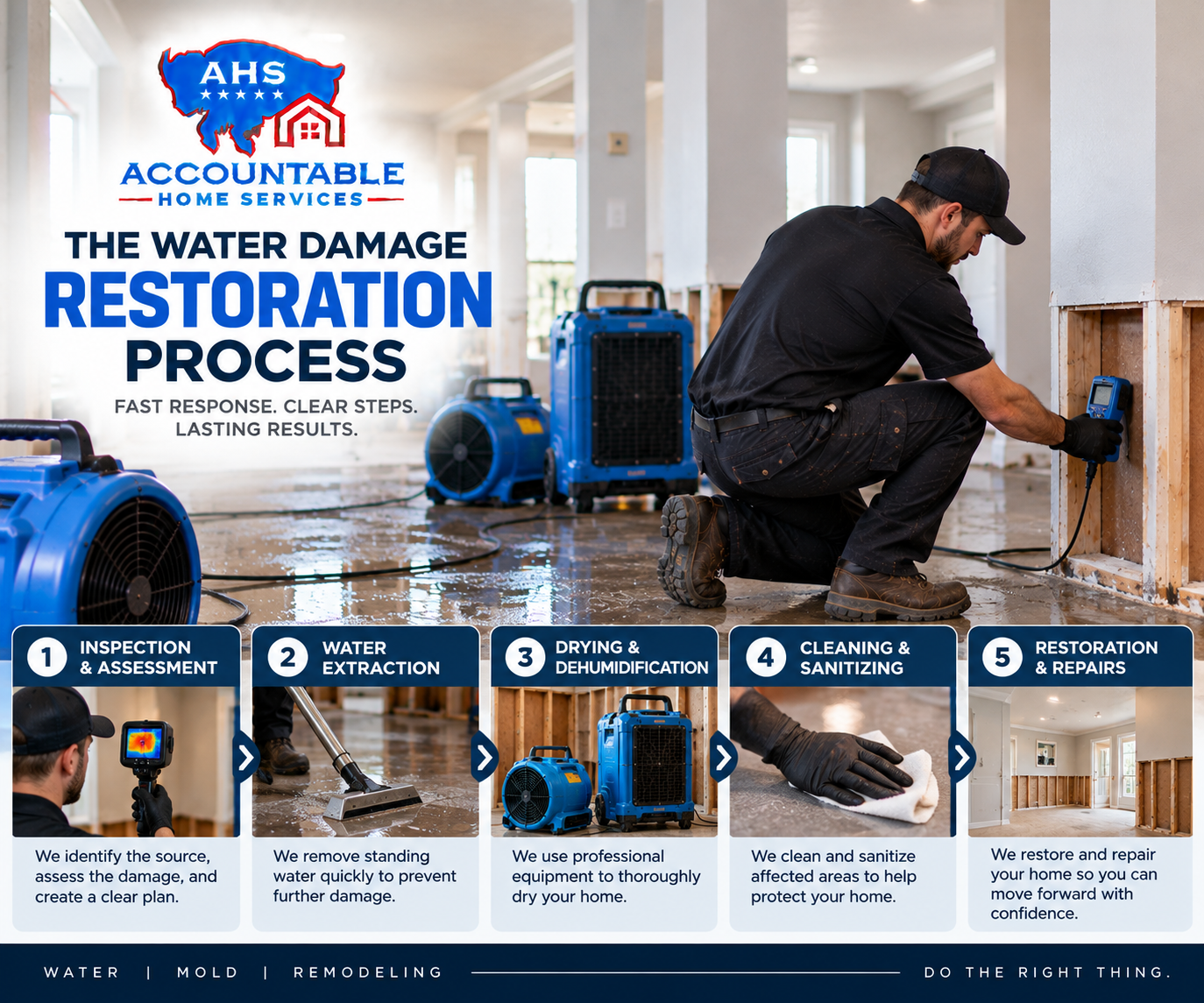
A professional response should be clear, organized, and easy for the homeowner to follow. The exact steps depend on the damage, but a good water damage restoration Greenwood Village process usually includes assessment, extraction, drying, monitoring, and documentation.
A typical visit may include:
- Initial safety check The team looks for electrical hazards, ceiling concerns, contaminated water, and access issues before work begins.
- Source and area review They confirm whether the water source has been stopped and identify affected rooms, materials, and contents.
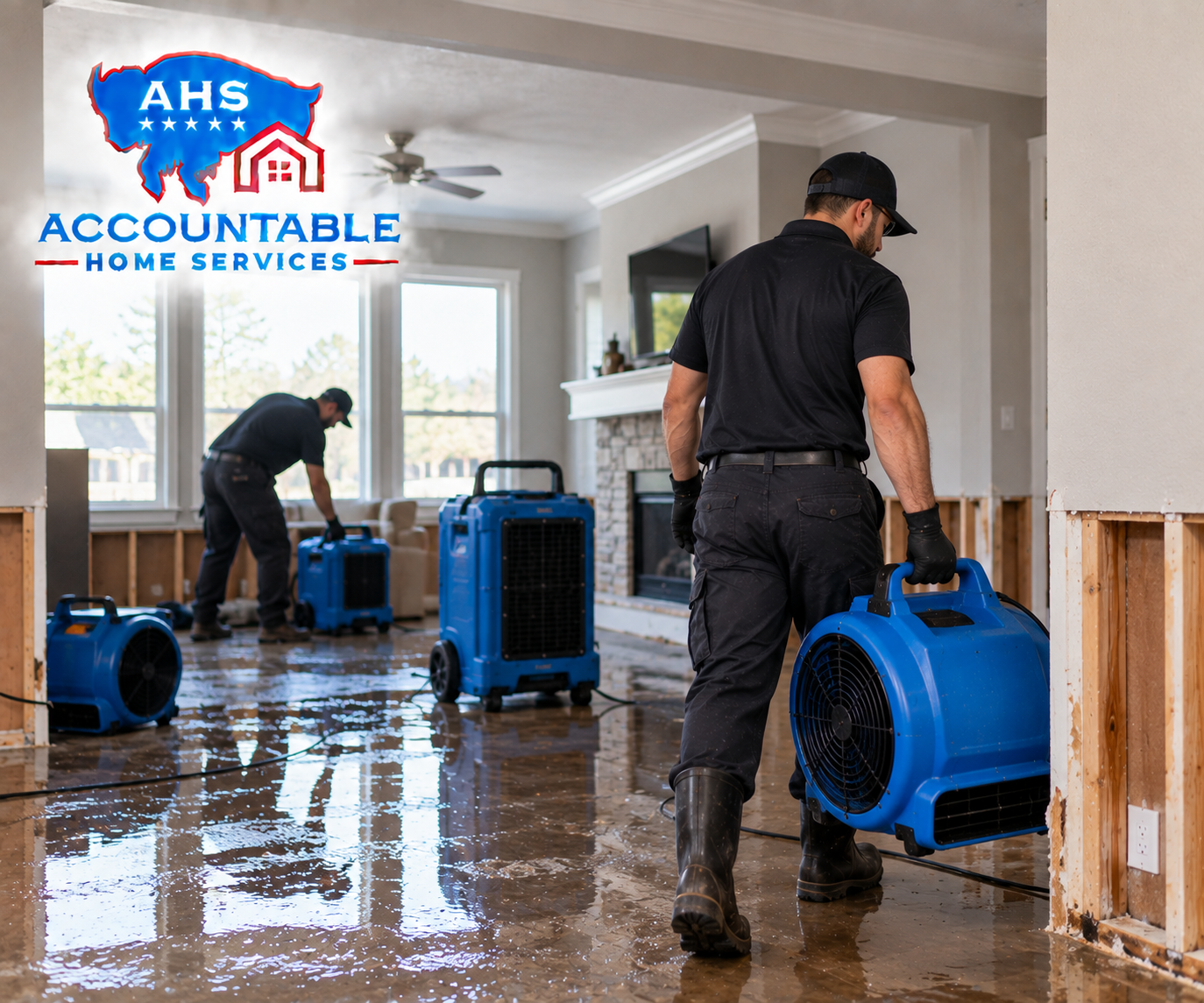
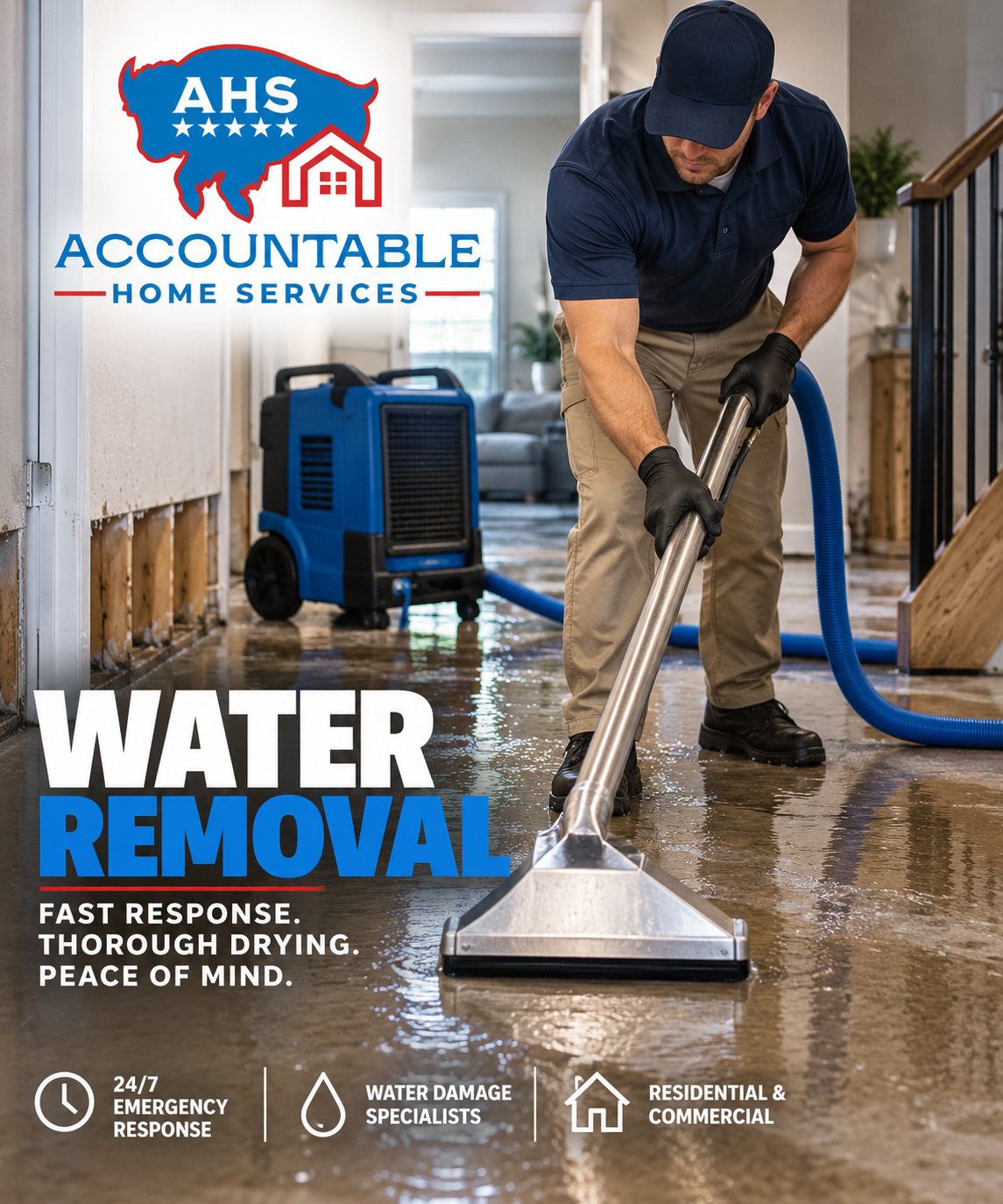
- Water extraction Bulk water is removed from floors, carpet, hard surfaces, and accessible areas with extraction equipment.
- Moisture mapping The technician checks nearby walls, floors, trim, and hidden areas to understand where water traveled.
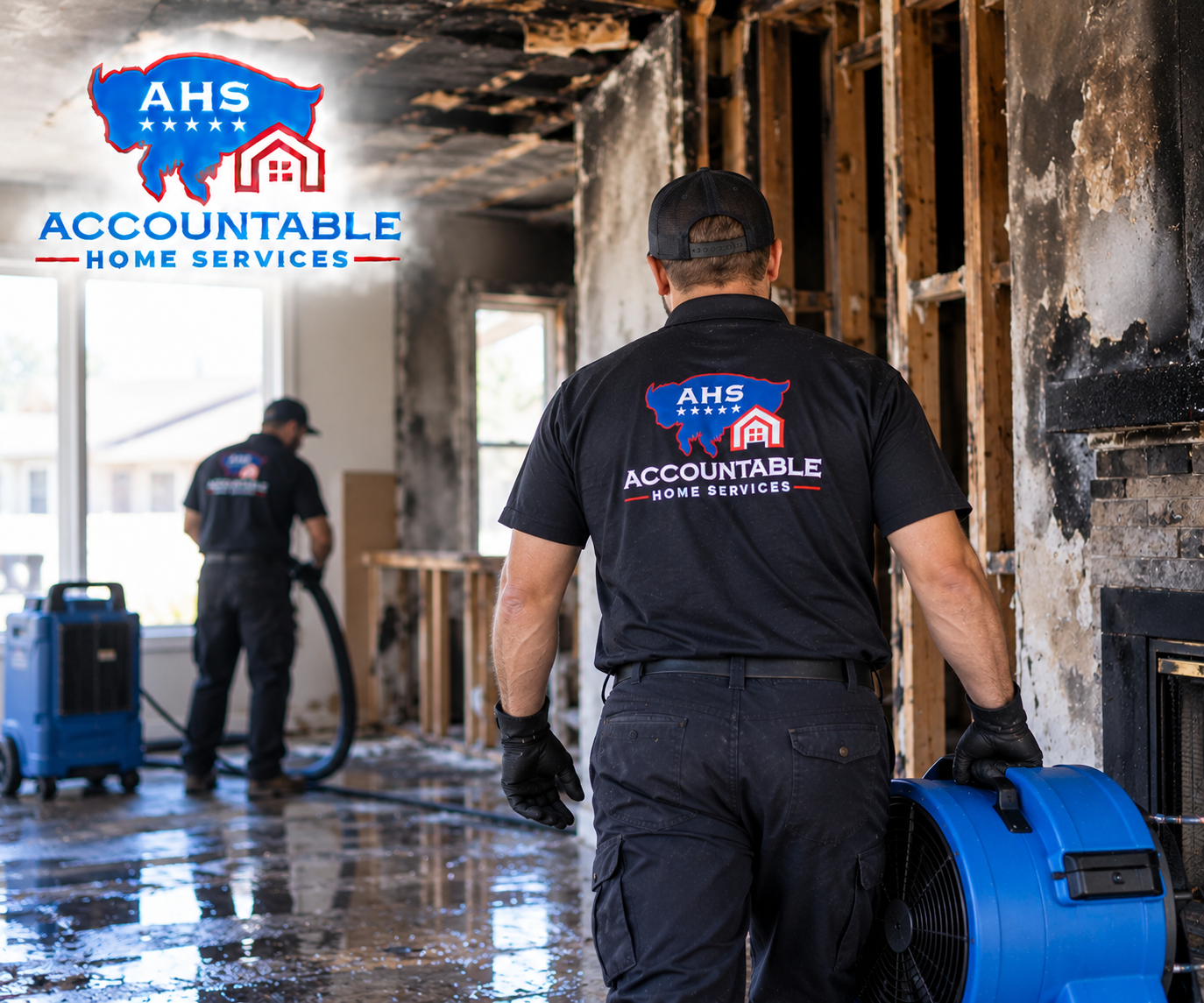
- Drying setup Air movers, dehumidifiers, and containment may be used to support controlled drying.
- Progress checks Moisture readings help show whether materials are drying as expected or whether the plan needs adjustment.
- Documentation Photos, notes, readings, and work details can support conversations with the homeowner, insurance agent, adjuster, plumber, or property manager.
This is where professional water extraction is different from simply removing standing water. The goal is not just to make the room look dry. The goal is to reduce moisture in the affected materials and create a record of the mitigation work.
Clear documentation supports the insurance process
Water damage claims can become stressful when no one has a clear timeline. Homeowners may not know what happened first, agents may be trying to help from a distance, and adjusters need details that are easy to review. Good documentation helps reduce confusion.
Helpful documentation may include photos of the source area, affected rooms, wet materials, removed materials, drying equipment, and moisture readings. It can also include notes about when the loss was discovered, when the source was stopped, who repaired the plumbing issue, and what emergency water removal steps were taken.
For insurance agents, this kind of organization protects the client experience. For plumbers, it helps show where the plumbing repair ended and where water mitigation began. For property managers, it creates a cleaner record for owners, tenants, and carriers.
A better referral experience for agents, plumbers, and property managers
Water damage often starts with a call to someone other than a restoration company. A homeowner may call their insurance agent because they are worried about coverage. A tenant may call the property manager about wet carpet or a ceiling stain. A plumber may stop the leak and then see that the home still needs water extraction Greenwood Village support.
A good restoration partner should make that handoff easier, not harder. That means answering quickly, explaining the next step clearly, treating the homeowner or tenant with respect, and providing documentation without turning the situation into a guessing game.
Referral partners need a team that understands the pressure they are under:
- Insurance agents need clients to feel guided, not abandoned
- Plumbers need water damage handled after the repair is complete
- Property managers need fast communication for tenants and owners
- Homeowners need plain answers about what is wet, what can be dried, and what happens next
- Everyone needs records that match the actual conditions on site
When communication is simple and steady, the cleanup process feels more manageable for everyone involved.
When to request emergency water removal
Some water problems can wait a short time for scheduling. Others should be treated as urgent. If water is spreading, soaking building materials, affecting multiple rooms, or coming from a source that may involve contamination, it is smart to request emergency water removal.
Call for help quickly when you notice:
- Standing water in a basement, hallway, bathroom, kitchen, or mechanical room
- Wet carpet, carpet pad, hardwood, laminate, or drywall
- A burst pipe, failed water heater, or major appliance leak
- Water coming through a ceiling or light fixture area
- Damp smells after a leak or flood cleanup attempt
- Water in a crawl space or below finished rooms
- Repeated moisture issues in a rental property or managed home
Waiting can make the job more complicated. Early water mitigation gives the property a better chance of drying properly and gives the insurance process a clearer starting point.
Get calm guidance and a clear next step
If you are dealing with water damage in Greenwood Village, start with safety, stop the source if possible, document what you see, and get the water removed quickly. The Local Restoration Guide is here to help homeowners and referral partners understand the process and take the right next step without confusion or scare tactics.
For water removal, flooded basement cleanup, appliance leak cleanup, crawl space water removal, flood restoration, or professional water extraction, request help as soon as you can. A clear assessment today can prevent a lot of uncertainty tomorrow.